Top 6 Lakes around Stanford
Best lakes around Stanford offers a diverse natural landscape, characterized by unique geological formations and rich biodiversity. The area is notable for its "pingos," post-glacial depressions that form distinct ponds and wetlands. These natural features create important habitats for a variety of plant and animal species, including numerous types of dragonflies, damselflies, and birds. Visitors can explore these natural areas, which provide opportunities for observing local wildlife and experiencing tranquil waterscapes.
Best lakes around Stanford
- The most popular lakes is…
Last updated: June 28, 2026
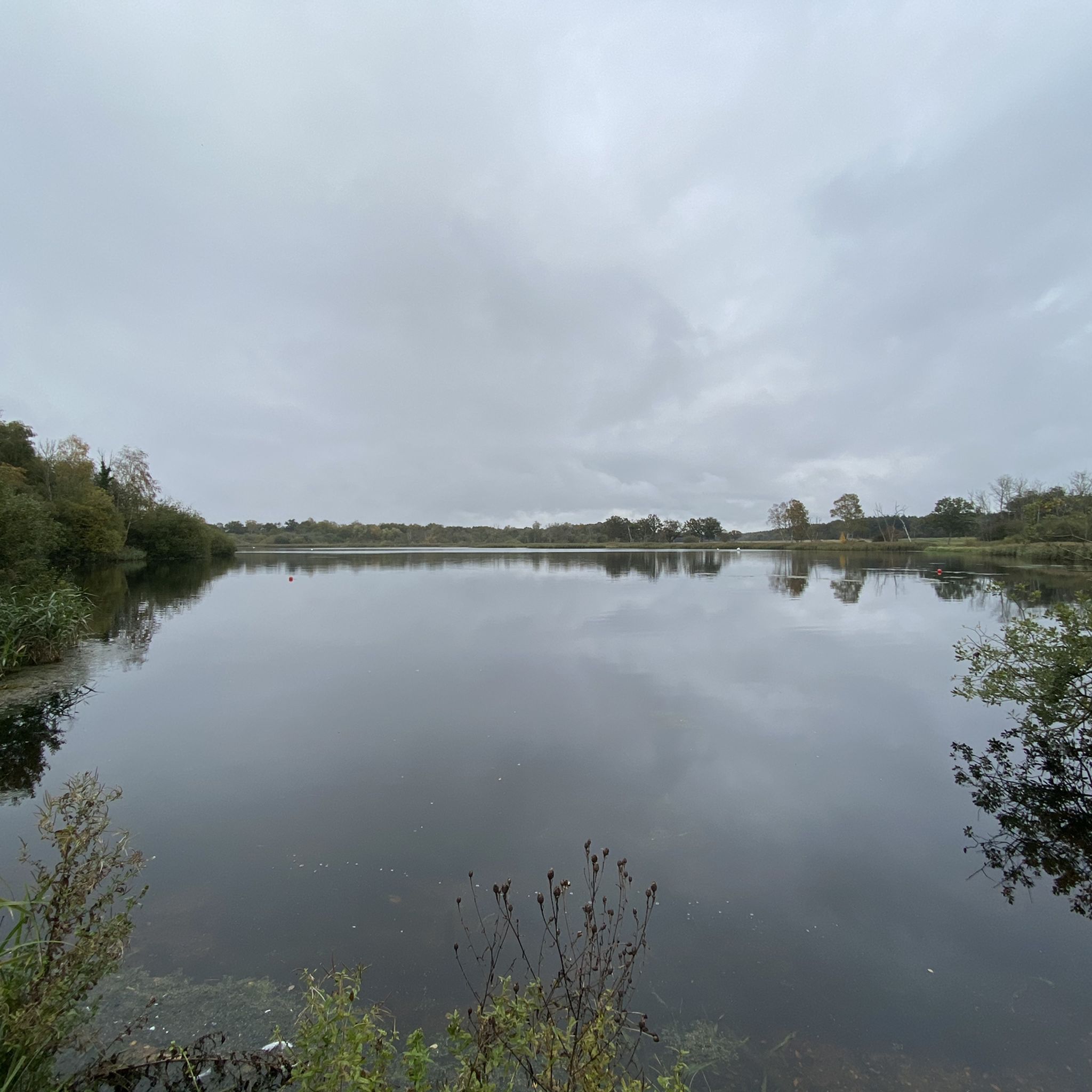
Thompson Water
Highlight • Lake
Tip by

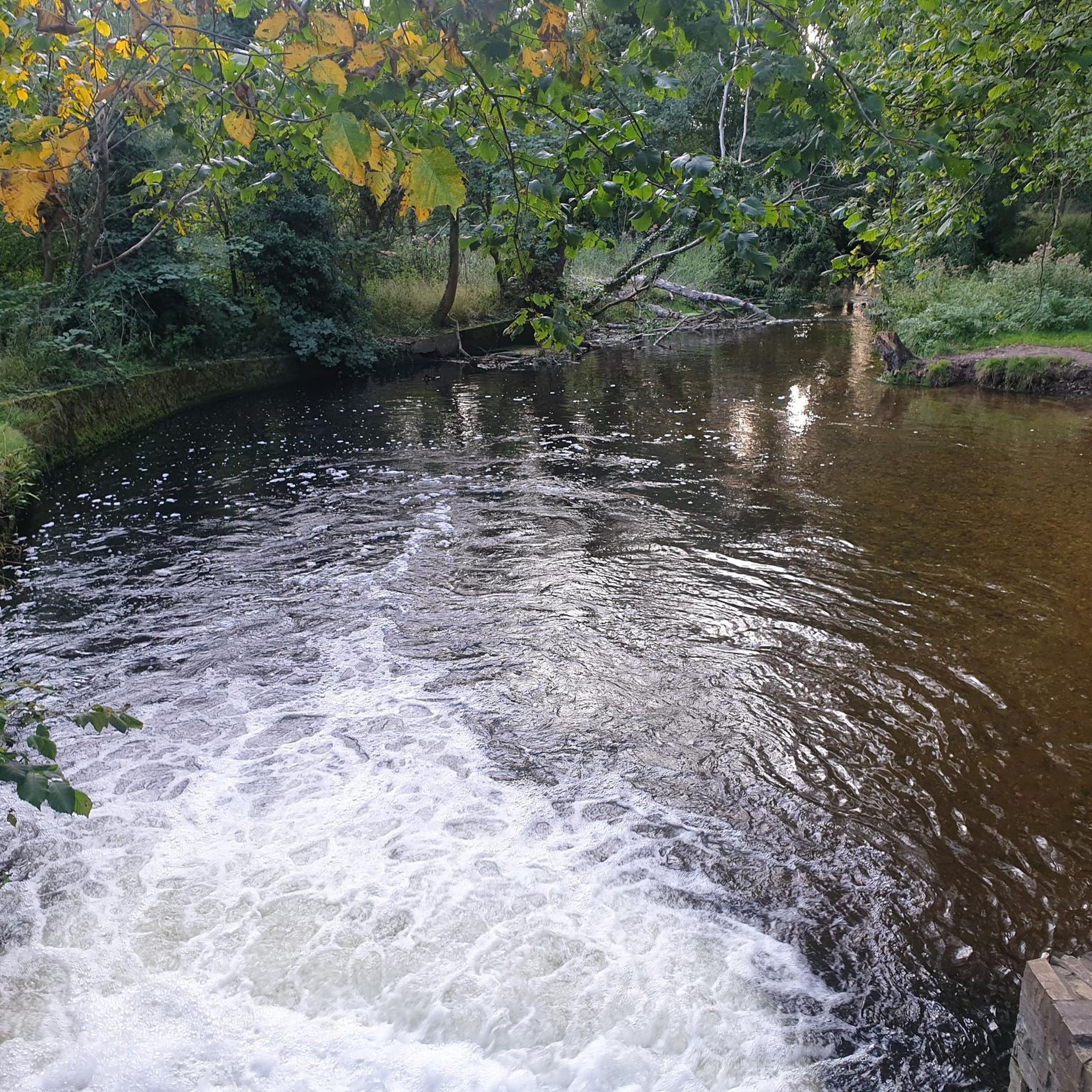
Pingo Pond on the Pingo Trail
Highlight • Natural
Tip by

Sign up now to discover places like this
Get recommendations on the best single tracks, peaks, & plenty of other exciting outdoor places.
Sign up for free
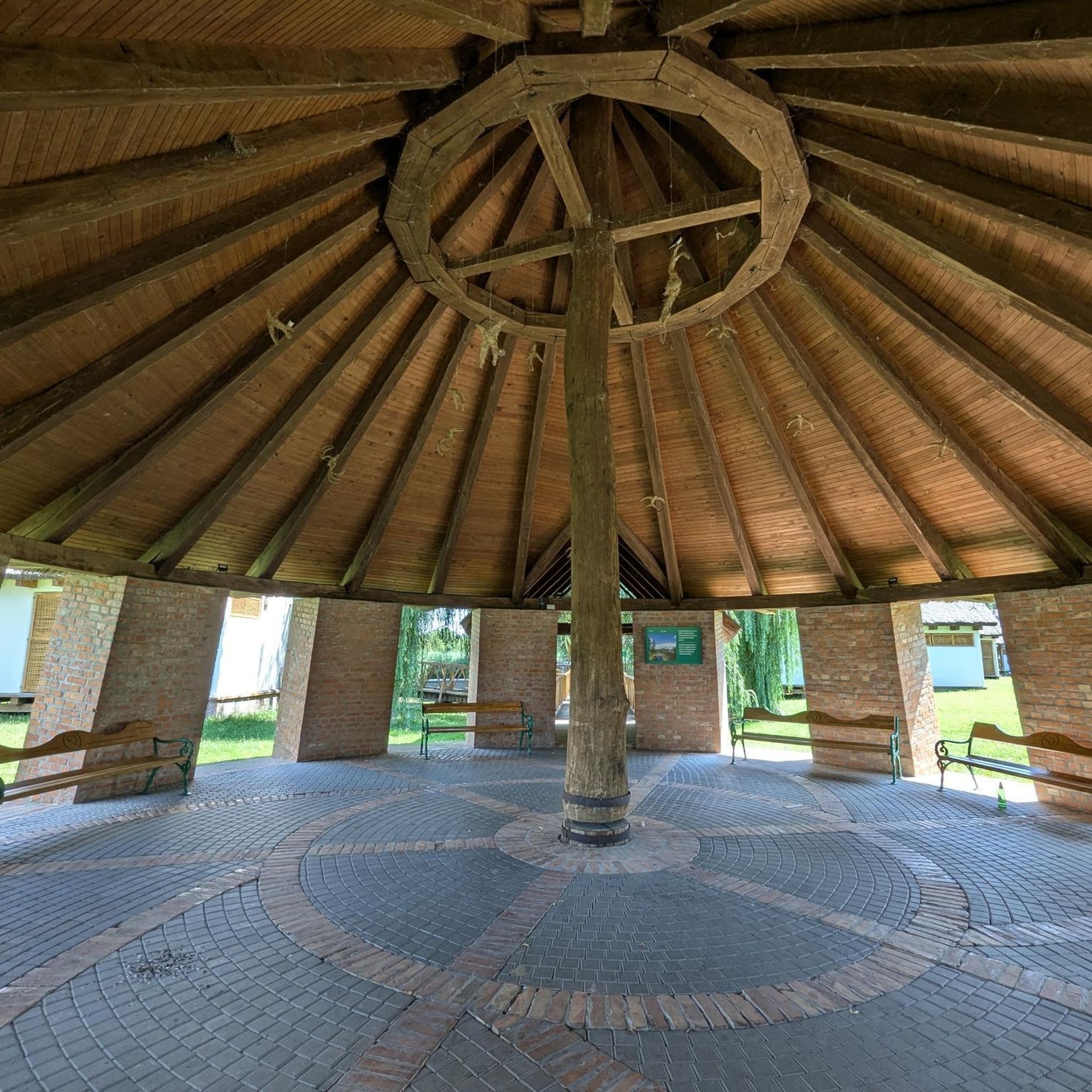
Wellingtonia (Giant Redwood) by the Pond, Brandon Country Park
Highlight • Natural Monument
Tip by

Thompson Common Pingos and Ponds
Highlight • Lake
Tip by
Langmere Lake
Highlight • Natural
Tip by
Sign up for free to discover even more lakes around Stanford.
Sign up for free
Already have an account?
Start today with a free account
Your next adventure awaits.
Login or Signup
Tips from the Community

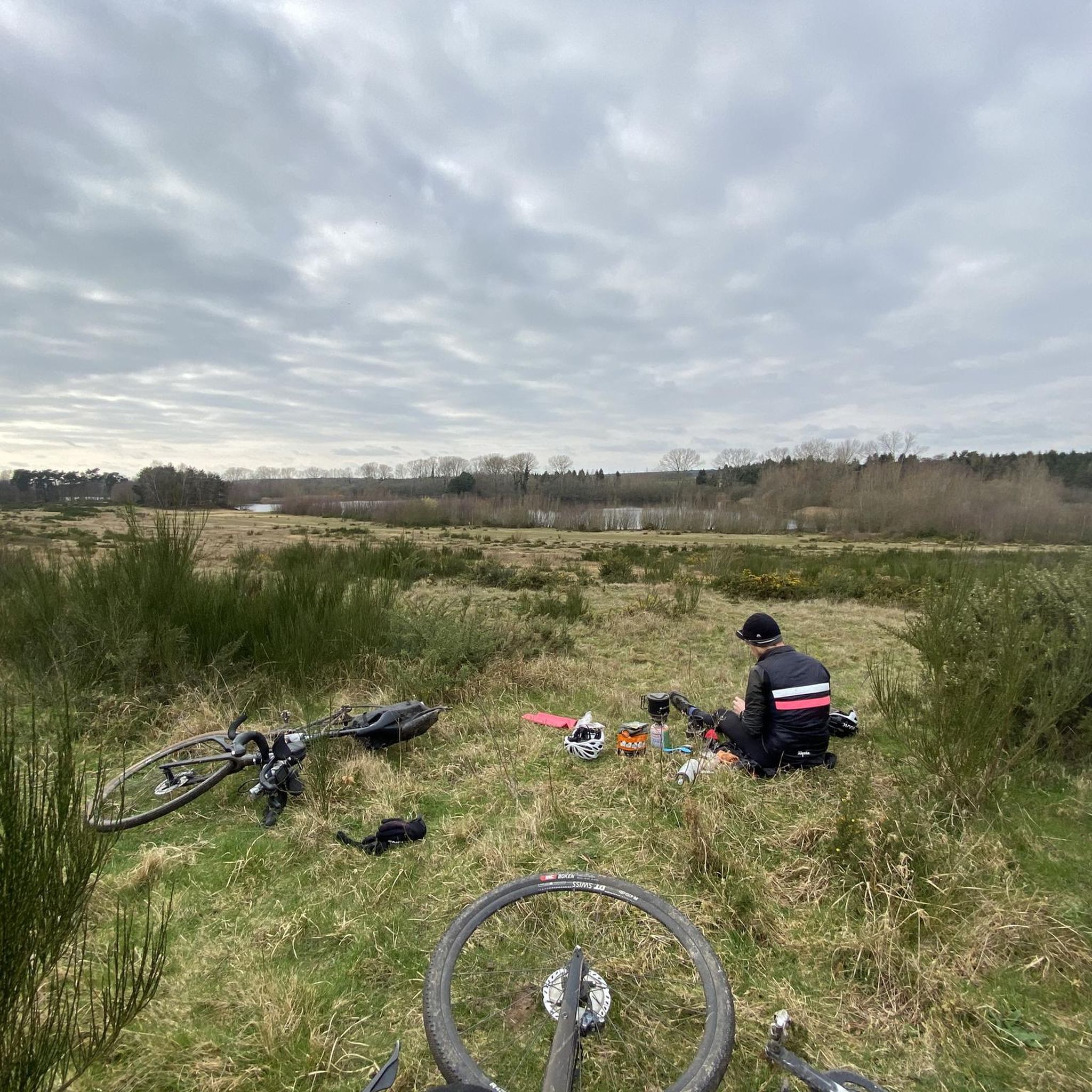
Take time to go off the trail to the bird hides and vantage points around the water. The route is best in spring before the nettles take over the path in summer!
0
0

The pub in Thomson (The Chequers) on Griston Road is worth a visit...old with lots of character.
0
0
The Sequoia or Giant Redwood would have been planted as one of the specimen trees of the Brandon Hall estate. Edward Bliss made his money selling gun flints during the Napoleonic wars and used it to buy and create Brandon Hall and the surrounding land. Many of the unusual trees planted in what is now Brandon Country Park and the wider Thetford Forest are a legacy of this.
1
1

Not so good spot for lunch, move on and find a better place
0
2
Really nice easy walk good on a warm day with shelter from the forests
1
0

Thompson Water and the common form an SSSI managed by the Norfolk Wildlife Trust. It's a particularly important area for dragonflies and damselflies.
0
0

The Pingo Trail is an 8 mile hike around Thompson Common which takes in the delights of the ice age pools known as pingos. As the ground froze, water underneath froze to create little hills. When the ice melted the earth dropped back down and created the pingos. They are usually found in places such as Greenland and Alaska so it is an interesting and unique place to visit.
1
0
Frequently Asked Questions
What unique natural features can I find around the lakes near Stanford?
The Stanford area is renowned for its "pingos," which are unique post-glacial depressions that form distinct ponds and wetlands. These geological formations are typically found in regions like Greenland and Alaska, making their presence here quite special. You can explore these at places like Thompson Water and along the Pingo Trail.
Are the lakes around Stanford good for wildlife observation?
Yes, the lakes and commons are excellent for wildlife. Thompson Common is a significant site for dragonflies and damselflies, with 19 species recorded, along with over 400 plant species, 25 butterfly species, and more than 600 beetle species. Thompson Common Pingos and Ponds also support otters and pool frogs. At Langmere Lake, you can observe various bird species like coot, curlew, and teal.
What kind of outdoor activities can I do near the lakes in Stanford?
Beyond exploring the lakes themselves, the area offers various outdoor activities. You can find numerous hiking trails, such as the easy Lynford Water & Lynford Arboretum loop or the Lynford Lakes – Lynford Water loop. For mountain biking enthusiasts, there are trails in nearby Thetford Forest, including moderate routes like the Thetford Forest - Forestry England: Santon Warren. Running trails are also available, such as the Forest Picnic Spot loop.
Are there family-friendly options among the lakes near Stanford?
Many of the natural sites around Stanford are family-friendly. Thompson Water, Pingo Pond on the Pingo Trail, and Thompson Common Pingos and Ponds are all categorized as suitable for families. Additionally, Brandon Country Park, home to a Wellingtonia (Giant Redwood) by a pond, is also a great family destination.
Can I bring my dog to the lakes around Stanford?
Yes, Thompson Water and its surrounding common are dog-friendly, making it a great spot to explore with your canine companion.
What is the Pingo Trail and what can I expect to see there?
The Pingo Trail is an 8-mile hike that takes you through Thompson Common, showcasing the unique ice age pools known as pingos. These geological formations were created when underground water froze, forming hills that later collapsed into depressions when the ice melted. You can visit Pingo Pond on the Pingo Trail to experience these rare features.
Is there a lake with fluctuating water levels near Stanford?
Yes, Langmere Lake is known for its unique characteristic of fluctuating water levels, sometimes by several meters annually. Its water level rises and falls in harmony with underground water levels, changing with the seasons. This makes for a dynamic landscape and offers opportunities to observe various bird species.
Are there any notable trees or forests near the lakes?
Yes, near the lakes you can find Wellingtonia (Giant Redwood) by the Pond, Brandon Country Park. This impressive specimen tree is part of the legacy of the Brandon Hall estate, where many unusual trees were planted. The wider Thetford Forest also offers extensive woodland areas for exploration.
What do visitors enjoy most about the lakes around Stanford?
Visitors particularly appreciate the unique geological features like the pingos, the rich biodiversity, and the tranquil natural settings. The opportunity to observe a wide variety of plants, insects, and birds, along with the peaceful walks through commons and forests, are frequently highlighted as enjoyable aspects.
Are there any historical points of interest related to the lakes?
While the lakes themselves are primarily natural features, the area around Brandon Country Park has some historical context. The park's specimen trees, including the Giant Redwood, were planted as part of the Brandon Hall estate, established by Edward Bliss who made his fortune during the Napoleonic wars.
What is the best time to visit the lakes around Stanford?
The best time to visit often depends on your interests. Spring and summer are ideal for observing the rich biodiversity, including dragonflies, damselflies, and various plant species, especially when the pingos are full. Autumn offers beautiful foliage in areas like Brandon Country Park. The fluctuating water levels of Langmere Lake can be observed throughout the year, offering different perspectives depending on the season.
Most popular attractions around Stanford

Get inspired with the komoot mobile app


Explore more
Still not found your perfect lake around Stanford? Check out the guides of these regions to see even more beautiful places.
