Top 4 Castles around Hanley Castle
Best castles around Hanley Castle offer a glimpse into the region's rich history, despite the original Hanley Castle itself existing only as earthwork remnants. The area is historically significant as the site of a royal castle built by King John, with its sub-rectangular dry moat and mound still visible today. Visitors can explore these historical landscapes and nearby fortifications, providing insight into medieval architecture and the evolution of English castles. The surrounding village of Hanley Castle also features points of…
Last updated: October 15, 2026
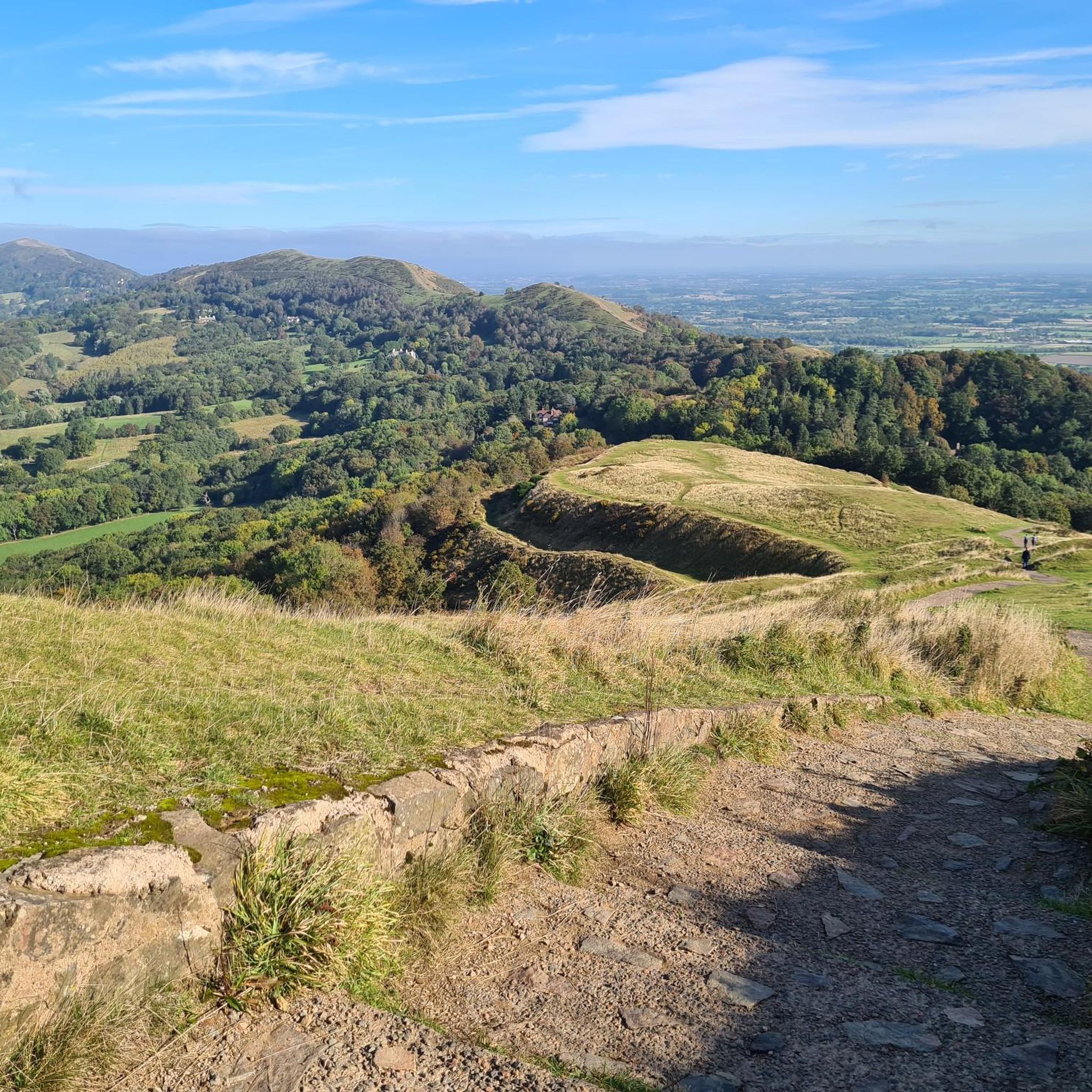
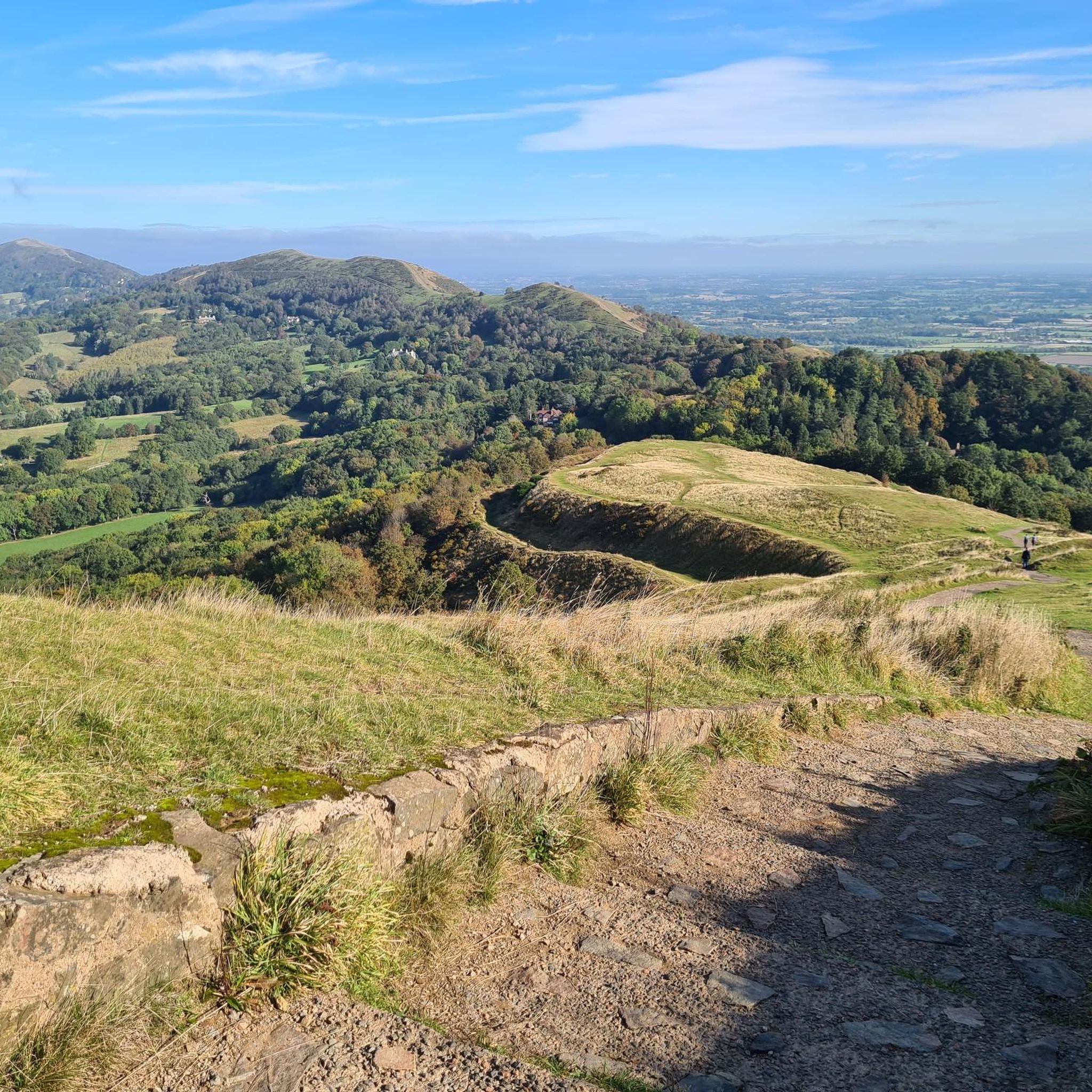
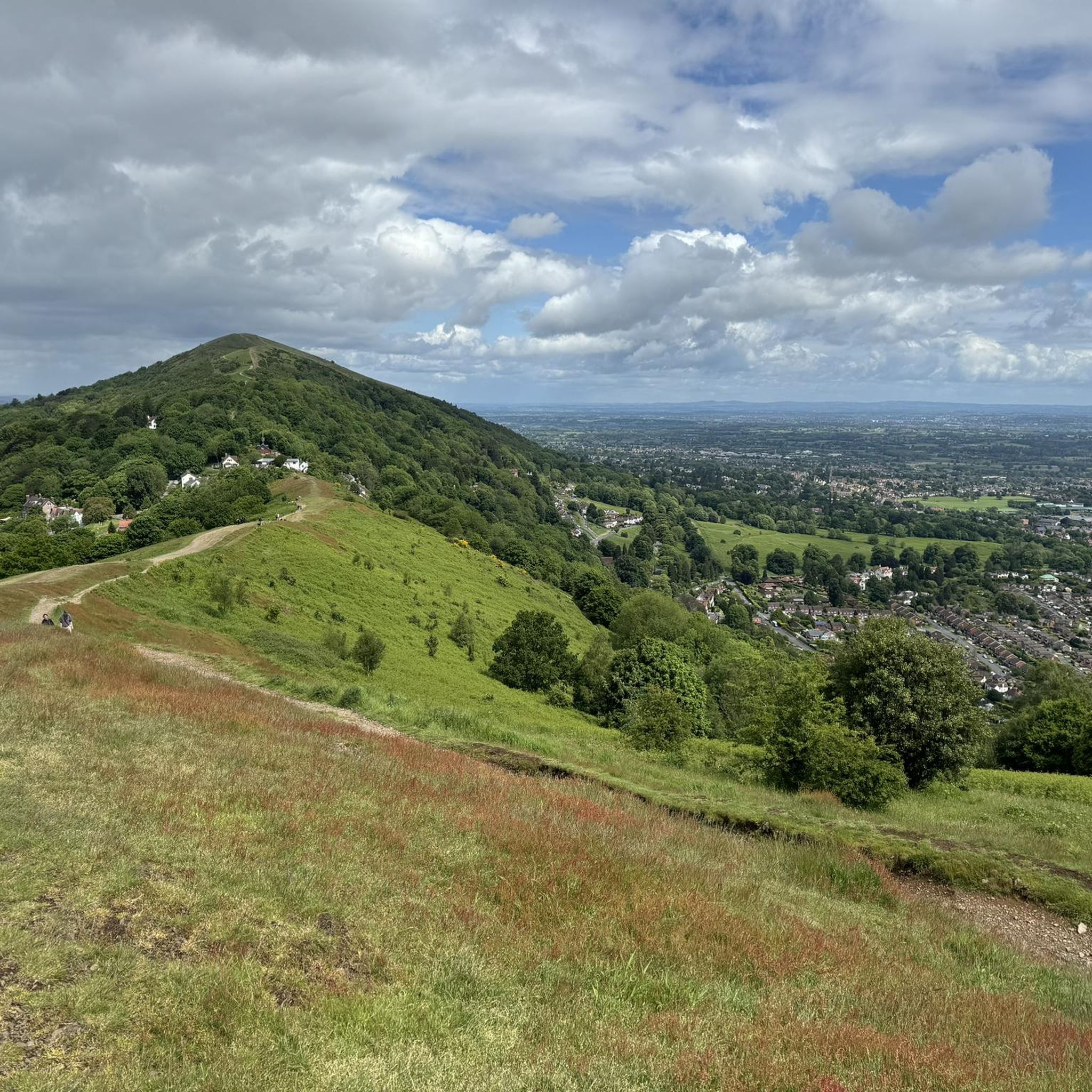
Herefordshire Beacon (British Camp)
Highlight • Summit
Tip by

Croome Court
Highlight • Historical Site
Tip by

Sign up now to discover places like this
Get recommendations on the best single tracks, peaks, & plenty of other exciting outdoor places.
Eastnor Castle
Highlight • Historical Site
Tip by

Dunstall Castle
Highlight • Historical Site
Tip by

Upton-upon-Severn Castle
Highlight • Castle
Tip by

Start today with a free account
Your next adventure awaits.

Tips from the Community

There are several nice riverside pubs. We used the Swan Hotel. Had nice Wye breweries IPA and fish finger sandwich. Both very nice.
0
0

Wonderful house and gardens, which were designed by Capability Brown. I love this place in the evening when the crowds have gone home.
0
0

Once created as an observation tower for guests of Croome Court to see all the territory of the realm. Nowadays, it is managed by National Trust. Free entry
0
0

The Herefordshire Beacon is one of the highest peaks of the Malvern Hills. It is surrounded by a British Iron Age hill fort earthwork known as British Camp. The fort subsequently had a ringwork and bailey castle built inside its boundary and there is evidence of 120 huts in the area. British Camp has been a scheduled monument since 1923. On the eastern slope of Herefordshire Beacon, there is a disused reservoir, British Camp Reservoir, which holds approximately 213,000 cubic metres (7,500,000 cu ft) of water. Herefordshire Beacon represents one of the Malvern Hills, 1,109 feet (338 m) high, and is the second highest summit in the hills. It is within the county of Herefordshire, but is directly adjacent to the border with Worcestershire to the east. Atop Herefordshire Beacon, there is an Iron Age hill fort, known as British Camp, and would have held a settlement between 4th century BCE and 1st century CE. A ringwork and bailey castle was built within the site of the hill fort, and there is evidence of 120 huts having been built within the boundaries of the fort. The hill fort received scheduled monument status on 10 August 1923. Nearby to British Camp, on the eastern slope of Herefordshire Beacon, there is a reservoir called British Camp Reservoir. It has a capacity of 213,000 cubic metres (7,500,000 cu ft), although it has not been used for many years. In 2017, Severn Trent proposed to dismantle the treatment plant associated with the reservoir and drain it, leaving an 8,000 cubic metres (280,000 cu ft) pond. source: Wikipedia
0
0

go during the week to miss the many people that walk these hills
0
0

A lot less busy than Worcestershire Beacon. and more interesting archaeology than the remains of an old cafe.
0
0

I am glad to be one of several visitors on this great internet site (:, thank you for posting. https://www.crediblebh.life/
0
0
A fine place to go, particularly in winter when the light is good and there may even be a bit of snow.
0
0
Frequently Asked Questions
What remains of the original Hanley Castle today?
While the original masonry castle no longer stands, visitors can explore the earthwork remnants of King John's medieval castle. These include three sides of a sub-rectangular dry moat, up to 18 meters wide and 3.6 meters deep, and a mound. A circular depression is believed to mark the foundation of the keep. The site is a scheduled monument, offering a glimpse into its historical significance.
What other historical sites or castles can I visit near Hanley Castle?
Beyond the earthworks of Hanley Castle, you can explore several notable sites. Herefordshire Beacon (British Camp) features an Iron Age hill fort with splendid views. Croome Court is a mid-18th-century Neo-Palladian mansion with extensive landscaped parkland. Additionally, Eastnor Castle is a 19th-century castle with commanding architecture and parkland, open during summer months. You can also visit Dunstall Castle, which is actually a folly and observation tower that was once part of the Croome park estate.
Are there family-friendly castles or historical sites in the area?
Yes, several sites are suitable for families. Croome Court and Croome Court (National Trust) offer extensive parkland for exploration. Eastnor Castle is also family-friendly, often hosting events and providing public access to its grounds during the summer. The earthwork remains of Hanley Castle itself can be an interesting historical walk for children.
What kind of outdoor activities can I do near these castles?
The area around Hanley Castle offers various outdoor activities, particularly walking and running. You can find numerous routes, including easy hikes and moderate running trails. For example, there are routes like 'The Great Oak – Hanley Swan Pond loop' or 'Upton-upon-Severn Town Centre – Café No 8 loop'. You can explore more options for running trails, easy hikes, and general hiking routes around Hanley Castle.
Are there specific hiking trails near the castles?
Yes, there are several hiking trails. For instance, near Hanley Castle, you can find routes like the 'Hanley Swan Pond – The Great Oak loop' or the 'Upton-upon-Severn Town Centre – Café No 8 loop'. For more challenging options, the 'Millennium Hill – Jubilee Hill loop' near Malvern Wells is a difficult hike. You can find detailed information on various hiking routes in the area.
When is the best time to visit the castles and historical sites around Hanley Castle?
The best time to visit is generally during the warmer months, from spring to early autumn, when the weather is more favorable for exploring outdoor sites like the Hanley Castle earthworks and the parklands of Croome Court and Eastnor Castle. Eastnor Castle specifically has public access during summer months. Always check opening times for specific attractions before your visit.
What amenities are available in Hanley Castle village?
Hanley Castle village offers a picturesque setting with some local amenities. You can find the historic 15th-century red-brick and timbered pub, "The Three Kings Inn," which has received awards. For more options regarding cafes, pubs, and accommodation, nearby Upton upon Severn and Malvern Wells provide additional choices.
What is Dunstall Castle and where is it located?
Dunstall Castle is not a traditional castle ruin but rather a folly, an observation tower that was once part of the Croome park estate. It was created for guests of Croome Court to enjoy views of the surrounding territory. It is managed by the National Trust and offers free entry.
What natural features can I expect to see when visiting the area?
The region is known for its historical landscapes and natural beauty. While exploring the earthworks of Hanley Castle, you'll be in a village setting. Nearby Herefordshire Beacon (British Camp) in the Malvern Hills offers extensive views from its summit. The landscaped parkland of Croome Court, designed by Lancelot "Capability" Brown, is another significant natural feature to explore.
Are there any specific historical facts about Hanley Castle that make it unique?
Hanley Castle holds unique historical significance as the site of a royal castle built by King John between 1206 and 1212. It served as a hunting lodge and administrative center for the Malvern Chase. Although only earthworks remain, its role in English history and its status as a rare example of a medieval ringwork castle make it a notable site. Extensive work was also carried out by Edward II in the 14th century.
What do visitors enjoy most about the castles and historical sites in this region?
Visitors frequently appreciate the rich history and the opportunity to explore ancient sites. For instance, the Iron Age hill fort at Herefordshire Beacon (British Camp) is praised for its splendid views after a steep climb. Croome Court is valued as a worthy addition to the National Trust with its wonderful house and Capability Brown-designed park. Eastnor Castle is often described as looking like it's 'wandered out of a storybook' due to its commanding architecture.
Most popular routes around Hanley Castle
Most popular attractions around Hanley Castle

Get inspired with the komoot mobile app


Explore more
Looking for the best castles somewhere else? Discover other guides around Hanley Castle:
