Utkinton and Cotebrook
Utkinton and Cotebrook
Top 4 Lakes around Utkinton and Cotebrook
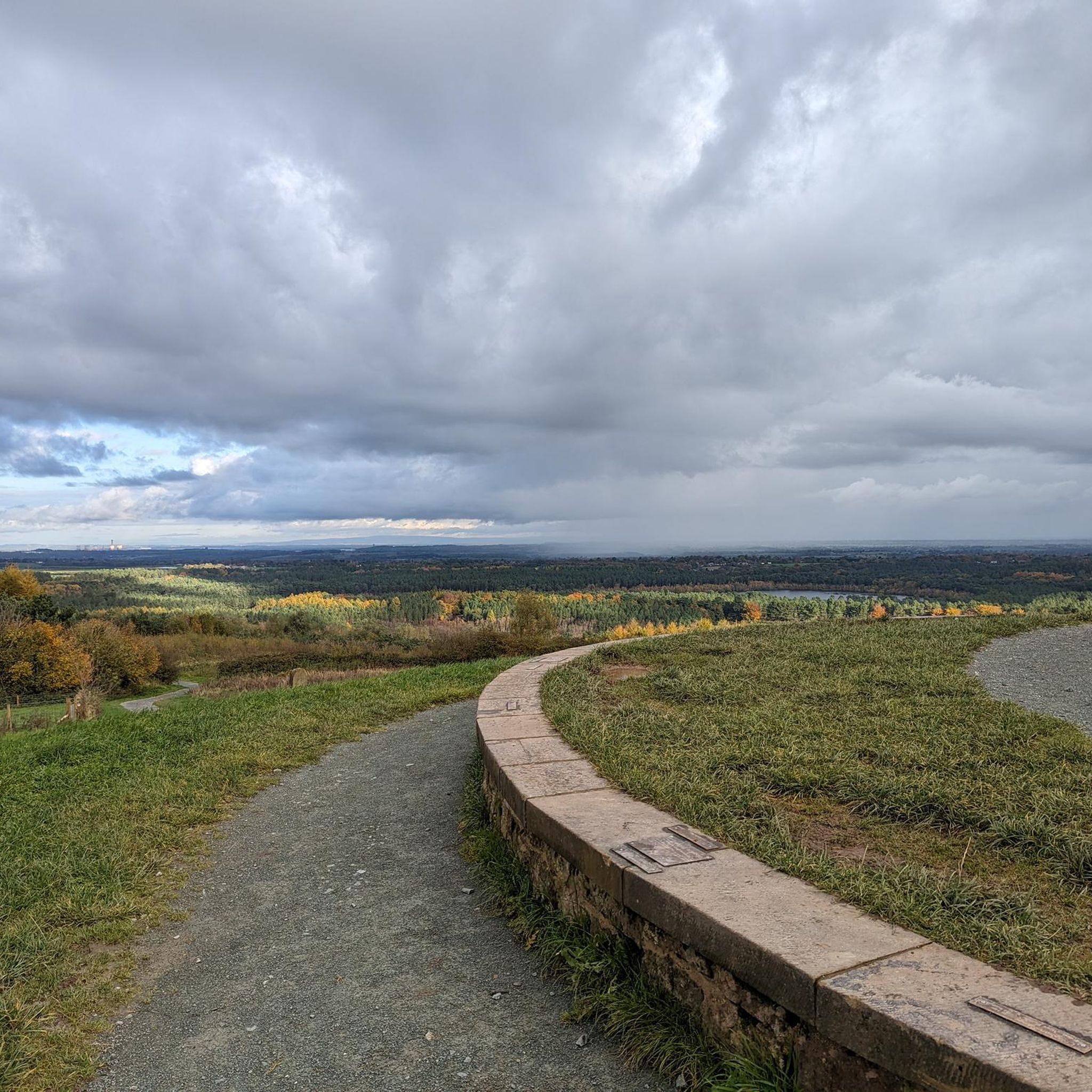
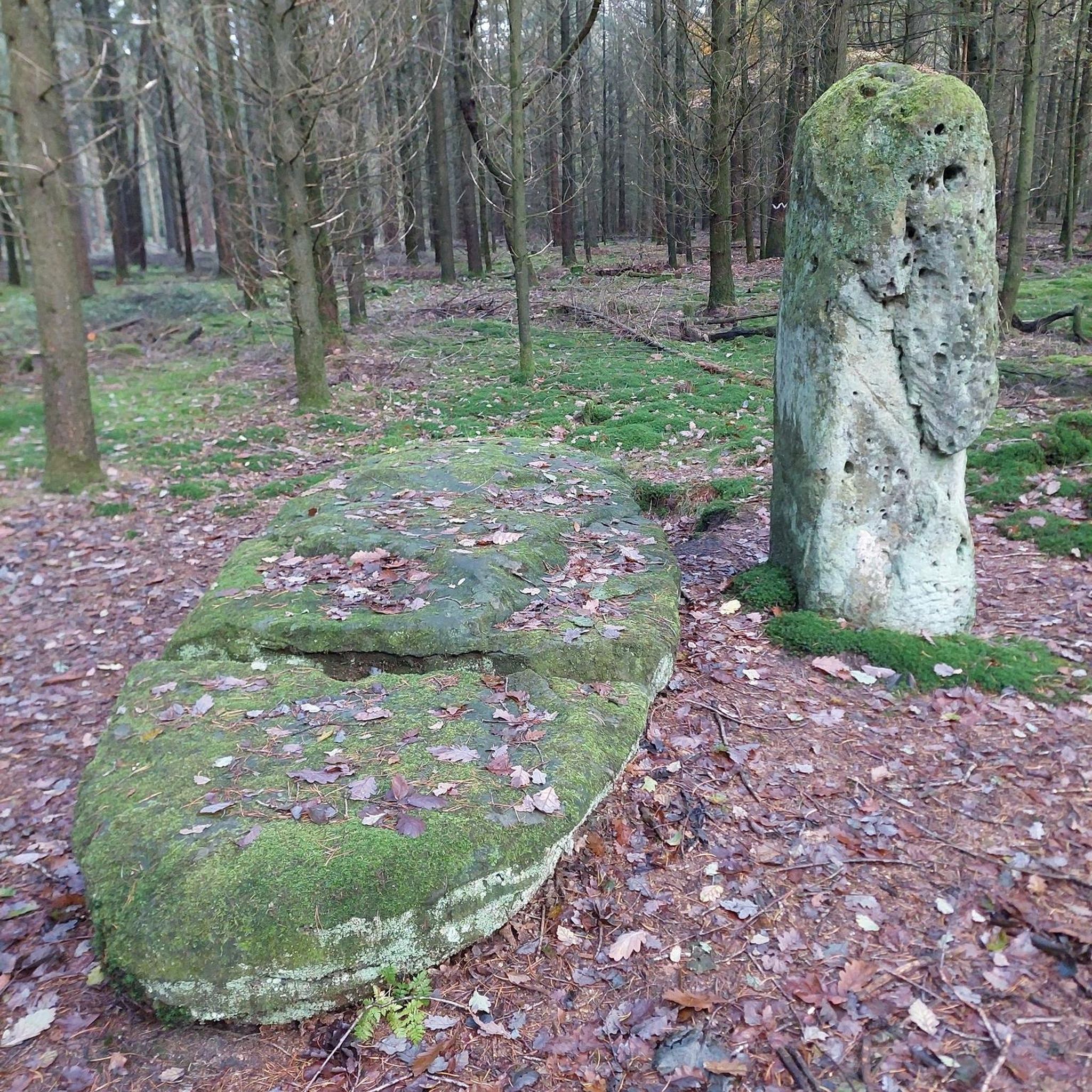
Best lakes around Utkinton and Cotebrook are found within the nearby Delamere Forest, an area historically known as the "forest of the lakes." This region offers a variety of water features, from tranquil nature reserves to larger, re-flooded wetlands. Visitors can explore diverse ecosystems and enjoy natural landscapes characterized by unique geological formations. The area provides opportunities for observing wildlife and engaging in recreational activities around its numerous water bodies.
Best lakes around Utkinton and Cotebrook
- The most popular lakes…
Last updated: June 28, 2026
Blakemere Moss
Highlight • Natural Monument
Tip by

Whitefield, Delamere Forest
Highlight • Trail
Tip by

Sign up now to discover places like this
Get recommendations on the best single tracks, peaks, & plenty of other exciting outdoor places.
Sign up for free
Black Lake Nature Reserve, Delamere Forest
Highlight • Natural Monument
Tip by
Blakemere Moss
Highlight • Forest
Tip by
Christleton Duck Pond
Highlight • Lake
Tip by

Start today with a free account
Your next adventure awaits.
Login or Signup
Tips from the Community

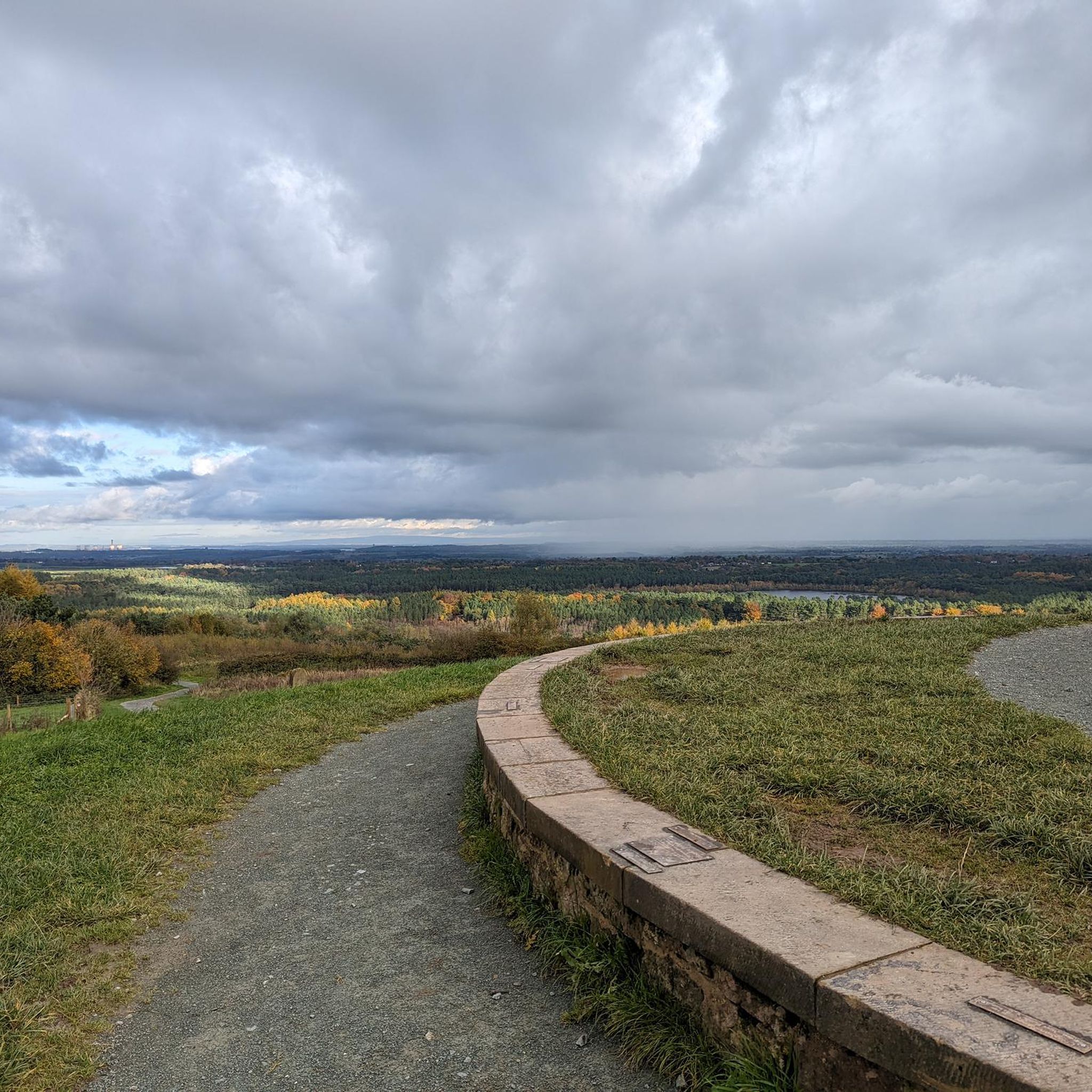
Lovely ride through Delamere Forest. You can't go wrong on a mtb or emtb. I entered the forest at New Pale and went round lots of trails to the holiday lodges and came out on Waterloo Lane.
0
0

It does get busy around the visitors' centre and the Gruffalo trail. However, if you ride up Pale Hill and follow the perimeter of the forest, there are plenty of quiet trails to explore. Keep your eyes peeled for single tracks going through the forest, there lots of off-the-beaten-path routes to follow if you look for them.
0
0

Nice spot for a quiet rest as I cycle the country lanes into and out of Chester.
0
0

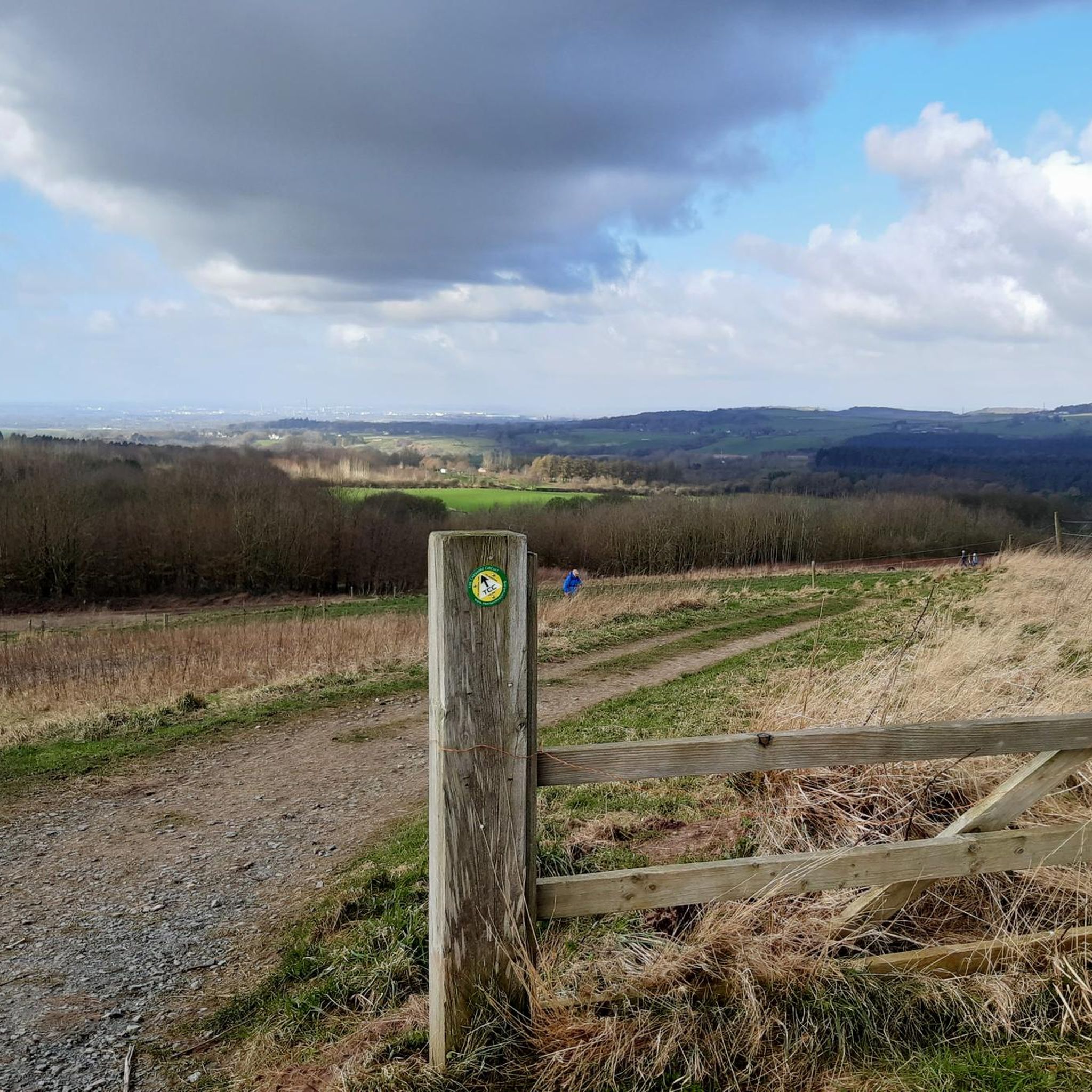
amazing walk just cant take the path next to the hatch mere nature reserve because it's very deep mud at the moment
0
0

Could become overgrown in summer or muddy if wet. Interest spot to see
0
0

Lovely place for a quick stop...there's always plenty of birdlife on or around the pond. The ducks generally boss the place,so don't mess with them :-)
0
0

Blakemere Moss at Delamere Forest is a reclaimed wetland area. The Moss was originally formed from two kettle holes (water filled hollows formed by a detached mass of glacial ice melted in situ towards the end of the last ice age). Delamere Forest is made up of more than 100 peatland basins and includes several sites of rare 'quaking' bogland, a phenomenon in which sphagnum mosses form a carpet above peaty water that appears to tremble when trodden on. The area was drained from the 1800's, supposedly by prisoners from the Napoleonic Wars and planted with trees, (mainly oak and Scot's Pine) between 1793-1815 to provide timber for shipbuilding. The Forestry Commission planted the moss with pine and western hemlock during the 1940s, which proved uneconomic. In the late 1990's the Commission allowed the area to re-flood again naturally.
1
0
Frequently Asked Questions
What unique natural features can I find at the lakes near Utkinton and Cotebrook?
The lakes in this area, particularly within Delamere Forest, are known for their unique natural features. Black Lake Nature Reserve is a rare example of a "quaking bog" or "schwingmoor," where a floating mat of Sphagnum mosses covers the water. Blakemere Moss, the largest lake, is a reclaimed wetland with tree stumps visibly protruding from the water, a remnant of its past as a drained forest. Both are designated Sites of Special Scientific Interest (SSSI) due to their rich biodiversity.
Are there good opportunities for birdwatching around the lakes?
Yes, the lakes offer excellent birdwatching opportunities. Blakemere Moss is a prime location, attracting species such as greylags, Canada geese, black-headed gulls, coots, mallards, and lapwings. Christleton Duck Pond also provides a quiet spot to observe local waterfowl.
What kind of wildlife can I spot at Black Lake Nature Reserve?
Black Lake Nature Reserve is a haven for diverse wildlife, especially dragonflies and damselflies, including species like the brown hawker, four-spotted chaser, and common blue damselfly. It also hosts unusual bog flora such as common sundew, white sedge, and common cottongrass.
Are there family-friendly lakes to visit near Utkinton and Cotebrook?
Yes, several lakes in the area are suitable for families. Blakemere Moss and Christleton Duck Pond are both highlighted as family-friendly. The wider Delamere Forest area, where many of these lakes are located, also offers multi-use paths and visitor facilities that cater to families.
Can I go walking or hiking around the lakes?
Absolutely. The area is excellent for walking and hiking. A popular option is the circular walk around Blakemere Moss, which is part of several hiking routes through Delamere Forest. For more options, you can explore various easy hikes in the region, such as the Woodland Path with Sheep loop or the Summertrees – The Boot Inn loop. Find more details on these routes in the Easy hikes around Utkinton and Cotebrook guide.
Are there cycling routes available near the lakes?
Yes, there are numerous cycling routes. Delamere Forest, which hosts many of the lakes, has dedicated trails. You can find routes like the Whitemoor Trail or the Blakemere Moss loop from Delamere. For more cycling options, check out the MTB Trails around Utkinton and Cotebrook guide for mountain biking, or the Road Cycling Routes around Utkinton and Cotebrook guide for road cycling.
What is Blakemere Moss known for?
Blakemere Moss is the largest lake within Delamere Forest, known for its history as a re-flooded wetland. Originally two glacial kettle holes, it was drained and planted with trees in the 1800s before being re-flooded in the late 1990s. It's a significant birdwatching spot and a Site of Special Scientific Interest due to its rich biodiversity, including rare mosses and newts.
What makes Black Lake Nature Reserve unique?
Black Lake Nature Reserve is unique because it's a rare example of a "quaking bog" (schwingmoor), where a floating mat of vegetation covers the water. This SSSI is a tranquil haven for diverse wildlife, particularly dragonflies and damselflies, and hosts unusual bog flora, making it a special place for nature observation.
When is the best time to visit the lakes for nature observation?
The spring and summer months (roughly April to September) are generally best for nature observation, especially for spotting dragonflies, damselflies, and various bird species around the lakes. The unique bog flora at Black Lake Nature Reserve is also most vibrant during these warmer periods.
Are the trails around the lakes accessible for everyone?
While specific accessibility varies, areas like Blakemere Moss in Delamere Forest feature boardwalks and viewing platforms, enhancing accessibility for observing wildlife. Many of the multi-use paths within Delamere Forest are wide and well-maintained, suitable for a range of users, including families with strollers or those with mobility aids.
Can I bring my dog to the lakes?
Yes, many areas around the lakes in Delamere Forest are dog-friendly. It's generally encouraged to keep dogs on leads, especially in nature reserve areas like Black Lake Nature Reserve, to protect wildlife. Always check local signage for specific restrictions.
What do visitors enjoy most about the lakes in this area?
Visitors particularly enjoy the tranquility and rich biodiversity of the lakes. Many appreciate the opportunities for birdwatching at Blakemere Moss and the unique ecological formations at Black Lake Nature Reserve. The peaceful walks and the chance to connect with nature are frequently highlighted by the komoot community.
Most popular routes around Utkinton and Cotebrook
Most popular attractions around Utkinton and Cotebrook

Get inspired with the komoot mobile app


Explore more
Still not found your perfect lake around Utkinton and Cotebrook? Check out the guides of these regions to see even more beautiful places.
