Top 4 Castles around Brereton
Best castles around Brereton provide insight into the region's historical architecture and landscape. The area, situated in Cheshire, features notable structures such as Brereton Hall, an Elizabethan prodigy house built around 1585, known for its distinctive design and connection to the Brereton family. While traditional defensive castles are less common directly within Brereton, the surrounding area offers a variety of historical sites and follies. These landmarks are often set amidst scenic moorlands and countryside, providing historical context for visitors.
Best…
Last updated: June 28, 2026
Mow Cop Castle
Highlight • Viewpoint
Tip by

Little Moreton Hall
Highlight • Historical Site
Tip by

Sign up now to discover places like this
Get recommendations on the best single tracks, peaks, & plenty of other exciting outdoor places.
Sign up for free
View of Mow Cop Castle from Marton Road
Highlight (Segment) • Viewpoint
Tip by

View of Capesthorne Hall
Highlight • Castle
Tip by

Capesthorne Hall and Gardens
Highlight • Historical Site
Tip by
Start today with a free account
Your next adventure awaits.
Login or Signup
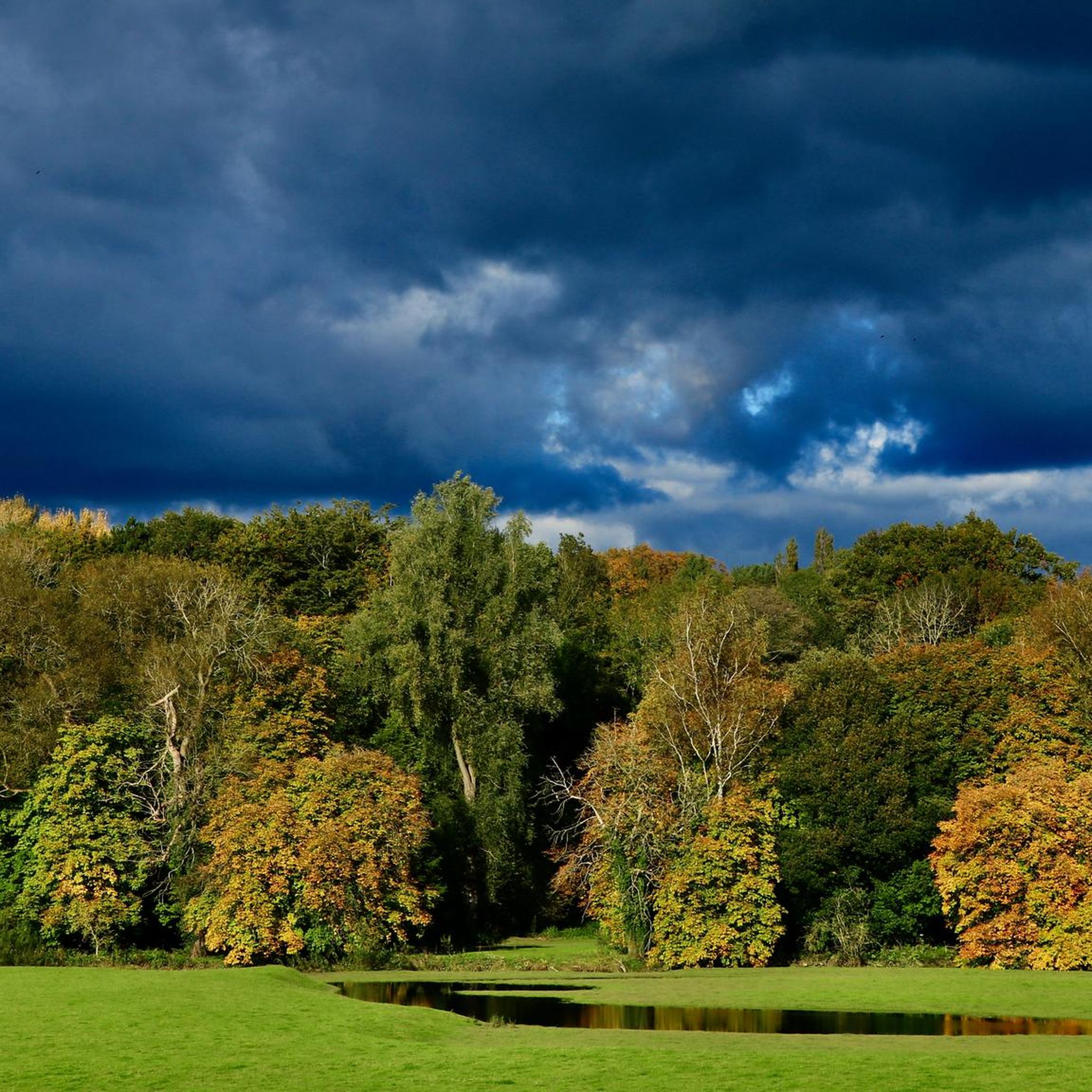
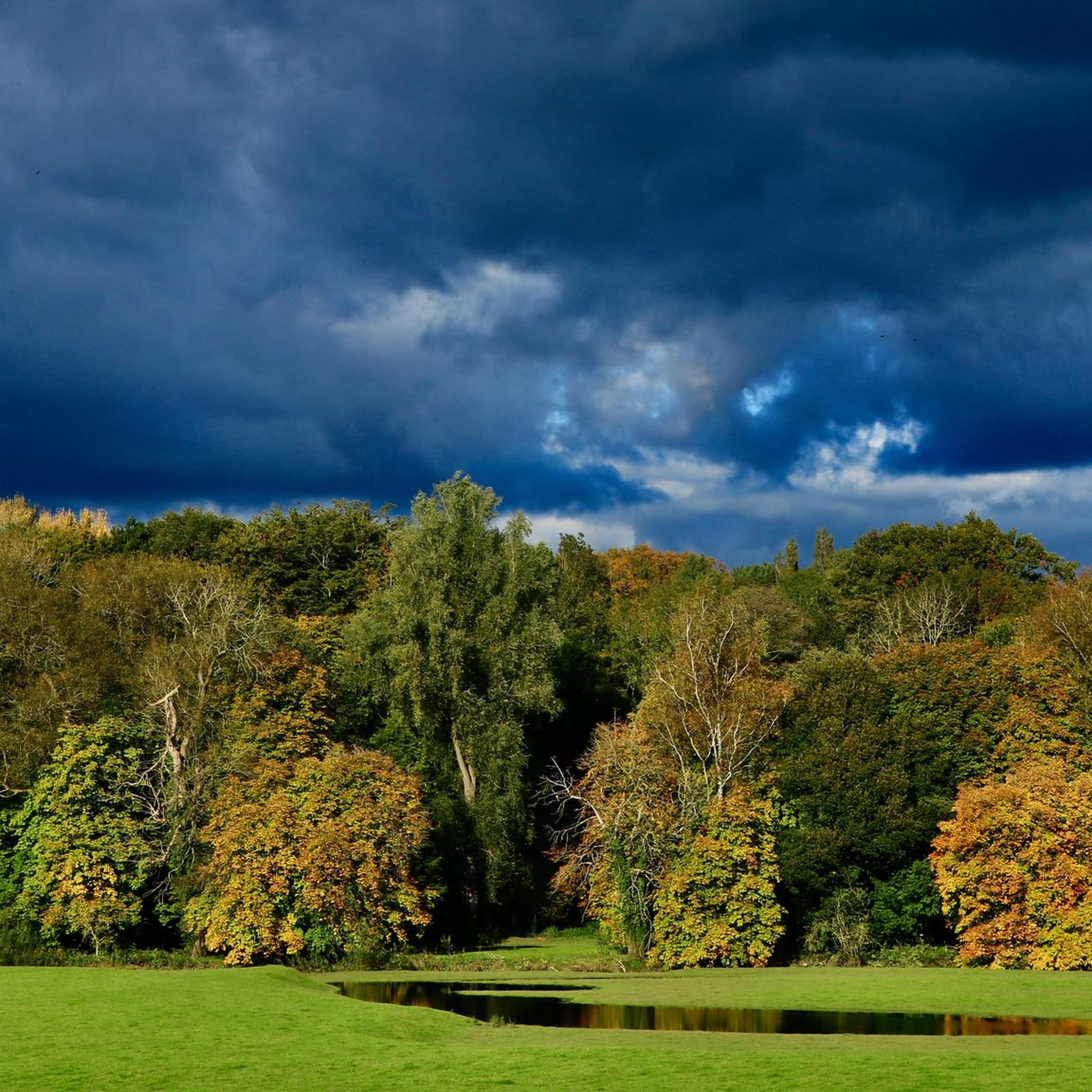
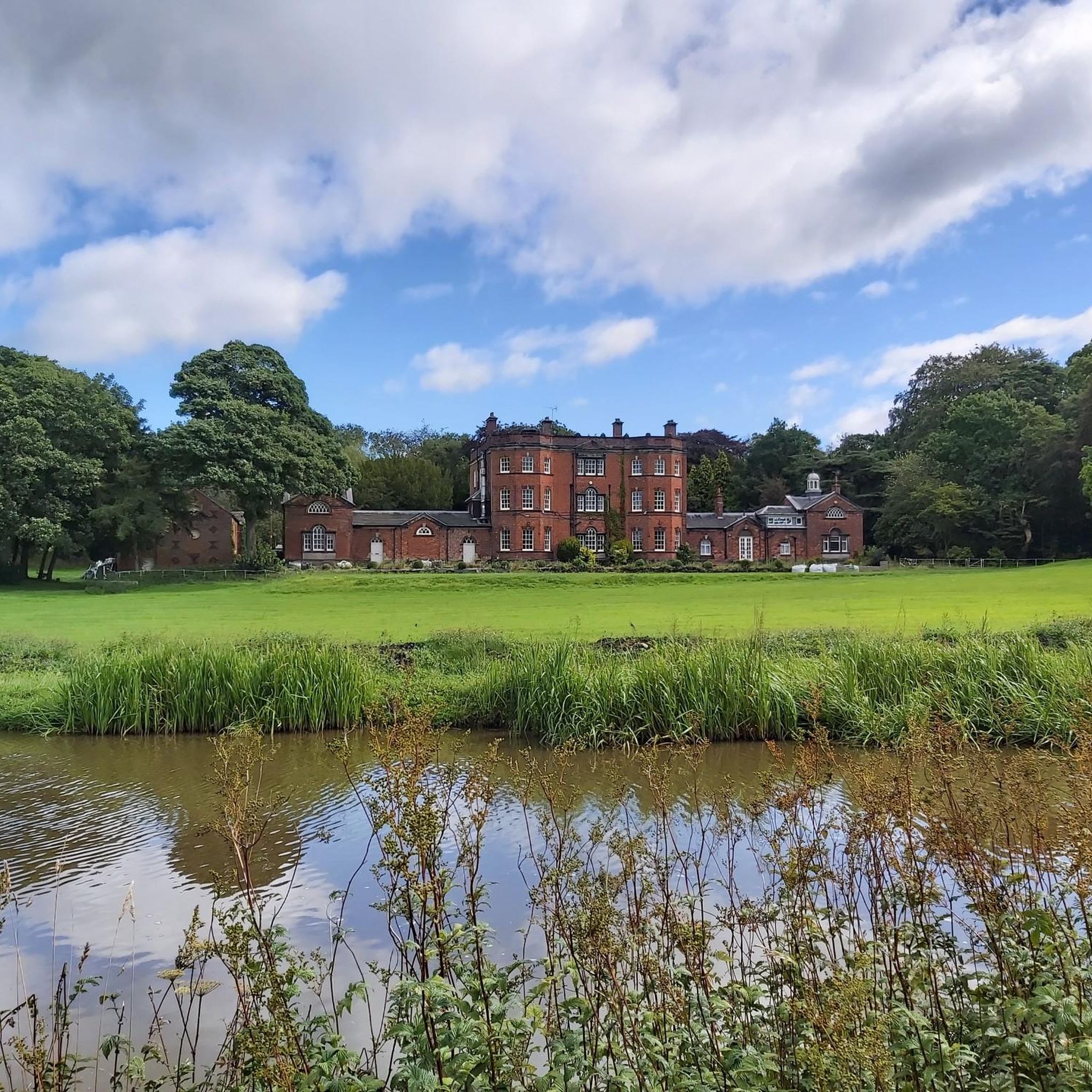
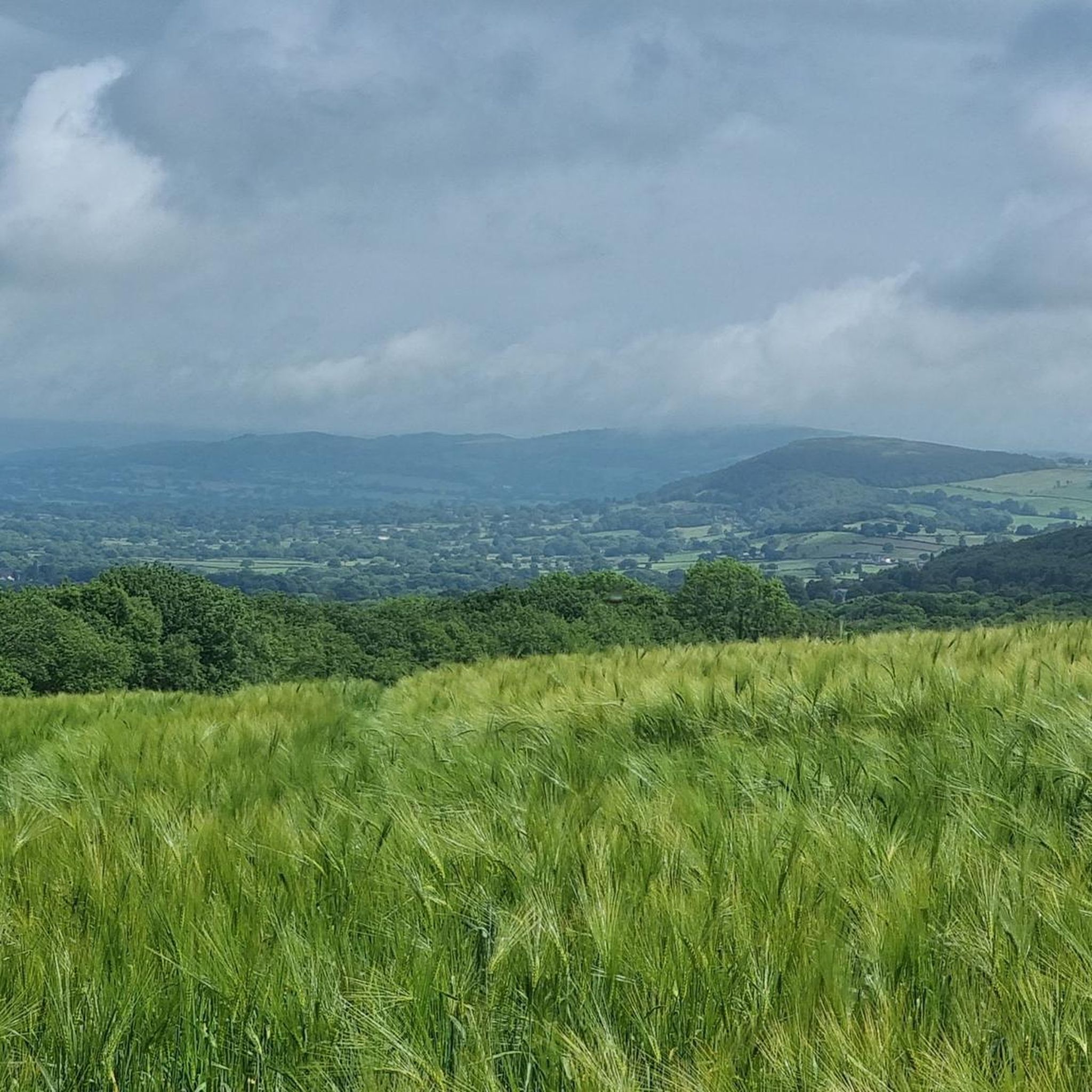
Tips from the Community

Dogs cannot enter but seating outside small cafe and toilets lovely stop on route
1
0

Coming from Marton this road offers some great views
2
0

Plenty of good views to be had and a firm tarmac road not to many pot holes,bit twiggy in winter due to hedge cutting and 1 0r 2 narrow spots ,hills not to steep
2
0

Little Moreton Hall is an exquisite Tudor manor house nestled within the Cheshire countryside, just off the South Cheshire Way. This magnificent timber-framed structure, dating back to the 16th century, is renowned for its distinctive black-and-white façade and its charmingly crooked appearance.
2
0

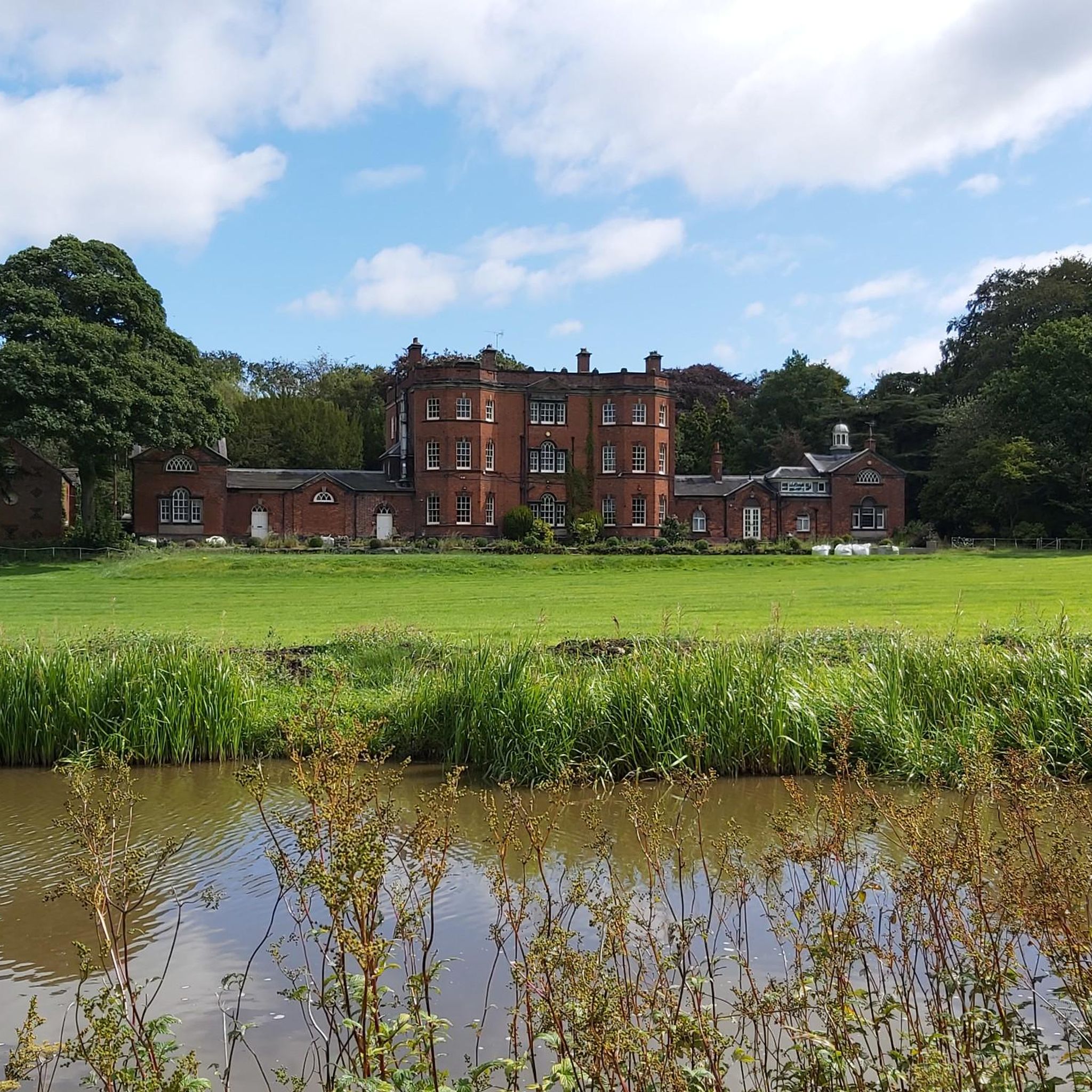
Capesthorne Hall is an 18th century stately home situated near Siddington in Cheshire. It is set on 100 acres of pristine Cheshire countryside filled with lakes, woods, gardens, and parkland.
2
0


Little Moreton Hall, also known as Old Moreton Hall,[a] is a moated half-timbered manor house 4.5 miles (7.2 km) southwest of Congleton in Cheshire, England.[2] The earliest parts of the house were built for the prosperous Cheshire landowner William Moreton in about 1504–08, and the remainder was constructed in stages by successive generations of the family until about 1610. The building is highly irregular, with three asymmetrical ranges forming a small, rectangular cobbled courtyard. A National Trust guidebook describes Little Moreton Hall as being "lifted straight from a fairy story, a gingerbread house".[3] The house's top-heavy appearance, "like a stranded Noah's Ark", is due to the Long Gallery that runs the length of the south range's upper floor.
1
0

Heading towards Marton this section trends downhill but undulates satisfyingly. Welcome to cycling glory. Smooth tarmac and roads wide enough not to be afraid you’ll turn a corner and meet an SUV windshield. Beautiful. Keep going all the way to Swettenham and it’s more of the same!
2
0
Frequently Asked Questions
What are the most notable historical sites and 'castles' to visit around Brereton?
While Brereton itself is known for Brereton Hall, an Elizabethan prodigy house that is a private residence, the surrounding area offers several unique historical structures. These include Mow Cop Castle, which is actually an 18th-century folly offering panoramic views, and Little Moreton Hall, a stunning Tudor house managed by the National Trust. You can also visit Capesthorne Hall, an 18th-century stately home set within extensive parkland.
What kind of historical structures can I expect to see near Brereton?
The Brereton area features a diverse range of historical structures. You'll find grand Elizabethan prodigy houses like Brereton Hall, which showcases intricate architecture. There are also unique follies, such as Mow Cop Castle, designed for aesthetic appeal rather than defense. Additionally, you can explore well-preserved Tudor houses like Little Moreton Hall and stately homes like Capesthorne Hall, offering insights into different periods of English heritage.
Are there family-friendly historical sites or 'castles' near Brereton?
Yes, several sites are suitable for families. Little Moreton Hall, a Tudor house, is a great option with its historical charm and gardens. Capesthorne Hall, with its 100 acres of parkland, lakes, and gardens, also offers plenty for families to explore outdoors.
Can I visit historical sites or 'castles' near Brereton with my dog?
Outdoor sites like Mow Cop Castle, being a folly on a moorland ridge, are generally dog-friendly, though dogs should be kept on a lead. For properties like Little Moreton Hall (National Trust) or Capesthorne Hall, it's best to check their specific visitor guidelines regarding dogs on their official websites before your visit, as policies can vary for indoor areas and formal gardens.
When is the best time to visit the historical sites around Brereton?
The spring and summer months (April to September) are generally ideal for visiting, as the weather is milder, and gardens at stately homes like Capesthorne Hall and Little Moreton Hall are in full bloom. Outdoor viewpoints like Mow Cop Castle offer clearer panoramic views during these seasons. Some sites may have reduced opening hours or closures during the winter, so always check ahead.
Are historical sites near Brereton open during winter?
Some historical sites may have limited opening hours or close entirely during the winter months. For example, Little Moreton Hall has irregular opening hours, so it's crucial to check their official website for current schedules before planning a winter visit. Outdoor sites like Mow Cop Castle are generally accessible year-round, but weather conditions can impact the experience.
What outdoor activities or trails can I find near these historical sites?
The Brereton area offers various outdoor activities. You can find excellent hiking trails, including routes around Brereton Heath Country Park and Brereton Pool. For cycling enthusiasts, there are gravel biking and road cycling routes available. Explore options like the Biddulph Valley Way for gravel biking or routes passing by the Lovell Telescope for road cycling. You can find more details on these activities in the Hiking around Brereton, Gravel biking around Brereton, and Road Cycling Routes around Brereton guides.
What natural features can I see near the historical sites?
The historical sites around Brereton are often set amidst beautiful natural landscapes. From Mow Cop Castle, you can enjoy panoramic views of the Staffordshire moorlands and the Cheshire Plain. Capesthorne Hall is surrounded by 100 acres of pristine Cheshire countryside, featuring lakes, woods, and parkland. The area also includes Brereton Heath Country Park, offering opportunities to enjoy local flora and fauna.
What do visitors enjoy most about the historical sites around Brereton?
Visitors frequently praise the stunning panoramic views from Mow Cop Castle, often describing it as a 'jaw-dropping' experience. The unique architecture of sites like Little Moreton Hall, which looks 'straight from the pages of a fairytale,' is also a major draw. The extensive grounds and historical significance of places like Capesthorne Hall are also highly appreciated by explorers.
Are there any pubs or cafes near the historical sites around Brereton?
While specific amenities vary by location, many historical sites, especially those managed by organizations like the National Trust (e.g., Little Moreton Hall), often have on-site cafes or tea rooms. For other sites like Mow Cop Castle, you'll find local pubs and cafes in nearby villages. It's advisable to check local listings or the site's official website for nearby amenities before your visit.
What is the historical significance of Brereton Hall?
Brereton Hall is a significant Elizabethan prodigy house built around 1585 for Sir William Brereton. It's a prime example of grand Elizabethan architecture, featuring an 'E-plan' design often associated with Queen Elizabeth I, whose royal arms are displayed above the entrance. The hall is rich in family history, with intricate carvings like the muzzled bear emblem, and stands as a testament to the Brereton family's long lineage in the area.
Is Brereton Hall open to the public?
No, Brereton Hall is a designated Grade I listed building and is currently a private residence. While its exterior and historical context are significant, it is not open for public tours or visits.
Most popular routes around Brereton
Most popular attractions around Brereton

Get inspired with the komoot mobile app


Explore more
Looking for the best castles somewhere else? Discover other guides around Brereton:
