Top 4 Castles around Marton
Best castles around Marton encompass a range of historical structures, from ancient Norman fortifications to 18th-century follies and stately homes. The region, particularly Marton in Cheshire, features diverse landscapes including moorlands and plains, providing varied settings for these historical sites. These locations offer insights into different architectural periods and historical uses, from defensive strongholds to grand residences. The area provides opportunities to explore both true castles and castle-like structures.
Best castles around Marton
- The most popular castles is Mow Cop…
Last updated: August 8, 2026
Mow Cop Castle
Highlight • Viewpoint
Tip by

Little Moreton Hall
Highlight • Historical Site
Tip by

Sign up now to discover places like this
Get recommendations on the best single tracks, peaks, & plenty of other exciting outdoor places.
Sign up for free
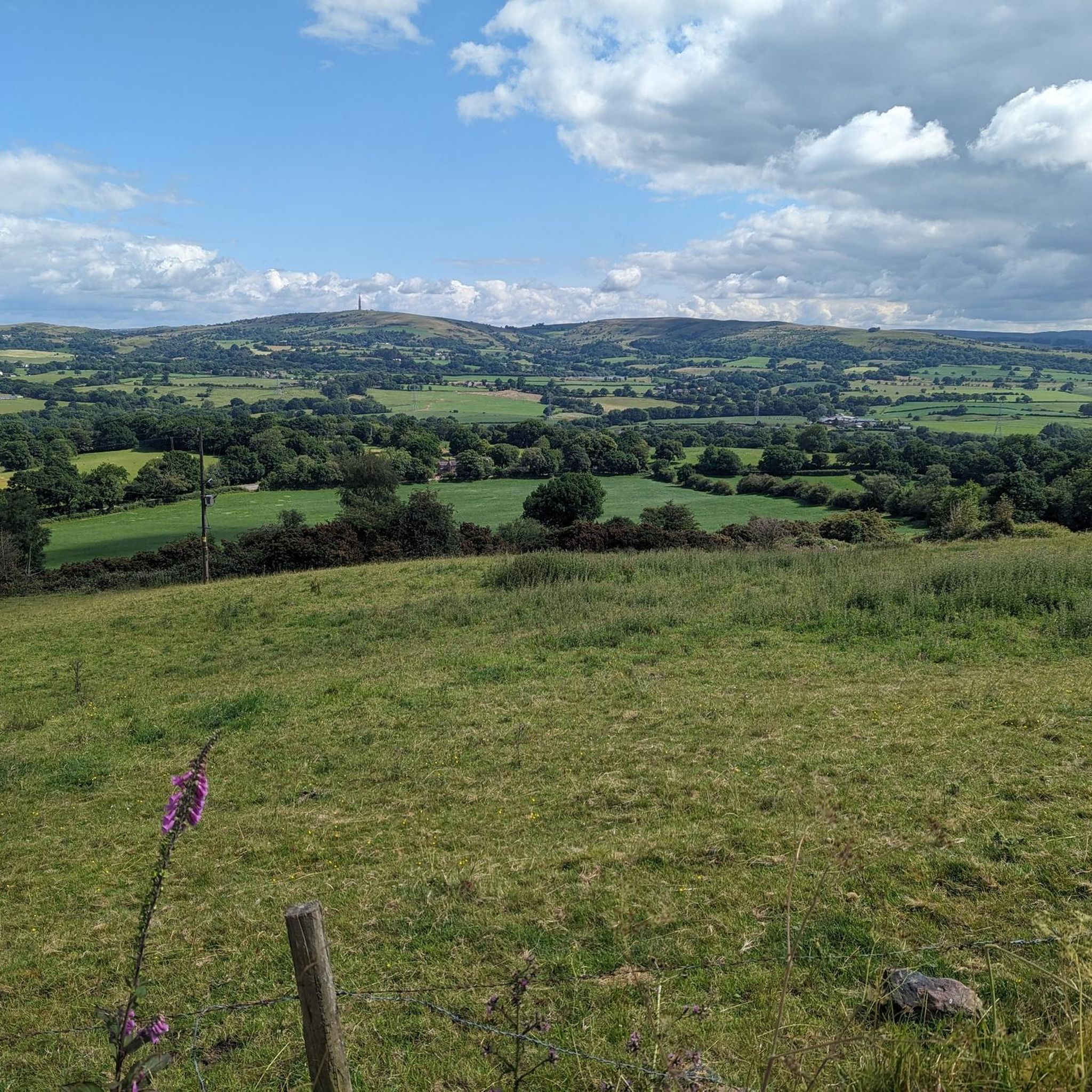
View of Mow Cop Castle from Marton Road
Highlight (Segment) • Viewpoint
Tip by

View of Capesthorne Hall
Highlight • Castle
Tip by

Start today with a free account
Your next adventure awaits.
Login or Signup
Tips from the Community

Dogs cannot enter but seating outside small cafe and toilets lovely stop on route
1
0

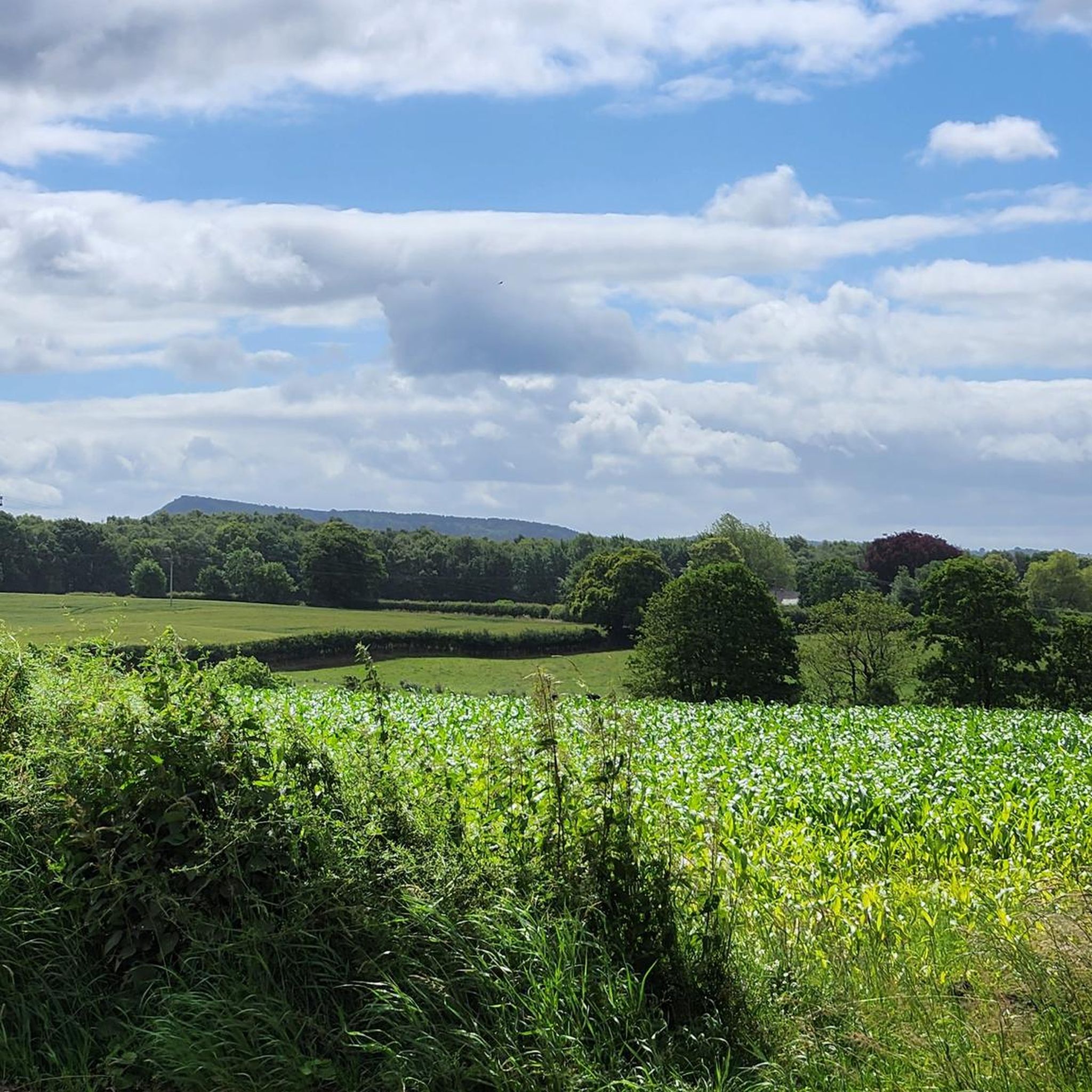
Coming from Marton this road offers some great views
2
0

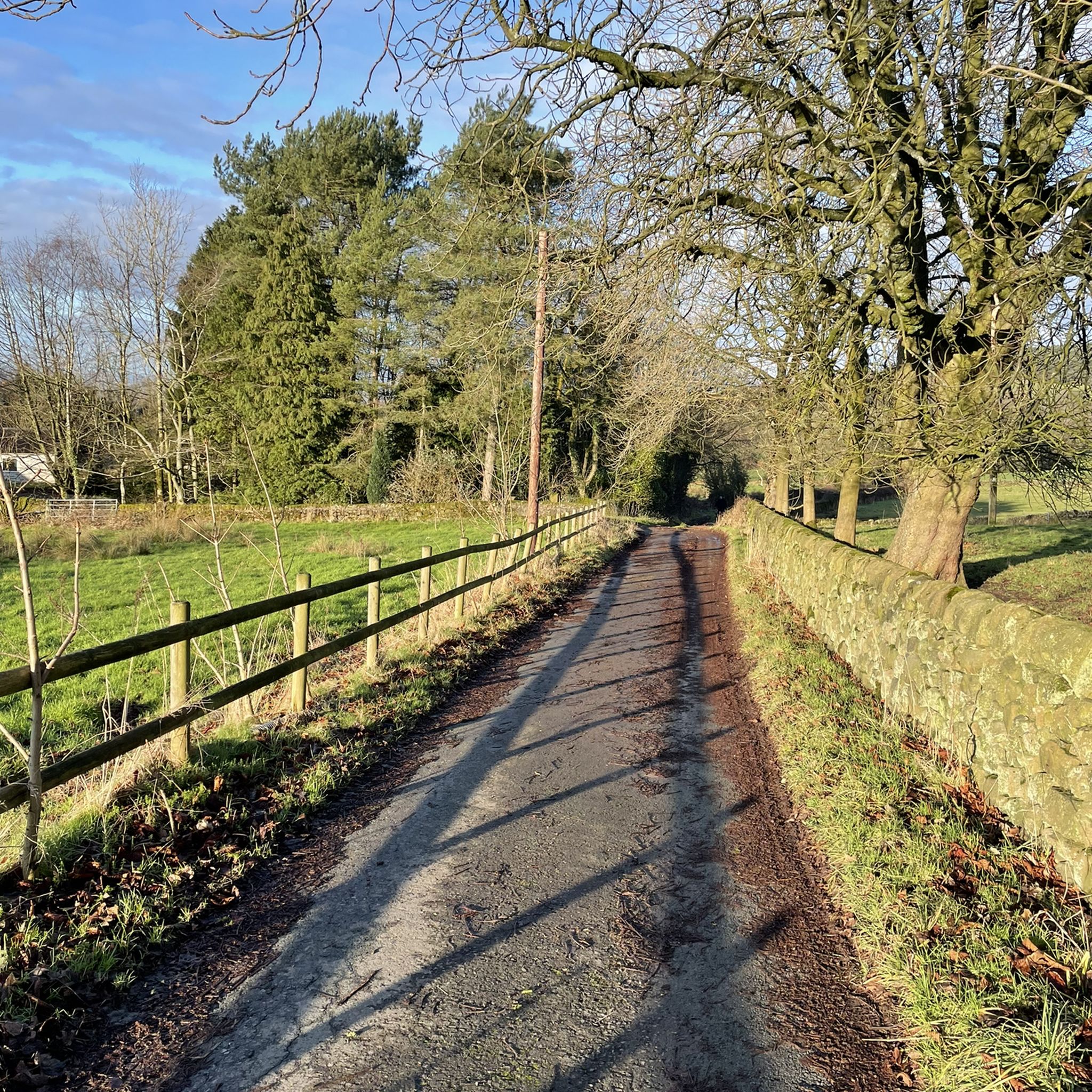
Plenty of good views to be had and a firm tarmac road not to many pot holes,bit twiggy in winter due to hedge cutting and 1 0r 2 narrow spots ,hills not to steep
2
0

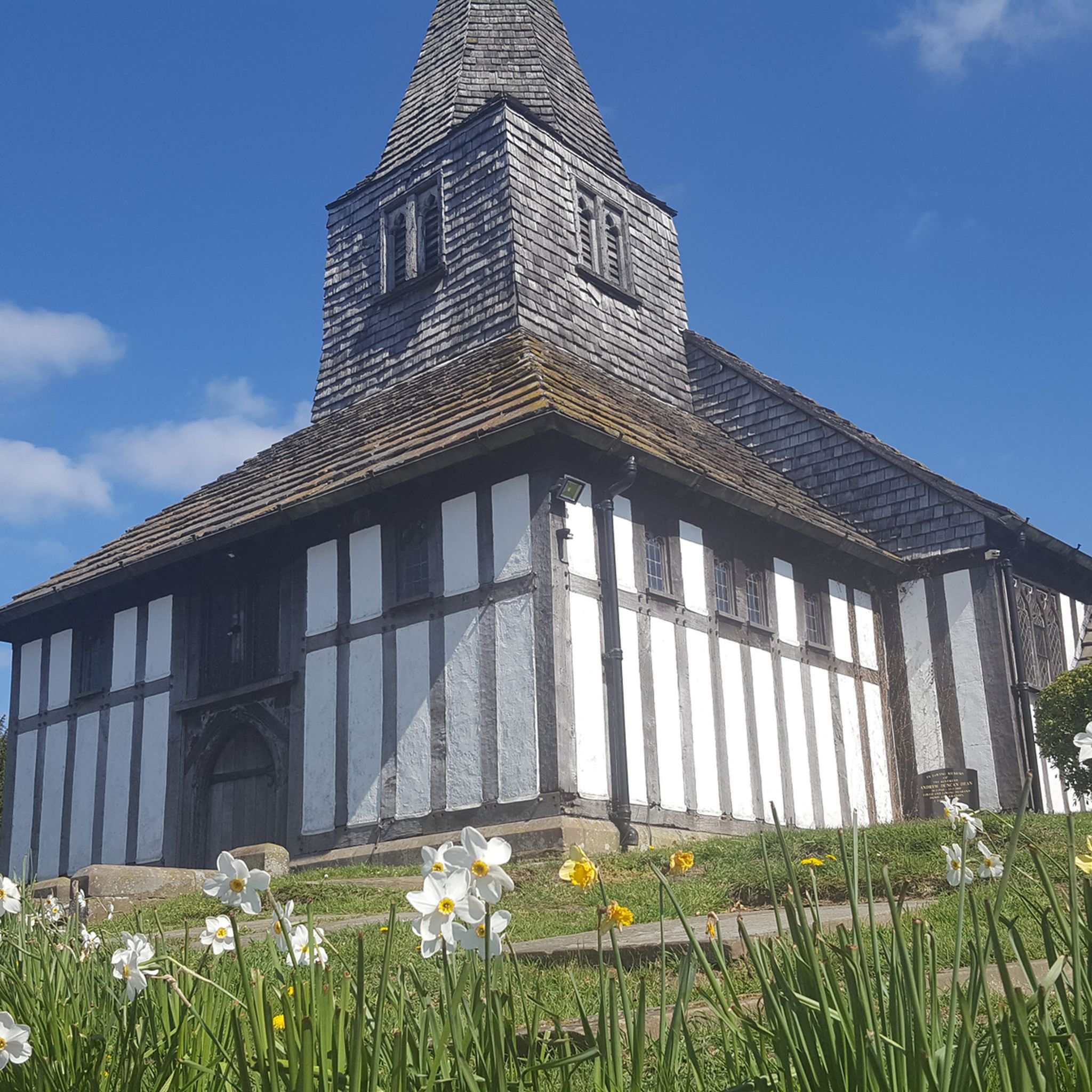
Little Moreton Hall is an exquisite Tudor manor house nestled within the Cheshire countryside, just off the South Cheshire Way. This magnificent timber-framed structure, dating back to the 16th century, is renowned for its distinctive black-and-white façade and its charmingly crooked appearance.
2
0

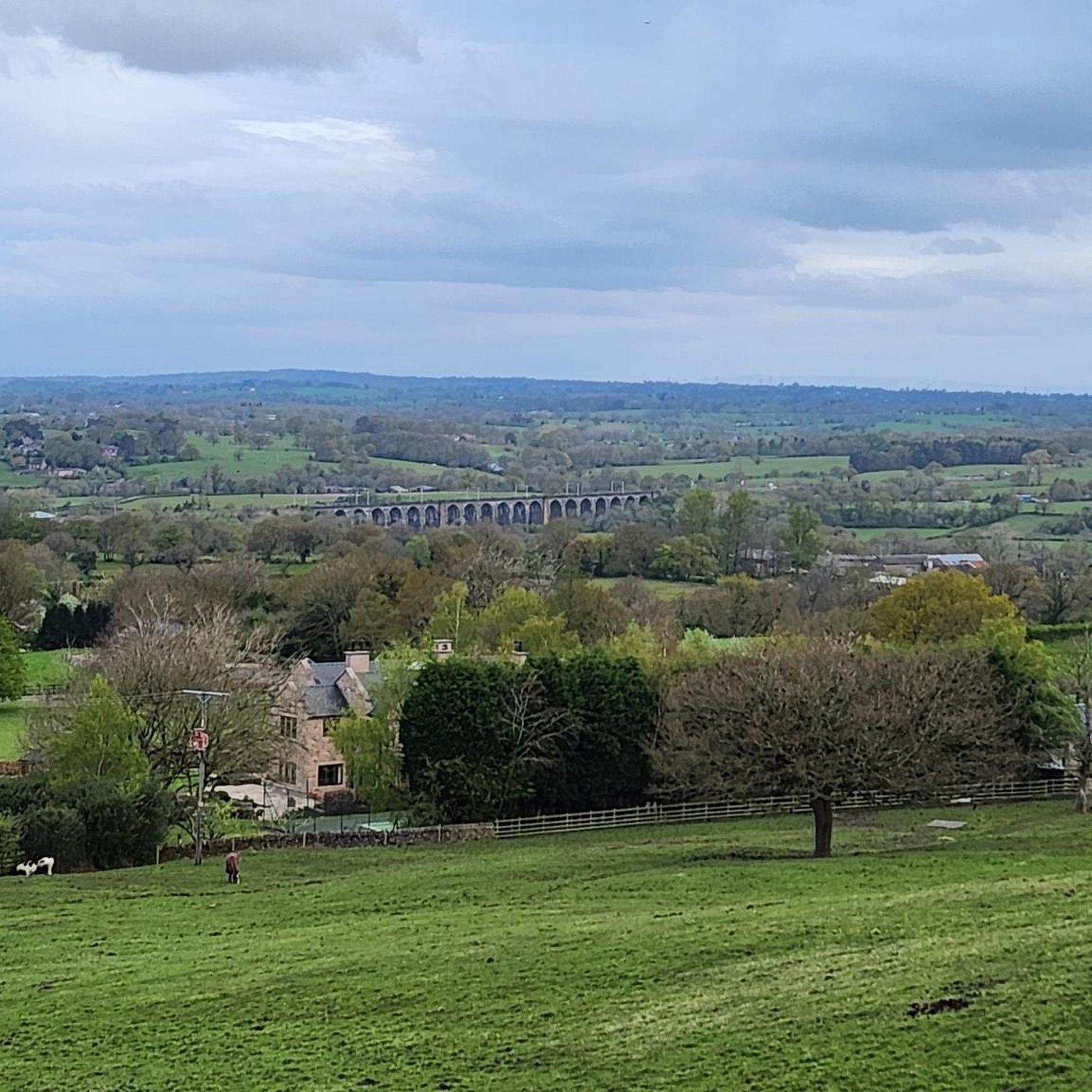
Capesthorne Hall is an 18th century stately home situated near Siddington in Cheshire. It is set on 100 acres of pristine Cheshire countryside filled with lakes, woods, gardens, and parkland.
2
0


Little Moreton Hall, also known as Old Moreton Hall,[a] is a moated half-timbered manor house 4.5 miles (7.2 km) southwest of Congleton in Cheshire, England.[2] The earliest parts of the house were built for the prosperous Cheshire landowner William Moreton in about 1504–08, and the remainder was constructed in stages by successive generations of the family until about 1610. The building is highly irregular, with three asymmetrical ranges forming a small, rectangular cobbled courtyard. A National Trust guidebook describes Little Moreton Hall as being "lifted straight from a fairy story, a gingerbread house".[3] The house's top-heavy appearance, "like a stranded Noah's Ark", is due to the Long Gallery that runs the length of the south range's upper floor.
1
0

Heading towards Marton this section trends downhill but undulates satisfyingly. Welcome to cycling glory. Smooth tarmac and roads wide enough not to be afraid you’ll turn a corner and meet an SUV windshield. Beautiful. Keep going all the way to Swettenham and it’s more of the same!
2
0
Frequently Asked Questions
What types of castles and historical sites can I explore around Marton?
Around Marton, you'll find a diverse range of historical structures. These include genuine medieval fortresses, grand stately homes, and even architectural follies designed to look like ruins. For example, Mow Cop Castle is an 18th-century folly offering panoramic views, while Little Moreton Hall is a stunning Tudor house. You can also find sites like Beeston Castle, a dramatic 13th-century fortress, and Cholmondeley Castle with its Gothic architecture and extensive gardens.
Are there any well-preserved medieval castles near Marton?
Yes, if you're looking for well-preserved medieval castles, Skipton Castle in North Yorkshire is an excellent choice. It's known as one of the best-preserved medieval castles in England and features a medieval chapel font. Beeston Castle, though partially ruined, still offers a strong sense of its 13th-century origins and commanding position.
Which castles near Marton are suitable for families?
Several sites around Marton are family-friendly. Little Moreton Hall, a stunning Tudor house, is a great option. Helmsley Castle in North Yorkshire also offers a museum with hands-on exhibits and original artifacts, making history engaging for all ages. Capesthorne Hall, with its extensive parkland, lakes, and gardens, provides ample space for families to explore.
What kind of views can I expect from castles in the Marton area?
Many castles and historical sites around Marton offer spectacular views. Mow Cop Castle, despite being a folly, provides jaw-dropping panoramic views of the Staffordshire moorlands and the Cheshire Plain. Beeston Castle, situated on a hill, offers spectacular views across eight counties on a clear day. Middleham Castle also has a viewing platform with panoramic views of the surrounding Yorkshire Dales landscape.
Are there any castles near Marton that are more like stately homes or palaces?
Yes, Capesthorne Hall is an 18th-century stately home set on 100 acres of Cheshire countryside with lakes, woods, and gardens. Further afield in North Yorkshire, Castle Howard is a magnificent Baroque masterpiece built in 1699, often considered one of Europe's great palaces, set amidst extensive gardens and parkland.
What outdoor activities can I do near these castles?
The area around Marton offers various outdoor activities. You can find easy hikes, such as those around Swettenham and Gawsworth, or more moderate hiking loops like the Redesmere and Capesthorne Hall Circular. For cycling enthusiasts, there are gravel biking routes, including challenging ones around Errwood Reservoir. You can find more details on these activities and routes in the easy hikes, gravel biking, and hiking guides around Marton.
What do visitors enjoy most about the castles and historical sites near Marton?
Visitors particularly enjoy the stunning views, the historical depth, and the unique architecture. For instance, Mow Cop Castle is praised for its 'jaw-dropping panoramic view.' Little Moreton Hall is admired for its 'stunning Tudor house that looks like its straight from the pages of a fairytale.' The variety, from genuine ruins to picturesque follies, also adds to the appeal.
Are there any castles that are primarily archaeological sites?
Yes, the earliest known castle directly in Marton, Shropshire, is a Norman motte and bailey castle. While primarily an archaeological site today, its historical significance as an early Norman stronghold is notable. Malton Castle in North Yorkshire is also largely in ruins, with only fragments of its medieval curtain wall remaining, making it a scheduled monument.
Can I visit a castle with a significant historical connection to royalty?
Malton Castle in North Yorkshire has a rich royal history, having been visited by King Richard I and King Edward II. While largely in ruins today, its historical significance is well-documented. Chester Castle, dating back to the 11th century, also has a long and storied past with royal connections.
What is the best time to visit castles in the Marton area?
The best time to visit often depends on the specific site and your preferences. Many sites, especially those with extensive gardens like Cholmondeley Castle or Capesthorne Hall, are particularly beautiful in spring and summer when the gardens are in full bloom. For sites with panoramic views like Mow Cop Castle or Beeston Castle, clear weather is ideal for maximizing visibility. Always check individual castle websites for specific opening hours, as some may have irregular schedules or seasonal closures.
Are there any castles near Marton that are freely accessible?
Morton Castle in Scotland (Dumfries and Galloway), while not in the immediate Marton area, is a 14th-century ruin that is freely accessible to the public year-round, offering a tranquil historical experience. For sites closer to Marton, while some viewpoints like View of Mow Cop Castle from Marton Road are always accessible, specific castle grounds or interiors often require tickets or have set opening hours, so it's best to check ahead.
Most popular attractions around Marton

Get inspired with the komoot mobile app


Explore more
Looking for the best castles somewhere else? Discover other guides around Marton:
