Top 11 Caves around Chatsworth CP
Best caves around Chatsworth CP are found within the Peak District, an area characterized by its limestone gorges, gritstone outcrops, and historical landscapes. This region offers a range of geological formations and man-made excavations, from natural caverns to ancient rock shelters and historical mining sites. The diverse cave systems provide insight into both natural processes and human history, including archaeological significance and industrial heritage.
Best caves around Chatsworth CP
- The most popular caves is Lathkill Head Cave, a natural…
Last updated: June 28, 2026
Rowtor Rocks
Highlight • Structure
Tip by

Lathkill Head Cave
Highlight • River
Tip by

Sign up now to discover places like this
Get recommendations on the best single tracks, peaks, & plenty of other exciting outdoor places.
Sign up for free
Rowtor Rocks and the Druid's Cave
Highlight (Segment) • Natural Monument
Rowtor Rocks consists of numerous interlinked tunnels and caverns, some natural and some man-made. Many of the …
Tip by

Cucklet Delf Natural Arch
Highlight • Viewpoint
Tip by
Sallet Hole Mine
Highlight • Structure
Tip by

Sign up for free to discover even more caves around Chatsworth CP.
Sign up for free
Already have an account?
Start today with a free account
Your next adventure awaits.
Login or Signup
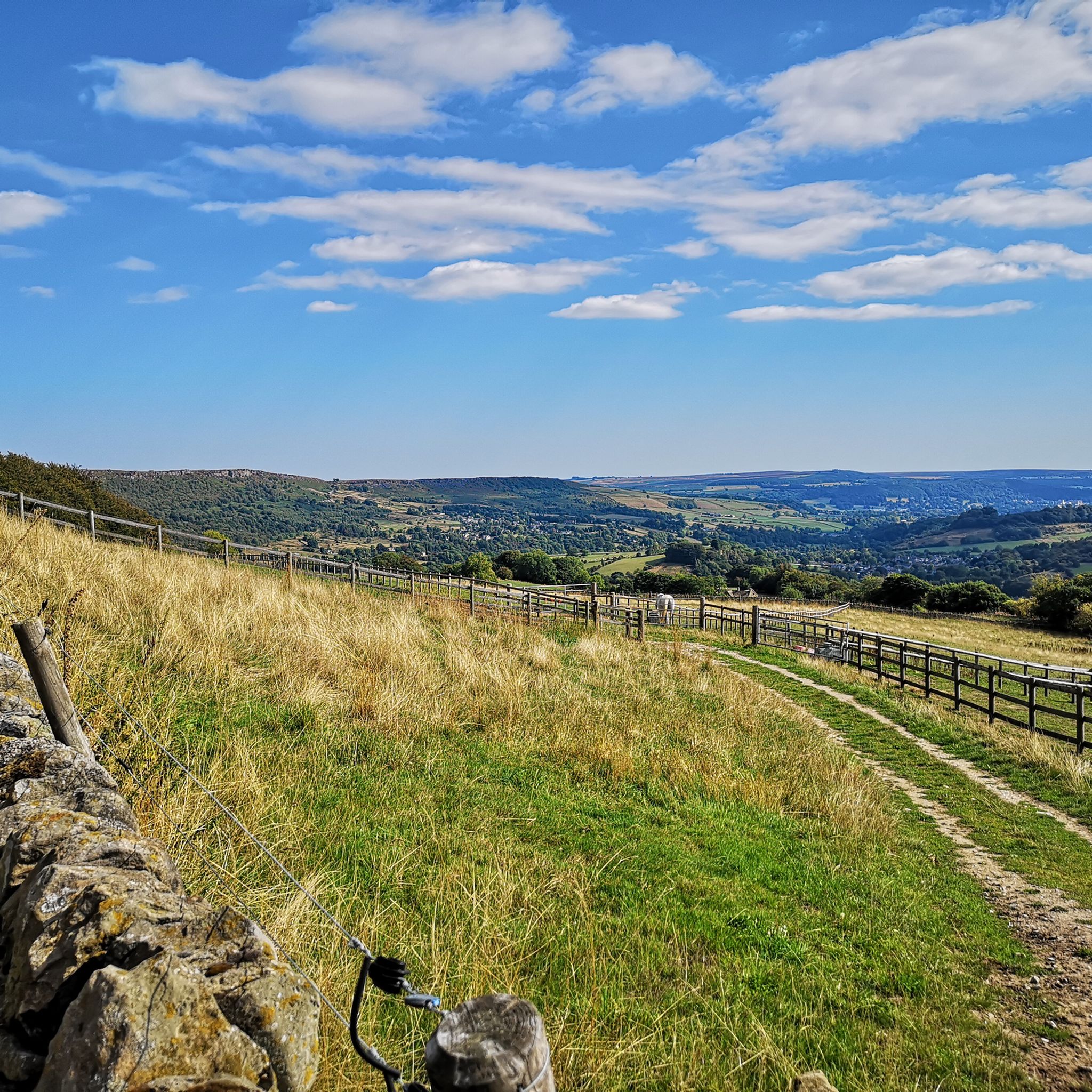
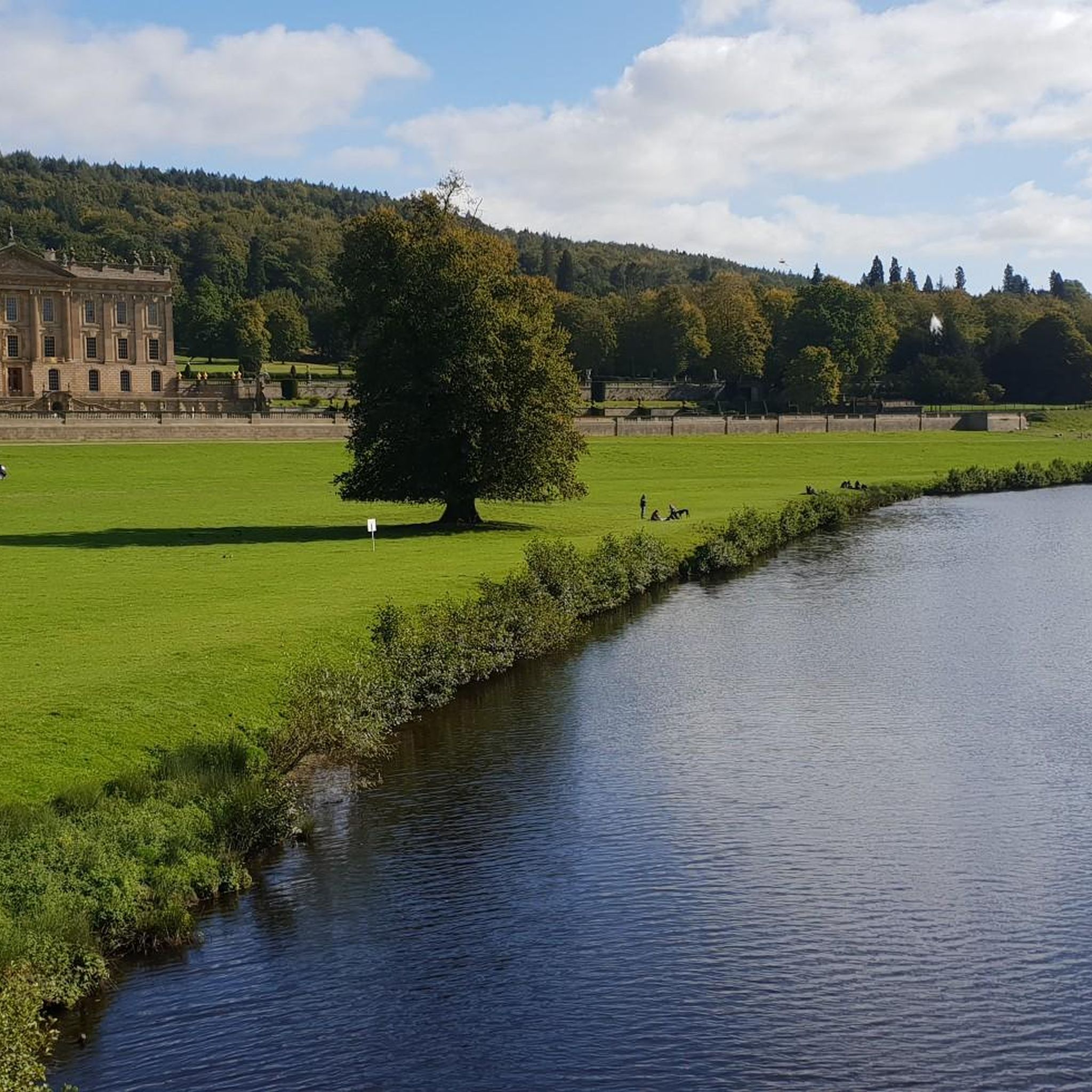
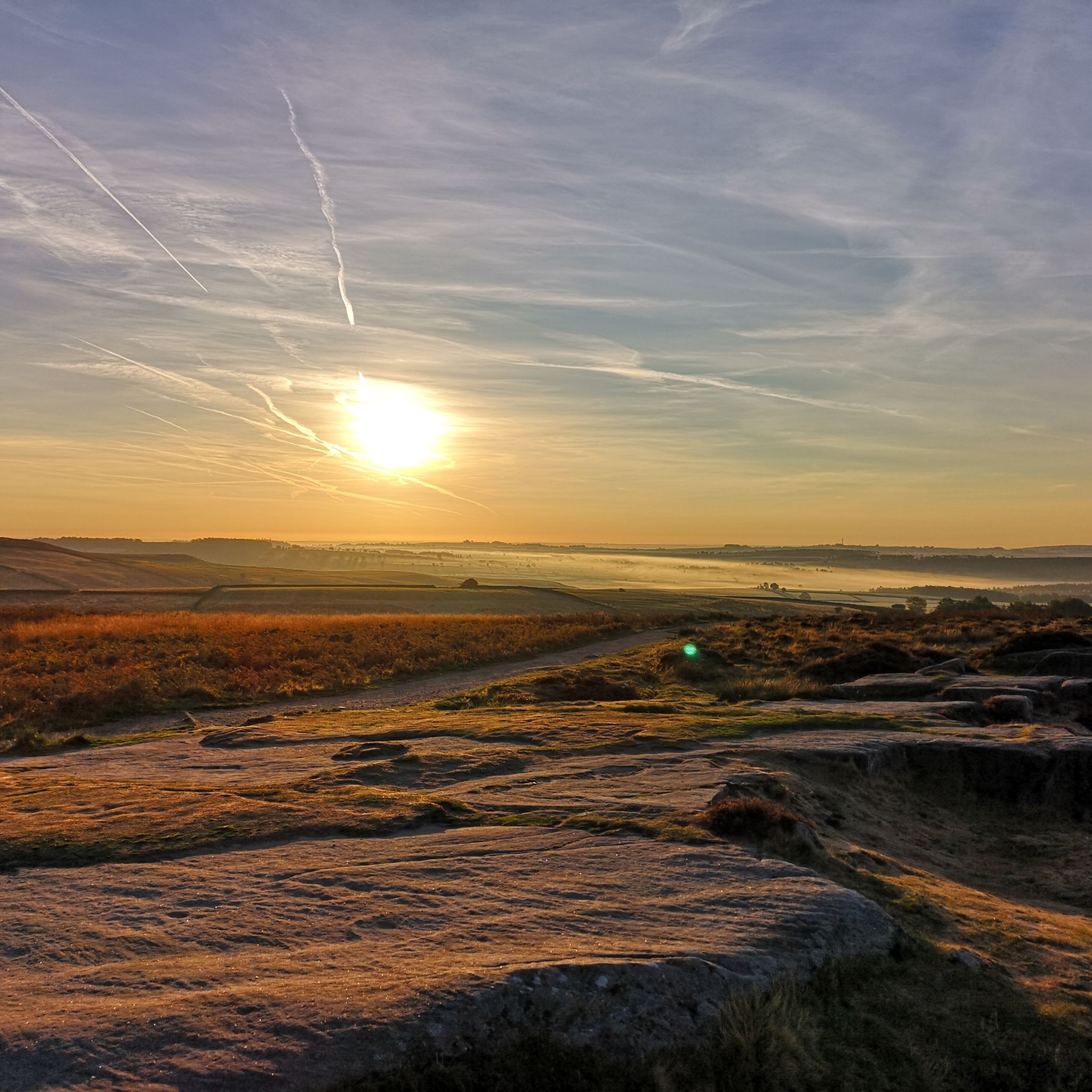
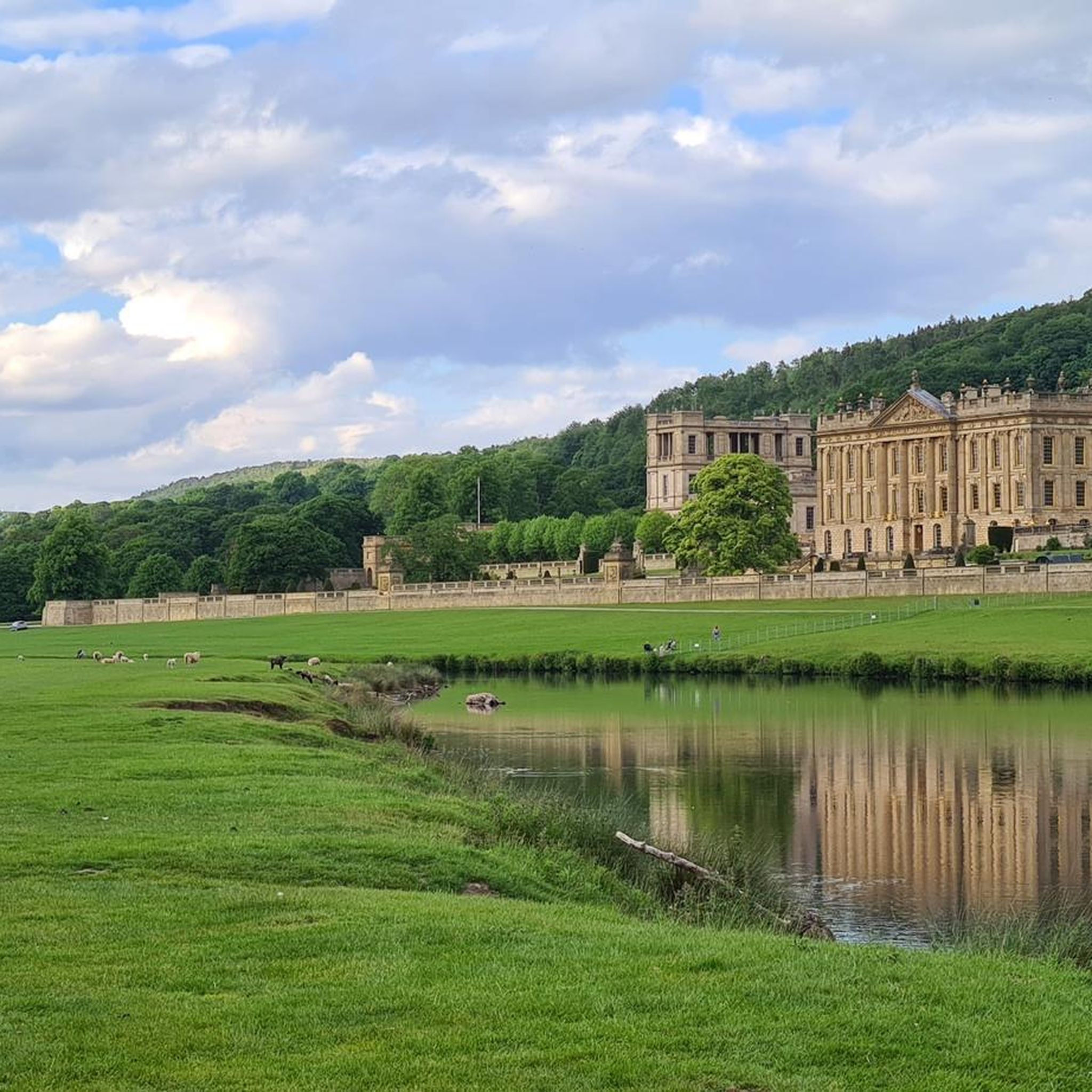
Tips from the Community

A short but exciting scramble up the rocky outcrop behind Birchover village leads to Rowtor Rocks, a wonderland of weirdly carved boulders, hidden tunnels, secret steps, and a proper little cave once used by a 17th-century vicar who liked to play at being a druid. Kids from age 4 absolutely love it here – there’s endless climbing, squeezing through narrow gaps, discovering carved chairs and altars, and plenty of “secret cave” excitement without it ever feeling too big or overwhelming. The paths are short, the rocks are grippy, and little legs can explore to their heart’s content while parents keep an easy eye from just a few metres away. Bring wellies or grippy shoes after rain (it can be slippy) and let the kids lead the adventure – they’ll be talking about their “druid cave mission” for weeks
0
0
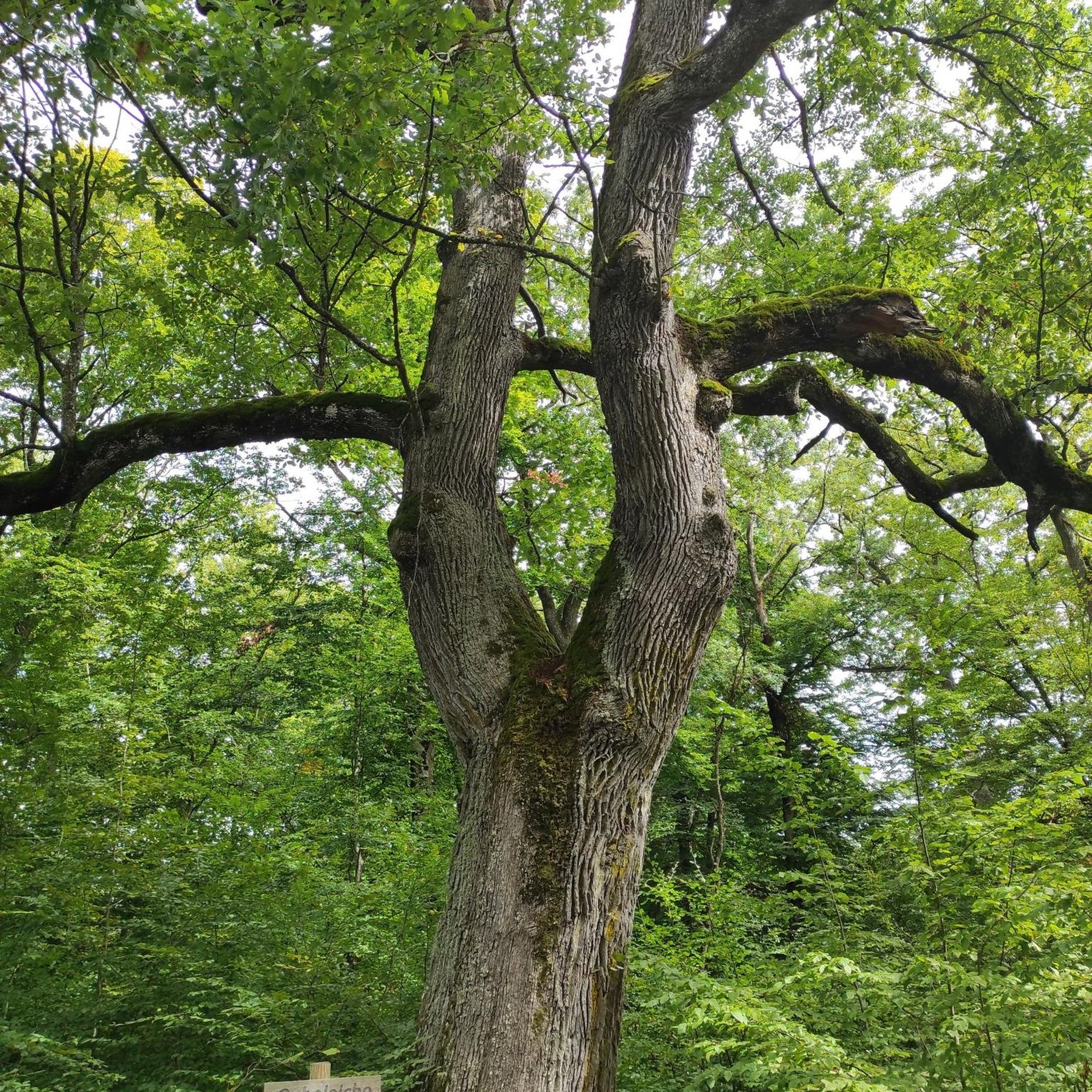
• A small but striking natural arch carved by erosion in a gritstone outcrop. • Dimensions: • Span: ~3–4 meters wide • Height: ~2 meters at center • Thickness: ~1 meter • Formed over thousands of years by frost weathering and water seepage along joints in the rock. • Overgrown with moss, ferns, and small trees — blends perfectly into the woodland
0
0

A nice place for a little scramble...and a great view at the top. Rowtor Rocks consists of numerous interlinked tunnels and caverns, some natural and some man-made. Many of the rocks have been carved with symbols and pictures, including serpents, circles and cups. A series of steps, thrones and altars have also been fashioned out of the stone in a number of places.
0
0

Path to the entrance is usually flooded so worth wearing appropriate footwear.
0
0

The Delf is a natural valley that runs south from the idyllic Peak District village of Eyam. A short way down it is Cucklet Delf (which I’ve also seen spelt ‘Cucklett’ or ‘Delph’), a beautiful limestone craglet that forms a cavern with two large arches. From 1666, the larger of two archways became the pulpit for the twenty-seven-year-old village rector, William Mompesson. From here, he could preach into the valley and be heard by his congregation, gathered in disparate family groups on the opposite hillside. Throughout the outbreak of the plague, this crag — and, in fact, this whole section of the Delf — became the Cucklet Church.
0
0
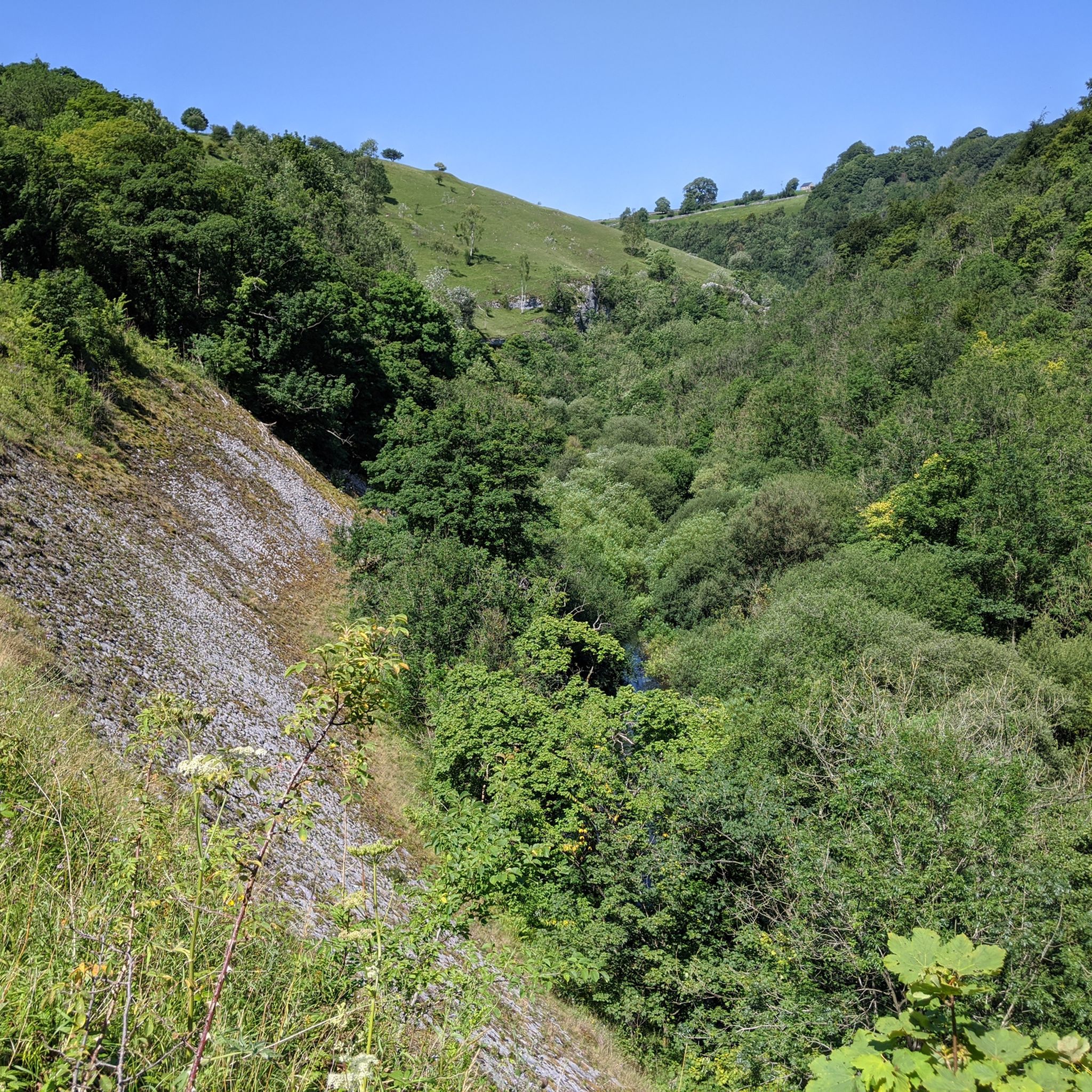
Lathkill Head Cave is a cavern within the limestone of the gorge that forms Lathkill Dale, in the White Peak area of the Peak District, in Derbyshire. The cave mouth is found to the east of Monyash. In wet weather, the water trickling in innumerable rills into the cave creates a stream gushing forth from its mouth to form the River Lathkill, whence the name of the cave. In dry weather the headwater of the river is formed from the springs a little below. The rocks here are fissured and complex. Cavers have found a number of entrances into the cave which are explored by the fearless.
1
0

Also referred to as Cucklet Church - this is the site that was used as an alternative to the Village church during the plague outbreak of 1665.
0
1

Sallet Hole was originally driven as a sough to the workings under Longstone Edge, before being modified into a haulage level in 1840-42. A 32ft diameter waterwheel originally powered crushing rollers here, but all traces of it have been destroyed by later workings. In the C20th, Sallet Hole Mine was worked for fluorspar, first from 1926-30, and then from 1965. It worked Deep Rake below the depth of the opencast workings on Longstone Edge, and in 1990 produced 73,000 tonnes of ore. It finally closed in 1998, and water still flows from it today. These guys explored it (with great pics): https://www.28dayslater.co.uk/threads/sallet-hole-mine-derbyshire.123729/
0
0
Frequently Asked Questions
What types of caves can I explore around Chatsworth CP?
The area around Chatsworth CP offers a diverse range of cave experiences. You can find natural caverns like Lathkill Head Cave, ancient rock shelters such as Bunkers Hill Plantation, and unique sculpted rock formations like Rowtor Rocks. There are also historical mining sites like Sallet Hole Mine and even historical underground transport tunnels like the Coal Hole and Tunnel within the Chatsworth House Garden.
Are there any caves with historical or archaeological significance near Chatsworth CP?
Yes, several sites offer historical insights. The Bunkers Hill Plantation Rock Shelter, located on the Chatsworth Estate, revealed Bronze Age pottery during excavations, indicating ancient human activity. Cucklet Delf Natural Arch is historically significant as it served as an outdoor pulpit during the 1665 plague outbreak in Eyam. Additionally, Rowtor Rocks features carvings and structures created by a local parson centuries ago.
Are there family-friendly caves or rock formations suitable for children?
Absolutely. Rowtor Rocks and the Druid's Cave is particularly popular with families. It offers a 'wonderland' of carved boulders, hidden tunnels, and secret steps, providing an exciting yet manageable scrambling and exploration experience for children. The paths are short, and the rocks are grippy, making it ideal for little legs.
What kind of activities can I do at Rowtor Rocks?
Rowtor Rocks is a fantastic spot for scrambling and exploration. You can navigate through a series of caves, rooms, alcoves, and tunnels, many of which were sculpted centuries ago. It's also a popular location for bouldering and climbing, offering a proper playground for those looking for a more active experience.
What geological features are characteristic of the caves in this region?
The caves around Chatsworth CP are primarily found within the limestone geology of the Peak District's White Peak area. This results in features like the fissured and complex rock formations seen at Lathkill Head Cave, which acts as a source for the River Lathkill. Natural arches, like Cucklet Delf Natural Arch, are formed by erosion along joints in the rock, often overgrown with moss and ferns.
What outdoor activities can I combine with a visit to the caves?
The area around Chatsworth CP is excellent for various outdoor activities. You can find numerous hiking trails, including routes like the 'Chatsworth House and Park loop' or 'Chatsworth Park & Woodland loop'. For mountain biking, explore trails such as 'Baslow Edge – View from Curbar Edge loop'. Road cyclists can enjoy routes like 'Beeley Moor Summit – Winnats Pass Climb loop'. You can find more details on these activities in the Hiking around Chatsworth, MTB Trails around Chatsworth CP, and Road Cycling Routes around Chatsworth CP guides.
Are there any commercial cave attractions in the wider Peak District area near Chatsworth?
Yes, the wider Peak District offers several well-known commercial cave attractions. These include Blue John Cavern in Castleton, famous for its unique Blue John stone; Speedwell Cavern, which offers an underground boat trip through a flooded mine; and Peak Cavern, known as 'The Devil's Arse' with the largest natural cave entrance in the Peak District. The Heights of Abraham in Matlock Bath also features underground caverns accessible via cable car.
When is the best time to visit the caves around Chatsworth CP?
The caves and rock formations can be visited year-round. However, for sites like Lathkill Head Cave, visiting during wet weather can be particularly impressive as numerous rills trickle into the cave, causing a stream to gush forth. For outdoor exploration at sites like Rowtor Rocks and the Druid's Cave, drier conditions are generally more comfortable, though grippy shoes are recommended after rain.
What should I wear when exploring caves in this area?
When exploring caves and rock formations, it's advisable to wear sturdy footwear with good grip, especially if you plan on scrambling or if the ground might be wet. Layers of clothing are also recommended as temperatures underground can be cooler, and conditions can vary. For sites like Sallet Hole Mine, appropriate footwear is essential as paths to the entrance can be flooded.
Is parking available near the caves?
Parking availability varies by location. For sites within the Chatsworth Estate, designated parking areas are usually available, though some specific rock shelters like Bunkers Hill Plantation are on private land and not immediately visible from tracks. For popular areas like Lathkill Dale or Rowtor Rocks, nearby village parking or small car parks are often available, but these can fill up during peak times.
How can I reach the caves around Chatsworth CP using public transport?
Public transport options to the Chatsworth area and nearby villages exist, primarily through local bus services connecting from larger towns like Bakewell or Sheffield. From these villages, many cave sites are accessible via walking trails. However, direct public transport to every specific cave entrance may be limited, so planning your route in advance and considering a combination of bus and walking is recommended.
Are there any lesser-known or hidden caves to discover?
Yes, some sites are less immediately obvious. The Bunkers Hill Plantation Rock Shelter, for example, is situated on private land within the Chatsworth Estate and can be challenging to find as it's not immediately visible from the track. These types of locations often require more careful navigation and respect for private property.
Most popular routes around Chatsworth CP
Most popular attractions around Chatsworth CP

Get inspired with the komoot mobile app


Explore more
Extend your search for the best caves by checking out these guides of the top ones around Chatsworth CP:
