The best road cycling routes around Konzell
4.2
(86)
1,300
riders
158
rides
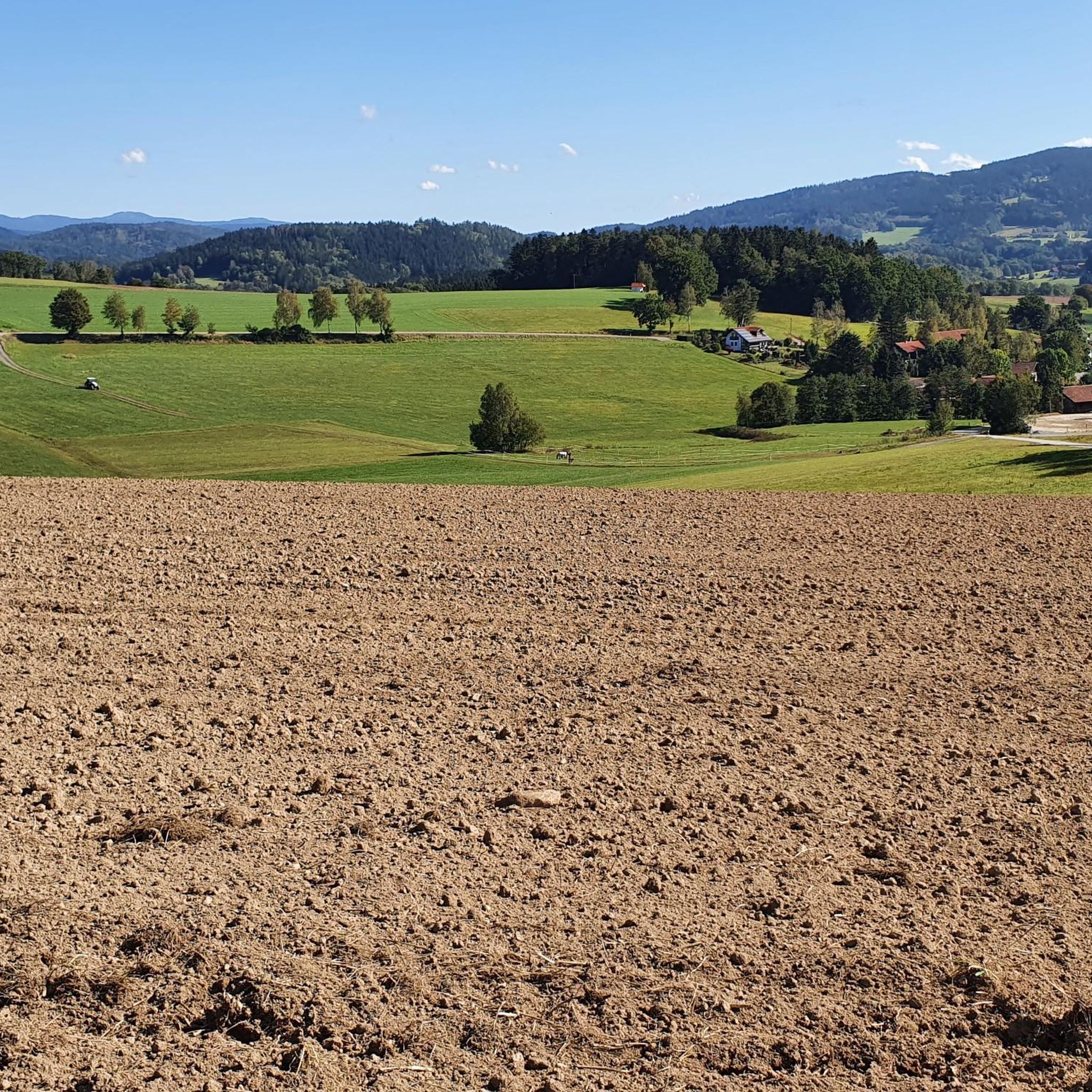
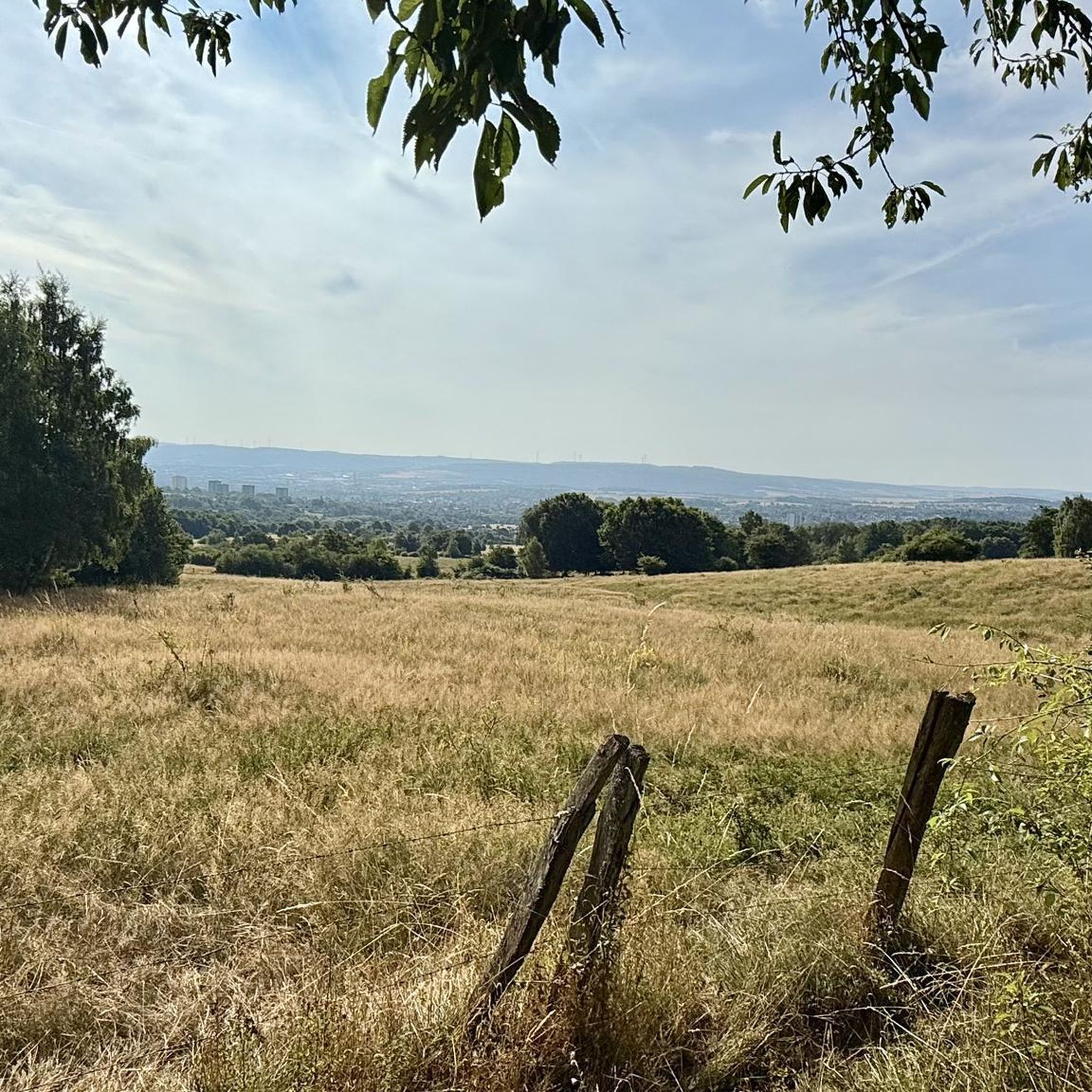
Road cycling routes around Konzell are set within the scenic Straubing-Bogen region of Germany, characterized by the diverse landscapes of the Bavarian Forest. The area features rolling hills and forested mountains, providing varied terrain for road cyclists. This geographical setting offers a network of cycling paths with significant elevation changes, catering to different fitness levels.
Best road cycling routes around Konzell
- The most popular road cycling route is St. Martin's Church, Miltach loop from Rattenberg, a 25.0 miles (40.2 km) trail that takes 1 hour 49 minutes to complete. This route features moderate climbs through the local landscape.
- Another top favourite among local road cyclists is To Kramerwirt – View of Konzell and Gäuboden loop from Konzell, a moderate 27.6 miles (44.4 km) path. This route offers views of Konzell and the Gäuboden region, with notable elevation gain.
- Local road cyclists also love the Roadbike loop from Rattenberg, a 28.1 miles (45.2 km) trail leading through the forested hills, often completed in about 2 hours 20 minutes.
- Road cycling around Konzell is defined by rolling hills, forested mountains, and access to broader cycling networks like the Danube-Regen Cycle Path. The network offers options for different ability levels, from relaxed rides to demanding climbs.
- The routes in Konzell are highly rated by the komoot community with an average score of 4.2 stars from over 80 reviews. More than 1,300 road cyclists have used komoot to explore Konzell's varied terrain.
Last updated: July 7, 2026
3.0
(1)
17
riders
40.1km
01:50
440m
440m
Moderate road ride. Good fitness required. Mostly well-paved surfaces and easy to ride.
8
riders
44.4km
02:17
720m
720m
Moderate road ride. Good fitness required. Mostly well-paved surfaces and easy to ride.

Sign up for free
6
riders
45.2km
02:20
750m
750m
Moderate road ride. Good fitness required. Mostly well-paved surfaces and easy to ride.
12
riders
56.0km
02:13
240m
240m
Moderate road ride. Good fitness required. Mostly well-paved surfaces and easy to ride.
12
riders
21.8km
01:12
420m
420m
Moderate road ride. Good fitness required. Mostly well-paved surfaces and easy to ride.
Get access to more routes and recommendations from other explorers.
Sign up for free
Already have an account?
Our route recommendations are based on thousands of hikes, rides, and runs completed by other people on komoot.
Start today with a free account
Your next adventure awaits.
Login or Signup
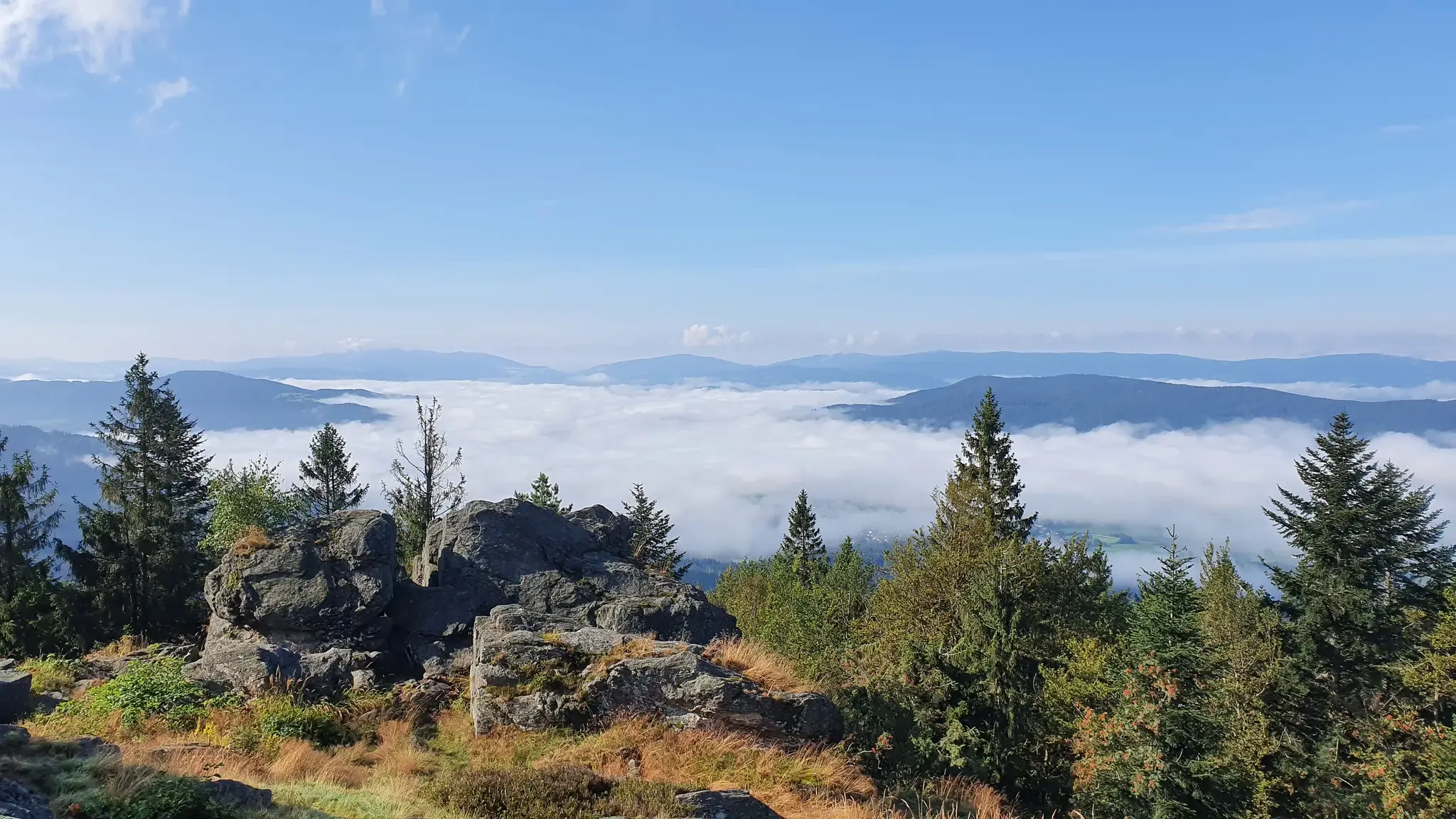
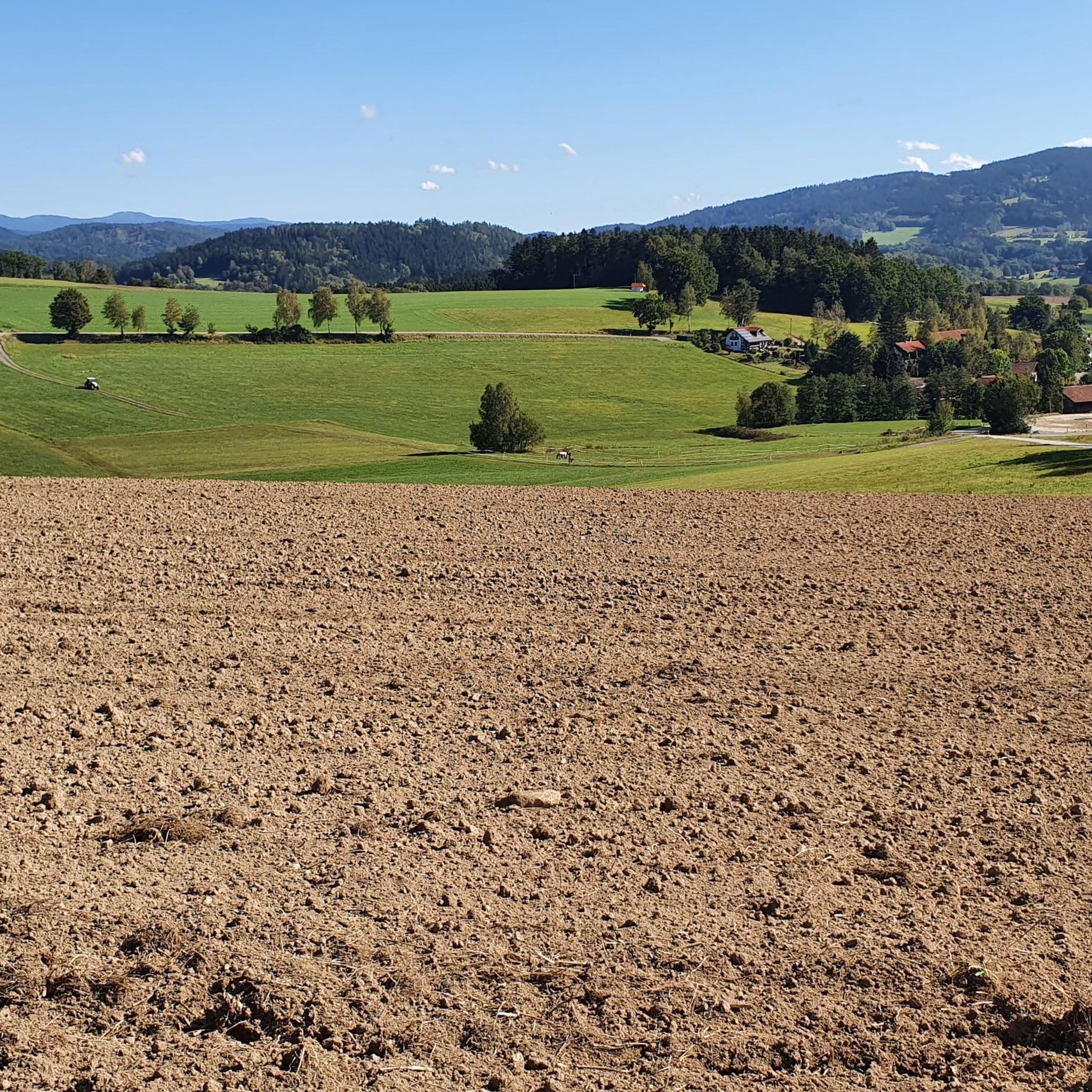
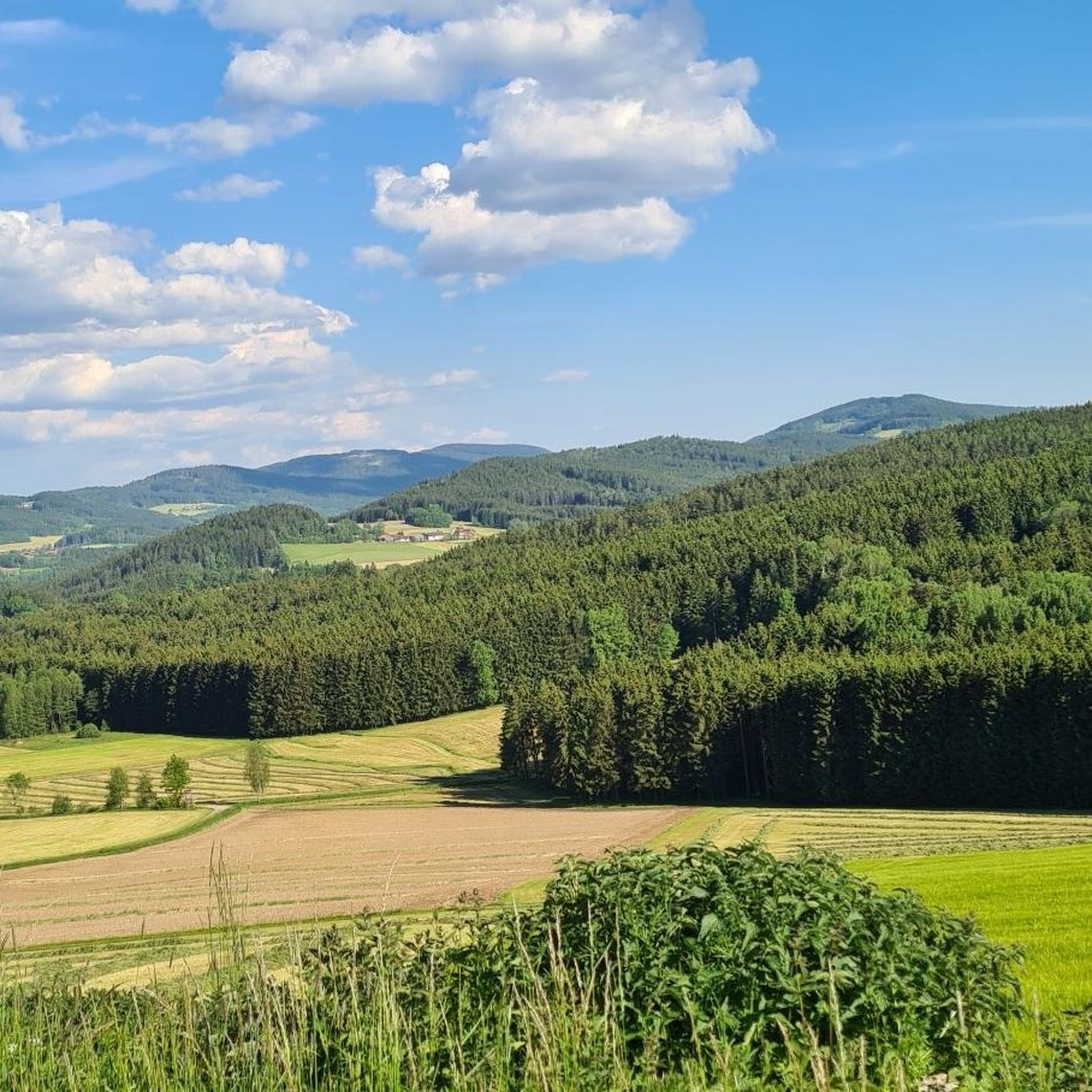

Other adventures around Konzell

Tips from the Community

gives some nice spots on the Danube to linger
0
0

Parish Church of St. Martin The first Romanesque religious building in Miltach was built between 1050 and 1100. Around 1400 the apse was demolished and the current choir was built in the same place. Around the middle of the 18th century the church was given a baroque makeover, mainly by raising the tower. There were two reasons for the renewed expansion and redesign in 1974: the lack of space for churchgoers and the dilapidated structure of the nave. After initial concerns, the State Office for Monument Preservation gave its consent to the demolition of the rear part and the subsequent new construction. The official laying of the foundation stone took place on September 8, 1974 by cathedral canon Martin Lehner. The topping-out ceremony was celebrated on October 25 of the same year. Auxiliary Bishop Karl Flügel consecrated the parish church on August 8, 1976. The high altar from 1760, a Rococo structure with free-standing round and square columns, is extended to the sides with passageways underneath. The figure of St. Andrew on the left and St. James on the right stand as altar guards. The center of the high altar is a painting depicting the patron saint of the parish church, St. Martin. The picture with the well-known motif of the cloak being divided was painted by Ignaz Anton Sollfleisch from Cham. At the top, the high altar ends with a so-called mercy seat, a depiction of the Holy Trinity. To the left of the altar is the figure of St. Florian (1763), to the right is the plague saint Sebastian (1754), and St. Barbara (around 1980), the latter as a replacement for the statue stolen around 1960. The left side altar is a reconstruction of the altar that burned on December 9, 1986. The Gothic Madonna of the Radiance and Child (1480) was also completely destroyed in this disaster. The other two figures, Saint Francis Xavier on the left and Saint Nepomuk on the right, were restored by carving. The altarpiece shows Saint Gertrude von Hefta, painted by Georg Achtelstetter from Cham in 1923. The right side altar (1760) received a picture of Saint Nicholas in 1987, a copy from the church in Haag near Hohenschambach. The golden apples and the book on the altar pillars as well as the miter above the altar testify that it was already dedicated to Saint Nicholas before 1923. Source: Excerpts from www.pfarrei-miltach.de
2
0

Here you can always enjoy a beautiful panorama 👍.
0
0
Monastery Church of St. Peter and Paul The first church building, which was part of the Oberaltaich Abbey, founded around 1102, was consecrated in 1129 and was a three-aisled Romanesque basilica without a transept, with a flat roof inside. At the beginning of the Thirty Years' War, the medieval monastery church was demolished in 1621 and rebuilt from 1622 to 1630 - using the two western towers again. This was done under Abbot Veit Höser, who was also responsible for the planning, while the construction management was in the hands of the Graubünden master mason Ulrich Walchner. The church was consecrated in 1630 in the presence of Emperor Ferdinand II and Elector Maximilian I. In 1632, the church and monastery were plundered and devastated by a Swedish army led by Bernhard von Weimar. The current baroque church complex is a three-aisled hall church with a five-bay floor plan, surrounded by galleries on all sides. The unusual spatial form without excluding an actual choir building is further articulated by the fact that a two-storey chapel extension with a three-quarter circular floor plan is attached to the church building on all four sides. The vaulting of the church space is achieved by an unarticulated groin vault in the central nave, groin vaults in the side aisles and lancet vaults in the galleries. The principal piece of the church furnishings is the baroque high altar from 1693 with its six-columned structure, the altarpiece of which with the crucifixion of St. Peter by Johann Georg Knappich could be lowered by a mechanism on holidays in favor of the stage-like staging of the handing over of the keys to Peter, which was created around 1730. In the south-west corner of the church is the tomb of the founders of Counts Friedrich and Aswin von Bogen with a red marble cover plate from 1418, and in the northern Albertus Chapel is the high grave of Blessed Albert with a red marble cover plate from 1395. In 1727-1730, Abbot Dominicus II. Perger had the abbey church, built in 1630, refurbished on the occasion of the monastery's upcoming millennium celebrations. Joseph Anton Merz from Straubing carried out the extensive fresco work on the vaults according to the prelate's precise instructions, which are among the top achievements of southern German ceiling painting. Source: Excerpts from www.wikipedia.de
3
0

The Chapel of Our Lady, Klinglbach was built in 1884 by Johann and Katharina Wittmann as a private chapel and dedicated in 1886. From 1884 to 1937 it served as a private chapel. In 1937 it was inaugurated as a branch church of the parish of St. Engelmar. There are 12 wooden panels with images of the apostles on the gallery. The church is open during the day.
5
0
The monastery church of St. Peter and Paul in Oberaltaich is a former Benedictine church and is located on the European pilgrimage route Via Nova. The first monastery was founded in 731 by Duke Odilo of Bavaria and Saint Pirmin. The new church was built between 1622 and 1630. The baroque high altar dates from 1693 and shows the crucifixion of St. Peter and above the beheading of St. Paul. From 1726 to 1731 the interior was redesigned for the “1000th anniversary”. The monastery was abolished in 1803 and the church has been used as a parish church ever since. The church is open during the day, but can only be admired from behind through an iron grille. Guided tours are available upon request at the parish office.
6
0

Refreshment point at the Arber Cycle Marathon. The real highlight is m.m.n. however, the increase coming from Reichsbach. Approx. 300 HM on almost 6 KM in the most beautiful nature and with a serpentine that gives a look back at what you have gained in height to date. Top!
0
0

Cute town, beautiful parish church.
1
0
Frequently Asked Questions
What kind of terrain can I expect on road cycling routes around Konzell?
Road cycling around Konzell offers a diverse landscape, characterized by the rolling hills and forested mountains of the Bavarian Forest. You'll encounter varied terrain, from moderate climbs to more demanding ascents, providing options for different fitness levels. The region is known for its picturesque views and immersive natural experiences.
How many road cycling routes are available around Konzell?
There are over 160 road cycling routes available around Konzell, catering to a wide range of abilities. This includes 11 easy routes, 106 moderate routes, and 46 difficult routes, ensuring there's something for every road cyclist.
Are there routes suitable for advanced road cyclists seeking a challenge?
Yes, advanced road cyclists will find challenging routes around Konzell. The broader Bavarian Forest, accessible from Konzell, features demanding climbs with significant elevation gains, such as those leading to passes like Grosser Arber, Hochficht Pass, and Breitenau Pass. For example, the To Kramerwirt – View of Konzell and Gäuboden loop from Konzell includes notable elevation gain over its 44.4 km distance.
Are there easy road cycling routes for beginners or casual riders?
Absolutely. For those seeking a more relaxed ride, Konzell is integrated into broader cycling networks like the "Donau – Regen – Radwanderweg" (Danube-Regen Cycle Path). This easy 38 km route along a former railway line offers a cyclist-friendly infrastructure. You can also find 11 easy routes directly within the Konzell area.
What natural features or landmarks can I see while road cycling in Konzell?
While road cycling around Konzell, you can encounter various natural features and landmarks. The region is rich in natural monuments, including the Pröller summit cross, Käsplatte Summit, and the Predigtstuhl Summit. You might also come across the unique Großer Pfahl rock formation.
Are there any castles or historical sites accessible by road bike?
Yes, the area around Konzell features several castles and historical sites that can be explored. Notable examples include the Kollnburg Castle Tower, Falkenfels Castle, and Mitterfels Castle. The Danube-Regen Cycle Path also allows for detours to cultural treasures like the Bogenberg pilgrimage church.
Can I find routes with waterfalls?
Yes, you can find routes that pass near natural attractions like waterfalls. The Nagelsteiner Waterfalls are a notable natural monument in the vicinity of Konzell, offering a scenic point of interest during your ride.
Are there family-friendly road cycling routes in Konzell?
While many road cycling routes in Konzell involve significant elevation, the region does offer options suitable for families. The "Donau – Regen – Radwanderweg" (Danube-Regen Cycle Path) is an easy, flat route along a former railway line, making it ideal for families. Additionally, there are 11 designated easy routes within Konzell that could be suitable for family outings.
Are there circular road cycling routes available?
Many of the road cycling routes around Konzell are designed as loops, allowing you to start and end at the same point. Examples include the popular St. Martin's Church, Miltach loop from Rattenberg and the Roadbike loop from Rattenberg, both offering scenic circular journeys.
What do other cyclists say about road cycling in Konzell?
The road cycling routes around Konzell are highly rated by the komoot community, with an average score of 4.2 stars from over 80 reviews. Cyclists often praise the varied terrain, the beautiful forested landscapes, and the rewarding panoramic views found throughout the region.
What is the best time of year for road cycling in Konzell?
The best time for road cycling in Konzell is typically during the warmer months, from spring to early autumn. During this period, the weather is generally favorable, and the natural scenery of the Bavarian Forest is at its most vibrant, offering ideal conditions for exploring the diverse routes.
Are there long-distance cycling options from Konzell?
Yes, Konzell provides access to longer-distance cycling opportunities. The "Donau – Regen – Radwanderweg" offers a substantial route, and for those seeking a more challenging multi-day adventure, the "Transbayerwald" route, a 700 km trail through the Bavarian Forest, has a difficult stage just a few kilometers from Konzell.
Are there places to stop for refreshments or accommodation along the routes?
The region around Konzell, being a popular outdoor destination, offers various opportunities for refreshments and accommodation. While specific cafes or pubs are not detailed for every route, you can expect to find options in the charming villages and towns you pass through, especially along established cycling networks.
Most popular routes around Konzell
Most popular attractions around Konzell

Get inspired with the komoot mobile app


Explore more
Browse the best Road cycling routes in other regions.
