Top 5 Caves in Conwy
Best caves in Conwy are found within a region characterized by its coastal headlands, limestone hills, and historical significance in North Wales. The area offers a range of underground explorations, from ancient mining sites to natural rock formations. These locations provide insights into both geological processes and human history, spanning from prehistoric times to early modern periods. Conwy's landscape presents diverse opportunities for those interested in exploring its subterranean features.
Best caves in Conwy
- The most popular caves is View of Little Orme (Trwyn y Fuwch), a climb that features significant rock formations and historical human habitation. The Little Orme is also historically significant as a site where the first book printed in Wales was produced in a cave.
- Another must-see spot is The Bat Caves, Coed y Gopa, a natural monument. This ecologically important woodland is known for its diverse wildlife and historical features. It is a designated Site of Special Scientific Interest, particularly for its bat hibernaculum.
- Visitors also love Great Orme Bronze Age Copper Mines, a historical site where ancient mining operations took place. These mines are considered among the largest prehistoric copper mines globally, featuring miles of tunnels.
- Conwy is known for ancient mines, natural caves, and historically significant rock shelters. The region offers a variety of underground sites to explore, each with unique geological and archaeological interest.
- The caves in Conwy are appreciated by the komoot community. With 9 upvotes and 8 photos, these locations are well-regarded by visitors.
Last updated: October 11, 2026
Tunnel Entrance to Cave in Parc Cenedlaethol Eryri
Highlight • Cave
Tip by

The Bat Caves, Coed y Gopa
Highlight (Segment) • Natural Monument
Tip by

Sign up now to discover places like this
Get recommendations on the best single tracks, peaks, & plenty of other exciting outdoor places.
Great Orme Bronze Age Copper Mines
Highlight • Historical Site
You can take the heritage train around Great Orme to visit the caves which are over 600 feet (200 m) underground. You'll be given a hard hat.
The caves are open 9.30am to 4.30om from March until October. Entrance for adults costs £8. More info: greatormemines.info
Tip by

View of Little Orme (Trwyn y Fuwch)
Highlight • Climb
Tip by

Great Orme Copper Mine
Highlight • Historical Site
Translated by Google •
Tip by

Start today with a free account
Your next adventure awaits.
Popular around Conwy

Supporting the National Three Peaks FKT in true Green Runners’ Style
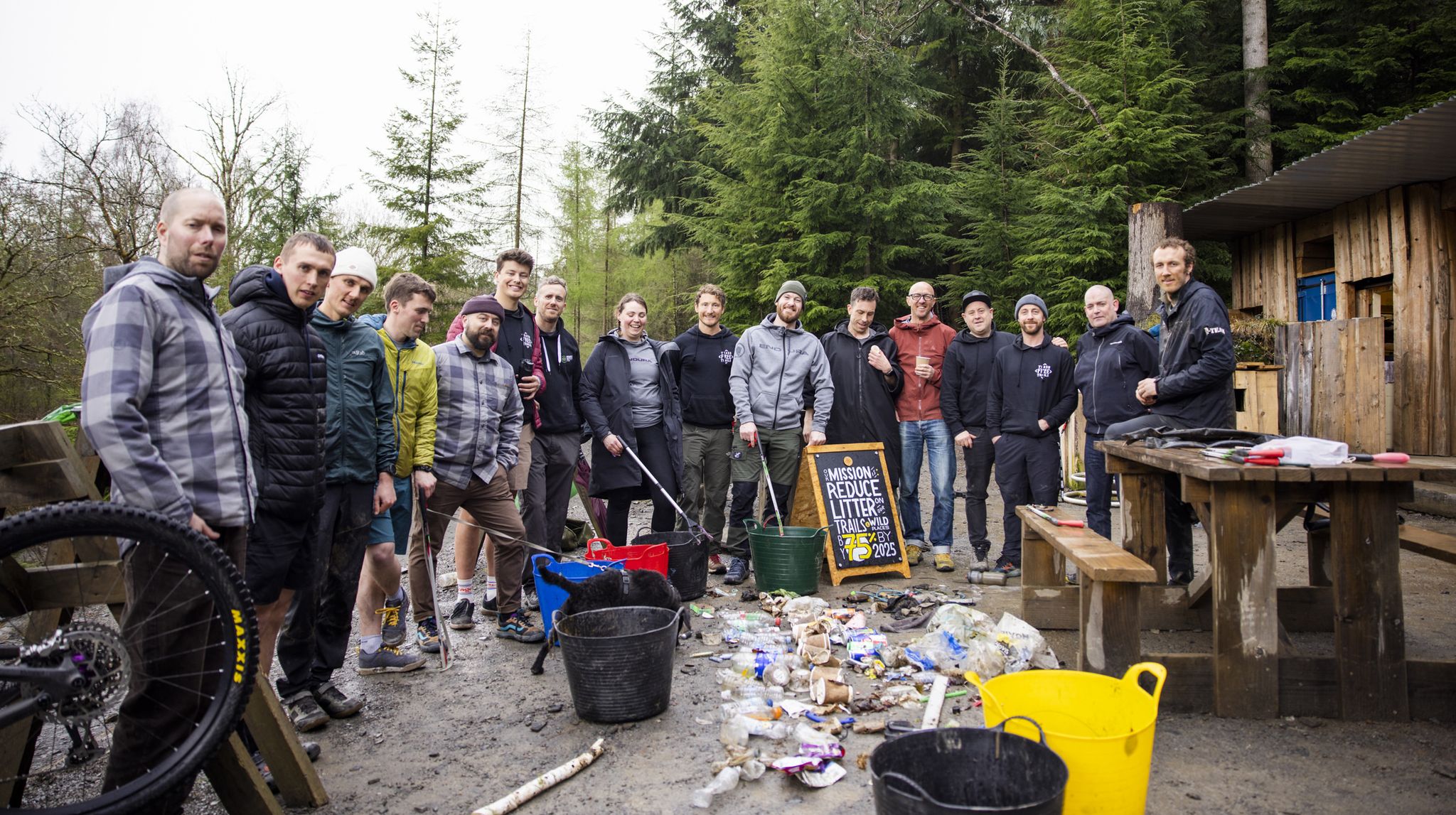
Adventures with a Purpose – our A-TEAMers’ best routes
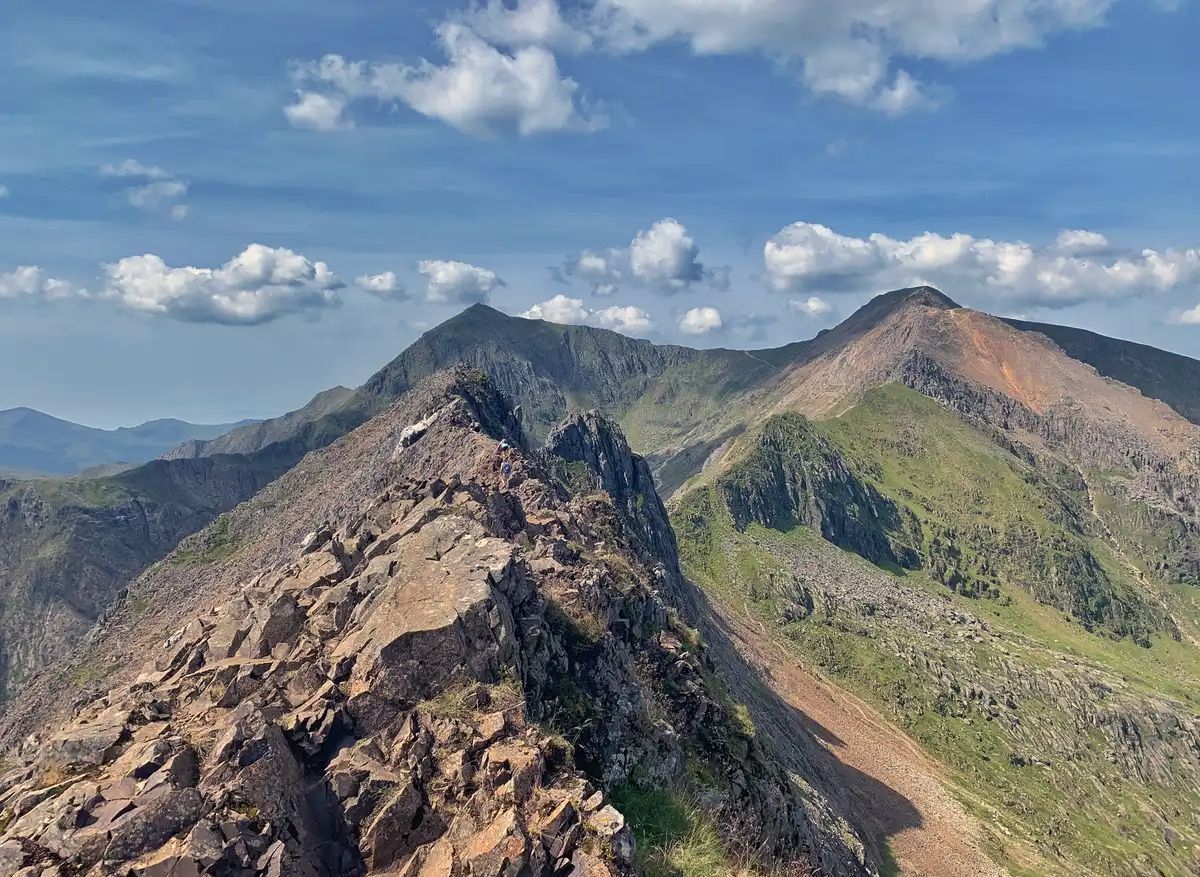
The Dragon's Back – running the spine of Wales
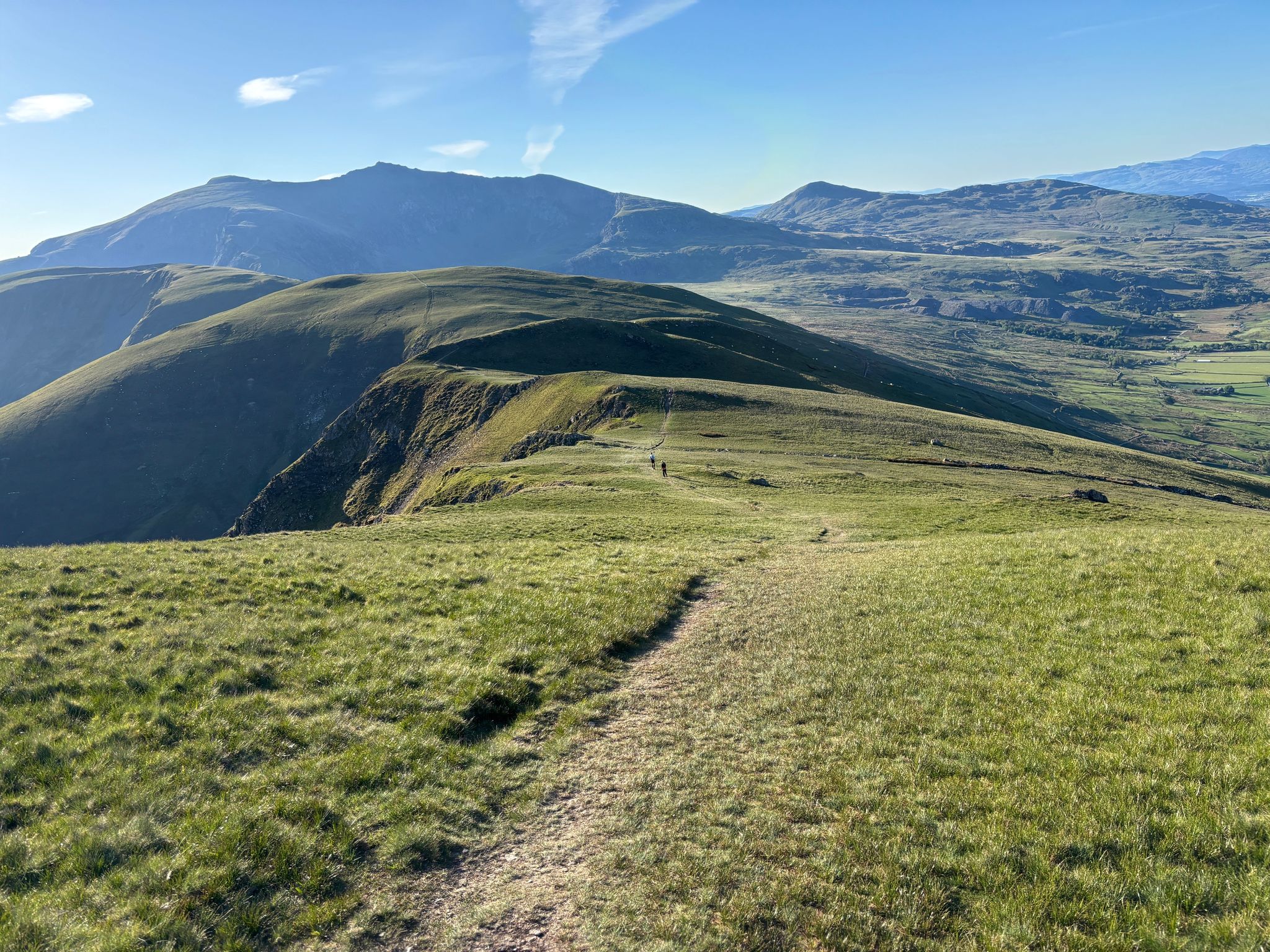
Ultra Trail Snowdonia by UTMB – 100 epic miles in Eryri
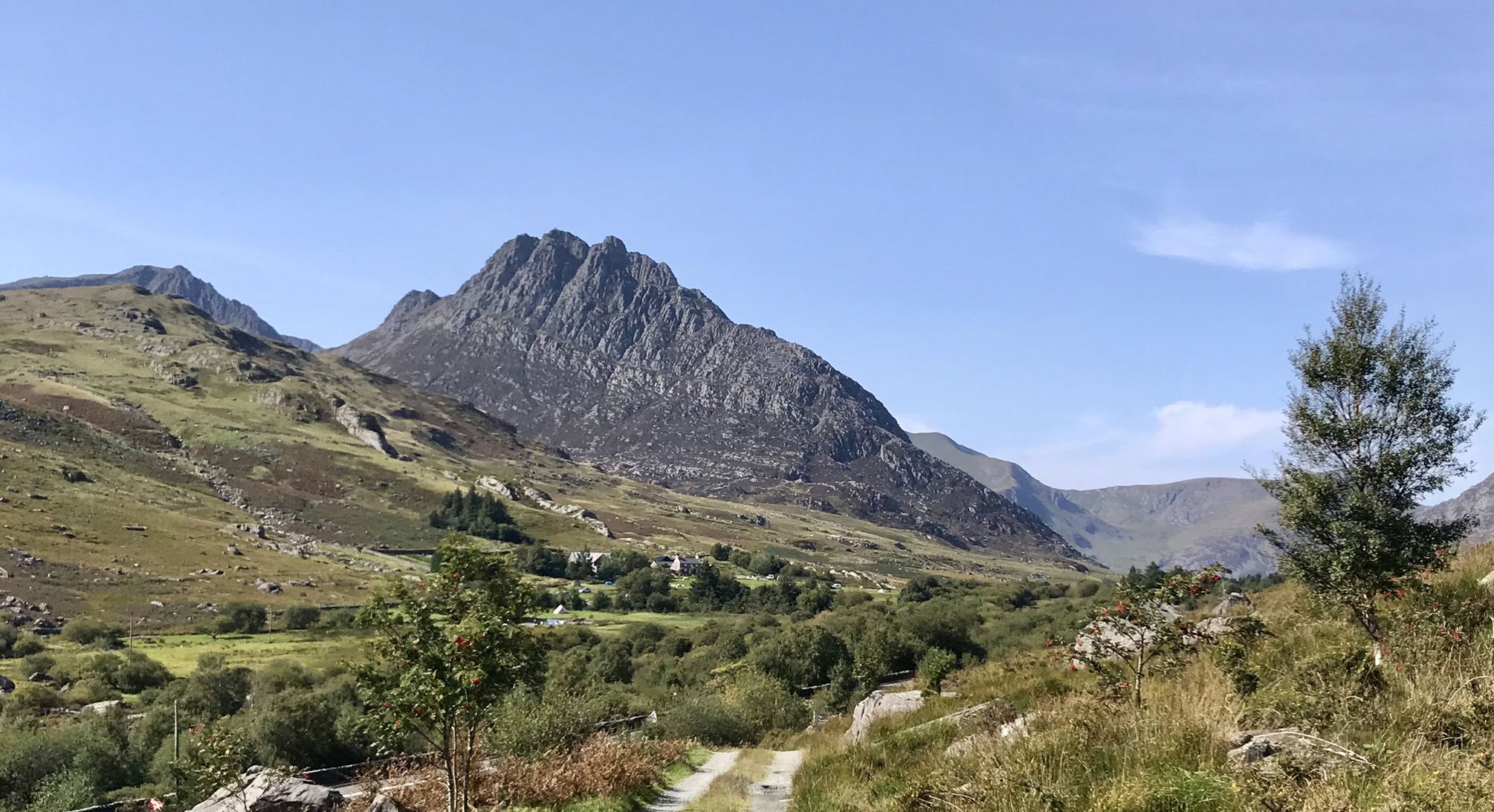
Snowdonia Way – A dramatic hike through Eryri's mountainous heart
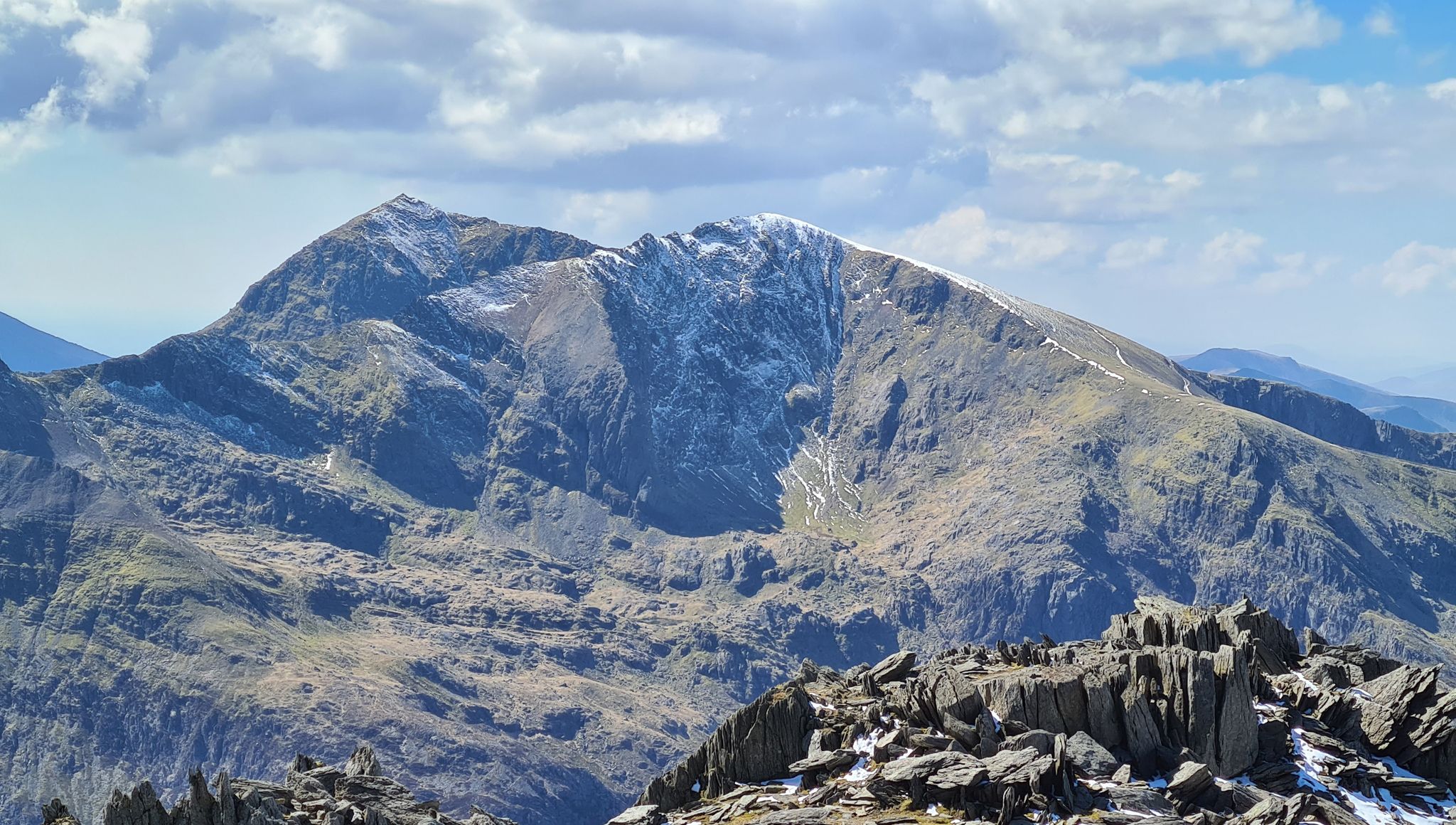
Snowdonia Way Mountain Route – Rise to Eryri's awesome summits

Traws Eryri — Bikepacking Snowdonia from Machynlleth to Conwy
O Fon i Fynwy — Exploring Wales on foot from top to bottom
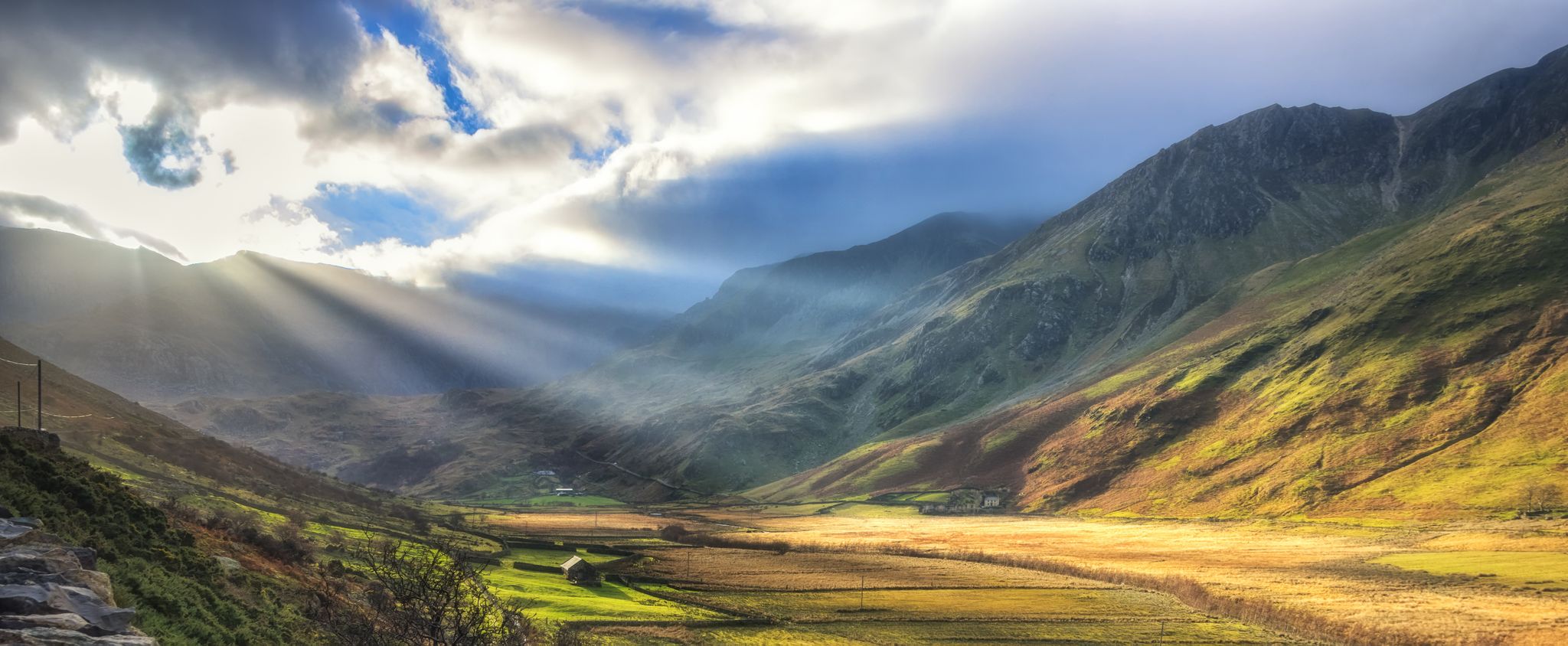
Snowdonia Slate Trail — Unearth one of Wales' most spectacular hikes
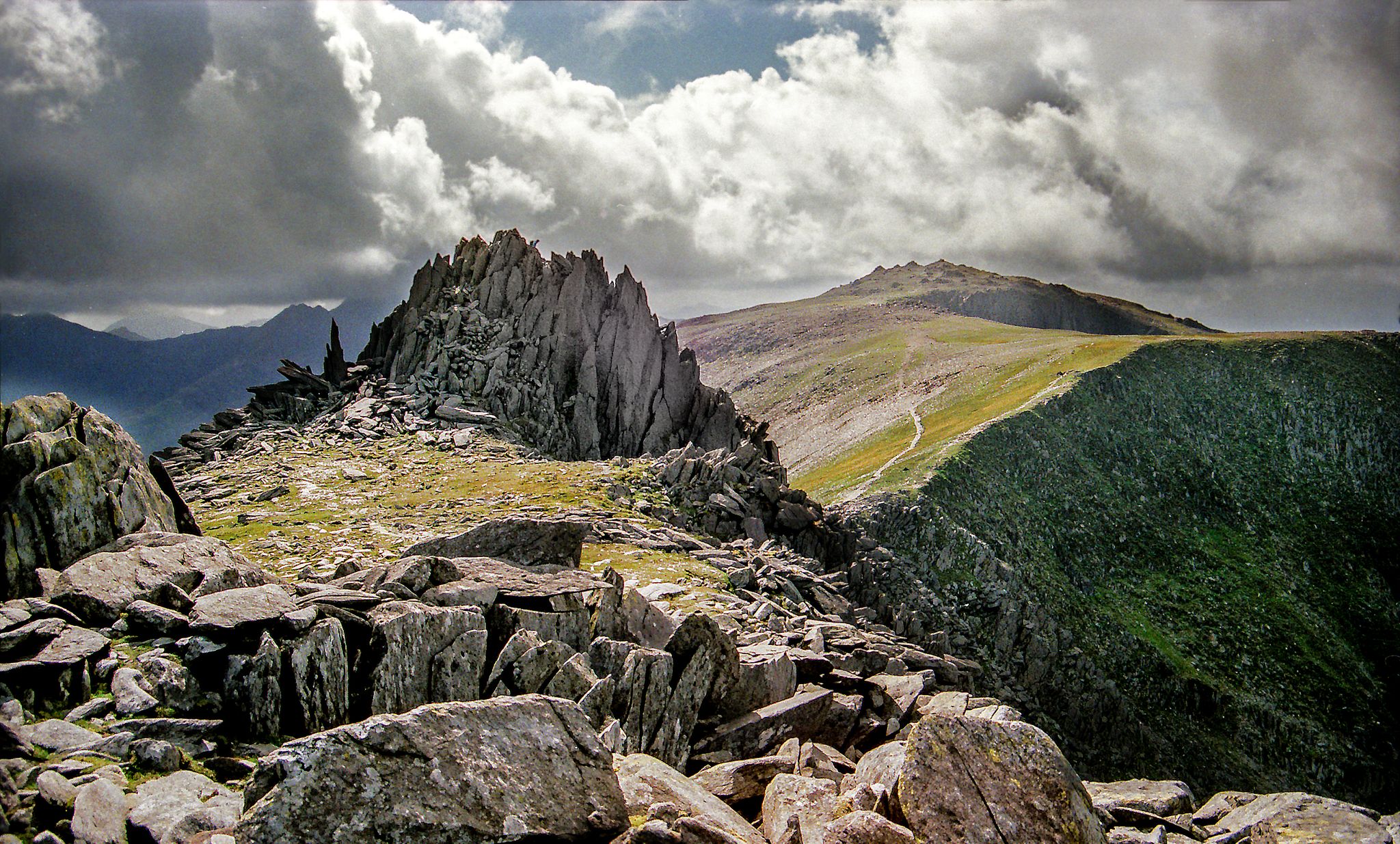
Hiking the Paddy Buckley Round — An epic Snowdonian adventure
Other adventures in Conwy


Tips from the Community

The Great Orme Copper Mines in Llandudno, North Wales, represent one of the most astonishing archaeological discoveries of recent times. Recognized as one of the largest prehistoric mines in the world, this massive complex completely changed our understanding of Bronze Age technology, trade, and society in Britain. DiscoveryFor centuries, locals and Victorian miners knew that ancient tunnels existed beneath the headland, but they were widely assumed to be of Roman origin. However, in 1987, a land-scaping scheme for a planned car park led cavers and mining engineers to explore deep into the old workings (abseiling down the 470-foot Vivian’s Shaft). Upon analyzing the artifacts, animal bones, and charcoal found inside using radiocarbon dating, archaeologists stunned the historical community: the mines were actually 4,000 years old, dating back to the Early Bronze Age, long before the Romans ever arrived. Scale and ExtentVast Labyrinth: The site features over 5 miles (8+ kilometers) of explored underground tunnels, passageways, and chambers reaching depths of up to 220 feet (70 meters). Tiny Passages: Many of the tunnels are extraordinarily cramped. Some of the tightest spaces could only have been excavated and navigated by young children aged 5 to 6 years old. Prehistoric Scale: Over 40,000 cubic meters of rock were removed during prehistory, spreading across a surface and underground network covering more than 24,000 square meters.
0
0
Dating back four thousand years, the Great Orme Mines are an astonishing Bronze Age marvel and one of the largest prehistoric mines in the world. Ancient miners hacked out rich copper ore using stone hammers and bone tools, weaving a vast labyrinth of narrow tunnels before it was later reopened by Victorians.
0
0
Site of Special Scientific Interest (SSSI): Coed y Gopa is designated as an SSSI due to its exceptional biological interest. Bats: It's particularly renowned for being home to the second largest lesser horseshoe bat hibernaculum in North East Wales. These bats utilize the numerous old mine workings (adits) and natural caves within the site for winter hibernation. Other bat species like Natterer's bat and Daubenton's bat are also found here. The wide rides and varied habitats within the wood provide excellent feeding areas for bats. Other Wildlife: Beyond bats, the woodland supports a rich array of wildlife, including various bird species like ospreys, goshawks, pied flycatchers, redstarts, and wood warblers.
0
0
The batcaves, Coed y Gopa, meaning "wood of the summit" in Welsh, is a prominent and ecologically important woodland located on a limestone hillside in the Vale of Clwyd, North Wales, near the town of Abergele. It's a popular site for visitors due to its diverse wildlife, historical features, and breathtaking coastal views.
0
0

The historic copper mine offers good insights into life and work hundreds of years ago. You get a helmet and walk through the area on your own; the tour takes about 45 minutes. Since we had already done this on our last visit, we preferred to walk a little longer today (despite the rather high price, the tour is recommended).
1
0
Go through the tunnel, mind your head, don't be scared. you'll come out in to a small quarry in the side of the rock with old collapsed out buildings. such a weird little find.
0
0
A quick hunched walk through a dark tunnel in the rock and you come across an old quarry in the side of the rock, with a few old fallen buildings inside. what a little gem of a find
0
0
The Little Orme (Welsh: Rhiwledyn, also known as Trwyn y Fuwch, Trwyn y Gogarth and Y Gogarth Fach) is 141 metres (463 ft) in height, and is a HuMP (having a minimum Hundred Metre Prominence). It is one of two headlands situated at either end of Llandudno Bay, in Conwy County Borough, Wales. The other, larger, headland is the Great Orme. It has two summits, the higher with a trig point. The cliffs are a popular challenge for highly experienced rock climbers. The Coast Guard Rescue Unit use the Little Orme for training. Otherwise, it is a popular sightseeing location and walking/hiking site. The Little Orme was inhabited during the Mesolithic and Neolithic eras, notably the Pant y Wennol cave. A small hoard of Iron Age Celtic metalwork was found in a cave on the Little Orme. The medieval chapel of Blessed Mary of Penrhyn, abandoned in 1930 and now in ruins, is at the foot of the Little Orme in the grounds of Penrhyn Hall at Penrhyn Bay. On 14 April 1587, printing material for Catholic literature was found in a cave on the Little Orme, where it had been used by the recusant Robert Pugh (squire of Penrhyn Hall) and his Chaplain Father William Davies to print Y Drych Cristianogawl (The Christian Mirror), the first book to be printed in Wales. They had taken refuge there during the persecution of Catholics instigated by Queen Elizabeth I in May 1586. The Royal Artillery coastal gunnery school, 198 battery, was posted to Little Orme during the Second World War. Target practice was undertaken from the headland to anchored boats, and unspent ammunition and unexploded shells may still be encountered offshore. Gun emplacements and ancillary buildings were in situ until at least the early 1960s, but the site has since been 'landscaped'.
0
0
Frequently Asked Questions
What historical insights do Conwy's caves offer?
Conwy's caves provide a rich glimpse into history. The Great Orme Bronze Age Copper Mines are a prime example, dating back 4,000 years and considered the largest prehistoric copper mines globally. You can explore tunnels and see evidence of ancient tools and even human fingerprints. The Little Orme also holds significant historical value, with evidence of Mesolithic and Neolithic habitation, Iron Age metalwork, and even being the site where the first Welsh religious tract was printed in a cave around 1585.
Are there any ancient mining sites to explore in Conwy?
Yes, the most prominent ancient mining site is the Great Orme Bronze Age Copper Mines. These mines offer a unique opportunity to explore a 200-meter underground section of a 4,000-year-old mining operation, complete with a visitor center and an introductory film. It's a significant archaeological find, showcasing the engineering capabilities of ancient Britons.
Can I see wildlife in Conwy's caves?
Yes, particularly at The Bat Caves, Coed y Gopa. This area is an ecologically important woodland and a designated Site of Special Scientific Interest (SSSI), renowned for being home to the second largest lesser horseshoe bat hibernaculum in North East Wales. Other bat species like Natterer's and Daubenton's bats are also found here, utilizing the old mine workings and natural caves for hibernation.
Are Conwy's caves suitable for families?
The Great Orme Bronze Age Copper Mines are a great family-friendly option. They offer a self-guided tour through a section of the ancient mines, providing an educational and engaging experience for all ages. The site also includes a visitor center and an introductory film. The Little Orme is also popular for sightseeing and hiking, offering coastal views that families can enjoy.
Are Conwy's caves dog-friendly?
Yes, dogs are welcome in all areas of the Great Orme Bronze Age Copper Mines, including underground. This makes it an excellent option for visitors who wish to explore with their canine companions.
What should I wear when visiting Conwy's caves?
When visiting underground sites like the Great Orme Bronze Age Copper Mines, warm clothing is advised. The temperature underground typically ranges from 5°C to 8°C. Comfortable walking shoes are also recommended for exploring the tunnels and surface areas.
What are the opening times and entrance fees for caves in Conwy?
For the Great Orme Bronze Age Copper Mines, they are typically open from March until October, from 9:30 AM to 4:30 PM. Entrance for adults costs £8. For other natural cave areas like The Bat Caves, Coed y Gopa, and the Little Orme, access is generally open to the public for exploration of the surrounding areas, but specific cave access might be restricted or require specialized equipment.
What outdoor activities can I do near Conwy's caves?
Conwy offers a variety of outdoor activities near its cave sites. You can find numerous cycling routes, including the 'National Cycle Network Route 5: Llandudno and Conwy' or the 'Conwy Valley Cycle Route'. For hiking enthusiasts, there are many trails, such as those found in the waterfall hikes in Conwy guide. Mountain biking is also popular, with trails like the 'Gwydir Mawr Trail' available. Explore more options in the cycling in Conwy guide and MTB Trails in Conwy guide.
Are there hiking trails near these caves?
Yes, the areas around Conwy's caves offer excellent hiking opportunities. The Little Orme is a popular sightseeing and hiking location with breathtaking coastal views. Similarly, Coed y Gopa, home to the Bat Caves, features diverse wildlife and historical features, making it a popular site for visitors. You can find more hiking options in the waterfall hikes in Conwy guide.
What do visitors enjoy most about Conwy's caves?
Visitors particularly enjoy the unique historical journey offered by the Great Orme Bronze Age Copper Mines, stepping back 4,000 years into ancient mining life. The natural beauty and ecological significance of areas like Coed y Gopa, with its diverse wildlife and coastal views, are also highly appreciated. The Little Orme is loved for its significant rock formations, historical context, and stunning coastal vistas.
Are there any specific geological features to note in Conwy's caves?
Conwy's caves are primarily found within limestone hills and coastal headlands. The Bat Caves at Coed y Gopa are located on a limestone hillside, and the area is characterized by old mine workings (adits) and natural caves that serve as bat hibernacula. The Little Orme features significant rock formations, indicative of its geological history and coastal erosion.
What is the best time to visit Conwy's caves?
For sites like the Great Orme Bronze Age Copper Mines, the best time to visit is typically between March and October when they are open to the public. For natural outdoor areas like the Little Orme and Coed y Gopa, spring and summer offer pleasant weather for hiking and enjoying the coastal views and wildlife, though they are accessible year-round.
Most popular routes in Conwy
Most popular attractions in Conwy

Get inspired with the komoot mobile app


Explore more
Extend your search for the best caves by checking out these guides of the top ones in Conwy:
