Top 5 Castles in Denbighshire
Best castles in Denbighshire are found amidst a landscape rich in Welsh history, offering a glimpse into the past. The county features dramatic hilltop ruins and well-preserved fortresses, providing compelling experiences for visitors. These sites are often set against panoramic views across the Vale of Clwyd and the Clwydian Range. Denbighshire's castles showcase diverse architectural styles and historical significance.
Best castles in Denbighshire
- The most popular castles is Dinas Bran Castle, a castle that is an enchanting ruin sitting…
Last updated: October 11, 2026
Dinas Bran Castle
Highlight • Castle
In fine weather, especially in morning and evening light, fantastic for photo sessions!
Translated by Google •
Tip by

Rhuddlan Castle
Highlight • Historical Site
Tip by

Sign up now to discover places like this
Get recommendations on the best single tracks, peaks, & plenty of other exciting outdoor places.
Denbigh Castle and Town Walls
Highlight • Historical Site
Tip by
Stone Tower at Bradshaw Manor
Highlight • Structure
In the garden area at the front is this amazing little castle building …
Tip by
Bodelwyddan Castle
Highlight • Historical Site
Tip by

Start today with a free account
Your next adventure awaits.
Popular around Denbighshire
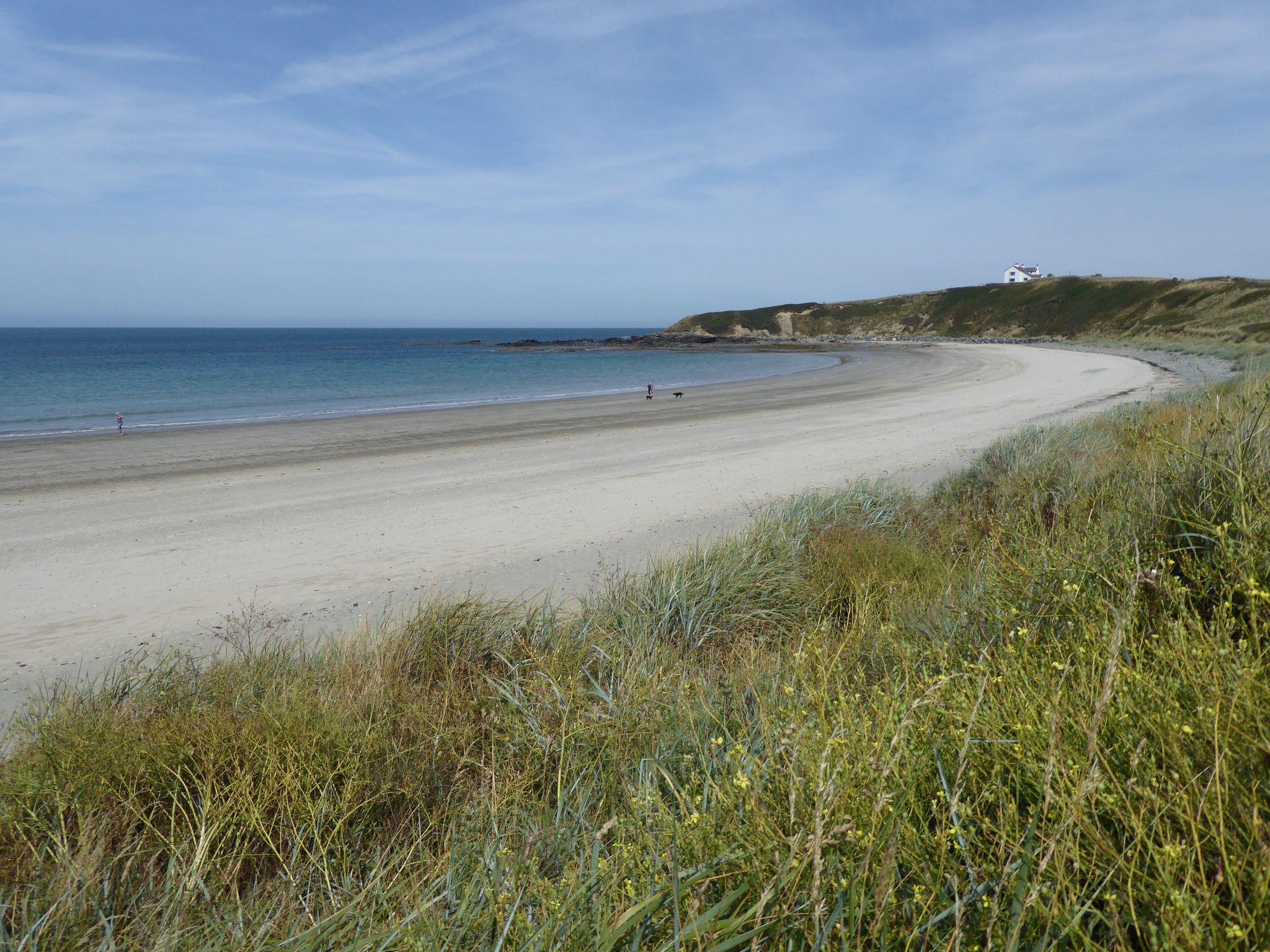
Cycling the North Wales Coastal Route – Ice cream & incredible views
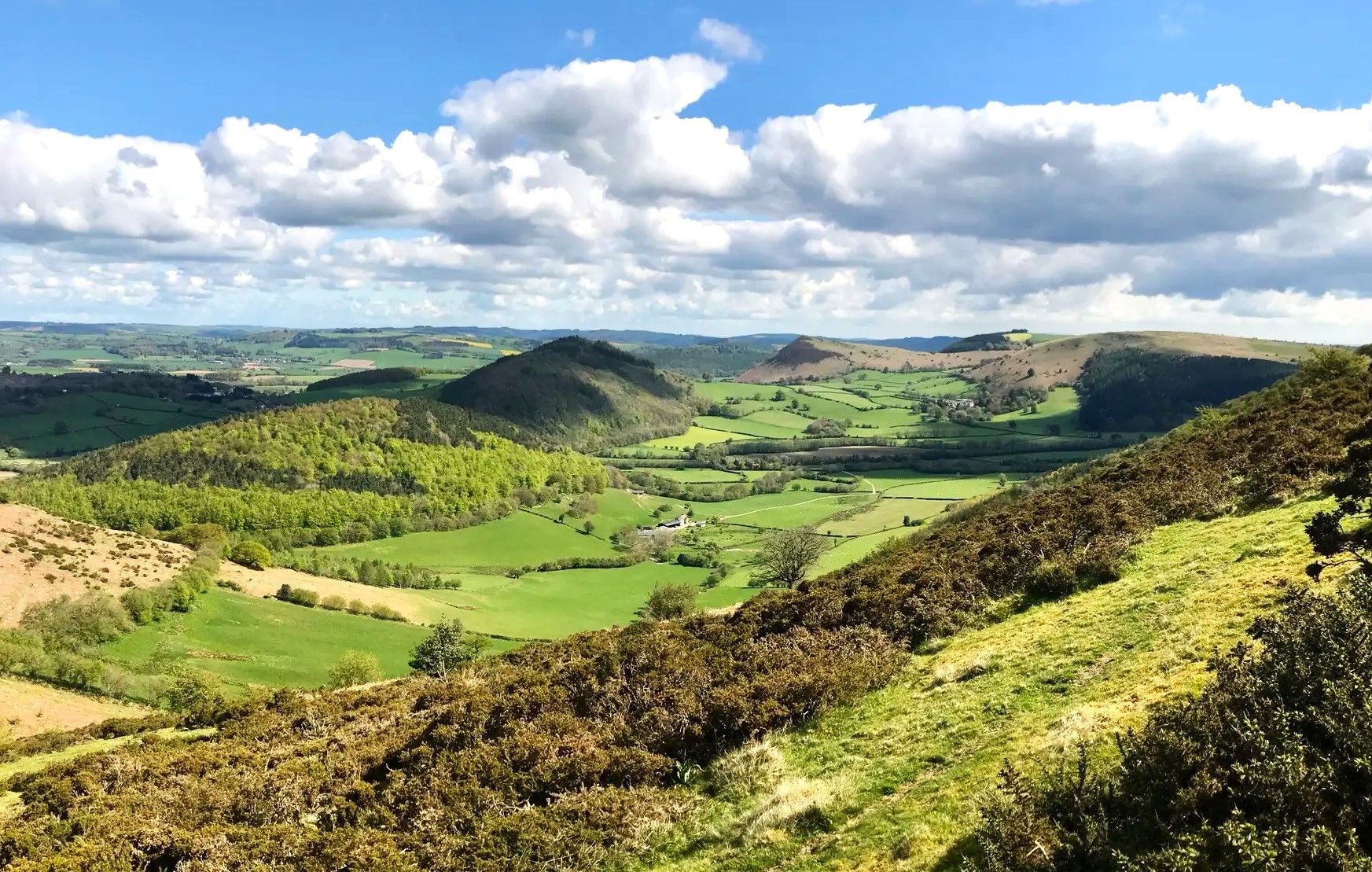
Offa's Dyke Path — Epic coast-to-coast hike along ancient monument
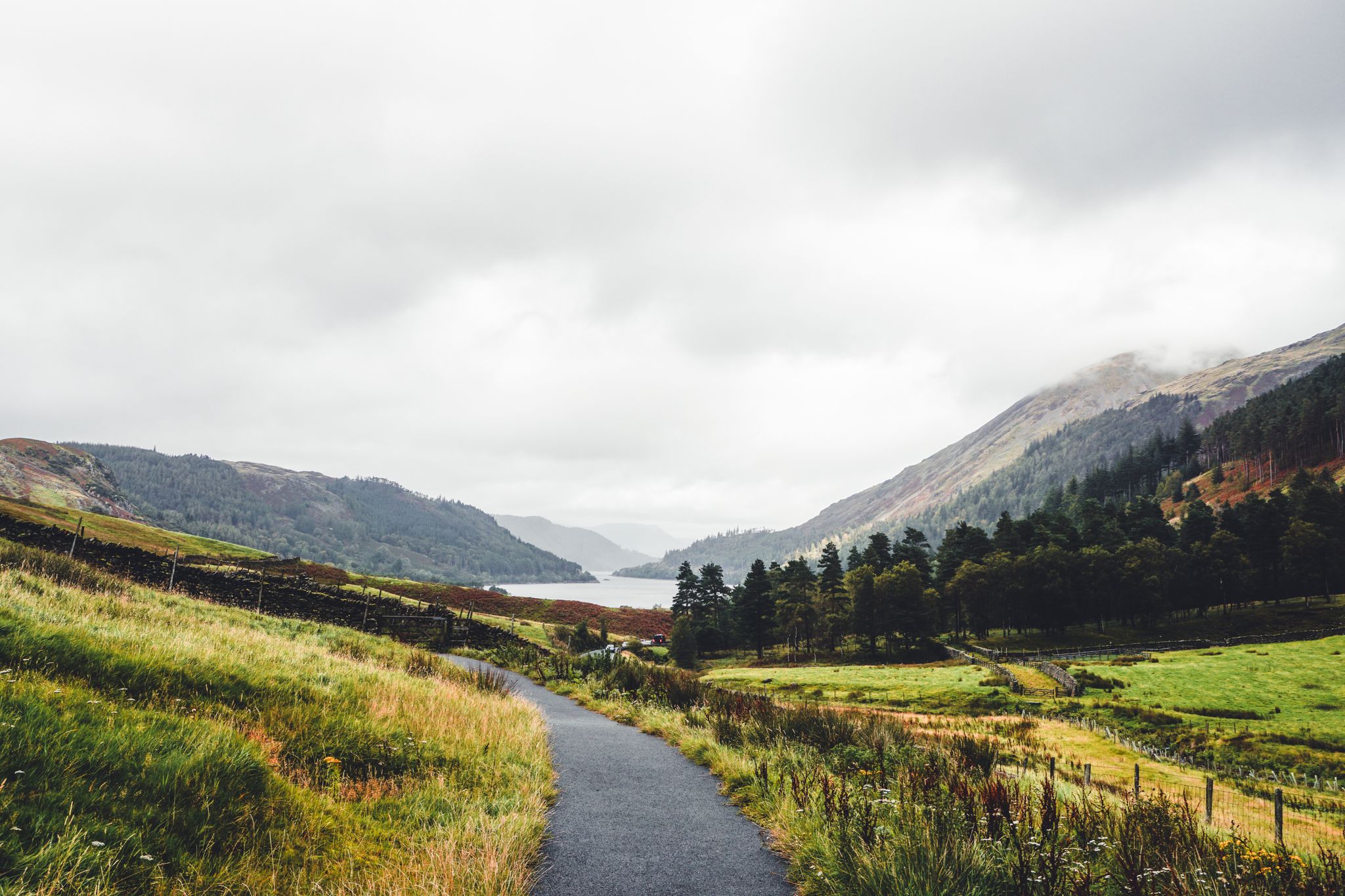
Gravel bike in the UK's wildest landscapes with Wild Cycles
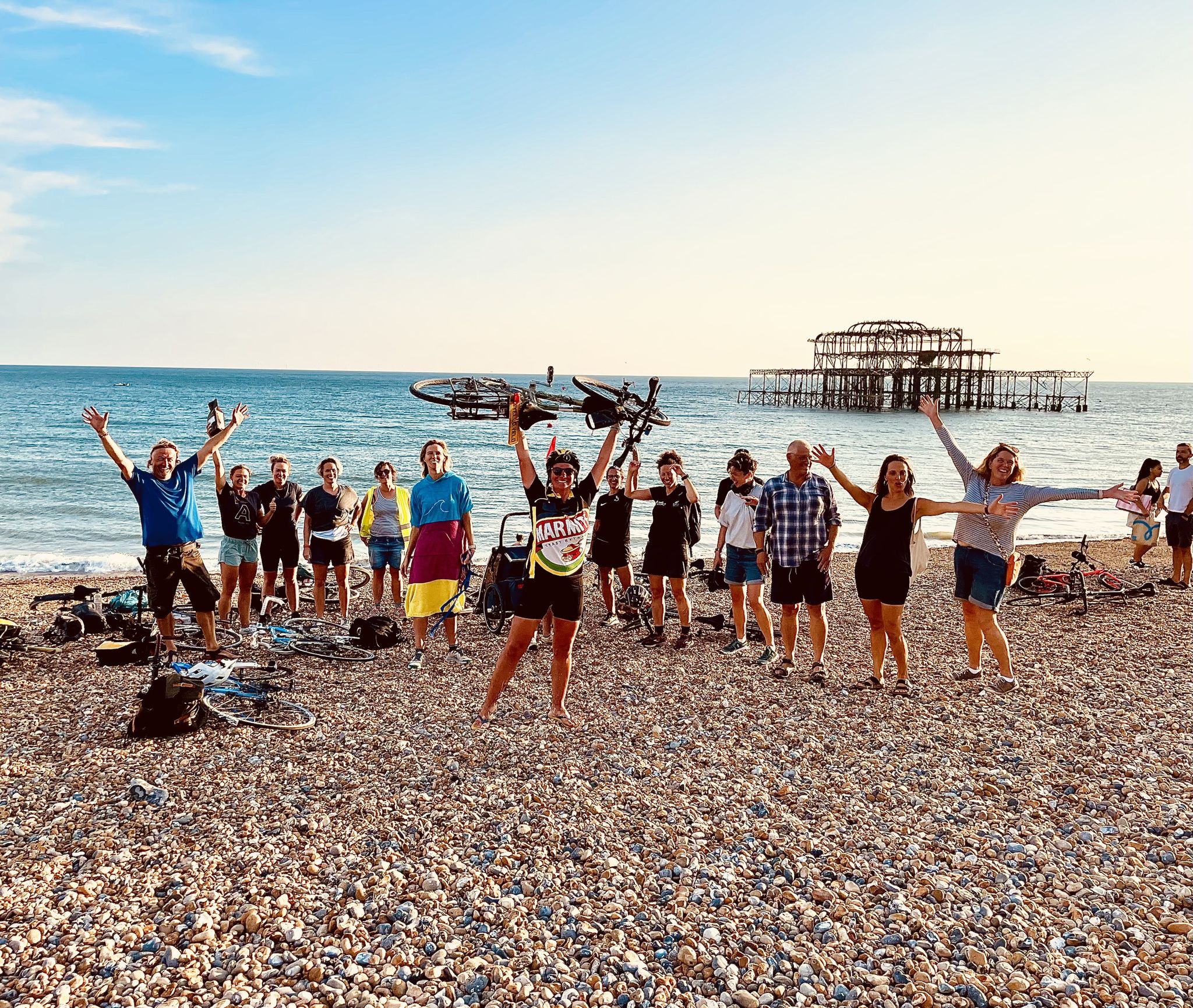
Around the edge in 80 days — cycling the coastline of Britain
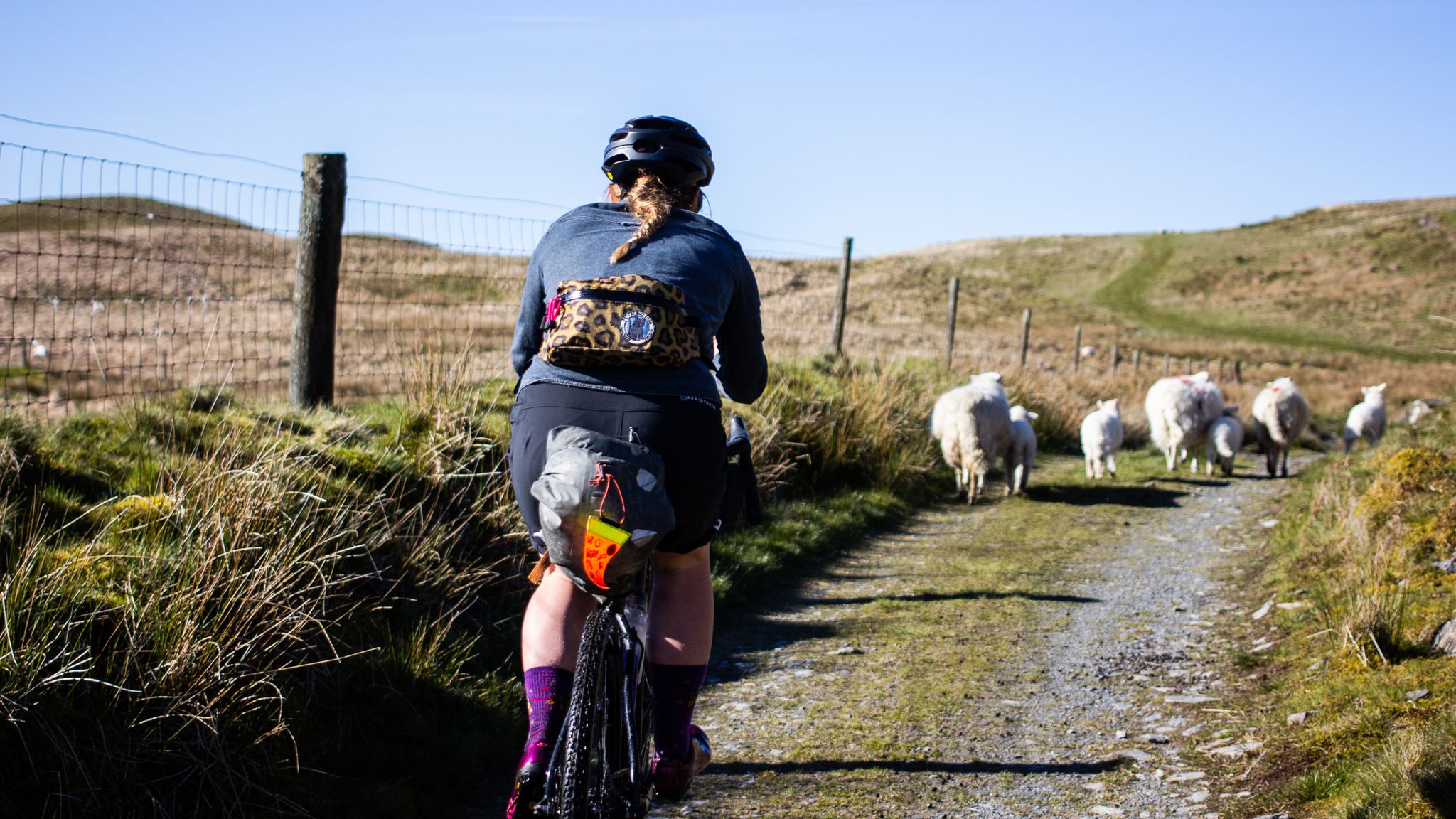
My favourite Welsh off-road rides — Gravel heaven in Wales
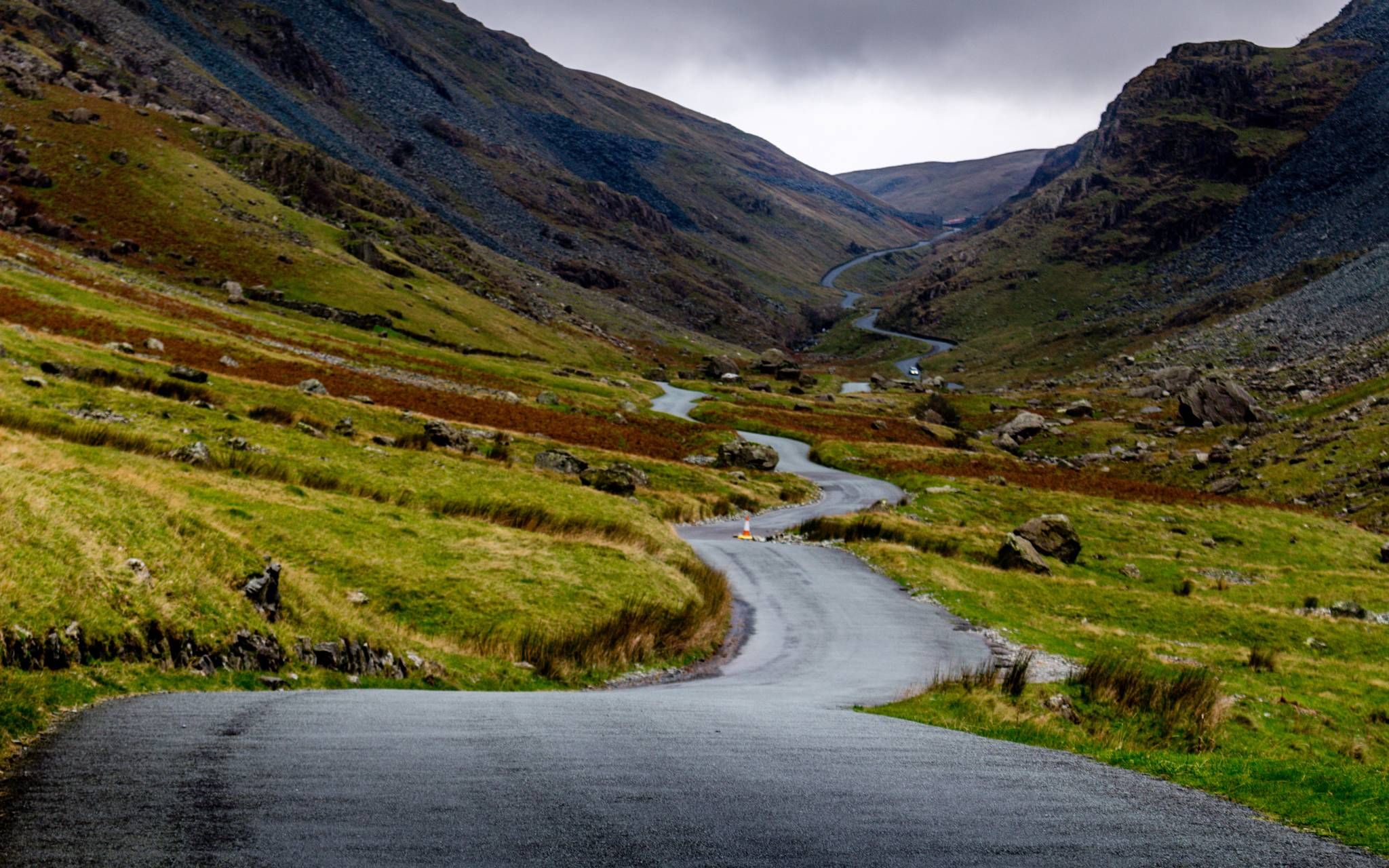
Best of British road climbs
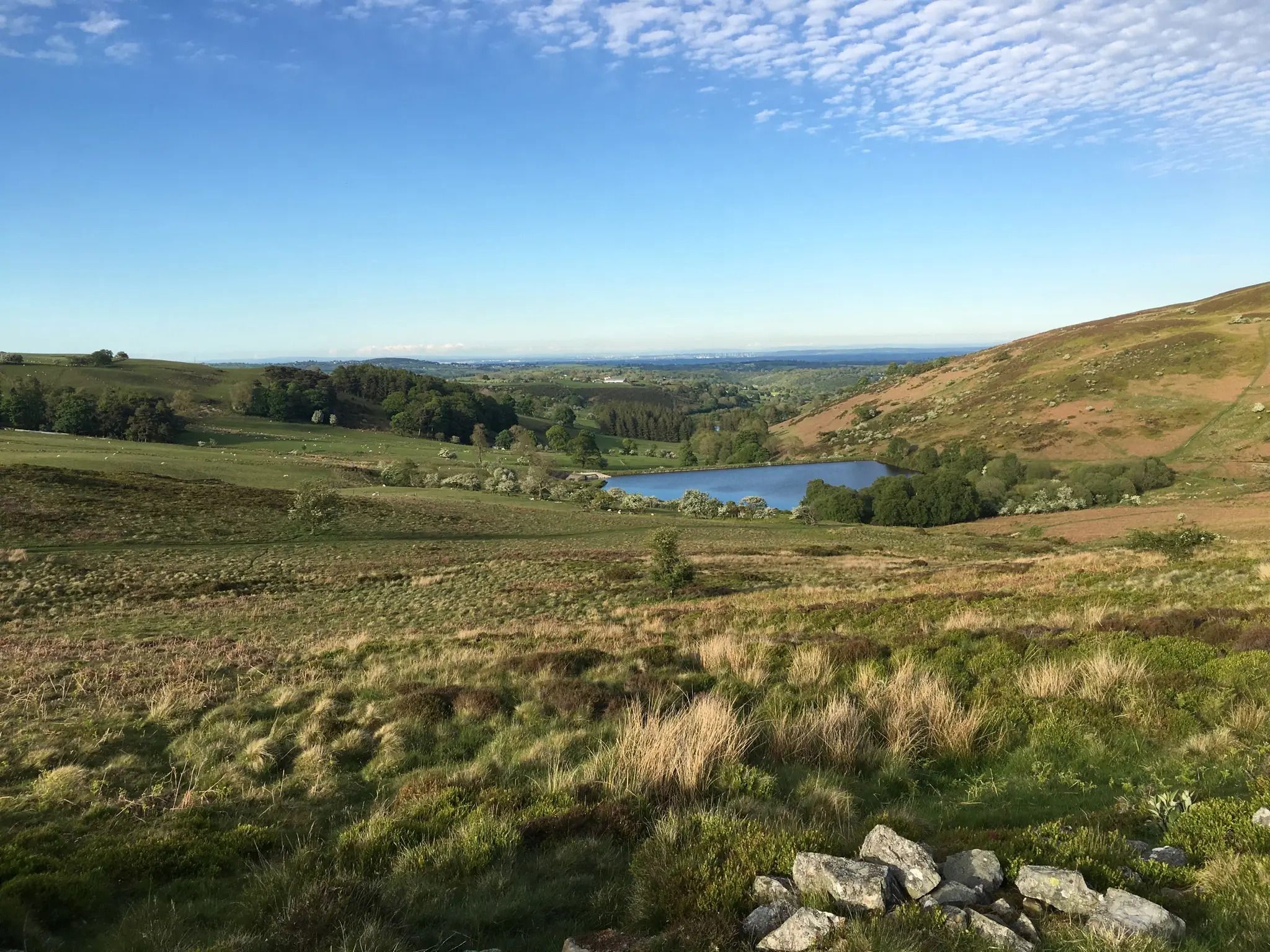
North-East Wales' Secret MTB Paradise — The Triban Trail
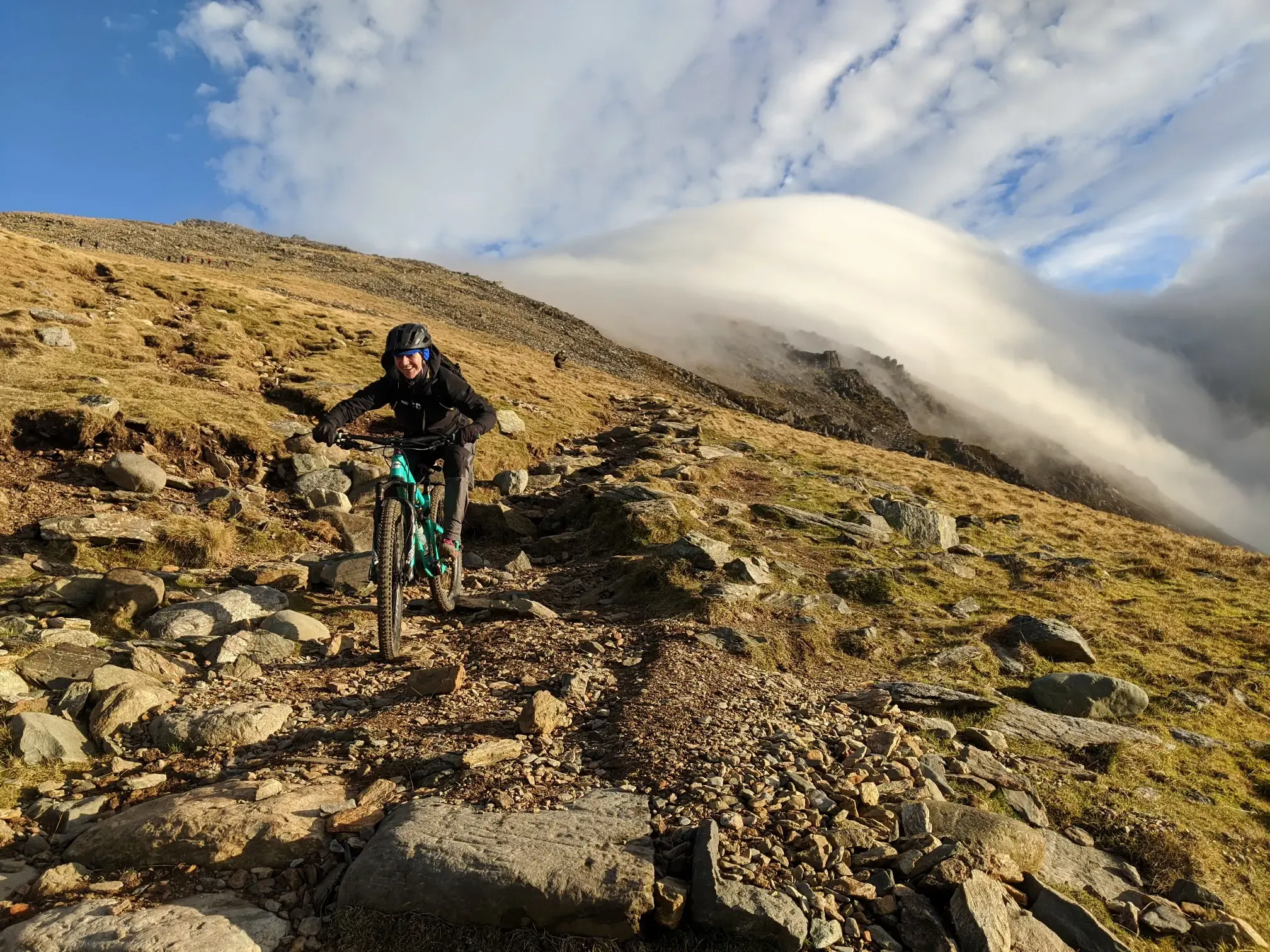
North Wales mountain biking — Gogledd Cymru's finest
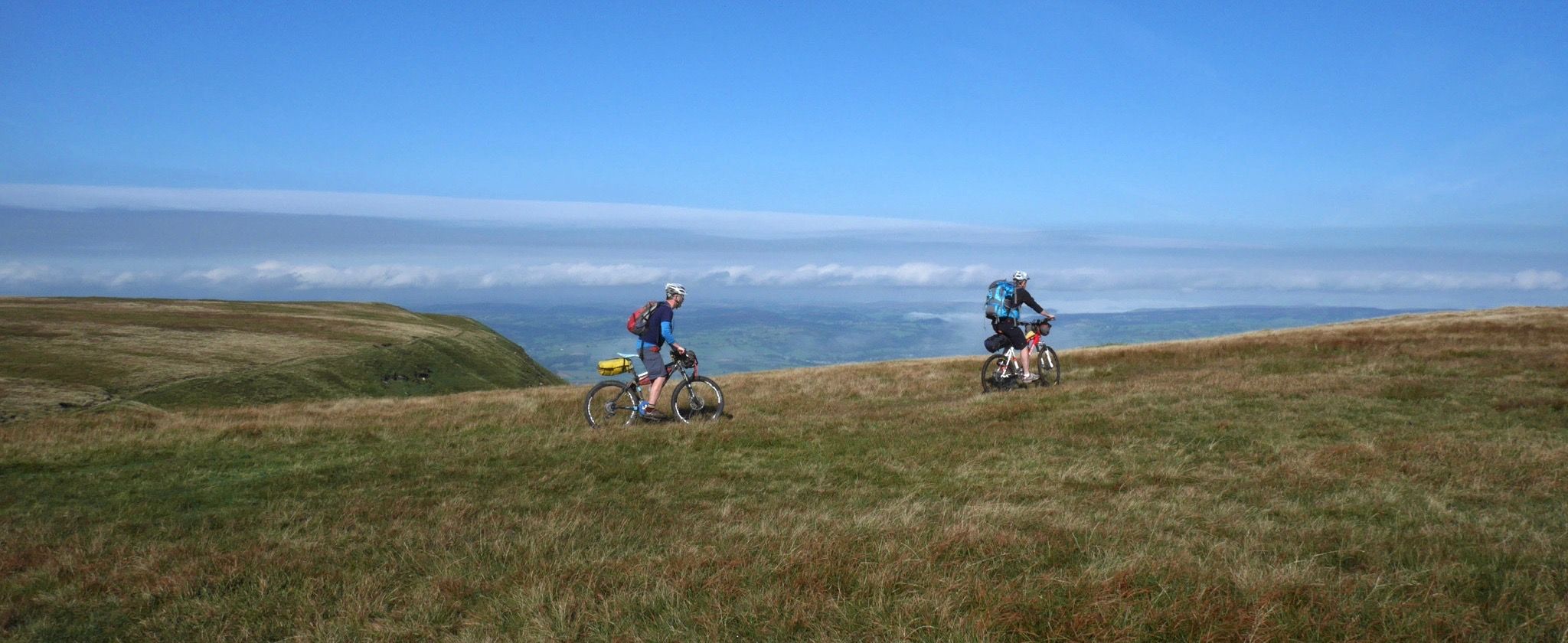
Trans-Wales bikepacking in 4 days
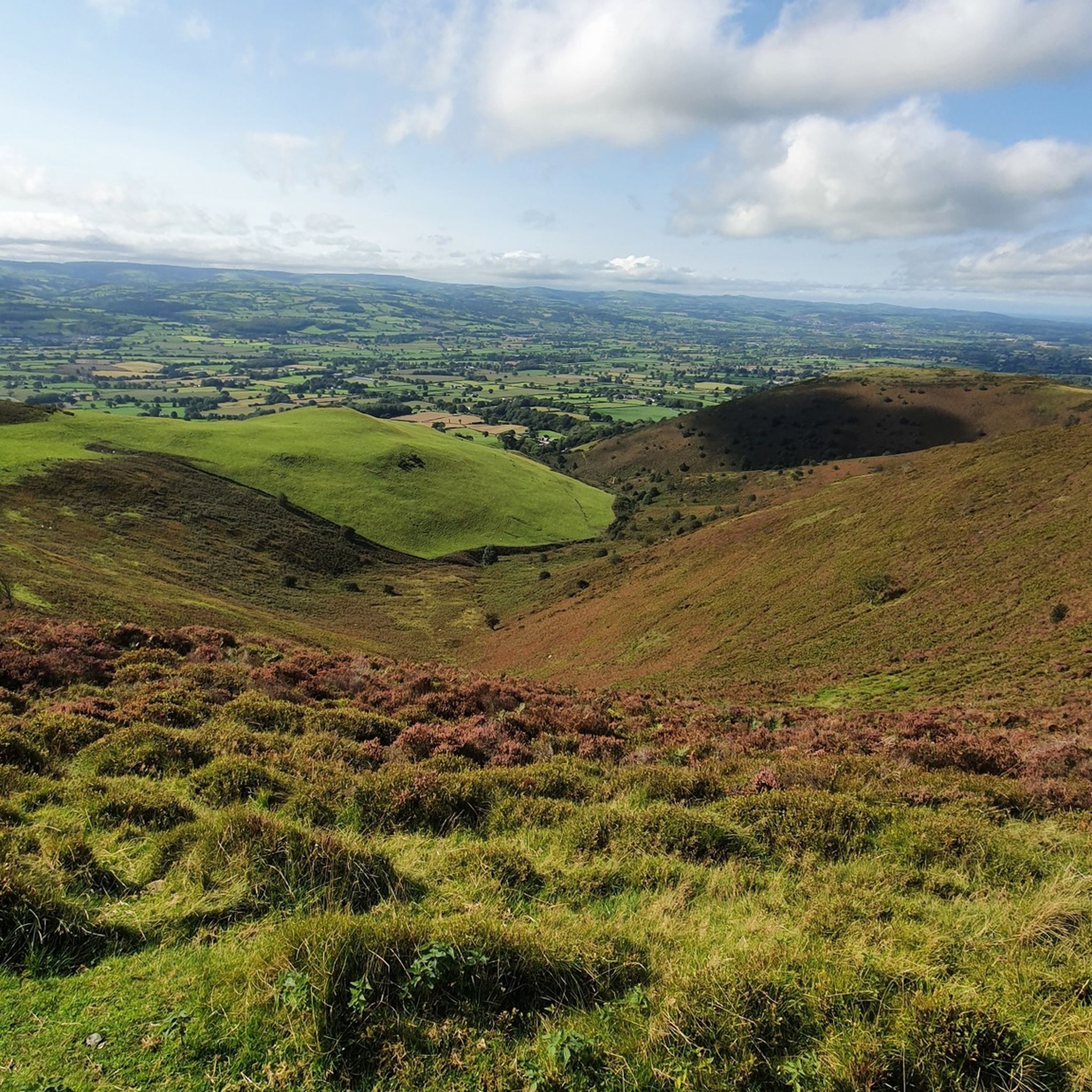
Hiking in Denbighshire
Other adventures in Denbighshire


Tips from the Community

Climbed from ‘the back’ according to the locals. There is space for about 5-7 cars to park on this side. Free parking and. No charge for admission.
0
0

A lovely market town with pubs and shops and bakeries. Hilly routes into town but a number of good places for a stop mid ride.
0
0

Went up on a beautiful crisp late morning hike from car park but could be nice to go from town of Llangollen
0
0

The castle passed between various owners in the first half of the 14th century, before coming under the control of the Mortimer family. Meanwhile, the walled town had proved impractical to live in, and a newer, much larger, settlement developed outside the defences. In 1400, the walled town was raided during the Glyndŵr Rising, although the castle itself remained secure throughout the rebellion. During the Wars of the Roses, Denbigh was attacked by Lancastrian forces; the walled town was attacked and burnt. In the aftermath, the old town was largely abandoned by its inhabitants, the walled area becoming an extension of the castle's defences.
3
0
Denbigh Castle and town walls (/ˈdɛnbi/ DEN-bee; Welsh: Castell Dinbych a waliau tref [ˌkastɛɬ ˈdɪnbɨχ]) were built to control the lordship of Denbigh after the Conquest of Wales by Edward I of England in 1282. The lands were granted to Henry de Lacy, Earl of Lincoln, who began to build a new walled town, colonised by immigrants from England, protected by a substantial castle and surrounded by deer parks for hunting. The work had not been completed by 1294, when the Welsh temporarily seized the castle during the Madog ap Llywelyn revolt. The defences continued to be improved, although the castle was not completely finished by the time of Henry's death in 1311.
3
0
It's a perfect built castle in the gardens. Still trying to find some information about it.
2
0

In the garden area at the front is this amazing little castle building that catches your eye.
1
0
Bradshaw Manor is a purpose-built home set in landscaped gardens adjacent to the main promenade in Rhyl. In the garden area at the front is this amazing little castle building that catches your eye. Can't find much info about it but the next time I go pass I will ask the local residents.
3
0
Frequently Asked Questions
What makes Denbighshire's castles unique?
Denbighshire's castles offer a diverse historical experience, from dramatic hilltop ruins like Dinas Bran Castle, steeped in Arthurian legend, to the revolutionary 'walls within walls' design of Rhuddlan Castle. You'll also find the distinctive triple-towered gatehouse of Denbigh Castle and the Victorian Gothic Revival style of Bodelwyddan Castle, showcasing different eras of architecture and purpose.
What is the best time of year to visit castles in Denbighshire?
The spring and summer months (April to September) generally offer the most pleasant weather for exploring the castles and their surroundings. During these times, you'll find longer daylight hours and most visitor facilities fully open. However, visiting in autumn can provide stunning views with changing foliage, especially around hilltop castles like Dinas Bran Castle.
Are there family-friendly castles in Denbighshire?
Yes, several castles in Denbighshire are suitable for families. Rhuddlan Castle is noted as family-friendly, offering easily explorable grounds. Bodelwyddan Castle, with its extensive grounds and activities, also caters well to families. Chirk Castle, just over the border in Wrexham, is another excellent option with award-winning gardens and play areas.
Can I find walking or hiking trails near Denbighshire's castles?
Absolutely! Many castles are integrated into scenic walking routes. The climb to Dinas Bran Castle is a popular, challenging hike rewarded with breathtaking views. For more options, you can explore various running and walking trails in Denbighshire, which often pass by or offer views of historical sites.
What natural features or viewpoints can I expect to see around the castles?
Denbighshire's castles are often set amidst stunning natural landscapes. Dinas Bran Castle offers expansive panoramic views over the Dee Valley and surrounding countryside. Denbigh Castle provides superb vistas across the Vale of Clwyd and the Clwydian Range. Rhuddlan Castle is notable for its riverside location along the engineered River Clwyd.
How long does it typically take to visit Denbigh Castle?
Visiting Denbigh Castle and Town Walls can take a couple of hours to fully explore the ruins, walk along the town walls, and appreciate the views. The site is managed by Cadw and includes interpretive panels to enhance your visit.
Are there options for cycling near the castles in Denbighshire?
Yes, Denbighshire offers various cycling opportunities. You can find road cycling routes that pass through scenic areas, including a loop around the Clocaenog Forest from Denbigh Castle. There are also gravel biking trails in the region, such as those around Llyn Brenig, which can be combined with castle visits.
What historical significance does Rhuddlan Castle hold?
Rhuddlan Castle is historically significant as the place where Edward I issued the Statute of Rhuddlan in 1284, which established English rule in Wales. Architecturally, it was the first of Edward I's revolutionary 'walls within walls' or concentric castles, designed for advanced military defense, and featured an engineered river channel for supplies.
Is there parking available at Denbighshire castles?
Most major castles in Denbighshire, such as Denbigh Castle and Rhuddlan Castle, have dedicated parking facilities or nearby public car parks. For Dinas Bran Castle, parking is typically available in Llangollen, from where you can begin the walk up to the ruins.
Are Denbighshire castles dog-friendly?
Policies vary by site. Many outdoor castle ruins, like Dinas Bran Castle, are generally dog-friendly, especially for walks in the surrounding areas. For managed sites like Denbigh Castle or Rhuddlan Castle, it's best to check their official websites (e.g., Cadw) for current dog policies, as restrictions may apply to indoor areas or specific parts of the grounds.
What do visitors enjoy most about Denbighshire's castles?
Visitors frequently highlight the breathtaking panoramic views from sites like Dinas Bran Castle and Denbigh Castle. The unique architecture, such as Rhuddlan's concentric design, and the rich historical narratives, including tales of Edward I and Owain Glyndŵr, are also highly appreciated. The atmospheric ruins and the sense of stepping back in time are often mentioned as key draws.
Are there any castles in Denbighshire that are not traditional medieval fortresses?
Yes, Bodelwyddan Castle is a prime example. While it has roots dating back to the 15th century, it was largely remodeled in the 19th century into a castellated Gothic Revival style. It offers a different historical experience as a beautifully restored Victorian 'castle' with extensive grounds, rather than a medieval defensive stronghold.
Most popular routes in Denbighshire
Most popular attractions in Denbighshire

Get inspired with the komoot mobile app


Didn’t find what you were looking for?
Explore Denbighshire’s best castles region by region:
Explore more
Looking for the best castles somewhere else? Discover other guides in Denbighshire:
