Top 5 Castles around York
Castles around York offer a rich historical landscape, reflecting centuries of English heritage. The city, situated on the River Ouse, features significant fortifications and historical sites. Its strategic location has made it a focal point for various historical events, from Roman times to the Norman Conquest. The surrounding region extends this historical narrative with numerous castles and stately homes.
Best castles around York
- The most popular castles is Clifford's Tower, a historical site that represents the most significant remaining part of York Castle. It offers 360-degree panoramic views of York from its timber roof platform and provides insights into a tumultuous period of English history.
- Another must-see spot is Bishopthorpe Palace Gatehouse, a man-made monument. Visitors can admire the beautiful gatehouse and the palace exterior from a public footpath, offering a glimpse into the long-standing ecclesiastical power in the region.
- Visitors also love Baile Hill – Remains of York's Norman Castle, the earthwork remains of a Norman motte-and-bailey castle. It represents one of William the Conqueror's initial efforts to secure control of York and offers a sense of the city's early Norman fortifications.
- York is known for its Norman motte-and-bailey castles, medieval fortifications, and stately homes. Visitors can explore a variety of historical structures, from ruined fortresses to well-preserved medieval castles.
- The castles around York are appreciated by the komoot community, with over 160 upvotes and 60 photos shared by visitors.
Last updated: October 11, 2026
Clifford's Tower
Highlight • Historical Site
Translated by Google •
Tip by

Historic Centre of York
Highlight • Monument
Tip by

Sign up now to discover places like this
Get recommendations on the best single tracks, peaks, & plenty of other exciting outdoor places.
St Mary's Abbey Ruins, Museum Gardens
Highlight • Historical Site
In 1960 the gardens and Yorkshire Museum were entrusted to the City of York Council and they became a public park. Since 2002 they have been managed by the York Museums Trust together with York Castle Museum and York Art Gallery. The gardens are maintained by the Askham Bryan College of Agriculture
Translated by Google •
Tip by
The Red Tower
Highlight • Monument
yorkwalls.org.uk/wp-content/uploads/2015/01/Red-Tower-History-rev-2.pdf (7-page pdf)
en.wikipedia.org/wiki/Red_Tower_(York)
redtoweryork.org.uk/red-tower-history
yorkcivictrust.co.uk/heritage/civic-trust-plaques/red-tower
Tip by

Bishopthorpe Palace Gatehouse
Highlight • Monument
Whilst the inside of the palace is only open for pre-arranged tours with quite a long waiting list, you can still admire the palace and its beautiful gatehouse from the footpath outside.
Tip by
Baile Hill – Remains of York's Norman Castle
Highlight • Castle
Tip by
Start today with a free account
Your next adventure awaits.
Popular around York
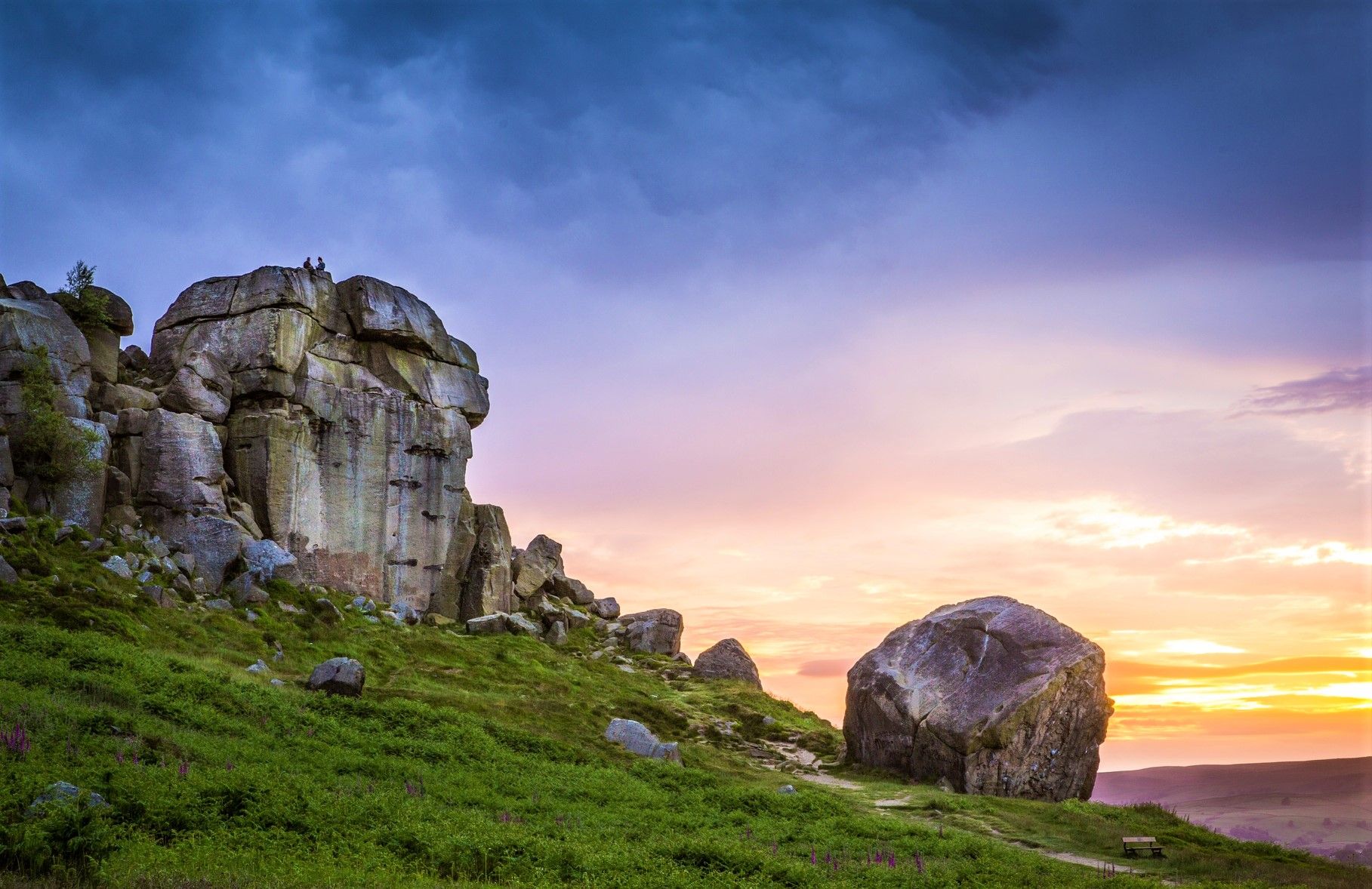
Ebor Way – Discover Yorkshire's scenic splendour
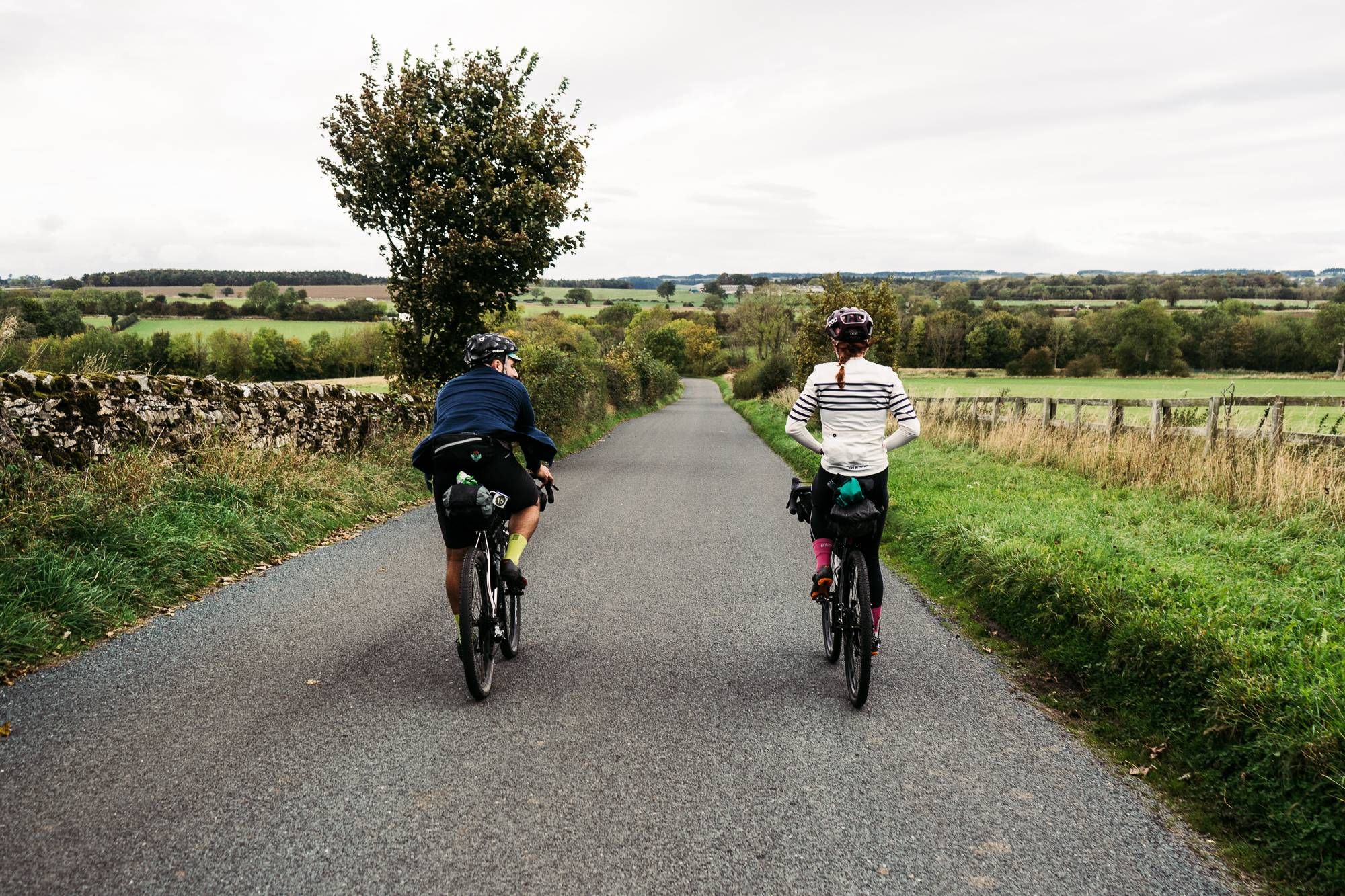
Cycle the Way of the Roses – Historic cities to rolling hills
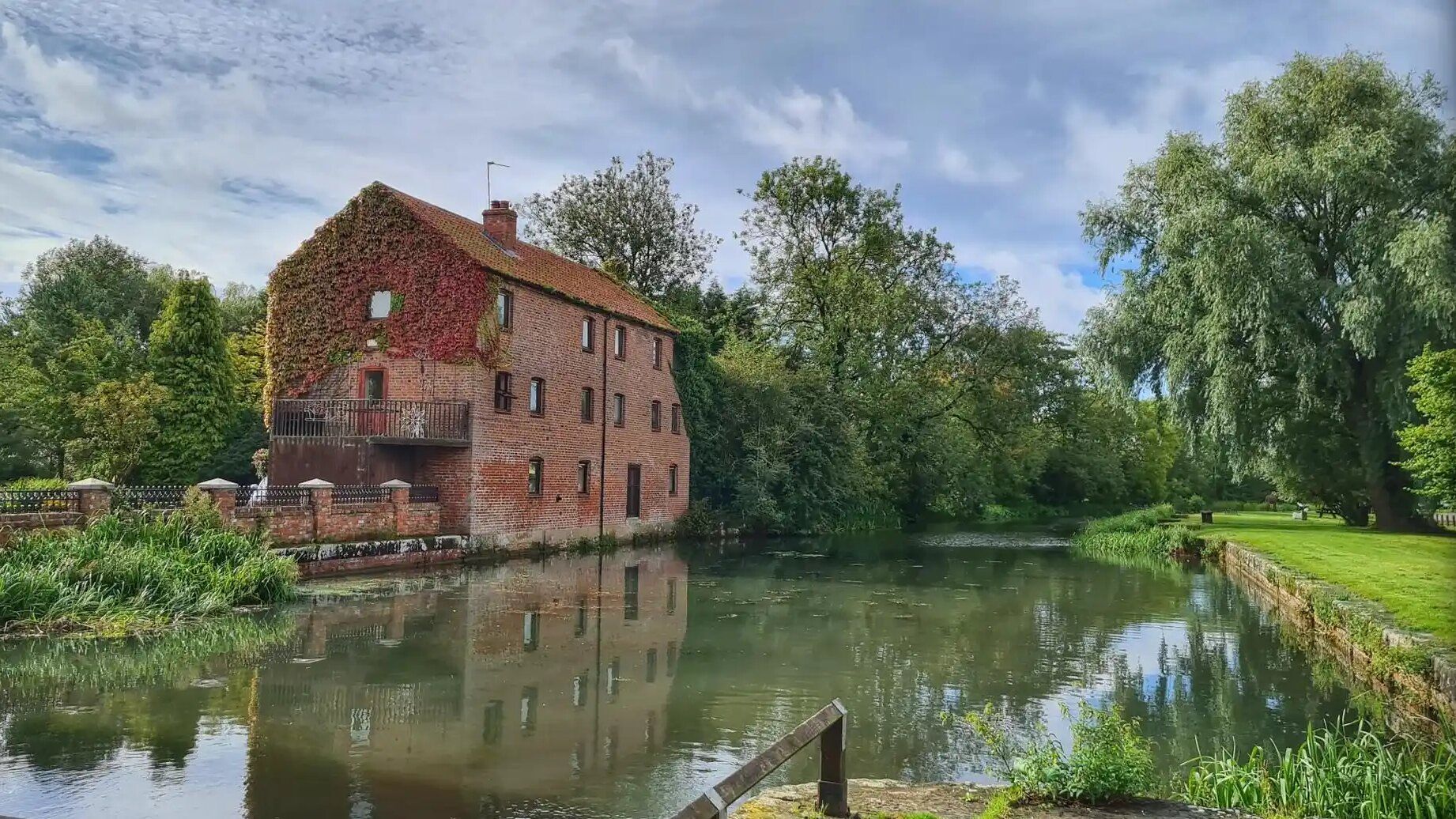
Wolds, waterways & a tribute to a hero – Wilberforce Way
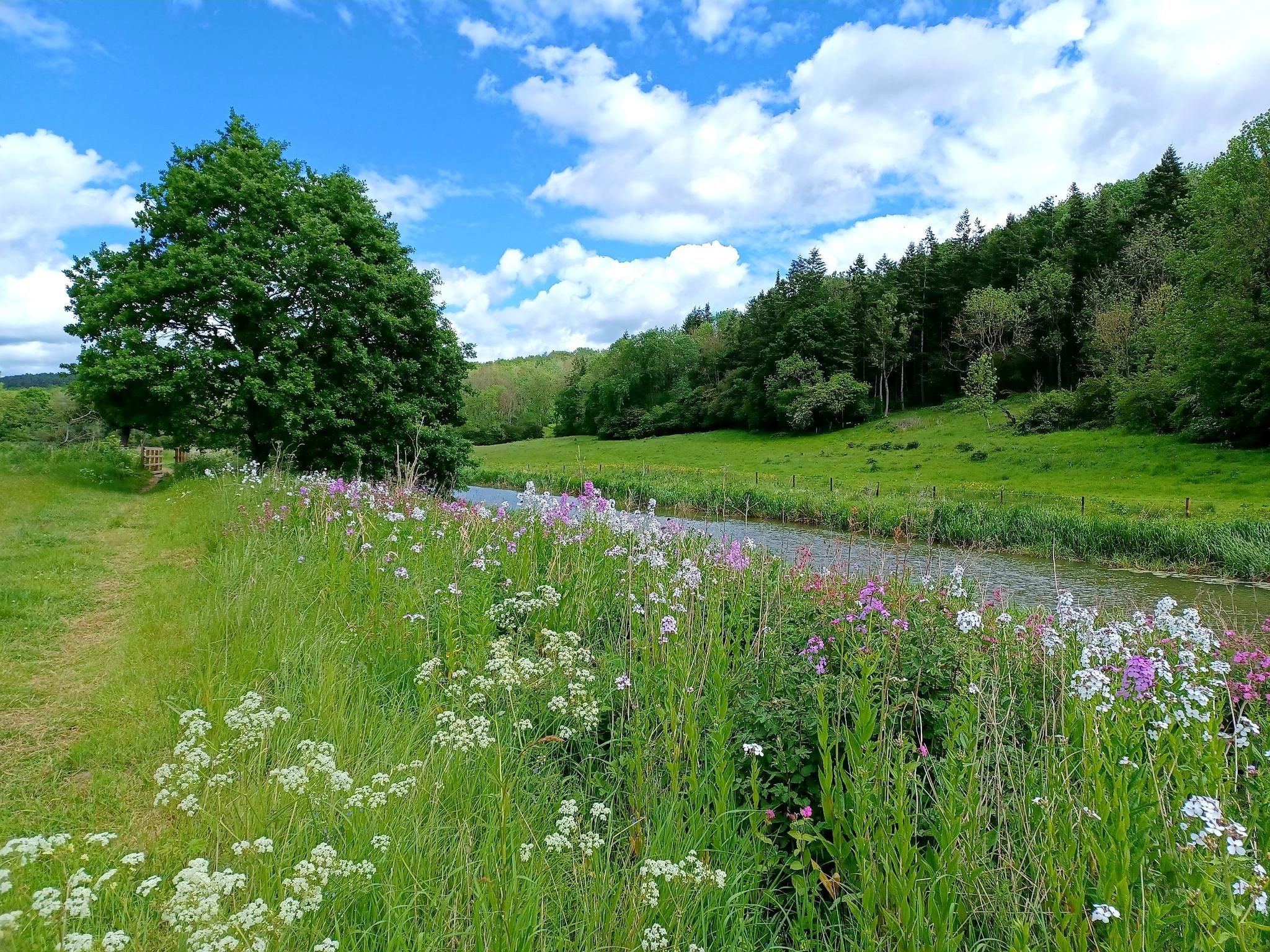
Hike 'God's Own County' – White Rose Way
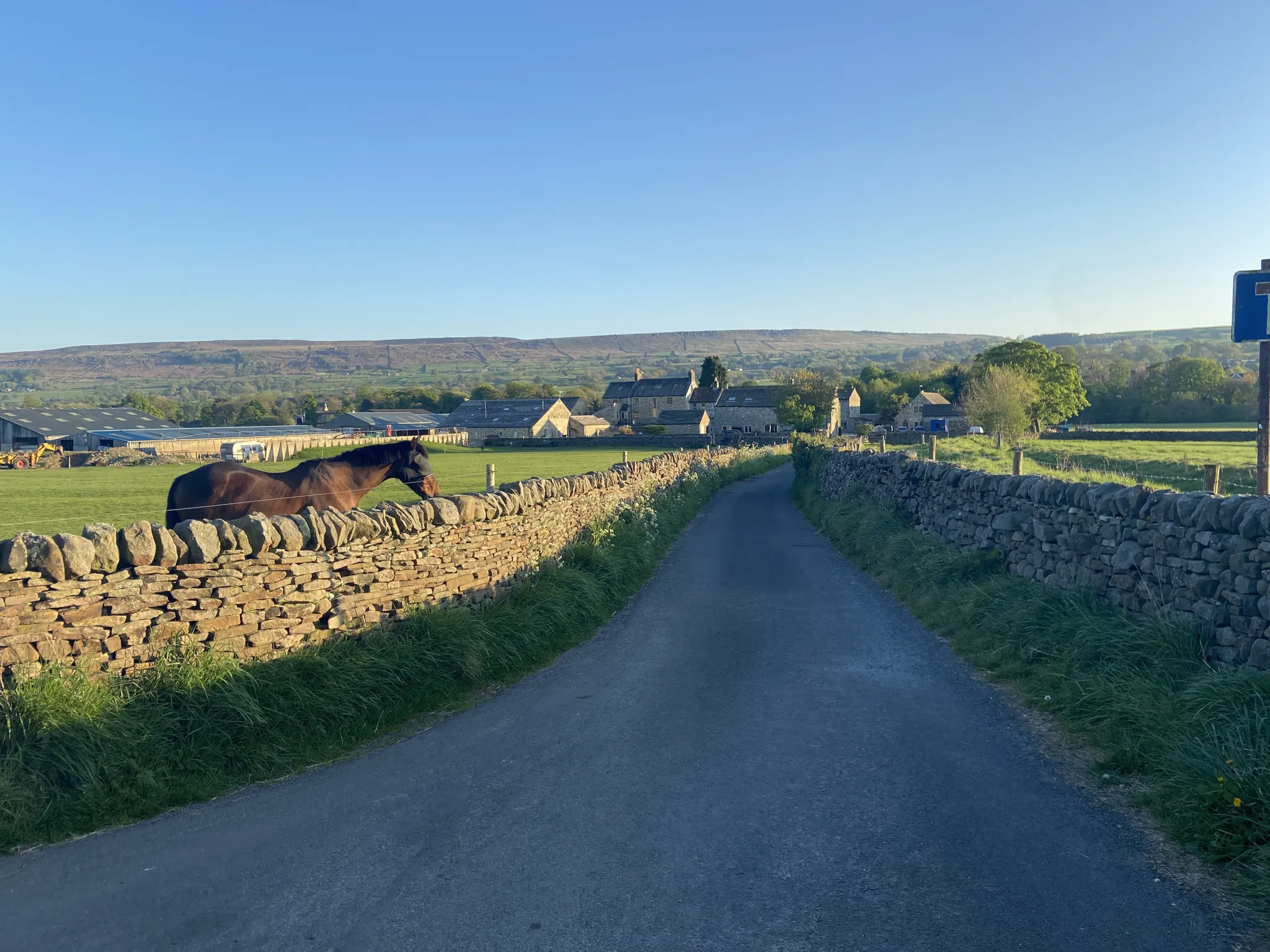
Yorkshire's Finest – A World Championship host for good reason
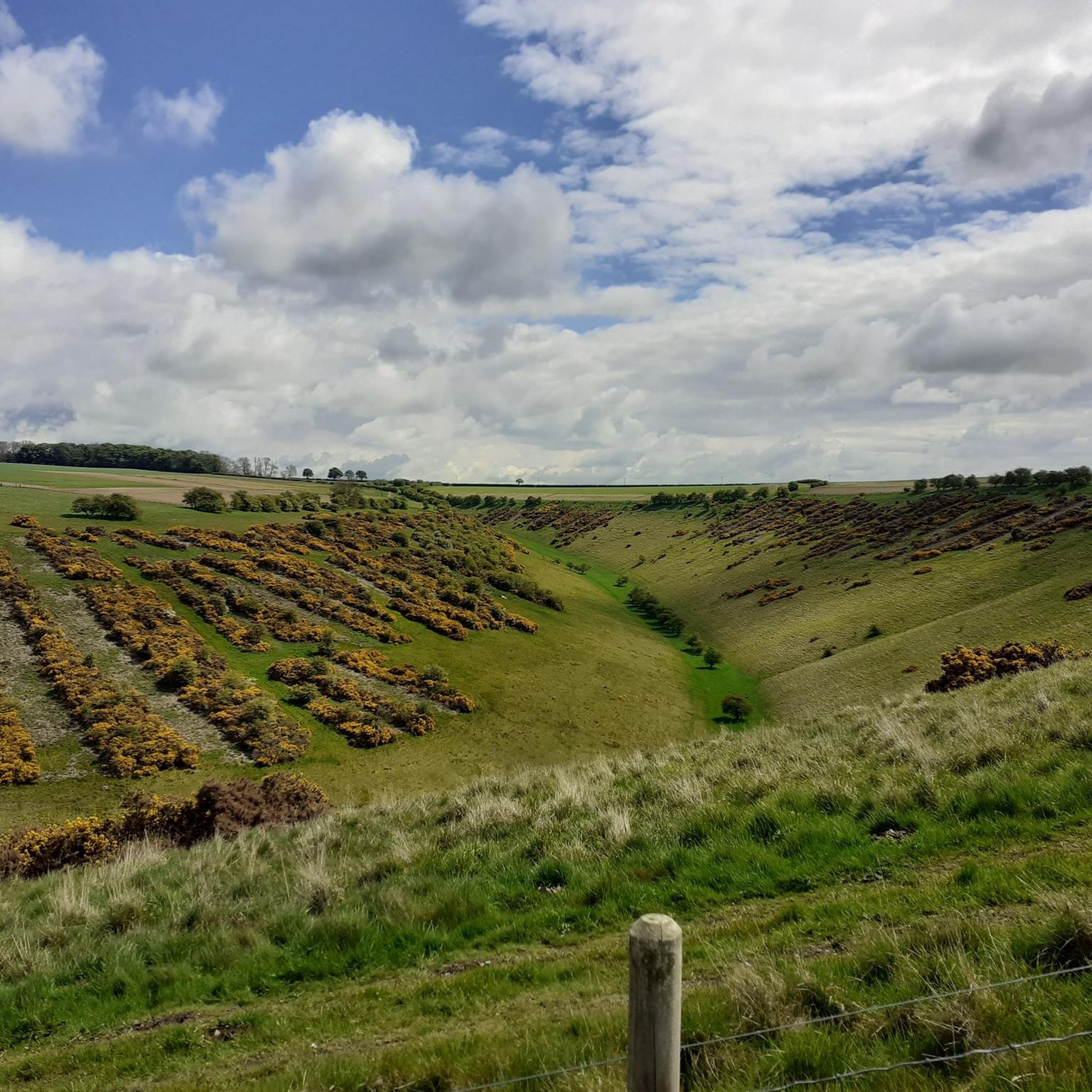
Running Trails around York
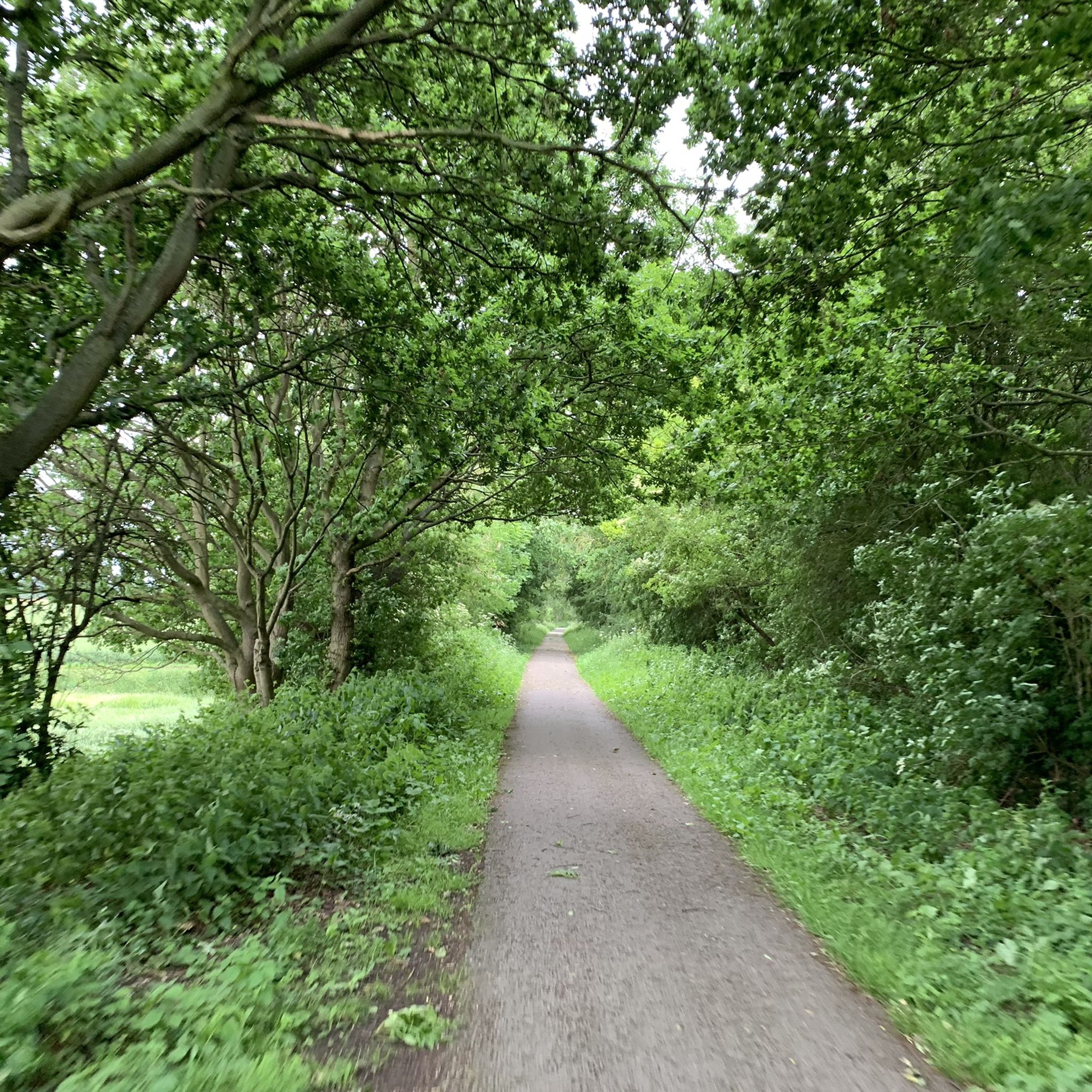
Road Cycling Routes around York
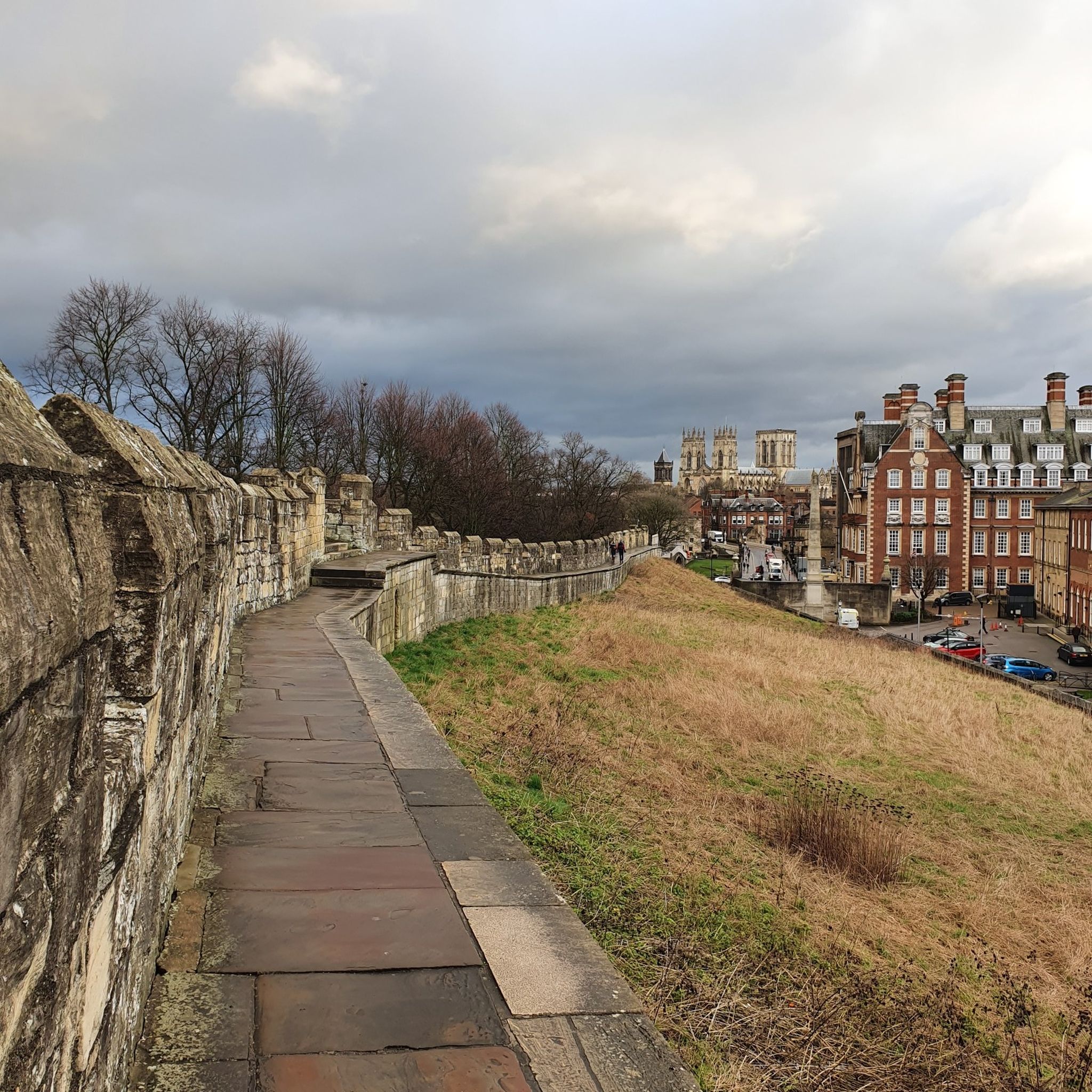
Hiking around York
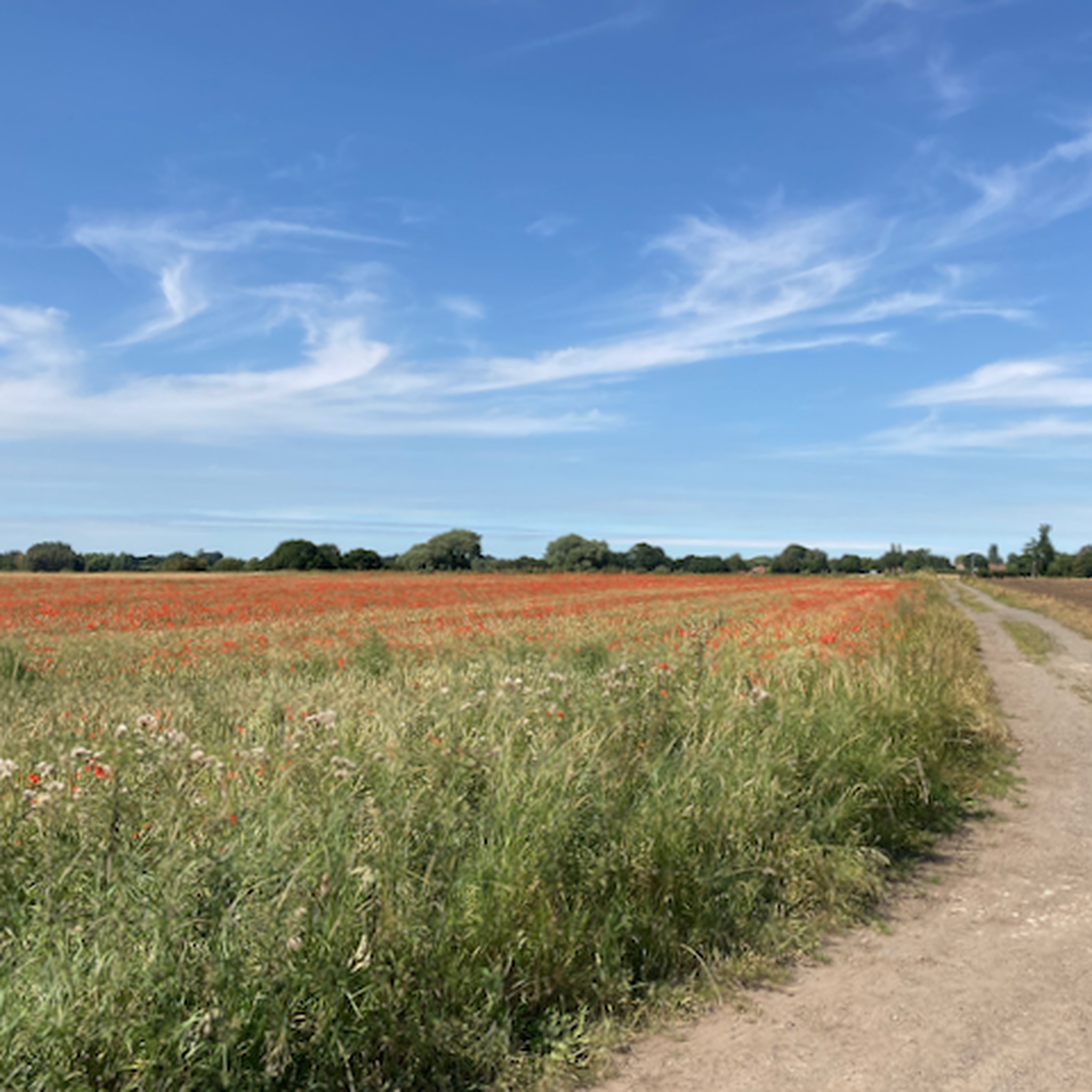
Cycling around York
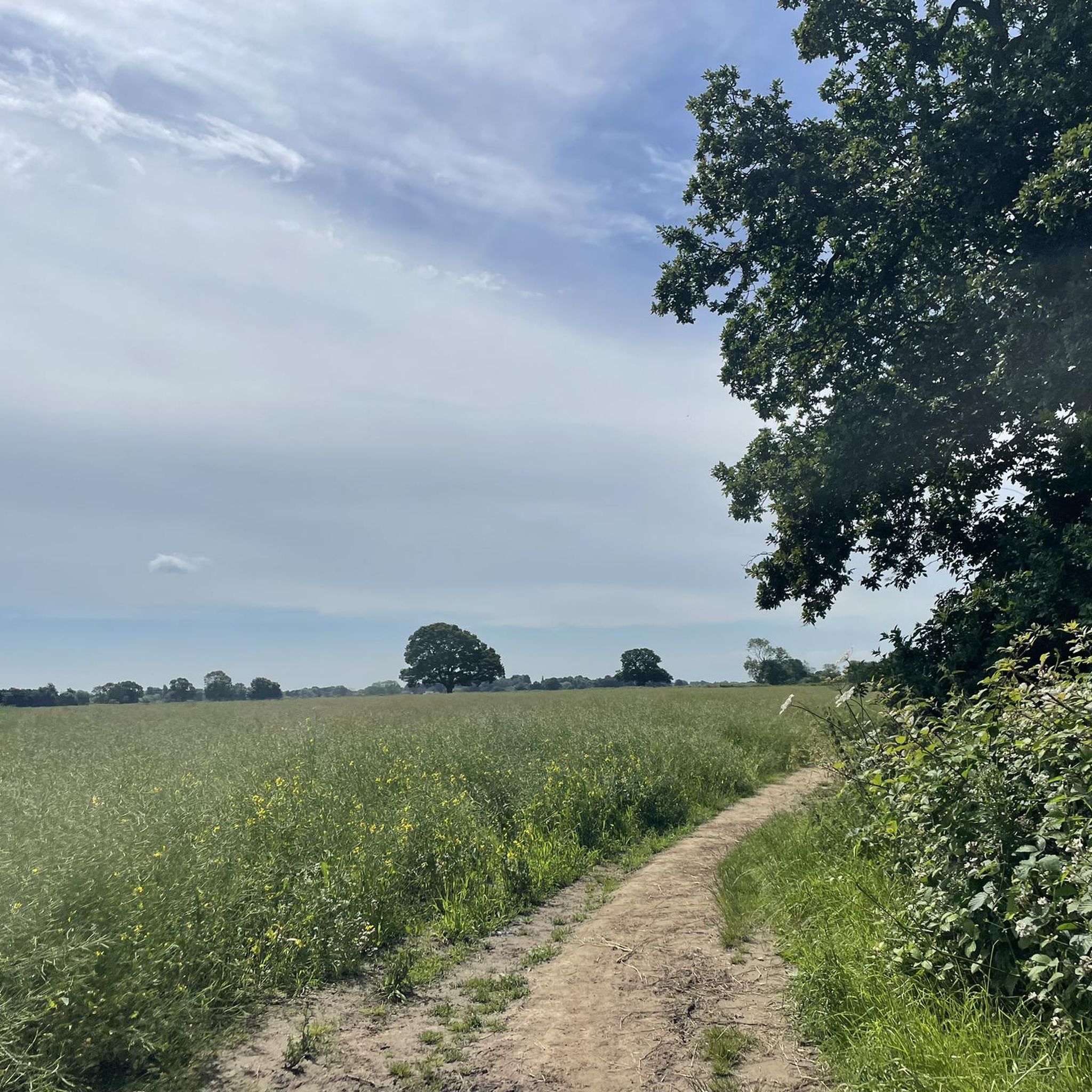
MTB Trails around York
Other adventures around York


Tips from the Community


You could read Eric Gee's 1983 "Bishopthorpe Palace: An Architectural History", but Eric never had the tinterweb in 1983. We do >>> https://historicengland.org.uk/listing/the-list/list-entry/1166705?section=official-list-entry, https://en.wikipedia.org/wiki/Bishopthorpe_Palace
1
0
The tower at the base of the hill is classified as the first of the 39 towers (not all survive) around the city walls. It was built in 1878 to a design by G. Styan as a terminal feature to the wall which finished abruptly at the foot of the flight of steps up the side of Baile Hill. It is a semi-octagon with a crenellated parapet, built of brown sandstone.
1
0
Welcome to the most popular city in the UK in 2025 (if you believe YouGov polls... https://yougov.co.uk/ratings/travel/popularity/cities/all). Staggering amount of fascinating history and Wikipedia does a decent job of making it accessible, or you can go really deep into something like the five-volume "An Inventory of the Historical Monuments in City of York": https://en.wikipedia.org/wiki/History_of_York https://en.wikipedia.org/wiki/Eboracum https://en.wikipedia.org/wiki/Scandinavian_York https://www.british-history.ac.uk/rchme/york/vol1
1
0
The Red Tower is located next to what used to be a fairly sizeable lake known as the ‘Kings Fishpond’. The lake was formed in 1068, when William the Conqueror dammed the river Foss at Fishergate, raising the water level by 2m (6ft). A map of 1610 by John Speed shows how the water provided a very effective defence as it spread over low ground to the east of the city and also some distance up Tang Hall Beck. It shows the medieval city walls surrounding Walmgate from Fishergate Tower to Red Tower, each ending next to the waters of the flooded river Foss. Lots of info on this landmark if you are interested: https://www.yorkwalls.org.uk/wp-content/uploads/2015/01/Red-Tower-History-rev-2.pdf (7-page pdf) https://en.wikipedia.org/wiki/Red_Tower_(York) http://redtoweryork.org.uk/red-tower-history/ https://yorkcivictrust.co.uk/heritage/civic-trust-plaques/red-tower/
1
0

Baile Hill is the remnant of a Norman motte and bailey castle built in 1069. Following a rebellion, the castle was part of a defensive system for York's southwest side. William the Conqueror ordered its construction. The castle consisted of a man-made mound (motte) topped with a wooden tower. A deep ditch surrounded the motte for added defense. Built alongside another castle across the River Ouse (now Clifford's Tower), they controlled the city and traffic on the river.
0
0

Bishopthorpe Palace is situated along the beautiful River Ouse south of the city centre of York. It's the official home of the Archbishop of York, and has been for all previous Archbishop's of York since 1241. Whilst the inside of the palace is only open for pre-arranged tours with quite a long waiting list, you can still admire the palace and its beautiful gatehouse from the footpath outside.
4
0
The ancient walled city of York dates back an incredible 2,000 years. The city is characterised by its historic buildings, outstanding architecture and narrow medieval streets lined with independent shops, cafés, bars and restaurants, the most famous of these streets being the iconic Shambles.
4
0
Frequently Asked Questions
What types of castles can I explore in and around York?
The York region offers a diverse range of historical fortifications. Within the city, you can find significant Norman motte-and-bailey castles like Clifford's Tower and the remains of Baile Hill. Nearby, you'll discover magnificent stately homes such as Castle Howard, well-preserved medieval fortresses like Skipton Castle and Bolton Castle, and ruined castles with dramatic settings like Knaresborough Castle.
Are there family-friendly castles to visit near York?
Yes, several castles in the area are great for families. Clifford's Tower is family-friendly, offering immersive soundscapes and historical stories. Castle Howard, though not a traditional castle, features extensive gardens and an adventure playground. Helmsley Castle also provides hands-on exhibits and free audio tours suitable for all ages.
Which castles offer the best views of the surrounding area?
Clifford's Tower provides 360-degree panoramic views of York from its timber roof platform. Knaresborough Castle, perched on a cliff overlooking the River Nidd, offers picturesque views of the river and the charming town.
What outdoor activities can I do near these castles?
The region around York's castles is excellent for outdoor activities. You can find numerous cycling routes, including the 'Solar System Cycleway' for easy rides, and more challenging road cycling routes like the 'Vale of York loop'. Hiking is also popular, with trails like the 'York City Walls' loop offering historical walks. For more details on routes, visit the Hiking around York, Road Cycling Routes around York, and MTB Trails around York guides.
Are there any well-preserved medieval castles near York?
Yes, Bolton Castle in Wensleydale is a remarkably well-preserved 14th-century castle, allowing visitors to experience a medieval castle almost as it once was. Skipton Castle is also renowned as one of the most complete and best-preserved medieval castles in England, offering exploration from the dungeon to the watch tower.
Can I visit the Archbishop of York's residence?
While the interior of Bishopthorpe Palace is generally only open for pre-arranged tours, visitors can admire the beautiful Bishopthorpe Palace Gatehouse and the palace exterior from a public footpath along the River Ouse. It has been the official residence of the Archbishop of York since 1241.
What historical significance does Clifford's Tower hold?
Clifford's Tower is the most significant remaining part of York Castle, built by William the Conqueror. It has served as a royal mint, a medieval stronghold, and a Civil War garrison. It is also tragically known as the site of an anti-Jewish pogrom in 1190. Today, it offers insights into a tumultuous period of English history.
Are there any castle ruins within York city itself?
Yes, Baile Hill represents the earthwork remains of another Norman motte-and-bailey castle built by William the Conqueror. While little of the original castle remains, it offers a sense of the city's early Norman fortifications.
What is the best time of year to visit castles around York?
The best time to visit castles around York generally depends on your preference for weather and crowds. Spring and summer offer pleasant weather for exploring grounds and ruins, while autumn provides beautiful foliage. Winter visits can be atmospheric, though some facilities might have reduced hours. Always check specific castle opening times before your visit.
Are there any castles near York with extensive gardens?
Castle Howard, a magnificent stately home about 13 miles from York, is renowned for its stunning architecture and extensive, beautifully maintained gardens. Bolton Castle also features extensive grounds, including a walled herb garden and vineyard.
What can I expect when visiting Helmsley Castle?
Helmsley Castle, an English National Heritage site in the North York Moors, allows visitors to explore its 12th-century remains, including a Tudor mansion housing a museum with hands-on exhibits. A visitor center provides free audio tours, and the castle overlooks the Helmsley Walled Garden.
Are there any lesser-known historical fortifications in York?
Beyond the prominent castles, York also features historical fortifications like The Red Tower, part of the city's medieval walls. It was strategically located next to what was once a large lake, providing defense for the city.
Most popular routes around York
Most popular attractions around York

Get inspired with the komoot mobile app


Explore more
Looking for the best castles somewhere else? Discover other guides around York:
