Top 4 Caves in Worcestershire
Best caves in Worcestershire offers a diverse landscape featuring intriguing caves and rock formations, each with unique historical and geological significance. The region is characterized by its varied geology, including Triassic sandstone and volcanic basalt outcrops, providing a rich environment for exploration. These sites are worthwhile destinations for those interested in history, geology, and outdoor exploration. Worcestershire's natural beauty and historical depth make it a compelling area for visitors.
Best caves in Worcestershire
- The most popular caves is Clutter's Cave, a viewpoint that is an apparently man-made grotto within a volcanic basalt outcrop. Folklore suggests a hermit once resided here, and it is also known as Giant's Cave.
- Another must-see spot is Vale's Rock (Crow's Rock), an other man-made historical site. Visitors can expect to see a significant rock formation that was later turned into a house on two levels.
- Visitors also love Redstone Caves, a natural monument carved from Triassic sandstone. These caves have a remarkable history, having been excavated in the 12th century and once serving as a hermitage.
- Worcestershire is known for natural sandstone caves, man-made grottoes, and historical rock dwellings. The region offers a variety of caves to see and explore, from ancient hermitages to unique geological formations.
- The caves in Worcestershire are appreciated by the komoot community, with 143 upvotes and 34 photos shared across the highlights.
Last updated: October 11, 2026
Clutter's Cave
Highlight • Viewpoint
Tip by

Redstone Caves
Highlight • Natural Monument
The Geopark Way, a long-distance footpath specialising in geological marvels in the area, runs unsurprisingly right past these caves.
Tip by

Sign up now to discover places like this
Get recommendations on the best single tracks, peaks, & plenty of other exciting outdoor places.
Vale's Rock (Crow's Rock)
Highlight • Structure
Vale's Rock, also known as Crow's Rock, later turned into a house on two levels. It is thought that the last tenant was Jack Leyland, who lived there until the early 1960
Tip by

Southstone Rock
Highlight • Forest
Here are some notes on its formation: earthheritagetrust.org/southstone-post
Tip by

Start today with a free account
Your next adventure awaits.
Popular around Worcestershire
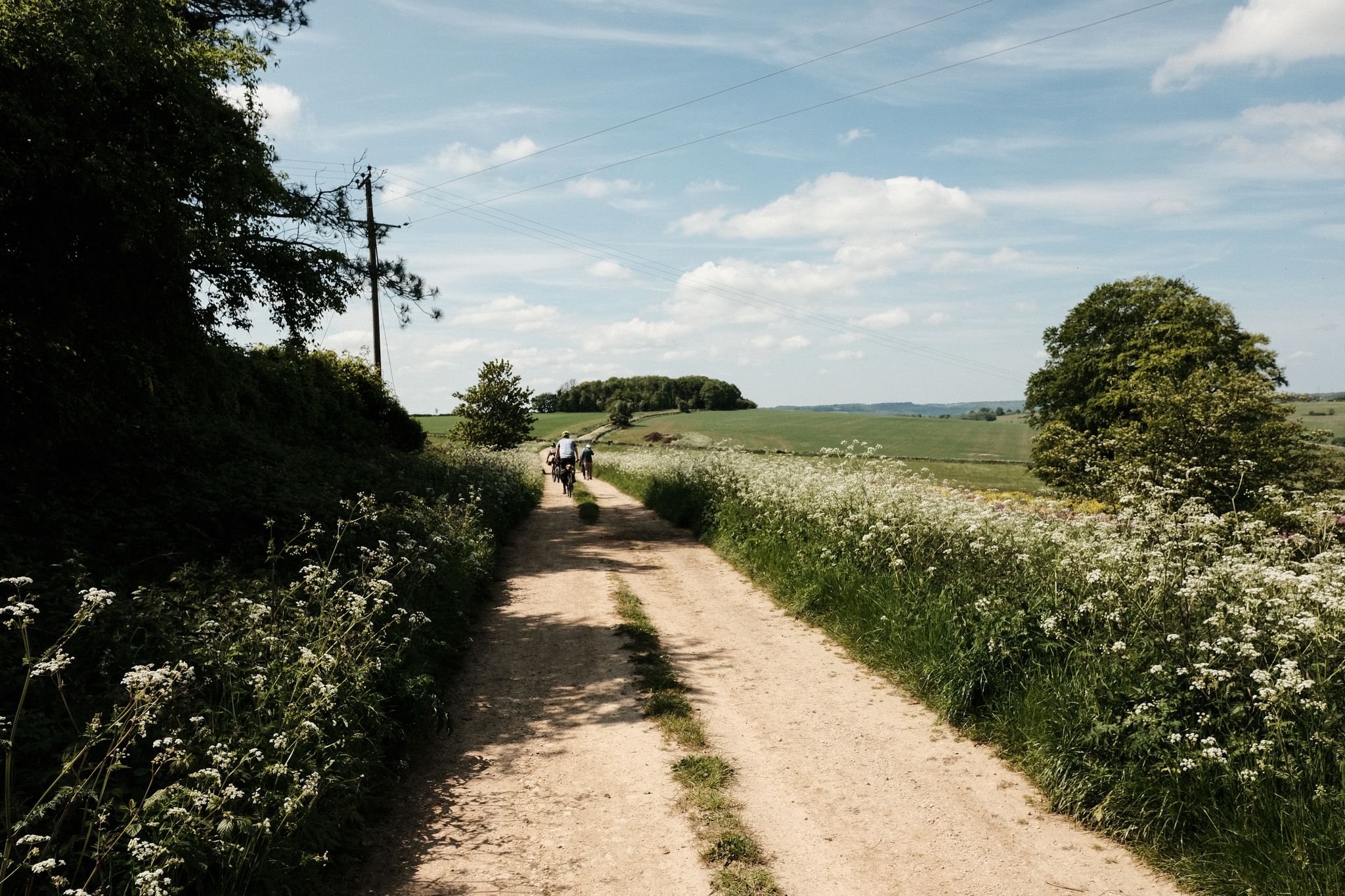
Middle Earth Loop — bikepacking the Wye, Malverns and Cotswolds
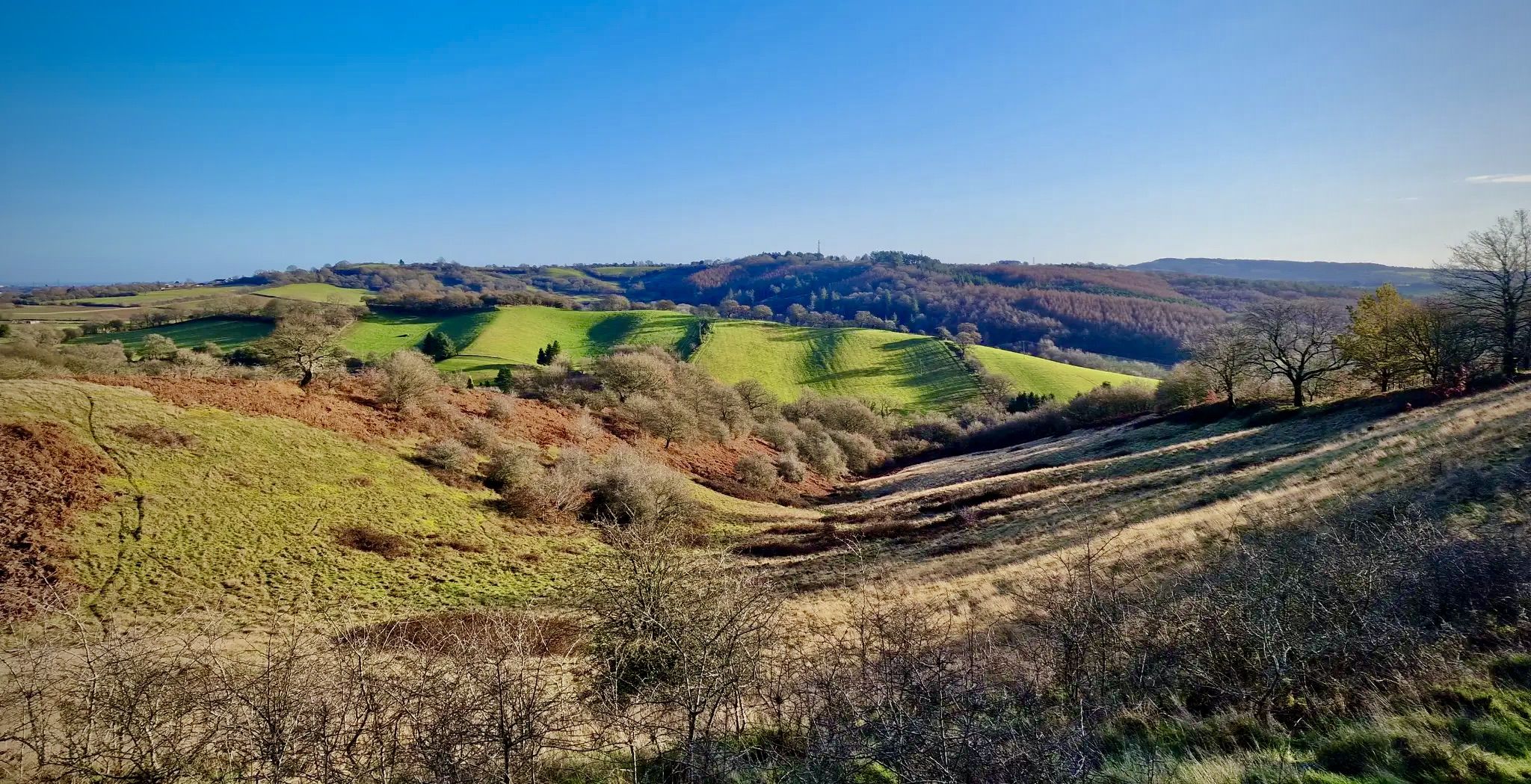
North Worcestershire Path – Explore rolling hills and country parks
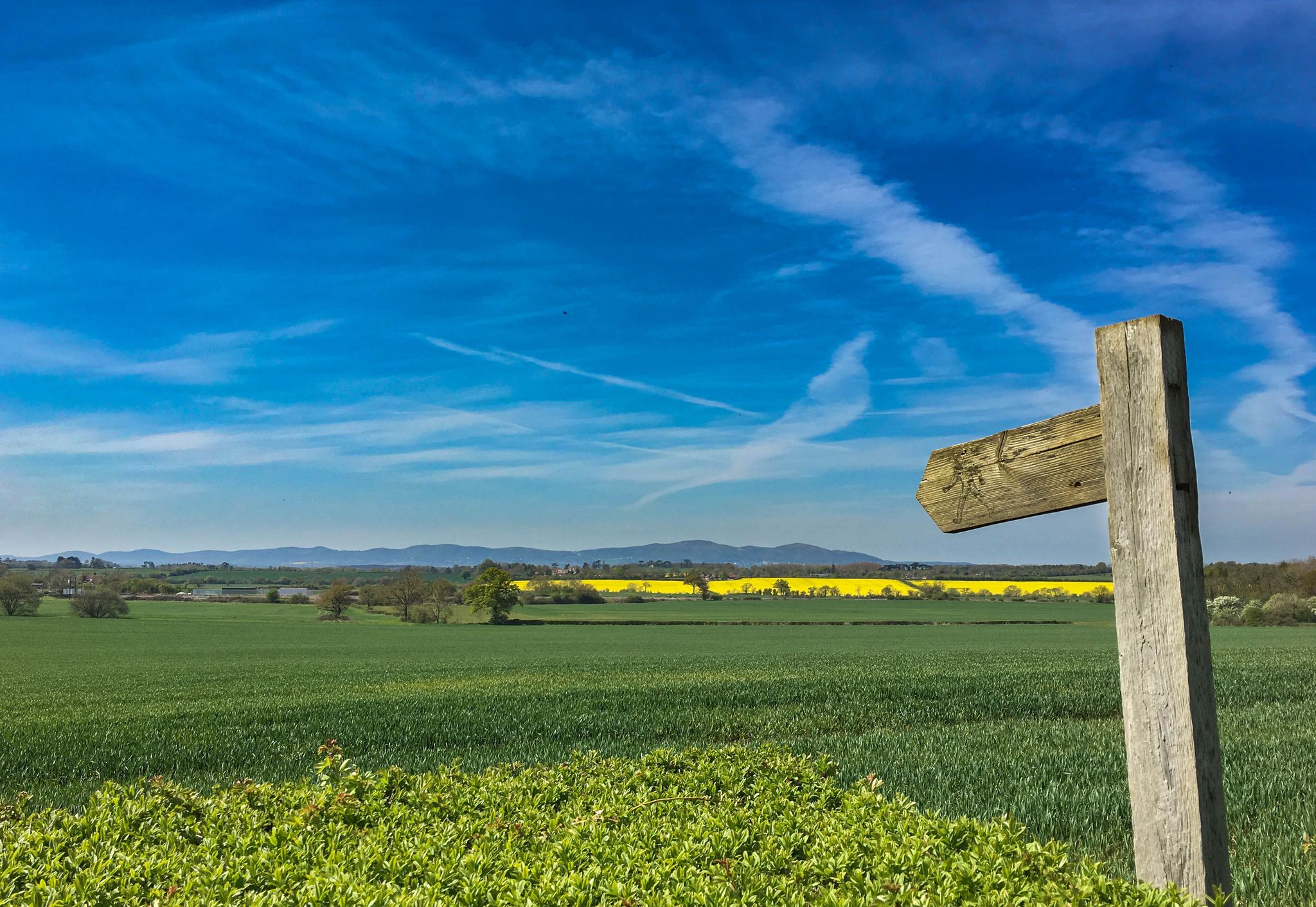
Wychavon Way — Hike rolling Cotswold hills and Worcestershire vales
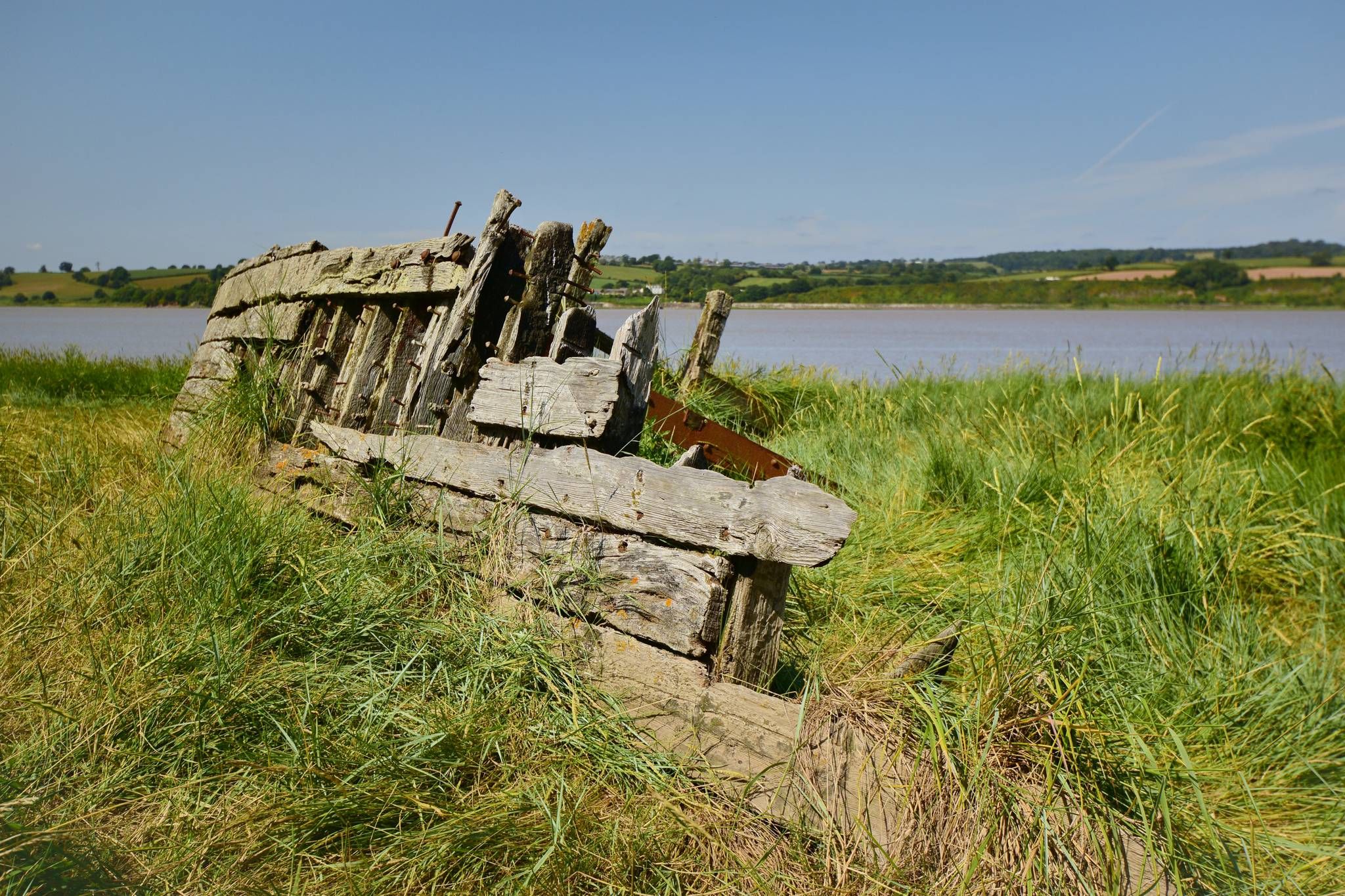
Severn Way — Hike Britain's longest river from source to sea
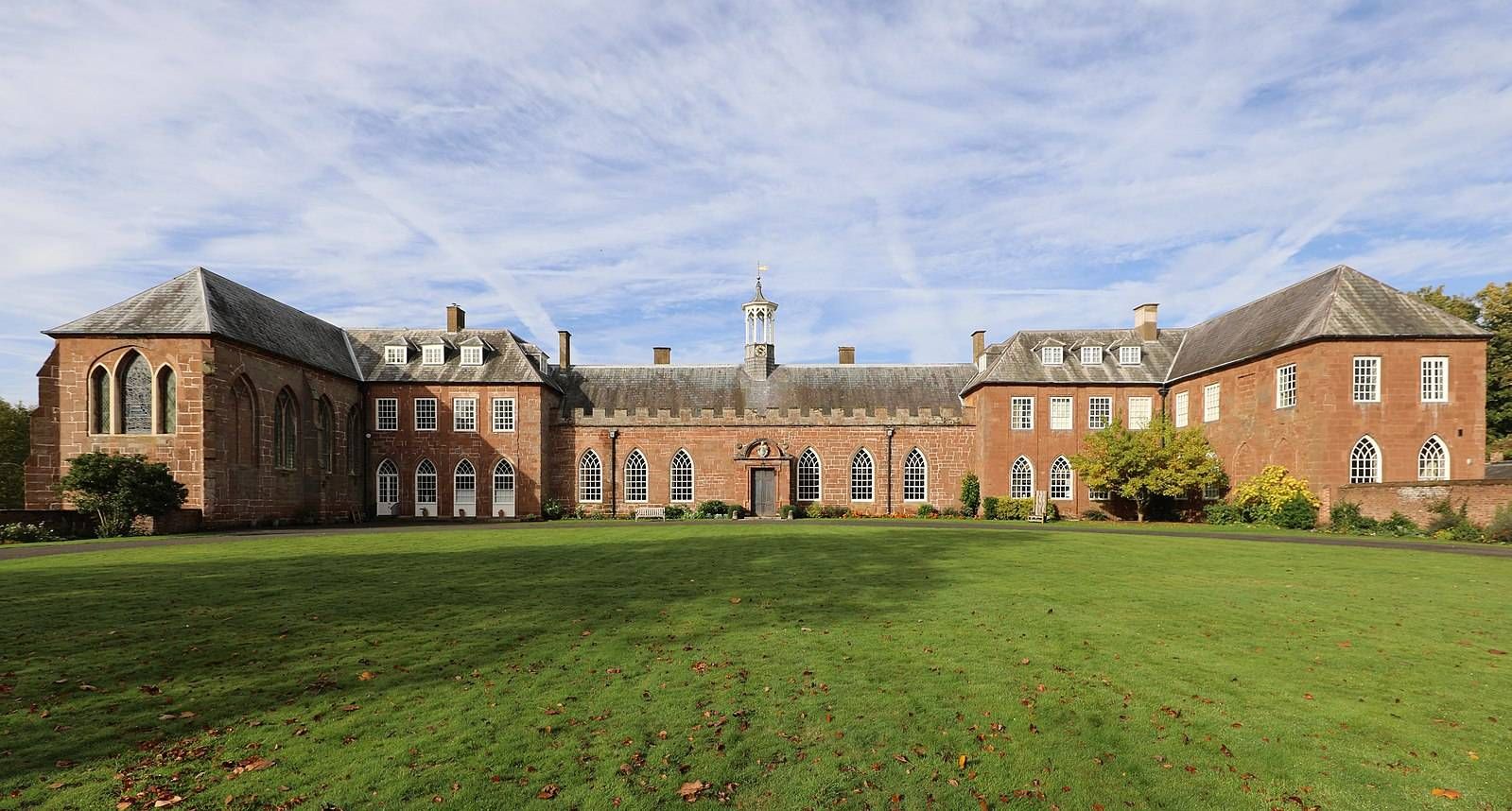
Cycling the Mercian Way – Explore England's historic heart
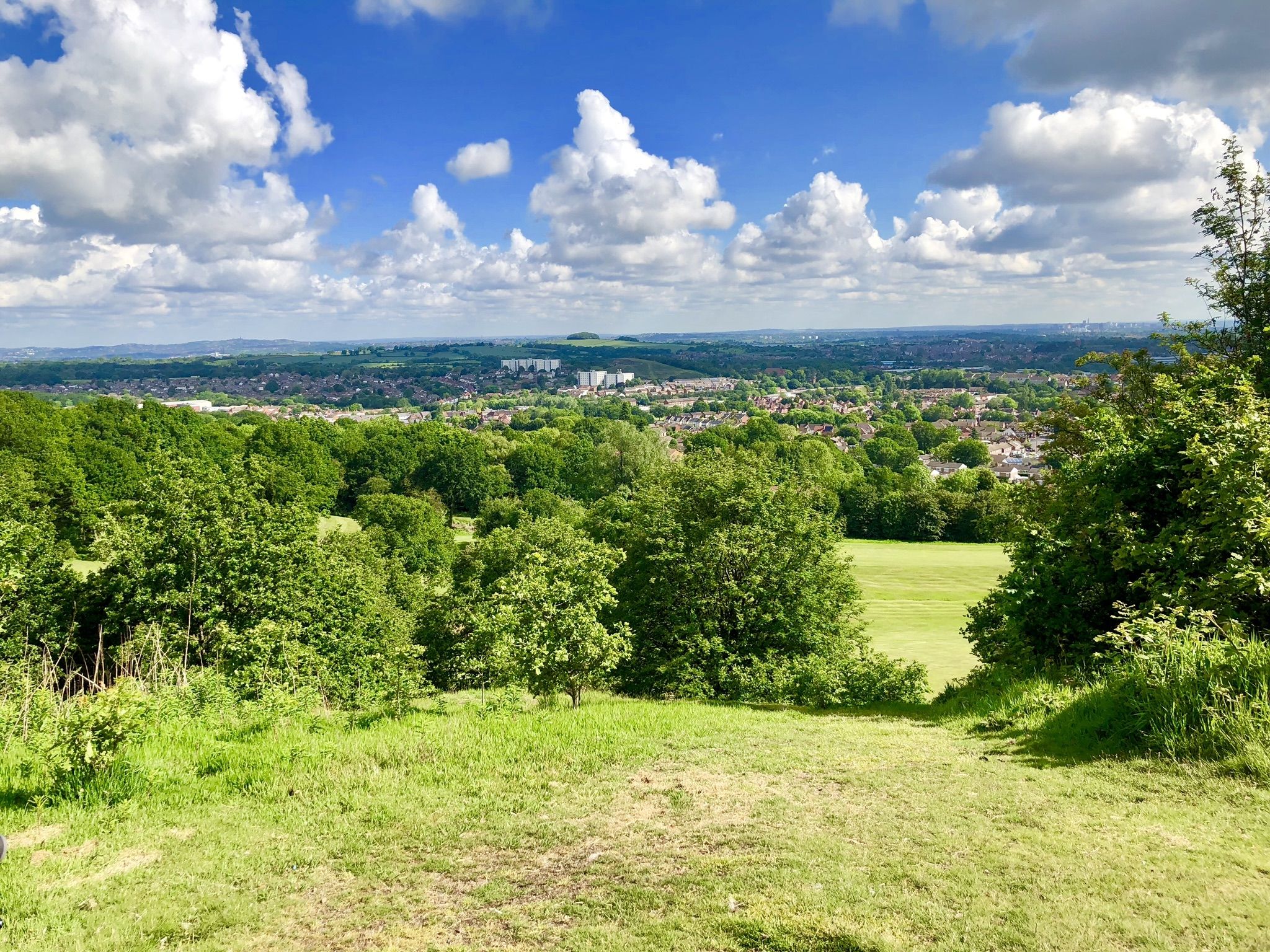
Monarch's Way: Part 1 — Conquer the longest inland trail in England

West Midlands Cycle Route – Where history comes alive
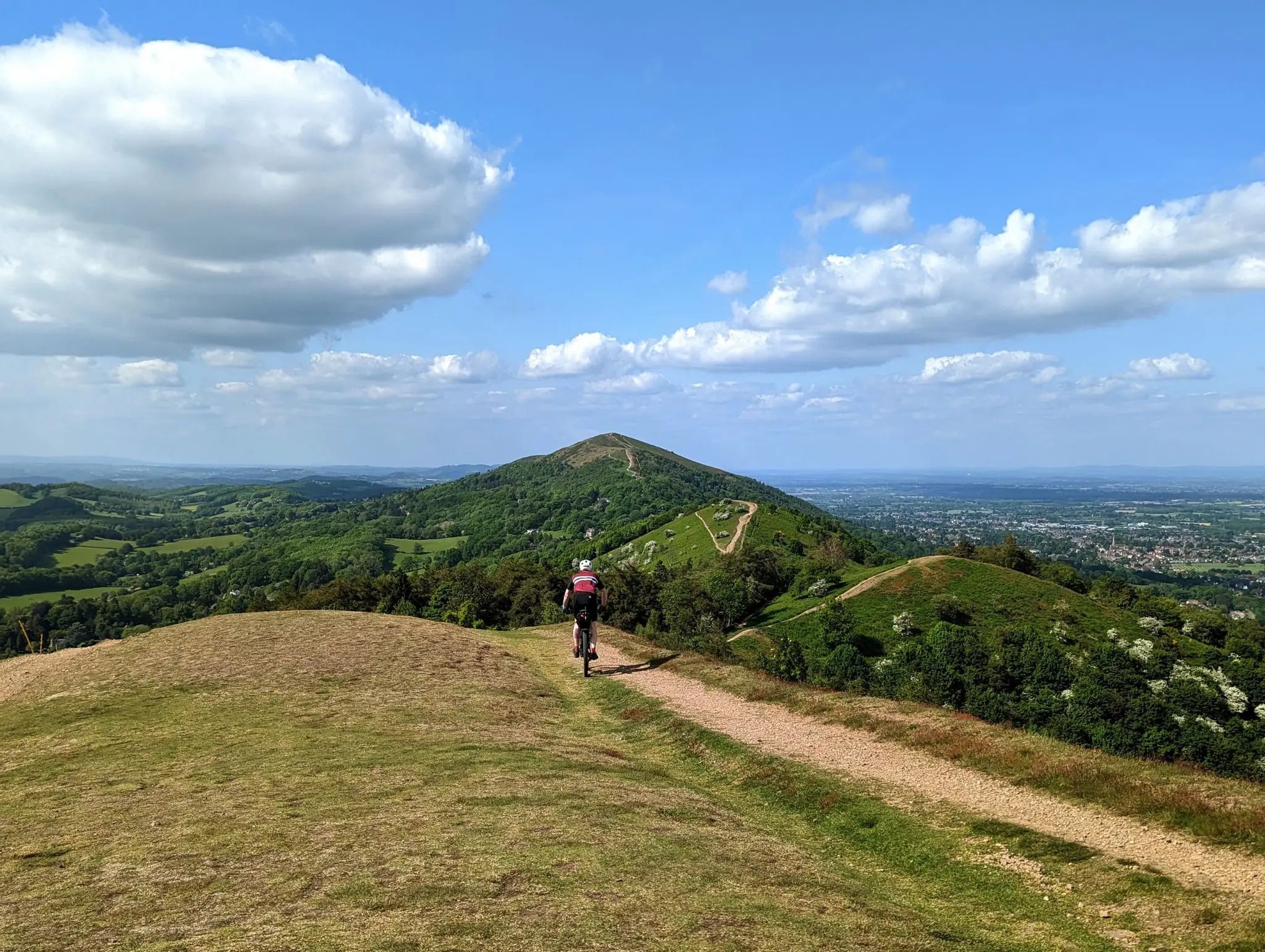
Top gravel rides in Birmingham and Worcestershire
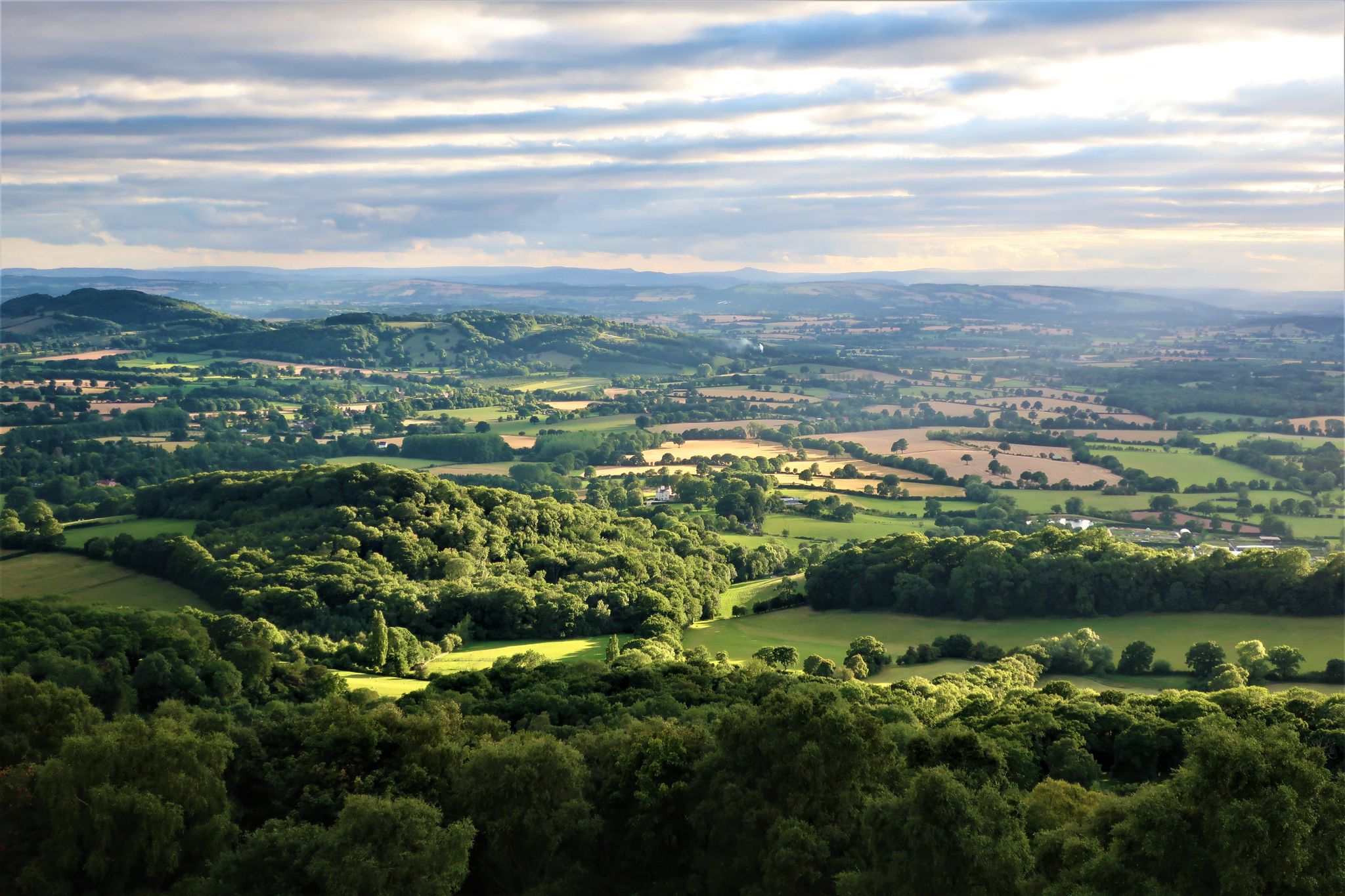
Hike vibrant, rolling hills and lush valleys — Worcestershire Way
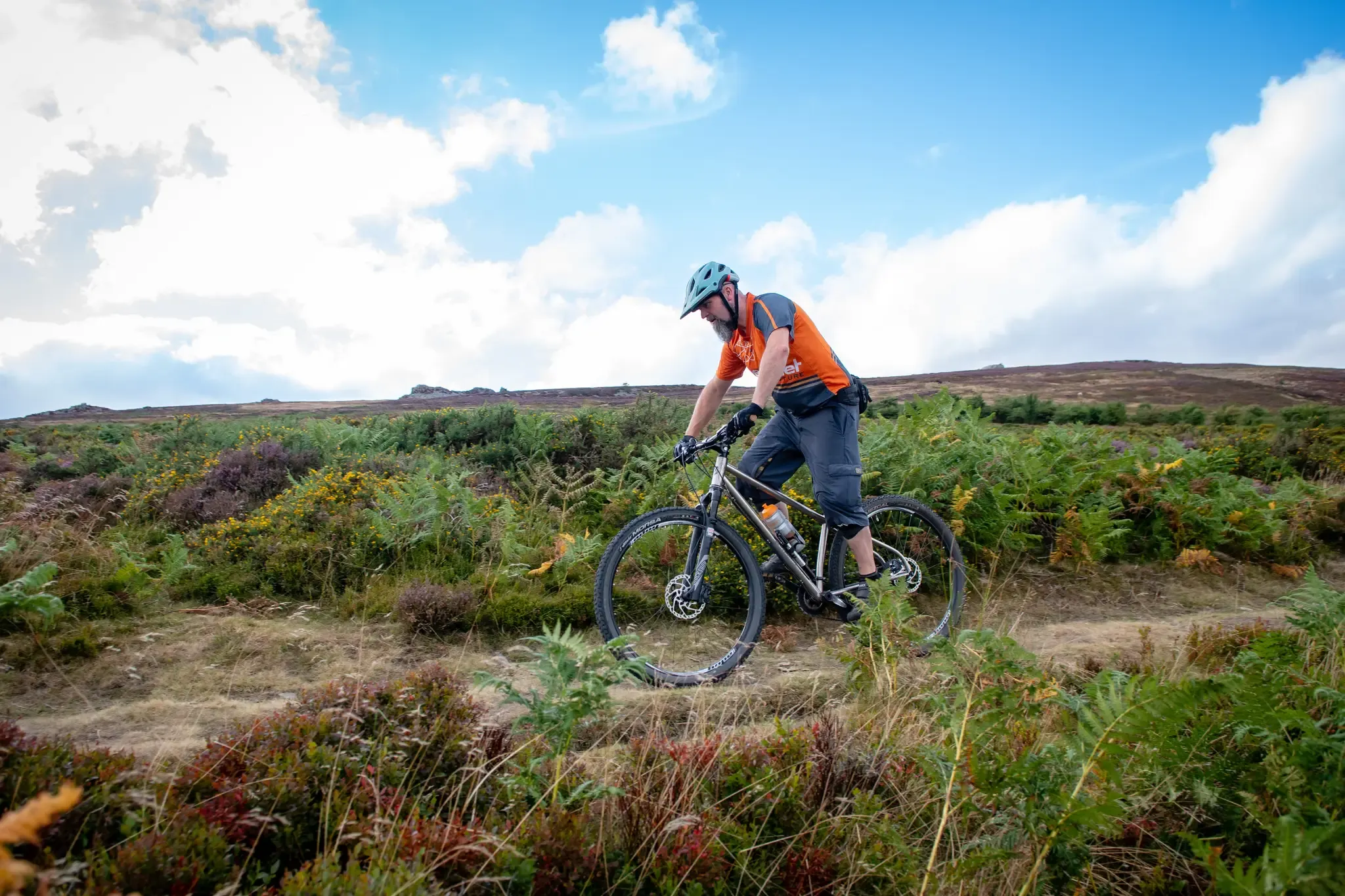
Shropshire's singletrack secrets — mountain biking on the Welsh border
Other adventures in Worcestershire


Tips from the Community

Small little cave but great to get out of the rain/sun for a quick drink and snack.
0
0

From Myseries of Mercia - a book and facebook page.... A mysterious cave on the Malvern hills and an enormous lump of stone in a nearby village...what connects them? This is Clutters Cave, an apparently man-made grotto within a volcanic basalt outcrop. Very little is known about it, not least who on earth "Clutter" was, but it's been mentioned in connection with various points in history going back to the medieval age. Folklore claims that Owain Glyndwr, the legendary Welsh hero, hid in Clutters Cave after his abortive attempt to invade England and retreat from North Worcestershire. He was never seen again so it's as good a story as any. I've also been told that a hermit once lived in the cave, dispensing blessings and wisdom to those who climbed up the hills to see him. Alfred Watkins, author of The Old Straight Track and father of the ley line concept, reckoned he had found a "door" to the cave a few yards away in a nearby gulley which was used as a "sacrificial stone" by "druids". He even got his assistant McKaig to lie on it as a "victim" to prove his point. Unfortunately for Watkins, we know that at least part of his theory was wide of the mark as his cave door is of a completely different type of rock. So what about the big rock? This lies at the centre of the village of Colwall and folklore gives us a reason for its presence. Another name for Clutters Cave is "Giant's Cave" and the story goes that this giant lived on the Malvern Hills with his human wife. One day he saw a man flirting with his good lady down in the valley where Colwall now lies. Erupting with rage as he watched the two of them giggling, he dug his hands into the rock and scooped out an enormous lump which he hurled at the pair down below, crushing them both. It was said that they lay under the rock for centuries until someone dragged it away to clear the obstruction, whereupon the giant put it back into place the next night! Strangely, there is a record of a payment made to a local man to drag the current stone into position to replace "the stone that once stood there". Some say that Clutters Cave is actually a Victorian folly, but nobody has any idea when it appeared. I find this unlikely as although Alfred Watkins did misidentify a few sites he surely would have been aware of something being just a few decades old. I've also seen a reference to it in a novel from 1883 and in the journal of the Royal Anthropological Institute from 1881, neither of which dismiss it as a folly.
0
0

Amazing rock formation in the woods. Well worth a visit. The path to the south side of the stream is badly overgrown. Here are some notes on its formation: https://earthheritagetrust.org/southstone-post/
0
0

📌 Vale's Rock Vale's Rock, also known as Crow's Rock, later turned into a house on two levels. It is thought that the last tenant was Jack Leyland, who lived there until the early 1960
1
0

Geological overview Just south of Stourport a magnificent river cliff of fine grained red sandstone is seen. Although mainly homogenous in terms of geology, there are white streaks and thin bands of coarse material running throughout the section. The soft sandstone of Redstone Rock is easily carved and there is evidence of human-made habitation in the cliff face since Stone Age times. The caves that can be seen today were mostly made in the 12th century, when a hermitage was established there, conveniently located for the hermits to be on hand to offer blessings and prayers for passers-by in return for alms. It was said to house up to 500 men, who may have also manned the ferry crossing, which was there due to the presence of a ford until the river was dredged. The caves were later used as domestic dwellings and were inhabited almost continuously until the mid twentieth century. Source: Geopark.org
0
0
South of British camp on the Malvern Hills just below the west side of the ridge is a man made cave, Clutter’s Cave or Giant’s Cave. This has been excavated into pillow lavas. Almost 600 million years ago a volcano erupted under the sea. It was cooled by the cold sea water and a solid crust formed around globules of lava, which were piled up as more lava erupted. Though they have since been deformed by Earth movements some of the rounded ‘pillow’ shapes can still be seen around the entrance to the cave. Here there are also beautiful views over the Herefordshire countryside and from the ridge over the valley of the River Severn to the Cotswolds
2
0


Just south of Stourport-on-Severn, Redstone Caves are made from Triassic sandstone. Carved out in the 12th century and then home to a hermitage, it seems extraordinary today that once up to 500 men lived here. The Geopark Way, a long-distance footpath specialising in geological marvels in the area, runs unsurprisingly right past these caves.
1
0
Frequently Asked Questions
What are some of the most popular caves and rock formations to visit in Worcestershire?
Among the most appreciated sites are Clutter's Cave, known for its mysterious folklore and location in the Malvern Hills, and Redstone Caves, which have a rich history as a hermitage carved from Triassic sandstone. Visitors also enjoy Vale's Rock (Crow's Rock), a significant rock formation that was once a two-level house.
What is the historical significance of Worcestershire's caves?
Worcestershire's caves boast a remarkable history. Redstone Caves, for instance, were excavated in the 12th century and served as a hermitage, once housing up to 500 men. The Kinver Edge Rock Houses, while technically cave dwellings, were inhabited until the 1960s, with records dating back to 1776, offering a unique glimpse into historical living. Clutter's Cave is steeped in local legends, including tales of Owain Glyndwr and hermits.
Are there any unique cave dwellings or rock houses in Worcestershire?
Yes, the Kinver Edge Rock Houses are a significant historical site where homes were excavated into sandstone, with one house inhabited as recently as the 1960s. These unique dwellings offered natural insulation. Additionally, Vale's Rock (Crow's Rock) is noted as a significant rock formation that was later transformed into a two-level house.
What kind of geological features can I expect to see in Worcestershire's caves?
The region's caves showcase diverse geology. Redstone Caves are carved from Triassic sandstone, while Clutter's Cave is a grotto within a volcanic basalt outcrop, where pillow lavas from ancient eruptions can still be seen. Croome also features a grotto made of tufa and limestone.
Are there walking trails or hiking opportunities near the caves?
Yes, many caves are accessible via walking trails. The Geopark Way, a long-distance footpath, passes directly by Redstone Caves. Clutter's Cave is located in the Malvern Hills, an area popular for hiking. For more extensive hiking options, you can explore various routes in the region, including those found in the Hiking in Worcestershire guide.
What outdoor activities can I do near the caves in Worcestershire?
Beyond exploring the caves themselves, Worcestershire offers a range of outdoor activities. You can find numerous hiking trails, from easy to challenging, in guides like Hiking in Worcestershire and Easy hikes in Worcestershire. For cyclists, there are also gravel biking routes available, detailed in the Gravel biking in Worcestershire guide.
Is there a natural rock formation known for its beauty in Worcestershire?
Yes, Southstone Rock is an amazing rock formation situated within a forest, highly regarded for its natural beauty and well worth a visit.
Are Worcestershire's caves suitable for families?
Many of Worcestershire's cave sites, particularly those with established paths and historical interpretations like the Kinver Edge Rock Houses, can be suitable for families. Exploring the surrounding areas, such as the heathland around Kinver Edge or the Malvern Hills near Clutter's Cave, also offers enjoyable outdoor experiences for all ages.
What is the typical difficulty level for exploring caves in Worcestershire?
The difficulty varies depending on the specific site. Some locations, like Clutter's Cave, are categorized as intermediate to challenging due to their location on the Malvern Hills. Others, such as Redstone Caves and Vale's Rock, are generally considered intermediate. Always check specific site information for accessibility and terrain before visiting.
When is the best time to visit the caves in Worcestershire?
The caves and their surrounding outdoor areas are generally best visited during drier months, typically from spring through autumn, to enjoy comfortable walking conditions and clearer views. However, their historical and geological significance makes them interesting year-round, provided you dress appropriately for the weather.
Can I visit the caves with my dog?
While specific rules for each cave vary, many of the outdoor areas and trails leading to the caves, such as those in the Malvern Hills or around Kinver Edge, are dog-friendly. Always keep dogs on a lead and check local signage for any restrictions, especially within the cave structures themselves or protected natural areas.
Are there any less crowded caves to explore in Worcestershire?
While popular sites like Clutter's Cave and Redstone Caves can attract visitors, exploring lesser-known spots or visiting during off-peak hours might offer a more tranquil experience. Southstone Rock, for example, offers a beautiful natural setting that might be less frequented than the more historically prominent sites.
Most popular routes in Worcestershire
Most popular attractions in Worcestershire

Get inspired with the komoot mobile app


Explore more
Extend your search for the best caves by checking out these guides of the top ones in Worcestershire:
