Top 20 Castles in Warmian-Masurian Voivodeship
Best castles in Warmian-Masurian Voivodeship are found in northeastern Poland, a region characterized by its historical significance and diverse landscape. The area features numerous castles and fortified structures, many built by the Teutonic Knights and Warmian bishops. These sites offer insights into the region's past and architectural heritage. The terrain includes lakes and forests, providing varied settings for these historical monuments.
Best castles in Warmian-Masurian Voivodeship
- The most popular castles is Frombork Cathedral and Castle, a historical site that…
Last updated: October 11, 2026
Sztynort Palace
Highlight • Castle
Associated with the name Lehndorff.
More information: pl.wikipedia.org/wiki/Sztynort and pl.wikipedia.org/wiki/Heinrich_von_Lehndorff
Translated by Google •
Tip by

Frombork Cathedral and Castle
Highlight • Historical Site
Translated by Google •
Tip by

Sign up now to discover places like this
Get recommendations on the best single tracks, peaks, & plenty of other exciting outdoor places.
Boyen Fortress
Highlight • Historical Site
More information: de.wikipedia.org/wiki/Feste_Boyen and masuren.de/sehensw%C3%BCrdheiten/81-feste-boyen-in-loetzen.html
Translated by Google •
Tip by
Ryn Castle
Highlight • Castle
Translated by Google •
Tip by

Olsztyn Castle (Zamek w Olsztynie)
Highlight • Castle
Translated by Google •
Tip by

Reszel Castle
Highlight • Castle
Translated by Google •
Tip by

Elbląg Old Town
Highlight • Historical Site
Translated by Google •
Tip by

Sorkwity Palace
Highlight • Castle
Tip by

Szczytno Castle and Museum
Highlight • Castle
Translated by Google •
Tip by

Kętrzyn Castle
Highlight • Castle
Tip by
Sign up for free to discover even more castles in Warmian-Masurian Voivodeship.
Already have an account?
Start today with a free account
Your next adventure awaits.
Popular around Warmian-Masurian Voivodeship
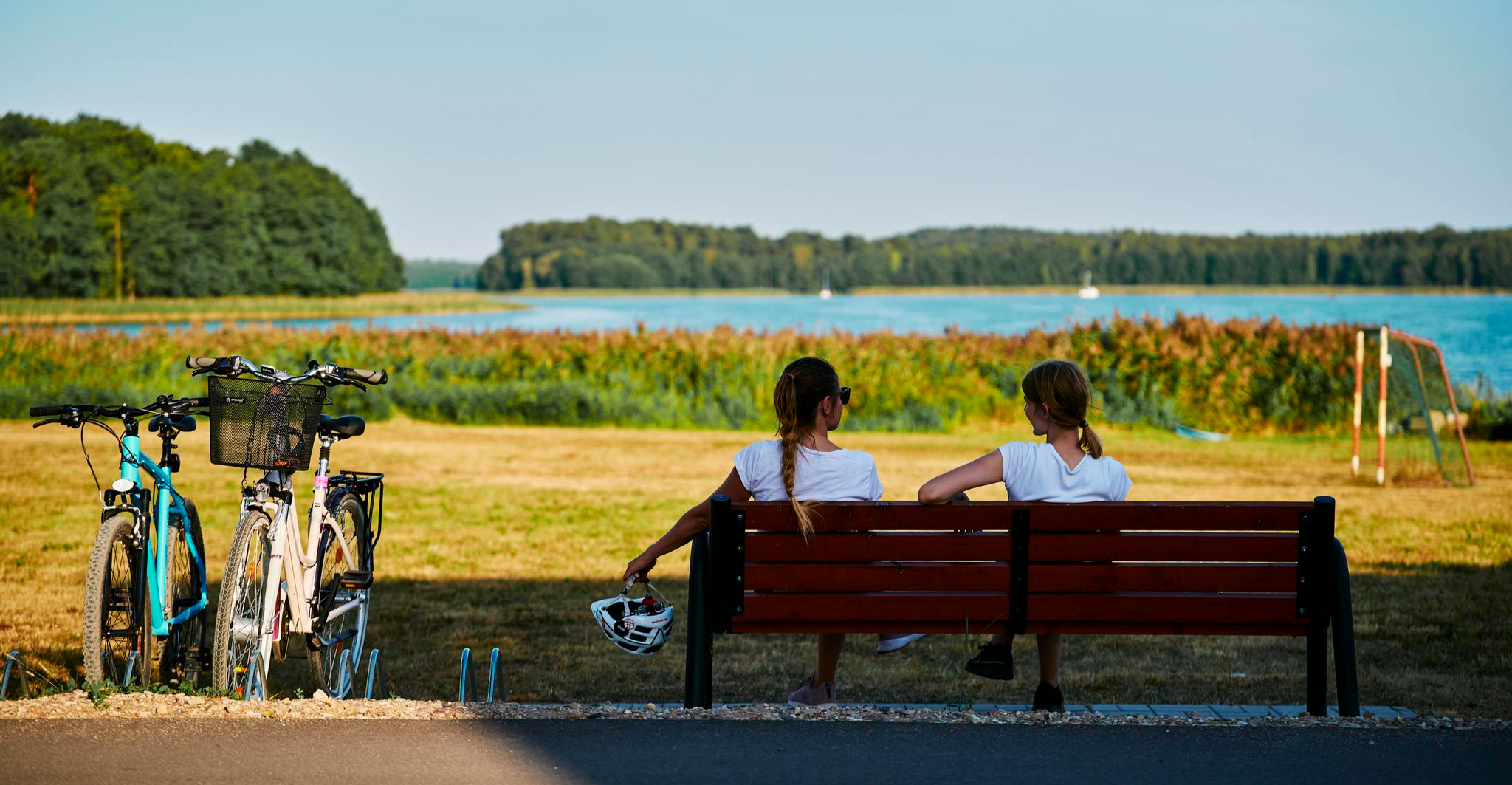
Outdoor Poland Part 2 – Warmia and Masuria
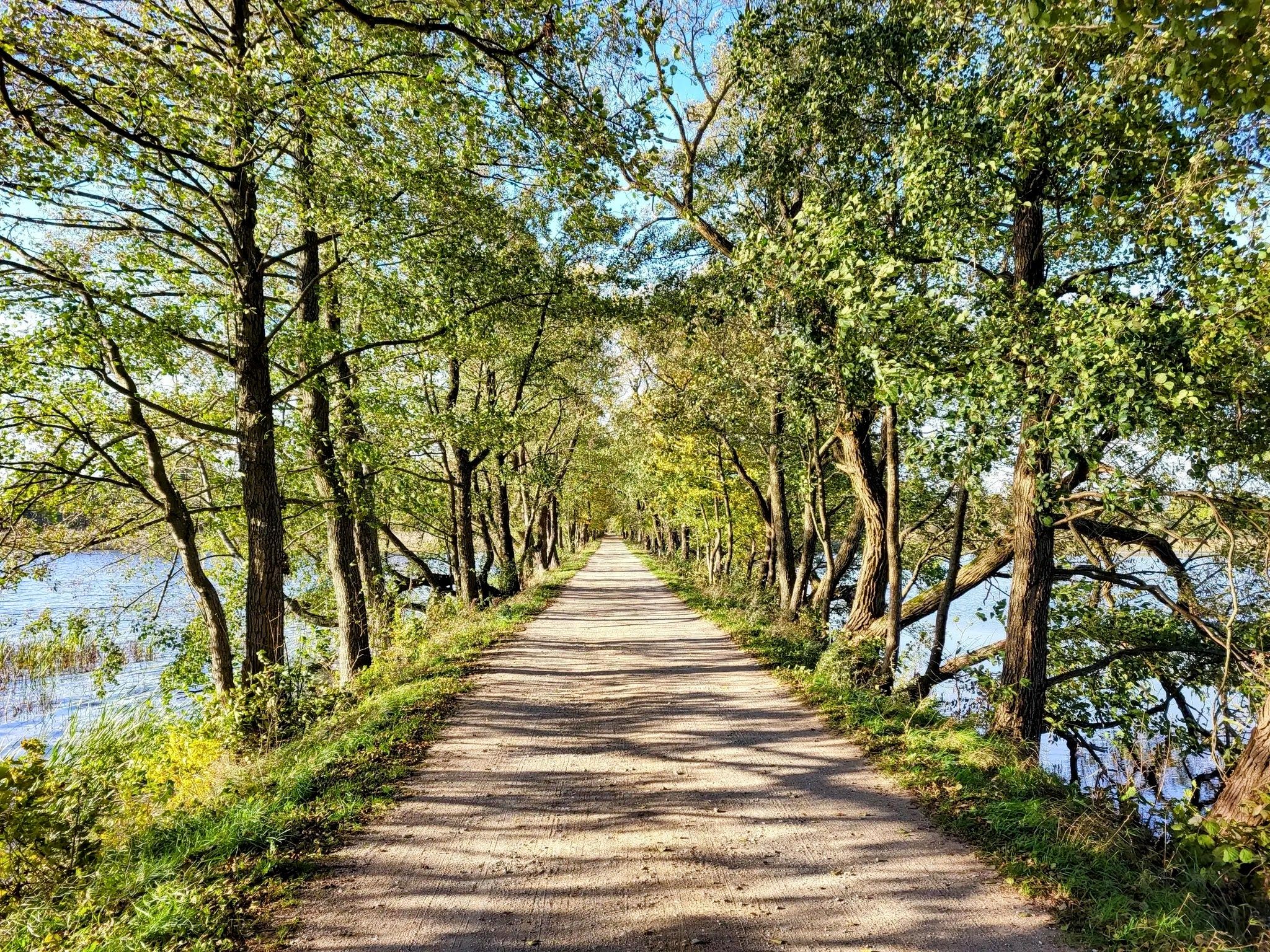
Mazurian Bicycle Loop - by bicycle through the Land of the Great Lakes
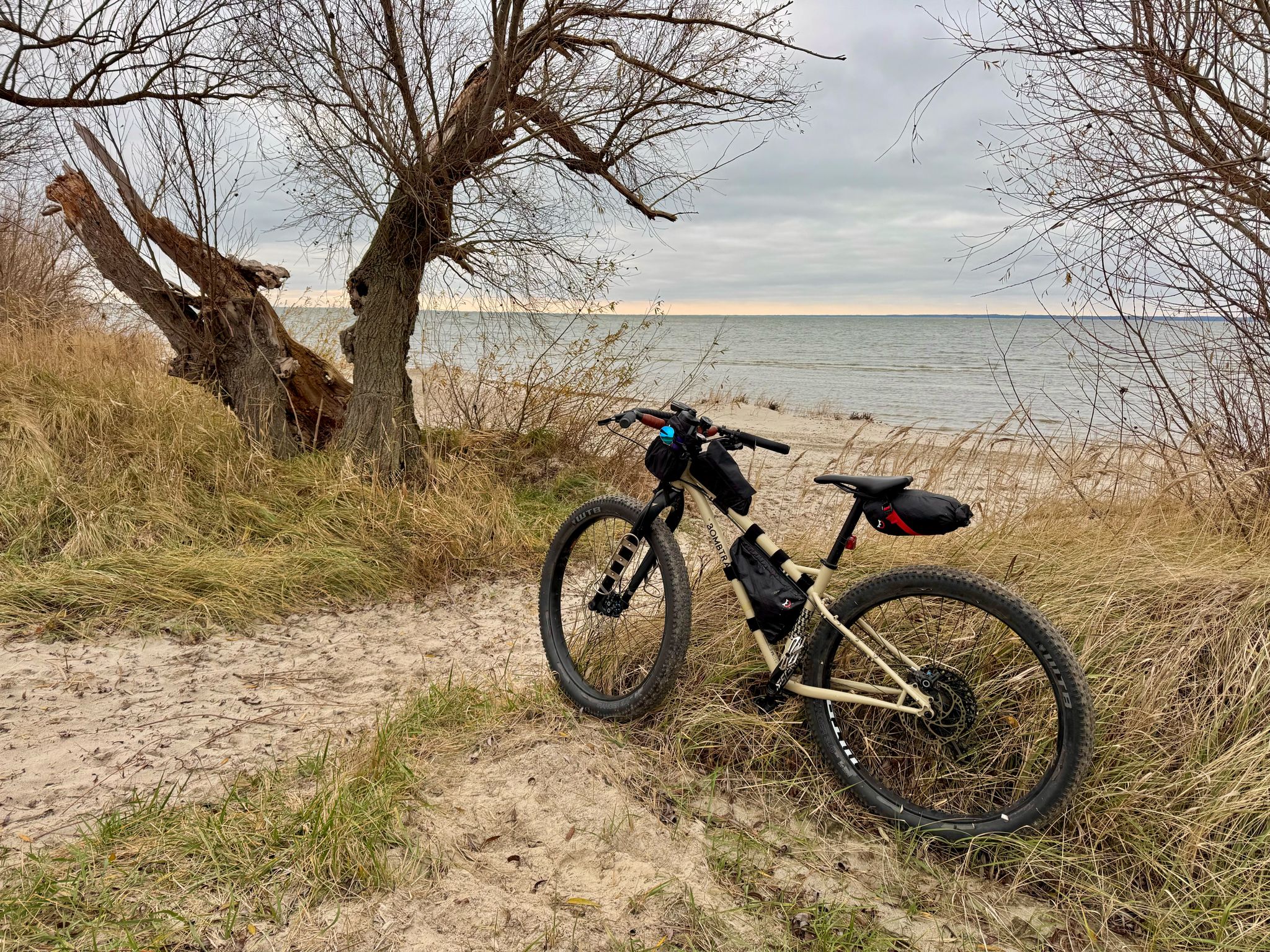
Green Velo – an adventure through wintery Poland
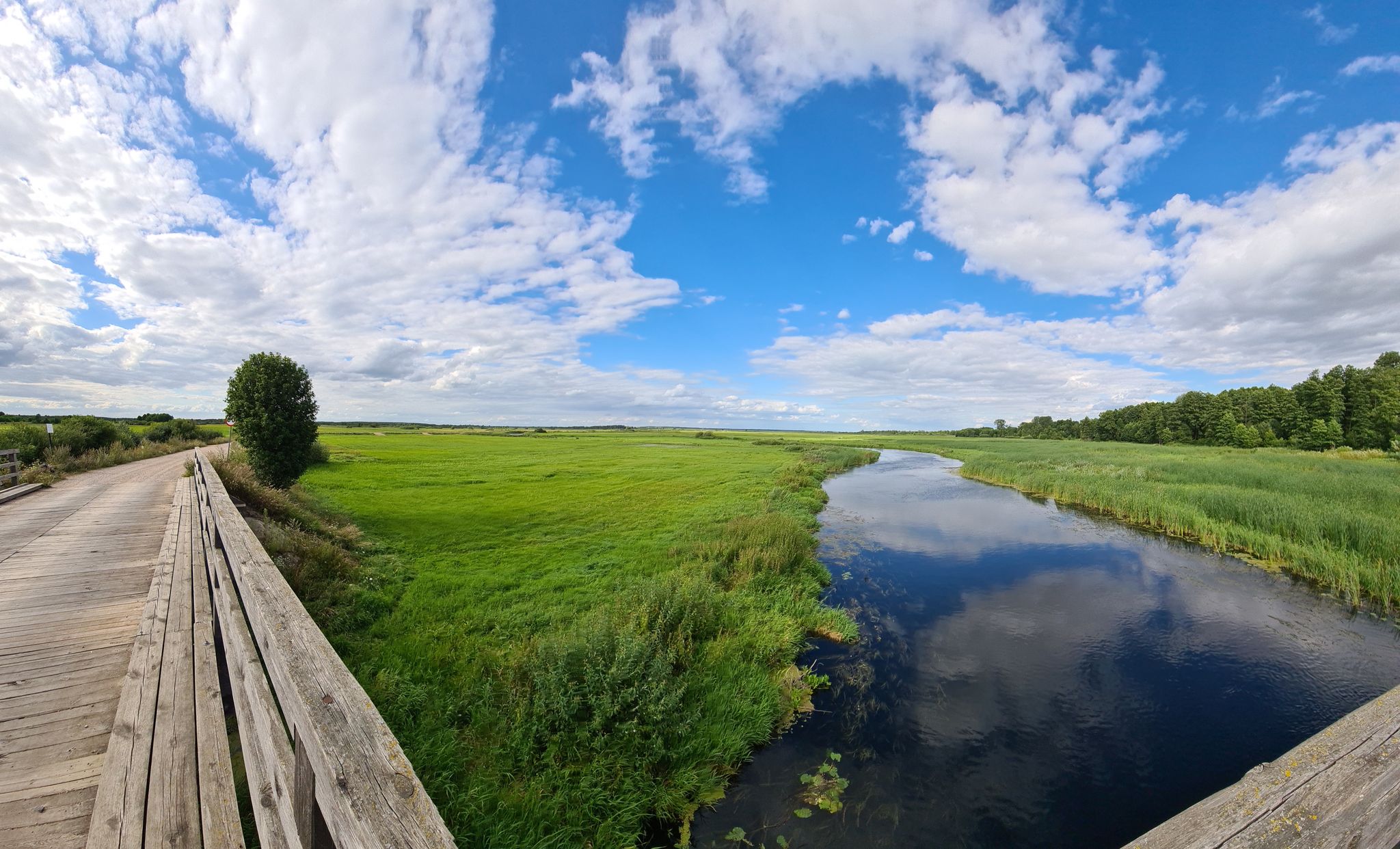
To the east, Eden – Green Velo Szlak (second part)
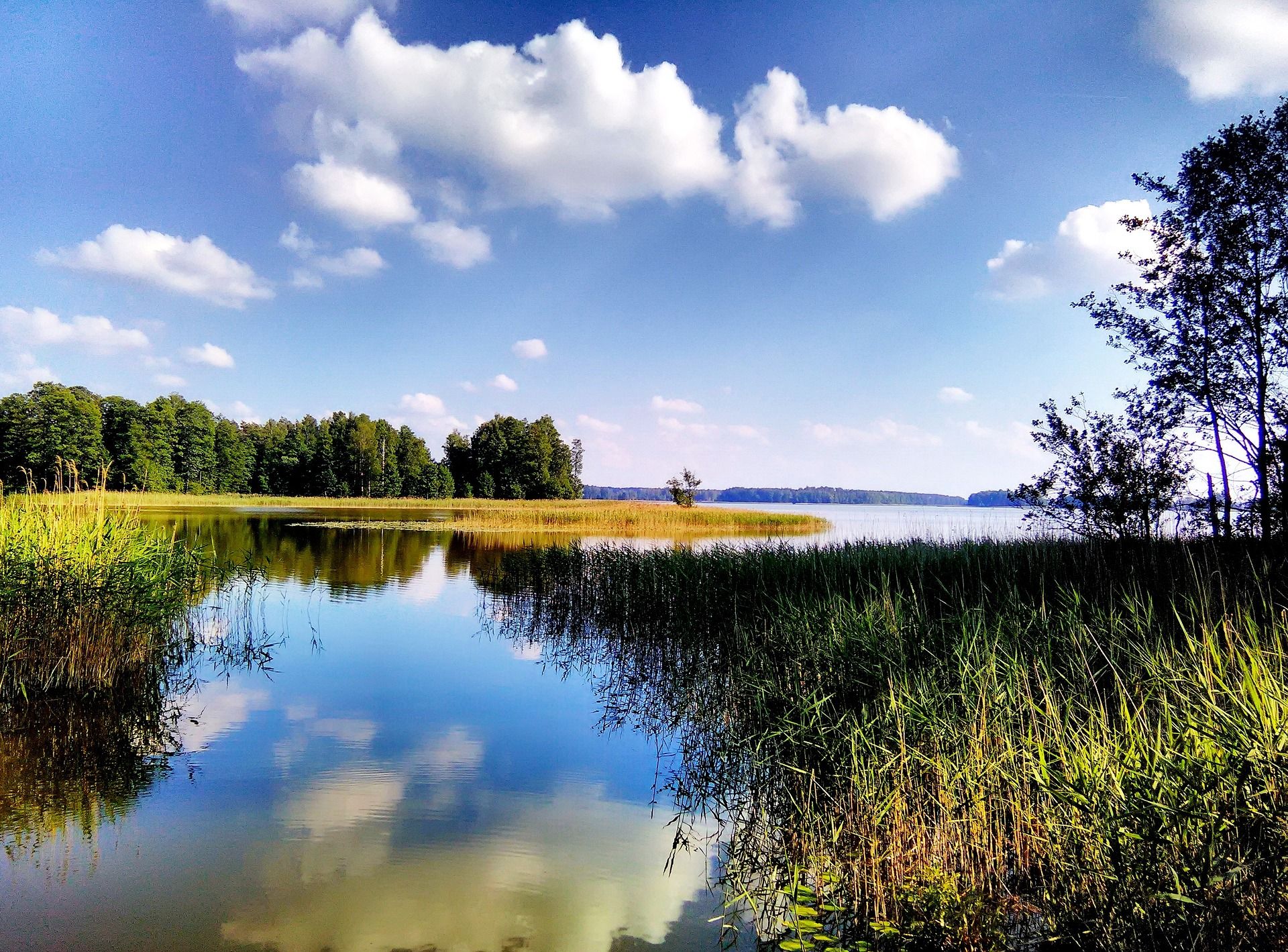
Where Poland's wild soul lives – explore five regions by bike
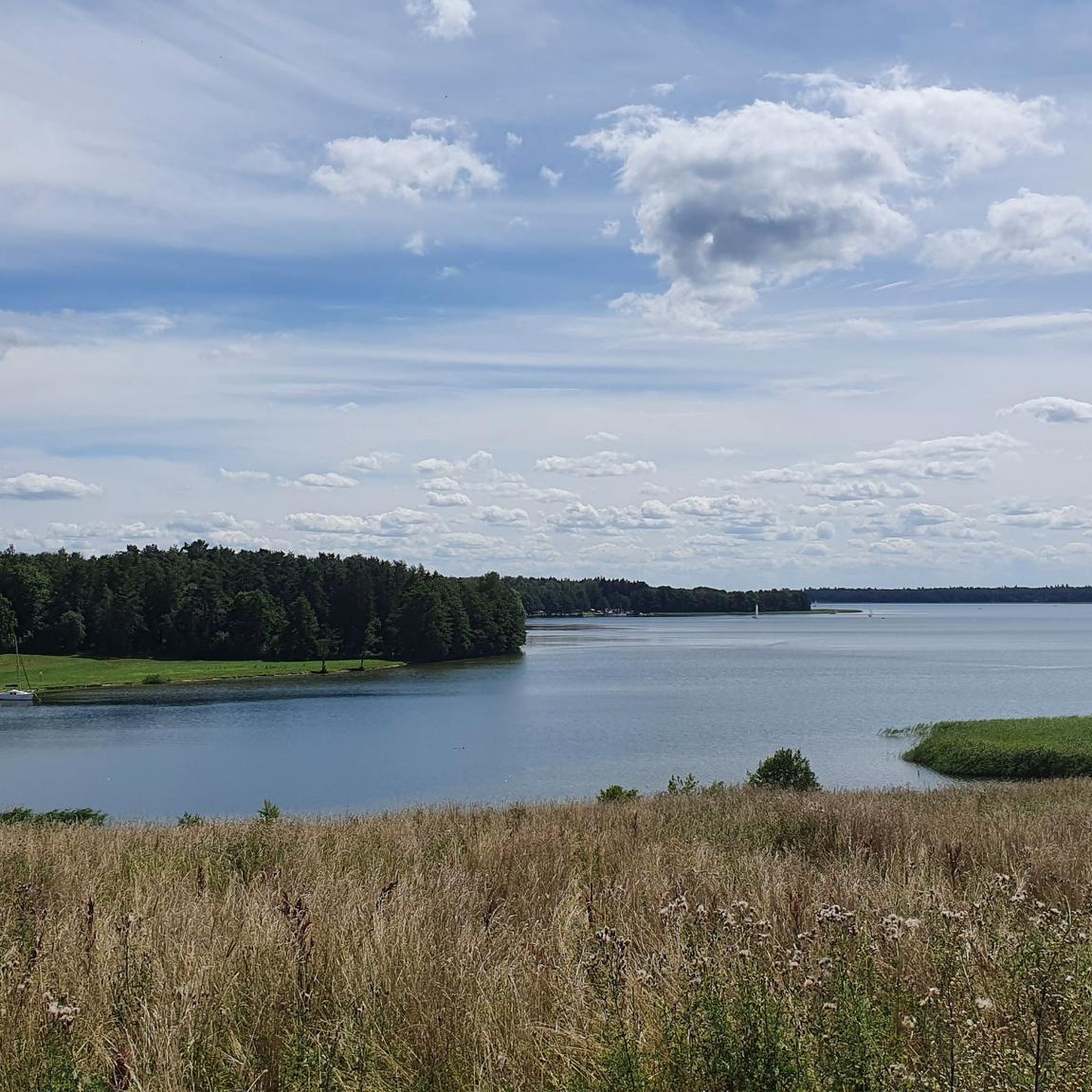
Cycling in Warmian-Masurian Voivodeship
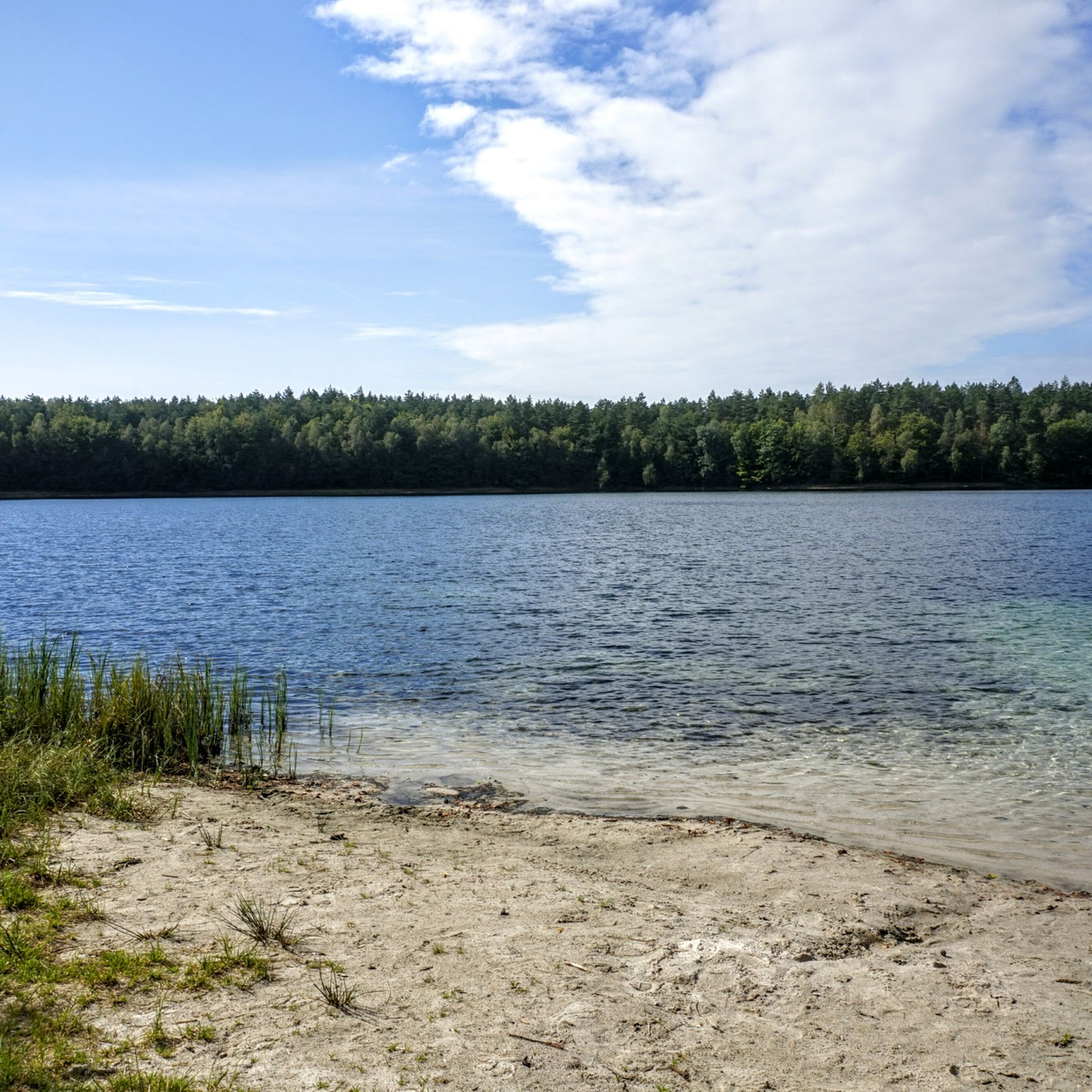
Hiking in Warmian-Masurian Voivodeship
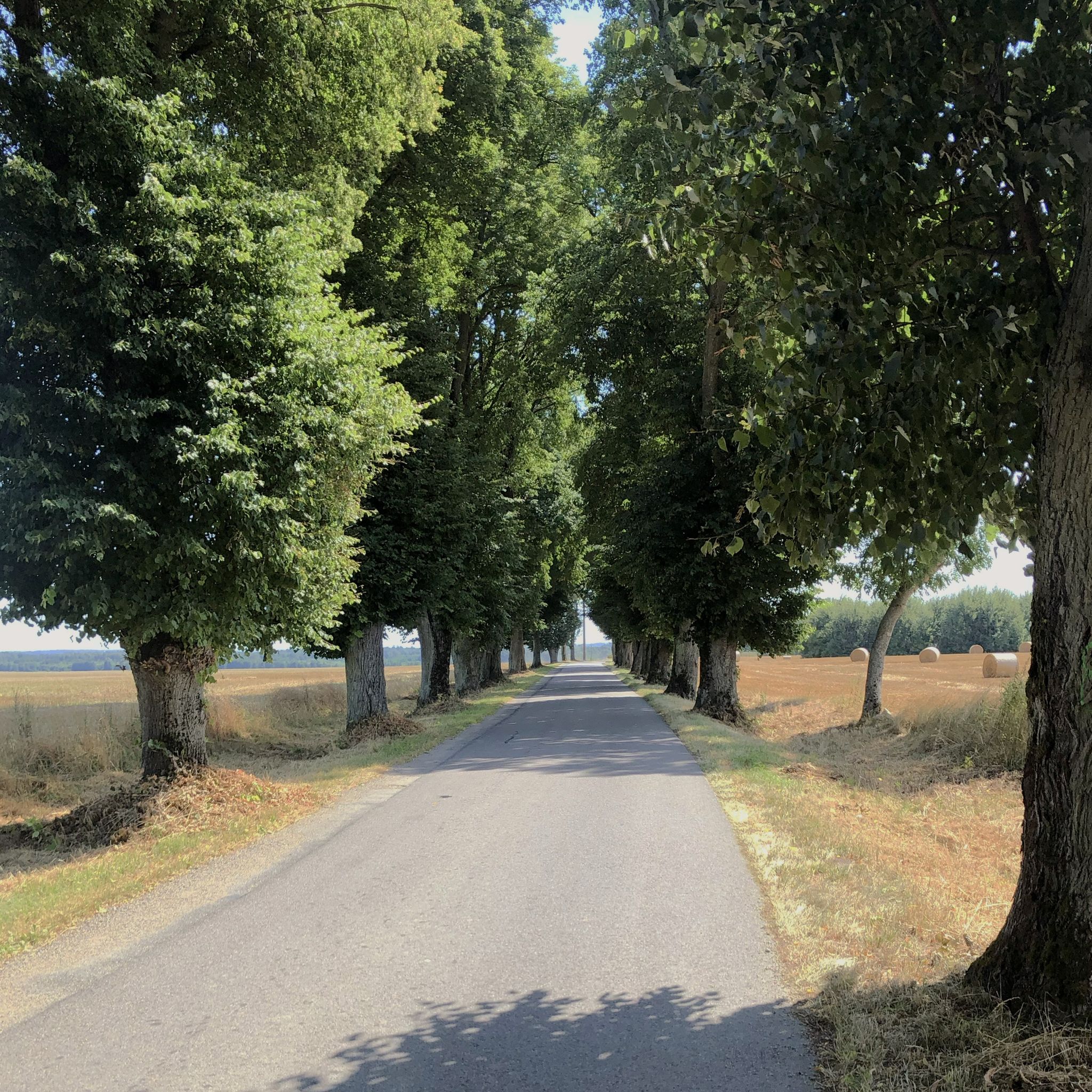
Road Cycling Routes in Warmian-Masurian Voivodeship
Running Trails in Warmian-Masurian Voivodeship
MTB Trails in Warmian-Masurian Voivodeship
Other adventures in Warmian-Masurian Voivodeship


Tips from the Community

Nice place. It appeared a few times along my route.
0
0

Reasonably well-maintained, but currently not in use. No wonder, huge amounts need to be invested here. And then maintain and heat such a facility... Especially in the era of the absurd approach to energy prices and the alleged saving of the planet (in reality, it's about pushing current industrial products on us from countries that have sales problems).
0
0

There are some pretty, old buildings to discover in the old town. The highlight is the Church of St. Nicholas, which towers above everything else.
2
0

The palace was designed to resemble a medieval fortress – it has numerous turrets, pointed arch niches and characteristic teeth
1
0

Juliusz Ulrich von Mirbach, who was 75 years old at the time, left his entire estate to his wife's nephew, Baron Bernard von Paleske, an aide-de-camp to Emperor Wilhelm II.[4] After Count Julius's death in 1921, Baron von Paleske began the reconstruction of the palace.[4] Under the supervision of Berlin architect Otto Rüger, the palace was rebuilt in 1922-1923, following the exact model of the original.[4] The estate and village remained under the management of the von Paleske family until 1945. During this time, the palace became the venue for numerous meetings of Prussian and German politicians.[3] During the war, the architecture of the complex was not destroyed and remained almost intact, while all movable property and interior furnishings were looted.[4] After the war, the estate was taken over by the local State Agricultural Farm (PGR), which converted the palace complex into a kindergarten and kindergarten warehouses, as well as offices and apartments for farm workers.[4] In 1957, the palace and part of the park were transferred to the Ursus Agricultural Machinery Plant in Warsaw, which turned it into a recreation center.[4] Since 1998, both the palace and the park have been in private hands.
1
0
A palace and park complex located in the village of Sorkwity. Built between 1850 and 1856 in the neo-Gothic style as the residence of the Prussian noble family von Mirbach, and later the related von Paleske family. The history of the village dates back to the early Middle Ages and is directly linked to its strategic location. Originally, a Prussian watchtower stood on the site of the current palace. The village's first name, Sarkewite, also derives from the Prussians, with "sargas" meaning sentinel and "wieta" meaning place.[2] Later, its defensive qualities were appreciated by the Teutonic Knights, and in 1379, the Grand Master of the Order, Winrich von Kniprode, granted the present-day site as knightly estates to the brothers Christian and Otto von Oelsen.[2] Later, a monk named Hans von Oelsen erected a wooden watchtower in Sorkwity to protect the village from Lithuanian raids.[2] In the mid-15th century, the estate was purchased by the von Schliebens, who built a brick church there, and the village remained in their possession until the 18th century.[2] After them, for a short time, between 1750 and 1804, the estate belonged to the Polish Bronikowski family, and the family's representative, Hussar Major Jan Oppeln-Bronikowski, built the first manor house in Sorkwity in 1788.[3] In 1804, the estate was purchased from the Bronikowski family by the von Mirbachs, who ushered in the estate's heyday.[2] Between 1850 and 1856, at the behest of Juliusz Ulrich von Mirbach, who was awarded the title of count in 1888,[2] a palace was built in the then-fashionable English Neo-Gothic style in Prussia.[3] The palace, built on the site of the Bronikowski manor house, was a large, two-story, castle-like red brick structure. At the same time, a fortified tower-like coach house and a landscape park were also constructed.[2] Numerous garden paths, a vineyard for the von Mirbachs' own wine production, and a family cemetery were established on the peninsula of Lampackie Lake.[4] During World War I, Russian troops under General Alexander Samsonov were stationed in the palace building. On the night of August 26-27, 1914, before the Battle and defeat at Tannenberg, the residence was burned down. Only the main walls survived the fire, while the entire interior and its decorations, as well as numerous works of art, were destroyed.
1
0

The fortress makes a huge impression. Unfortunately, they do not allow bicycles.
0
0
There is a museum here and the main building has long been under renovation.
0
0
Frequently Asked Questions
Which castles in Warmian-Masurian Voivodeship are particularly known for their historical significance?
The region is rich in history, especially with the Teutonic Knights and Warmian bishops. Castle of the Warmian Chapter in Olsztyn is notable for its connection to Nicolaus Copernicus, who lived and conducted astronomical observations there. Frombork Cathedral and Castle also holds profound historical and scientific significance as Copernicus's burial place. Additionally, Lidzbark Warmiński Castle, known as the 'Wawel of the North', was a key residence for Warmian bishops.
Are there any castles in the Warmian-Masurian Voivodeship that offer unique architectural styles?
Yes, the region showcases a variety of architectural styles. Many castles, like Lidzbark Warmiński Castle and Castle of the Warmian Chapter, are prime examples of Brick Gothic architecture from the 14th century. For a different style, Sorkwity Palace (Sorquitten Castle) is an impressive neo-Gothic residence from the 19th century, featuring English neo-Gothic and red brick design.
Which castles are suitable for families with children?
Several castles in the Warmian-Masurian Voivodeship are family-friendly. Frombork Cathedral and Castle, Castle of the Warmian Chapter, and Boyen Fortress are all listed as family-friendly. Nidzica Castle is also a great option, known for hosting knightly tournaments in both summer and winter, which can be very engaging for children.
What kind of outdoor activities can I find near the castles?
The Warmian-Masurian Voivodeship offers diverse outdoor activities. You can find numerous hiking trails, such as those listed in the Waterfall hikes in Warmian-Masurian Voivodeship guide. For cyclists, there are many road cycling routes, including the 'Olsztyn - Spychowo Cycle Route' mentioned in the Road Cycling Routes in Warmian-Masurian Voivodeship guide. Running trails are also available, with options like the 'Half Marathon around Lake Wydmińskie' found in the Running Trails in Warmian-Masurian Voivodeship guide.
When is the best time of year to visit the castles in Warmian-Masurian Voivodeship?
While castles can be visited year-round, the summer months (June to August) offer the warmest weather and often host special events like knightly tournaments at Nidzica Castle. Spring and autumn provide milder temperatures and beautiful scenery, ideal for exploring the castle grounds and surrounding nature. Some castles, like Nidzica, also host winter events.
Are there any castles in the region where I can stay overnight?
Yes, some castles have been converted into hotels, offering a unique historical experience. Reszel Castle has been redeveloped into an elegant hotel and restaurant. Lidzbark Warmiński Castle also has the stylish Hotel Krasicki located in its bailey, blending luxury with history.
What kind of natural landscapes can I expect to see around the castles?
The Warmian-Masurian Voivodeship is known for its diverse natural landscape, featuring numerous lakes and forests. Castles like Sorkwity Palace are beautifully situated between lakes, offering picturesque views. Nidzica Castle was strategically built amidst swamps and wet meadows, highlighting the region's varied terrain.
Are there museums or cultural centers within the castles?
Many castles in the region house museums or serve as cultural centers. Olsztyn Castle (Castle of the Warmian Chapter) now houses the Museum of Warmian-Masurian Voivodeship, featuring exhibitions on regional history and Copernicus's work. Lidzbark Warmiński Castle also hosts a museum, and Nidzica Castle functions as a cultural center, museum, and library.
Can I find places to eat or drink near the castles?
Yes, many castles are located in or near towns that offer dining options. For example, Reszel Castle itself includes a renowned restaurant. Larger towns like Olsztyn, where the Castle of the Warmian Chapter is located, will have a variety of cafes and pubs nearby.
What are some of the less-known but equally interesting castles to visit?
While not as widely known as some others, Ryn Castle and Szczytno Castle and Museum offer fascinating insights into the region's history and architecture. Sorkwity Palace, with its distinctive neo-Gothic style and scenic lake setting, provides a different kind of castle experience away from the older Teutonic fortresses.
What role did the castles play in the region's military history?
The castles in Warmian-Masurian Voivodeship were crucial for defense. Many, like Nidzica Castle, were built by the Teutonic Knights as strategic fortresses against various conflicts. Boyen Fortress, a well-preserved 19th-century Prussian fortress, played a significant role in military history, particularly during World War I, showcasing extensive fortifications.
Most popular routes in Warmian-Masurian Voivodeship
Most popular attractions in Warmian-Masurian Voivodeship

Get inspired with the komoot mobile app


Didn’t find what you were looking for?
Explore Warmian-Masurian Voivodeship’s best castles region by region:
Explore more
Looking for the best castles somewhere else? Discover other guides in Warmian-Masurian Voivodeship:
