Top 6 Castles around Llancarfan
Best castles around Llancarfan reveal a rich history of fortifications, from early earthworks to medieval manor houses. The area features archaeological sites that provide insight into past defensive structures, including Roman presence and Iron Age hill forts. Visitors can explore the remains of ringworks, moated sites, and later medieval castles, showcasing the strategic importance of the region over centuries. These historic sites offer a factual glimpse into the evolution of defensive architecture in Wales.
Best castles around Llancarfan
- The most…
Last updated: June 30, 2026
St Fagans National Museum of History
Highlight • Historical Site
Tip by

St Fagans Castle
Highlight • Castle
Tip by
Sign up now to discover places like this
Get recommendations on the best single tracks, peaks, & plenty of other exciting outdoor places.
Sign up for free
Llanblethian Village and St Quentin's Castle
Highlight • Castle
It's an ancient village, outdating the nearby market town of Cowbridge, and …
Tip by

Penryn Bay
Highlight • Viewpoint
The bay features a huge …
Tip by
Llandaff Bishop's Palace Gatehouse
Highlight • Monument
Tip by

Sign up for free to discover even more castles around Llancarfan.
Sign up for free
Already have an account?
Start today with a free account
Your next adventure awaits.
Login or Signup
Tips from the Community

See also https://cadw.gov.wales/visit/places-to-visit/llanblethian-castle Quentin's Castle, also known as Llanblethian Castle was probably built by English nobleman and military commander Gilbert de Clare in the early 14th century, the most notable remnants of this castle are its huge, twin-towered gatehouse and high stretch of curtain wall on the north of the site. In the centre of what was once a large fortress is an earthen mound with the remains of a thick-walled building on top of it, which may be all that’s left of an earlier keep. Links to Caerphilly Castle too - see plaque in the gatehouse.
0
0

Originally a small medieval fortress, it is thought that the palace was first built by William de Braose who became Bishop in 1266. The palace was abandoned as a residence following damage in the Owain Glyndwr rebellion of 1402-05, with the Bishops thereafter preferring their more secure dwelling at Mathern in Monmouthshire. Although the palace seems to have remained intact until at least 1601, it was probably destroyed during the English Civil War when many castles were similarly slighted by Parliamentarian forces. The only substantial remains today are the impressive gatehouse, the rest of the site is now an ornamental park which was developed in the 1970’s.
0
0

Lllanblethian is a quaint and picturesque village that sits above the River Thaw in the Vale of Glamorgan. It's an ancient village, outdating the nearby market town of Cowbridge, and hosting a number of beautiful historic buildings. The village is home to St Quentin's Castle, a 14th-century castle perched upon a hill, a church that dates back to the 12th-century dedicated to St John the Baptist, and an early 18th-century great house that sits along the river.
4
0
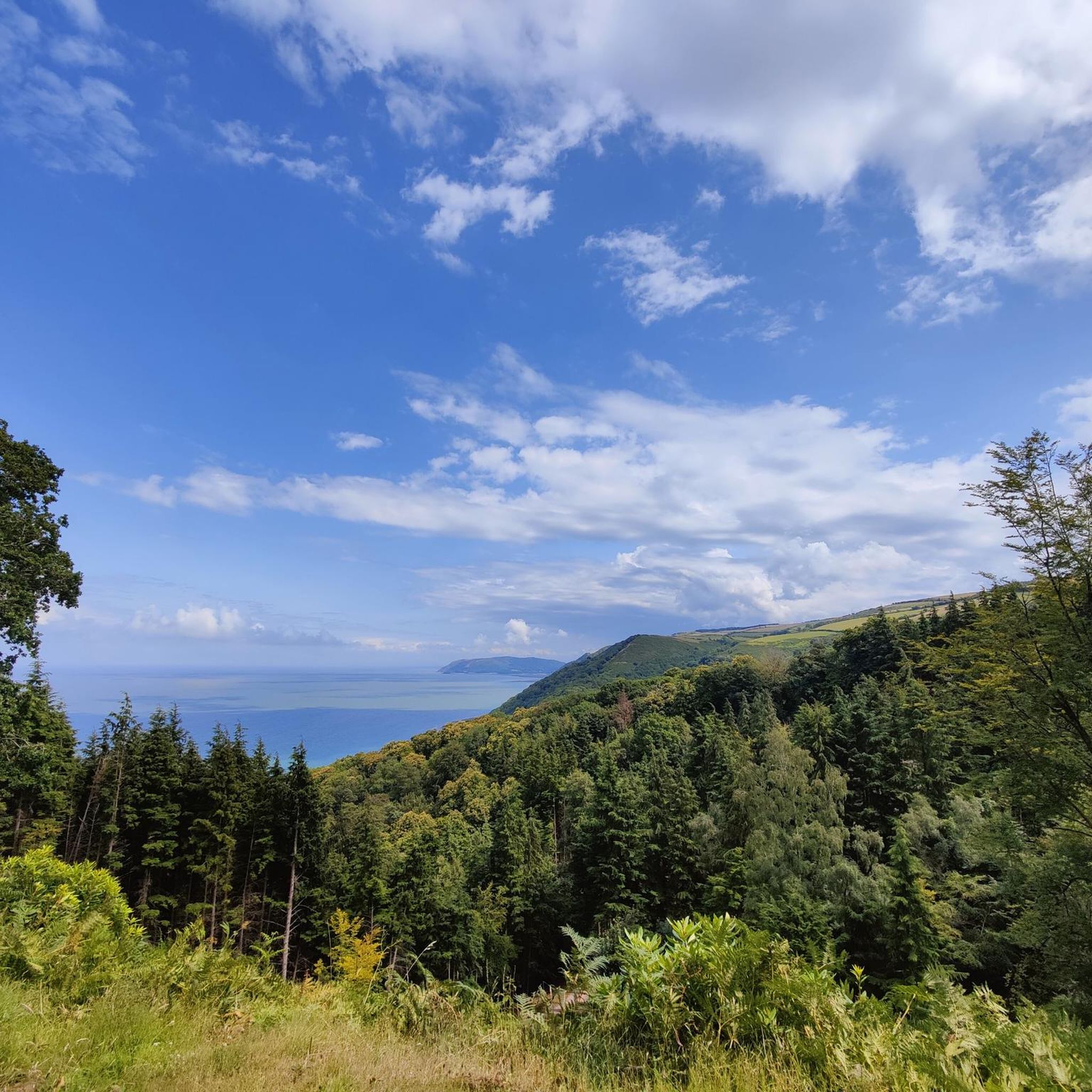
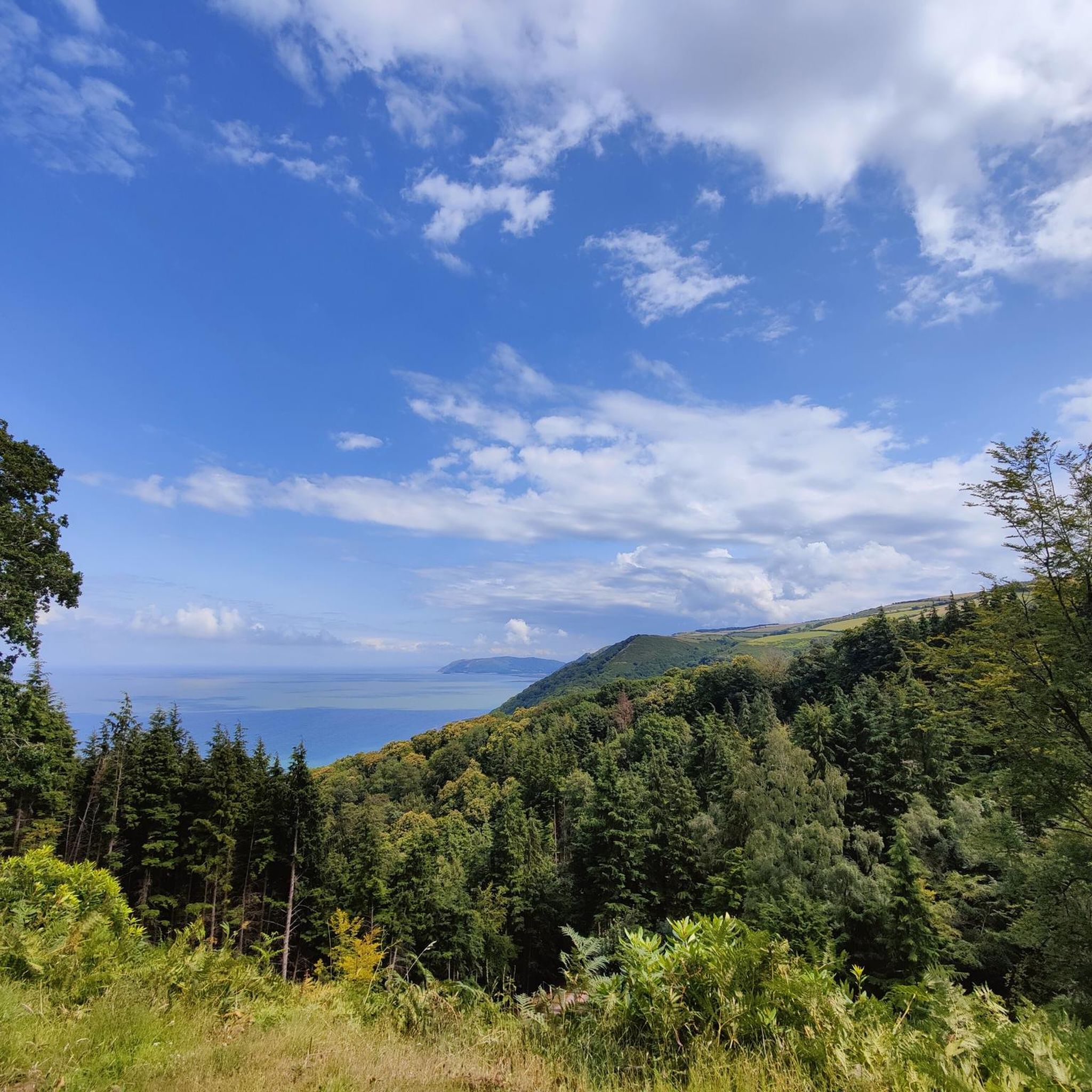
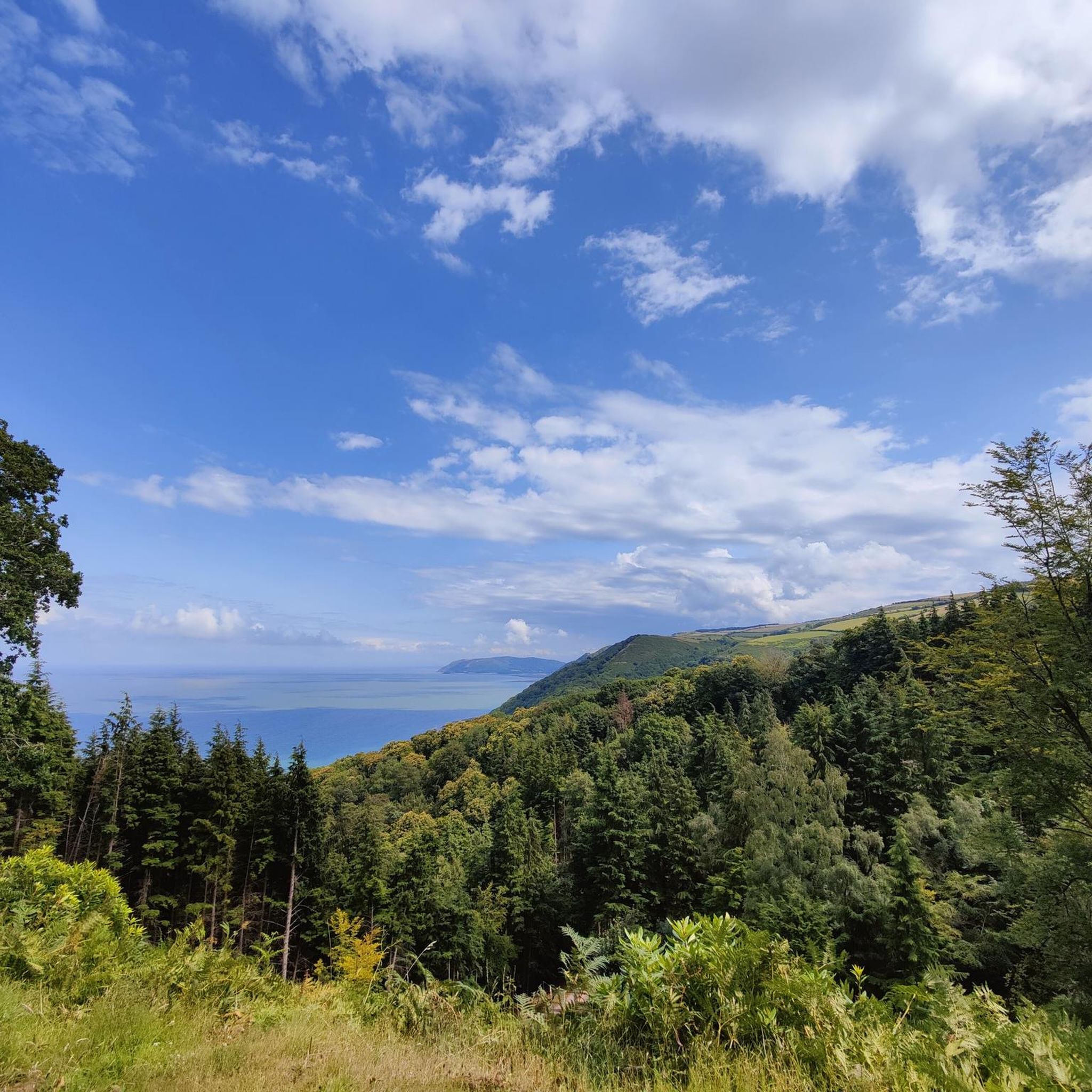
Penryn Bay is a secluded cove located a stone's throw away from the magnificent St Donats Castle and Arts Centre on the Glamorgan Heritage Coast. The bay features a huge slab of rock which makes a great place to sit and gaze across the beautiful Bristol Channel.
1
0
St Fagans is an affluent village situated to the west of Cardiff in South Wales. The village is home to St Fagans National Museum of History, Wales' most popular heritage attraction that beautifully showcases the history of Welsh life. Whilst in St Fagans, a visit to the museum is a must. There are endless fascinating places to discover inside the grounds, including an old sweet shop, a chapel, a Workmen's Institute, a set of traditional cottages laid out in their original style, and a late 16th-century manor house and gardens. It is free to enter the grounds, and you can check out the opening times here https://museum.wales/stfagans/visit/
2
0

A FANTASTIC DAY OUT .Wear COMFORTABLE SHOES 👞. AS A LOT OF WALKING INVOLVED.
1
0

If you are lucky you can buy honey or make jewelry yourself at the small craft market.
0
0

A medieval castle dating from the 13th century previously existed on the site. By 1536 it lay in ruins. By 1563 the site had been sold to a Dr John Gibbon. A new house was built on the site either by Gibbon or by Nicholas Herbert, who bought the site from Gibbon in 1586. Part of the D-shaped medieval boundary fortifications remain, forming a wall around the current house. Sir Edward Lewis of The Van, Caerphilly, bought the house in 1616 and the interior dates partly from then and partly from after 1850, when it became the summer residence of the Windsor-Clive family. The property was part of the estate of the Earls of Plymouth and, in 1833, was inherited by Lady Harriet Clive who proceeded to restore the building. The sequence of terraces in the gardens was created for the Windsor-Clives in 1865–6 and extended in the early 20th century. The house became a convalescent hospital for soldiers during World War I, with the banqueting hall containing a ward of 40 beds. In 1947 the Windsor-Clives gave the house and grounds to the Amgueddfa Cymru - National Museum Wales and the grounds subsequently became the site of the Welsh Folk Museum, now St Fagans National Museum of History. St Fagans Castle became a Grade I listed building in 1977. The lead water cistern in the courtyard of the castle is Grade II* listed, while a number of features in the gardens are listed as Grade II.
2
0
Frequently Asked Questions
What types of historical fortifications can I explore around Llancarfan?
The Llancarfan area offers a diverse range of historical fortifications, from early earthworks like the ringwork and bailey of Llancarfan Castle (Middlecross) to the moated 13th-century fortified manor house of Liege Castle (Castell Moel). You can also find evidence of Roman presence and Iron Age hill forts such as Castle Ditches, showcasing the evolution of defensive architecture over centuries.
Are there any well-preserved castles or mostly ruins?
Many of the sites around Llancarfan are primarily archaeological remains, consisting of earthworks and foundations rather than standing stone castles. However, you can visit more substantial structures like the impressive gatehouse of Llandaff Bishop's Palace Gatehouse, or the notable remnants of St Quentin's Castle, which includes a large, twin-towered gatehouse and a high stretch of curtain wall. St Fagans Castle and Gardens is a well-preserved Elizabethan manor house open for public exploration.
Which castles are suitable for families with children?
Several sites are family-friendly. St Fagans National Museum of History is highly recommended, offering a comprehensive heritage experience with a late 16th-century manor house and gardens. St Fagans Castle and Gardens, an Elizabethan manor house, is also open for families to explore. Llanblethian Village and St Quentin's Castle provides an opportunity to explore castle ruins in a picturesque village setting.
What outdoor activities can I do near these historical sites?
The area around Llancarfan offers various outdoor activities. You can find numerous routes for road cycling, mountain biking, and gravel biking. For instance, there are easy to difficult road cycling routes like the 'Mini Bwlch loop' or mountain biking trails such as the 'Cwm George and Casehill Woods loop'. You can explore more options in the Road Cycling Routes around Llancarfan, MTB Trails around Llancarfan, and Gravel biking around Llancarfan guides.
Are there any natural features or viewpoints near the castles?
While exploring the castles, you can also discover natural beauty. For example, Penryn Bay is a secluded cove located near St Donats Castle, offering a great spot to sit and gaze across the Bristol Channel. Many of the historical sites are set within scenic landscapes, providing opportunities for pleasant walks and views.
What is the best time of year to visit the castles around Llancarfan?
Visiting during spring or autumn often provides pleasant weather for exploring the outdoor archaeological sites and walking trails. The mild temperatures and often clearer skies make for comfortable exploration. Summer can also be good, but sites may be busier. Winter visits are possible, but some areas might be muddy, and daylight hours are shorter.
Are there any Roman or Iron Age sites in the Llancarfan area?
Yes, the area has a long history of strategic importance. Archaeological records indicate a Roman presence, referred to as 'Llancarfan Castle (Roman)'. Additionally, 'Castle Ditches' is a recognized Iron Age hill fort and a Scheduled Ancient Monument, offering insights into prehistoric defensive strategies.
What do visitors enjoy most about the castles and historical sites in Llancarfan?
Visitors appreciate the rich history and the opportunity to glimpse into different periods of defensive architecture. The St Fagans National Museum of History is particularly popular for its comprehensive showcase of Welsh life and its beautiful grounds. The blend of archaeological remains and more preserved structures like manor houses offers a varied historical experience.
Can I find pubs or cafes near these historical sites?
While specific pubs or cafes directly adjacent to every archaeological site are not always available, the villages and towns surrounding Llancarfan, such as Llanblethian, offer local amenities. St Fagans National Museum of History, for instance, includes facilities like an old sweet shop and other amenities within its grounds, providing refreshments for visitors.
Is there public transport available to reach the castles?
Public transport options to some of the more remote archaeological sites might be limited. However, major attractions like St Fagans National Museum of History are generally accessible by public transport from nearby cities like Cardiff. For other sites, a combination of public transport and walking, or private vehicle, might be necessary.
What is the significance of Llancarfan Castle (Middlecross) and Liege Castle (Castell Moel)?
Llancarfan Castle (Middlecross) is significant as an obscure Welsh castle, representing an early form of fortification with its worn-down ringwork and bailey. It offers a glimpse into the Norman period or earlier Welsh defenses.
Liege Castle (Castell Moel or Llancarfan II) is a moated, 13th-century fortified manor house. It's important for understanding later medieval domestic architecture, blending residential comfort with defensive features, typical of the period.
Most popular attractions around Llancarfan

Get inspired with the komoot mobile app


Explore more
Looking for the best castles somewhere else? Discover other guides around Llancarfan:
