Top 5 Castles around City Of Durham
Best castles around City Of Durham offer a blend of historical significance and architectural heritage. The region, situated in County Durham, features a landscape shaped by the River Wear and its tributaries, providing natural defensive positions for many of its historic structures. These sites reflect centuries of history, from Norman fortifications to residences of powerful Prince-Bishops. Exploring these castles provides insight into the area's past and its strategic importance.
Best castles around City Of Durham
- The most popular castles is…
Last updated: August 23, 2026
Durham Castle
Highlight • Castle
Tip by

Lumley Castle
Highlight • Castle
Tip by
Sign up now to discover places like this
Get recommendations on the best single tracks, peaks, & plenty of other exciting outdoor places.
Sign up for free
Auckland Castle and Deer Park
Highlight • Castle
Tip by

Croxdale Hall and Chapel
Highlight • Religious Site
Tip by
Auckland Castle and Deer House
Highlight • Historical Site
Tip by
Sign up for free to discover even more castles around City Of Durham.
Sign up for free
Already have an account?
Start today with a free account
Your next adventure awaits.
Login or Signup
Popular around City Of Durham
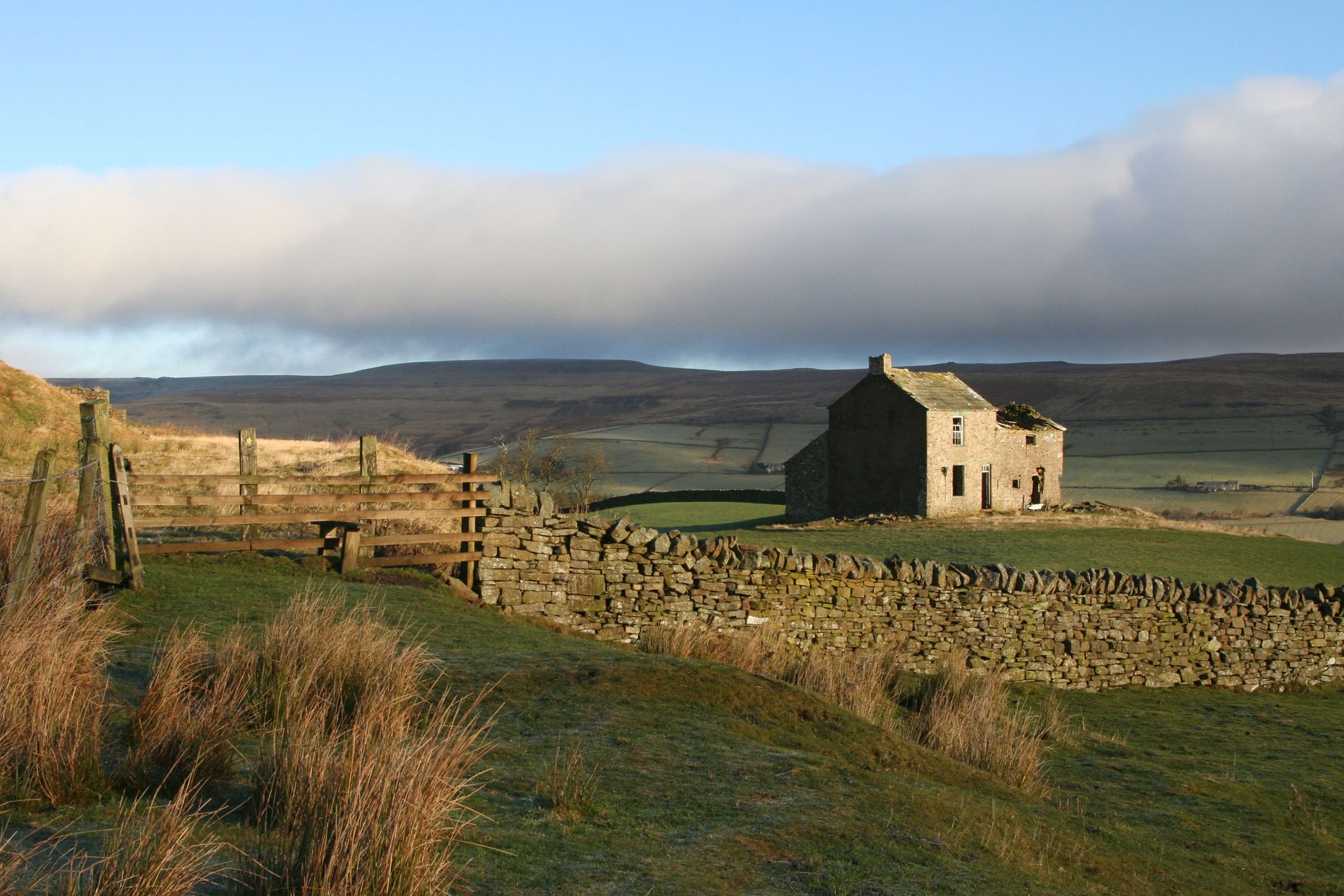
Weardale Way — Hike from the North Sea to the wild Pennines
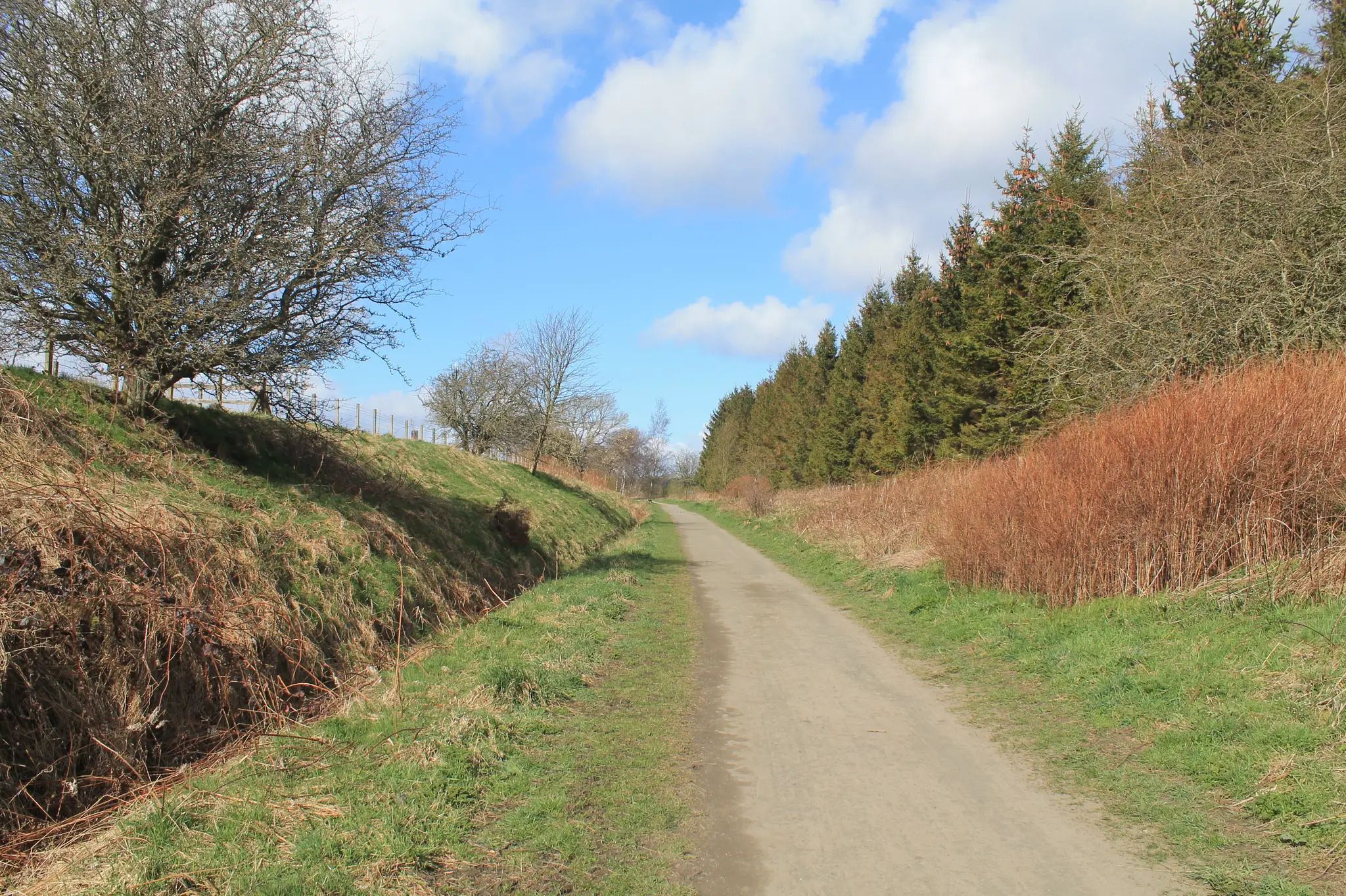
Three Rivers – Spectacular traffic-free riding through the North
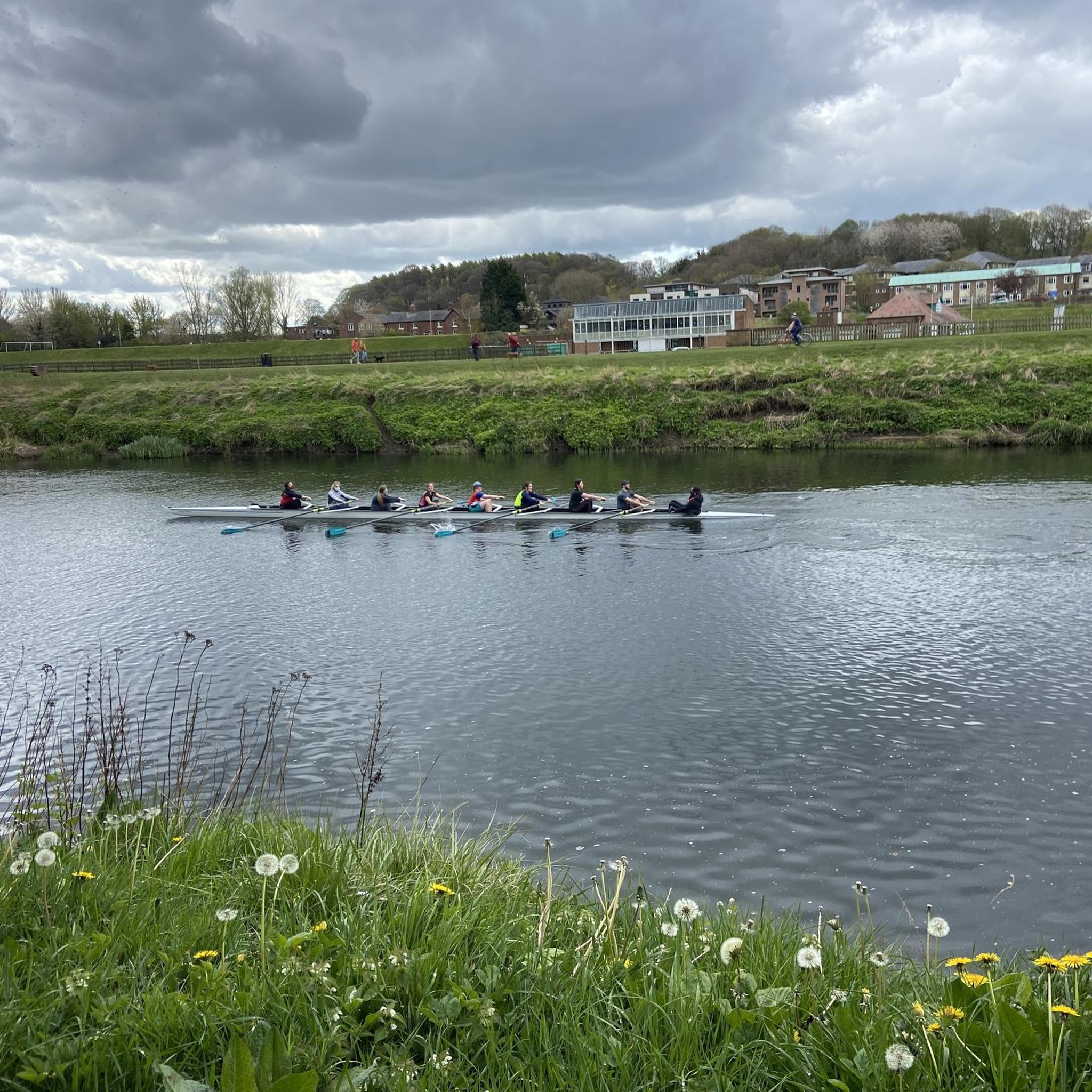
Hiking around City Of Durham
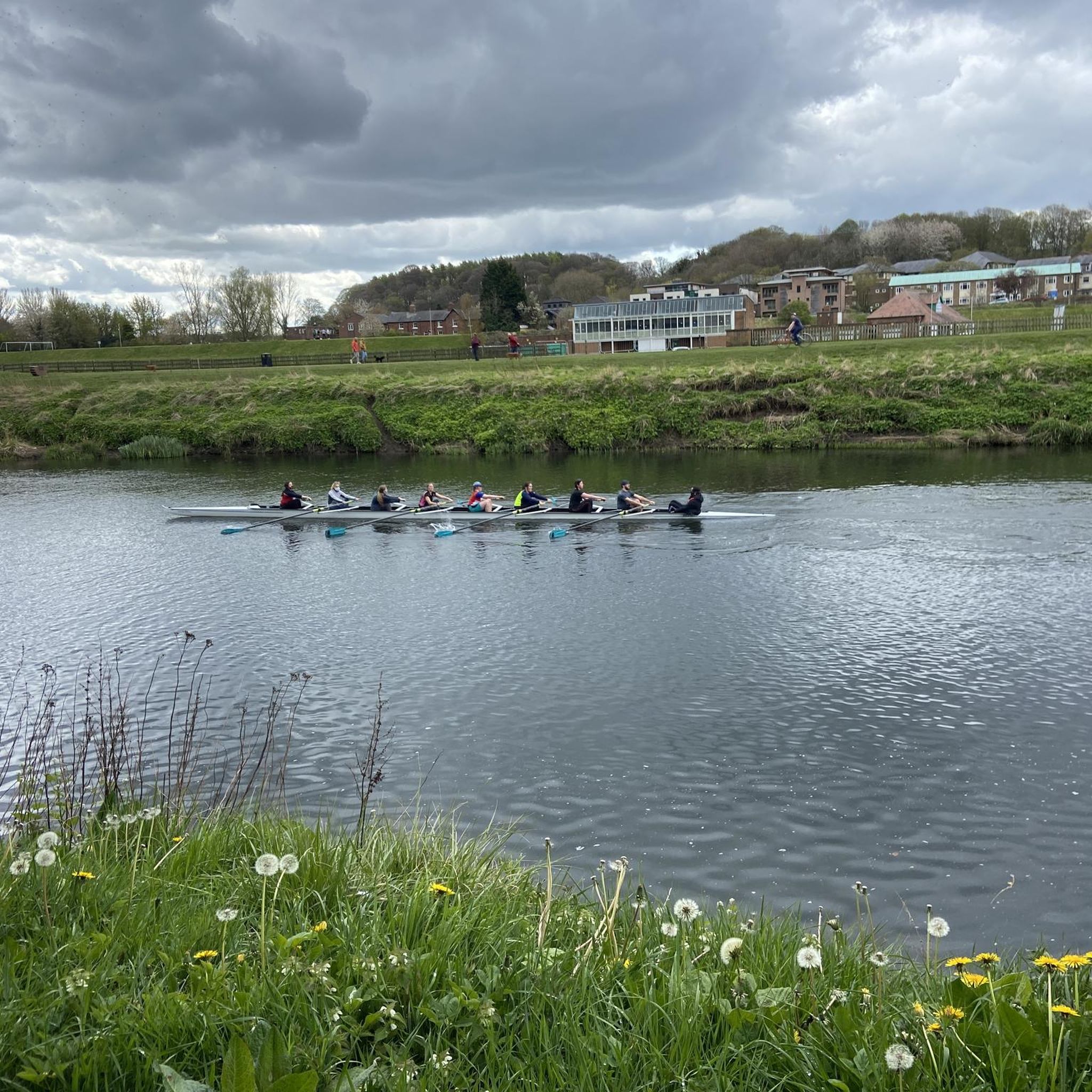
Road Cycling Routes around City Of Durham
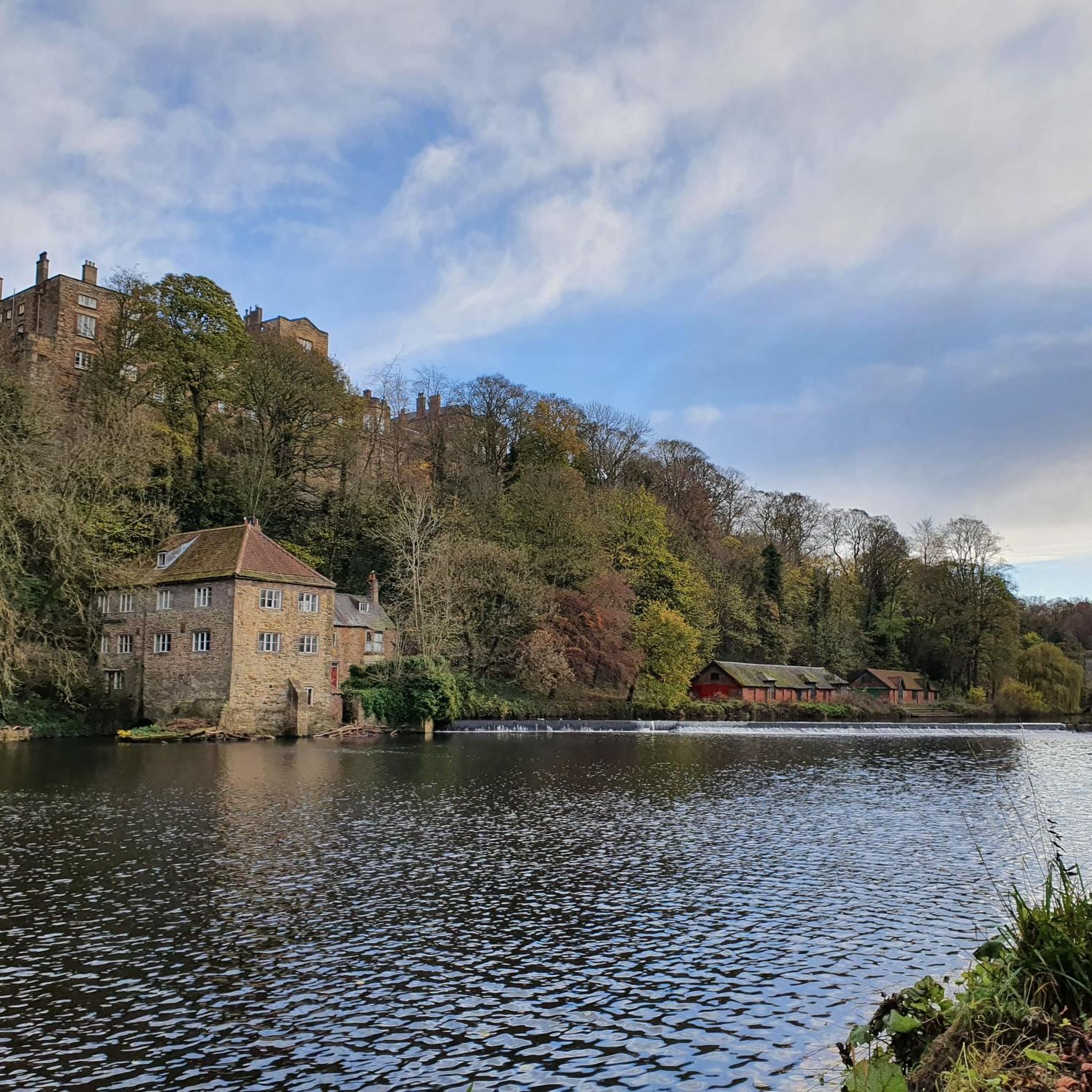
Running Trails around City Of Durham
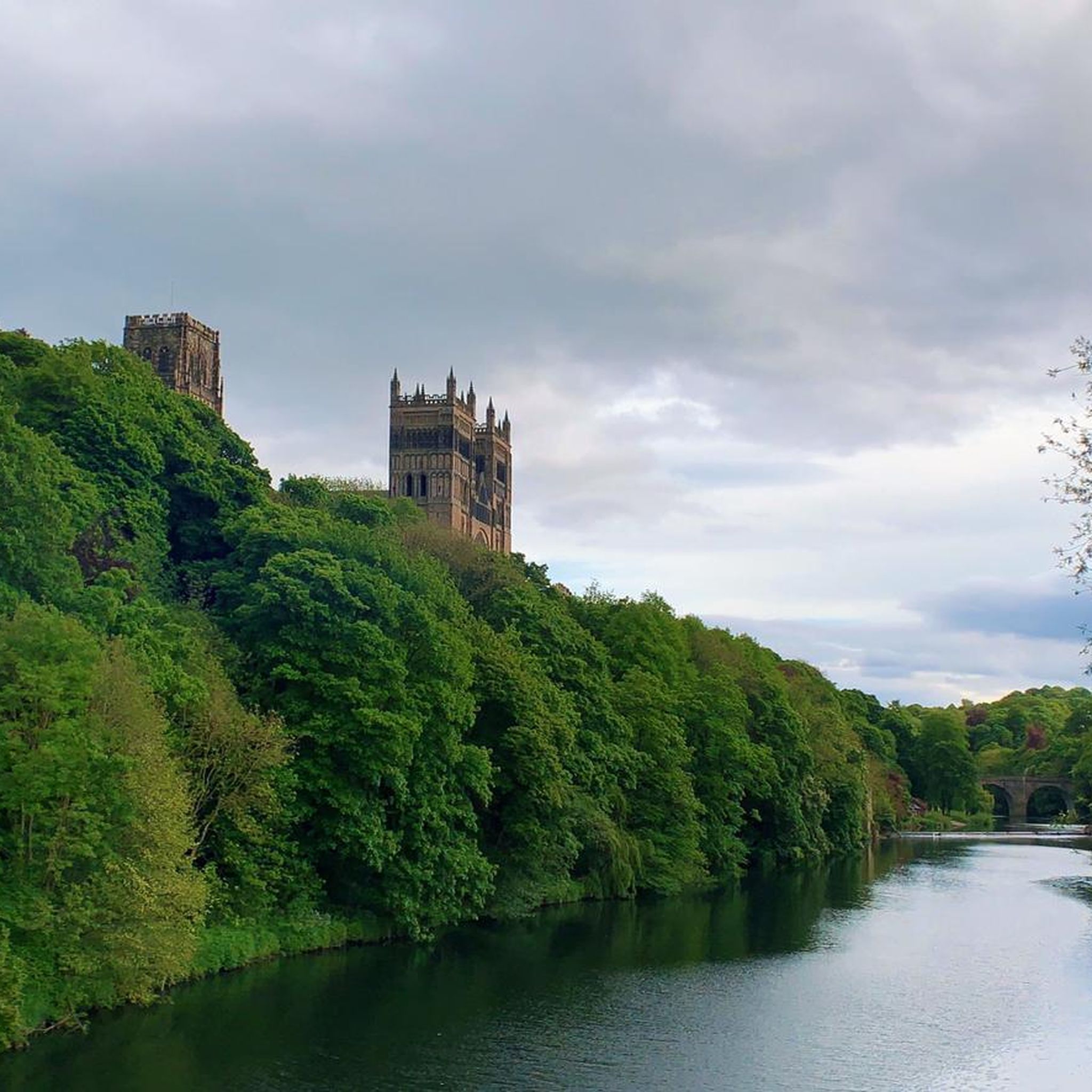
Cycling around City Of Durham

Gravel biking around City Of Durham
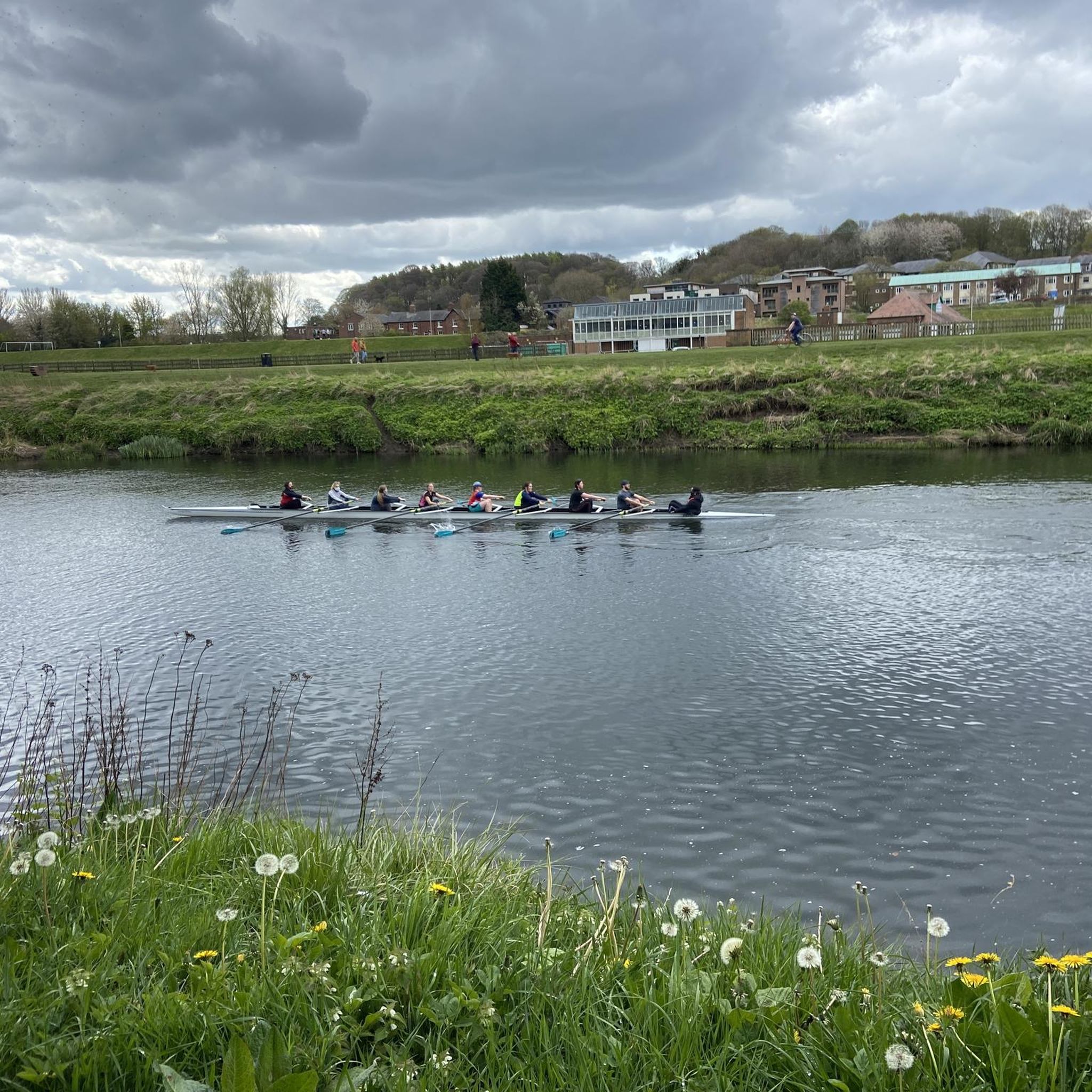
MTB Trails around City Of Durham


Tips from the Community

Lumley Castle is a 14th-century castle in County Durham, England, that has been converted into a 73-bedroom hotel. It overlooks the River Wear and the Durham County Cricket Ground.
0
0
The cathedral was originally constructed to house the relics of St Cuthbert, a beloved Northumbrian saint. His shrine is a significant pilgrimage destination.
0
0

Fantastically beautiful old hotel to spend the night
0
0

The country park in the grounds of Auckland Castle is mostly in the area between the River Wear and the River Gaunless. The castle is the home for the Prince Bishops of Durham. It's open to the public (paid entry) to visit and view over q 1000 years of history. The castle sits in an area of deer park which you can walk through. There is also a deer shelter built in the style of a castle or folly that was designed to provide feeding and shelter for the deer and a place for a picnic for the wealthy residents.
0
0

Donated to the university and now used as student residence. Therefore opening times are limited, but one can get a glimpse into the inner yard when asking friendly.
12
0

Not exactly a castle, history shows it was a manor house with the turrets built later. Good walks in the woods behind the building.
0
0

Right next to the Cathedral is Durham Castle which is now part of the university
4
0

Frequently Asked Questions
What are the most historically significant castles in the City of Durham area?
The region boasts several castles with deep historical roots. Durham Castle, a UNESCO World Heritage Site, dates back to 1072 and served as a Norman fortress and residence for powerful Prince-Bishops. Auckland Castle also served as a primary residence for the Prince-Bishops for over 800 years, housing significant art and architectural features.
Are there any castles in County Durham that are particularly good for families?
Yes, Auckland Castle and Deer Park is a great option, offering extensive parkland and a deer park for exploration. Raby Castle near Staindrop also caters to families with its 200-acre deer park and 'The Plotters' Forest', a woodland adventure playground.
What kind of outdoor activities can I do near the castles in City of Durham?
Many castles are surrounded by beautiful landscapes perfect for outdoor activities. You can find numerous hiking and cycling routes. For example, there are easy hikes like the 'Durham Cathedral & Castle loop' or 'Durham Castle – The Count's House Folly loop'. For more options, explore the easy hikes around City Of Durham guide, or the cycling routes and MTB trails guides for the area.
Which castles offer impressive views or natural features?
Barnard Castle, perched above the River Tees, offers panoramic views of the surrounding countryside. Auckland Castle and Deer Park is set within 800 acres of parkland, including a deer park and landscaped gardens, providing scenic walks and viewpoints.
Can I visit a castle that is still a private residence?
Raby Castle, a magnificent medieval fortress, remains a private home and the seat of the Vane family, who purchased it in 1626. Visitors can explore its largely intact medieval structure, beautiful gardens, and deer park.
What is the best time of year to visit the castles in County Durham?
Spring and summer generally offer the most pleasant weather for exploring the castles and their grounds, with longer daylight hours and blooming gardens. However, autumn provides stunning foliage, and some castles like Auckland Castle are open year-round, offering unique experiences even in winter, such as exploring the Faith Museum.
Are there any castles that have been converted into hotels?
Yes, Lumley Castle, a 14th-century Grade I-listed building, operates as a 73-bedroom hotel. It also hosts weddings and events, offering a unique stay experience.
What unique architectural features can I expect to see at these castles?
Durham Castle features a Norman Chapel from 1078, the oldest standing building in Durham City. Auckland Castle boasts St Peter's Chapel, one of Europe's largest private chapels, combining Gothic and Baroque styles. Raby Castle is notable for its formidable medieval towers and the four-storey Neville Gateway.
What do visitors enjoy most about the castles in the City of Durham area?
Visitors frequently appreciate the rich history and architectural beauty of these sites. The continuous occupation of Durham Castle, the internationally significant art collection at Auckland Castle, and the well-preserved medieval structure of Raby Castle are often highlighted. The scenic locations and opportunities for walks in the surrounding parklands are also popular.
Are there any castles with connections to famous historical figures?
Yes, Durham Castle was built under William the Conqueror. Barnard Castle was later owned by Richard of Gloucester, who became Richard III, and his white boar emblem is carved there. Raby Castle was the birthplace of Cecily Neville, mother of Kings Edward IV and Richard III.
How can I get to Durham Castle using public transport?
Durham Castle is centrally located in Durham City, making it accessible by public transport. Durham train station is a short walk away, and numerous bus routes serve the city centre. For detailed public transport information, it's best to check local bus and train schedules.
Are there any hidden gem castles in County Durham worth exploring?
While not a traditional castle, Croxdale Hall and Chapel is a privately owned, Grade I-listed mansion with a disused 12th-century chapel. It's a fine sight for walkers on the Weardale Way long-distance trail, offering a glimpse into historic architecture off the main tourist path.
Most popular routes around City Of Durham
Most popular attractions around City Of Durham

Get inspired with the komoot mobile app


Explore more
Looking for the best castles somewhere else? Discover other guides around City Of Durham:
