Top 6 Castles around Pegswood
Best castles around Pegswood are found in Northumberland, a county known for its historical fortresses. Pegswood itself is a village situated within this region, offering access to several notable castles within a short distance. The area provides a rich historical landscape, with various fortresses showcasing centuries of architectural and strategic development. Visitors can explore a range of historical sites near Pegswood Northumberland, from well-preserved ruins to restored structures.
Best castles around Pegswood
- The most popular castles is Bothal Castle,…
Last updated: October 16, 2026
Bothal Castle
Highlight • Viewpoint
Tip by

St Mary Magdalene Church
Highlight • Other
The parish church dates back to the late 12th century and was remodeled in the 13th century, likely after the village was burned by King John …
Tip by

Sign up now to discover places like this
Get recommendations on the best single tracks, peaks, & plenty of other exciting outdoor places.
Mitford Castle Ruins
Highlight • Castle
Mitford Castle dates back to the late 12th century, initially documented in 1138. It served various strategic roles, including being seized by King John in 1215 and later occupied …
Tip by
Cockle Park Tower
Highlight • Castle
morpethherald.co.uk/news/mysteries-and-theories-about-the-tower-1-8287970
photos from castleuk.net/castle_lists_north/81/cockle2.html
Tip by

Creswell Pele Tower
Highlight • Monument
Tip by
Sign up for free to discover even more castles around Pegswood.
Already have an account?
Start today with a free account
Your next adventure awaits.
Tips from the Community

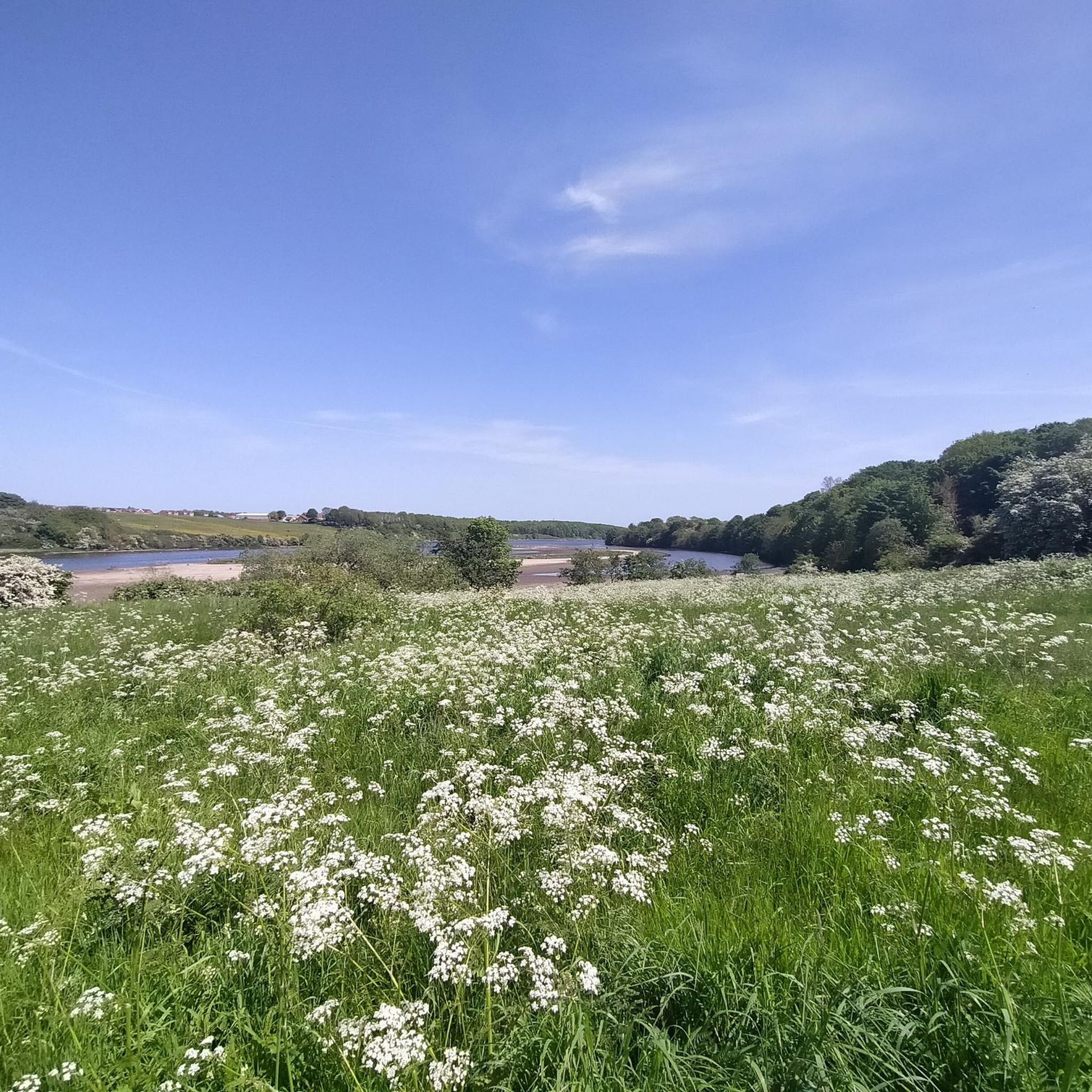
Fantastic views of the Bothal Castle ruin from the village of Bothal (old English for dwelling). Well worth a stop to take in the magnificent castle, though be warned, you're in a bit of a dip, so it's a climb out from both sides.
1
0

Bothal Castle is an impressive building with a rich history. It was originally built in the12th century, but transformed into its current form in 1343. It's a private residence, and therefore not accessible to the public.
0
0

History: Mitford Castle dates back to the late 12th century, initially documented in 1138. It served various strategic roles, including being seized by King John in 1215 and later occupied by the Scots. By 1323, it was abandoned due to extensive damage. The site includes a motte and bailey, with the motte later converted into a shell keep—a rare type of Norman fortification with only about 60 known examples in Britain. Exterior: Situated on a hillock above the River Wansbeck, the castle's remains include a substantial earthen motte and a surrounding ditch. An oval bailey, defended by a series of outworks and ditches, occupies the summit of the hill. The southern half of the bailey features remnants of a curtain wall, enclosing an outer ward, while the northern half retains an earthen bank. Interior: Within the shell keep are the remains of a central tower from the early 13th century, divided into two barrel-vaulted chambers likely used for water storage. Foundations of earlier structures are also present. Adjacent to the shell keep are the ruins of a 12th-century chapel and associated graveyard, adding to the site's historical significance. The well-preserved earthworks and stone structures provide valuable insights into medieval defensive architecture.
1
0
History of the Church: The parish church dates back to the late 12th century and was remodeled in the 13th century, likely after the village was burned by King John in 1216. The 14th century saw the addition of transepts. Major restoration and the addition of a south aisle, west tower, clerestory, and porch were carried out by R.J. Johnson of Newcastle in 1874-5. Exterior: The church features a mix of medieval squared stone and 19th-century ashlar with red tile roofs. Key elements include a west tower with an octagonal southwest stair turret, a south aisle with stepped angle buttresses and lancet windows, and a projecting southwest porch. The north nave wall has 13th-century masonry and a blocked door. The chancel’s south wall includes a 12th-century priest’s door and lancet windows, while the transepts have trefoiled ogee lights. Interior: Inside, the 12th-century south arcade features round moulded arches on round piers with scalloped capitals. The north transept and south transept have foliage-carved capitals and a small piscina, respectively. The chancel arch and tower arch are 19th-century, and the chancel includes triple sedilia and eastern lancets with 12th-century outer shafts. Fittings include a 1622 Revely monument, a Romanesque wall monument, a medieval bell, and various 19th-century items like the font, pulpit, and reredos with figures of Saints Aidan and Cuthbert.
0
0
Built in the late 1300's by the Creswell family to defend against attacks from Border Reivers. The tower has been restored 2019-20 and is open to the public.
0
0
Bothal is a small village in Northumberland, England, known for its historical landmarks and rural charm. The village features Bothal Castle, a well-preserved privately-owned medieval castle from the 14th century. The Church of Saint Andrew, a parish church with Norman architecture dating back to the 12th century, is another notable attraction. Bothal also offers picturesque countryside for outdoor activities such as walking, cycling, and fishing along the River Wansbeck. Visitors can enjoy exploring the village's historical sites and taking in its natural beauty.
0
0

Not open to the public but some excellent views from the outside.
0
0

Frequently Asked Questions
What are the main castles to visit directly around Pegswood?
Directly around Pegswood, you can explore Bothal Castle, which offers fantastic views of its impressive ruins from the village. Another notable site is Creswell Pele Tower, a restored 14th-century defensive structure open to the public. Additionally, the Mitford Castle Ruins provide insights into medieval defensive architecture with its well-preserved earthworks.
Are there other significant castles in Northumberland worth visiting near Pegswood?
Yes, Northumberland is rich in historical fortresses. Beyond the immediate vicinity of Pegswood, you can visit Morpeth Castle, whose gatehouse has been restored by The Landmark Trust and is available for accommodation. Further afield, but popular regional attractions, include Alnwick Castle (known for Harry Potter filming), Bamburgh Castle (a large inhabited castle on a rocky plinth), and Warkworth Castle (an impressive 12th-century fortress).
Are there family-friendly castles around Pegswood?
Yes, several castles and historical sites near Pegswood are suitable for families. Mitford Castle Ruins are described as brilliant for families, offering a short walk and historical exploration. Creswell Pele Tower, a restored defensive tower, is also categorized as family-friendly and provides an engaging historical experience.
What kind of historical sites can I find near Pegswood, beyond just castles?
Besides castles, the area around Pegswood offers other significant historical sites. For example, St Mary Magdalene Church dates back to the late 12th century and features a mix of medieval and 19th-century architecture. These sites provide a broader historical context to the region's past.
What do visitors enjoy most about the castles around Pegswood?
Visitors particularly appreciate the historical significance and picturesque settings of the castles. For instance, the views of Bothal Castle from the village are highly praised. The well-preserved earthworks and stone structures of Mitford Castle Ruins offer valuable insights into medieval architecture, making them a favorite for those interested in history.
Are there any hidden gem castles or lesser-known historical sites in the area?
While not a hidden gem in the traditional sense, Cockle Park Tower is a less prominent historical site, described as a hunting lodge that is hard to spot. Its unique character makes it an interesting discovery for those looking beyond the main attractions.
What outdoor activities can I do near the castles around Pegswood?
The area around Pegswood offers various outdoor activities. You can find numerous cycling routes, such as the 'Tynemouth and Blyth loop from Morpeth' or the 'Morpeth to Druridge Bay Country Park loop'. For mountain biking, there are trails like the 'Mitford Castle and Church – Muddy Rural Path loop'. Running enthusiasts can explore routes like the 'Stobsford Footbridge – Robin of Pegswood Sculpture loop'. You can find more details on these activities in the cycling, MTB, and running guides for Pegswood.
What is the best season to visit castles in Northumberland?
Northumberland's castles can be enjoyed year-round, but each season offers a different experience. Spring and summer provide pleasant weather for exploring outdoor ruins and castle grounds. Autumn brings beautiful foliage, while winter visits can offer a dramatic, less crowded atmosphere, though some attractions might have reduced opening hours. Always check specific castle websites for current opening times, especially during off-peak seasons.
Are there public transport options to reach castles near Morpeth?
While specific public transport details for each castle are not provided here, Morpeth is a well-connected town. Visitors often use local bus services or taxis from Morpeth to reach nearby attractions. For major regional castles like Alnwick or Bamburgh, dedicated bus routes or tour operators might be available from larger towns. It's advisable to check local transport schedules for the most up-to-date information.
Where can I find more general information about castles in Northumberland?
For broader information about the many castles throughout Northumberland, including details on opening times, events, and accessibility, you can visit the official tourism website for the region: visitnorthumberland.com.
Can I find parking at the castles near Pegswood?
While specific parking details for every castle are not listed, most popular historical sites and attractions in Northumberland, especially those designed for visitors, typically offer designated parking areas or nearby public parking. For privately owned sites like Bothal Castle, you would typically park in the village and view the ruins from a distance. It's always recommended to check the specific castle's website or local information for parking availability before your visit.
Most popular attractions around Pegswood

Get inspired with the komoot mobile app


Explore more
Looking for the best castles somewhere else? Discover other guides around Pegswood:
