Top 5 Caves around Quatt Malvern
Best caves around Quatt Malvern are found within the broader region, which features a variety of geological and historical subterranean sites. While Quatt Malvern itself is a village parish, the surrounding area offers unique rock-cut dwellings, Civil War-era tunnels, and man-made caverns. These sites provide insight into historical ways of life and significant regional events. The landscape is characterized by sandstone cliffs and ancient geological formations, offering diverse exploration opportunities.
Best caves around Quatt Malvern
- The most popular caves is…
Last updated: August 23, 2026
Kinver Edge
Highlight • Historical Site
Tip by

Lavington's Hole
Highlight • Cave
Tip by

Sign up now to discover places like this
Get recommendations on the best single tracks, peaks, & plenty of other exciting outdoor places.
Sign up for free
Holly Austin Rock Houses
Highlight • Natural Monument
Tip by

Vale's Rock (Crow's Rock)
Highlight • Structure
Vale's Rock, also known as Crow's Rock, later turned into a house on two levels. It is thought that the last tenant was Jack Leyland, who lived there until the early 1960
Tip by

Nanny's Rock and Cliff Edge View
Highlight • Viewpoint
Tip by

Start today with a free account
Your next adventure awaits.
Login or Signup

Other adventures around Quatt Malvern

Tips from the Community

If you see the castle ruins, you also need to see Lavington's Hole, where Cromwell's troops piled gunpowder and threatened to destroy the town above - forcing it's surrender.
0
0


📌 Vale's Rock Vale's Rock, also known as Crow's Rock, later turned into a house on two levels. It is thought that the last tenant was Jack Leyland, who lived there until the early 1960
1
0

Nanny's Rock, a large cavern with five compartments which was apparently never converted into a house. For many years it was known as 'Meg-o-Fox-Hole'; the parish register records the death on 8 June 1617 of one 'Margaret of the fox earth' who may have lived there.
0
0


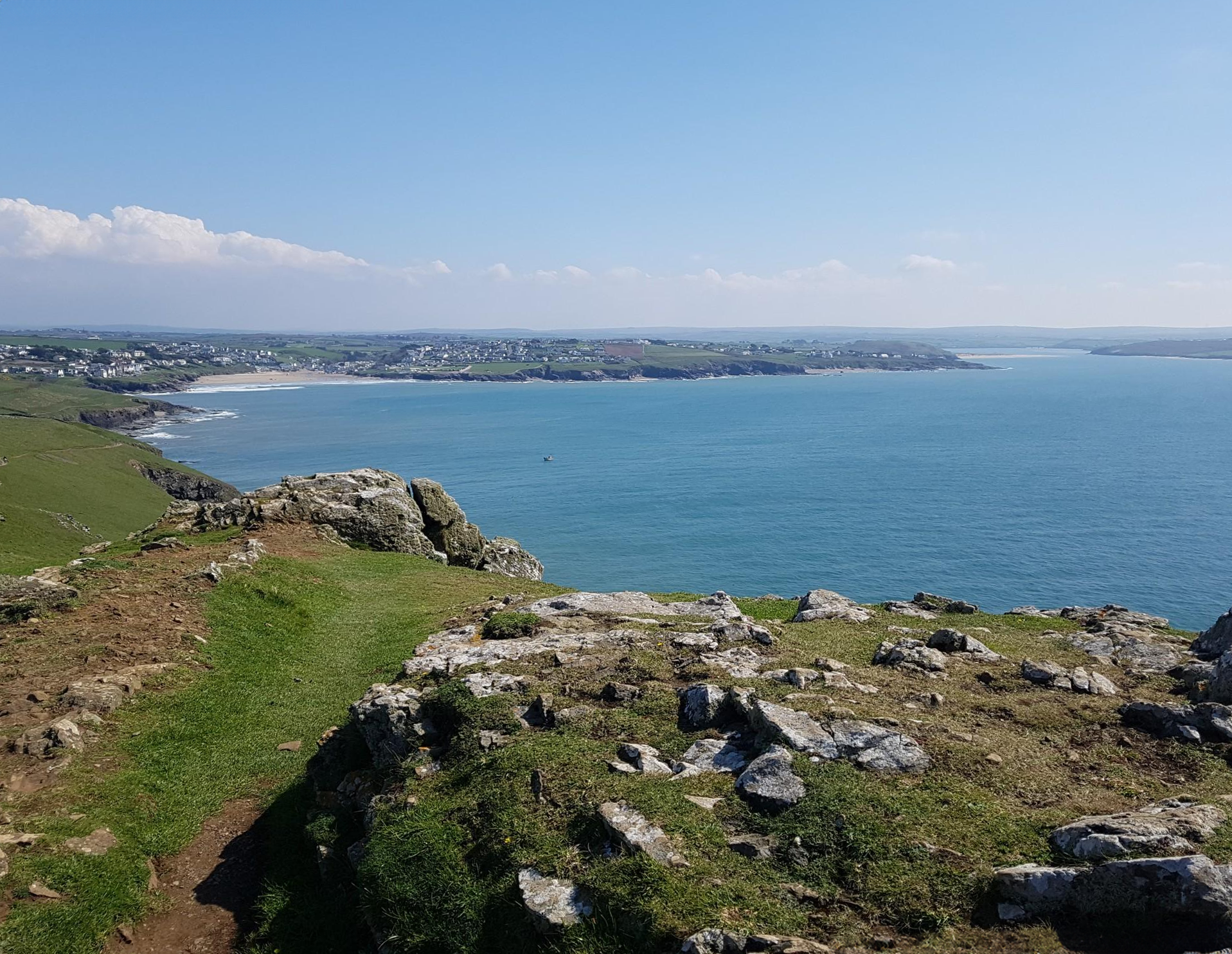
Great walks. Different routes for everyone. We did cliff edge with our one year old in December.
0
0

Lavington's Hole is a Civil War-aged tunnel in the town of Bridgnorth, Shropshire. Several caves known as the Hermitage Caves also exist near the tunnel, dug out during the Saxon era by Alfred the Great's grandson. Lavington's Hole is a Civil War tunnel dug into the sandstone cliffs that underpin Bridgnorth Castle. The tunnel was built under the direction of a Parliamentarian engineer named Colonel Lavington. HISTORY The 12th-century fortress of Bridgnorth Castle stands on red sandstone cliffs high above the River Severn. The base of the cliffs is riddled with caves and tunnels, some of which have been used as dwellings. Bridgnorth supported the Royalist cause during the Civil War and a large number of Royalist soldiers were garrisoned in the town. Oliver Cromwell sent a Parliamentarian army to take the town, forcing the Royalists to fall back into the castle. Caves along the cliff face Three weeks of bombardment failed to force the castle defenders into submission, so the Parliamentary commanders tried a new strategy. Knowing that the Royalists had stored their gunpowder in St Mary's Church at the top of the cliffs, a team of men under an engineer named Colonel Lavington began to dig a 70-foot tunnel into Castle Hill, hoping to undermine the church and blow up the gunpowder store. The castle defenders would have heard the sound of their enemy's picks under their feet, which perhaps accounts for the fact that they surrendered before Lavington's men had finished the tunnel. The tunnel entrance is on Underhill Street (the B4363) a short stroll south of Bridgnorth Bridge. The entrance is protected by a cast-iron gate for safety reasons, so you can't enter the tunnel itself, but you can look through the grill to get a sense of the scale of the tunnel. The opening is 14 feet across, 18 feet deep, and 19 feet high (roughly 4.3m x 5.5m x 5.8m). Lavington's tunnel extends 69 feet (21m) from this opening.
0
0

Yeah - If you are here - You went wrong! Wicked View though!
0
0
Frequently Asked Questions
What makes the caves around Quatt Malvern unique?
The region around Quatt Malvern offers a diverse range of cave-like attractions, from ancient rock-cut dwellings to Civil War-era tunnels and man-made caverns. These sites provide a fascinating glimpse into historical ways of life and significant regional events, set within landscapes of sandstone cliffs and ancient geological formations.
Are there any historical cave dwellings I can visit?
Yes, the Holy Austin Rock Houses at Kinver Edge are a prime example. These unique rock-cut dwellings were inhabited until the 1960s and are now managed by the National Trust, offering insight into Victorian and 1930s life. Other unrestored rock houses like Vale's Rock and Nanny's Rock can also be seen along walking trails at Kinver Edge.
What is Lavington's Hole and its historical significance?
Lavington's Hole in Bridgnorth is a Civil War-era tunnel dug by Parliamentarian forces in 1646. Their intent was to tunnel under St Mary's Church to blow up Royalist gunpowder during the siege of Bridgnorth Castle. While you cannot enter the tunnel itself for safety reasons, you can look through the protective grill to appreciate its scale and historical context. You can learn more about its history on Wikipedia.
Are there family-friendly cave attractions near Quatt Malvern?
The Holy Austin Rock Houses are considered family-friendly. They offer an engaging historical experience with restored dwellings and a tea-room, making it suitable for visitors of all ages. The surrounding Kinver Edge also provides walking trails.
What kind of natural features can I expect to see at these sites?
At Kinver Edge, you'll find a high sandstone ridge with heathland and ancient hill forts, offering dramatic views. Giant's Cave in the Malvern Hills is excavated into ancient pillow lavas, rare geological formations from an underwater volcanic eruption nearly 600 million years ago, with some rounded 'pillow' shapes still visible near the entrance.
Can I explore caves in the Malvern Hills?
Yes, the Malvern Hills are home to Giant's Cave (also known as Clutter's Cave or Hermit's Cave). This man-made cavern is nestled into the western slopes and offers a blend of natural beauty and historical mystique. It's a key point of interest for hikers exploring the Malvern Hills, providing stunning panoramic views of the Herefordshire countryside from the ridge above.
What outdoor activities can I do near these cave attractions?
The areas around these cave attractions offer various outdoor activities. Near Holy Austin Rock Houses and Kinver Edge, you can find gravel biking and road cycling routes. For example, explore the 'Red House Glass Cone – Blowers Green Pump House loop from Kinver' for gravel biking or 'Kinver Village Centre – Holly Austin Rock Houses loop from Alveley' for road cycling. The Malvern Hills, where Giant's Cave is located, are excellent for hiking. You can find more routes in the Gravel biking around Quatt Malvern, Road Cycling Routes around Quatt Malvern, and Running Trails around Quatt Malvern guides.
Are there any cafes or refreshments available near the cave sites?
Yes, the Holy Austin Rock Houses at Kinver Edge have a tea-room on site, continuing a tradition from the early 20th century when inhabitants served teas to visitors. This provides a convenient spot for refreshments during your visit.
What do visitors enjoy most about the caves around Quatt Malvern?
Visitors particularly appreciate the unique historical insights offered by sites like the Holy Austin Rock Houses and Lavington's Hole. The dramatic views and natural beauty of locations like Kinver Edge and the Malvern Hills are also highly rated, combining physical activity with rich history and stunning scenery.
Do I need a permit to visit these cave attractions?
Generally, permits are not required for public access to these specific cave attractions. The Holy Austin Rock Houses are managed by the National Trust and are open to visitors, typically requiring an entrance fee. Lavington's Hole is viewable from the outside, and Giant's Cave in the Malvern Hills is accessible via public walking trails.
Are there any less-known or 'hidden gem' cave-like features in the area?
Beyond the main attractions, you can explore other unrestored rock houses at Kinver Edge, such as Vale's Rock (Crow's Rock) and Nanny's Rock. These offer a glimpse into the area's unique history of rock-cut dwellings. Giant's Cave in the Malvern Hills also holds a certain mystique with its debated origins and folklore.
What is the best time of year to visit the caves around Quatt Malvern?
The best time to visit these cave attractions largely depends on your preference for outdoor activities. Spring and autumn generally offer pleasant weather for exploring the walking trails at Kinver Edge and the Malvern Hills. Summer is also suitable, though it can be busier. The historical sites like Holy Austin Rock Houses and Lavington's Hole can be visited year-round, though access to surrounding trails might be affected by winter weather.
Most popular routes around Quatt Malvern
Most popular attractions around Quatt Malvern

Get inspired with the komoot mobile app


Explore more
Extend your search for the best caves by checking out these guides of the top ones around Quatt Malvern:
