Top 5 Castles around Ovington
Best castles around Ovington are found in a region rich with historical structures, particularly in County Durham and Northumberland. This area is known for its Norman castles, fortified manor houses, and medieval ruins. Less than a mile west of Ovington, remnants of an Iron Age hillfort, Cockshot Camp, also offer historical context. The landscape provides a backdrop for exploring centuries of English history through its diverse architectural heritage.
Best castles around Ovington
- The most popular castles is Beaufront Castle Gatehouse…
Last updated: October 16, 2026
Beaufront Castle Gatehouse
Highlight • Historical Site
Translated by Google •
Tip by

Aydon Castle
Highlight • Historical Site
Tip by

Sign up now to discover places like this
Get recommendations on the best single tracks, peaks, & plenty of other exciting outdoor places.
Bywell Castle
Highlight • Historical Site
Tip by
Dilston Physic Garden
Highlight • Natural
Tip by

Aydon Castle and Countryside Views
Highlight (Segment) • Castle
Tip by
Start today with a free account
Your next adventure awaits.
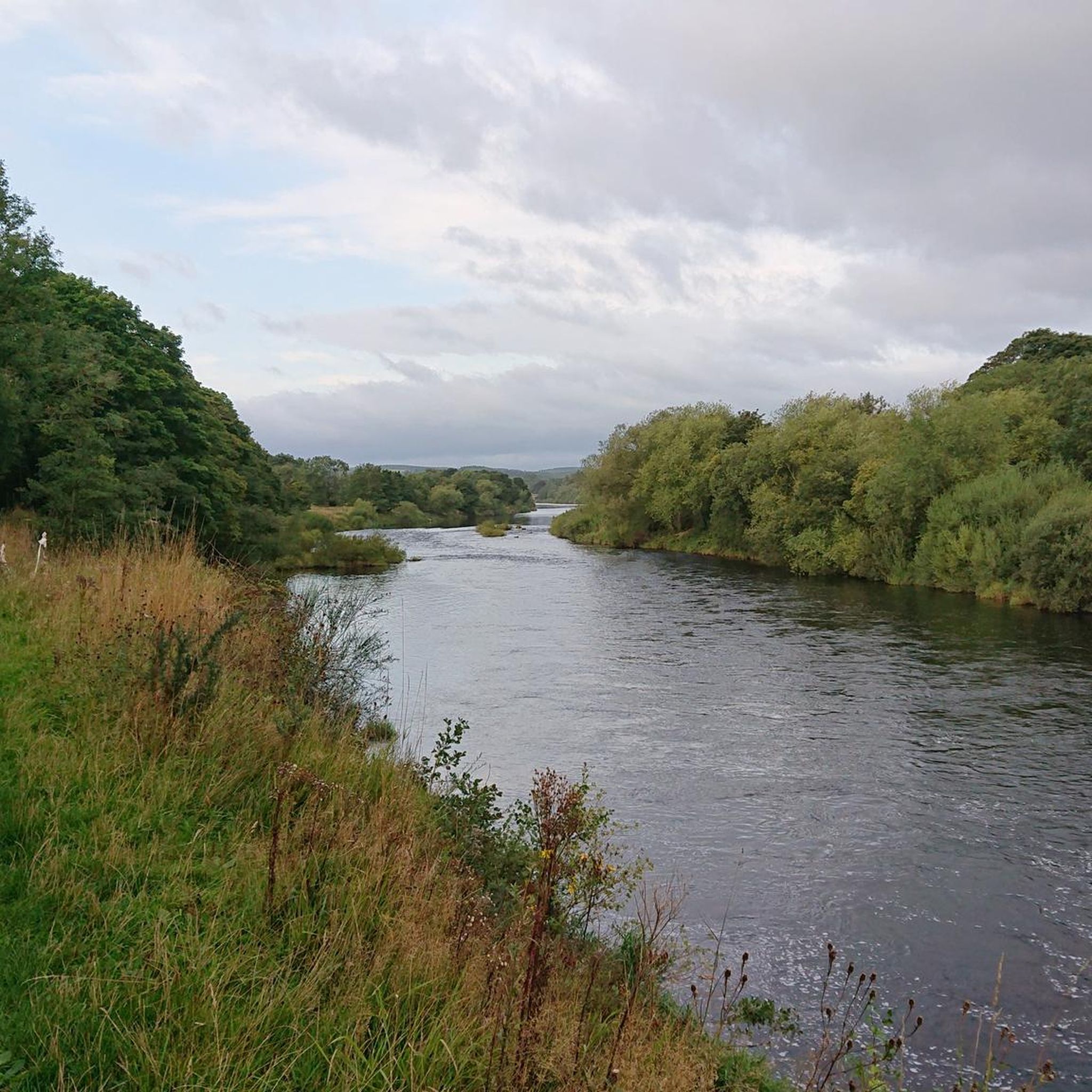
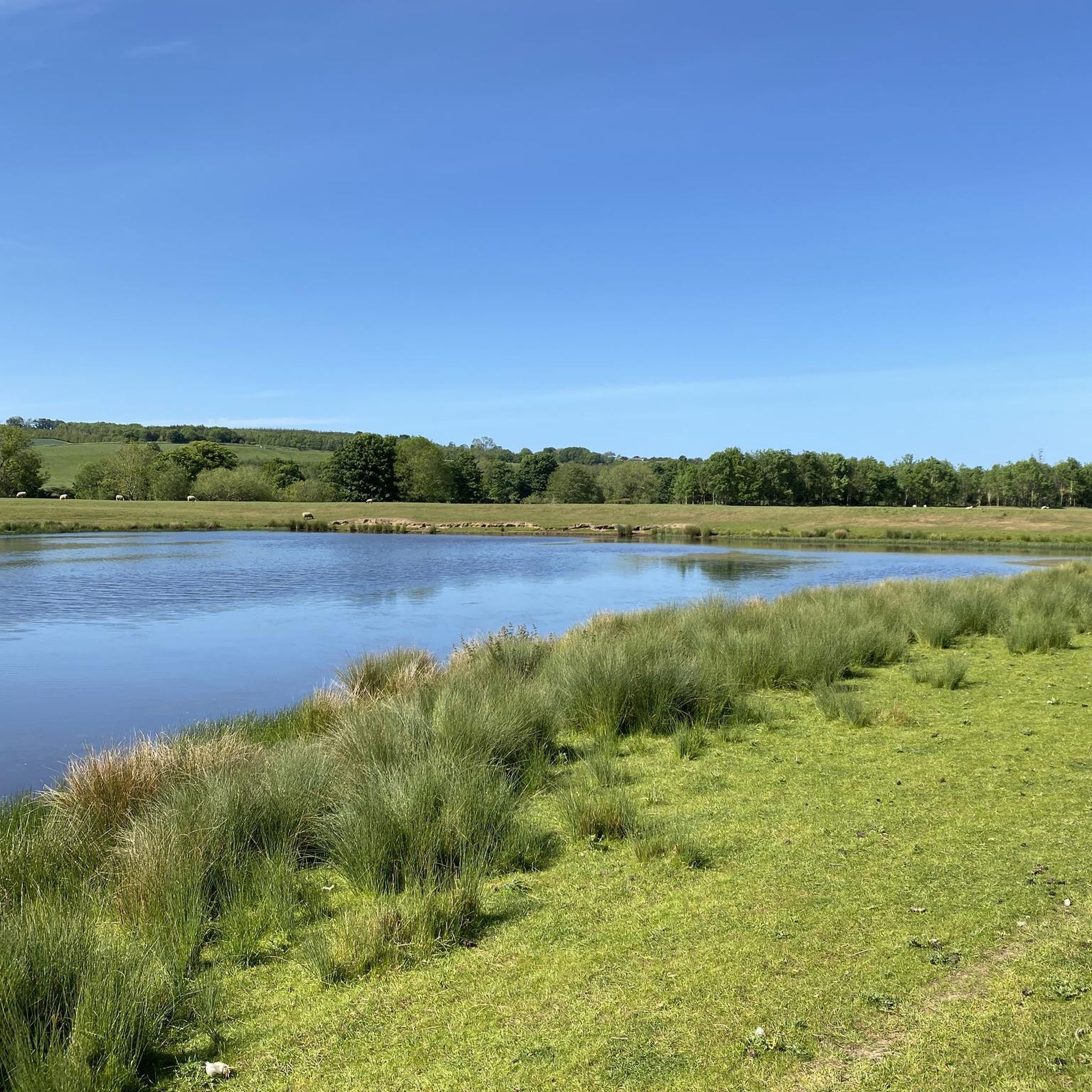
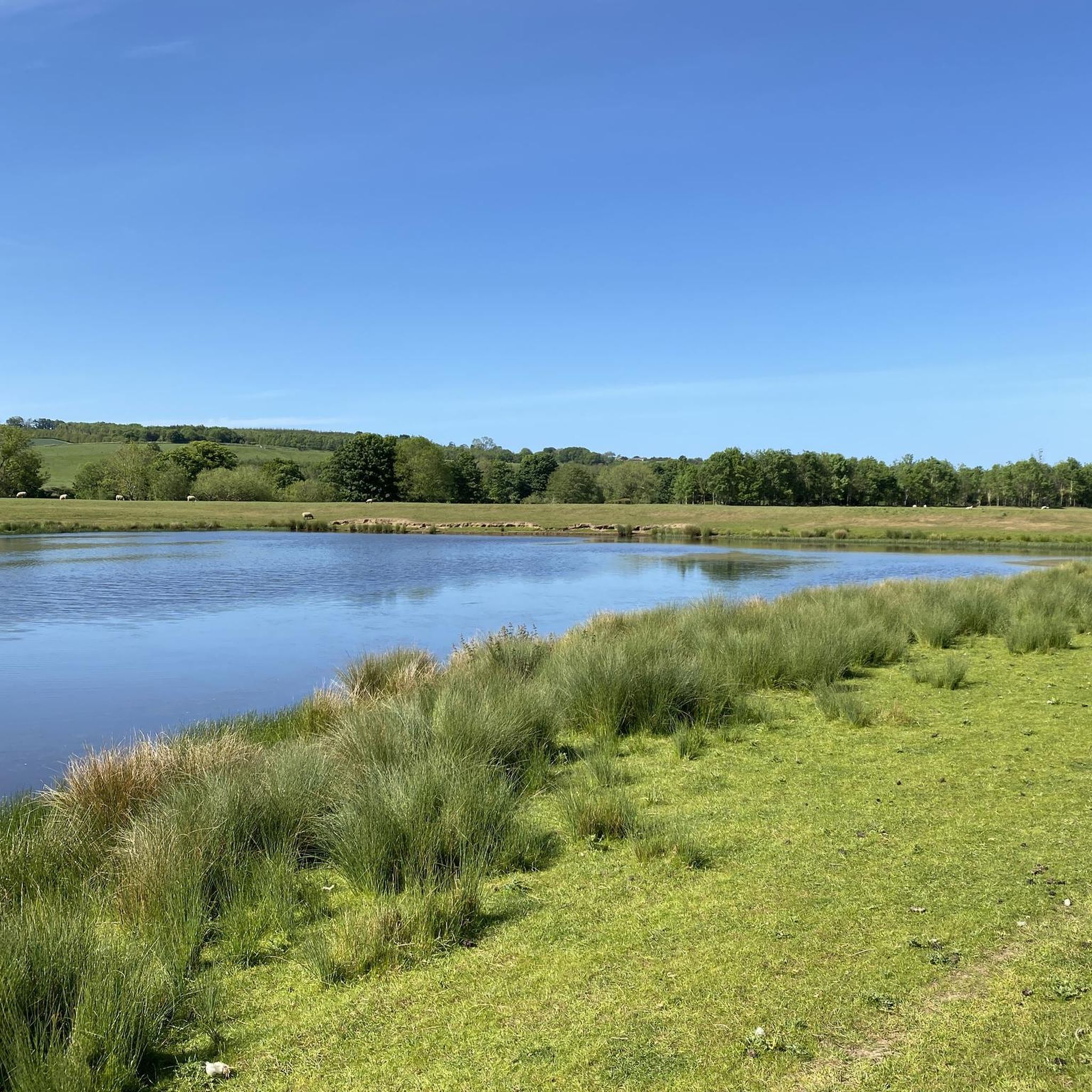
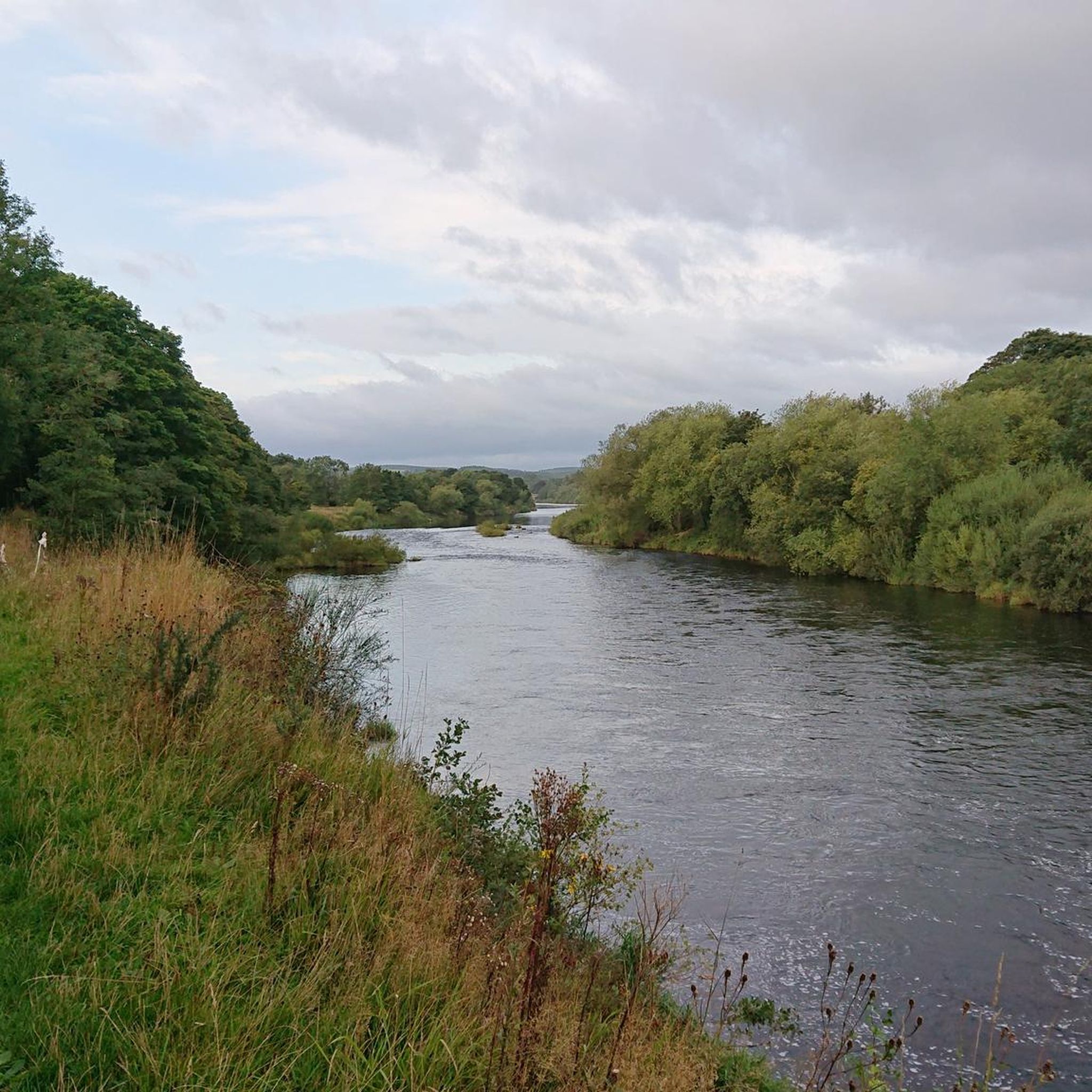

Tips from the Community

The Beaufront Castle Gatehouse is the gateway to the impressive Beaufront Castle, a Grade I listed manor house in Northumberland, near Hexham. Although the castle itself was built between 1836 and 1841 in the Castellated Gothic Revival style by architect John Dobson, the complex contains older elements such as a clock tower with a bell dating from 1694 and parts of a 17th-century house belonging to the Errington family. The gatehouse is believed to be part of this historic structure and served as both ceremonial and functional access to the estate. It stands on a site where a pele tower—a fortified tower house that was later incorporated into the manor house—was mentioned as early as 1415.
8
0

This is a 2-acre physic garden set in natural habitat featuring 700 signposted European medicinal plants.
0
0


1800s castle and gatehouse. Peel Tower recorded on the site in 1415
1
0


Overlooking the River Tyne, Bywell Castle was built by the Neville family in 1430, but never completed. Although now ruined, you can still visit the three-storey gatehouse and curtain wall. In 1464, the castle provided refuge to King Henry VI after the Battle of Hexham. Today, it is a grade I listed building.
1
0
A fine example of a 13th century English manor house, Aydon Castle is still almost completely intact despite its turbulent history. Originally constructed as a home, the castle was fortified following the outbreak of the Anglo-Scottlish war and numerous attacks by Scottish and English rebels. In the 17th century, the castle became a farmhouse which it remained until 1966. Today, you can visit the beautiful castle, set amongst secluded woodland. It is open daily from 10am - 6pm. Entrance for adults costs £5.70. You can find more information, here: https://www.english-heritage.org.uk/visit/places/aydon-castle/
1
0
Frequently Asked Questions
What are some notable castles and historical sites to visit near Ovington?
Beyond the immediate vicinity, the region around Ovington is rich with historical structures. You can explore sites like Beaufront Castle Gatehouse, which is part of a Grade I listed manor house, or the well-preserved Aydon Castle, a 13th-century manor. Other significant locations include Bywell Castle, known for its ruined gatehouse, and the impressive Raby Castle, a largely intact 11th-century fortress with extensive parkland.
Are there family-friendly castles around Ovington?
Yes, several sites are suitable for families. Aydon Castle is a great option, offering a glimpse into a 13th-century manor. The grounds of Raby Castle also provide ample space for exploration, and the Dilston Physic Garden, while not a castle, is a family-friendly natural attraction nearby.
What historical ruins can I explore near Ovington?
For those interested in ruins, Bywell Castle features a ruined three-storey gatehouse and curtain wall. Further afield, you can visit the atmospheric Ravensworth Castle Ruins, a Grade II listed building impacted by coal mining, or the serene Egglestone Abbey Ruins, a crumbling Premonstratensian monastery from the late 12th century.
Can I find castles with good countryside views near Ovington?
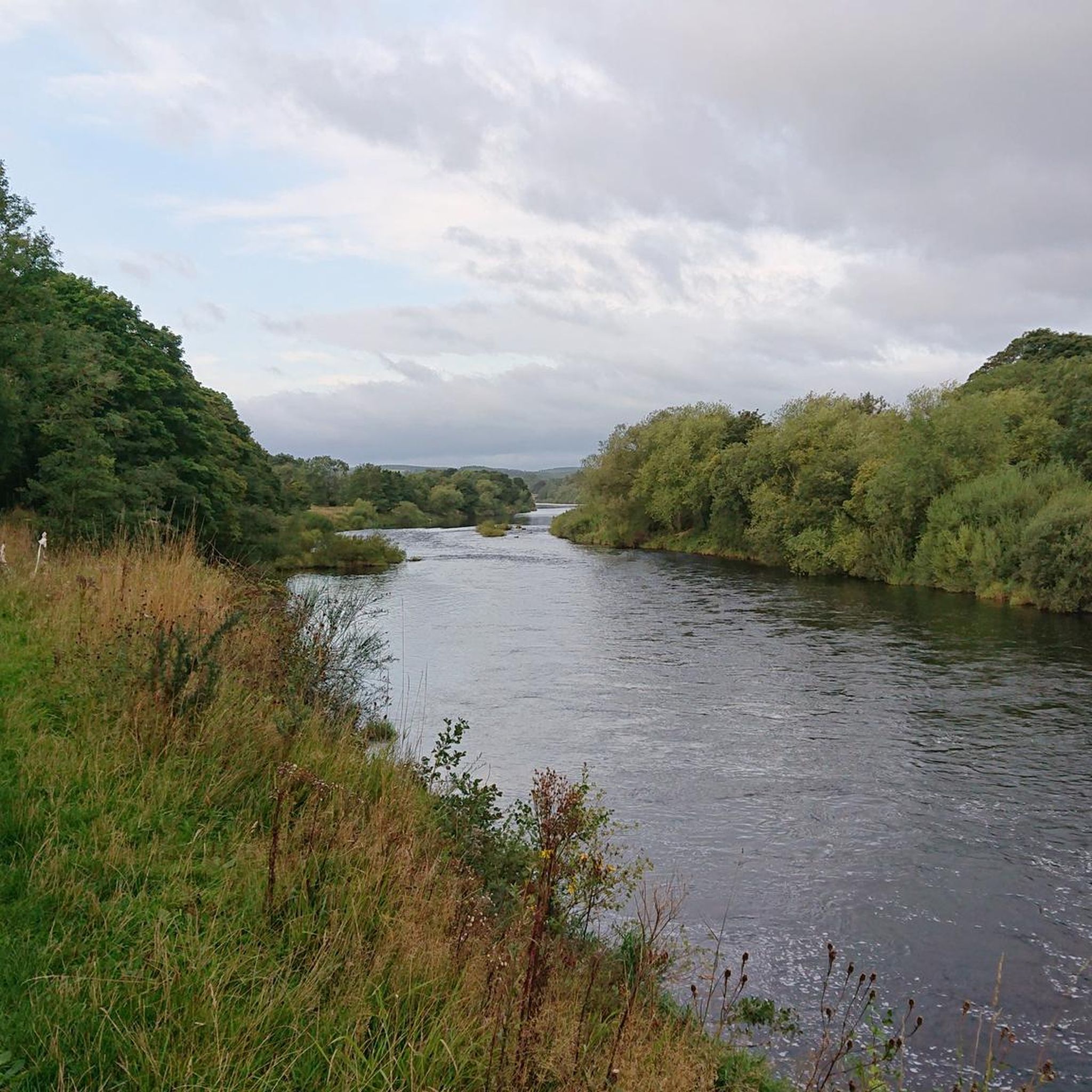
Absolutely. Aydon Castle and Countryside Views offers rural vistas across hamlets and farmland, complementing the historical site. Bywell Castle also overlooks the River Tyne, providing scenic surroundings.
What outdoor activities can I do near these castles?
The area around Ovington offers various outdoor activities. You can find numerous MTB trails, cycling routes, and gravel biking paths. Many of these routes pass through picturesque landscapes, often near historical sites, allowing you to combine your visit with an active outdoor experience.
Are there cafes or places to eat near the castles?
Raby Castle has a café on-site that is accessible without paying the entry fee for the castle itself. For other locations, you might find local pubs or cafes in nearby villages, but it's always a good idea to check in advance.
What is the best season to visit castles around Ovington?
Spring and summer generally offer the most pleasant weather for exploring castles and their grounds, with longer daylight hours. However, autumn can provide beautiful foliage, and winter visits can offer a quieter, more atmospheric experience, though some facilities or opening hours might be reduced.
How long should I plan for a visit to these castles?
The duration of your visit depends on the castle. For a site like Aydon Castle or Bywell Castle, you might spend 1-2 hours. Larger estates like Raby Castle, with its extensive parkland, could easily fill half a day or more. For ruins like Ravensworth or Egglestone Abbey, an hour might suffice for exploration and photography.
Are there less crowded castles to visit near Ovington?
While popular sites can attract visitors, exploring the ruins of Ravensworth Castle or Egglestone Abbey often provides a more tranquil experience compared to fully operational castles. Bywell Castle, being a ruin, also tends to be less crowded than larger attractions.
What do visitors enjoy most about the castles around Ovington?
Visitors appreciate the rich history and the opportunity to explore well-preserved structures like Aydon Castle, which is almost completely intact. The scenic countryside views, such as those from Aydon Castle and Countryside Views, are also highly valued. The blend of historical architecture with natural beauty makes for a compelling experience.
Are there any Iron Age historical sites near Ovington?
Yes, less than a mile west of Ovington village, you can find remnants of an Iron Age hillfort known as Cockshot Camp, offering a glimpse into even older historical context beyond the medieval castles.
Most popular attractions around Ovington

Get inspired with the komoot mobile app


Explore more
Looking for the best castles somewhere else? Discover other guides around Ovington:
