Top 10 Lakes around Azerley
Lakes near Azerley, a village in North Yorkshire, offer a variety of bodies of water for exploration. Located about four miles north-west of Ripon, the area features both natural and man-made lakes and reservoirs. These sites provide diverse landscapes and historical points of interest. The region's geography includes scenic settings for outdoor activities.
Best lakes around Azerley
- The most popular lakes is Lake at Studley Royal Water Garden, a natural monument that is part of a UNESCO World Heritage…
Last updated: October 16, 2026
Glasshouses Dam
Highlight • Structure
Tip by

Studley Royal Water Garden
Highlight • Monument
Translated by Google •
Tip by

Sign up now to discover places like this
Get recommendations on the best single tracks, peaks, & plenty of other exciting outdoor places.
Lumley Moor Reservoir
Highlight • Structure
Tip by

Hackfall Fountain Pond
Highlight • Lake
Tip by

Roundhill Reservoir Dam
Highlight • Structure
Tip by
Sign up for free to discover even more lakes around Azerley.
Already have an account?
Start today with a free account
Your next adventure awaits.


Tips from the Community

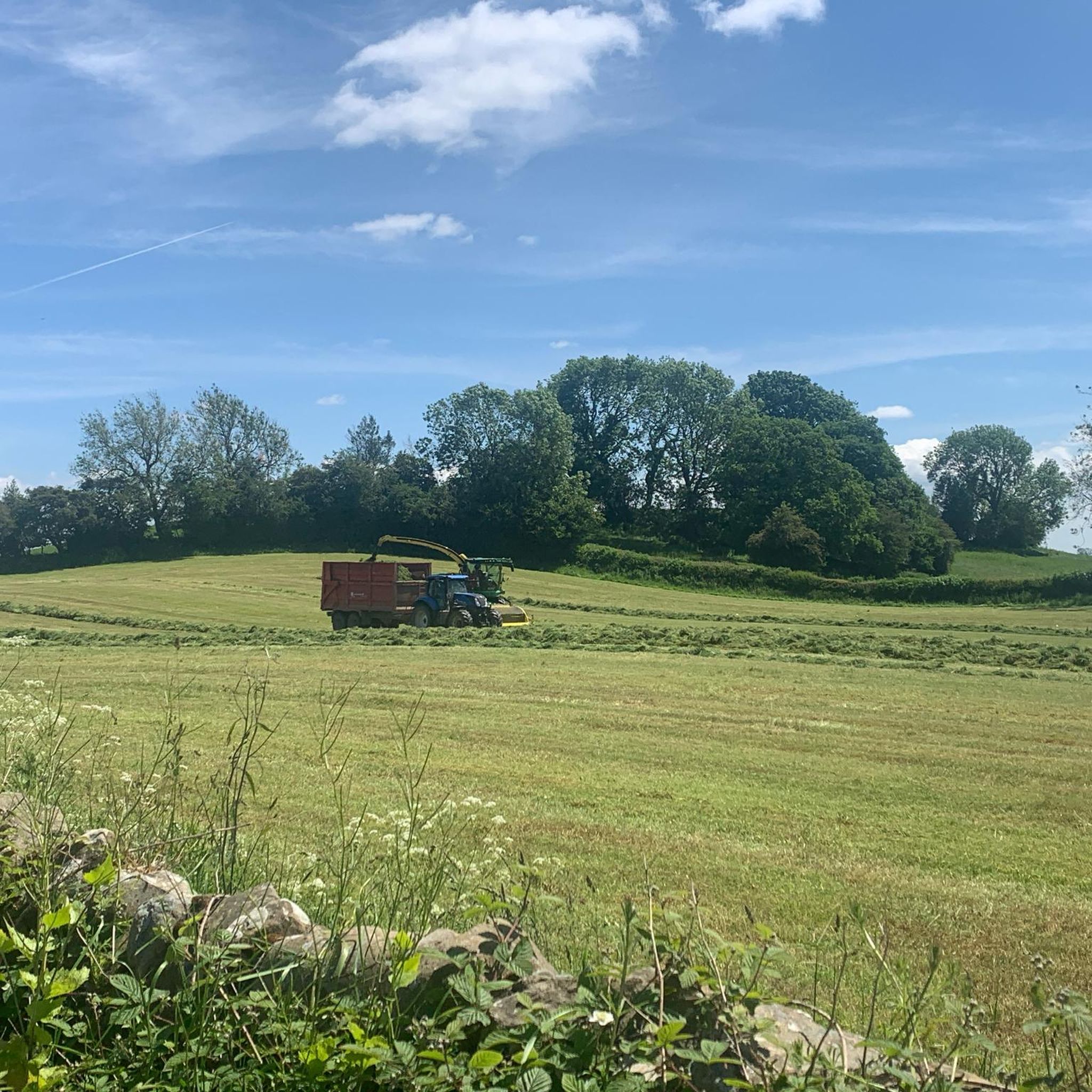
Lumley Moor was built to release water, not just store it. Victorian waterworks often reduced natural river flow. When towns like Ripon began abstracting water from upland streams, they risked lowering summer flows, affecting mills downstream, killing fish and breaching riparian rights (a big legal issue for Victorians). So water authorities were legally required to put water back into the river to compensate for what they took out. Same as Gouthwaite Reservoir but on a much smaller scale, this is a type of compensation reservoir.
0
0

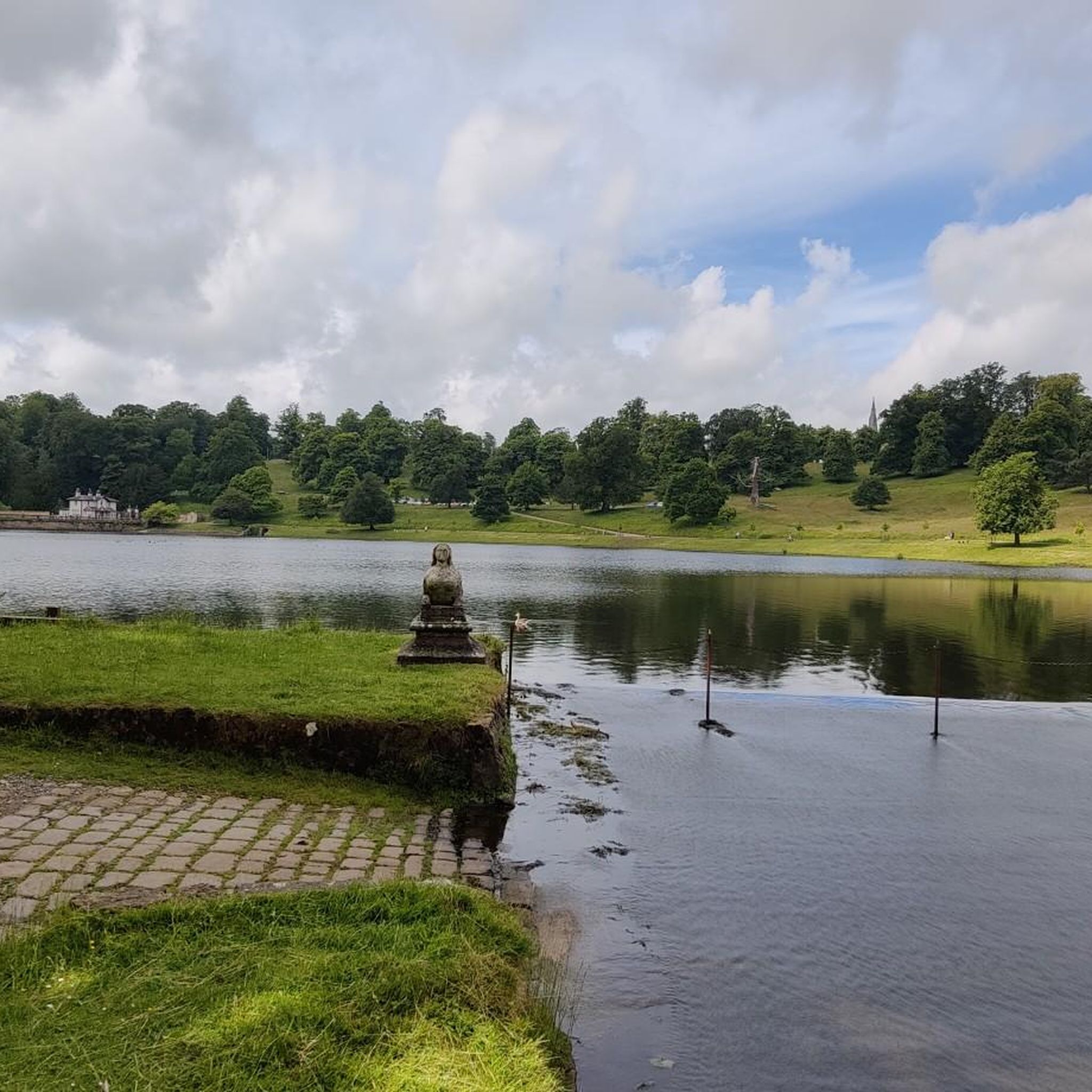
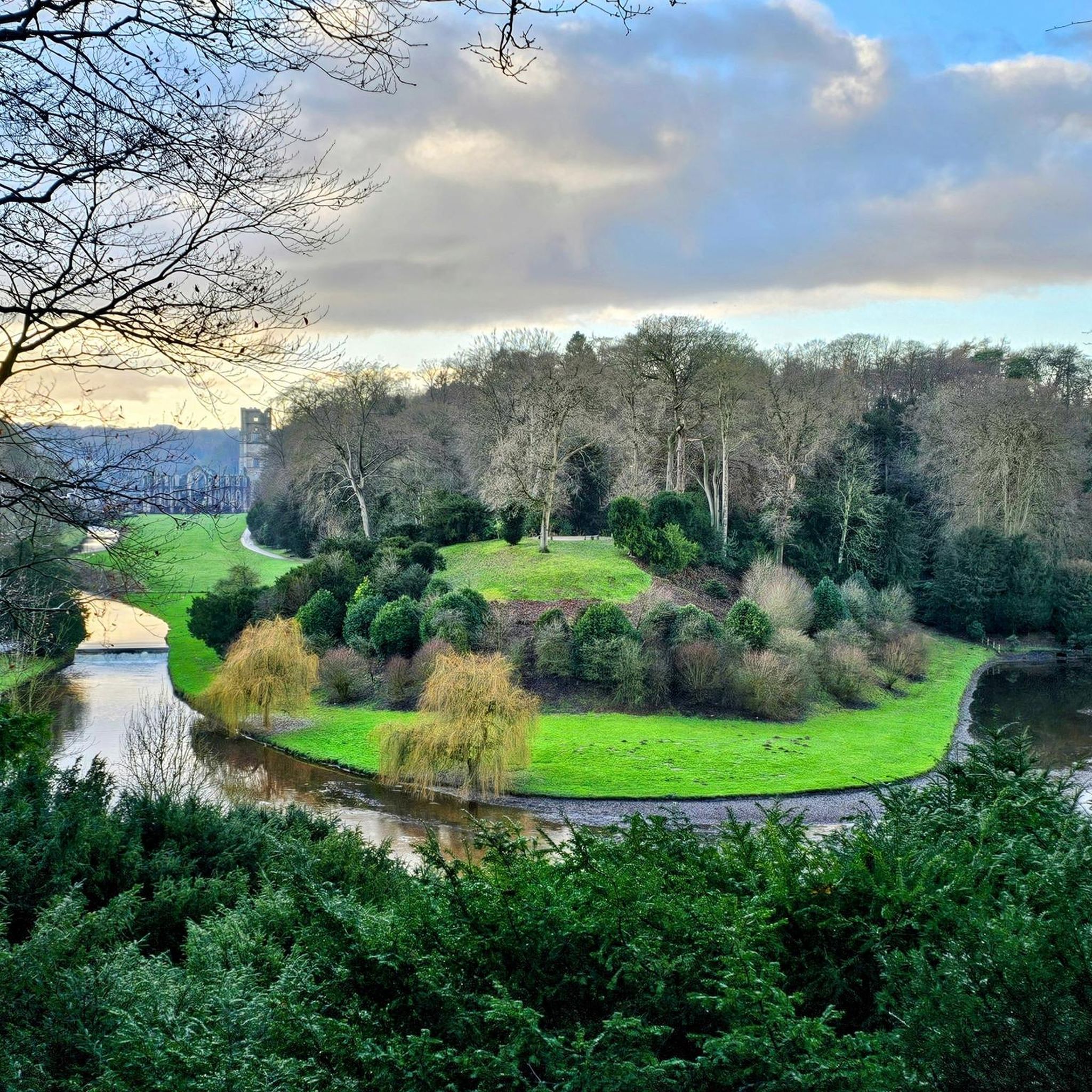
Wow, what a place! Fountains Abbey and Studley Royal Gardens completely blew me away. The abbey ruins are absolutely stunning – huge, dramatic, and full of atmosphere. You can just wander around and lose yourself in the history. The water gardens are gorgeous too –beautifully designed lakes, with statues, little follies, and surprise viewpoints. Catching a glimpse of the abbey from across the water is like something out of a painting. We also spotted deer in the park which was a bit of a treat! Loads of walking routes to choose from, so you can do a quick wander or spend the whole day exploring. There’s also two good on-site cafes, one at the visitor centre, and one lakeside venue. There are also plenty of picnic spots if you bring your own. The whole place is spotless and really well looked after. This was one of the best days out I’ve had in ages – peaceful, scenic, and full of history. It is also a World Heritage Site to boot, so you are in for a treat!
0
0

A television series (in German) that I wholeheartedly recommend introduces culture-loving viewers to remarkable testimonies to human creativity from many countries around the world. What they all have in common is that they have been granted "World Heritage" status by UNESCO. * "A park, gnarled trees, twisted by the wind as if by a giant's hand. Herds of fallow deer and roe deer graze in the tall grass. In the valley, nature is reflected in an artificial lake: the visitor stands in Lord Aislabie's "Watergarden." Small Greek temples and Gothic turrets are also reflected in the water, for in the 18th century it was fashionable to decorate the parks of noble country estates with Greek temples and Gothic turrets – real ruins were highly prized. And the lord owned a truly magnificent ruin in his park. Walking along well-kept park paths by the stream that flows through the artificial lakes, one's gaze falls on "Fountains Abbey," or what remains of what was once the largest English Cistercian monastery in Yorkshire, an impressive ruin." reads the media library's website. The corresponding film contribution (in German) can be found under the following link =>> https://www.ardmediathek.de/video/schaetze-der-welt/der-park-v-studley-und-die-ruinen-von-fountains-abbey-gb-folge-197/swr/Y3JpZDovL3N3ci5kZS83MDM1MzE0
0
0
Glasshouses Mill, which the dam served, was initially a corn mill but later transitioned to flax processing in the early 1800s. The dam was built in 1850 by brothers John and George Metcalfe, who expanded the mill and its operations. The mill was a prosperous business, employing around 250 people and known for its responsible employment practices. By the late 19th century, the decline of linen led local mills to produce jute and hemp, but Glasshouses Mill continued flax spinning until the death of George Metcalfe Jr. in 1898. Following his death, the mill struggled, eventually declaring bankruptcy in 1907. The dam is now a recreational area, offering opportunities for fishing, skating in winter, and water sports in summer, although it was literally bone dry when I passed in May 2025 (see photos).
0
0

Studley Royal Park 800 acres, including an 18th Century landscaped garden, the ruins of Fountains Abbey, Fountains Hall Jacobean mansion and St Mary’s Church
1
0


The Studley Royal Water Garden is a beautiful park landscape with the Moon Ponds, some lovely walkways and decorative buildings such as the Octagonal Tower with the serpentine tunnel underneath, the Monopteros, the Surprise View and Anne Boleyn's Seat. The Temple of Piety at the Moon Ponds is also very beautiful. It is a lovely place to linger and enjoy the park.
2
0

The small dam was originally built for the city of Ripon. These days, it belongs to Yorkshire Water. Paths go essentially around all of it, making for a very pleasant walk.
0
0
Frequently Asked Questions
What are some of the most popular lakes to visit near Azerley?
Visitors frequently enjoy the Lake at Studley Royal Water Garden, which is part of a UNESCO World Heritage Site known for its 18th-century ornamental gardens. Another popular spot is Hackfall Fountain Pond, nestled within Hackfall Forest, offering a unique hand-pump fountain. Glasshouses Dam is also a well-regarded recreational area.
Are there any historical sites or features associated with the lakes near Azerley?
Yes, several lakes have historical significance. The Lake at Studley Royal Water Garden is part of a UNESCO World Heritage Site featuring 18th-century landscape design and the ruins of Fountains Abbey. Glasshouses Dam, built in 1850, historically served the Glasshouses Mill. Additionally, Roundhill Reservoir Dam, constructed between 1903 and 1911, was vital for supplying water to Harrogate.
Are there family-friendly lakes or activities suitable for children near Azerley?
Absolutely. The Lake at Studley Royal Water Garden is considered family-friendly, offering beautiful park landscapes and deer. Hackfall Fountain Pond in Hackfall Forest is also family-friendly, where children can enjoy operating the hand-pump fountain. Glasshouses Dam provides recreational opportunities that can be enjoyed by families, such as fishing and water sports when water levels permit.
Can I go hiking or cycling near the lakes around Azerley?
Yes, the area around Azerley offers various routes for both hiking and cycling. For hiking, you can explore trails like the 'Aislabie Walk' or the 'Church of St Andrew and Mowbray Castle loop'. Cyclists have options such as the 'Crimble Dale Raw Milk Kiosk – The Olive Tree at Tate's loop' for touring bicycles or 'Rolling Country Road – View of Knaresborough Viaduct loop' for road cycling. You can find more details on these and other routes in the Hiking around Azerley and Cycling around Azerley guides.
What kind of recreational activities are available at Glasshouses Dam?
Glasshouses Dam is a recreational area where visitors can enjoy fishing and water sports during the warmer months. In winter, it has historically been a spot for ice skating. However, it's worth noting that the dam has been observed to be dry at certain times, so conditions may vary seasonally.
What is the best time of year to visit the lakes around Azerley?
The best time to visit depends on your preferred activities. Summer offers opportunities for water sports and pleasant walks. Winter can be unique, with possibilities for ice skating at places like Glasshouses Dam, though some areas might be dry. Spring and autumn provide beautiful scenic views with changing foliage.
Are there dog-friendly options for walks around the lakes?
Many of the natural areas and trails around the lakes near Azerley are suitable for dog walking. For instance, Hackfall Forest, home to Hackfall Fountain Pond, is generally dog-friendly, though it's always advisable to keep dogs on a lead, especially around wildlife or livestock, and to check specific site rules before visiting.
Where can I find amenities like cafes or pubs near the lakes?
While Azerley itself is a small village, nearby towns and villages such as Pateley Bridge offer a selection of cafes, pubs, and accommodation options. These can serve as convenient stops before or after exploring the lakes and reservoirs in the region.
What makes the Lake at Studley Royal Water Garden a significant attraction?
The Lake at Studley Royal Water Garden is a significant attraction because it is part of a UNESCO World Heritage Site. It features a beautifully preserved 18th-century water garden with ornamental lakes, canals, and classical follies, alongside the dramatic ruins of Fountains Abbey. The site also includes a medieval deer park where various deer species roam freely.
Can I access the lakes near Azerley using public transport?
Public transport options to the immediate vicinity of all lakes may be limited. However, larger nearby towns like Ripon or Pateley Bridge often have bus services. From these hubs, you might need to consider local taxis, cycling, or walking to reach specific lake destinations. Planning your route in advance is recommended.
What natural features can I expect to see around the lakes?
The lakes around Azerley are set amidst diverse natural landscapes. You can expect to see forests, such as Hackfall Forest surrounding Hackfall Fountain Pond, and scenic parklands like those at Studley Royal Water Garden. The area also features rolling hills and valleys characteristic of North Yorkshire, offering picturesque views and opportunities to observe local wildlife.
Are there any hidden gems or less-known lakes worth exploring?
While the guide highlights popular spots, the broader Nidderdale area, where Azerley is located, is rich with various reservoirs and smaller bodies of water. Exploring the network of trails and routes can lead you to less-frequented spots, offering a more secluded experience of the region's natural beauty.
Most popular attractions around Azerley

Get inspired with the komoot mobile app


Explore more
Still not found your perfect lake around Azerley? Check out the guides of these regions to see even more beautiful places.
