Top 7 Castles around Borwick
Castles around Borwick offer a glimpse into centuries of history and architectural evolution. The area features historical fortified buildings, including Borwick Hall, a notable example of a fortified manor house with a 14th-century pele tower. The landscape around Borwick also includes remnants of defensive structures and historical sites, reflecting its past significance.
Best castles around Borwick
- The most popular castles is Hazelslack Tower, a historical site that was a small, medieval pele tower. It dates back to the 14th…
Last updated: June 16, 2026
Arnside Tower Ruins
Highlight • Historical Site
Tip by

Hazelslack Tower
Highlight • Historical Site
Tip by

Sign up now to discover places like this
Get recommendations on the best single tracks, peaks, & plenty of other exciting outdoor places.
Sign up for free
Borwick Hall
Highlight • Other
Tip by

Hazelslack Tower and Teddy Heights Nature Reserve
Highlight • Natural Monument
Tip by
St Michael the Archangel Church
Highlight • Historical Site
Tip by
Sign up for free to discover even more castles around Borwick.
Sign up for free
Already have an account?
Start today with a free account
Your next adventure awaits.
Login or Signup
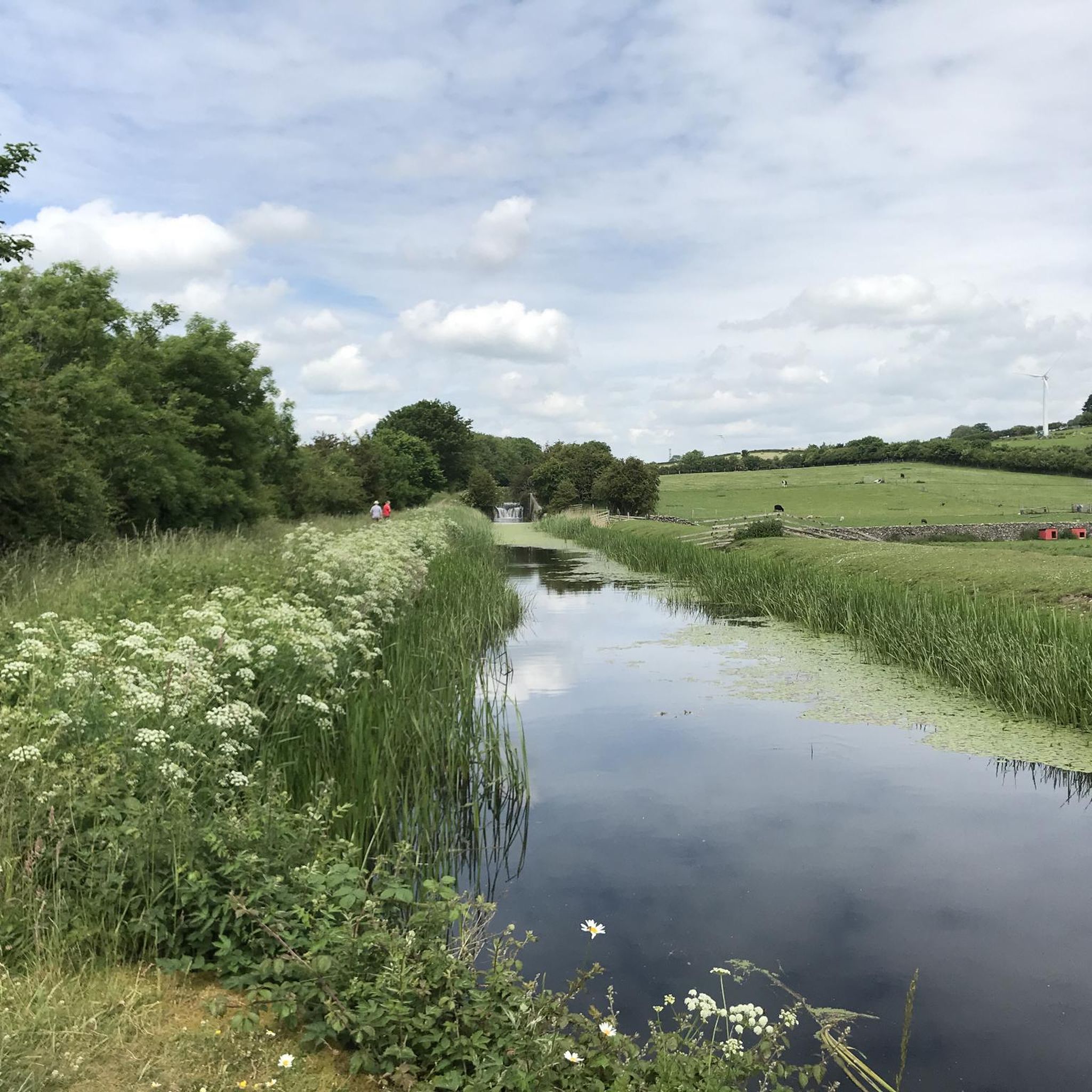
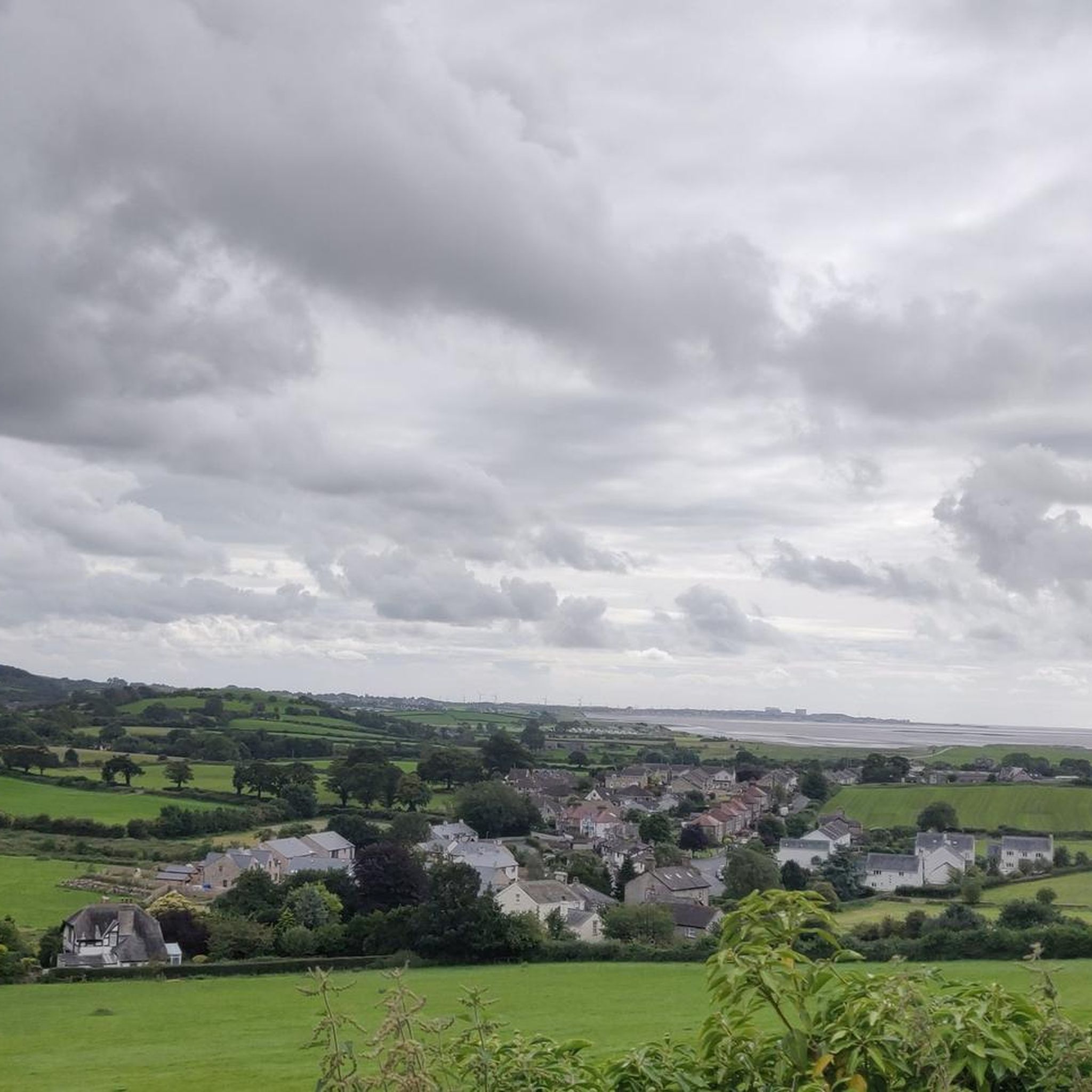
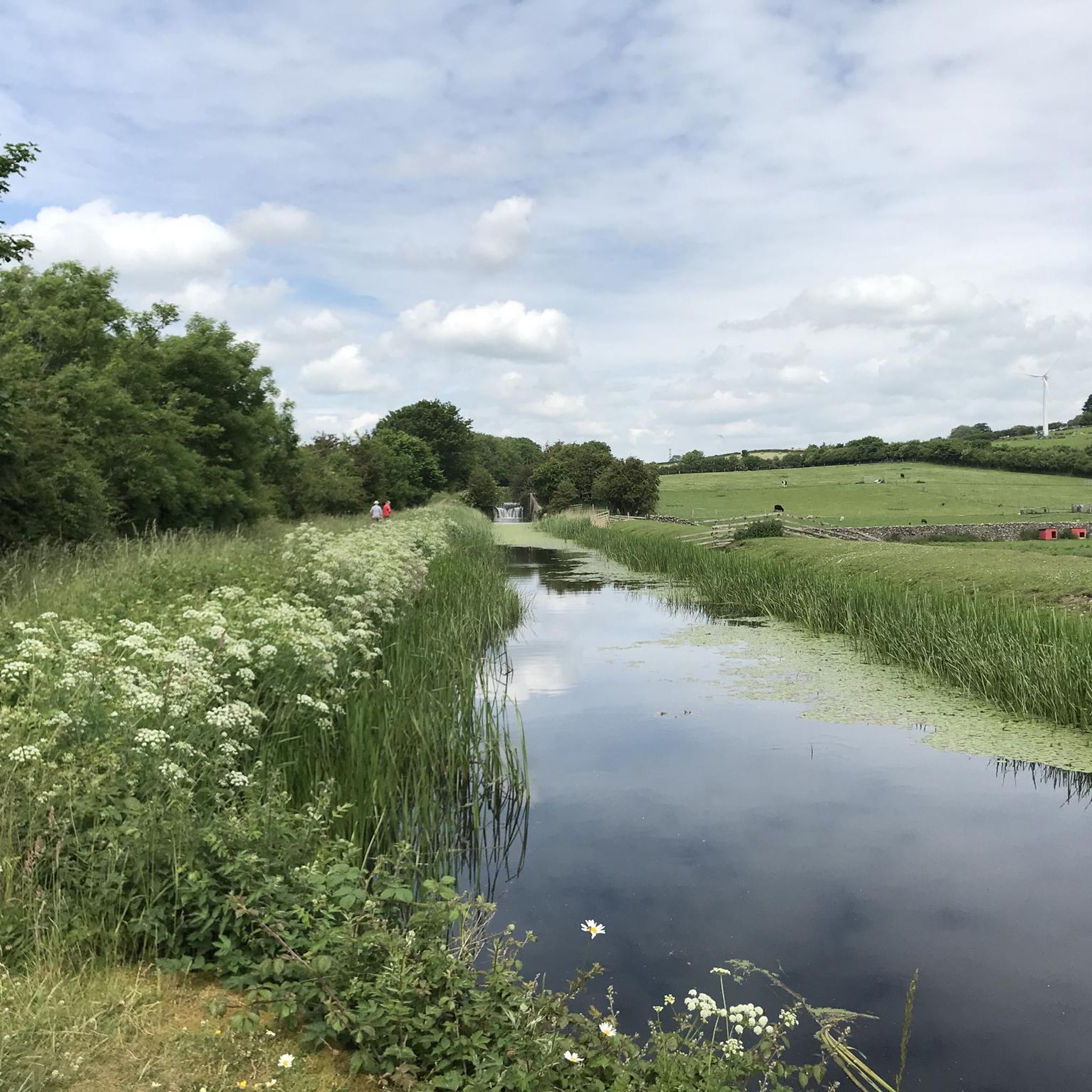
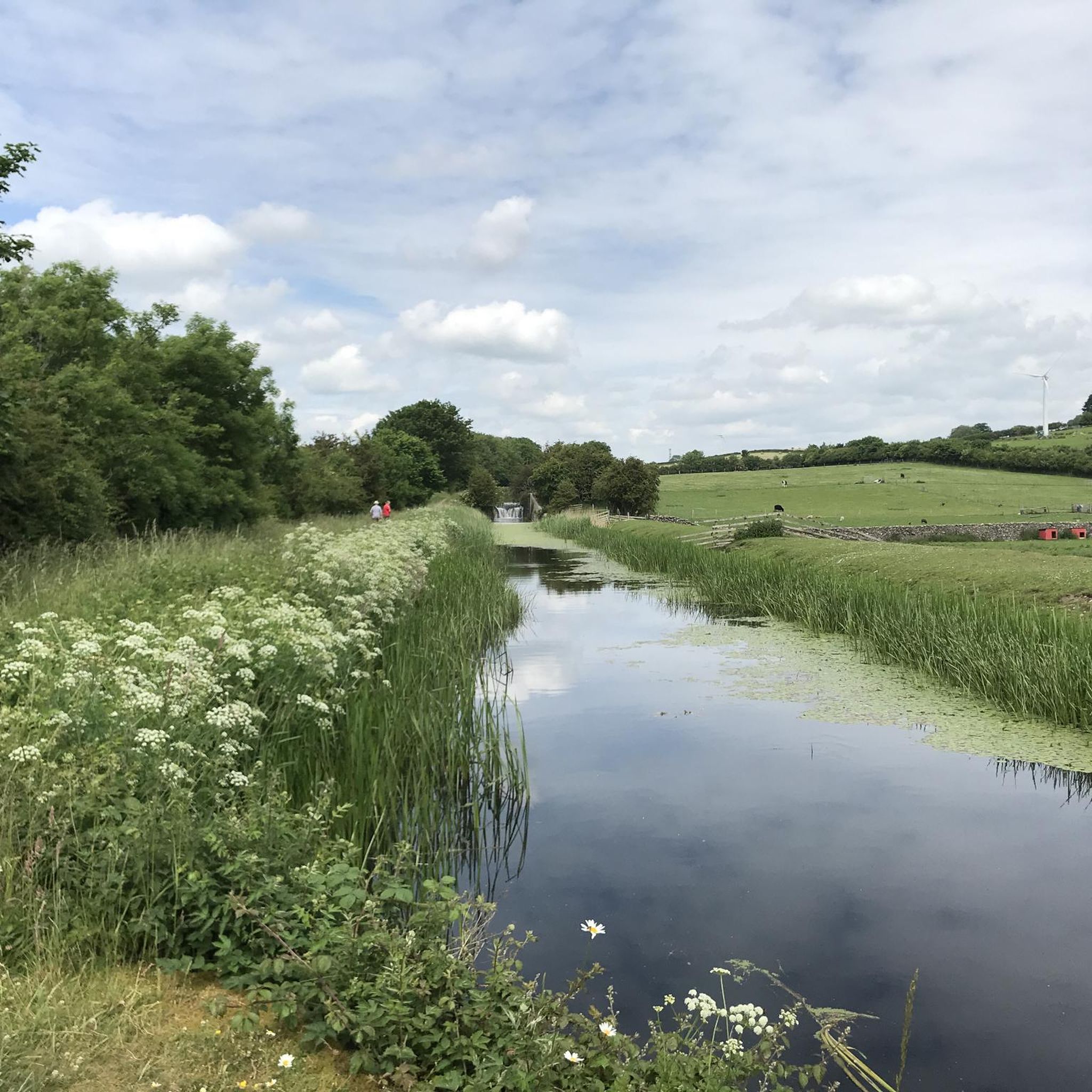

Tips from the Community

don't go through the farm yard, use the footpath on the left
0
0

Hazelslack Tower was a Peel (Pele) Tower ( small fortified keeps or tower houses, built along the English and Scottish borders in the Scottish Marches and North of England). Thought to built late 14th Century.
2
0
Hazelslack Tower was a Peel (Pele) Tower ( small fortified keeps or tower houses, built along the English and Scottish borders in the Scottish Marches and North of England). Thought to built late 14th Century.
0
0
Arnside Tower is in a dangerous condition and should not be entered. It was built in the 15th century as part of a defensive ring around Morecambe Bay, to safeguard the local inhabitants and their animals from marauding Scots.
0
0

Hazelslack Tower is visible from the footpath and is a small, medieval pele tower (a fortified tower house) that dates back to the 14th century. It was built as a defensive structure during a time of border conflicts and raids between England and Scotland.
1
0
This compact Nature Reserve has three unique habitats: wet grassland in the southwest, a northern woodland exuding an ancient woodland charm, and the rest of the area covered by secondary semi-natural woodland. Hazelslack Tower is visible from the footpath and is thought to be from the 14th century and is Grade II listed.
2
0
Arnside Tower is believed to have been built in the late 14th century, during the late medieval period. It served as a defensive structure, designed to protect against potential Scottish raids and incursions along the border with Scotland.
2
0
The church stands within the bailey of a former castle. It is thought that a church has been on this site since 1200. The oldest part of the present church is the tower, which dates from the early 16th century. The rest of the church was largely rebuilt in 1875.
0
0
Frequently Asked Questions
What types of historical fortifications can I explore around Borwick?
The Borwick area is rich in historical fortifications, primarily featuring medieval pele towers, fortified manor houses, and motte and bailey earthworks. These structures reflect centuries of defensive architecture in the region.
What is Borwick Hall, and can I visit it?
Borwick Hall is a significant 16th-century manor house that incorporates a 14th-century pele tower. It has a deep history, tracing back to the Domesday Book, and is recognized for its architectural evolution and Grade I listed status. While it's primarily used as an outdoor education and conference center by Lancashire County Council and not generally open for casual public visits, it has been accessible during specific events like Heritage Open Days. Its grounds are used for various outdoor activities.
Are there any medieval pele towers near Borwick that I can see?
Yes, you can see Hazelslack Tower, a small, medieval pele tower dating back to the 14th century, built as a defensive structure during border conflicts. It is visible from footpaths, particularly within the Hazelslack Tower and Teddy Heights Nature Reserve.
What is the historical significance of St Michael the Archangel Church?
St Michael the Archangel Church is a historical site standing within the bailey of a former castle. While a church is thought to have been on this site since 1200, the oldest part of the current structure, its tower, dates from the early 16th century, offering a glimpse into the region's religious and defensive past.
Can I see examples of motte and bailey castles near Borwick?
Yes, you can visit the Castle Stede Motte and Bailey Earthworks. This site showcases the visible earthworks of a motte and bailey castle that was deserted in the early 13th century. It's a great example of this type of fortification, strategically built to oversee a river fording point.
What outdoor activities can I do near the castles around Borwick?
The area around Borwick's castles offers various outdoor activities. You can find numerous running trails, cycling routes, and gravel biking opportunities. For detailed routes and guides, explore options like Running Trails around Borwick, Cycling around Borwick, and Gravel biking around Borwick.
Are there family-friendly attractions or walks near the castles?
While specific family-friendly features for each castle vary, the Hazelslack Tower and Teddy Heights Nature Reserve offers a compact nature reserve alongside the historical tower, which can be an interesting spot for families. Many local walking routes, including those along the Lancaster Canal, are suitable for families, depending on the length and difficulty chosen.
What is the best time of year to visit the castles around Borwick?
The best time to visit for walking and exploring the outdoor sites around Borwick's castles is generally during the spring, summer, and early autumn months (April to October). The weather is typically milder and more conducive to outdoor activities. Winter visits are possible, but trails may be muddy, and some facilities might have reduced hours.
Are there any natural features or viewpoints near the castles?
Yes, the Hazelslack Tower and Teddy Heights Nature Reserve features varied habitats including wet grassland and woodland. The area around Borwick is also close to the Lancaster Canal, offering pleasant walks with views of the surrounding countryside and local landmarks.
What are the parking options for visiting castles near Borwick?
Parking availability varies by location. For Borwick Hall, access is generally restricted due to its use as an education center, so public parking for casual visits is limited. For sites like Hazelslack Tower, which is visible from footpaths, you would typically find parking in nearby villages or designated spots for public footpaths. It's advisable to check local signage for specific parking regulations.
Can I bring my dog to the castles and surrounding areas?
Many of the outdoor areas and public footpaths around Borwick's historical sites, including those near Hazelslack Tower and along the Lancaster Canal, are dog-friendly. However, specific access policies for the interiors or grounds of sites like Borwick Hall or St Michael the Archangel Church may vary. Always keep dogs on a lead, especially near livestock or in nature reserves, and clean up after them.
What makes Borwick Hall historically significant?
Borwick Hall's significance lies in its deep history, dating back to the Domesday Book, and its architectural evolution from a 14th-century pele tower to a 16th-century manor house. It has been home to prominent families, served as a military base during WWII, and is a Grade I listed building. Its blend of defensive and domestic architecture offers a unique insight into centuries of change.
Most popular attractions around Borwick

Get inspired with the komoot mobile app


Explore more
Looking for the best castles somewhere else? Discover other guides around Borwick:
