The 10 Most Amazing Peaks around Mansriggs
Mountain peaks around Mansriggs offer diverse landscapes and panoramic views. This geographical area provides access to various fells and summits, many of which are situated within or offer vistas of the Lake District National Park. The region is characterized by its elevated points, providing extensive outlooks over surrounding natural features like Morecambe Bay and Coniston Water. These peaks serve as key landmarks for exploring the natural environment near Mansriggs.
Best mountain peaks around Mansriggs
- The most popular mountain peaks is…
Last updated: June 30, 2026
Birkrigg Trig Point
Highlight • Viewpoint
Tip by

Wool Knott Summit
Highlight • Natural Monument
Tip by

Sign up now to discover places like this
Get recommendations on the best single tracks, peaks, & plenty of other exciting outdoor places.
Sign up for free
Burney Trig Point
Highlight • Natural Monument
Tip by
High Light Haw
Highlight • Summit
Tip by
Tottlebank Height Summit Cairn
Highlight • Natural Monument
Tip by
Sign up for free to discover even more peaks around Mansriggs.
Sign up for free
Already have an account?
Start today with a free account
Your next adventure awaits.
Login or Signup
Tips from the Community


Birkrigg Common 136m P70 (446ft) (DoBIH Hill ID: 16273) [JNSA 22340] TP1387 - Birkrigg Common S5374 County of Lancashire Definitive List
0
0

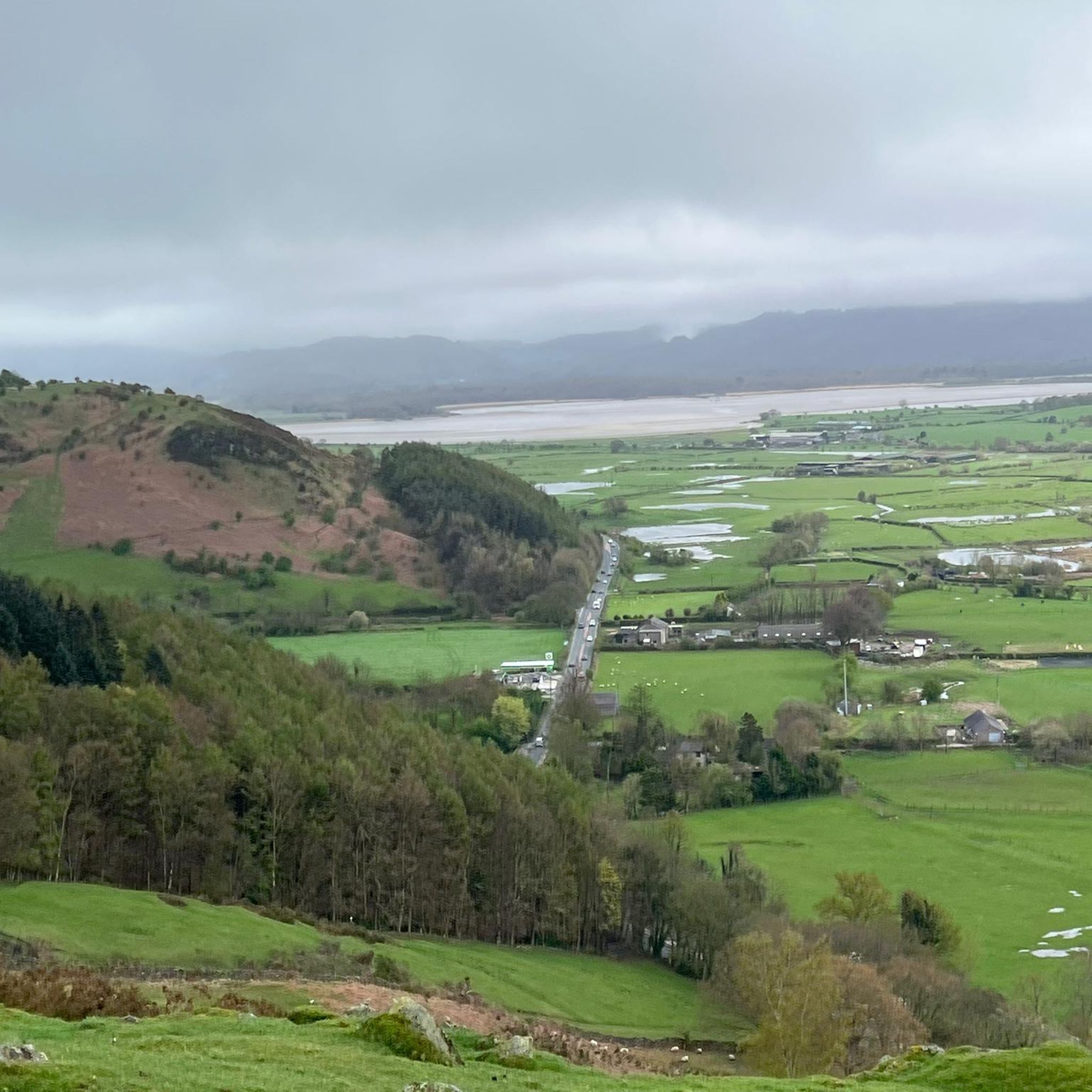
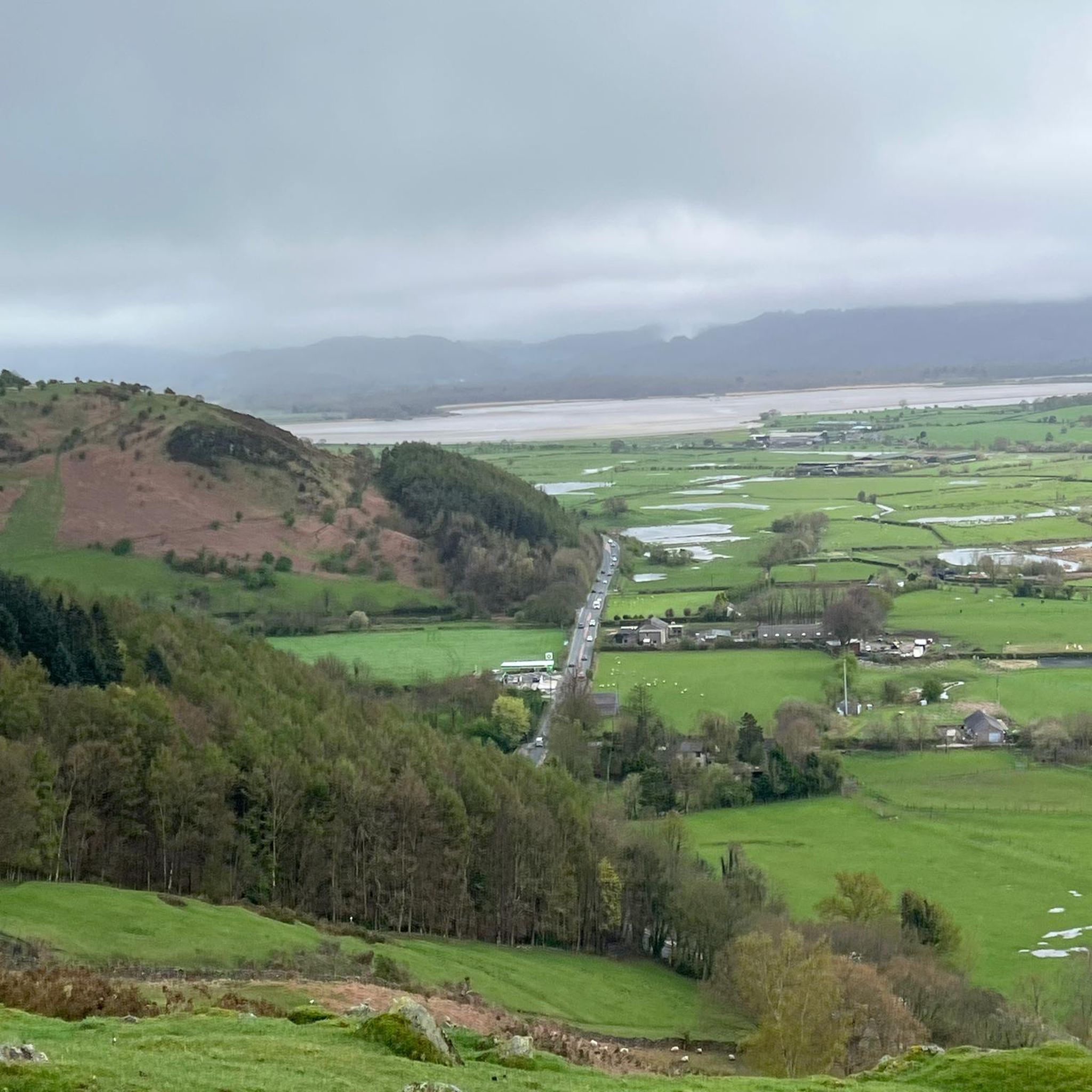
The peak at Birkrigg is only 136 metres (446 ft) but its position gives extensive views in all directions. From here you have a great view of the peaks of the Lake District, the Yorkshire Dales, Howgills, across Morecambe Bay to Arnside and Blackpool and to west Barrow.
0
0

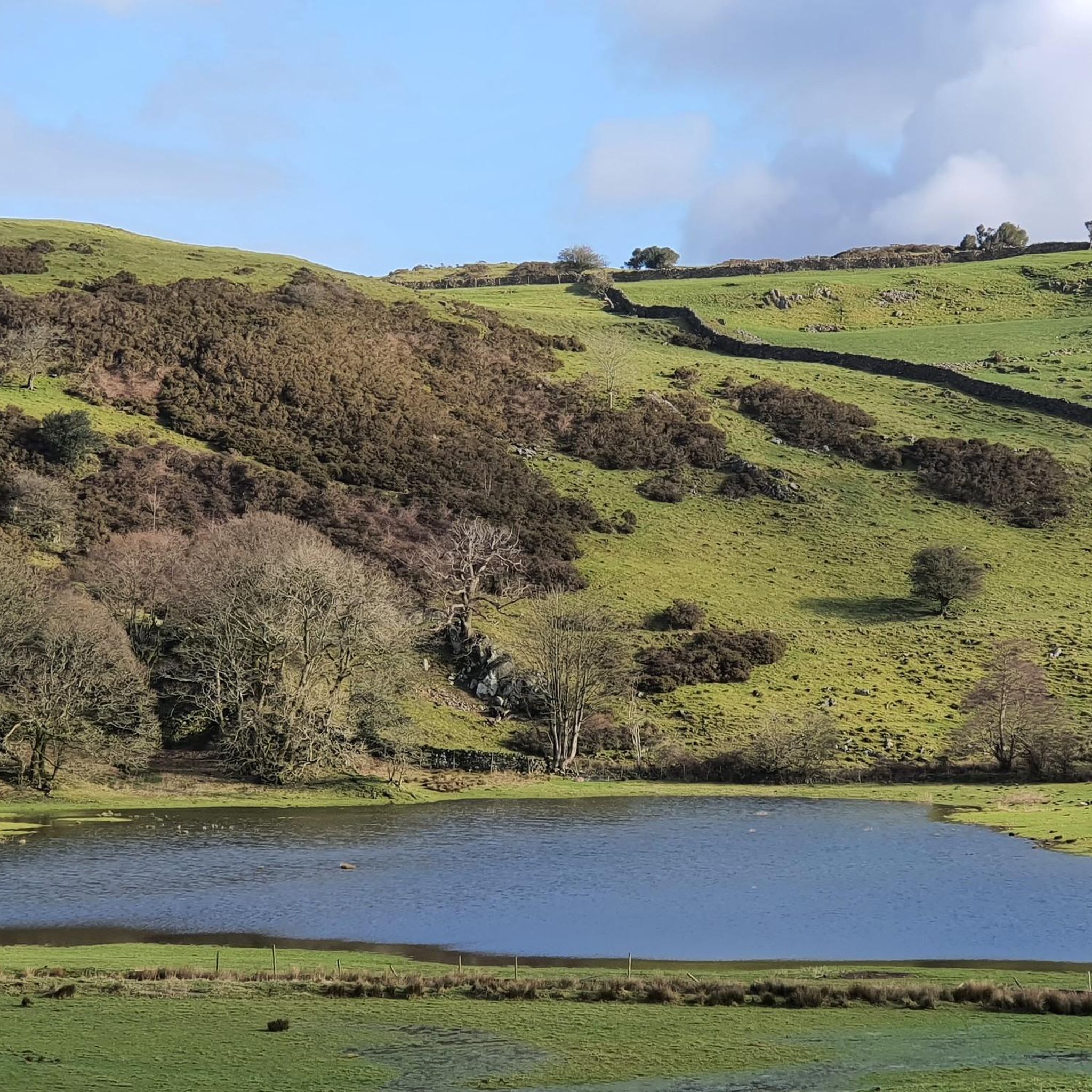
High Light Haw features in Alfred Wainwright's book, the Outlying Fells of Lakeland. It's a 263m high fell in the Lake District with fantastic views across Coniston Water. I visited on a stunning winter's day as part of an 18km walk
1
0
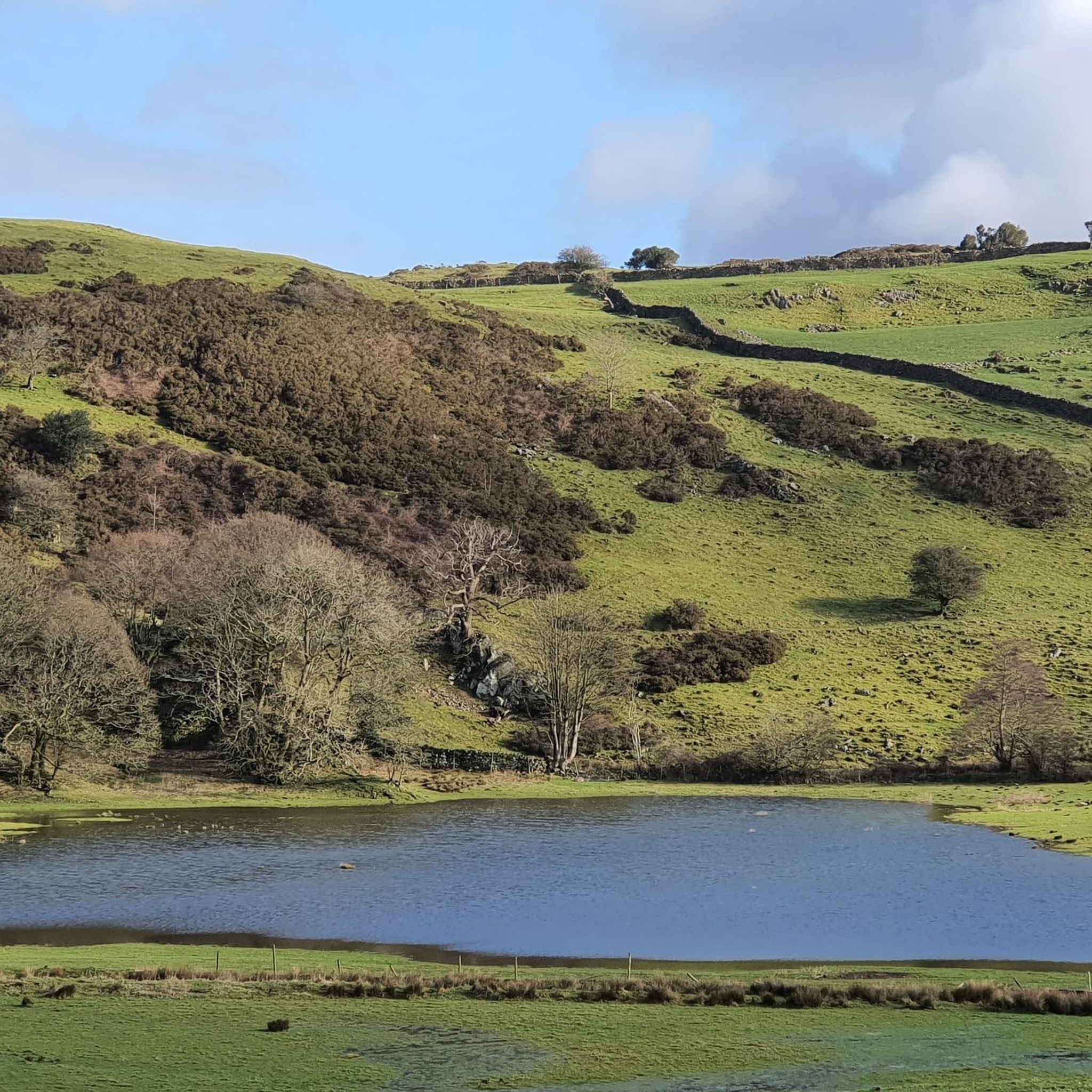
Wool Knott really captured my heart! Such stunning views from this small Lakeland Fell. The views across to Beacon Fell over Beacon Tarn is wonderful. It's also a great vantage point to appreciate the Coniston Fells. There are some flat rocks on the summit, a perfect spot to each lunch on a sunny day.
2
0
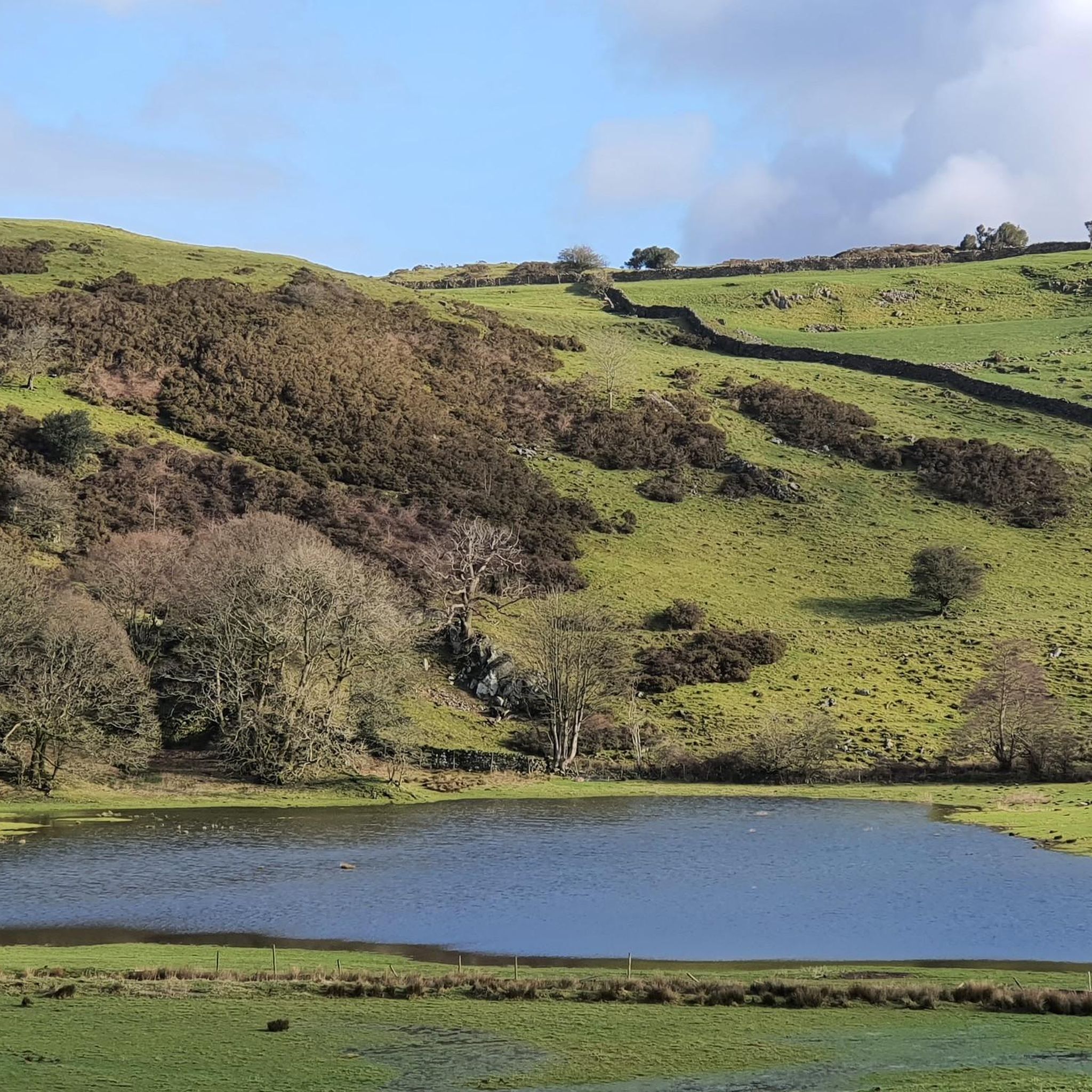
Tottlebank Height could win the prize for the cutest sounding Outlying fell of Lakeland. It can be found in the south of the national park. It is often hiked with it's neighbour, Blawith Knott. It is 236m in height.
2
0
Frequently Asked Questions
Where are the mountain peaks around Mansriggs located?
The mountain peaks near Mansriggs are primarily fells and summits that offer views into or are situated within the Lake District National Park. While Mansriggs itself is a local reference point, the notable peaks are part of the wider South Cumbria landscape, providing extensive outlooks over features like Morecambe Bay and Coniston Water.
What are some of the most popular mountain peaks to visit near Mansriggs?
Visitors frequently enjoy Birkrigg Trig Point, which offers extensive views of the Lake District, Yorkshire Dales, and Morecambe Bay. Another popular spot is Wool Knott Summit, known for its views across to Beacon Fell and the Coniston Fells. Burney Trig Point also provides wonderful views over Black Combe and the southern fells of the Lake District.
Are there family-friendly mountain walks near Mansriggs?
Yes, many of the peaks around Mansriggs, such as Birkrigg Trig Point, are considered family-friendly due to their accessible nature and moderate difficulty. These offer rewarding views without overly strenuous climbs, making them suitable for various ages.
What kind of views can I expect from the peaks around Mansriggs?
The peaks around Mansriggs offer diverse panoramic views. From Birkrigg Trig Point, you can see the Lake District, the Yorkshire Dales, and across Morecambe Bay. Wool Knott Summit provides vistas of Beacon Fell, Beacon Tarn, and the Coniston Fells. Burney Trig Point overlooks Black Combe and the southern fells of the Lake District.
What outdoor activities can I do near these mountain peaks?
Beyond peak bagging, the area around Mansriggs offers various outdoor activities. You can find numerous hiking routes, including easy and moderate options like those detailed in the Hiking around Mansriggs guide. There are also gravel biking opportunities, with routes like 'Torver Village – Coniston Shore Bridleway loop' available in the Gravel biking around Mansriggs guide.
Are there easy hiking trails around Mansriggs' peaks?
Yes, there are several easy hiking trails available. For example, the 'Foot of Ulverston Canal – View of Hoad Monument loop' and 'The Swan – Sir John Barrow Monument loop' are both easy routes. You can find more options in the Easy hikes around Mansriggs guide.
What is the best time of year to hike the peaks near Mansriggs?
While specific seasonal advice for Mansriggs is not available, generally, the Lake District area (which these peaks overlook or are part of) is best visited during spring, summer, and early autumn (April to October) for the most favorable weather conditions for hiking. Winter can offer stunning, but more challenging, conditions.
What makes <a href="https://www.komoot.com/highlight/2524839" target="_blank" rel="noopener">Wool Knott Summit</a> a special place to visit?
Wool Knott Summit is cherished for its stunning views across to Beacon Fell over Beacon Tarn and its excellent vantage point for appreciating the Coniston Fells. It also features flat rocks at the summit, making it a perfect spot for a picnic on a clear day.
Can I find any hidden gem mountains or less-known peaks in the Mansriggs area?
While not widely publicized, peaks like High Light Haw and Tottlebank Height Summit Cairn offer rewarding experiences. High Light Haw is featured in Alfred Wainwright's 'Outlying Fells of Lakeland' and provides fantastic views across Coniston Water. Tottlebank Height, often hiked with its neighbor Blawith Knott, is a charming outlying fell in the south of the national park.
What do visitors say about the mountain peaks around Mansriggs?
The komoot community appreciates the diverse landscapes and panoramic views. Highlights like Wool Knott Summit are praised for their 'stunning views' and 'perfect spot to eat lunch'. The area's routes are well-documented, with more than 17 upvotes and 22 photos shared by visitors.
Are there any specific geological features to note about the mountains near Mansriggs?
The fells and summits in this area, being part of or adjacent to the Lake District, are characterized by ancient volcanic and sedimentary rocks, shaped by glacial erosion. This geological history contributes to the distinctive rugged landscapes, tarns (mountain lakes), and the overall topography that defines the region's peaks.
Most popular attractions around Mansriggs

Get inspired with the komoot mobile app


Explore more
See even more amazing summits around Mansriggs with these guides:
