Royal Burghs Of Kilrenny And Anstruther, And Of Cellardyke
Royal Burghs Of Kilrenny And Anstruther, And Of Cellardyke
Top 4 Caves around Royal Burghs Of Kilrenny And Anstruther, And Of Cellardyke
Caves around Royal Burghs Of Kilrenny And Anstruther, And Of Cellardyke are primarily found along the East Neuk of Fife coastline. This area is characterized by its coastal history and natural beauty, with sea caves formed by geological processes. The region offers a blend of natural formations and sites with historical significance, particularly along the Fife Coastal Path. These unique geological caves Cellardyke provide insight into both natural erosion and centuries of human activity.
Best caves around Royal Burghs Of…
Last updated: July 13, 2026
Elie Chainwalk
Highlight • Climb
Tip by

St. Monans Caves and Rock Formations
Highlight • Natural Monument
Tip by

Sign up now to discover places like this
Get recommendations on the best single tracks, peaks, & plenty of other exciting outdoor places.
Sign up for free
Stone Arch Cave
Highlight • Monument
Tip by
Constantine's Cave
Highlight • Natural Monument
Tip by

St Adrian's Cave and Rock Arches, Fife Coastal Path
Highlight • Cave
Tip by

Start today with a free account
Your next adventure awaits.
Login or Signup
Popular around Royal Burghs Of Kilrenny And Anstruther, And Of Cellardyke
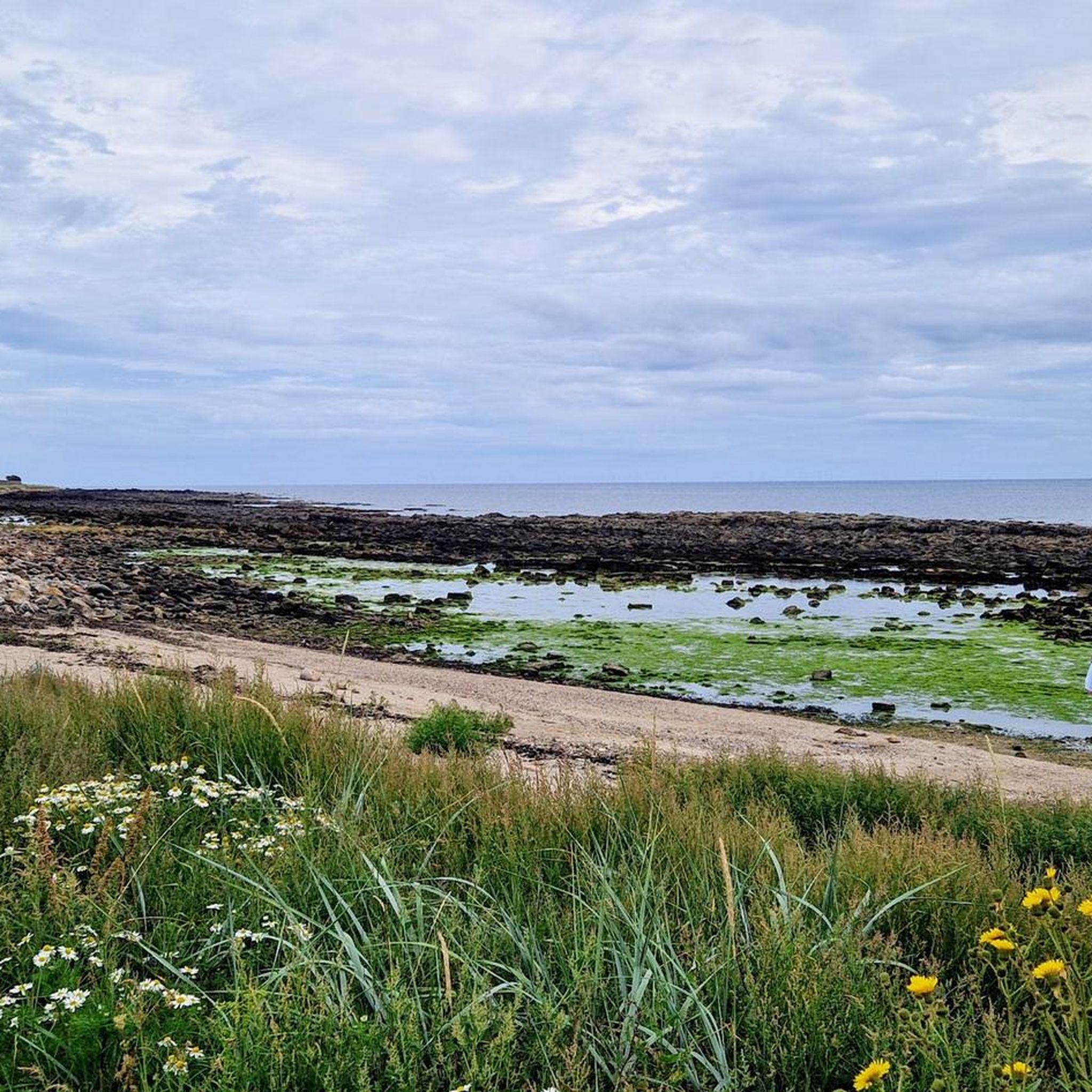
Hiking around Royal Burghs Of Kilrenny And Anstruther, And Of Cellardyke
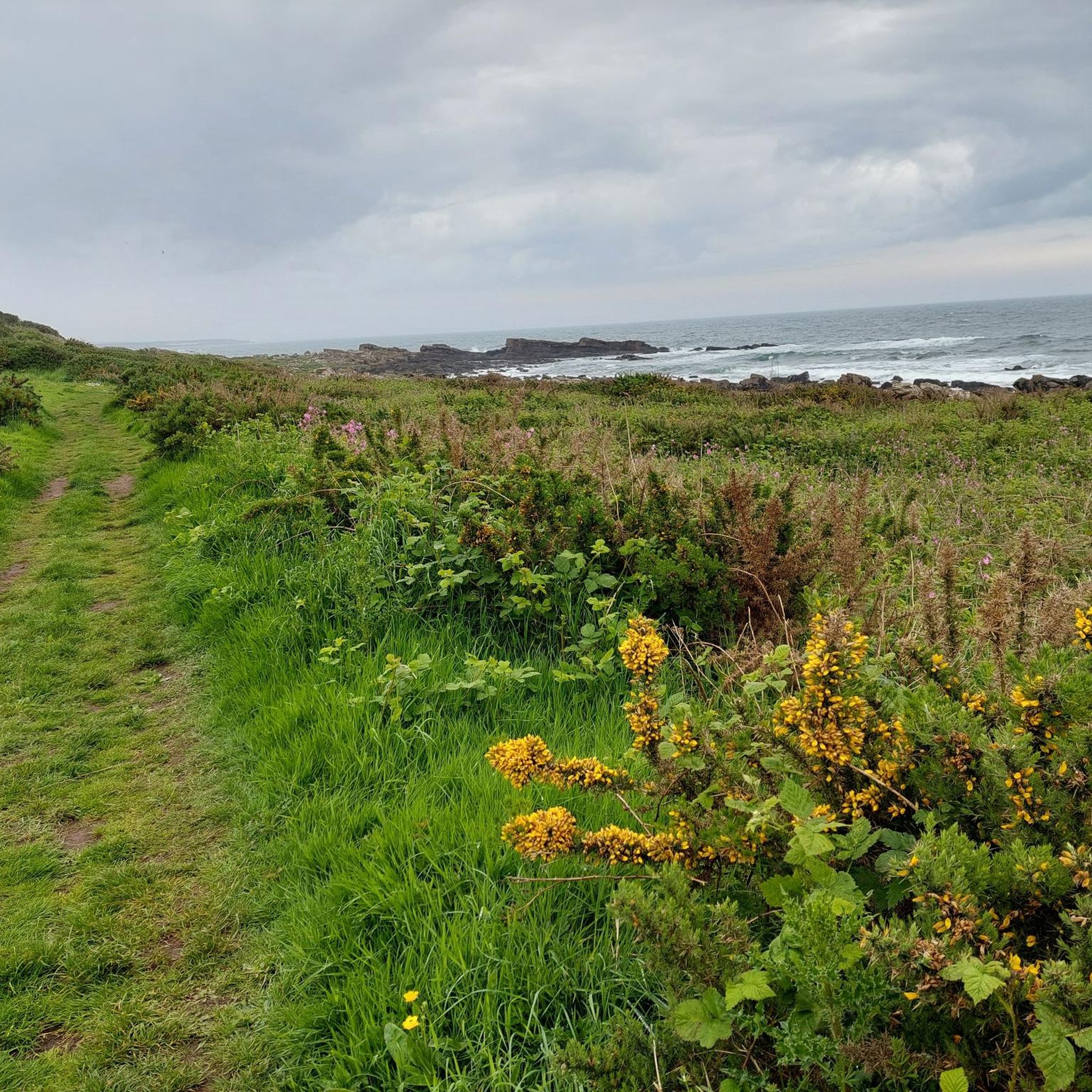
Running Trails around Royal Burghs Of Kilrenny And Anstruther, And Of Cellardyke
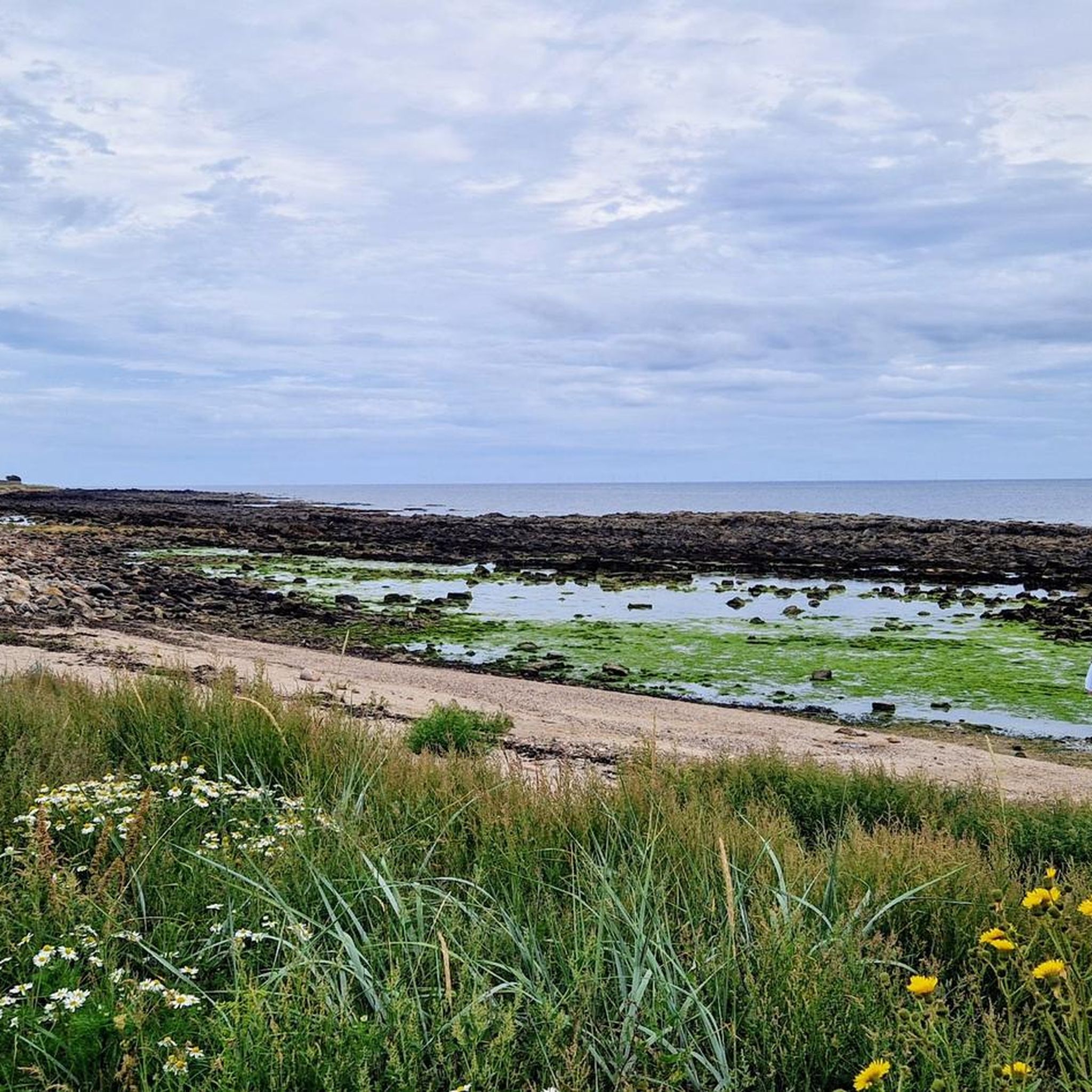
Road Cycling Routes around Royal Burghs Of Kilrenny And Anstruther, And Of Cellardyke
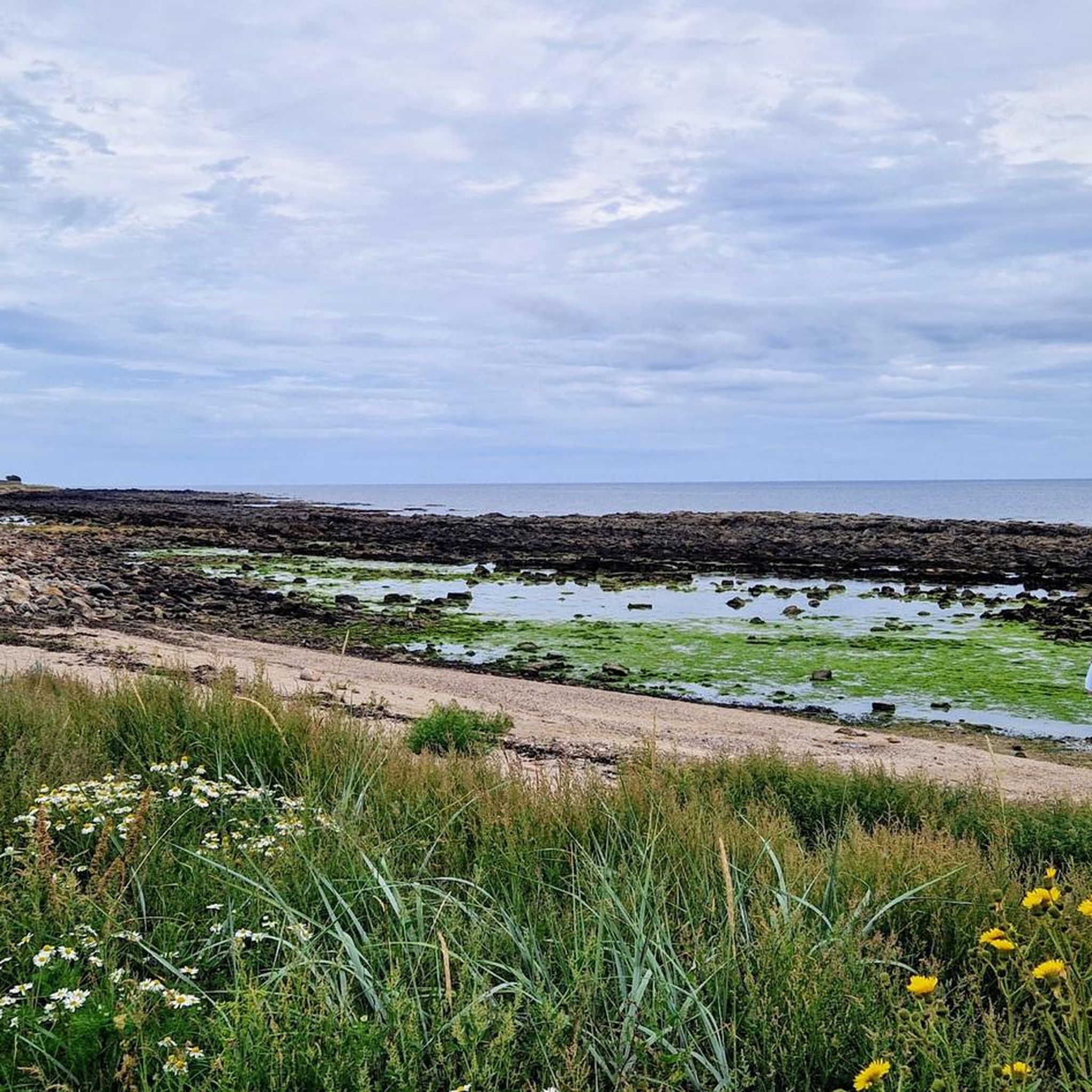
Cycling around Royal Burghs Of Kilrenny And Anstruther, And Of Cellardyke
Tips from the Community


The cave is easy to come across on the Fife costal path and a short walk down from the golf club.
0
0
Easy to miss this little man made structure, head down to the beach to the east of the tower, and it is much easier to spot.
0
0


One of the unique features of the Fife Coast is the Elie Chain Walk. Chains are built into a section of the cliff west of Elie village, hugging the cliffs towards Kincraig Point and Shell Bay.
0
0

This immaculate ‘cave’ provides the perfect shelter from the howling coastal winds on a chilly day
0
0

A short uphill walk from Constantine's cave takes you to Crail Golfing Society clubhouse. A perfect stop for Sunday lunch. https://crailgolfingsociety.co.uk/restaurant-bar
0
0
Frequently Asked Questions
What are some historically significant caves in the Royal Burghs Of Kilrenny And Anstruther, And Of Cellardyke region?
The region boasts several caves with rich history. The Caiplie Caves are known for their early Christian worship history, with one cave traditionally believed to be St. Adrian's hermit cell. You can see incised crosses and a holy water stoup inside. Another significant site is St. Fillan's Cave in Pittenweem, associated with a 7th-century Irish missionary and later used during the 17th-century witch trials. Both offer a deep dive into the area's past.
Can I explore the Caiplie Caves, and what makes them special?
Yes, the Caiplie Caves are accessible and located along the Fife Coastal Path between Anstruther and Crail. They are special due to their natural formation by sea erosion and their extensive historical significance, including reputed use as an early Christian worship site and a hermit's dwelling. The Chapel Cave, the largest, features incised crosses and a holy water stoup. For more information, you can refer to Wikipedia's entry on the Caves of Caiplie.
What is the story behind St. Fillan's Cave in Pittenweem?
St. Fillan's Cave is a natural cavern in Pittenweem, steeped in legend. It's believed that St. Fillan, a 7th-century Irish missionary, resided here. Stories tell of him having a magical glowing arm to illuminate his scriptures. The cave was a pilgrimage site and, tragically, was used as a prison during the 17th-century witch hunts. Today, it's a unique historical site, and visitors can often collect a key from a local shop to explore it.
Are there any family-friendly caves or activities suitable for children in the area?
While many coastal caves require careful navigation, exploring the rock formations and more accessible parts of the St. Monans Caves and Rock Formations can be an engaging activity for families. The Fife Coastal Path itself offers many scenic, easier sections suitable for family walks, where children can enjoy the coastal environment and spot various natural features. Always check tide times and ensure safety when exploring coastal areas with children.
What kind of geological formations can I expect to see in the caves around Royal Burghs Of Kilrenny And Anstruther, And Of Cellardyke?
The caves in this region are primarily natural sea caves formed by the erosion of sandstone by waves. You'll observe reddish-brown rocks, layers of sandstone and mudstone from ancient shallow seas, and unique yellow-orange colors from lichen and iron minerals. Highlights like St. Monans Caves and Rock Formations showcase incredible natural rock formations alongside the coastal path.
What outdoor activities can I combine with a visit to the caves?
The area around the caves is excellent for various outdoor activities. You can enjoy extensive hiking along the Fife Coastal Path, which passes many of the caves. There are also numerous running trails and road cycling routes available. For example, you can find moderate running trails like the Caiplie Caves – Crail Harbour loop, or easy hiking routes such as the Seashell Beach – Seafarers' Memorial loop. Explore more options on the Hiking around Royal Burghs Of Kilrenny And Anstruther, And Of Cellardyke guide, the Running Trails guide, or the Road Cycling Routes guide.
Is the Elie Chainwalk considered a cave exploration, and what should I know about it?
The Elie Chainwalk is an exhilarating scramble along cliffs with chains, not primarily a cave exploration, though it passes by coastal features. It's a challenging 1,640-foot (500 m) route requiring agility and confidence. Crucially, the chains are submerged at high tide, so you must start at least two hours before high tide. Be aware of risks like falling stones and steep rock. It's an adventure for those seeking a physical challenge along the coast.
What is the best time of year to visit the coastal caves in this area?
The coastal caves are best visited during periods of lower tides to ensure safe access and exploration, regardless of the season. While summer offers milder weather, spring and autumn can also be pleasant with fewer crowds. Always check local tide times before planning your visit, as some caves and coastal paths become inaccessible or dangerous at high tide.
Are there any dog-friendly options for exploring caves or coastal paths nearby?
Many sections of the Fife Coastal Path are dog-friendly, offering scenic walks where you can explore the exterior of some cave formations. However, access into specific caves might be restricted or challenging for dogs, especially those requiring scrambling or with narrow passages. Always keep dogs on a lead, especially near cliffs and wildlife, and be mindful of other visitors and livestock.
Do I need permits or special equipment to visit the caves?
Generally, no permits are required for visiting the natural coastal caves in this region. However, for specific activities like the Elie Chainwalk, appropriate footwear with good grip is essential, and you should be prepared for scrambling. For any cave exploration, it's advisable to wear sturdy shoes, carry a torch, and check tide times. Always prioritize safety and avoid entering caves that appear unstable or are affected by high tides.
Where can I find parking or public transport options for accessing the caves?
Parking is available in the nearby towns and villages such as Anstruther, Cellardyke, Pittenweem, and Crail, which are often starting points for sections of the Fife Coastal Path. Public transport, including local bus services, connects these coastal communities, making it possible to access various points along the path and near the caves without a car. Always check specific routes and schedules for the most up-to-date information.
What do visitors particularly enjoy about the caves and rock formations in the area?
Visitors frequently enjoy the unique blend of natural beauty and historical intrigue. The St. Monans Caves and Rock Formations are praised for their incredible appearance right alongside the coastal path. The historical significance of sites like the Caiplie Caves and St. Fillan's Cave also captivates visitors, offering a tangible link to ancient times and local legends. The scenic coastal walks leading to these sites are also a major draw.
Are there any unique man-made structures or shelters among the caves?
Yes, the Stone Arch Cave is a notable man-made structure in the area. It provides shelter and is easily found by heading down to the beach east of the tower. While many caves are natural, some, like parts of the Caiplie Caves, show signs of human enlargement and adaptation over centuries, reflecting their diverse historical uses.
Most popular routes around Royal Burghs Of Kilrenny And Anstruther, And Of Cellardyke
Most popular attractions around Royal Burghs Of Kilrenny And Anstruther, And Of Cellardyke

Get inspired with the komoot mobile app


Explore more
Extend your search for the best caves by checking out these guides of the top ones around Royal Burghs Of Kilrenny And Anstruther, And Of Cellardyke:
