Top 5 Castles around East Kirkcaldy
Best castles around East Kirkcaldy offer a glimpse into Scotland's rich past within Kirkcaldy and its immediate surroundings in Fife. This area features a variety of historical sites, from ruined artillery fortifications to ancient tower houses. The castles are often set in dramatic coastal locations or within scenic parklands, providing both historical interest and opportunities for exploration. These landmarks showcase diverse architectural styles and compelling stories from centuries past.
Best castles around East Kirkcaldy
- The most popular castles is MacDuff's…
Last updated: May 2, 2026
MacDuff's Castle
Highlight • Castle
Tip by

Seafield Tower
Highlight • Castle
Tip by

Sign up now to discover places like this
Get recommendations on the best single tracks, peaks, & plenty of other exciting outdoor places.
Sign up for free
Balwearie Castle
Highlight • Castle
Tip by

Torbain Tower
Highlight • Historical Site
Tip by

Ravenscraig Park
Highlight (Segment) • Historical Site
Tip by

Start today with a free account
Your next adventure awaits.
Login or Signup
Tips from the Community


A well preserved tower which must have been a castle exists along Torbain Road. Prominent, you can not miss it when passing by.
0
0

In 1929, 85 acres (34 ha) of the estate, including the castle, was given to the town of Kirkcaldy by the Nairn family as a public park. Ravenscraig Castle was passed into state care in 1955 and has been open to the public by the owners Historic Scotland since 1971.
0
0
A great ruin with lots of stories linked to it and the home of Sir Michael Scott the Wizard of the North. Can be reached from Beveridge Park, Auchertool road or the Orrock Quarry road. It is on the newish signposted Kirkcaldy to Auchtertool path.
0
0

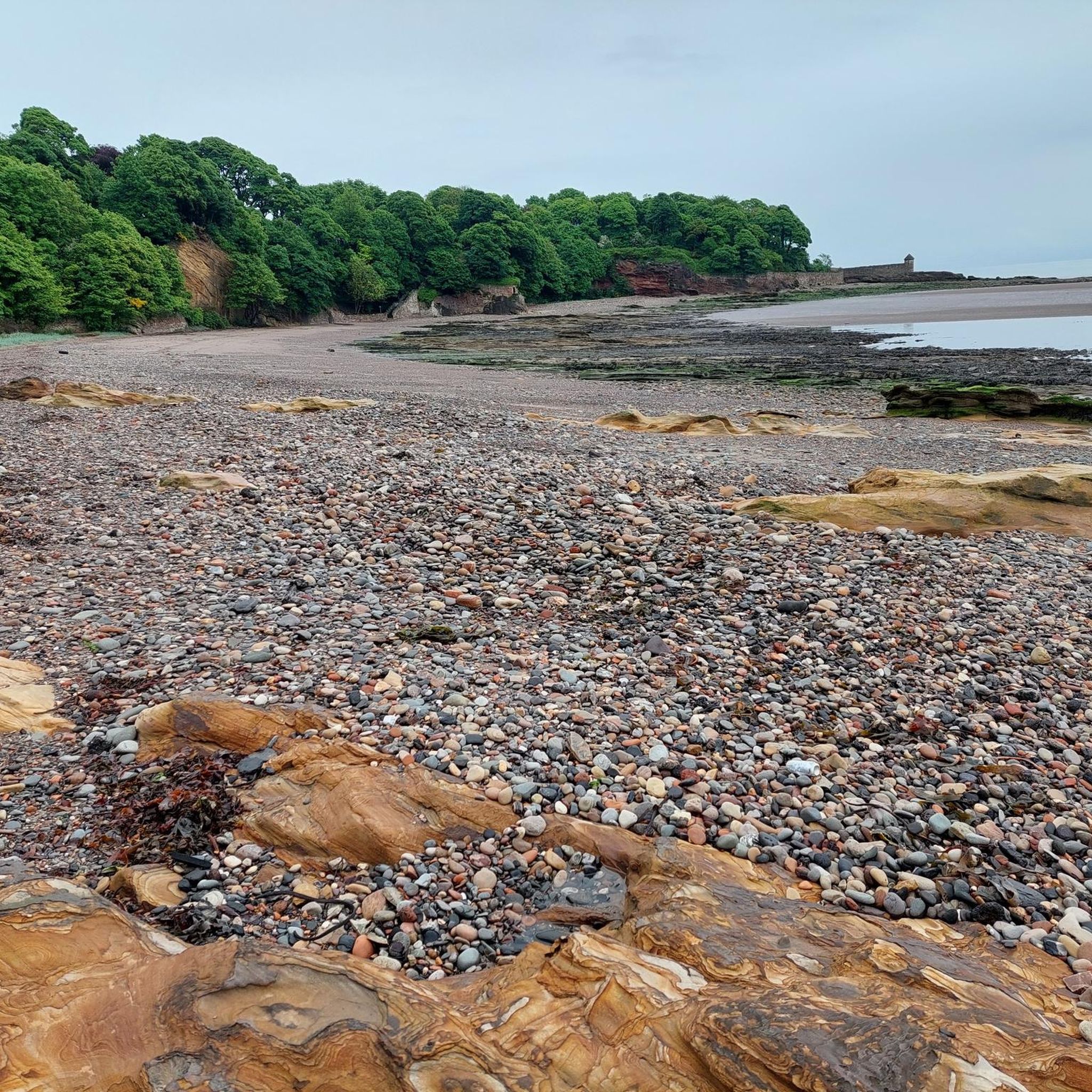
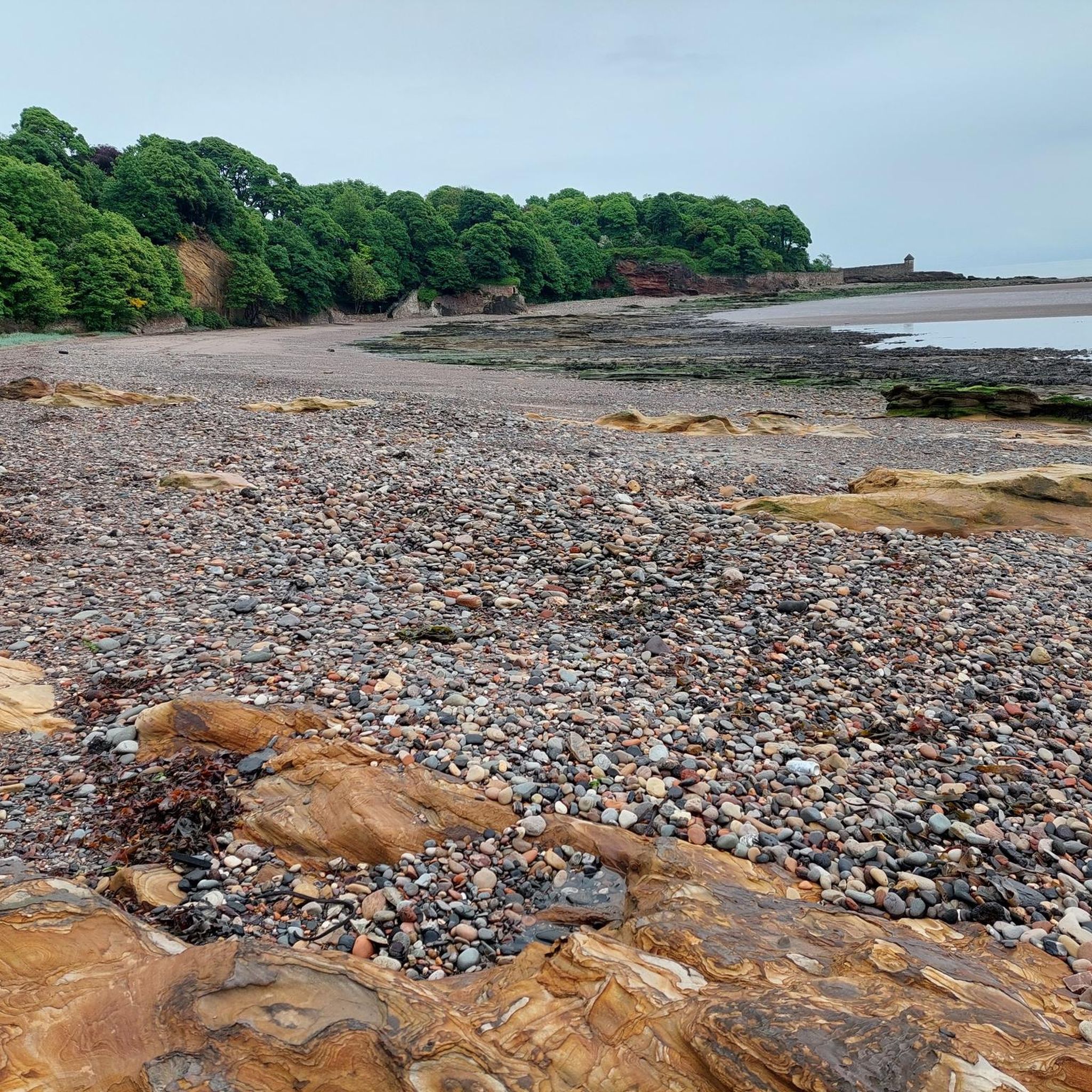
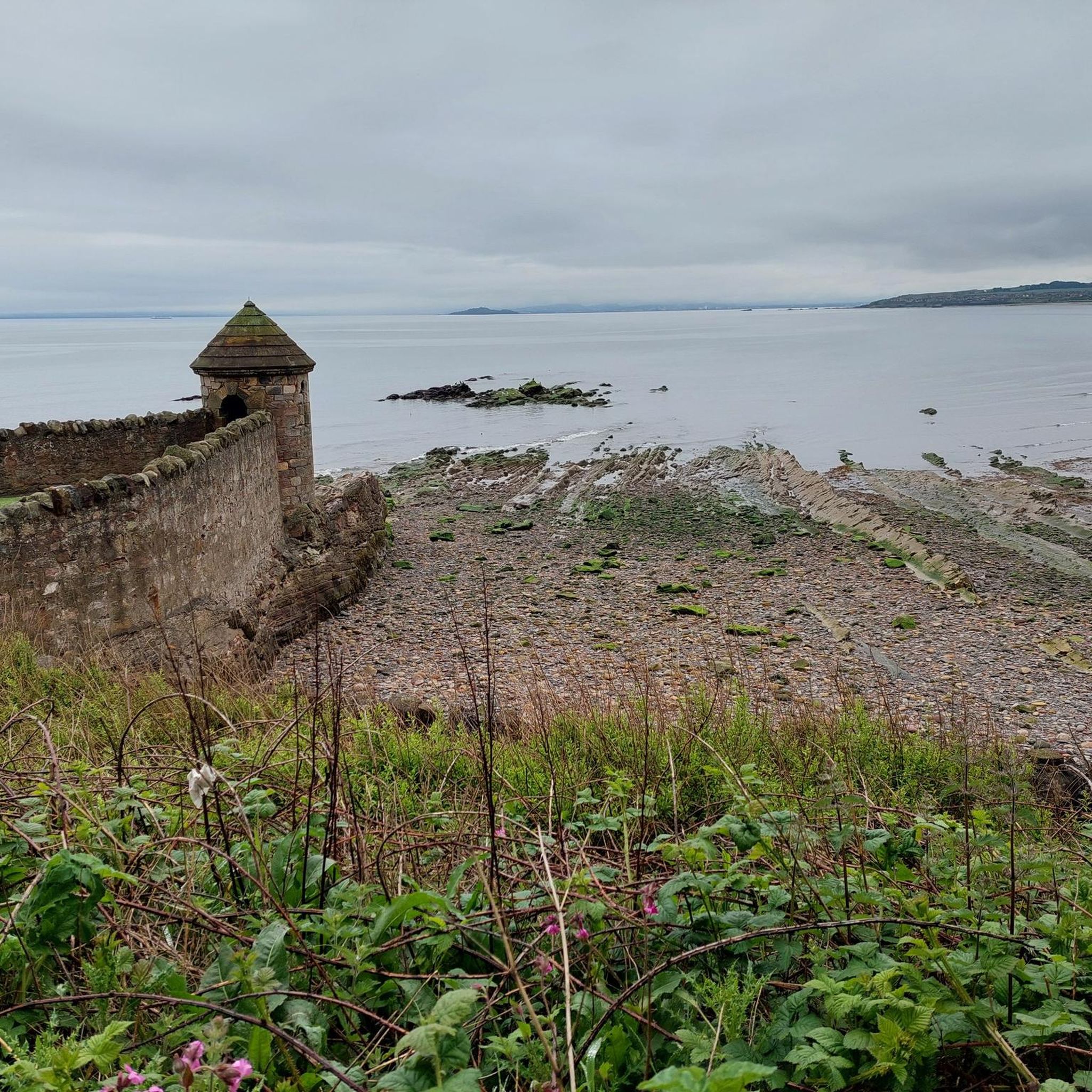
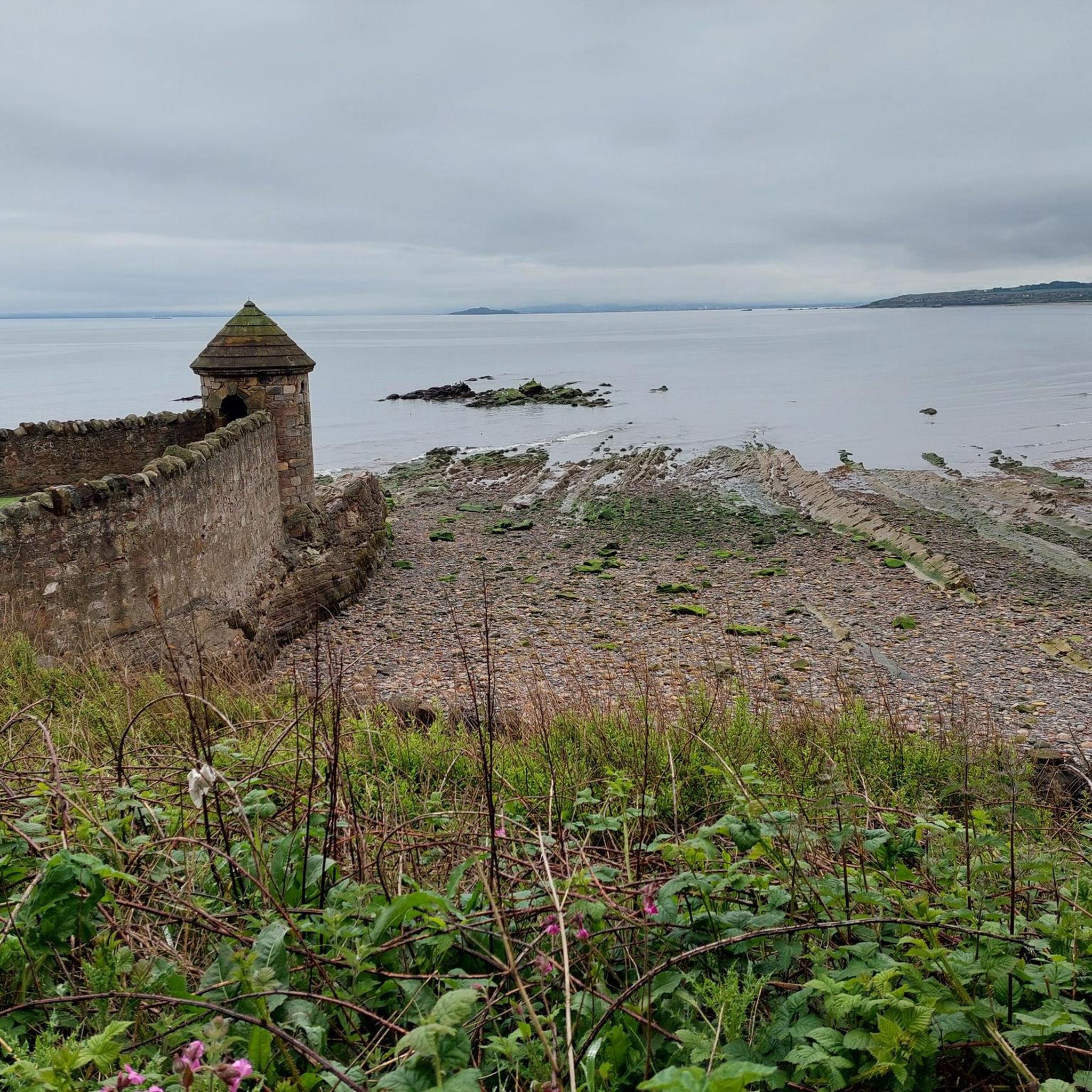
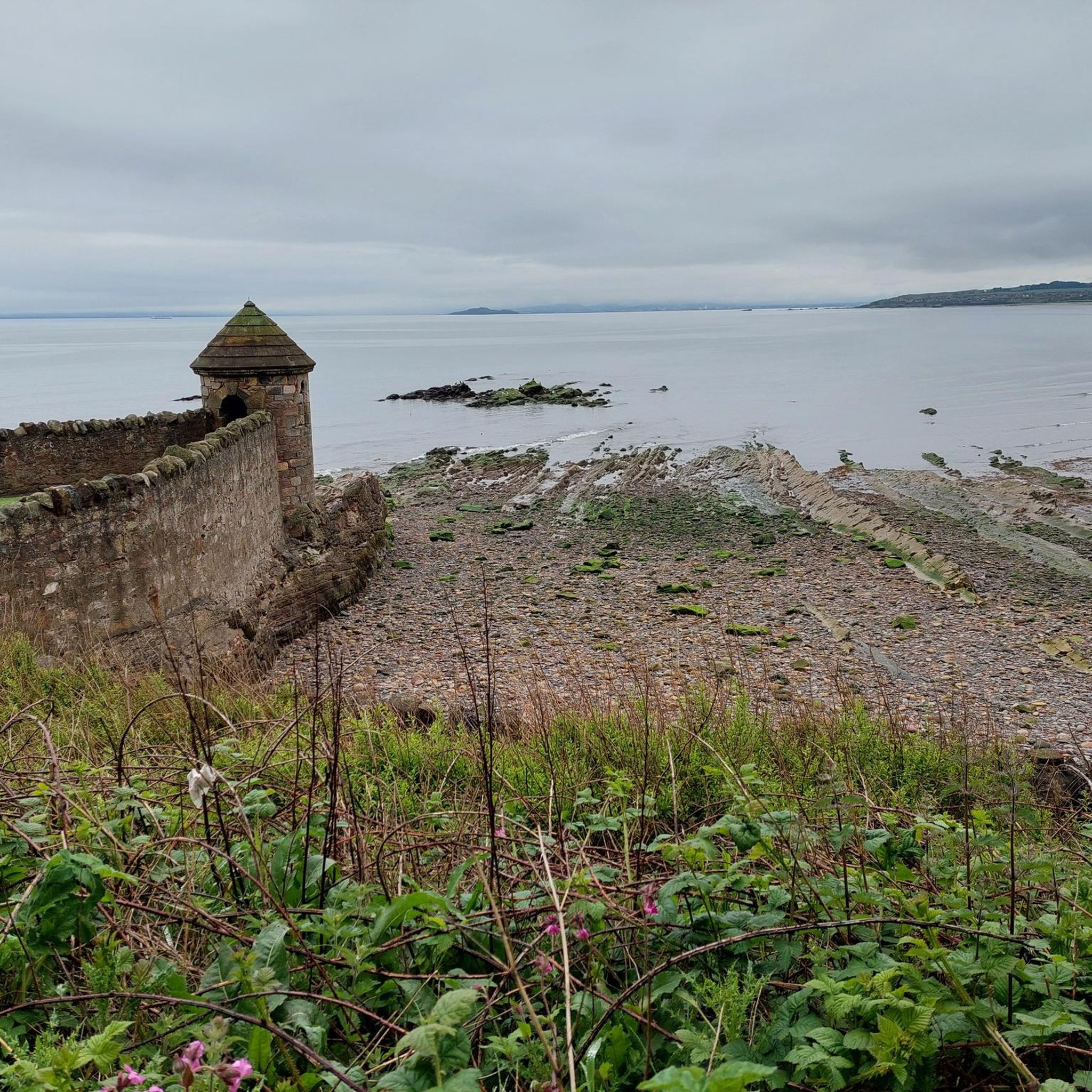
The lands here at Seafield (as well as the lands at Markinch) were granted to Robert Moultrie by King James II in 1443 and the tower was in his family ownership until 1631. It was then sold to the Archbishop of Glasgow, James Law, before passing through a number of unknown owners. The last owners were the Methven family, whose Lord was reported to have left Seafield in 1715 to join the Jacobite arising, never to return, resulting in the tower being abandoned in 1733. Seafield Tower, also known as the devil’s tower, is five stories high and was built using the local red sandstones. It would have had a vaulted storage area on the ground floor and great hall on the first floor and the upper floor level would have been for the Lord’s accommodation. The tower is protected by barnskin or curtain wall. Unfortunately, all has been lost due to the coast erosion- the significant northwest corner collapsed during the storm in 2013. The 1744 plan of the tower shows ancillary buildings to the west of the tower, providing necessary support to the residents, including bakery, brewery and stables.
0
0

MacDuff's Castle was originally built in the 11th century. However, nothing survives from this period and the ruins you see today are from the 14th and 15th centuries. You can explore the castle for free, at your leisure, as there is no tourist infrastructure. Be warned, though, the castle is said to be haunted by the grey lady, who has also been sighted around the caves below. Locals say it is the ghost of Mary Sibbald, who was found guilty of theft and died in the castle.
1
0

MacDuff's Castle was originally a late 13th century stone courtyard fortress, founded by Michael Wemyss. The site is traditionally associated with Macduff, Thane of Fife but in 1306, King Edward I ordered the Earl of Pembroke to burn the castle. Rebuild in the mid 14th century, Sir John Wemyss added the north-western gatehouse to the quadrangular court. From 1530 the Colvilles remodelled the castle, blocking the old gateway they built the south-western four storey tower, with a new gatehouse range in-between. In the late 16th or early 17th century, an outer court encased by a wall with angle turrets and pierced with gun-ports was created on the three landward sides. Allowed to decay from the late 17th century, only the south-west tower, the west wall and its southern angle tower of the outer court remain. The rest of the castle buildings are extremely ruinous and lie buried under mounds of rubble or vegetation. 2 miles south-west is Wemyss Castle and 3 miles north at Kennoway is Maiden Castle.
0
0
Frequently Asked Questions
What historical castles can I explore near East Kirkcaldy?
You can explore several historical castles. MacDuff's Castle offers ruins from the 14th and 15th centuries with an authentic, untouristed experience. Seafield Tower, a five-story tower built with local red sandstone, showcases 15th-century baronial life and a dramatic coastal location. Additionally, Ravenscraig Castle, located within Ravenscraig Park, is a 15th-century artillery fortification open to the public.
Are there any castles near East Kirkcaldy with unique historical stories or folklore?
Yes, MacDuff's Castle is said to be haunted by a 'grey lady,' believed to be the ghost of Mary Sibbald, adding a layer of local folklore to its ancient ruins. Balwearie Castle is strongly linked to Sir Michael Scott, known as the 'Wizard of the North,' and is shrouded in stories and local lore.
What kind of outdoor activities can I do near the castles in East Kirkcaldy?
The area around East Kirkcaldy offers various outdoor activities. You can find numerous hiking trails, including easy routes like the Ravenscraig Park & Castle loop. For runners, there are trails such as the Ravenscraig Beach – Kirkcaldy Promenade loop. Gravel biking enthusiasts can explore routes like the East Lomond Track loop. For more details and routes, check out the guides for easy hikes, running trails, and gravel biking around East Kirkcaldy.
Are there family-friendly castles or parks to visit in the East Kirkcaldy area?
Yes, Ravenscraig Park is an excellent family-friendly option. It encompasses Ravenscraig Castle and offers scenic views and recreational opportunities, making it suitable for visitors of all ages. The park was gifted to the town of Kirkcaldy as a public park in 1929.
Which castles offer a glimpse into different architectural styles or periods?
Ravenscraig Castle is a 15th-century artillery fortification, notable for being one of Scotland's first castles built to withstand cannon fire, showcasing robust defensive architecture. Piteadie Castle, though not a highlight in this guide, was significantly altered in the 17th century, featuring a vaulted basement, spiral stair, and Renaissance gateways, providing insight into architectural evolution.
Can I visit castles near East Kirkcaldy without tourist infrastructure?
Yes, MacDuff's Castle offers a raw and authentic historical experience as you can explore its ruins freely without any tourist facilities. This allows for a more personal and immersive visit.
Are there any castles that are easily noticeable or accessible from main roads?
Torbain Tower is described as a well-preserved tower prominently located along Torbain Road, making it easily noticeable for those passing by and suggesting an intriguing history to explore.
What is the best time of year to visit the castles around East Kirkcaldy?
While specific opening times vary, visiting during spring or summer generally offers more pleasant weather for exploring outdoor ruins and coastal locations. Many castles, especially those managed by Historic Environment Scotland like Ravenscraig Castle, may have extended hours or more accessible grounds during these seasons. However, the dramatic coastal settings can be enjoyed year-round, weather permitting.
Are there any castles near East Kirkcaldy that are particularly scenic or offer good viewpoints?
Ravenscraig Castle, situated on a narrow rocky promontory overlooking the Firth of Forth, offers scenic views. Similarly, Seafield Tower boasts a dramatic coastal location, providing picturesque views of the surrounding seascape.
What do visitors appreciate most about the castles in East Kirkcaldy?
Visitors appreciate the rich history and diverse architectural styles of the castles, offering a tangible link to Scotland's past. The dramatic coastal locations and opportunities for exploration within scenic parklands, such as Ravenscraig Park, are also highly valued. The komoot community has shown appreciation for these sites, with over 30 upvotes and 10 photos shared.
Is there a castle near East Kirkcaldy that has faced significant coastal erosion?
Yes, Seafield Tower has been significantly impacted by coastal erosion. A substantial portion of its northwest corner collapsed during a storm in 2013, highlighting its dramatic and vulnerable coastal position.
Most popular routes around East Kirkcaldy
Most popular attractions around East Kirkcaldy

Get inspired with the komoot mobile app


Explore more
Looking for the best castles somewhere else? Discover other guides around East Kirkcaldy:
