Attractions and Places To See around Fornos De Algodres - Top 9
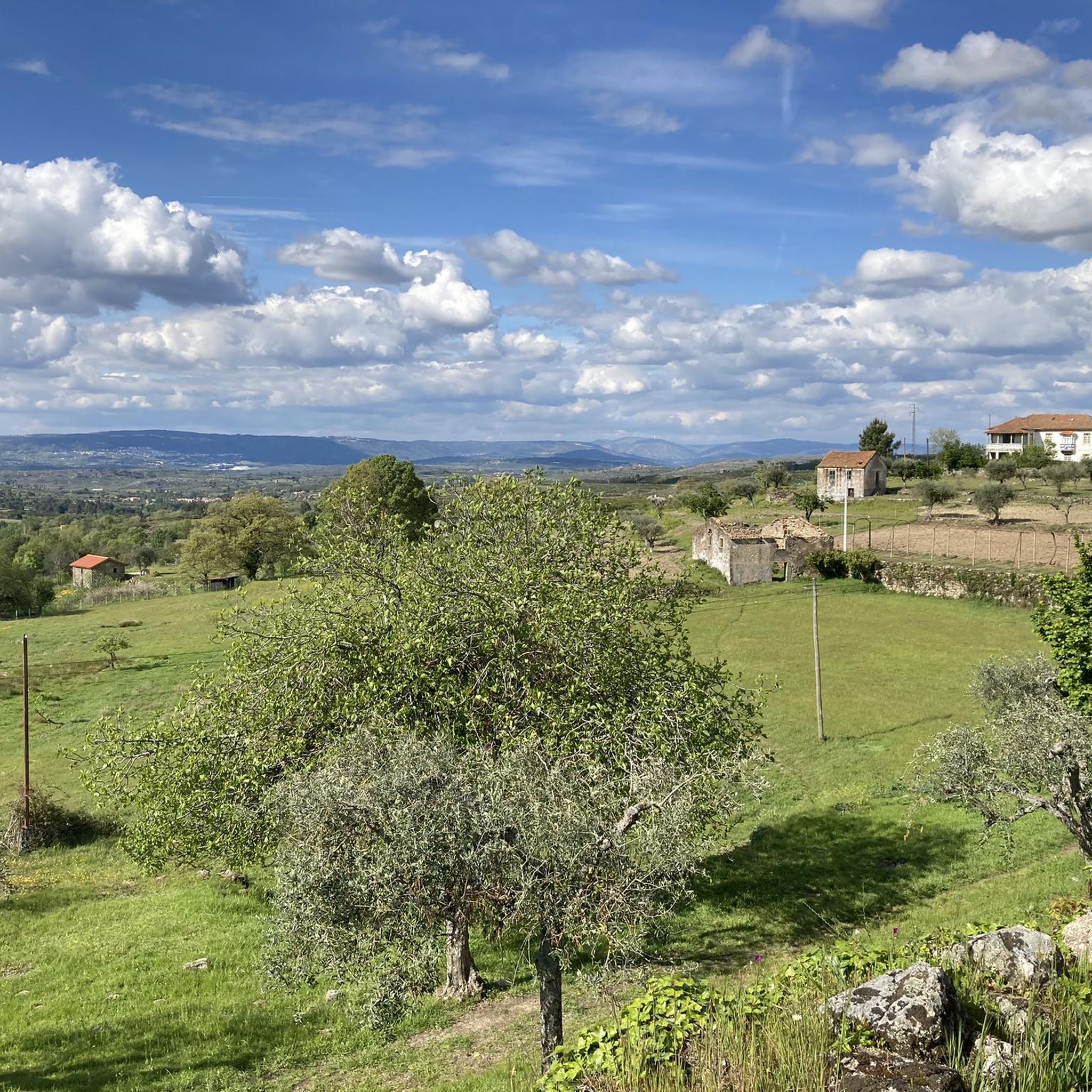
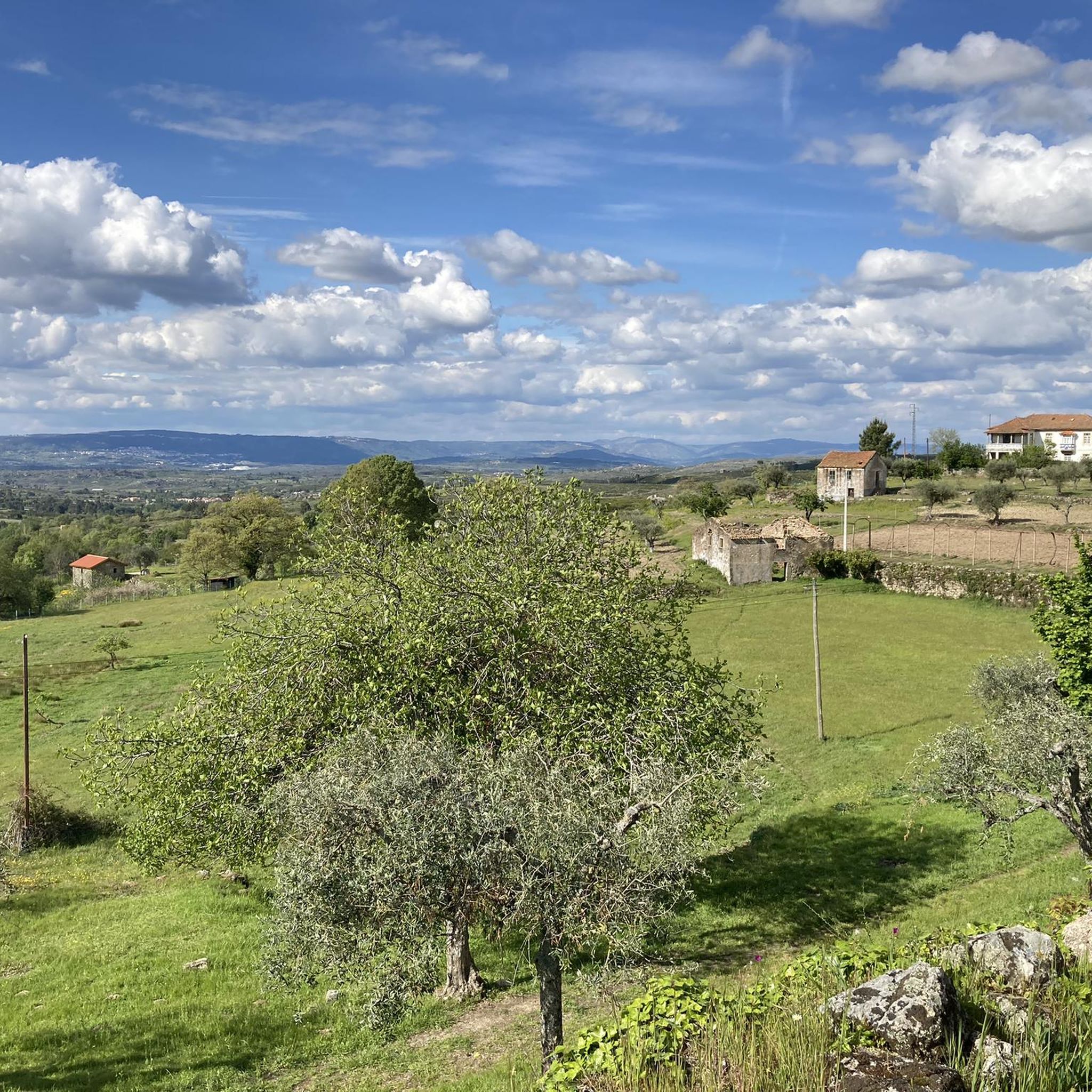
Best attractions and places to see around Fornos De Algodres include a rich array of historical, cultural, and natural sites within Portugal's Guarda District. Situated at the foot of the Serra da Estrela mountain range, the region offers diverse landscapes and panoramic views. Visitors can explore ancient settlements, medieval necropolises, and Roman remains, reflecting millennia of history. The area also provides opportunities for outdoor activities with various hiking trails and viewpoints.
Best attractions and places to see around Fornos De…
Last updated: June 28, 2026
Aldeia Histórica de Linhares da Beira
Highlight • Settlement
Translated by Google •
Tip by

Igreja de São Pedro
Highlight • Religious Site
Translated by Google •
Tip by

Sign up now to discover places like this
Get recommendations on the best single tracks, peaks, & plenty of other exciting outdoor places.
Sign up for free
Gouveia
Highlight • Settlement
Translated by Google •
Tip by

Linhares Roman Road
Highlight (Segment) • Historical Site
Translated by Google •
Tip by
Along the Ribeira da Muxagata
Highlight (Segment) • River
Translated by Google •
Tip by
Sign up for free to discover even more attractions around Fornos De Algodres.
Sign up for free
Already have an account?
Start today with a free account
Your next adventure awaits.
Login or Signup


Tips from the Community

A historic village of undeniable beauty. Thank you for sharing the photos.👍🥾🚲
0
0

Linhares da Beira is steeped in centuries of history. Founded, apparently, in the 6th century BC by the Turduli, it saw the passage of the Lusitanians, Romans, and Visigoths, who made it the seat of their diocese. It was the scene of Moorish legends, recovered by the kings of León and later by Afonso Henriques, who granted it a charter in 1169 and integrated it into the region's defensive line. Over time, it welcomed Jews, resisted invasions, and lost its municipality in 1842, but never its soul. Today, it is proud to be one of the 12 Historic Villages of Portugal, where every stone tells a piece of the past.
3
0
Between time-worn granite blocks, the Estrada dos Almocreves winds its way to Linhares da Beira. This section, a legacy of the Via da Estrela (the ancient Roman route that connected Mérida to Braga), connected Mangualde to Linhares and continued to Videmonte. It's over a kilometer of almost uninterrupted pavement, gently descending until it reaches the waters of the Ribeira de Linhares.
2
0
The Muxagata stream meanders for about 20 kilometers southwest until it meets the Mondego River. At the bottom of a gentle valley, nestled between rocky slopes, the water has shaped the terrain with alluvium that fertilizes banks that were once forested, now transformed into meadows where goats and sheep graze peacefully. Among dense alders, wildlife thrives as in a deciduous forest, while the neighboring slopes boast broom and rare oaks, a vivid portrait of the long dance between nature and humankind.
1
0

Gouveia is a picturesque Portuguese town and municipality located in the district of Guarda, on the northern edge of the Serra da Estrela Natural Park. With an elevated position that provides it with a mountain climate and picturesque views, Gouveia is considered one of the "gateways" to the highest mountain range in mainland Portugal. The town stands out for its rich historical and architectural heritage, with a charming old town characterized by narrow cobbled streets, traditional houses and monuments such as the Mother Church of São Pedro and the Paços do Concelho (Town Hall). Gouveia is also renowned for the production of the famous Queijo Serra da Estrela, a DOP sheep's cheese, and for its tradition of the Cão da Serra da Estrela dog breed. Its proximity to the Natural Park makes it an excellent base for exploring the natural beauty of the Serra.
0
0

Igreja de São Pedro is a church from the 17th century. It has a very beautiful facade with blue and white tiles.
2
0

Frequently Asked Questions
What historical sites can I explore in Fornos de Algodres?
The region is rich in history, offering sites from various periods. You can visit ancient settlements like Castro de Santiago near Figueiró da Granja, dating back 5000 years, or the Bronze Age site of Fraga da Pena. Don't miss the medieval necropolises at Forcadas and Vila Ruiva, or the remnants of Roman roads and bridges. The 18th-century Igreja da Misericórdia de Algodres and the 16th-century Pelourinho de Fornos de Algodres also offer insights into the area's past.
Are there any ancient settlements or archaeological sites to visit?
Yes, Fornos de Algodres boasts several significant ancient sites. Explore Castro de Santiago, a Chalcolithic fortified settlement, and Fraga da Pena, an important Bronze Age site recognized for its geological and archaeological value. The region is also home to various megalithic monuments, such as the Anta de Cortiçô and the Dólmen de Corgas da Matança, which are ancient burial chambers with historical significance.
Where can I find impressive natural viewpoints around Fornos de Algodres?
Fornos de Algodres, situated at the foot of the Serra da Estrela, offers numerous miradouros (viewpoints) with stunning panoramic vistas. These viewpoints provide expansive views over valleys, vineyards, olive groves, and pine forests, especially from the higher elevations of the municipality and the Serra da Esgalhada. The village of Folgosinho also offers spectacular views of the surrounding landscape from its medieval castle.
What outdoor activities are available near the attractions in Fornos de Algodres?
The region is ideal for outdoor enthusiasts. You can enjoy hiking on various trails, including short biodiversity trails and ancient shepherd paths. Cycling is also popular, with routes for both road cycling and touring bicycles. For specific routes, you can explore options like the Hiking around Fornos De Algodres guide or the Cycling around Fornos De Algodres guide.
Are there hiking trails suitable for different skill levels?
Yes, the area offers a variety of hiking trails. While specific difficulty levels vary, you can find routes ranging from easy loops, such as a 5.8 km hiking loop from Melo e Nabais, to moderate trails like the Freixo da Serra loop. These trails allow for immersion in nature, with some following ancient shepherd paths. For detailed information on routes and their difficulty, refer to the Hiking around Fornos De Algodres guide.
What are some family-friendly attractions in the Fornos de Algodres region?
Families can enjoy exploring historical villages like Aldeia Histórica de Linhares da Beira, with its rich history and charming atmosphere. The Igreja de São Pedro, with its distinctive blue and white tiles, is also a notable family-friendly religious building. Additionally, the river beach at Praia Fluvial da Ponte de Juncais provides a natural recreational spot for all ages.
When is the best time of year to visit Fornos de Algodres for sightseeing and outdoor activities?
Fornos de Algodres, with its mountain climate due to its elevation, is generally pleasant for sightseeing and outdoor activities during spring (April-June) and autumn (September-October). These seasons offer milder temperatures, ideal for hiking and exploring historical sites, and the landscapes are particularly beautiful. Summer can be warm, while winter brings cooler temperatures, especially at higher altitudes.
What unique cultural experiences or local traditions can I discover?
Beyond historical sites, you can immerse yourself in the local culture by exploring the charming town centers with their historical buildings and cobbled streets. The region is also famous for its gastronomy, including the renowned Queijo Serra da Estrela and traditional dishes like cabrito à moda de Fornos. The municipality also offers themed routes like the Rota dos Miradouros and the Rota dos Solares, providing cultural insights.
Are there any lesser-known historical gems worth exploring?
Absolutely. Beyond the more prominent sites, look for the medieval necropolises with tombs carved into the rock at Forcadas and Vila Ruiva. The remnants of Roman roads, such as those in Maceira and near the Chapel of Nª Sra. da Graça, offer a glimpse into ancient infrastructure. The Chapel of Our Lady of Miracles in Muxagata is another point of interest that provides a deeper dive into local history and religious heritage.
What kind of local cuisine should I try in Fornos de Algodres?
The local gastronomy is a highlight of the region. You must try Queijo Serra da Estrela, a famous DOP sheep's cheese, and requeijões (soft cheese). Traditional cured meats are also popular. For main dishes, savor cabrito à moda de Fornos (kid goat). Don't forget desserts like Arroz Doce (rice pudding) and Leite-creme (crème brûlée), often paired with local Dão wines.
Are there any cycling routes available for exploring the region?
Yes, Fornos de Algodres offers various cycling opportunities. You can find routes for road cycling, with options like the 'Pelourinho de Aguiar da Beira – Citânia da Raposeira loop from Fornos de Algodres' (94 km), or touring bicycle routes, such as the 'Folgosinho – Folgosinho loop from Melo e Nabais' (27 km). For a comprehensive list of routes, check the Road Cycling Routes around Fornos De Algodres and Cycling around Fornos De Algodres guides.
What do visitors particularly enjoy about the attractions in Fornos de Algodres?
Visitors frequently appreciate the rich historical context and the stunning natural beauty of the region. The ancient villages like Aldeia Histórica de Linhares da Beira are praised for their centuries of history and picturesque settings, making them lovely for hiking. The intricate architecture of sites like Igreja de São Pedro and the spectacular views from places like Folgosinho are also highly valued by those exploring the area.
Are there any river beaches or natural swimming spots nearby?
Yes, for those looking to cool off or enjoy a natural recreational spot, the Praia Fluvial da Ponte de Juncais serves as a river beach in the area. It provides an opportunity to relax by the water amidst the region's natural beauty.
Most popular routes around Fornos De Algodres

Get inspired with the komoot mobile app


Explore more
Still not found the Highlight you’re looking for? See guides of the top attractions in other regions:
