Top 9 Natural Monuments around Sa Baronia/Villaperuccio
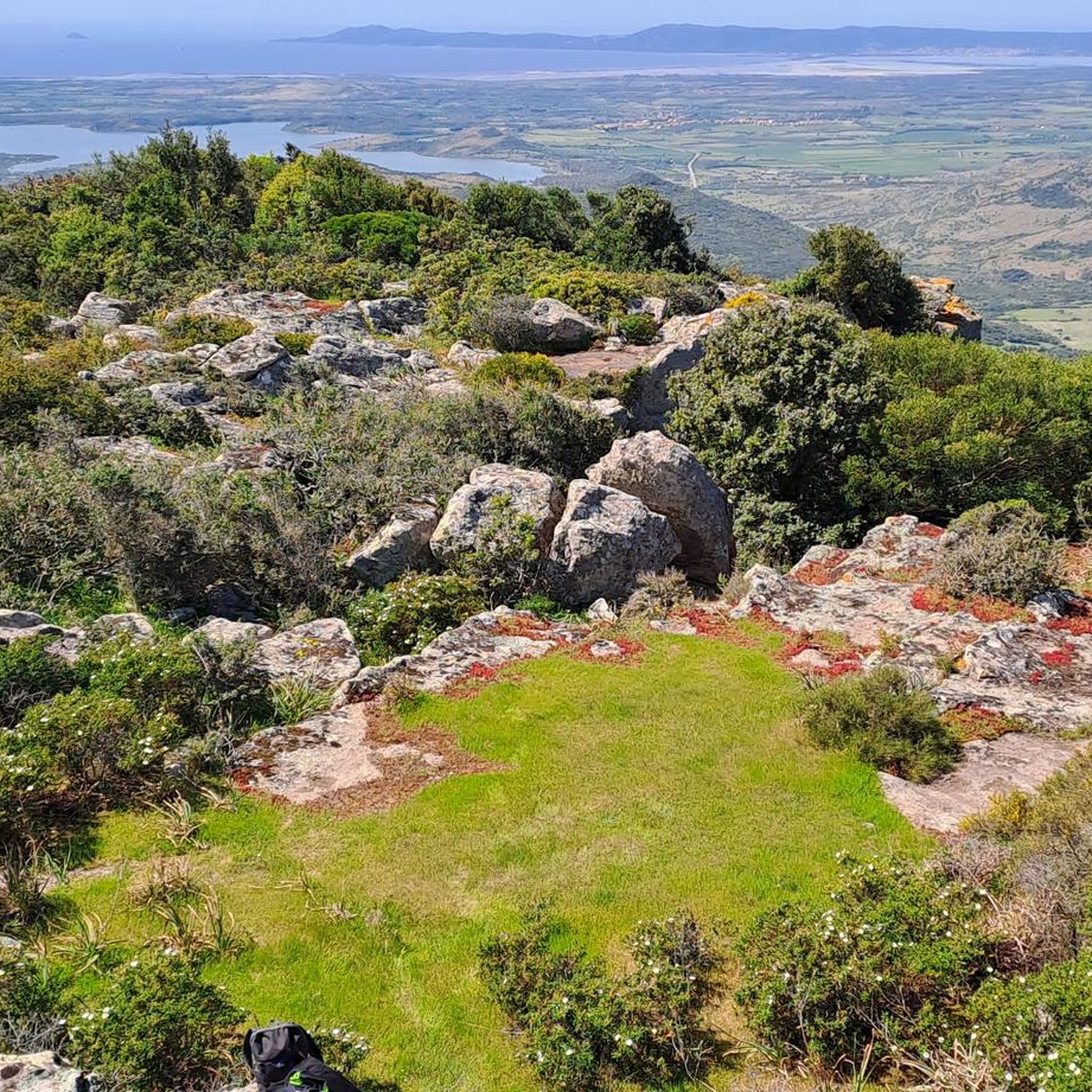
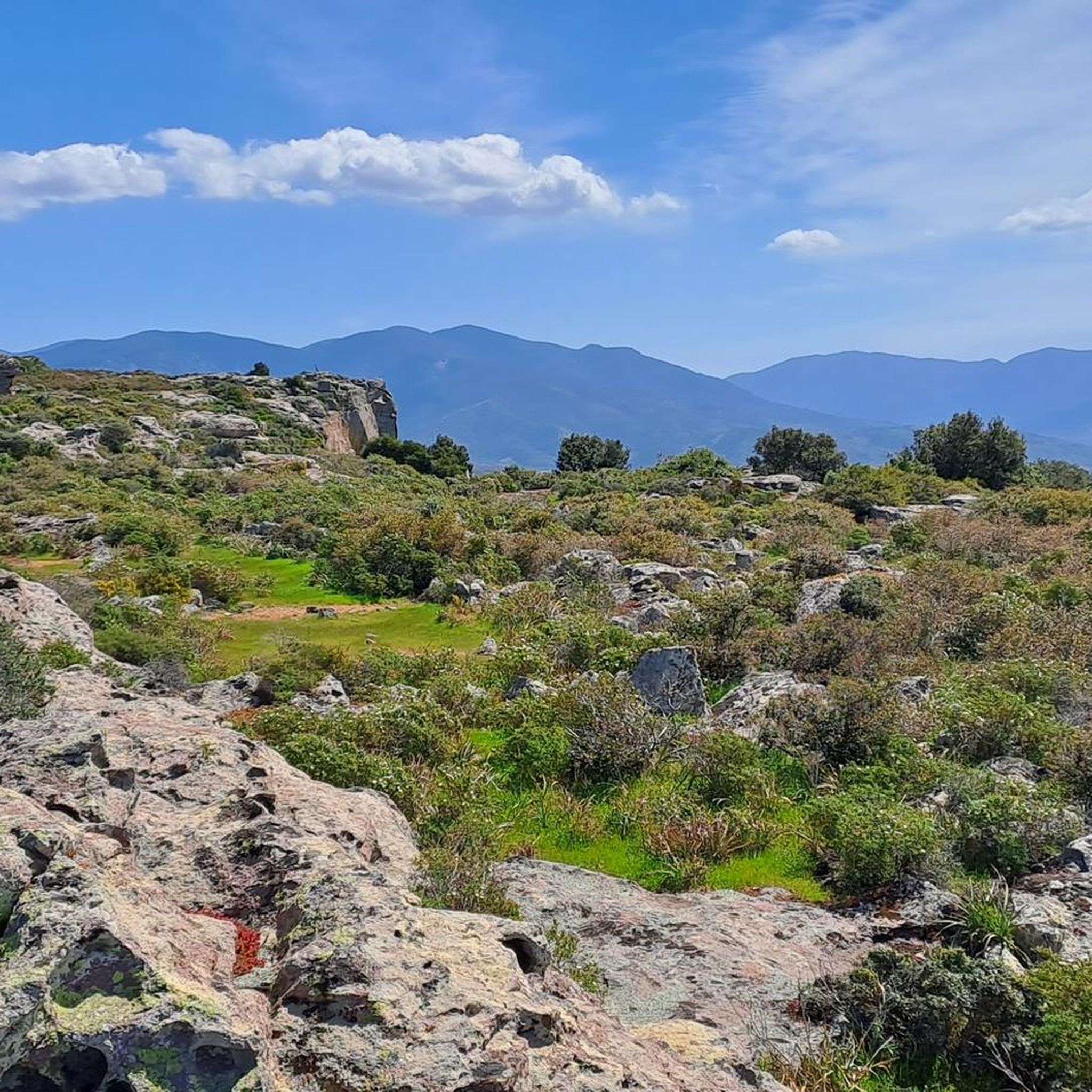
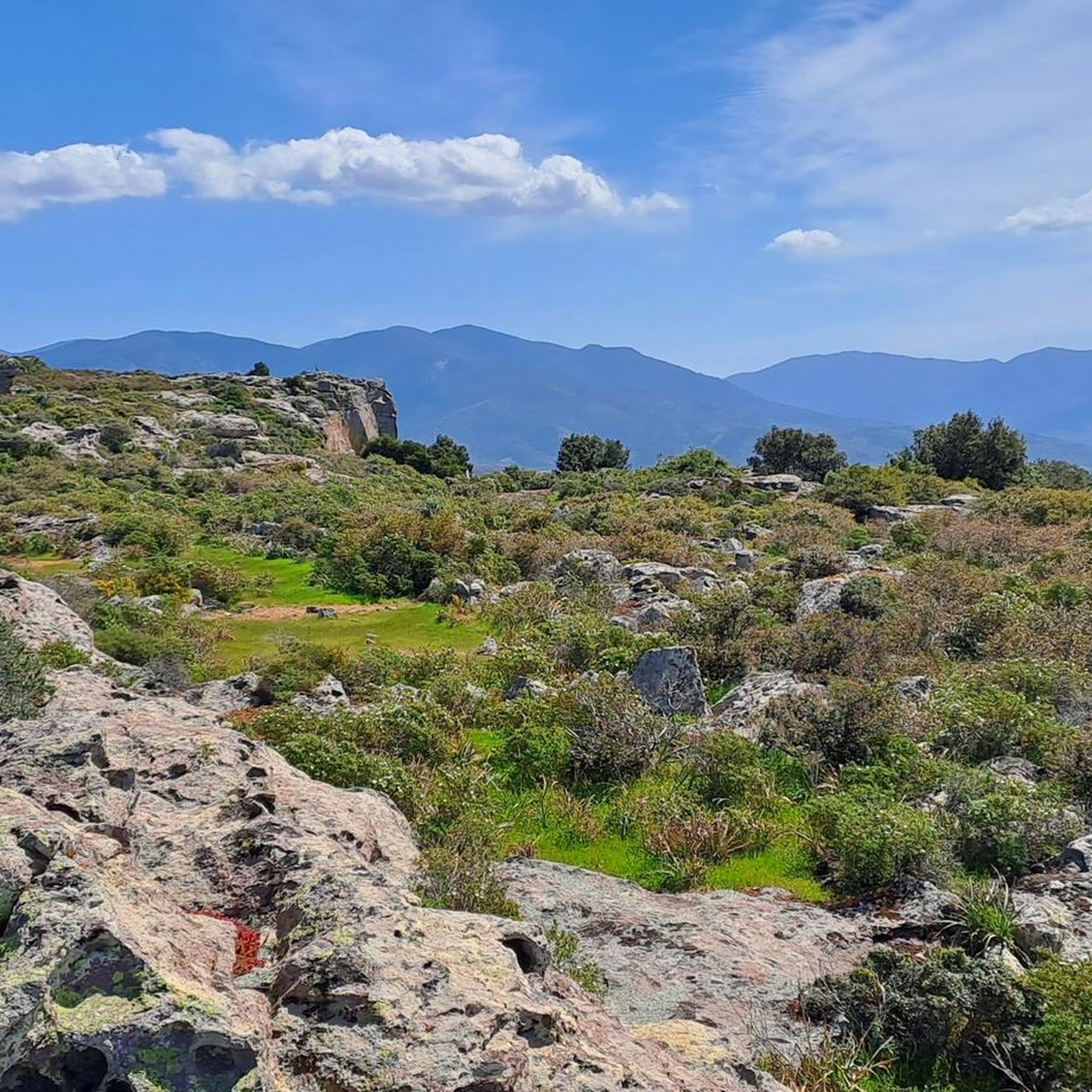
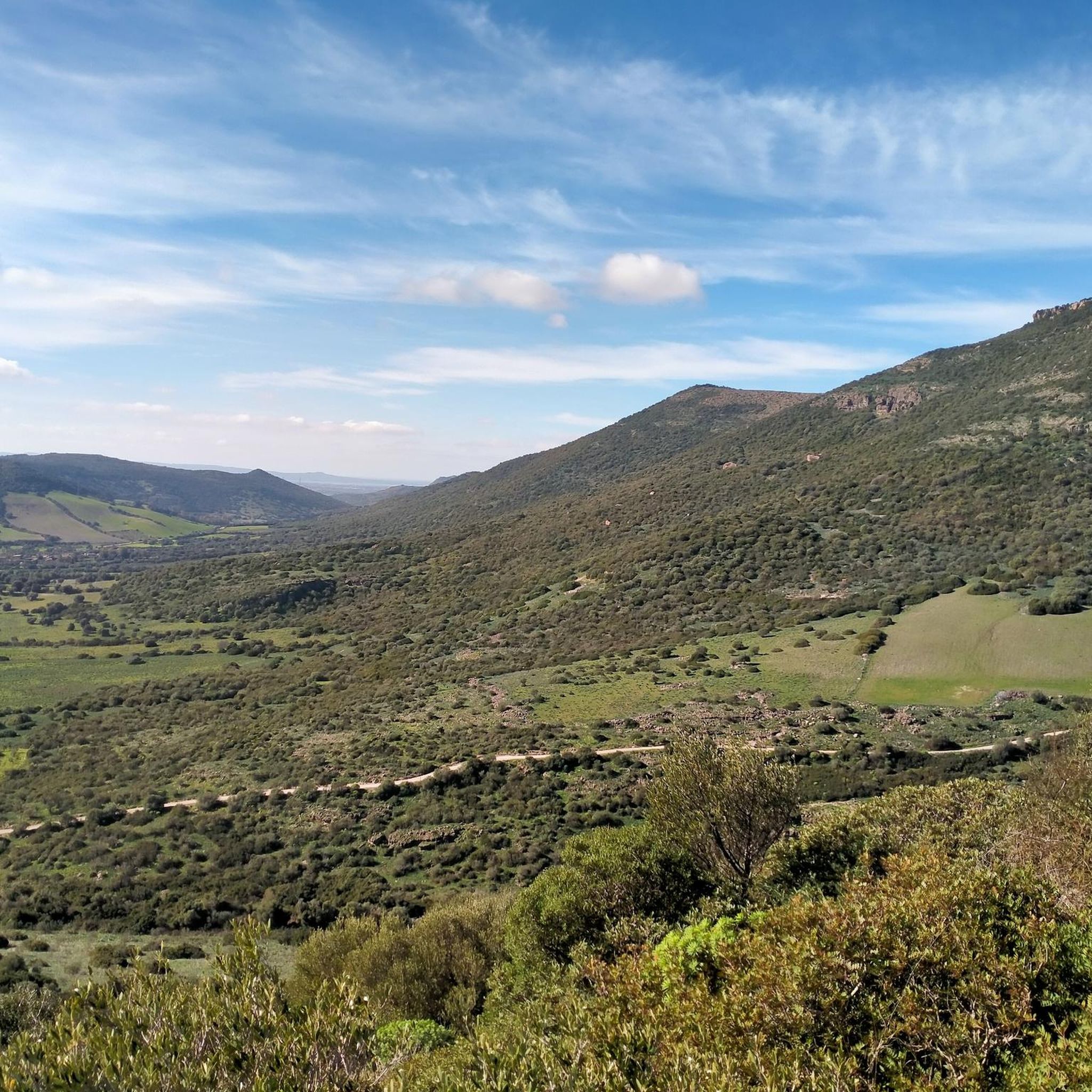
Best natural monuments around Sa Baronia/Villaperuccio are characterized by a blend of ancient history and diverse natural landscapes. The region features an alluvial plain to the south, bordered by a semicircle of volcanic hills to the north. This area is known for its pristine nature, offering opportunities for panoramic walks and outdoor exploration. The natural environment significantly enhances historical sites, making them notable natural monuments.
Best natural monuments around Sa Baronia/Villaperuccio
- The most popular natural monument is Montessu Necropolis,…
Last updated: October 13, 2026
Tombs 29–35
Highlight (Segment) • Historical Site
Translated by Google •
Tip by

Montessu Necropolis
Highlight • Historical Site
Translated by Google •
Tip by

Sign up now to discover places like this
Get recommendations on the best single tracks, peaks, & plenty of other exciting outdoor places.
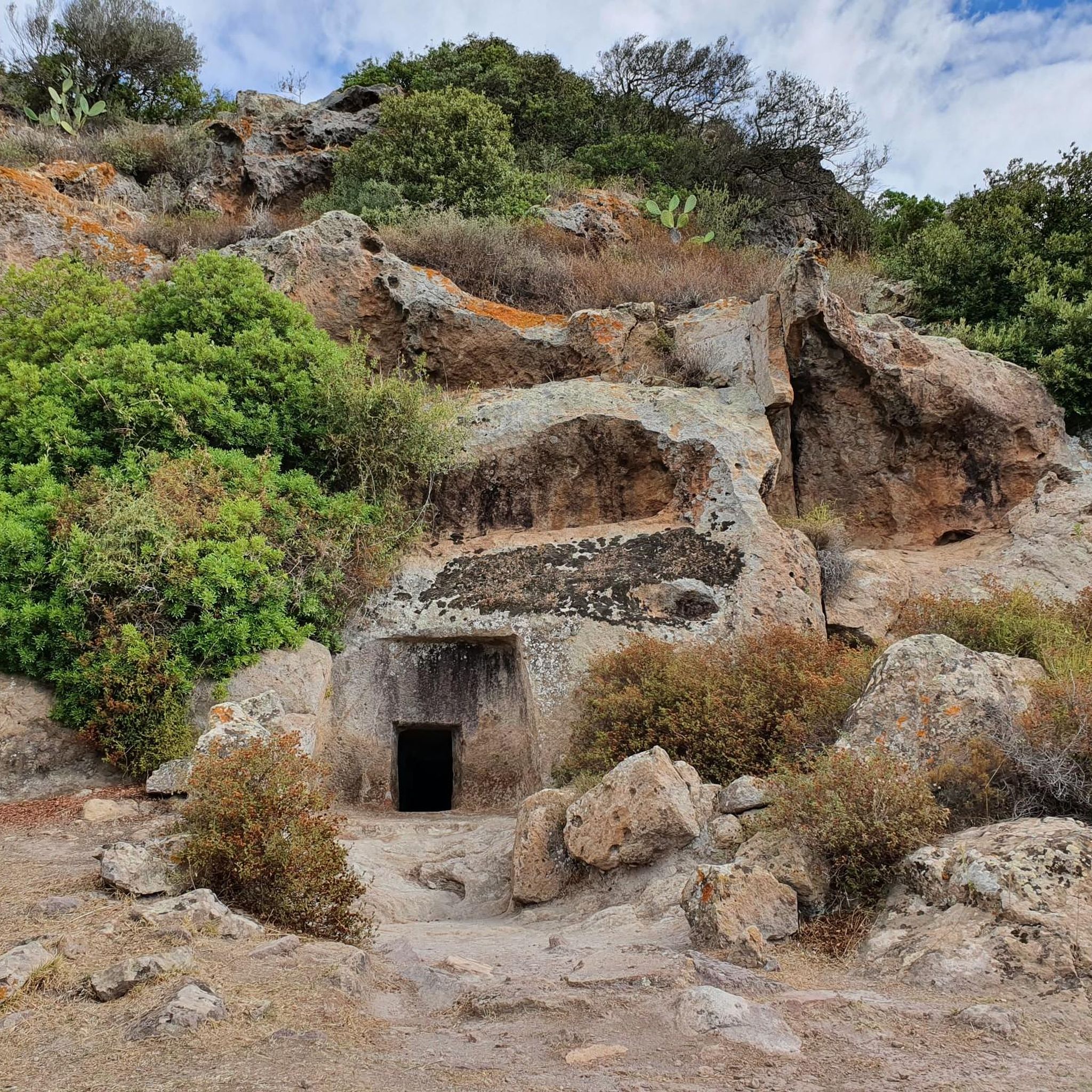
Domus de Janas Tombs 1–5
Highlight (Segment) • Historical Site
This is followed by grave 2, which is particularly impressive because of the carved spiral and arch pattern.
Translated by Google •
Tip by
Caves of Is Zuddas
Highlight • Cave
Translated by Google •
Tip by

Menhir Luxia Arrabiosa
Highlight • Monument
The area boasts …
Translated by Google •
Tip by

Sign up for free to discover even more natural monuments around Sa Baronia/Villaperuccio.
Already have an account?
Start today with a free account
Your next adventure awaits.
Popular around Sa Baronia/Villaperuccio

Tips from the Community

Entry is only allowed with a guide, every 15-30 min. The last tour before the lunch break is at 12:15, afterwards at 15:00.
0
0

A visit including a guided tour is worthwhile. It takes about 1 hour.
0
0

The Is Zuddas caves, located in Sulcis near Santadi, are located in Monte Meana, a 530 million year old Dolomite massif. Discovered in 1971, these active caves maintain a constant temperature of 16°C and high humidity. The 500-meter route reveals remarkable concretions, including the rare needle-shaped aragonites called "cave flowers", and in the initial part there are fossil remains of Prolagus sardus, an extinct endemic lagomorph.
2
0


The Is Zuddas caves were discovered in 1971. They can be visited upon reservation and checking the timetable.
0
0

The Terrazzu menhir, also known as Luxia Arrabiosa, is located not far from the village of Villaperuccio, in an agricultural area near the confluence of two rivers. The area boasts at least fifteen hard stone menhirs scattered around, as well as numerous evidence of Neolithic human presence, including the beautiful domus de janas necropolis of Montessu. Although damaged by lightning, the Terrazzu menhir is the most imposing in the area, reaching a height of over 5 meters. Its flat main face faces southeast, while its opposite face is semi-convex with rounded edges, resembling the shape of proto-anthropomorphic menhirs. One of the names by which it is known, Luxia Arrabiosa (Furious Lucy), refers to the protagonist of ancient Sardinian legends. She is often depicted as a woman or giantess who, angry at a wrong she has suffered, forcefully throws an object that sticks in the ground and turns to stone.
0
0

The park of the Necropolis of Montessu, surrounded by greenery, is beautiful and interesting
0
0
Frequently Asked Questions
What are the most significant natural monuments to visit in Sa Baronia/Villaperuccio?
The region offers a unique blend of natural beauty and ancient history. Key natural monuments include the Montessu Necropolis, an extraordinary pre-Nuragic site set within a natural amphitheater of trachitic rock, and the Caves of Is Zuddas, known for their rare needle-shaped aragonites. Another notable site is the imposing Menhir Luxia Arrabiosa, standing over 5 meters tall in the Terrazzu valley.
Are there any family-friendly natural monuments in Sa Baronia/Villaperuccio?
Yes, the Caves of Is Zuddas are considered family-friendly, offering a fascinating 500-meter route through a 530 million year old Dolomite massif. The Menhir Luxia Arrabiosa is also a great option for families, providing an accessible historical landmark in a natural setting.
What kind of natural features can I expect to see in Sa Baronia/Villaperuccio?
Sa Baronia/Villaperuccio is characterized by diverse natural landscapes. You'll find an alluvial plain to the south, bordered by a semicircle of volcanic hills to the north. The region features pristine nature, including the natural amphitheater of trachitic rock at Montessu, and the unique geological formations within the Caves of Is Zuddas, which contain rare aragonite crystals.
What historical or cultural sites are integrated with the natural monuments?
The natural monuments in Sa Baronia/Villaperuccio are deeply intertwined with ancient history. The Montessu Necropolis is a prime example, featuring approximately 40 rock-cut tombs, known as 'domus de janas,' carved into the natural rock formations. Similarly, the Menhir Luxia Arrabiosa and other megalithic evidence in the Terrazzu valley highlight the ancient human connection with the land.
What outdoor activities can I do near these natural monuments?
The area around Sa Baronia/Villaperuccio is excellent for outdoor exploration. You can find various hiking trails, including routes like 'Necropolis of Montessu from Villaperuccio' and 'Montessu Necropolis – View of Tombs 14–23 loop'. There are also road cycling routes and running trails available for different fitness levels.
Are there specific hiking trails to explore the natural monuments?
Yes, there are several hiking opportunities. For instance, you can take the 'Necropolis of Montessu from Villaperuccio' trail, which is a moderate 12.8 km hike. For an easier option, consider the 'Montessu Necropolis – View of Tombs 14–23 loop' which is about 3.3 km. You can find more details on hiking around Sa Baronia/Villaperuccio.
What do visitors enjoy most about the Montessu Necropolis?
Visitors frequently highlight the unique blend of history and nature at Montessu Necropolis. They appreciate exploring the approximately 40 rock-cut tombs, some dating back 5000 years, and the impressive grave 33 with its large anteroom and two burial chambers. The carved patterns in grave 34 and the spiral and arch patterns in grave 2 are also often mentioned as particularly striking features.
What makes the Caves of Is Zuddas a unique natural monument?
The Caves of Is Zuddas are unique due to their geological age, being located in a 530 million year old Dolomite massif. They are particularly famous for their rare needle-shaped aragonites, often called 'cave flowers,' which form in various directions, creating a spiky and intricate appearance. The caves also contain fossil remains of Prolagus sardus, an extinct endemic lagomorph.
How long should I plan for a visit to the natural monuments?
To fully experience the Montessu Necropolis, it's recommended to allocate a few hours to explore the various tombs and enjoy the panoramic views. For the Caves of Is Zuddas, the guided tour typically covers a 500-meter route. Depending on how many sites you wish to visit, a full day or more could be dedicated to exploring the natural and historical wonders of Sa Baronia/Villaperuccio.
Are there any specific tips for visiting the Montessu Necropolis?
When visiting Montessu Necropolis, it's advisable to note the opening times, which can extend until 7 p.m. Bring enough water, especially during warmer months, as you'll be spending time exploring. Visitors often recommend taking your time to appreciate the details of each tomb, such as grave number 6, and the impressive grave 33 with its ancient columns.
What is the best time of year to visit the natural monuments in Sa Baronia/Villaperuccio?
The region's climate is generally mild, making it suitable for visits throughout much of the year. However, for comfortable outdoor exploration and hiking, spring (April-May) and autumn (September-October) offer pleasant temperatures and less intense sun. These seasons are ideal for enjoying panoramic walks and exploring the archaeological sites without extreme heat.
Can I find any hidden natural gems or less-known spots near Villaperuccio?
While the main sites are well-known, the broader natural environment of Villaperuccio offers many opportunities for discovery. The territory features a diverse landscape with streams flowing into the Rio Mannu and eventually the Monte Pranu lake. Exploring the volcanic hills surrounding the alluvial plain can lead to serene spots and panoramic views, showcasing the region's pristine nature beyond the main highlights.
Most popular routes around Sa Baronia/Villaperuccio
Most popular attractions around Sa Baronia/Villaperuccio

Get inspired with the komoot mobile app


Explore more
Extend your search for the best caves by checking out these guides of the top ones around Sa Baronia/Villaperuccio:
