Attractions and Places To See around Ersdorf - Top 7
Best attractions and places to see around Ersdorf include a variety of historical sites, monuments, and viewpoints. While Ersdorf is a smaller locality, it serves as a starting point for exploring the surrounding region. Visitors can discover 7 unique points of interest, ranging from historical landmarks to scenic overlooks. The area offers opportunities to explore cultural heritage and natural features.
Best attractions and places to see around Ersdorf
- The most popular attractions is Advantageous location Vogesen, a viewpoint that…
Last updated: August 23, 2026
Advantageous location Vogesen
Highlight • Other
On a clear day, the view from here is fantastic, stretching all the way to the nearby Vosges Mountains. …
Translated by Google •
Tip by

17th Century Calvary
Highlight • Monument
Translated by Google •
Tip by

Sign up now to discover places like this
Get recommendations on the best single tracks, peaks, & plenty of other exciting outdoor places.
Sign up for free
Saint Odile Chapel
Highlight • Other
Translated by Google •
Tip by

Old Locomotive Roundhouse
Highlight • Monument
This time-worn relic offers an atmosphere steeped in history and mystery.
The crumbling …
Translated by Google •
Tip by
Stele for Victor and Gilbert
Highlight • Other
Barely two weeks later, Victor Dreyer, a farmer, and his son Gilbert, were returning from Rodalbe, where …
Translated by Google •
Tip by
Sign up for free to discover even more attractions around Ersdorf.
Sign up for free
Already have an account?
Start today with a free account
Your next adventure awaits.
Login or Signup



Tips from the Community

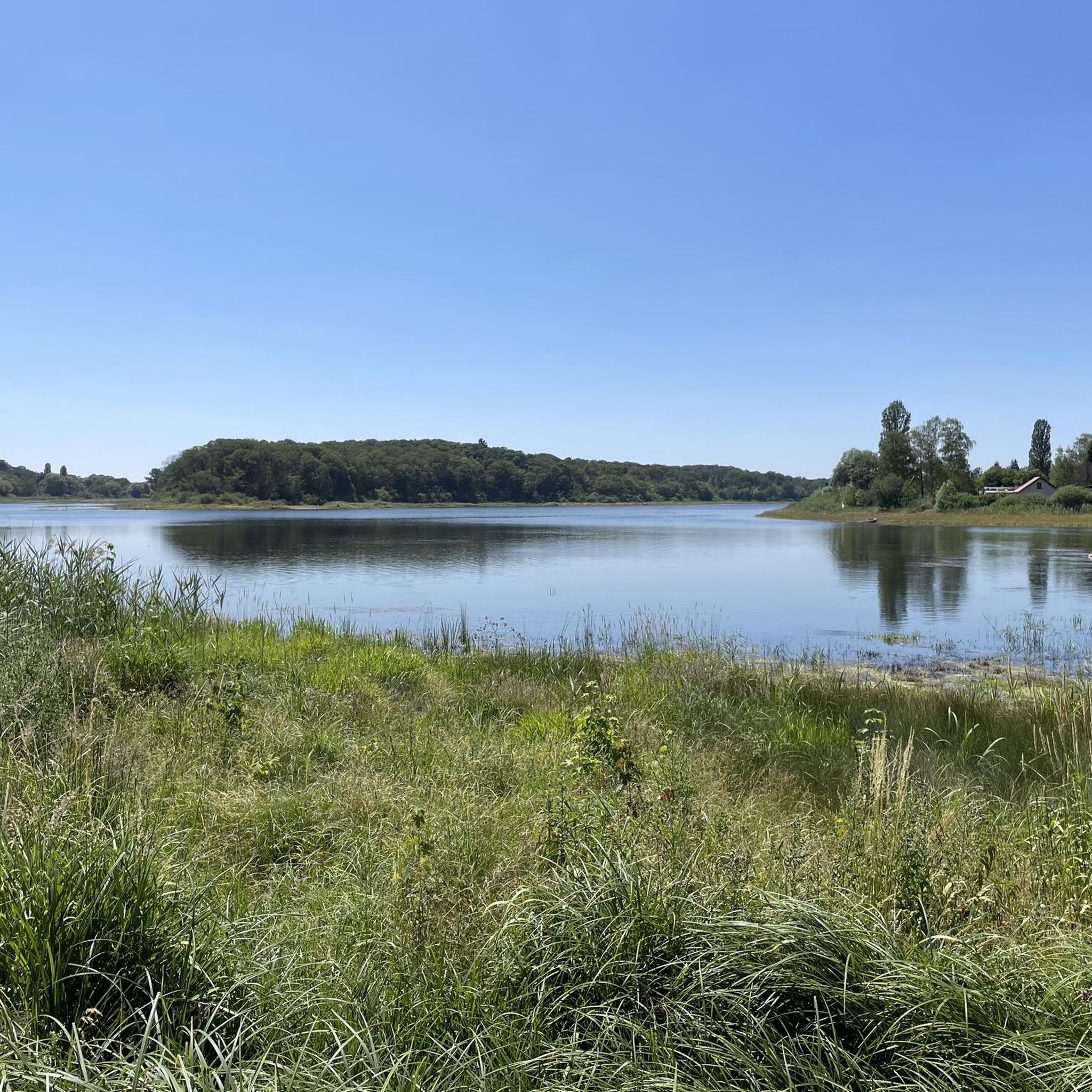
Viewpoint from one of the many bunkers along the Marginot Line. On a clear day, the view from here is fantastic, stretching all the way to the nearby Vosges Mountains. Even the Donon and Dabo peaks are easily visible to the naked eye. This shady spot with its bench is also perfect for a short break.
0
0

The village of Racrange was liberated by the Americans on November 15, 1944. Barely two weeks later, Victor Dreyer, a farmer, and his son Gilbert, were returning from Rodalbe, where they had been preparing for the return of their family, who had been expelled to the Dordogne. The German army had protected their retreat by planting mines on the path through the forest. The wheels of the wagon triggered the explosion that sent the entire team flying into the trees; Twelve-year-old Gilbert was killed instantly; his father died the next day. The explosion, heard as far away as the newly liberated village, plunged Racrange into deep disarray. His other son, Bernard, would serve as mayor of the town for 24 years. This memorial, erected in their memory on the Chemin de la Seille by the family, reminds us of our vigilance in defending peace, freedom, and our democracy.
0
0
When I passed the ordeal was no longer there 🤷🏻♀️
1
0

A very beautiful sandstone cross from the 17th century.
1
0
An important locomotive depot built around 1930, this roundhouse is a fascinating testament to the industrial era. This time-worn relic offers an atmosphere steeped in history and mystery. The crumbling walls and decaying metal structures evoke a glorious past, inviting you to explore its forgotten corners. Whether you're passionate about history or simply looking for adventure, this is a must-see for capturing unique images and experiencing the soul of the place.
0
0
It is one of the few chapels in the department dedicated to the great Alsatian saint. The spring found there was venerated by our Celtic ancestors as a healing goddess; its water was long known to cure eye diseases. After the Druid high priests worshipped Sirona, Mithra, and other goddesses there, an Irish monk likely settled in this Thebaid, creating a hermitage. In 1267, the village's lord, Guillaume de Deneuvre-Blamont (54), had a chapel dedicated to Saint Luce and Saint Odile built there in honor of his wife, Odile de Hénamenil. The latter was born around 700, the daughter of Count Aldaric of Alsace, from whom the line of Dukes of Lorraine descended. Her father had wanted to kill her because she was born blind, her mother saved her and entrusted her to a convent where she miraculously recovered. Her father, a convert, offered her the castle of Hohenburg, today Mount St. Odile, where she founded a convent and became the patron saint of Alsace.
0
0

“Each of these crosses can tell its own story and what motivated people to erect “their” cross at this spot. (...) These wayside crosses were erected as visible signs and attract the attention of many people. The cross is a symbol of life. It stands as a sign of our Christian hope and aims to direct our gaze to Jesus Christ, who has overcome death (...). The cross is part of our lives, just as it was part of the life of Jesus. So I hope that many people ... will visit the wayside crosses, whether as places of silence and breathing before God, whether as places of community gathering, prayer and praise of God.” (Text source: Dean Rainald M. Ollig in: “Wayside crosses... small sacred monuments as signs of popular piety”)
1
1

In 1621, Duke Heinrich II granted market rights to Isming, but the town then suffered during the Thirty Years' War. During the war, an officer saved the city archives in the town hall tower via an underground passage and was able to hold the town for a long time, but then it was also depopulated and the town hall was destroyed. In 1664 there were only 80 households. This cross was erected in front of the south-west entrance to Albestroff, where the old chapel destroyed by the Swedes is said to have stood.
5
0
Frequently Asked Questions
What types of attractions can I find around Ersdorf?
Around Ersdorf, you can discover a variety of historical sites, monuments, and scenic viewpoints. The area offers opportunities to explore cultural heritage and natural features, serving as a starting point for regional exploration.
Are there any viewpoints with good scenery near Ersdorf?
Yes, the Advantageous location Vogesen is a notable viewpoint. From this shady spot, you can enjoy fantastic views stretching all the way to the Vosges Mountains, including the Donon and Dabo peaks on a clear day. It also features a bench for a relaxing break.
What historical monuments are there to visit around Ersdorf?
You can visit the 17th Century Calvary, a beautiful sandstone cross erected in 1664. Another significant historical site is the Old Locomotive Roundhouse, built around 1930, which offers a glimpse into the industrial era with its atmospheric, time-worn structures.
Are there any memorials or steles with historical significance?
Yes, there are two poignant memorials. The Stele for Victor and Gilbert commemorates a tragic incident during World War II, reminding visitors of the importance of peace. Additionally, the Russian stele tells the dramatic story of five Russian soldiers during the war, highlighting a chain of solidarity and sacrifice.
What outdoor activities can I do near Ersdorf?
The region around Ersdorf is excellent for various outdoor activities. You can explore numerous routes for gravel biking, road cycling, and running. These guides offer routes ranging from easy to difficult, allowing you to choose an adventure that suits your skill level.
Are there family-friendly attractions around Ersdorf?
While Ersdorf is a smaller locality, some historical sites like the 17th Century Calvary are considered family-friendly, offering a chance to learn about local history. Exploring the surrounding region's natural features and outdoor routes can also be a great family activity.
What do visitors enjoy most about the attractions around Ersdorf?
Visitors appreciate the blend of historical depth and scenic beauty. The viewpoints offer stunning vistas, while the historical sites provide a tangible connection to the past. The community has shared 8 photos and given 28 upvotes, indicating a positive experience with the unique points of interest.
Are there any easy hiking trails near Ersdorf?
While specific hiking trails are not detailed in the attractions, the nearby running and cycling guides offer routes with varying difficulty levels. For example, the Running Trails around Ersdorf guide includes easy loops like the 'Running loop from Grostenquin'.
Can I find places to relax and take a break at the attractions?
Yes, at the Advantageous location Vogesen viewpoint, there is a shady spot with a bench, perfect for a short break while enjoying the panoramic views.
What is the best way to explore the attractions around Ersdorf?
Given that Ersdorf is a smaller locality, exploring by car or bicycle is recommended to reach the various attractions scattered in the surrounding region. Many of the nearby routes are also ideal for cycling, allowing you to combine sightseeing with an active outdoor experience.
Are there any hidden gems or less-known spots worth visiting?
The Old Locomotive Roundhouse, with its crumbling walls and decaying metal structures, is a fascinating, less-traveled spot for those interested in industrial history and unique photography opportunities. The various steles also offer profound historical narratives that might be overlooked by casual visitors.
Most popular routes around Ersdorf

Get inspired with the komoot mobile app


Explore more
Still not found the Highlight you’re looking for? See guides of the top attractions in other regions:
