The best walks and hikes around Ollasta/Ollastra
4.3
(11)
52
hikers
5
hikes
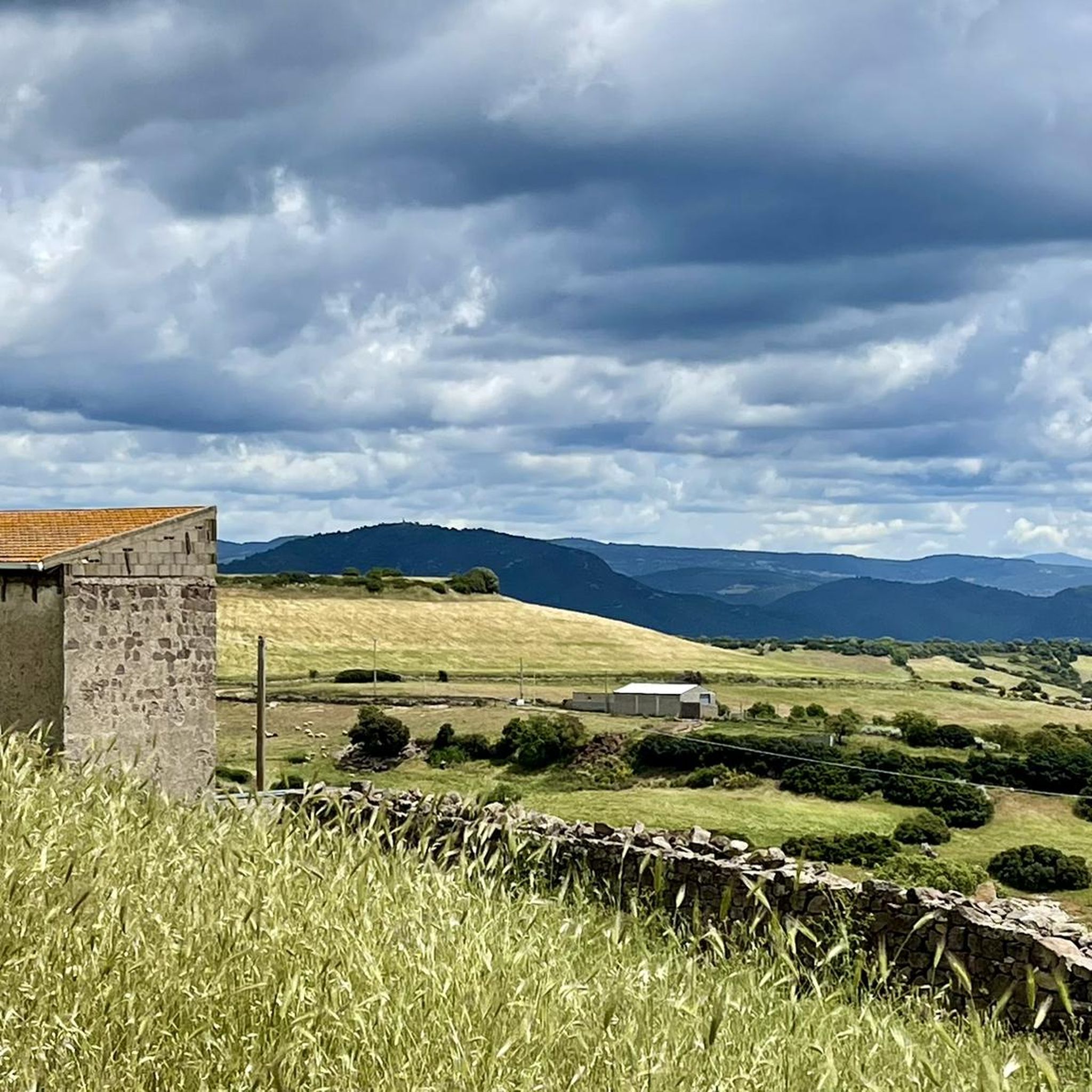
Hiking trails around Ollasta/Ollastra traverse a landscape characterized by fertile flatlands, agricultural fields, and surrounding hills. The area features vineyards, citrus orchards, and cereal crops, with wild and domestic olive trees. The Tirso, Sardinia's largest river, flows through this region, contributing to its rich environment. To the southwest, rice cultivation is present in the reclaimed ancient swamp of Arcais, while the San Martino area near Ollastra is covered in Mediterranean shrubs.
Best hiking trails around Ollasta/Ollastra
- The most popular hiking…
Last updated: October 16, 2026
4.8
(4)
22
hikers
14.2km
04:02
320m
320m
Moderate hike. Good fitness required. Easily-accessible paths. Suitable for all skill levels.
4.0
(3)
8
hikers
6.35km
01:41
70m
70m
Easy hike. Great for any fitness level. Easily-accessible paths. Suitable for all skill levels.

4.3
(4)
12
hikers
Moderate hike. Good fitness required. Easily-accessible paths. Suitable for all skill levels.
5
hikers
4.37km
01:12
70m
70m
Easy hike. Great for any fitness level. Easily-accessible paths. Suitable for all skill levels.
5
hikers
Easy hike. Great for any fitness level. Easily-accessible paths. Suitable for all skill levels.
Our route recommendations are based on thousands of hikes, rides, and runs completed by other people on komoot.
Start today with a free account
Your next adventure awaits.

Tips from the Community

Photo of the area inside a gate but unfortunately the nuraghe is not visible due to the dense vegetation that has grown over it...
0
0

In 1857, Giovanni Spano published an article that included a graphic overview of the monument. The canon describes and interprets the sacred well in a rather convoluted manner: it classifies it as a nuragic structure, but is unable to identify its true function, considering it a prison due to its similarity to other findings. In 1860, La Marmora, in his Itinéraire, praised the monument and compared it "to the Treasury of Atreus at Mycenae, Greece, described and illustrated by James Stuart." In the early years of the 20th century, other sacred wells in Sardinia were investigated: Antonio Taramelli, an archaeologist of the first half of the 20th century, finally divined their function. His work is rounded out by Raffaele Pettazzoni, who, in his book on the beliefs of the ancient Proto-Sardinians, describes the cult of water, also drawing comparisons outside the island.
2
0
«The country church of St. Christina, located in the territory of Paùli-Latìno, a quarter (4 km) from this town, also belongs to this priory (of Bonarcado), while it is two hours from Bonarcado. Nearby there are some casipole for the novenanti who compete there on the first of May. The main festival falls with great frequency on the 10th of the same and a pious procession to the fountain named after the saint, which has a peculiar shape and structure. On July 24th there is a memorial day on which the glorious death of the same is commemorated.»
2
0
The Nuragic Sanctuary of Santa Cristina is an archaeological area located in the municipality of Paulilatino, in the province of Oristano, in central-western Sardinia and in the southern part of the Abbasanta plateau. The site takes its name from the country church of Santa Cristina, which is located nearby.
2
0

very beautiful and can also be visited inside, a bit abandoned to itself
0
0

It’s directly located next to the asphalt street. About 2 min walk from the hiking path away
1
0

Once a strategic fortress with eight towers, which defended protohistoric populations for millennia, the Lugherras nuraghe is today one of the most impressive and best preserved nuragic complexes in central Sardinia and one of the most evocative in the Paulilatino area.
0
0
Fully equipped space. Unfortunately not serviced in February..
1
0
Frequently Asked Questions
What kind of terrain can I expect on hiking trails around Ollasta/Ollastra?
Hiking around Ollasta/Ollastra primarily features fertile flatlands, agricultural fields, and gentle hills. You'll encounter vineyards, citrus orchards, olive groves, and cereal crops. The Tirso, Sardinia's largest river, flows through the region, contributing to its rich environment. While the immediate area is more agricultural, the broader Ogliastra region offers wilder, rugged terrain with mountains, forests, and dramatic cliffs.
Are there any easy hiking trails suitable for beginners in Ollasta/Ollastra?
Yes, there are several easy routes. For instance, the Casa Aragonese – Roman Baths of Fordongianus loop from Fordongianus is an easy 6.4 km path, perfect for a shorter exploration of historical and natural features. Another easy option is the Santa Cristina Country Church loop from Pozzo di Santa Cristina, which is about 6.1 km.
What historical or natural landmarks can I see while hiking near Ollasta/Ollastra?
The area is rich in historical sites. You can explore the Fordongianus Roman Baths, the Nuraghe Santa Cristina Archaeological Site, and the Casa Aragonese. The Santa Cristina Country Church – Nuraghe Losa loop from Pozzo di Santa Cristina specifically leads past archaeological sites. The broader Ogliastra region also boasts ancient forests, geological formations like Perda Liana, and the majestic Cascate di Lequarci waterfalls.
Are there any circular hiking routes in the Ollasta/Ollastra area?
Yes, many of the trails in the area are designed as loops. Examples include the moderate Casa Aragonese – Camper Area Near Roman Baths loop from Fordongianus, which is 14.2 km, and the easy Casa Aragonese – Roman Baths of Fordongianus loop from Fordongianus, at 6.4 km. These offer convenient starting and ending points.
What do other hikers say about the trails in Ollasta/Ollastra?
The hiking routes around Ollasta/Ollastra are highly regarded by the komoot community, with an average rating of 4.4 stars from over 9 reviews. Hikers often appreciate the varied terrain, which combines agricultural landscapes with historical sites, offering a unique blend of nature and culture.
Are there any trails suitable for families with children?
The easy-rated trails are generally suitable for families. The Casa Aragonese – Roman Baths of Fordongianus loop from Fordongianus (6.4 km) offers a manageable distance and interesting historical points, making it a good choice for families. The gentle terrain of the flatlands also provides pleasant walking conditions.
Can I bring my dog on the hiking trails in Ollasta/Ollastra?
While specific regulations for dogs on trails in Ollasta/Ollastra are not detailed, generally, dogs are welcome on many trails in Sardinia, especially in rural and agricultural areas, provided they are kept under control. It's always advisable to keep your dog on a leash, especially near livestock or archaeological sites, and to carry water for them.
What is the best time of year to go hiking in Ollasta/Ollastra?
Sardinia, including the Ollasta/Ollastra region, offers pleasant hiking conditions for much of the year. Spring (April-May) and autumn (September-October) are ideal, with mild temperatures and blooming landscapes or vibrant fall colors. Summers can be hot, especially in the flatlands, so early morning or late afternoon hikes are recommended then. Winters are generally mild, allowing for year-round exploration.
Are there any waterfalls to visit near Ollasta/Ollastra?
While Ollasta/Ollastra itself is characterized by riverine landscapes from the Tirso, the broader Ogliastra region is home to the majestic Cascate di Lequarci waterfalls in the high mountain town of Ulassai. These are a significant natural attraction for those willing to venture further into the wilder parts of Ogliastra.
What are the elevation changes like on the trails around Ollasta/Ollastra?
The trails around Ollasta/Ollastra generally feature moderate elevation changes, reflecting the area's gentle hills and flatlands. For example, the moderate Casa Aragonese – Camper Area Near Roman Baths loop from Fordongianus has an elevation gain of about 319 meters, while easier routes like the Casa Aragonese – Roman Baths of Fordongianus loop from Fordongianus have a more modest gain of around 66 meters.
Is there parking available at the trailheads?
While specific parking details for every trailhead are not provided, many rural and archaeological sites in Sardinia, including those near Ollasta/Ollastra, typically offer designated parking areas for visitors. Given the agricultural nature of the region, roadside parking might also be available in some spots, but it's always best to check local signage.
Are there any hidden gems or less-known trails worth exploring?
Beyond the main routes, the region's character as a tranquil farming town suggests many local paths through vineyards, citrus groves, and along the Tirso river that offer a peaceful, less-traveled experience. The hills surrounding Ollastra, including Mount Ollastra with its caves like S'Arutta e 'Conca e' Mesu, could also offer unique exploration opportunities for those seeking a more adventurous, off-the-beaten-path experience.
Most popular attractions around Ollasta/Ollastra

Get inspired with the komoot mobile app


Explore more
Browse the best Hikes in other regions.
