The best walks and hikes around Le Gault-Perche
4.5
(5)
37
hikers
10
hikes
Hiking around Le Gault-Perche offers exploration within the Perche Regional Natural Park, characterized by successive valleys and hills. The terrain features clayey soils where streams have carved out gently rounded valleys, with altitudes ranging from 165 to 228 meters. The region's "bocage" countryside includes a mosaic of hedged farmland, forests, and meadows. These landscapes provide a diverse setting for outdoor activities.
Best hiking trails around Le Gault-Perche
- The most popular hiking route is Étang de Boisvinet loop from Couëtron-au-Perche,…
Last updated: May 16, 2026
5.0
(4)
16
hikers
4.95km
01:16
20m
20m
Easy hike. Great for any fitness level. Easily-accessible paths. Suitable for all skill levels.
6
hikers
12.4km
03:15
110m
110m
Moderate hike. Good fitness required. Easily-accessible paths. Suitable for all skill levels.

Sign up for free
5
hikers
6.96km
01:47
30m
30m
Easy hike. Great for any fitness level. Easily-accessible paths. Suitable for all skill levels.
4
hikers
4.33km
01:07
30m
30m
Easy hike. Great for any fitness level. Easily-accessible paths. Suitable for all skill levels.
2
hikers
6.54km
01:43
50m
50m
Easy hike. Great for any fitness level. Easily-accessible paths. Suitable for all skill levels.
Get access to more routes and recommendations from other explorers.
Sign up for free
Already have an account?
Our route recommendations are based on thousands of hikes, rides, and runs completed by other people on komoot.
Start today with a free account
Your next adventure awaits.
Login or Signup


Tips from the Community

The castle was built on the foundations of a medieval building in the 16th century. It belonged to Jean d'Youville, lord of Charbonnières, in 1557. The castle was enlarged in the 18th century and, in the 19th century, Count Auguste de Chamoy (Count of Chamois), inspired by troubadour architecture, gave it his style Neo-gothic. In 2012, the castle was put up for sale for nine million dollars but did not sell. In October 2017, the castle was sold at auction, without reserve, by Concierge Auctions. Expected for five million euros, it was sold to a foreign buyer for more than 1.2 million euros.
0
0

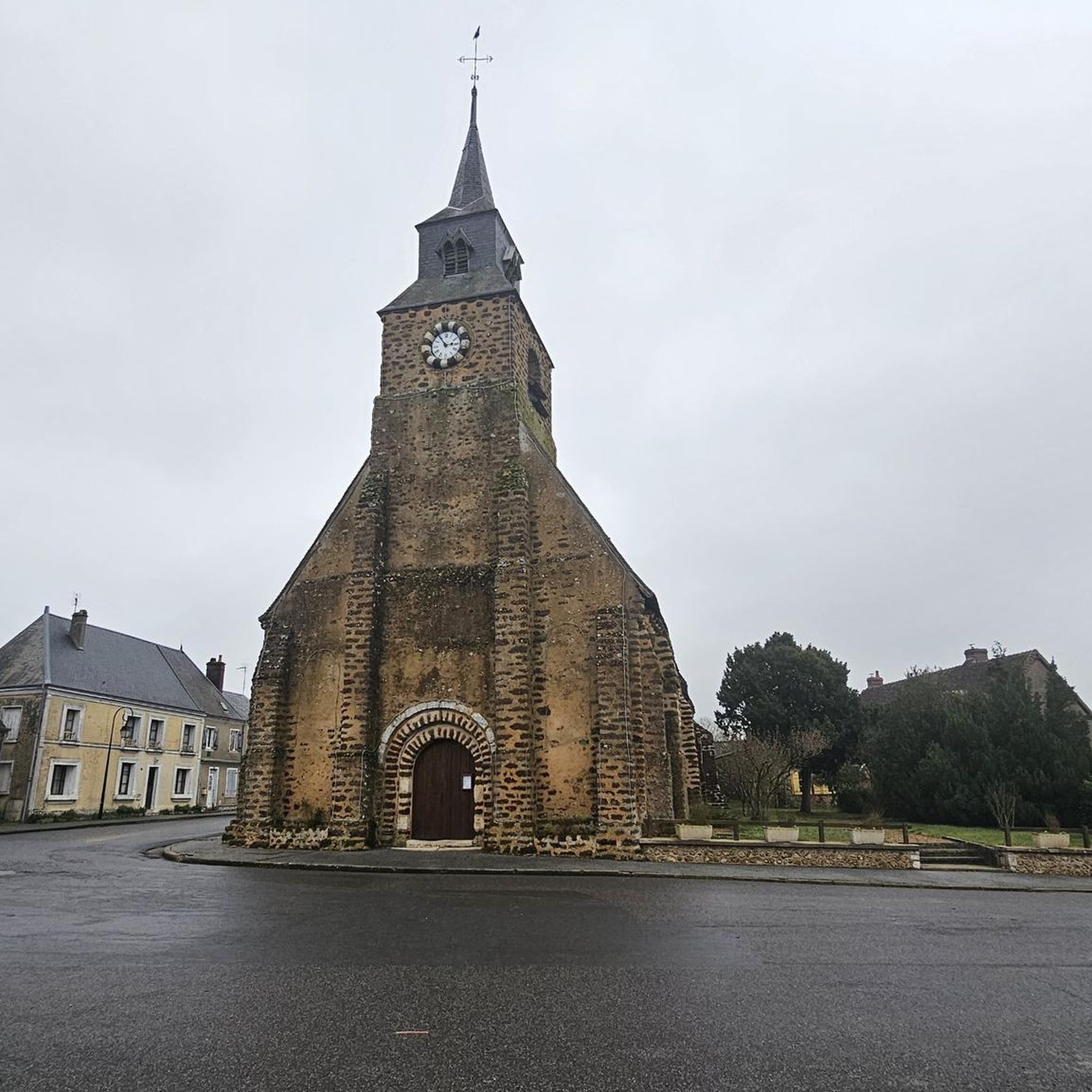
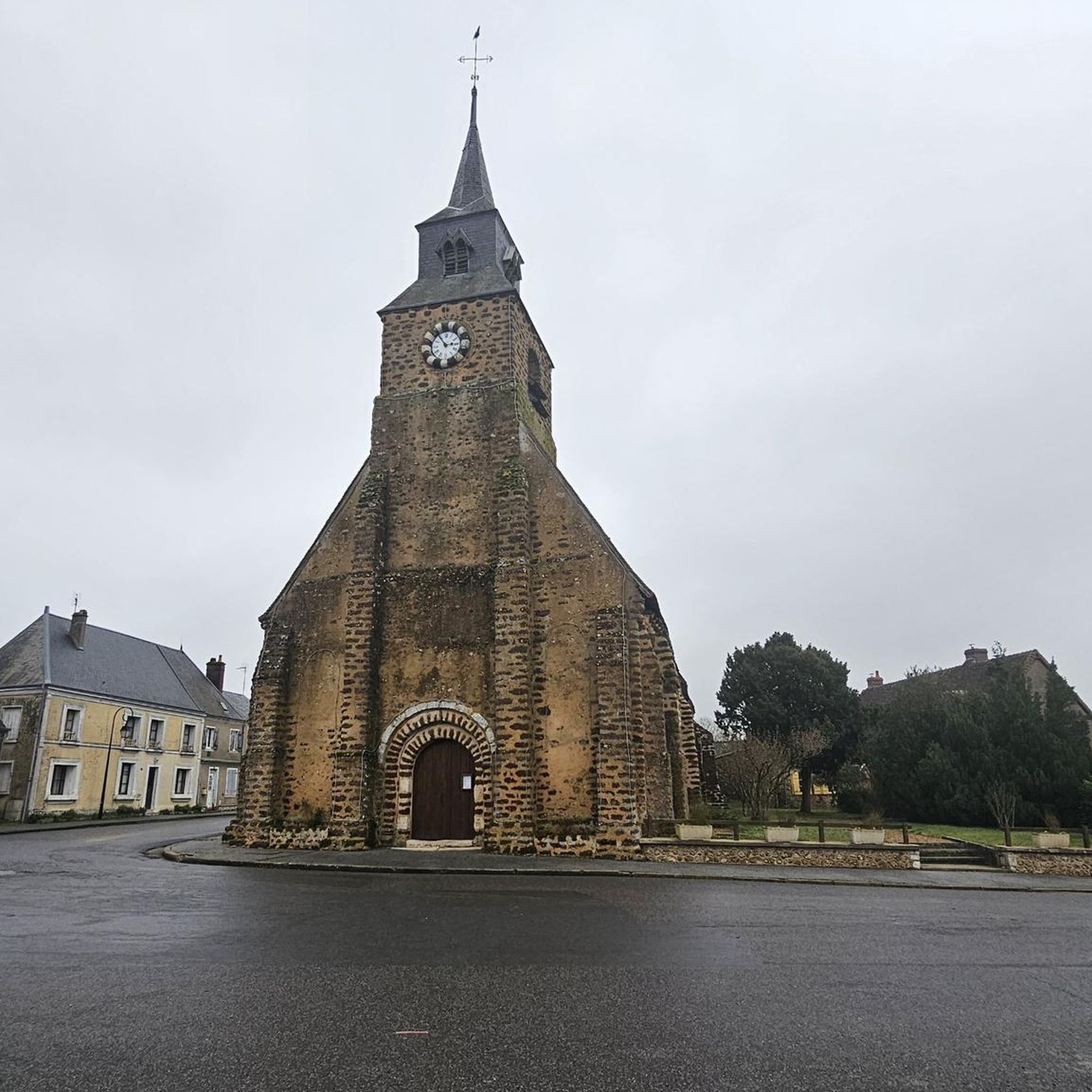
This 13th, 15th and 16th century church does not have a transept. It has a central shingled nave with aisles. The choir ends with a polygonal apse. The apse is decorated with glass roofs dating from 1541 representing various scenes from the Passion. These 16th century stained glass windows (bays 1 to 4) have been partially classified as historic monuments since 1908. Bays 1 and 2 were restored in the 17th century thanks to the Bourbon-Conti family, lords of Bazoche-Gouet from 1676 in 1719, the 4 in the 19th century, then in 1974, by Michel Petit, master glassmaker whose workshop is located in Thivars in Eure-et-Loir. Outside the choir, the stained glass windows are from the 19th century, made by two renowned master glassmakers, the Lorin workshops in Chartres and the Carmel stained glass factory in Le Mans, the first in a neo-Romanesque style, the second approaching the neo-Romanesque style. Gothic.
0
0
Frequently Asked Questions
How many hiking trails are there in Le Gault-Perche?
There are 10 hiking trails available around Le Gault-Perche. These routes offer a variety of experiences within the Perche Regional Natural Park, ranging from easy strolls to more moderate excursions.
What kind of landscape can I expect to see on hikes around Le Gault-Perche?
Hikes around Le Gault-Perche feature a dynamic topography of successive valleys and hills, shaped by clayey soils and carved by rivers. You'll experience the distinctive 'bocage' countryside, a mosaic of hedged farmland, forests, and meadows, with impressive oak and beech trees. The region also includes rivers, ponds, and peat bogs, offering diverse natural beauty.
Are there easy hiking trails suitable for beginners in Le Gault-Perche?
Yes, there are 5 easy hiking trails in Le Gault-Perche, perfect for beginners or those looking for a relaxed walk. An example is the Étang de Boisvinet loop from Couëtron-au-Perche, which is 4.9 km long with minimal elevation gain.
Are there any circular walks available in Le Gault-Perche?
Many of the routes in Le Gault-Perche are circular, allowing you to start and end at the same point. For instance, the Château de la Cour loop from Souday offers a 12.4 km moderate circular path through varied terrain.
What historical sites or landmarks can I see while hiking around Le Gault-Perche?
The region around Le Gault-Perche is dotted with historical and cultural points of interest. You might encounter historic manor houses, fortified farms, and picturesque traditional villages. Specific highlights include the Notre-Dame Church of Chapelle-Guillaume, the Saint Anne Church, and the Ruins of Guériteau Chapel.
What do other hikers enjoy about the trails in Le Gault-Perche?
The trails in Le Gault-Perche are highly rated by the komoot community, with an average score of 4.5 stars. Hikers often praise the undulating valleys and hills, the charming bocage countryside, and the extensive forests that define the area. The diverse terrain offers options for various ability levels.
Are the hiking trails in Le Gault-Perche suitable for families with children?
Yes, many trails in Le Gault-Perche are suitable for families. The 5 easy routes, such as the 3 – 5 loop from La Bazoche-Gouet (4.3 km), are generally well-maintained and offer manageable distances and elevation changes for children.
Can I bring my dog on the hiking trails in Le Gault-Perche?
While specific regulations can vary, generally, dogs are welcome on trails in the Perche Regional Natural Park, especially if kept on a leash. It's always advisable to check local signage for any specific restrictions, particularly in nature reserves or near livestock.
Where can I find parking for hiking trails in Le Gault-Perche?
Parking is typically available in or near the villages where many of the trails begin. For example, routes like the Saint John the Baptist Church – 2 loop from La Bazoche-Gouet often have parking options within La Bazoche-Gouet or nearby.
Are there any long-distance hiking options in the Le Gault-Perche area?
Yes, the broader Perche Regional Natural Park, which encompasses Le Gault-Perche, includes segments of long-distance hiking trails such as the GR22 and GR35. Additionally, the 220km 'Tour des Collines du Perche' (Tour of the Hills of Perche) can be divided into shorter sections for multi-day adventures.
What are the typical distances and durations for hikes in Le Gault-Perche?
Hikes in Le Gault-Perche vary in length and duration. Easy routes, like the Étang de Boisvinet loop, are around 5 km and take about 1 hour 15 minutes. Moderate trails, such as the Château de la Cour loop, can be up to 12.4 km and take approximately 3 hours 15 minutes.
What makes the Perche Regional Natural Park unique for hiking?
The Perche Regional Natural Park is unique for its 'bocage' countryside, characterized by a rich tapestry of hedged farmland, ancient forests, and gentle hills. The park's diverse topography, with its undulating valleys and streams, combined with its cultural heritage of traditional villages and manor houses, offers a distinctive and immersive hiking experience.
Most popular attractions around Le Gault-Perche

Get inspired with the komoot mobile app


Explore more
Browse the best Hikes in other regions.
