The 5 Most Amazing Peaks around Rückweiler
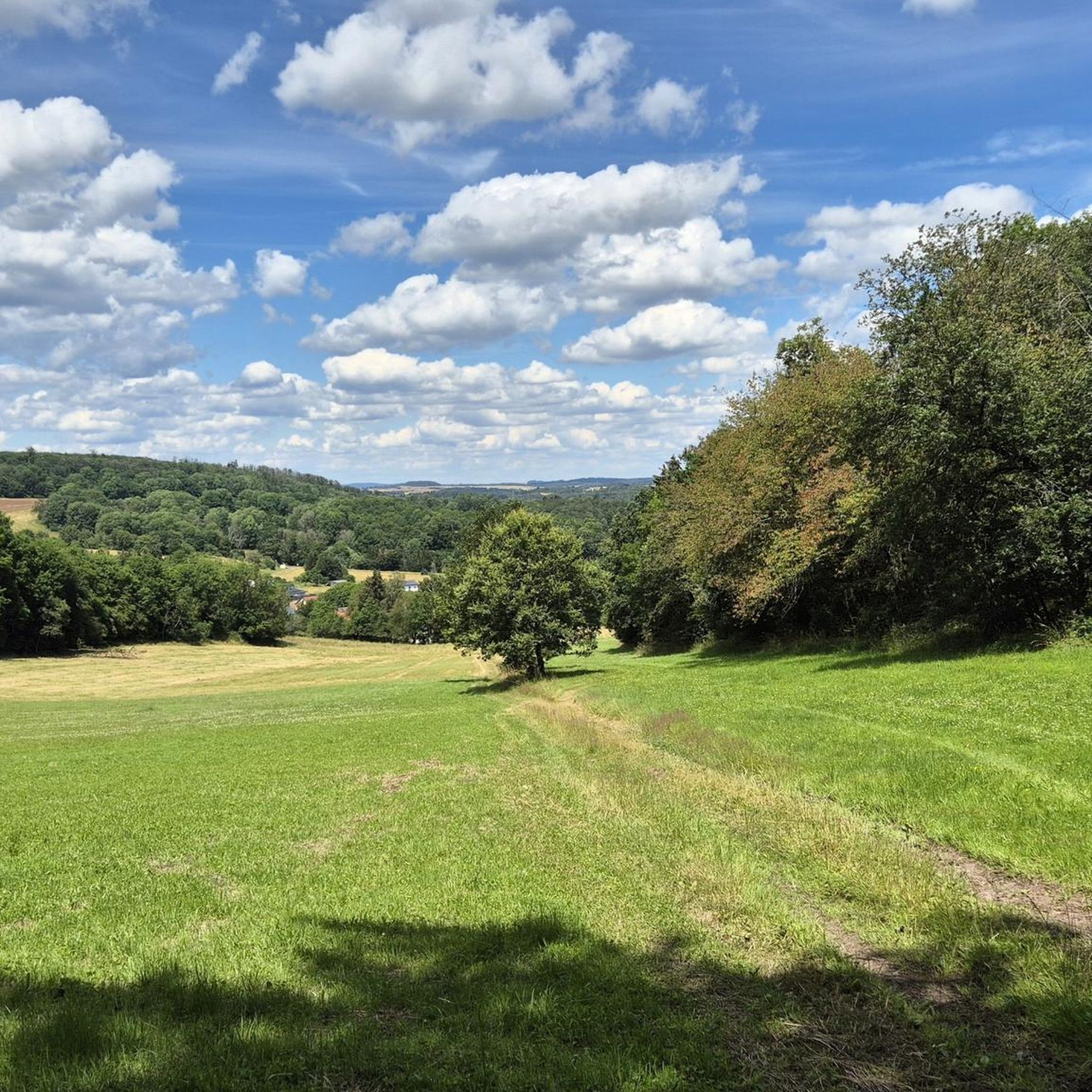
Best mountain peaks around Rückweiler are characterized by the rolling hills of the Hunsrück region in Rhineland-Palatinate, Germany. This area, situated at an elevation of 524 meters above sea level, offers picturesque landscapes and opportunities for hiking. The topography is more suited to scenic walks and gentle hikes through elevated terrain rather than dramatic mountain ascents. Its charm lies in its serene Hunsrück setting and natural beauty.
Best mountain peaks around Rückweiler
- The most popular mountain peaks is Nahekopf Plateau…
Last updated: July 4, 2026
Weiselberg Summit and Steinerne Meer
Highlight • Summit
From a geological point of view, the »Steinernes Meer« is a heap of scree made from weathered material from the Weiselberg. From a geological point of view, this …
Translated by Google •
Tip by

View of the Potzberg
Highlight • Viewpoint
Translated by Google •
Tip by

Sign up now to discover places like this
Get recommendations on the best single tracks, peaks, & plenty of other exciting outdoor places.
Sign up for free
Start and finish of the Weiselberg Summit Tour
Highlight • Trail
The approximately 16 km long Weiselberg summit tour in Oberkirchen leads through a varied hilly landscape around the Weiselberg (569m). Light-flooded beech forests allow spectacular views over and over …
Translated by Google •
Tip by
View from Trautzberg
Highlight • Viewpoint
Translated by Google •
Tip by

Start today with a free account
Your next adventure awaits.
Login or Signup
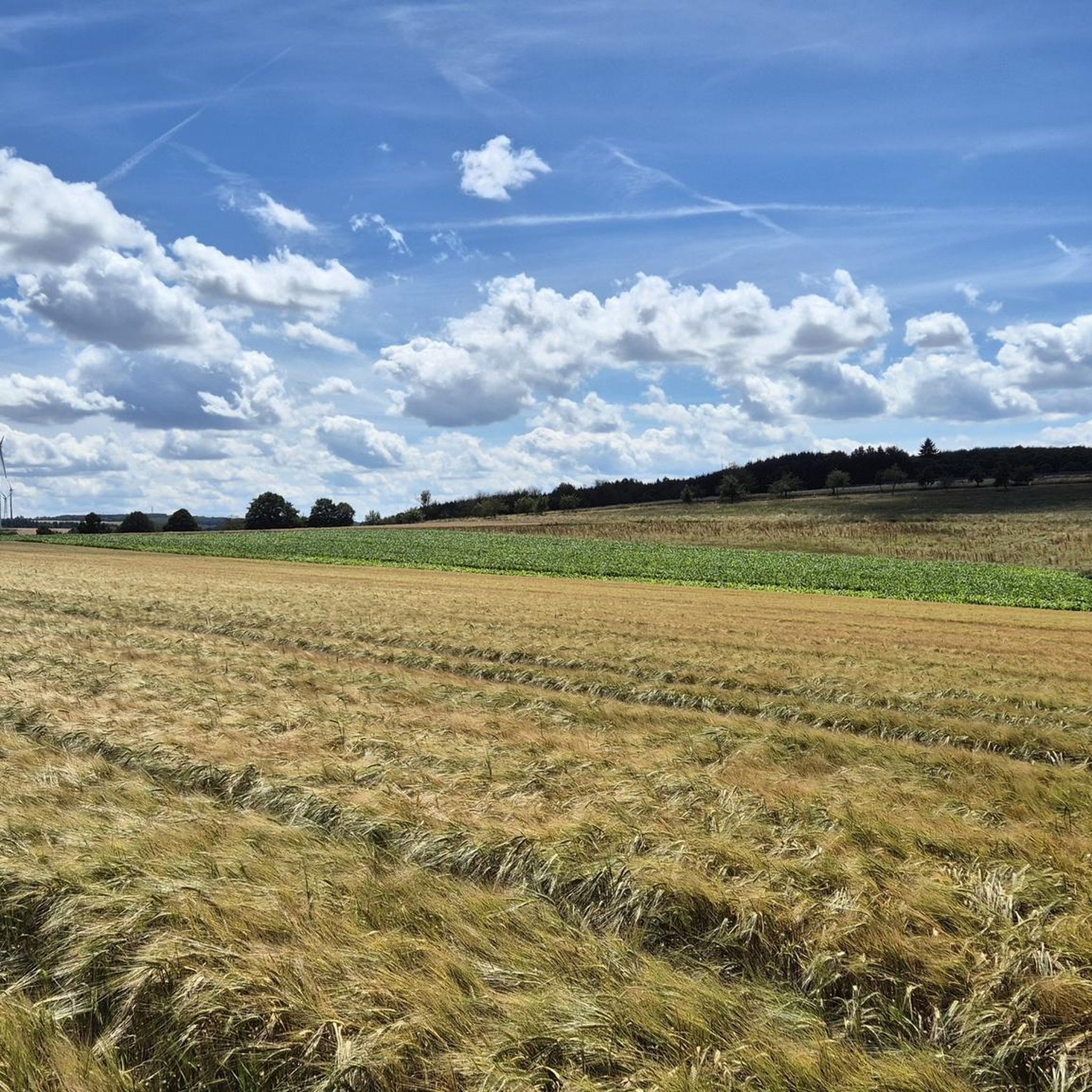
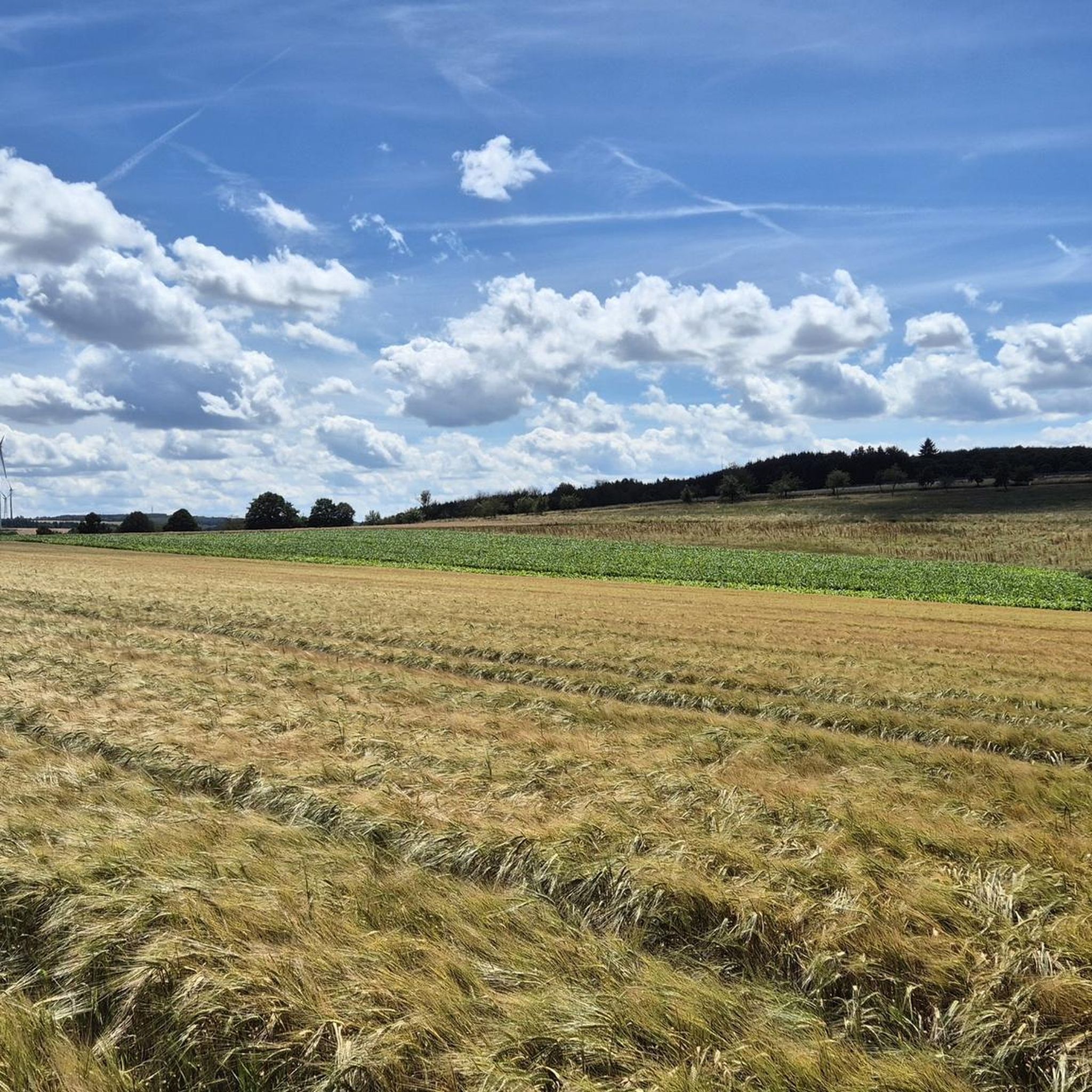
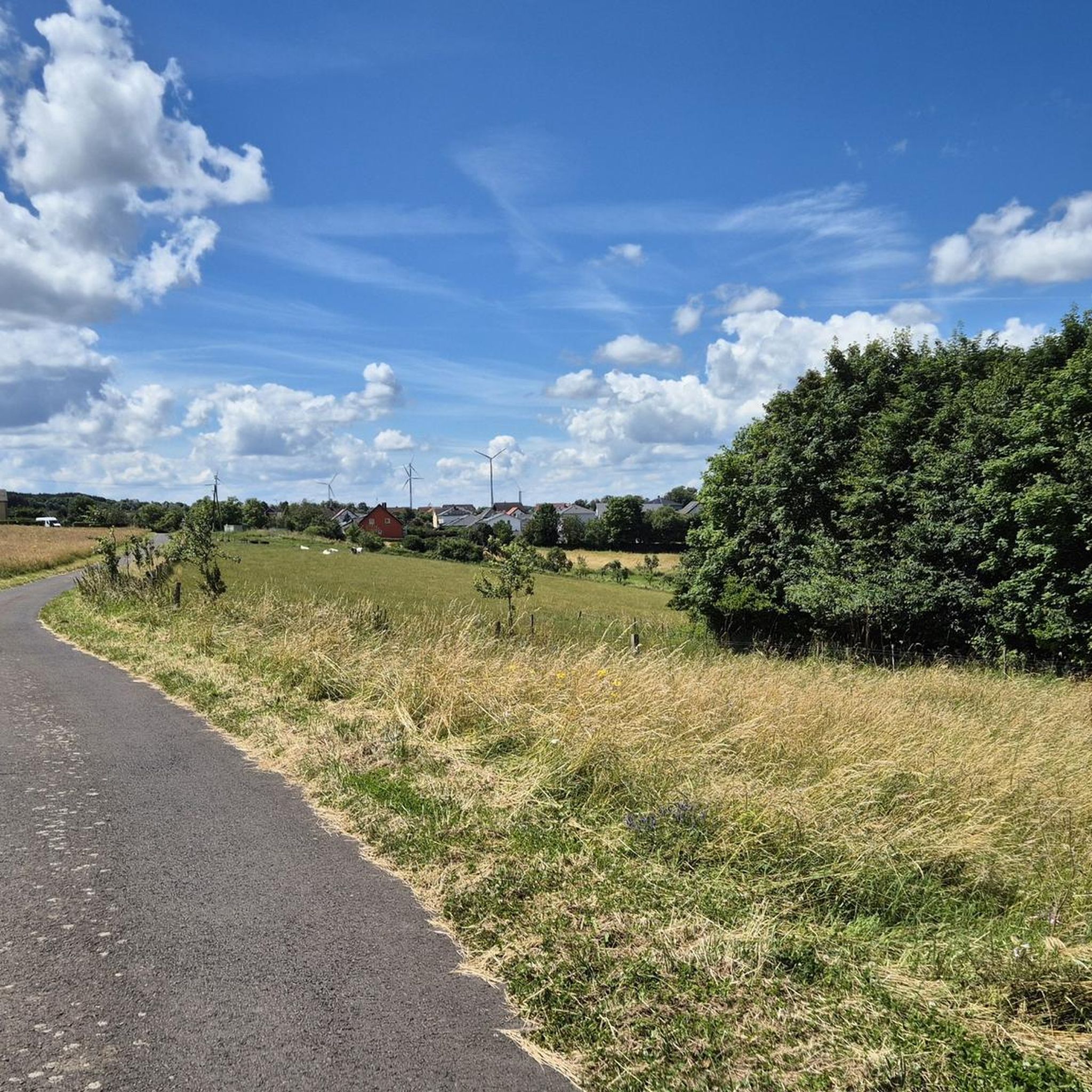
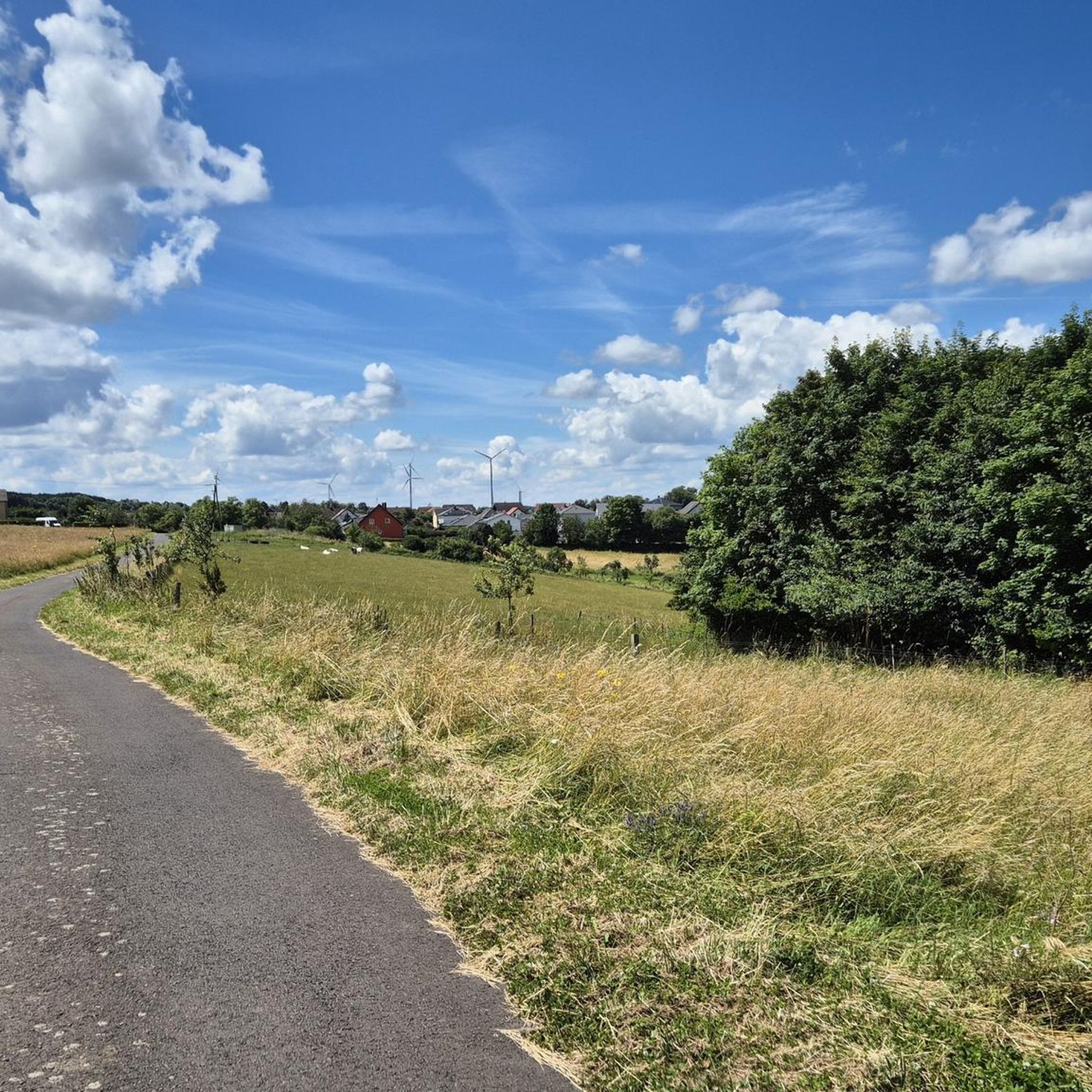

Tips from the Community

Great view over Saar, Hunsrück and Palatinate.
0
0

Somewhat hidden away are some great trails here - otherwise nice view!
1
0

The Potzberg, known as the "King of Westrich", is a wooded hill, 562 m above sea level, in the North Palatinate Uplands in Rhineland-Palatinate. (Source: Wikipedia)
0
0

𝗔𝘂𝘀𝘀𝗶𝗰𝗵𝘁 𝗮𝘂𝗳 𝗱𝗲𝗻 𝗣𝗼𝘁𝘇𝗯𝗲𝗿𝗴 The Potzberg is a 562m high wooded mountain in the North Palatinate Uplands and is nicknamed "King of Westrich". Today the Potzberg wildlife park, the Potzberg tower, a military tower and a hotel are located on the summit. The Potzbergturm is a 53.5m high viewing and transmission tower. Originally, a 18.5m high radio antenna on the platform completed the structure. The radio programs of what was then Südwestfunk were broadcast from here until the 1990s. The approx. 30ha large area of the wildlife park offers, favored by its altitude, an indescribable panorama of the North Palatinate mountains, with a visibility of more than 30km. Source: text information board
1
0
𝐒𝐭𝐞𝐢𝐧𝐞𝐫𝐧𝐞 𝐌𝐞𝐞𝐫 From a geological point of view, the »Steinernes Meer« is a heap of scree made from weathered material from the Weiselberg. From a geological point of view, this sea of rocks at the foot of the mountain is a work of the Ice Age. The last ice age only ended around 10,000 years ago. Magma rising underground got stuck under the earth's surface and solidified into mostly pentagonal column formations, quite typical of slowly cooling basalt rock. Over the course of millions of years, the surrounding softer sedimentary rock was removed by erosion. In geology, the very hard rock, which shines deep black when cut and is reminiscent of a starry sky with its bright feldspar particles, has been given the name »Weiselbergite«. The frost change climate during this geological epoch caused extreme weathering and erosion processes that were able to separate the blocks and columns weighing several tons from the rock structure. Not least because of the extreme daily temperature fluctuations, the steep southern slope of the Weiselberg with the typical vertical basalt columns offered the best conditions for the formation of the Felsenmeer. The boulders collected on the mountainside and have since been exposed to weathering. Covered with mosses, the »Steinernes Meer« repeatedly gave rise to eerie legends: Whether wild cyclopes played with it or the remains of an enchanted castle are left to the imagination of the observer. The Romans were already digging for agates on the surface of the Weiselberg. From the 15th century, when only little was to be found above ground and a veritable agate boom began, the agate seekers went deep. Some tunnels buried today bear witness to this. After the war there were concrete considerations to dismantle the Weiselberg as a quarry. This was prevented by the designation as a nature reserve in October 1950. In earlier times, the minerals of this region such as agate, chalcedony, jasper and petrified wood were processed in the gemstone metropolis of Idar-Oberstein. 3000 of these precious stones can be viewed in the Mineralogical Museum in the old school in Oberkirchen (0 68 55/332) and in the Mineral Museum (2000 exhibits) in Freisen (0 68 55/13 25). In the Gemstone Dorado in Freisen, treasure hunters can search for gemstones themselves. (0 68 55/1849 31) Source: Text information board
7
0
𝐊𝐮𝐫𝐳𝐛𝐞𝐬𝐜𝐡𝐫𝐞𝐢𝐛𝐮𝐧𝐠 The approximately 16 km long Weiselberg summit tour in Oberkirchen leads through a varied hilly landscape around the Weiselberg (569m). Light-flooded beech forests allow spectacular views over and over again. Mighty rock formations, a waterfall and many other natural gems promise an eventful hiking tour. Particularly impressive are the "Eulental", a narrow Kerbtal, the "Steinern Cabinet", the Oberkirchen Viaduct, the Weiselberg summit with wonderful views and the "Steinernes Meer" on the Weiselberg. You can refresh your tired feet at the water treading facility in Oberkirchen. A visit is recommended In the natural game park Freisen with a bird of prey show. The wonderful Weiselbergbad Oberkirchen invites you to relax at the end of the hiking tour. The two mineral musts in Freisen and Oberkirchen show many local rocks. Source: Text information board Starting point: Weiselbergbad Oberkirchen Route length: 15.6km Elevation gain: 565 m Difficulty level: medium Walking time: 4 - 5 hours Recommended walking direction: counterclockwise 𝐖𝐞𝐠𝐛𝐞𝐬𝐜𝐡𝐫𝐞𝐢𝐛𝐮𝐧𝐠 https://www.urlaub.saarland/Media/Touren/Weiselberg-Gipfeltour
7
1


Frequently Asked Questions
What are some of the most notable elevated points to explore around Rückweiler?
While Rückweiler itself is characterized by rolling hills, the broader Hunsrück region offers several significant elevated points. You can visit Nahekopf Plateau and Kaiserallee, known for its historical significance and Roman gate system. Another highlight is Weiselberg Summit and Steinerne Meer, featuring unique geological formations. For expansive views, consider the View of the Potzberg, or the View from Trautzberg, one of the highest points in the Freisener Land.
Are there any historical sites on elevated ground near Rückweiler?
Yes, the Nahekopf Plateau and Kaiserallee is a significant historical site. It features the remains of a Celtic fortification and a reconstructed Roman gate system, along with an impressive Kaiserallee adorned with portraits of Roman emperors. In the broader Hunsrück, the Koppenstein Tower and Ruins also offer a historical structure on an elevated point with panoramic views.
What unique natural features can I find on the peaks around Rückweiler?
The Weiselberg Summit and Steinerne Meer is a prime example, designated as a nature reserve. It features a remarkable geological formation of scree from weathered material and distinctive basalt columns, often referred to as a 'sea of rocks.' This area is a testament to the region's geological history, including the Ice Age.
What are the highest points in the Hunsrück region that are accessible from Rückweiler?
The highest point in Rhineland-Palatinate and the Hunsrück is Erbeskopf, at 816.32 meters. It offers expansive views from the Windklang sculpture and an observation tower. Another significant elevation is Dollberg, the highest point in Saarland at 707 meters, known for its serene natural environment.
Are there family-friendly options for exploring the elevated areas near Rückweiler?
Yes, the Nahekopf Plateau and Kaiserallee is considered family-friendly, offering a blend of history and gentle exploration. The region's numerous 'dream loops' (Traumschleifen) are also designed with coherent signposting and well-equipped rest areas, making them suitable for families seeking nature experiences and views.
What kind of views can I expect from the viewpoints around Rückweiler?
From viewpoints like the View of the Potzberg, you can expect panoramic vistas over the North Palatinate mountains, with visibility often exceeding 30km on clear days. The View from Trautzberg also offers wide views of the surrounding landscape. The Koppenstein Tower provides a 360-degree panorama of the Hunsrück plateau, and the Alteburg Tower offers wonderful views over the Soonwald.
What outdoor activities can I do near these mountain peaks?
The area around Rückweiler is excellent for various outdoor activities. You can find numerous routes for traffic-free bike rides, gravel biking, and MTB trails. The Erbeskopf also features a trail park for mountain bikers in warmer months and a small ski area in winter.
Are there challenging hiking routes around the elevated areas near Rückweiler?
Yes, for those seeking a challenge, the Weiselberg Summit Tour is a 16 km route around the Weiselberg, described as having some strenuous climbs requiring good basic condition. It offers varied landscapes, rock formations, and a waterfall. The Erbeskopf is also integrated into popular long-distance hiking routes like the Saar-Hunsrück Climb and the Summit Rush dream loop.
What is the best time of year to visit the mountain peaks around Rückweiler?
The region is beautiful throughout the year. Spring and autumn offer pleasant temperatures and vibrant colors, ideal for hiking and cycling. Summer is great for enjoying the outdoors, while winter can transform Erbeskopf into a small ski area. The extensive woodlands and diverse meadows provide scenic beauty in every season.
What do visitors enjoy most about the elevated areas near Rückweiler?
Visitors frequently appreciate the serene natural environment, the extensive network of well-maintained hiking trails, and the fantastic views. The 'incredible silence of nature' and the 'fairytale character' of places like Dollberg are often highlighted. The blend of natural beauty with historical sites, such as the Roman gate system at Nahekopf, also adds to the appeal.
Where can I find more information about the Saar-Hunsrück Nature Park?
Rückweiler is nestled within the picturesque Saar-Hunsrück Nature Park, known for its rolling hills, extensive forests, and river valleys. You can find more information about the park and its offerings on the Visit Saarland website.
Most popular routes around Rückweiler
Most popular attractions around Rückweiler

Get inspired with the komoot mobile app


Explore more
See even more amazing summits around Rückweiler with these guides:
