Top 13 Caves around Abensberg
Best caves around Abensberg are primarily located within the scenic Altmühltal region, an area defined by its Jura limestone formations and proximity to the Danube River. This landscape offers a combination of natural geological features and historical sites. The surroundings include deciduous forests and locations with archaeological significance, providing diverse opportunities for exploration.
Best caves around Abensberg
- The most popular caves is Klösterl Hermitage and Cave Church, a religious building with a cave. This site features a unique rock…
Last updated: August 21, 2026
Klösterl Hermitage and Cave Church
Highlight • Religious Site
Translated by Google •
Tip by

Monastery Cave
Highlight • Cave
Translated by Google •
Tip by

Sign up now to discover places like this
Get recommendations on the best single tracks, peaks, & plenty of other exciting outdoor places.
Sign up for free
Klausen Caves
Highlight • Cave
Translated by Google •
Tip by
Schulerloch Cave
Highlight (Segment) • Cave
Translated by Google •
Tip by

Klausenhöhlen Caves
Highlight • Cave
Translated by Google •
Tip by

Sign up for free to discover even more caves around Abensberg.
Sign up for free
Already have an account?
Start today with a free account
Your next adventure awaits.
Login or Signup
Popular around Abensberg
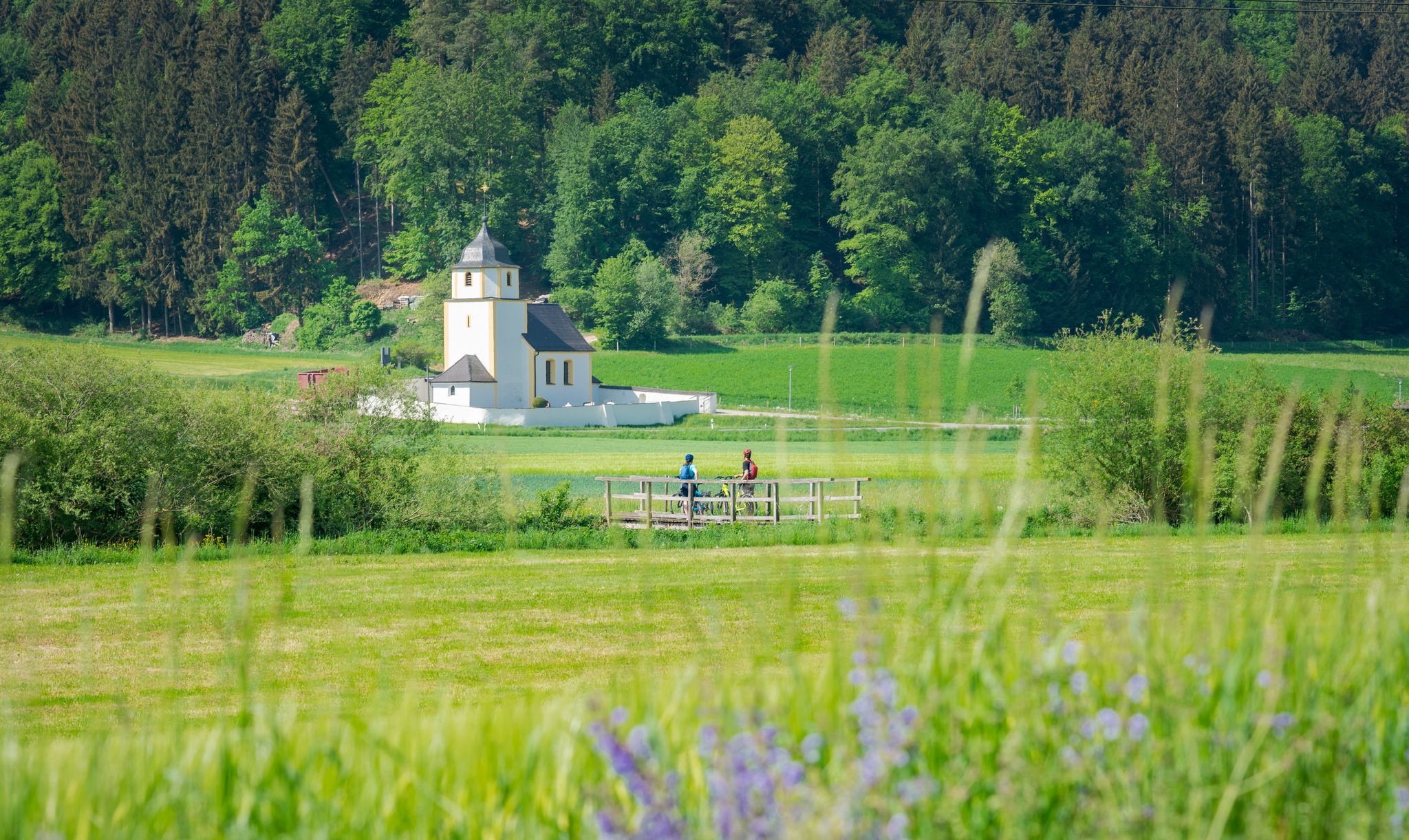
A cycling paradise in Bavaria – Altmühl Valley Nature Park
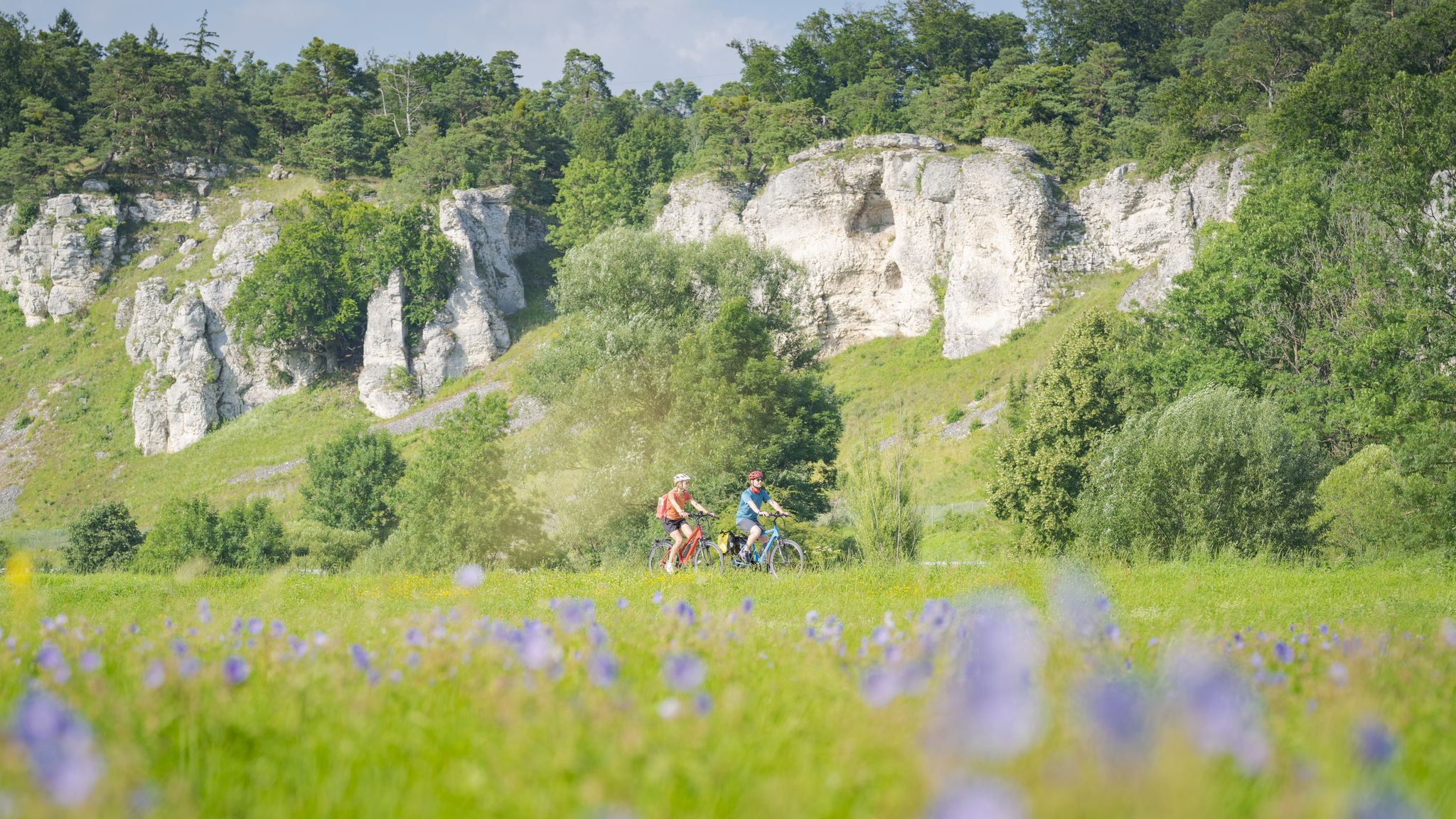
Altmühltal Geo cycle path – into the heart of the Earth's history
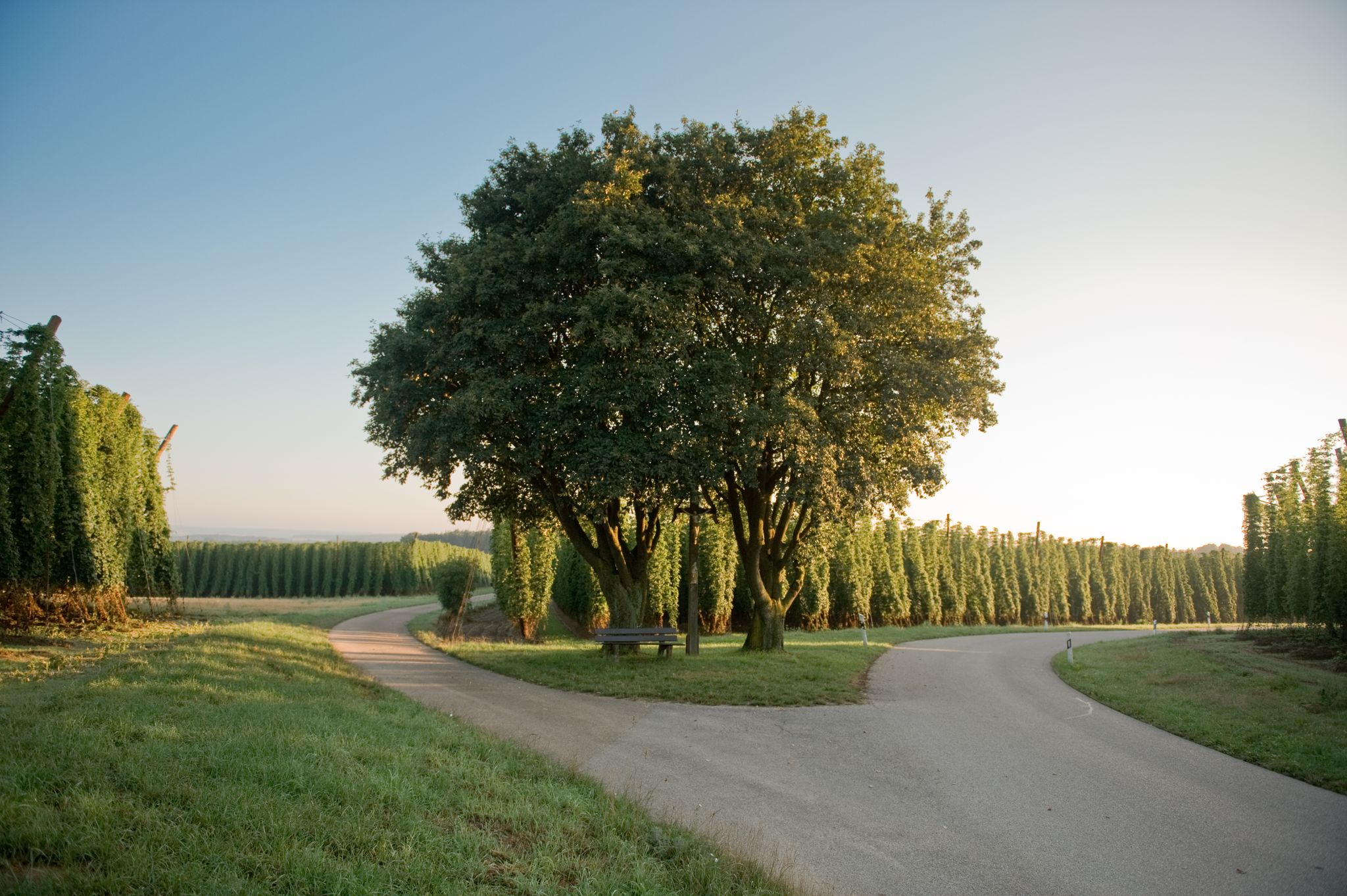
Radeln durchs Grüne Gold – Hallertauer Hopfentour
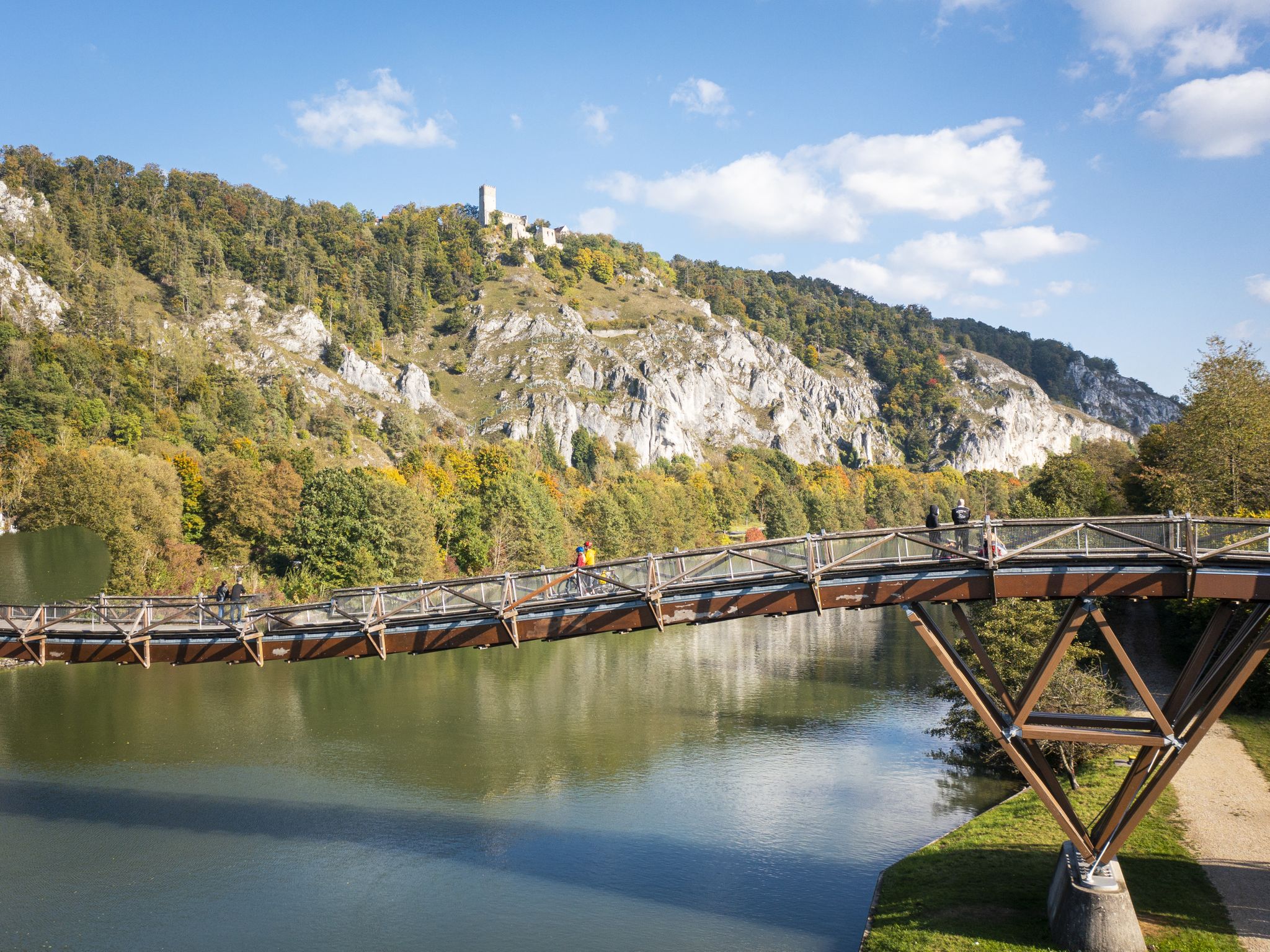
Fossilien, Burgen & Auen – Radrundtouren im Naturpark Altmühltal
Zwischen Donau, Altmühltal & Hallertau – Erlebnis-Radtouren um Kelheim
Wander[R]Auszeit in Bayerns Herzstück
Cycling around Abensberg
Hiking around Abensberg
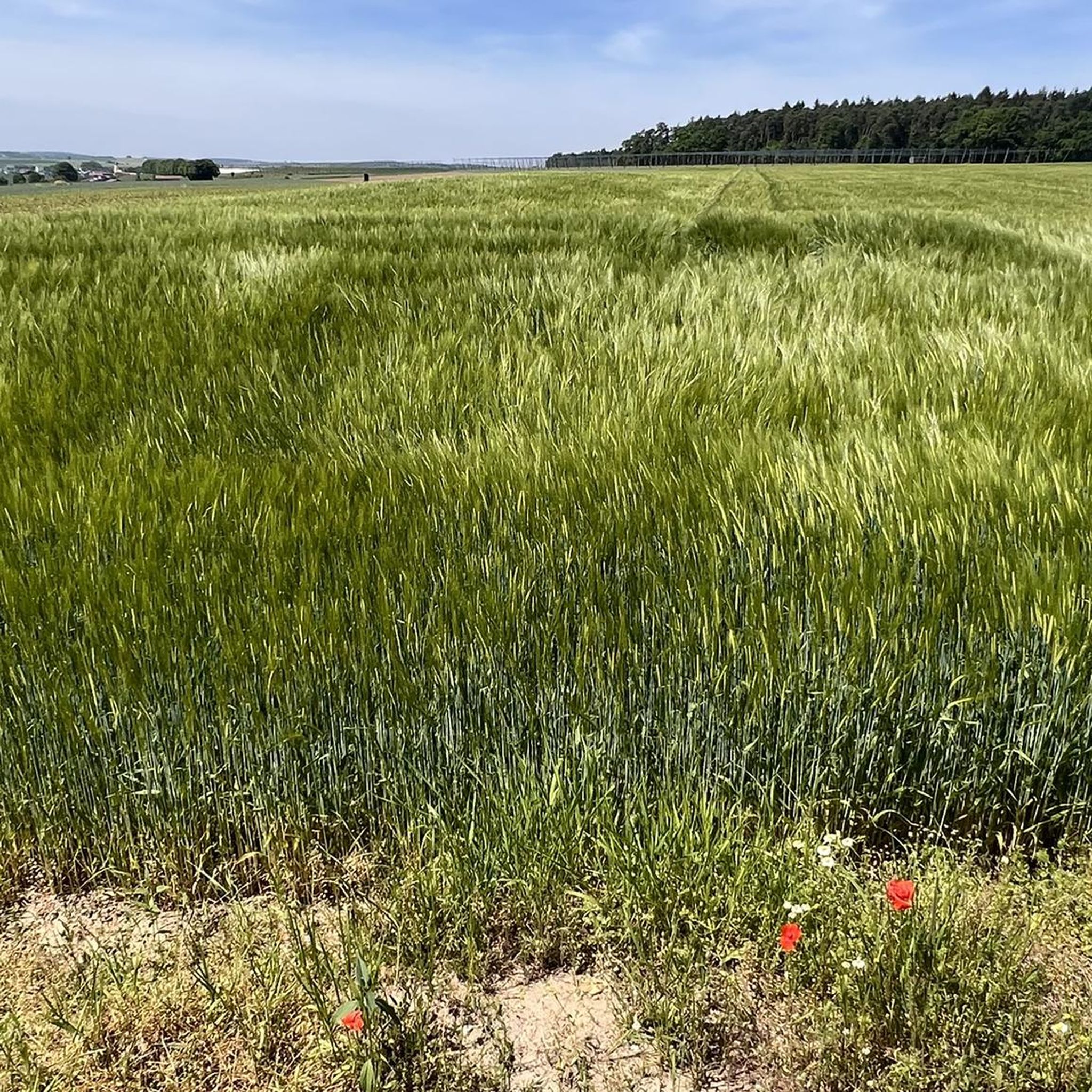
Road Cycling Routes around Abensberg
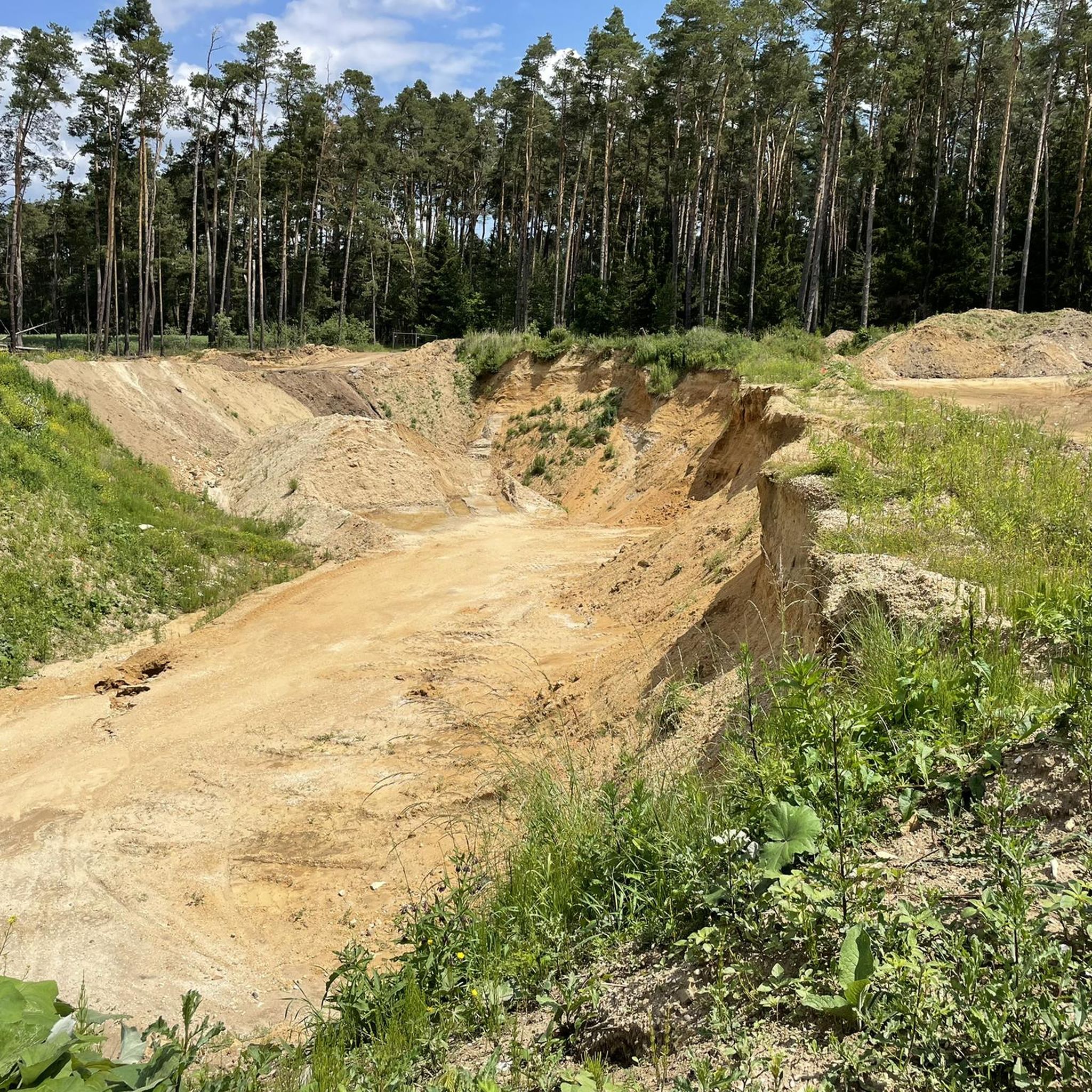
Running Trails around Abensberg


Tips from the Community

Schulerloch Stalactite Cave > a Geotope The Great Schulerloch, which can be safely visited as a show cave with a half-hour guided tour, is one of the longest caves in the Lower Altmühl Valley with a measured length of 420 meters. The largest chamber of the cave covers almost 800 square meters and is 8 meters high. The cave features interesting stalactite decorations in places. Scientific excavations in the cave sediment have yielded not only bones of Ice Age animals, but also archaeological finds from the Paleolithic and Mesolithic periods, as well as the Bronze Age. Bavarian State Office for the Environment (LfU). https://www.umweltatlas.bayern.de/standortauskunft/rest/reporting/sb_geotope/generate?additionallayerfieldvalue=273H001
0
0
Unfortunately, photography is prohibited in the cave, so I didn't take any photos. Please respect this ban!
0
0

Beautiful stalactite cave with a small museum. The entrance fee is okay, there is a snack bar at the entrance with several shaded seating areas. The tour is varied and interesting, at the end there is a small multimedia show about the cave, well done.
4
0

The settlement history of the Altmühl valley began at the beginning of the last ice age, in the so-called Würm ice age, about 80,000 years ago. On the other hand, there are no archaeological finds from the oldest phase of the Paleolithic, i. H. from the Günz, Mindel or early Rißeiszeit 500,000 - 120,000 years ago, but this is more likely due to the change in river systems. The Danube flowed through the Lower Altmühltal until about 200,000 years ago. Therefore, no older finds could be deposited in caves or rock overhangs. In the Würm Ice Age, around 100,000 - 10,000 years ago, there are first indications of people who stayed in the caves or under rock protection roofs, so-called rock shelters, in the Lower Altmühl Valley. At that time the climate here is similar to that of the tundra today. The ice-free Altmühltal was a favorable hunting ground, where mammoths, rhinos, reindeer, and later also horses, bison and primal lived. The Klausen Caves are a system of several caves nested one on top of the other: Lower Klause, Klausen Niche, Middle and Upper Klause. Except for the Lower Hermitage, tools and equipment from the Old, Middle and Upper Palaeolithic periods were found in the other caves. From the Klausen niche comes z. B. a deciduous incisor of a Neanderthal. In the middle hermitage, archaeologists from the Magdalenian layer were able to salvage a single-row harpoon, bone spikes and a perforated staff made of reindeer antlers, which is decorated with fantasy creatures. A limestone slab with incised lines of a wild horse document the first art products. In 1913, archaeologists found the skeleton of a Homo sapiens. The approximately 30-year-old man died about 18,000 years ago. His dead body was wrapped in a mighty red chalk pack. Fragments of mammoth tusks lay in the area of the skull. https://www.herzstueck.bayern/ attraction/07-station-klausenhoehlen-e617ad20c7
8
1

Beautiful, small caves, some of which you can go into or climb up to.
5
0

Interesting cave up and down. It's worth taking a look.
2
0
Beautiful, easy-to-walk caves that were probably used in earlier times as living caves and for protection from the weather. You should take a lamp with you when visiting.
7
1

unfortunately there is no barrier at the top, so it is advisable to go up together with the child
4
0
Frequently Asked Questions
What types of caves can I explore near Abensberg?
The Abensberg area, particularly the nearby Altmühltal region, offers a variety of subterranean experiences. You can find impressive natural stalactite caves like the Schulerloch Cave, historical sites with cave elements such as the Klösterl Hermitage and Cave Church, and archaeological sites like the Klausen Caves. There are also smaller, explorable caves like the Monastery Cave.
Are there any show caves with guided tours in the Abensberg area?
Yes, the most prominent show cave in the region is the Schulerloch Cave in Essing. It offers guided tours lasting approximately 30 minutes, which include a multimedia light show in the main hall. Tours run every 30 minutes from April to November.
Are the caves near Abensberg suitable for families with children?
Many caves in the area are family-friendly. The Schulerloch Cave is considered an excellent excursion for families, with tours well-suited for children. The Klausen Caves are also noted by visitors as exciting for children, and the Monastery Cave has stone steps, making it explorable with kids.
Can I bring my dog to the caves around Abensberg?
Dogs on a leash are permitted during guided tours at the Schulerloch Cave and are allowed free of charge. The cave entrance even has fabric laid on the steps to assist dogs on the iron staircase.
When is the best time of year to visit the caves near Abensberg?
The Schulerloch Cave is open for guided tours from April to November. It closes from November to March to protect wintering bats. During warmer months, the cave's constant temperature of 9°C (48.2°F) offers a refreshing escape, but it's advisable to bring a jacket.
Do any of the caves near Abensberg have historical or archaeological significance?
Yes, several caves are historically significant. The Schulerloch Cave served as a dwelling for Neanderthals and Ice Age animals, with archaeological finds displayed in a museum at its entrance. The Klausen Caves are also important archaeological sites, consisting of several rock niches at different altitudes. The Klösterl Hermitage and Cave Church is a historical site dating back to 1454, featuring a unique rock church and sleeping caves.
Are the caves around Abensberg accessible for visitors with physical disabilities or wheelchairs?
Access to some caves can be challenging. For instance, the path to the Schulerloch Cave involves a 15 to 20-minute uphill walk with a 50-meter elevation gain, making it difficult for individuals with physical disabilities and unsuitable for wheelchair users. Benches are provided along the path for rest.
What natural features can I expect to see in the caves?
The Schulerloch Cave is renowned for its impressive stalactite formations, including sinter basins and unique 'cauliflower sinter' on the cave ceiling. It also features a natural water basin described as unique in the world. The caves are generally located in Jura limestone formations.
What outdoor activities can I do near these caves?
The region around Abensberg offers various outdoor activities. You can find numerous running trails, such as the 'Running loop from Sandharlander Heide' or the 'Northern City Wall Art loop from Abensberg'. For cycling enthusiasts, there are gravel biking routes like 'Between Altmühl and Danube' and road cycling routes such as 'Altmühltor Kelheim – Hexenagger Castle loop'. You can explore these and more on the running trails guide, gravel biking guide, and road cycling guide for Abensberg.
Are there hiking trails near the caves?
Yes, the caves are often integrated into scenic hiking routes. For example, the walk to the Schulerloch Cave itself is a pleasant 15 to 20-minute uphill stroll through a deciduous forest. The Altmühltal region, where many of these caves are located, is known for its diverse hiking opportunities. You can find various routes in the nearby running trails guide, which also includes walking paths.
What do visitors enjoy most about the caves around Abensberg?
Visitors appreciate the unique geological formations, the historical and archaeological insights, and the natural beauty of the surroundings. The guided tours, especially at Schulerloch Cave, are often highlighted as informative and engaging. The family-friendly nature and the opportunity to combine cave visits with outdoor activities like hiking and cycling are also popular.
Is there a constant temperature inside the caves?
Yes, the Schulerloch Cave maintains a consistent temperature of 9°C (48.2°F) year-round. This makes it a cool retreat during warmer months, but visitors should bring a jacket regardless of the season.
Where can I find parking for the caves?
For the Schulerloch Cave, there is a parking area from which it's a 15 to 20-minute walk to the cave entrance. Specific parking information for other caves like the Klausen Caves or Klösterl Hermitage would typically be found on local signage or specific attraction websites.
Most popular routes around Abensberg
Most popular attractions around Abensberg

Get inspired with the komoot mobile app


Explore more
Extend your search for the best caves by checking out these guides of the top ones around Abensberg:
