Top 14 Mountain Passes in the Giant Mountains
Best mountain passes in the Giant Mountains (Krkonoše/Karkonosze) are significant points along the main ridge, often serving as border crossings and scenic viewpoints. These passes connect Poland and the Czech Republic, providing access to extensive hiking and cycling networks. They are characterized by varying elevations and terrain, from challenging climbs to more accessible routes. The region's passes offer a blend of natural landscapes and historical routes.
Best mountain passes in the Giant Mountains
- The most popular mountain passes is Pomezní…
Last updated: June 26, 2026
Climb to Szklarska Pass (Przełęcz Karkonoska)
Highlight (Segment) • Climb
Tip by

Pomezní Sedlo (1050 m) – Malá Úpa Border Crossing
Highlight • Mountain Pass
Translated by Google •
Tip by

Sign up now to discover places like this
Get recommendations on the best single tracks, peaks, & plenty of other exciting outdoor places.
Sign up for free
Karkonoska Pass from Podgórzyn via Borowice
Highlight (Segment) • Mountain Pass
Translated by Google •
Tip by
Karkonoska Pass Ascent from Podgórzyn
Highlight (Segment) • Mountain Pass
Tip by

Ascent to Okraj Pass from Kowary
Highlight (Segment) • Mountain Pass
Translated by Google •
Tip by

Okraj Pass
Highlight • Mountain Pass
Translated by Google •
Tip by

Pomezní Sedlo (1050 m) - Malá Úpa
Highlight • Mountain Pass
Translated by Google •
Tip by

Ascent to Szklarska Pass in Jakuszyce from Szklarska Poręba
Highlight (Segment) • Mountain Pass
Translated by Google •
Tip by

Signpost at Špindlerova Bouda, Krkonoše (Giant Mountains) National Park
Highlight • Rest Area
Translated by Google •
Tip by

Złotówka Pass
Highlight • Mountain Pass
Translated by Google •
Tip by

Sign up for free to discover even more mountain passes in the Giant Mountains.
Sign up for free
Already have an account?
Start today with a free account
Your next adventure awaits.
Login or Signup
Popular around Giant Mountains
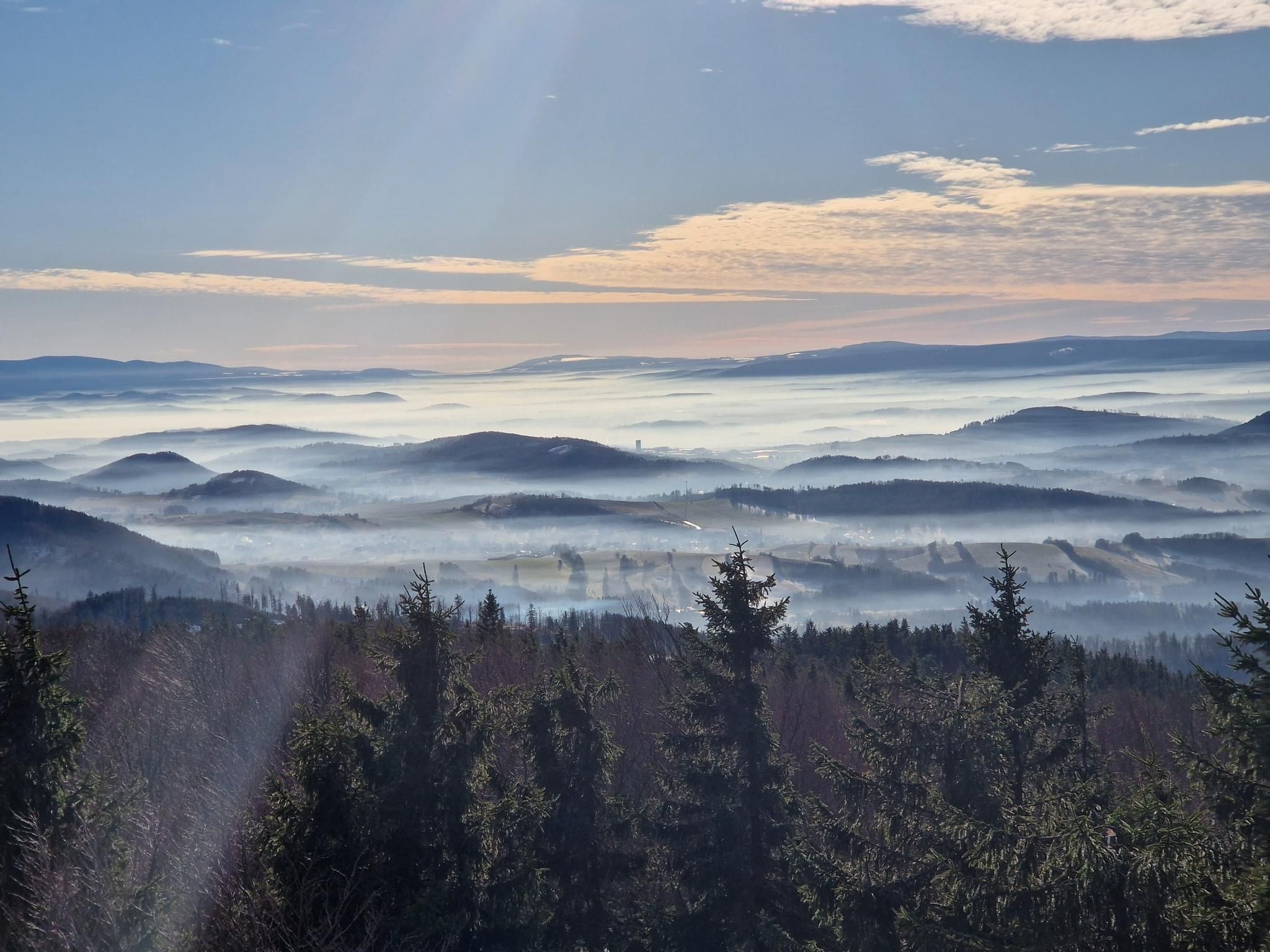
The Main Sudeten Route – a great Polish mountain adventure
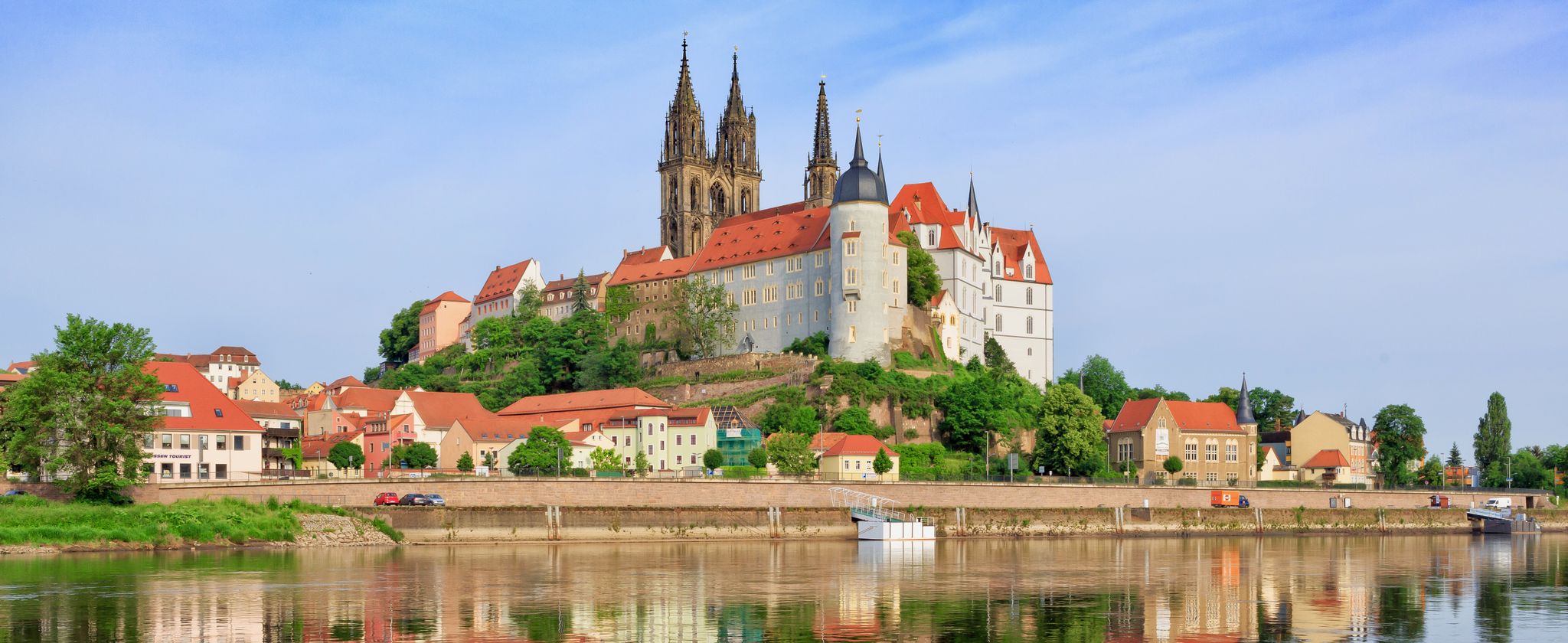
The Elbe Cycle Path — cross-border cycling pleasure
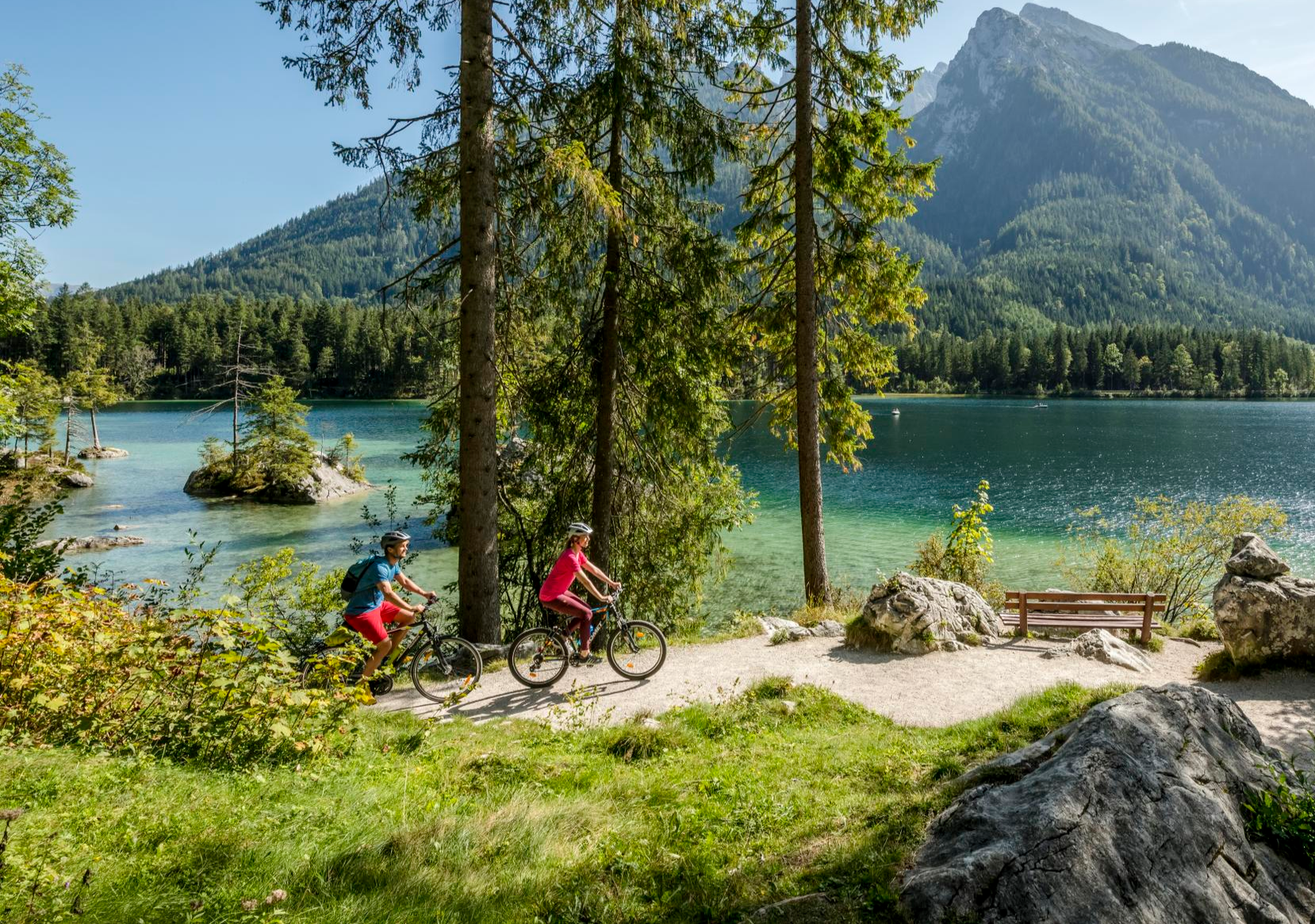
Discover Germany's diversity on enchanting cycling routes
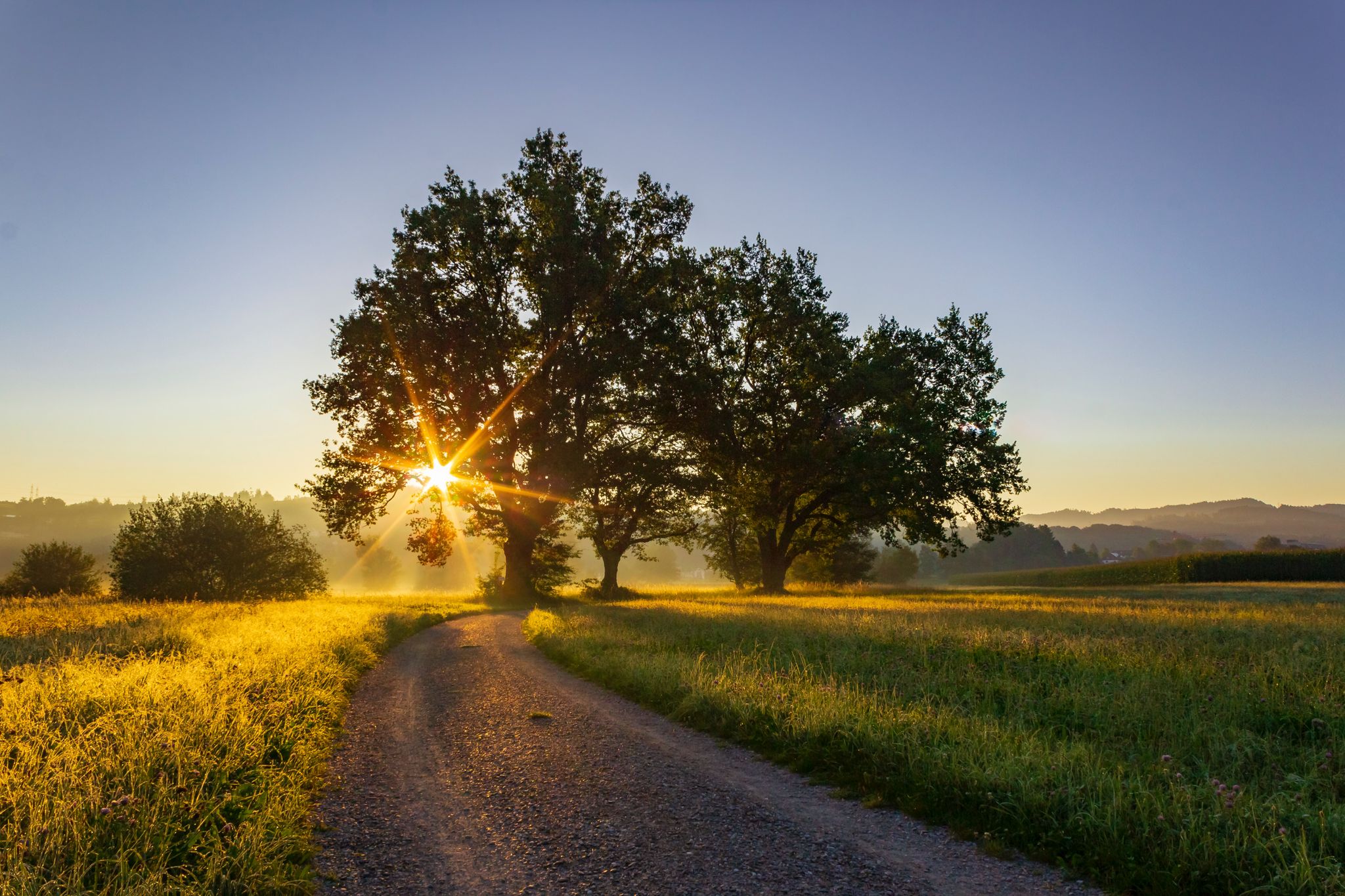
Diverse Poland — explore five regions by mountain bike
As we wrote history – the Transcontinental Race #TCRN06
Hiking in the Giant Mountains
MTB Trails in the Giant Mountains
Road Cycling Routes in the Giant Mountains
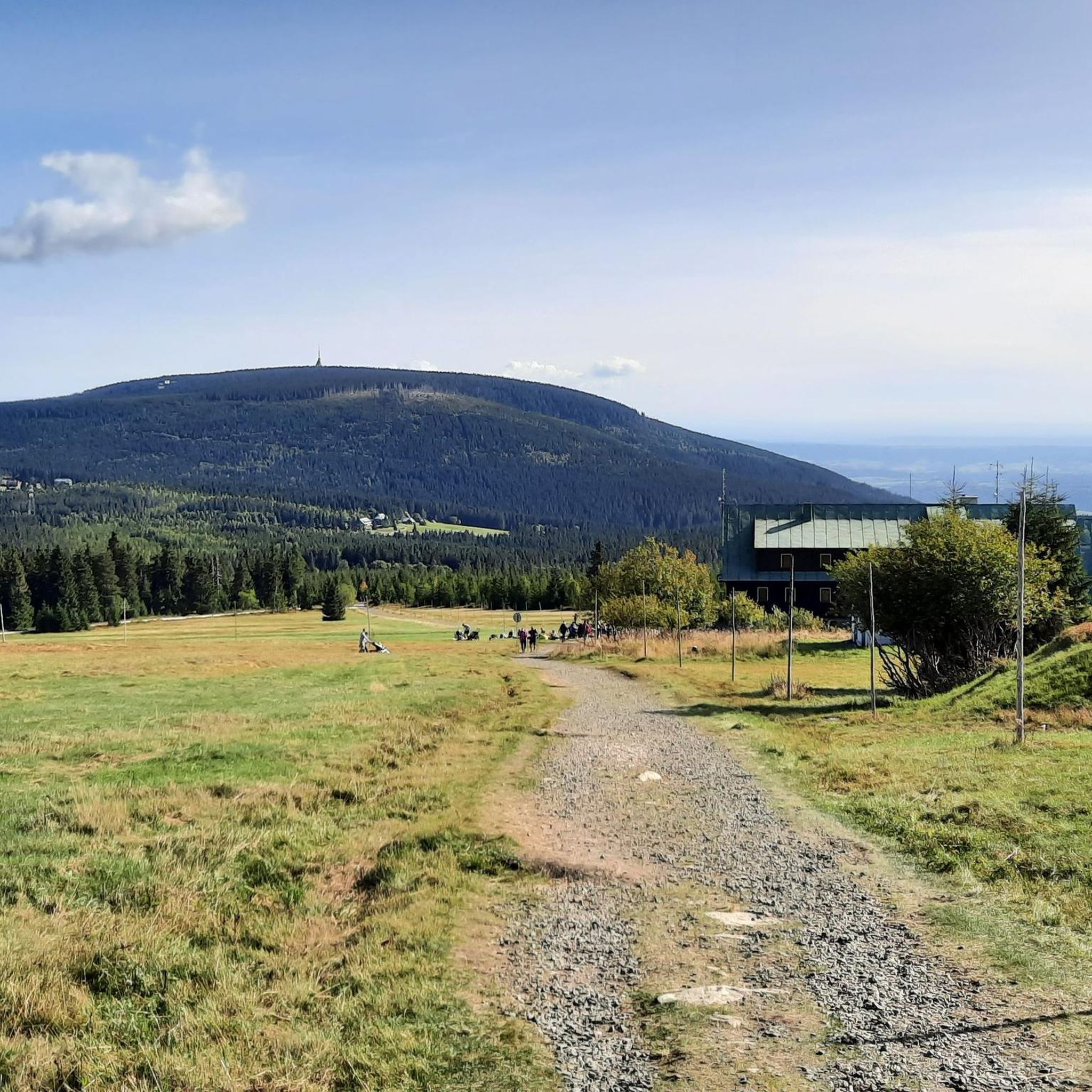
Cycling in the Giant Mountains
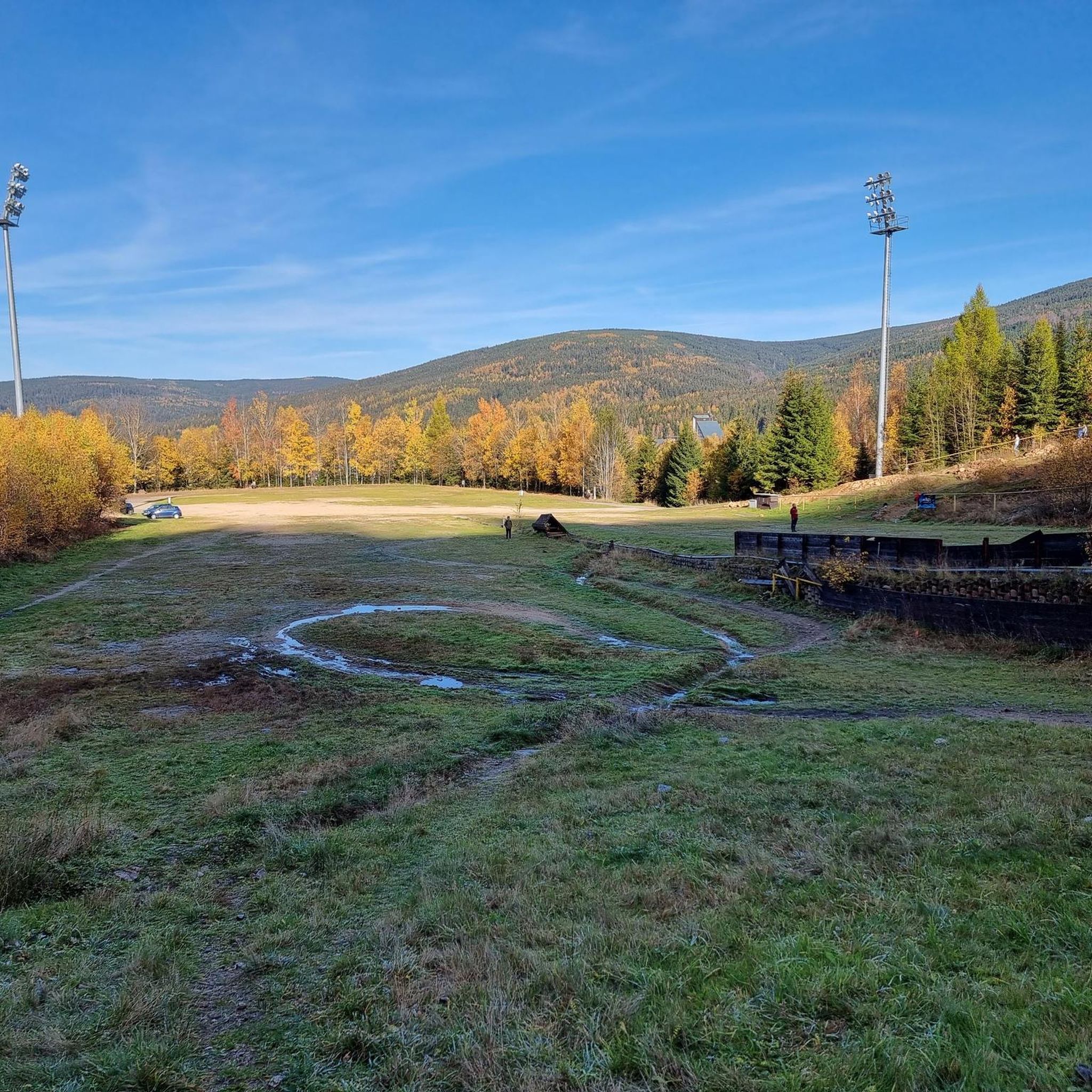
Running Trails in the Giant Mountains
Other adventures in the Giant Mountains


Tips from the Community

You have to be careful on the road, because there are gutters and the descent is dangerous, it is better to go to the Czech Republic.
2
0
Great driveway, you can drive on it from both sides.
3
0

Very poor asphalt - sometimes missing, poor for descent.
0
0

Source: https://www.quaeldich.de/paesse/spindlerpass/ The Spindler Pass in the Giant Mountains connects Podgórzyn in Poland with Špindlerův Mlýn in the Czech Republic. It is located in the Karkonosze National Park (Krkonoše National Park). Caution: The northern ascent is very steep. However, it is car-free, as the north side is closed to traffic.
0
0

The paths are well signposted and it is virtually impossible to get lost.
1
0

The ascent to the Jakuszyce Pass from Szklarska Poręba is less than 7.5 km long and has a 260 m elevation gain. The average gradient is 3.5%, and just before reaching the pass it is slightly downhill. The road has an ideal surface, but you have to watch out for car traffic, which can be heavy.
2
0
One of the variants of the ascent from Podgórzyn to Przełęcz Karkonoska. The road through Borowice is longer than through Przesieka, it is 12.5 kilometres long, and the elevation gain is 840 m. The average gradient is 6.8%, reaching 20% towards the end. Przełęcz Karkonoska is located at an altitude of 1,198 metres. In the second part of the ascent, the surface is not in very good condition, so it is worth considering a descent to the Czech side.
1
0
Over 13 kilometers long, 600 meters of elevation and beautiful Karkonosze views. Okraj Pass is located on the Polish-Czech border. Interesting facts: every year during the Bałtyk - Karkonosze Tour, cyclists compete here in an individual ride.
0
0
Frequently Asked Questions
Which mountain passes in the Giant Mountains offer the most challenging climbs for cyclists?
For cyclists seeking a significant challenge, the ascent to Karkonoska Pass from Podgórzyn is renowned as one of the toughest climbs in Poland. It features an average gradient of about 13% in its most demanding sections, with some parts reaching 18%. The pass itself is located at 1,198 meters above sea level. Another challenging route is the Karkonoska Pass from Podgórzyn via Przesieka, which has an average gradient of 8% over 10 kilometers, with sections up to 20%.
Are there family-friendly mountain passes in the Giant Mountains with amenities?
Yes, Okraj Pass (Pomezní Boudy) is considered a family-friendly destination. Located in the eastern Giant Mountains, it offers stunning views and serves as a versatile base for various outdoor activities. It has Polish and Czech mountain huts, such as Schronisko PTTK na Przełęczy Okraj and Pomezní bouda, providing services and lodging. Nearby Malá Úpa also offers ski slopes in winter, making it a year-round destination.
What are the best mountain passes for panoramic views in the Giant Mountains?
For exceptional panoramic views, Złotówka Pass and Křížovky are popular viewpoints. Additionally, Przełęcz pod Śnieżką, situated at approximately 1,400 meters, offers outstanding vistas and is a crucial point on the ascent to Sněžka, the highest peak. From Sowia Przełęcz, a detour to Skalny Stół (Rocky Table) provides fantastic views of Sněžka and the eastern Karkonosze Mountains.
What historical significance do some of the Giant Mountains passes hold?
Many passes in the Giant Mountains have historical importance. For instance, Przełęcz Karkonoska (Karkonosze Pass) played a role during World War II. Okraj Pass has a history as a site for shepherding and a route for smugglers, reflecting its long-standing use as a border crossing and trade route.
What outdoor activities can I do near the mountain passes in the Giant Mountains?
The Giant Mountains offer a wide range of outdoor activities near its passes. You can find numerous hiking trails, including challenging routes like the Excursion to Szrenica or the Silesian Way to Sněžka. For cyclists, there are extensive road cycling routes, such as the Karkonosze-Iser loop or the Karpacz loop to Okraj Pass. The region also provides excellent running trails, like the Rübezahl Monument – Szklarka Waterfall loop.
When is the best time to visit the Giant Mountains passes?
The best time to visit depends on your planned activities. For hiking and cycling, the warmer months from late spring to early autumn (May to October) are ideal, offering pleasant weather and full accessibility to trails. For winter sports like skiing, areas around passes like Okraj Pass (near Malá Úpa) and Novosvětský průsmyk (near Harrachov) are popular. Be aware that some high-altitude trails, like those leading to Przełęcz pod Śnieżką, can be closed in winter due to avalanche risks.
Are there mountain huts or accommodation options available at the passes?
Yes, several mountain passes in the Giant Mountains offer accommodation and refreshments. Przełęcz Karkonoska hosts two important mountain huts: Špindlerova bouda on the Czech side and Odrodzenie on the Polish side. Okraj Pass also has Polish and Czech mountain huts, including Schronisko PTTK na Przełęczy Okraj and Pomezní bouda, providing services and lodging for visitors.
Which pass connects the Giant Mountains with the Jizera Mountains?
Novosvětský průsmyk (Przełęcz Szklarska) marks the western boundary of the Giant Mountains, connecting them with the Jizera Mountains. This pass is closely associated with the town of Harrachov, a well-known center for winter sports in the Czech Republic.
What unique natural features can be found near Sowia Przełęcz?
Sowia Przełęcz (Owl's Pass) is known for its scenic route through Owl's Valley (Sowia Dolina), an area recognized for its natural beauty and unique geological formations. This region is particularly interesting for its rare minerals. From the pass, hikers can also detour to Skalny Stół (Rocky Table) for impressive views.
What do visitors enjoy most about the mountain passes in the Giant Mountains?
Visitors frequently praise the stunning views and the sense of accomplishment after challenging climbs. Many appreciate the well-maintained trails and the availability of mountain huts for rest and refreshments. The diverse terrain, from steep ascents to scenic viewpoints, and the opportunity to cross borders between Poland and the Czech Republic are also highly valued. The Pomezní Sedlo (1050 m) - Malá Úpa pass is noted for its great drive and ample accommodation.
Are there any specific passes known for their accessibility by car?
Yes, Przełęcz Karkonoska is accessible by road, notably from Špindlerův Mlýn on the Czech side. From the Polish side, it involves a very steep road (up to 24% inclination), popular with mountain bikers. Okraj Pass also functions as a border crossing for cars, with an asphalt road connecting Jelenia Góra in Poland to Trutnov in the Czech Republic.
Can I find trails for intermediate hikers around the passes?
Absolutely. Many passes offer intermediate trails suitable for a wider range of hikers. For example, Okraj Pass and Wet Pass are categorized with intermediate difficulty trails, providing enjoyable routes without the extreme challenges of the most difficult climbs. These often include scenic viewpoints and well-marked paths.
Most popular routes in the Giant Mountains
Most popular attractions in the Giant Mountains

Get inspired with the komoot mobile app


Explore more
See even more epic mountain passes by checking out these guides in the Giant Mountains:
