The best gravel rides around Doingt
7
riders
5
rides
Gravel bike trails around Doingt are situated within the tranquil Somme department of Hauts-de-France, characterized by its river valleys and diverse natural features. The area offers a network of canal paths, river routes along the Somme, and open plains suitable for gravel cycling. Landscapes include marshes, ponds, and "larris" (limestone hillsides) which provide varied terrain. This region provides a mix of flat, riverside paths and routes with moderate elevation gains.
Best gravel bike trails around Doingt
- The most popular gravel…
Last updated: July 11, 2026
32.3km
02:20
260m
260m
Moderate gravel ride. Good fitness required. Mostly paved surfaces. Suitable for all skill levels.
1
riders
15.6km
01:05
80m
80m
Easy gravel ride. Great for any fitness level. Mostly paved surfaces. Suitable for all skill levels.

Sign up for free
3
riders
Moderate gravel ride. Good fitness required. Mostly paved surfaces. Suitable for all skill levels.
2
riders
55.5km
03:50
390m
390m
Moderate gravel ride. Good fitness required. Mostly paved surfaces. Suitable for all skill levels.
1
riders
10.4km
00:45
90m
90m
Easy gravel ride. Great for any fitness level. Mostly paved surfaces. Suitable for all skill levels.
Our route recommendations are based on thousands of hikes, rides, and runs completed by other people on komoot.
Start today with a free account
Your next adventure awaits.
Login or Signup


Tips from the Community

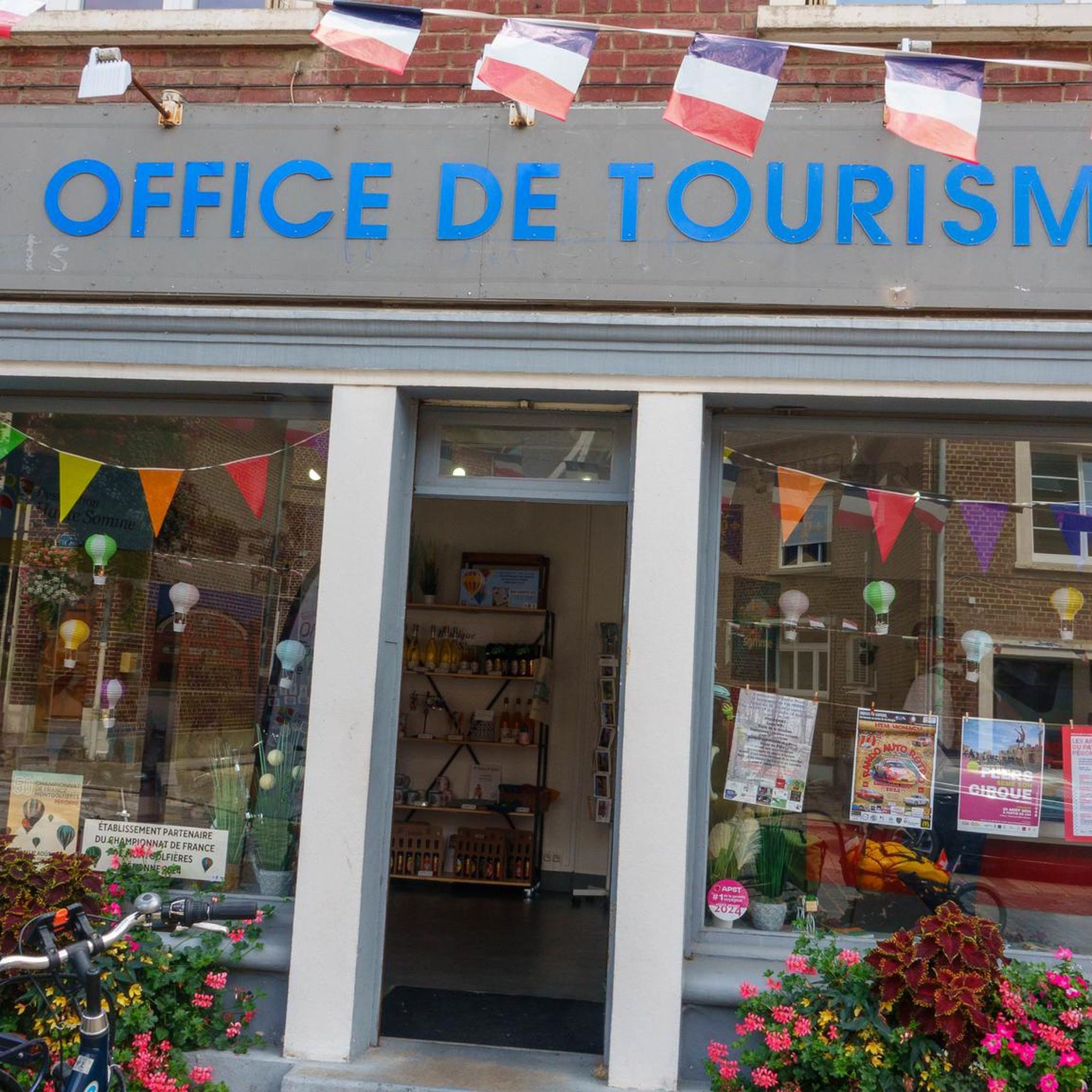
Also a bicycle repair and electric bike charging point
0
0

Very beautiful, well-preserved gate.🥰
0
0

Sailly-Saillisel, at the northern end of a ridge, was the objective of French attacks in September and October 1916, and was captured on October 18. The village remained in Allied hands until March 24, 1918, when it was lost during the German advance, but was recaptured by the 18th and 38th (Welsh) Divisions on September 1, 1918. The cemetery now contains 771 burials from isolated graves and several smaller cemeteries nearby. 300 of the graves are unidentified.
0
0
Rancourt Military Cemetery contains 93 graves and commemorations from the First World War (including 20 unidentified graves). There are also 3 graves from the Second World War in the cemetery (crew of the Blenheim IV bomber shot down in May 1940). Rancourt was captured by the French on September 24, 1916, and remained in Allied hands until March 24, 1918, and the German advance. It was recaptured by the 47th (London) Division on September 1, 1918.
0
0
the largest French necropolis in the Somme (8,566 soldiers)
0
0

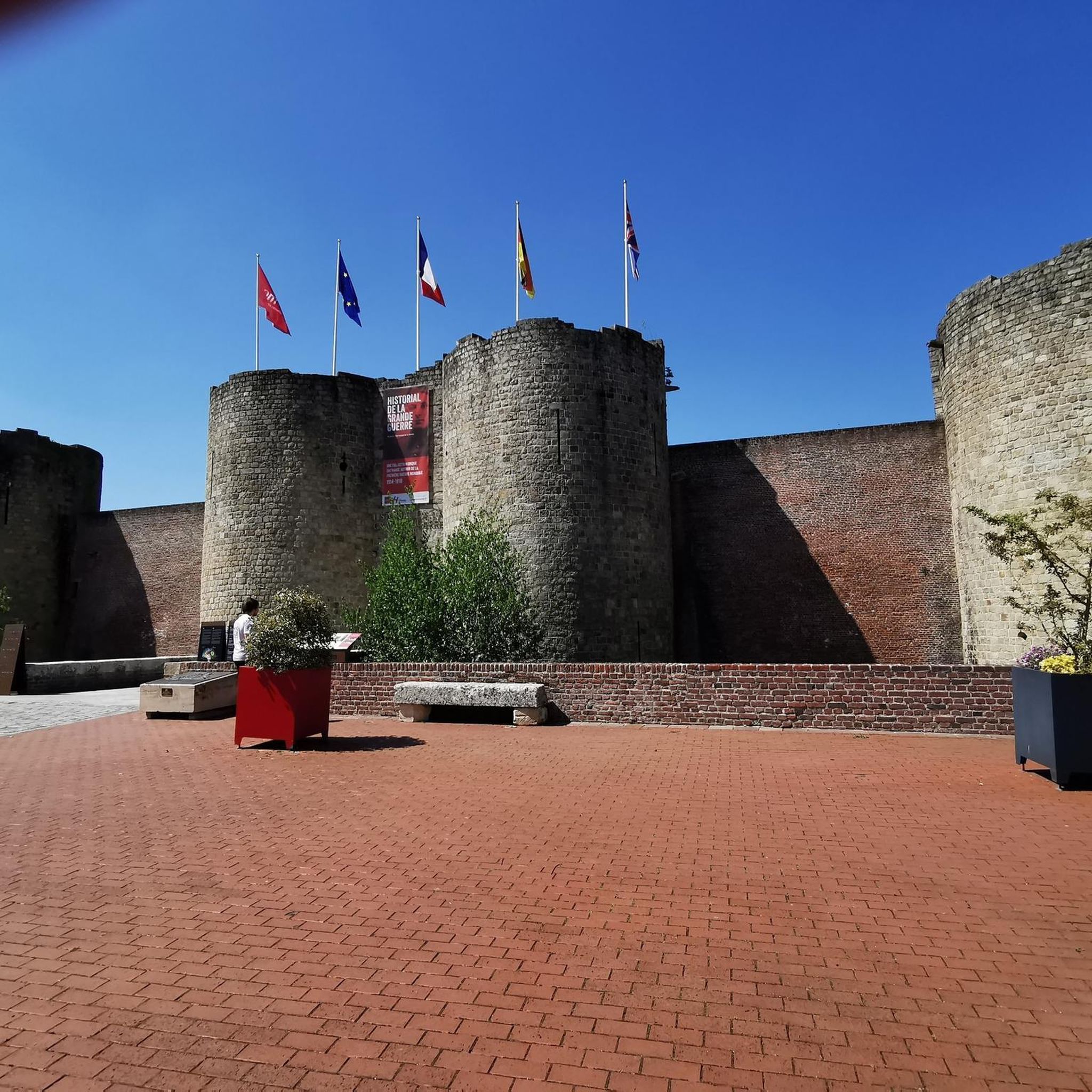
The museum covers the period of the First World War in all its aspects: military, social, cultural.
0
0

This museum is located on the front lines of the Battle of the Somme. The white concrete design by architect Henri-Edouard Ciriani describes a gentle arc set into the southwest wall of the medieval castle. It forms a harmonious whole with the four large round towers, each with a diameter of 9 m. The building at the Etang du Cam stands on a series of smooth white concrete columns, creating a beautiful reflection in the water. The rooms are accessed through an opening in the wall of the 13th-century castle, which was built by the Counts of Vermandois. Charles the Bold imprisoned Louis XI in one of the towers.
2
0
Very nice museum in a great, historic building. A must visit on a bike tour 😍.
3
0
Frequently Asked Questions
What kind of terrain can I expect on gravel bike trails around Doingt?
The gravel bike trails around Doingt feature a mix of tranquil river valleys, canal paths, and open plains. You'll encounter diverse natural features like marshes, ponds, and unique "larris" (limestone hillsides) that offer varied terrain and scenic views.
Are there any easy gravel bike routes suitable for beginners or families near Doingt?
Yes, there are easy options. For instance, the Cartigny – Greenway segment loop from Cartigny is an easy 14.5 km trail that takes about 1 hour 13 minutes, leading through river valleys and open plains. Another easy route is the Cartigny – Sainte-Radegonde Church loop from Cartigny, which is about 10.1 km.
What are the typical distances and durations for gravel biking routes in the Doingt area?
Routes in the Doingt area vary in length and duration. You can find shorter, easy rides like the 10.1 km Cartigny – Sainte-Radegonde Church loop from Cartigny, which takes about an hour. Moderate routes, such as the Greenway segment – Doingt loop from Cartigny, span around 32.3 km and typically take about 2 hours 20 minutes.
Are there any circular gravel bike routes around Doingt?
Yes, several routes are designed as loops. For example, the Greenway segment – Doingt loop from Cartigny and the Rancourt british cemetary – Beautiful landscape loop from Aizecourt-le-Haut are both circular routes, allowing you to start and finish in the same location.
What historical landmarks or points of interest can I see along the gravel bike trails near Doingt?
The region around Doingt is rich in history, particularly related to World War I. While cycling, you might encounter historical landscapes. Nearby attractions include the impressive Château de Péronne, which also houses the Historial of the Great War, and the Château d'Happlincourt.
Are there good viewpoints or scenic spots for gravel bikers in the Doingt area?
Absolutely. The region features "larris" (limestone hillsides) that offer panoramic views. A notable natural lookout is the Frise Viewpoint, where you can witness a mosaic of ponds and the winding curves of the Somme River.
What natural features define the gravel biking experience in Doingt?
The gravel biking experience in Doingt is defined by the meandering Somme River, offering picturesque river valleys and waterways. You'll also encounter exceptional natural sites like marshes and ponds, such as those in Méricourt-sur-Somme, and the unique "larris" (sloped calcareous grasslands) that provide elevated views.
Is public transport available to reach the gravel biking areas around Doingt?
While Doingt itself is a small commune, the broader Somme department is well-regarded for cycling. For detailed public transport options to specific trailheads, it's best to consult local transport services or regional tourism websites like Somme Tourisme for up-to-date information on reaching starting points.
What is the best time of year for gravel biking around Doingt?
The Somme region generally offers pleasant conditions for cycling through much of the year. Spring and autumn provide mild temperatures and beautiful scenery, ideal for exploring the river valleys and open plains. Summer can also be enjoyable, though it's always wise to check local weather forecasts.
Are there any specific regulations or permits required for gravel biking in the Doingt area?
Generally, no specific permits are required for gravel biking on public paths and designated cycle routes in the Somme region. However, always respect private property, follow local signage, and adhere to standard cycling rules. For more general information on cycling in the region, you can refer to resources like France Vélo Tourisme.
What do other gravel bikers enjoy most about the trails in Doingt?
Gravel bikers often praise the tranquil nature of the routes, the diverse landscapes, and the historical context of the region. The mix of riverside paths, canal routes, and open plains provides a varied and engaging experience, with many appreciating the well-maintained paths and scenic views of the Somme Valley.
Can I find routes that are part of a larger cycling network in the Somme region?
Yes, the trails around Doingt are part of the larger cycling network in the Somme region, which is known as a 'cycling paradise.' The famous Véloroute Vallée de Somme, spanning approximately 160 km along the towpath, is a prime example, offering extensive opportunities to explore the river's course. You can find more details on the regional cycling network at Somme Tourisme.
Most popular attractions around Doingt

Get inspired with the komoot mobile app


Explore more
Browse the best Gravel rides in other regions.
