The best gravel rides around Crissay-Sur-Manse
4.5
(2)
40
riders
4
rides
Gravel biking around Crissay-Sur-Manse offers diverse terrain within the Manse Valley, characterized by lush landscapes and historical features. Routes often traverse vineyards, forests, and cultivated fields, providing varied scenery. The region's "Falun" limestone tracks create natural gravel surfaces, ideal for cycling. Geological features like troglodyte dwellings carved into tufa stone add a unique historical dimension to the natural environment.
Best gravel bike trails around Crissay-Sur-Manse
- The most popular gravel bike trail is Ussé Castle – View of Ussé Castle loop…
Last updated: August 31, 2026
9
riders
96.6km
06:19
610m
610m
Hard gravel ride. Very good fitness required. Mostly paved surfaces. Suitable for all skill levels.
4
riders
55.4km
03:54
490m
490m
Hard gravel ride. Very good fitness required. Mostly paved surfaces. Suitable for all skill levels.

Sign up for free
6
riders
41.9km
03:03
360m
360m
Moderate gravel ride. Good fitness required. Mostly paved surfaces. Suitable for all skill levels.
5.0
(1)
3
riders
124km
07:20
670m
670m
Hard gravel ride. Very good fitness required. You may need to push your bike for some segments of this route.
1
riders
16.7km
01:19
130m
130m
Easy gravel ride. Great for any fitness level. Mostly paved surfaces. Suitable for all skill levels.
Our route recommendations are based on thousands of hikes, rides, and runs completed by other people on komoot.
Start today with a free account
Your next adventure awaits.
Login or Signup
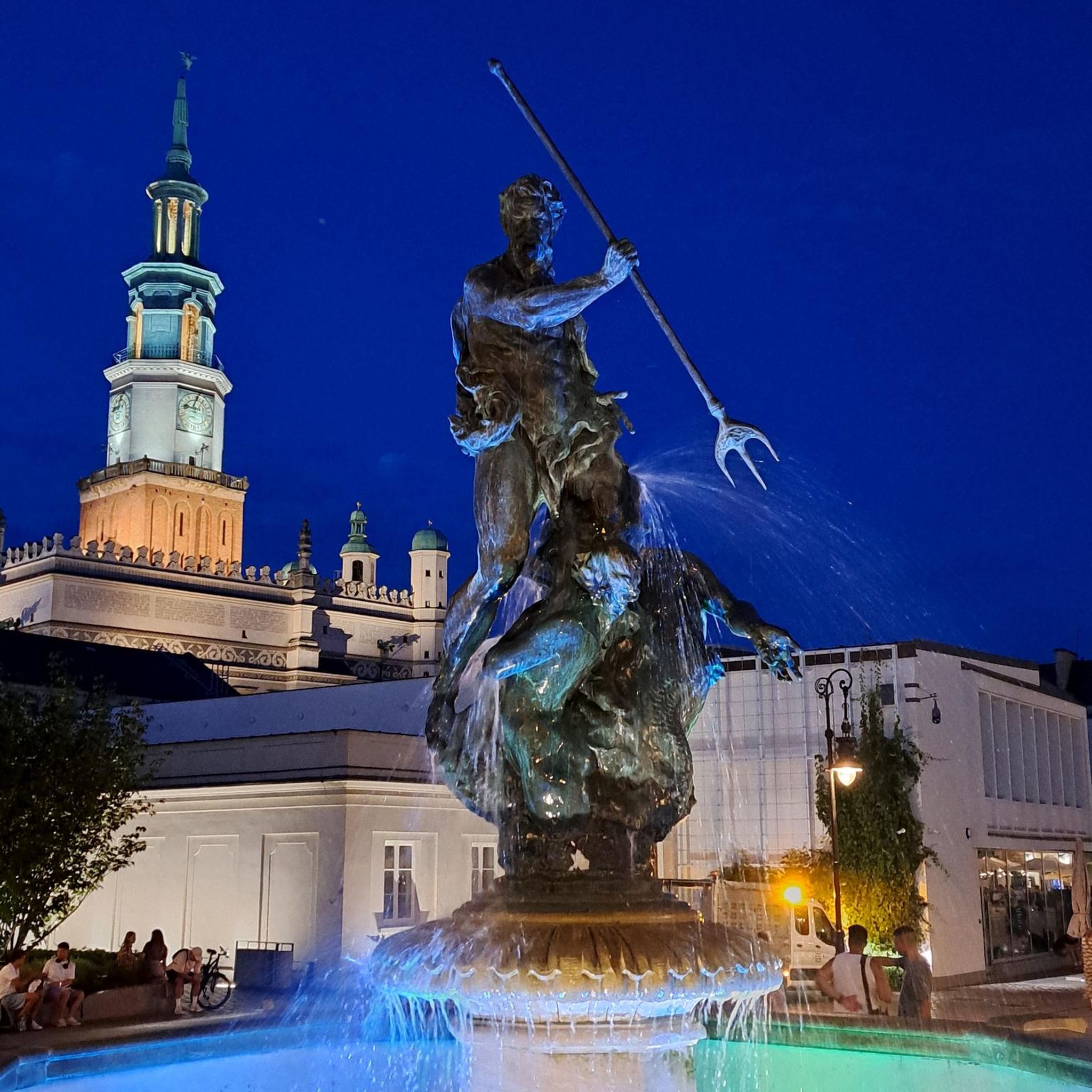
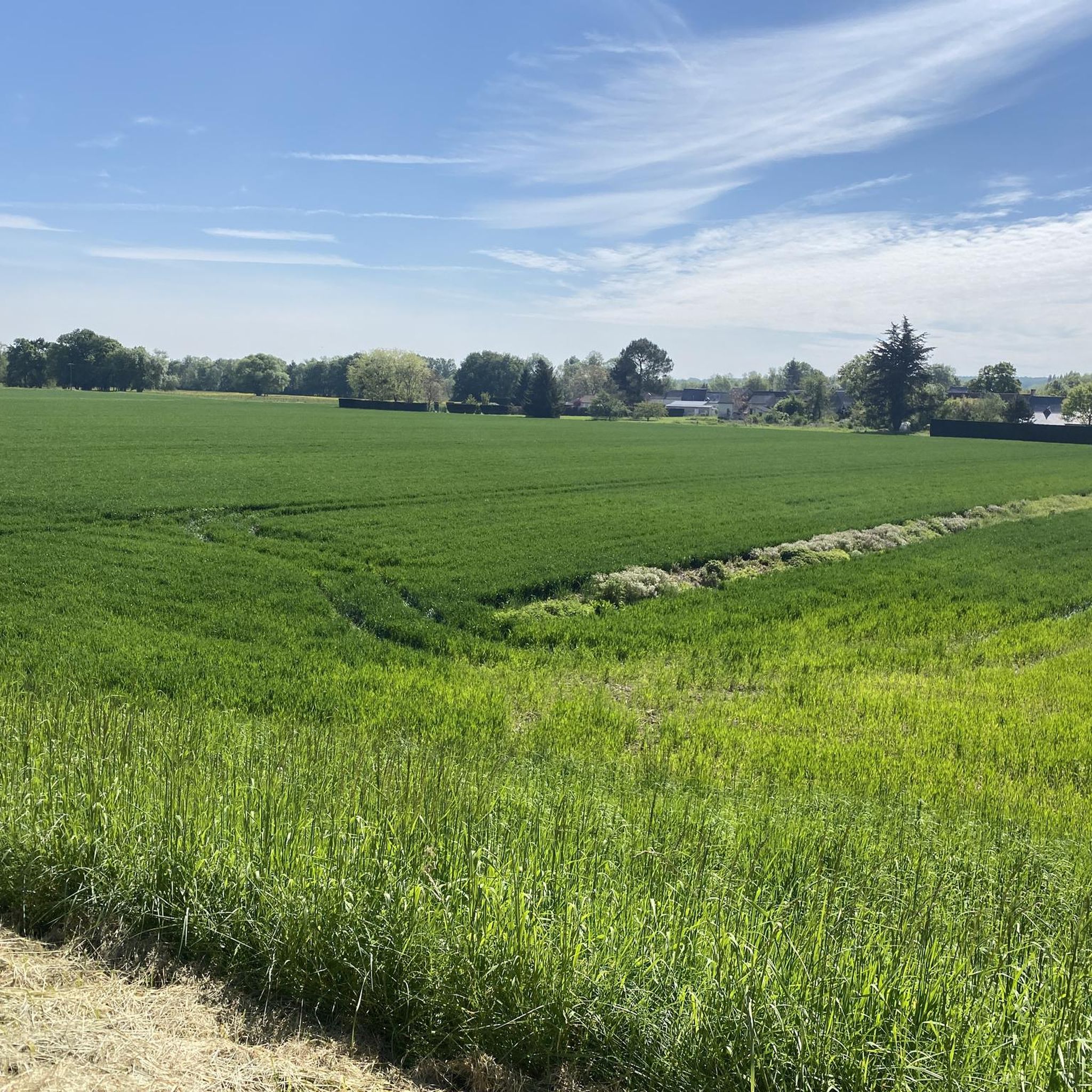
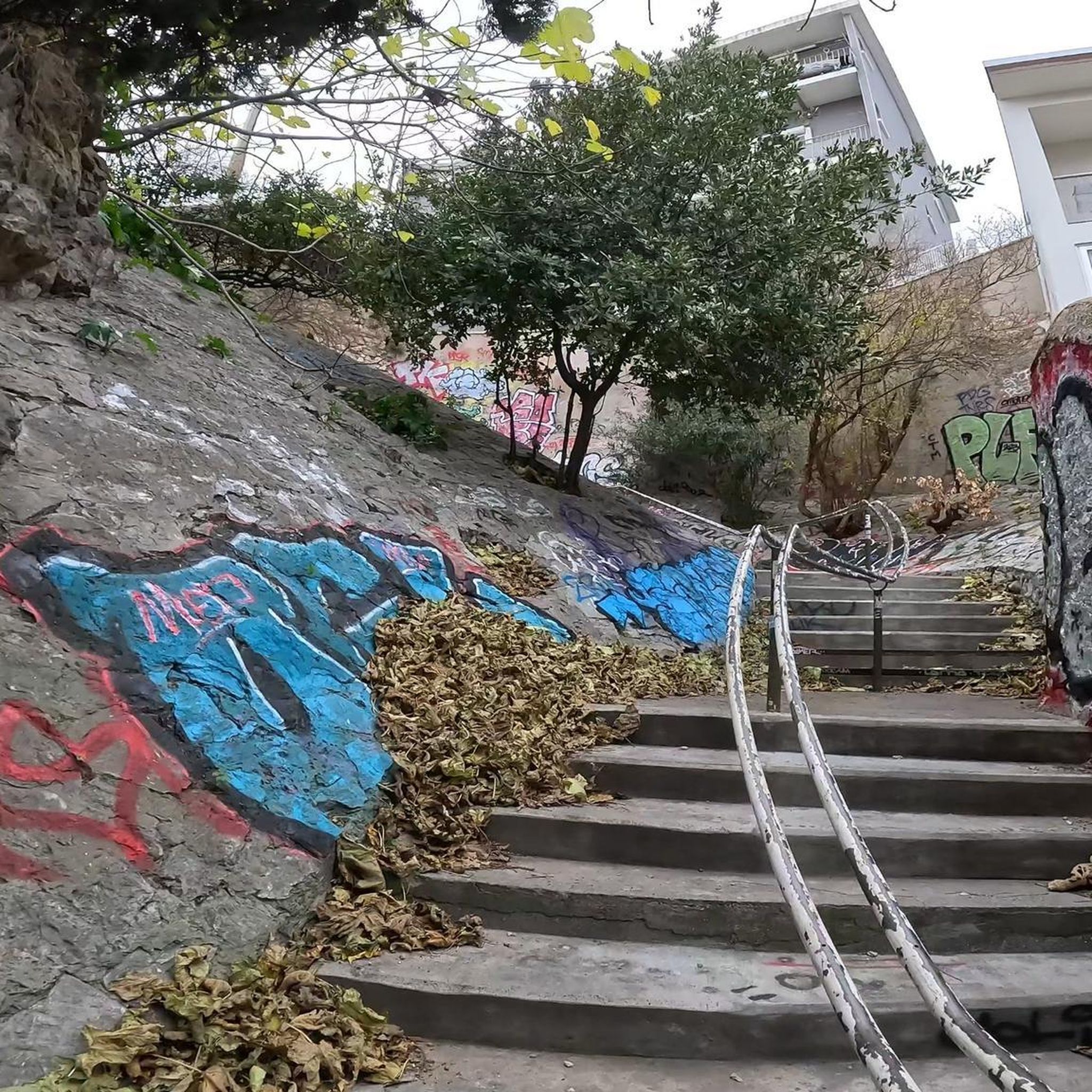
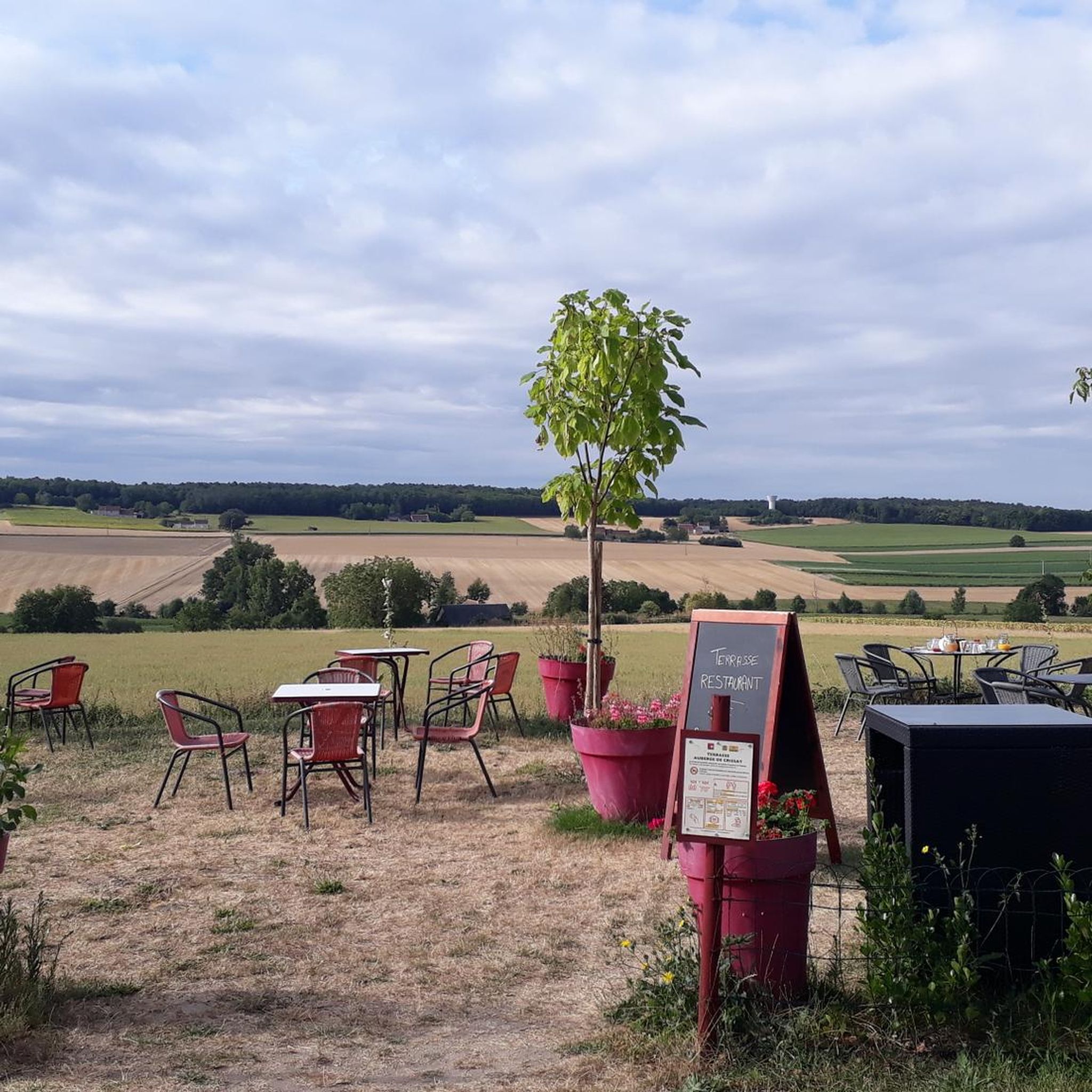

Tips from the Community


History in brief Antiquity: the site is strategically located on a promontory and has been inhabited for 3,000 years. It was not fortified until the end of the Roman Empire. Middle Ages: in 1154, the new King of England, Henry II Plantagenet, became ruler of an empire stretching from Scotland to the Pyrenees and made Chinon his continental capital. He had a large palace built next to the fortress, which has now disappeared. In 1189, abandoned by his sons, Richard the Lionheart and John Lackland, and fleeing from the King of France, he eventually died there. Philippe Auguste had the defensive Tour du Coudray built there after the siege of 1205. Renaissance: in 1454, the fortress became the main residence of Queen Marie d'Anjou, who lived there without her husband. She spent lavishly on decorating the house to her taste. From the 16th century onwards, the fortress was gradually abandoned and fell into disrepair. Despite the dangerous nature of the terrain, it became a public promenade in 1824 and was listed as a monument in 1840. The restoration of the estate began in 1854 thanks to the efforts of the writer Prosper Mérimée. Source: https://loirelovers.fr/en/visit-royal-fort-chinon/
6
0

Beautiful village. Stopover (campsite).
0
0
Come and discover the Touraine in d'Azay-le-rideau. A pleasant centre has nice terraces to stay for a while. Discover the Château d'Azay-le-rideau and the park in English style and relax on the banks of the Indre on the island by the waterfall.
3
0
This country house built in the 16th century has been transformed into a guest house with exceptional comfort. Beautiful from the street side, you can dream (for a fee) on the inside
2
0
Built at the beginning of the 11th century, the Saint-Symphorien church in Azay-le-Rideau is a listed historical monument and bears witness to the architectural history of the region. Built in the pre-Romanesque style, on the remains of an "ecclesiola" from the Merovingian or Carolingian period, this building has survived the centuries and has undergone several extensions and renovations. Unfortunately, the years have not been kind to it and today signs of decay and structural disarray are visible: cracks, water infiltration, loosening of the roof tiles, decay of the tuff, etc. This deterioration is the result of the passage of time, previous extensions, but also of damage caused by conflicts, in particular the looting and confiscations by the German army between 1940 and 1942. Given these challenges, the complete restoration of the Saint-Symphorien church has become an urgent necessity. The restoration of the Saint-Symphorien church is much more than a simple restoration: it is an act of preserving the identity and history of the region, a symbol of collective commitment to heritage. Once the work is completed, the church will continue to play a central role in the cultural and social life of the community, providing a magnificent setting for artistic and cultural events and thus contributing to the prestige of the town of Azay-le-Rideau and its surroundings.
2
0
Situated on the banks of the Indre, from the bridge you have a beautiful view of the site and the beautiful 16th century mill.
5
0
The origins of the castle Do you know the story of this castle that stands on a small island in the Indre? Built during the reign of Francis I by Gilles Berthelot, the king's financier, the Château d'Azay-le-Rideau is a subtle combination of French traditions and innovative Italian decorations. It became an icon of the new architecture in the Loire Valley in the 16th century and is today considered one of the jewels of the architecture of the first French Renaissance. More information on https://www.azay-le-rideau.fr/decouvrir/histoire-du-chateau
5
0
Frequently Asked Questions
How many gravel bike trails are available around Crissay-sur-Manse?
There are several gravel bike routes in the Crissay-sur-Manse area, offering diverse experiences for cyclists. You can find a total of 4 routes, ranging from moderate to difficult, to explore the region's landscapes.
What kind of terrain can I expect on gravel bike trails near Crissay-sur-Manse?
The terrain around Crissay-sur-Manse is quite varied. You'll encounter lush landscapes in the Manse Valley, routes winding through extensive vineyards, and paths through forests and cultivated fields. A unique feature is the local "Falun" limestone tracks, which are natural gravel surfaces, providing an authentic gravel biking experience.
Are there any easy gravel bike routes suitable for beginners or families?
While many routes in the area are rated as difficult, there is one moderate route available: the View of Château de Chinon – Chinon Fortress loop from L'Île-Bouchard. This 47.1 km trail leads through the Manse Valley and past vineyards, offering a less strenuous option for those seeking a more relaxed ride.
What historical sites or landmarks can I see along the gravel bike trails?
The region is rich in history. You can cycle past the ruins of a 15th-century castle and the 16th-century Flamboyant Gothic church of Saint-Maurice within Crissay-sur-Manse itself. Routes also lead to unique geological features like troglodyte caves and dwellings carved into the tufa stone, particularly in the Courtineau Valley. Further afield, you might encounter the impressive remains of the Roches-Tranchelion collegiate church.
Are there any routes that offer views of castles?
Yes, several routes provide stunning views of historical castles. For instance, the Ussé Castle – View of Ussé Castle loop from Azay-le-Rideau offers views of the historic Ussé Castle. Another option is the Chinon Fortress – Château de Chinon loop from Azay-le-Rideau, which explores the area around the historic Chinon Fortress.
What is the best time of year for gravel biking in Crissay-sur-Manse?
The Loire Valley, including Crissay-sur-Manse, is generally pleasant for cycling from spring through autumn. The "Falun" limestone tracks can be hard and dusty in summer, which is ideal, but they can become technically challenging with rain. Therefore, drier periods are often preferred for the best gravel biking experience.
What do other gravel bikers enjoy most about cycling in Crissay-sur-Manse?
The area is highly rated by the komoot community, with an average score of 4.0 stars from 3 reviews. Cyclists often praise the scenic Manse Valley, the extensive vineyards, and the natural "Falun" limestone tracks that define the gravel biking experience here.
Are there any circular gravel bike routes in the area?
Yes, all the gravel routes listed for Crissay-sur-Manse are designed as loops, allowing you to start and finish at the same point. Examples include the Ussé Castle – View of Ussé Castle loop from Azay-le-Rideau and the View of Château de Chinon – Chinon Fortress loop from L'Île-Bouchard.
Where can I find parking for gravel biking in Crissay-sur-Manse?
While specific parking areas for each trail are not detailed, Crissay-sur-Manse is a small village. You can typically find parking within the village itself or in nearby towns like Azay-le-Rideau or L'Île-Bouchard, which serve as common starting points for many routes.
Can I find places to eat or drink along the routes?
Crissay-sur-Manse and the surrounding villages offer opportunities for refreshments. The village itself has a goat cheese farm where you can sample local products. Larger nearby towns like Azay-le-Rideau and Chinon, which some routes pass close to, will have a wider selection of cafes and restaurants.
Are there any unique natural features to look out for?
Absolutely. Beyond the Manse Valley and vineyards, keep an eye out for the distinctive "Falun" limestone tracks, which are a geological remnant of an ancient seabed. The Courtineau Valley is also classified as a natural area of ecological interest, known for its unique flora and fauna.
What is the longest gravel bike route available?
The longest gravel bike route in the area is the View of Ussé Castle – Ussé Castle loop from Azay-le-Rideau, covering 124.3 km. This difficult route offers an extensive exploration of the region's landscapes and takes approximately 9 hours to complete.
Most popular routes around Crissay-Sur-Manse
Most popular attractions around Crissay-Sur-Manse

Get inspired with the komoot mobile app


Explore more
Browse the best Gravel rides in other regions.
