Top 12 Mountain Passes around Lens
Mountain passes around Lens are not traditional high-altitude mountain ranges but rather elevated points offering panoramic views. The region of Lens, located in Hauts-de-France, is characterized by its unique topography, including man-made hills known as terrils, which are remnants of its mining history. These sites provide historical insight, natural beauty, and opportunities for outdoor activities. The broader Hauts-de-France region also features natural hills that serve as scenic viewpoints.
Best mountain passes around Lens
- The most popular mountain passes is Col…
Last updated: October 13, 2026
Col du Rawil (2,425 m)
Highlight • Mountain Pass
Translated by Google •
Tip by

Sanetsch Pass from Sion
Highlight (Segment) • Mountain Pass
Translated by Google •
Tip by

Sign up now to discover places like this
Get recommendations on the best single tracks, peaks, & plenty of other exciting outdoor places.
Weisshornlücke (2,852 m)
Highlight • Mountain Pass
Translated by Google •
Tip by
Tungel Pass (2,085 m)
Highlight • Mountain Pass
Translated by Google •
Tip by
Col du Sanetsch from Conthey
Highlight (Segment) • Mountain Pass
Translated by Google •
Tip by

Sign up for free to discover even more mountain passes around Lens.
Already have an account?

Tips from the Community

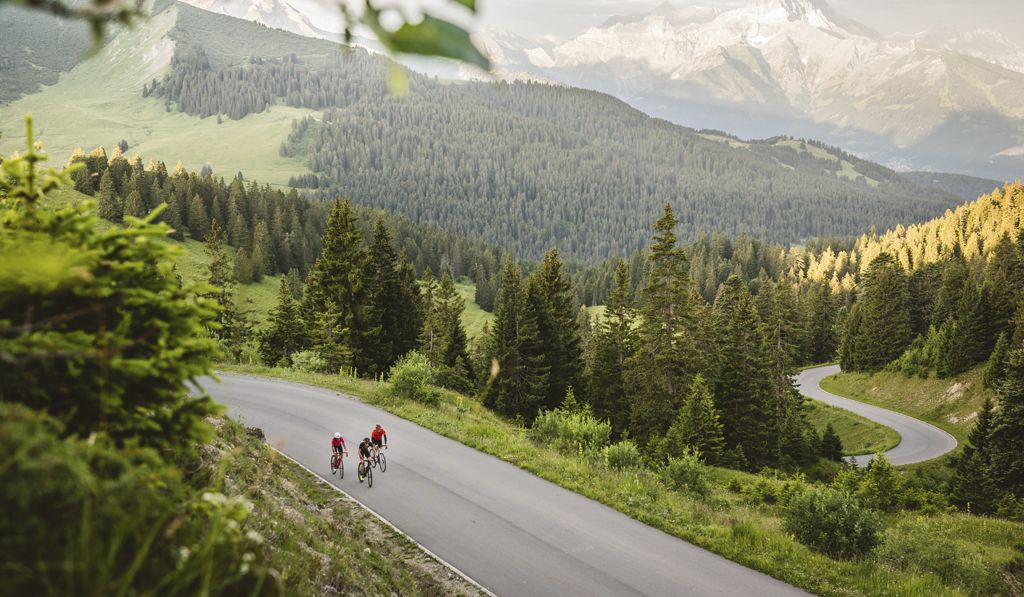
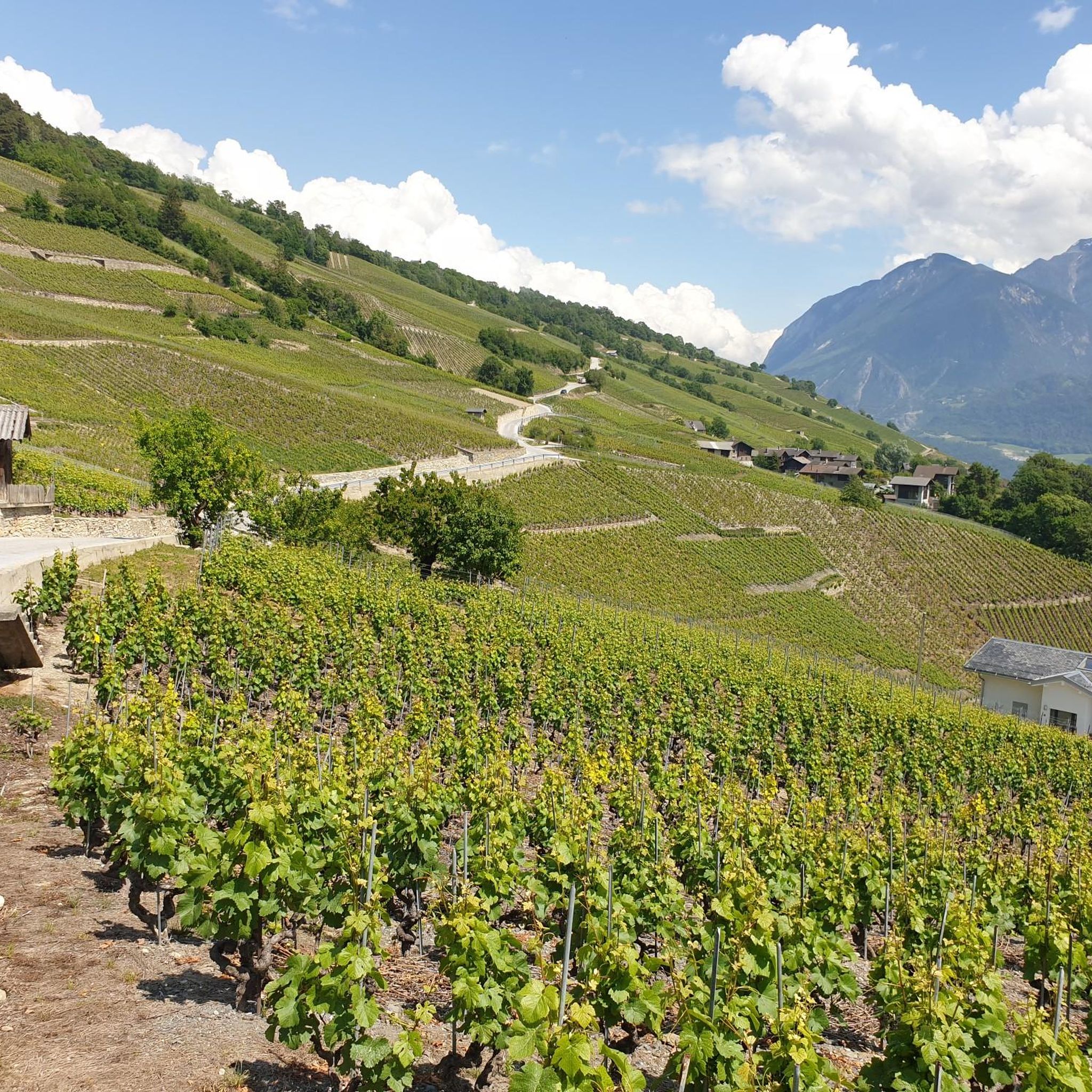
The Col du Sanetsch is certainly one of Switzerland's classic mountain passes, even though it can only be approached by road bike from the south. There are two alternative routes: one starts in Sion, the other, this one, in Conthey. Above the village of Daillon, the two roads converge and the steeper part of the climb begins. While there is only a parking lot at the Col du Sanetsch, the highest point, you can continue on the paved road to the reservoir (Lake Sanetsch). There is an inn there. The cable car station, which offers a ride down to Gsteig bei Gstaad, is also located here. This makes the pass a perfect circular tour.
0
0

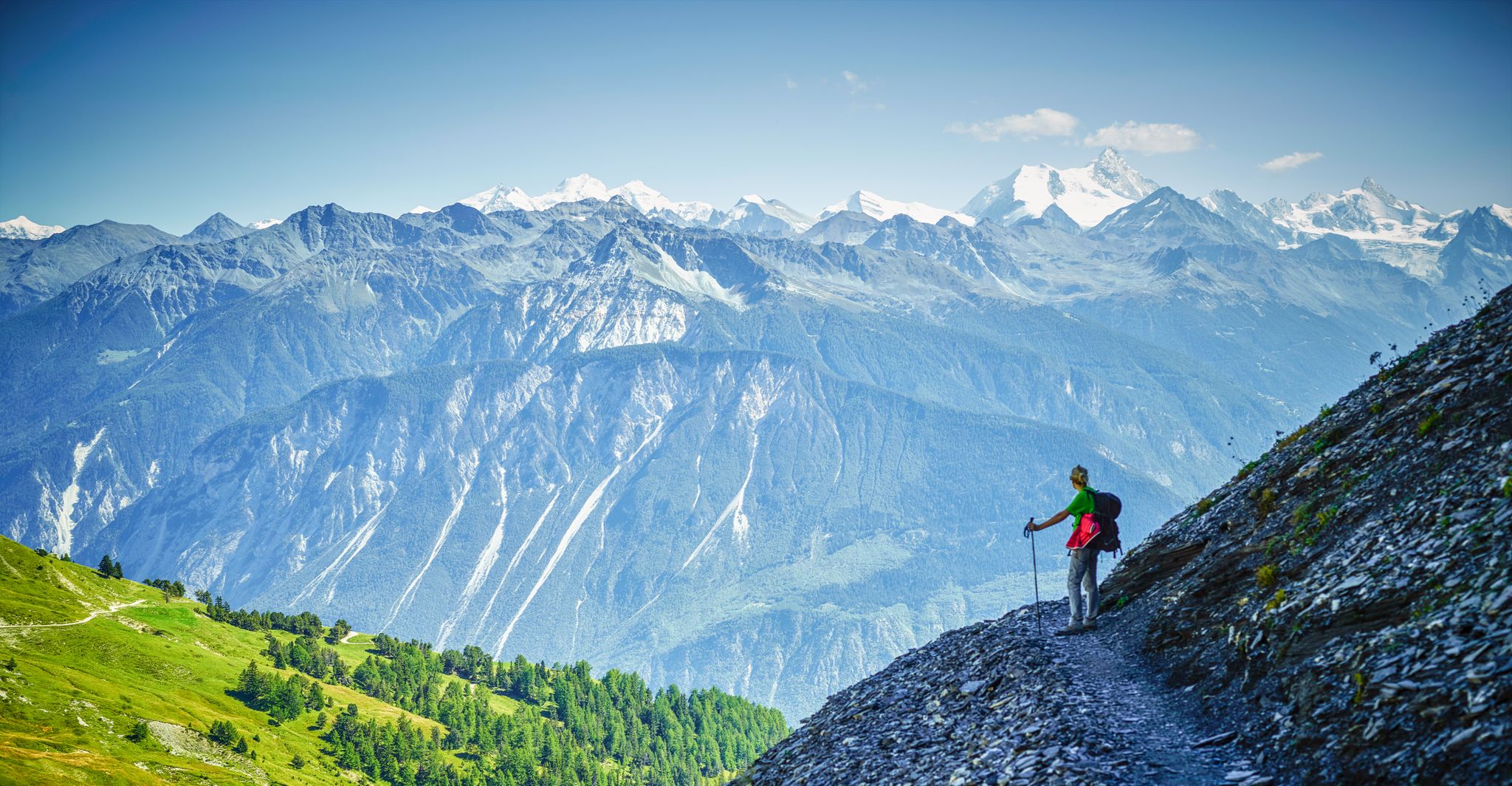
From the Iffigenalp, a hiking trail leads through the forest and then along paths blasted into the rock to the pass. Together with the many waterfalls and the plateau, I found this pass to be magnificent.
0
0

Please note the new route (risk of rockfall) between the Wildstrubelhütte and Wisshorelücke.
2
0
The Weisshornlücke is a mountain pass in the Wildstrubel massif in the cantons of Bern and Valais. The pass is located at an altitude of 2852 metres above sea level, just above the Wildstrubel Hut and between the Rohrbachstein and the Wisshore.
1
0
At the Rawil Pass you are at an altitude of 2,429 meters and on the border between the cantons of Bern and Valais. It is good that the plans from the 1980s to build a road and tunnel here were rejected by a popular initiative, because this means that the mountain idyll continues to prevail here instead of noise.
0
0

Great descent, technically excellent with flow.
0
0
The Weisshornlücke, a mountain crossing between the cantons of Bern and Valais. On the east side of the gap lies the magnificent Plaine Morte glacier
1
0
The Rawil Pass, French Col du Rawyl. The pass was already used in Roman times and in the Middle Ages and was an important crossing point from the Bernese Oberland to the central Valais. The actual mule track over the Rawil Pass begins in the north on the Iffigenalp, which can now be reached by post bus or by car via a time-controlled road. The path winds its way up through a rock face in serpentines. It had to be blasted out of the rock in the 18th century. Interesting: At the beginning of the 20th century, a narrow-gauge railway was planned from Sion to Lenk over the Rawil, which would have passed under the Rawil Pass in a 2.8 km long summit tunnel at 2050 m above sea level. The project was approved by the cantons of Valais and Bern and the Federal Council in 1912, but was never implemented. Source Wikipedia
1
1
Frequently Asked Questions
What kind of 'mountain passes' can I expect around Lens?
Around Lens, 'mountain passes' refer to unique elevated points rather than traditional high-altitude mountain ranges. These include man-made hills known as terrils, which are remnants of the region's mining history, and natural hills in the broader Hauts-de-France region. They offer historical insight, natural beauty, and panoramic views.
Are there any significant historical or natural elevated points to visit near Lens?
Yes, a notable site is the Terril du 11/19 in Loos-en-Gohelle, the largest slag heap in Europe and a UNESCO World Heritage site. Another is Terril Number 5 of Lapugnoy. Further afield in Hauts-de-France, you can visit Mont Cassel, the highest village in French Flanders, or Mont de Couple, which offers views of the coast and countryside.
What are the best elevated points for panoramic views in the Lens area?
For breathtaking panoramic views, consider hiking to the summit of the Terril du 11/19 in Loos-en-Gohelle. On clear days, you might even see the Belgian coast. Mont Cassel also provides spectacular views of the Flemish landscape, and Mont de Couple offers expansive views of the Strait of Dover and Cap Blanc-Nez on a clear day.
Are there hiking trails available on these elevated points?
Yes, many of these elevated points, especially the terrils, have hiking trails. For example, you can hike to the summit of the Terril du 11/19. The trail to the top of Mont Pagnotte goes through the magnificent Halatte Forest. For more hiking options, explore the Hiking around Lens guide.
What activities are suitable for families around the elevated points near Lens?
Many of the elevated points are great for family outings. Hiking the terrils offers a unique experience, combining history with nature. The trail to Mont Pagnotte, for instance, is ideal for families, showcasing diverse trees and wildlife in the Halatte Forest.
What is the best time of year to visit the terrils and elevated points near Lens?
Spring and autumn generally offer pleasant weather for hiking and enjoying the views, with milder temperatures and beautiful natural colors. Summer can also be good, but be prepared for warmer conditions. Winter hiking is possible, but check local conditions as paths might be muddy or slippery.
How accessible are these sites by public transport or car, and is parking available?
Accessibility varies by site. For the Terril du 11/19 in Loos-en-Gohelle, there are usually designated parking areas. For other sites, it's advisable to check specific location details. While public transport options might be limited for some remote elevated points, major towns like Lens are well-connected.
Are dogs allowed on the hiking trails around the terrils and other elevated points?
Generally, dogs are welcome on trails in natural areas, but it's always best to check specific site regulations, especially for protected areas or managed parks. Keeping dogs on a leash is usually recommended to protect wildlife and ensure safety for all visitors.
What other outdoor activities can I do near these elevated points?
Beyond hiking, the region offers various outdoor activities. You can find cycling routes in the area, as detailed in the Cycling around Lens guide. There are also running trails, which you can explore in the Running Trails around Lens guide.
Where can I find more information about the panoramic landscapes in the Hauts-de-France region?
For more inspiration on panoramic landscapes and viewpoints in the broader Hauts-de-France region, you can visit the official tourism website: hautsdefrancetourism.com.
Are there any cafes or restaurants near these elevated points?
While the terrils themselves are natural or historical sites, you can often find cafes, pubs, and restaurants in the nearby towns and villages. For example, Mont Cassel, being a village, offers places to eat and experience Flemish culture. It's recommended to check local listings for specific locations.
Most popular routes around Lens
Most popular attractions around Lens

Get inspired with the komoot mobile app


Explore more
See even more epic mountain passes by checking out these guides around Lens:
