Top 12 Caves around Roetgen
Best caves around Roetgen are located within the northern Eifel region, characterized by its forests and moorlands. The area features several grottoes and historical sites rather than extensive natural cave systems. These locations offer insights into local history and present distinctive rock formations. The region's terrain elevation varies, providing diverse experiences for outdoor enthusiasts.
Best caves around Roetgen
- The most popular caves is Lourdes Grotto Rohren, a religious building that was artificially constructed in 1903. Inside, visitors can observe…
Last updated: June 29, 2026
Lourdes Grotto Rohren
Highlight • Religious Site
By …
Translated by Google •
Tip by

Rock Walls and Cave on the Slope
Highlight • Cave
Translated by Google •
Tip by

Sign up now to discover places like this
Get recommendations on the best single tracks, peaks, & plenty of other exciting outdoor places.
Sign up for free
Bat Cave
Highlight • Cave
Translated by Google •
Tip by

Kroley Marian Grotto
Highlight • Religious Site
Translated by Google •
Tip by

Ölberg Grotto Widdau
Highlight • Religious Site
Translated by Google •
Tip by

Sign up for free to discover even more caves around Roetgen.
Sign up for free
Already have an account?
Start today with a free account
Your next adventure awaits.
Login or Signup
Popular around Roetgen
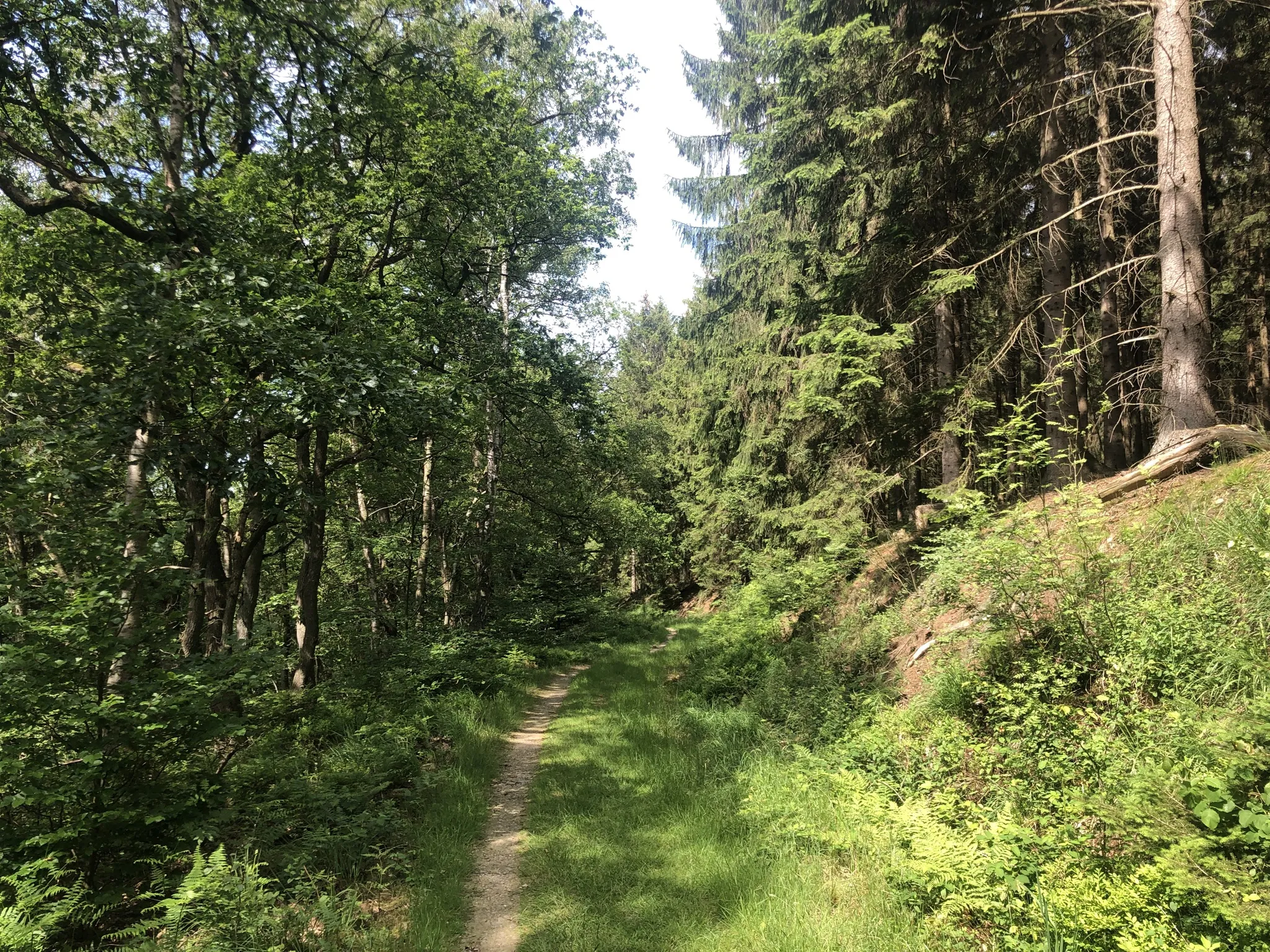
Trans-Eifel in 6 stages — Mountains rich and pure nature
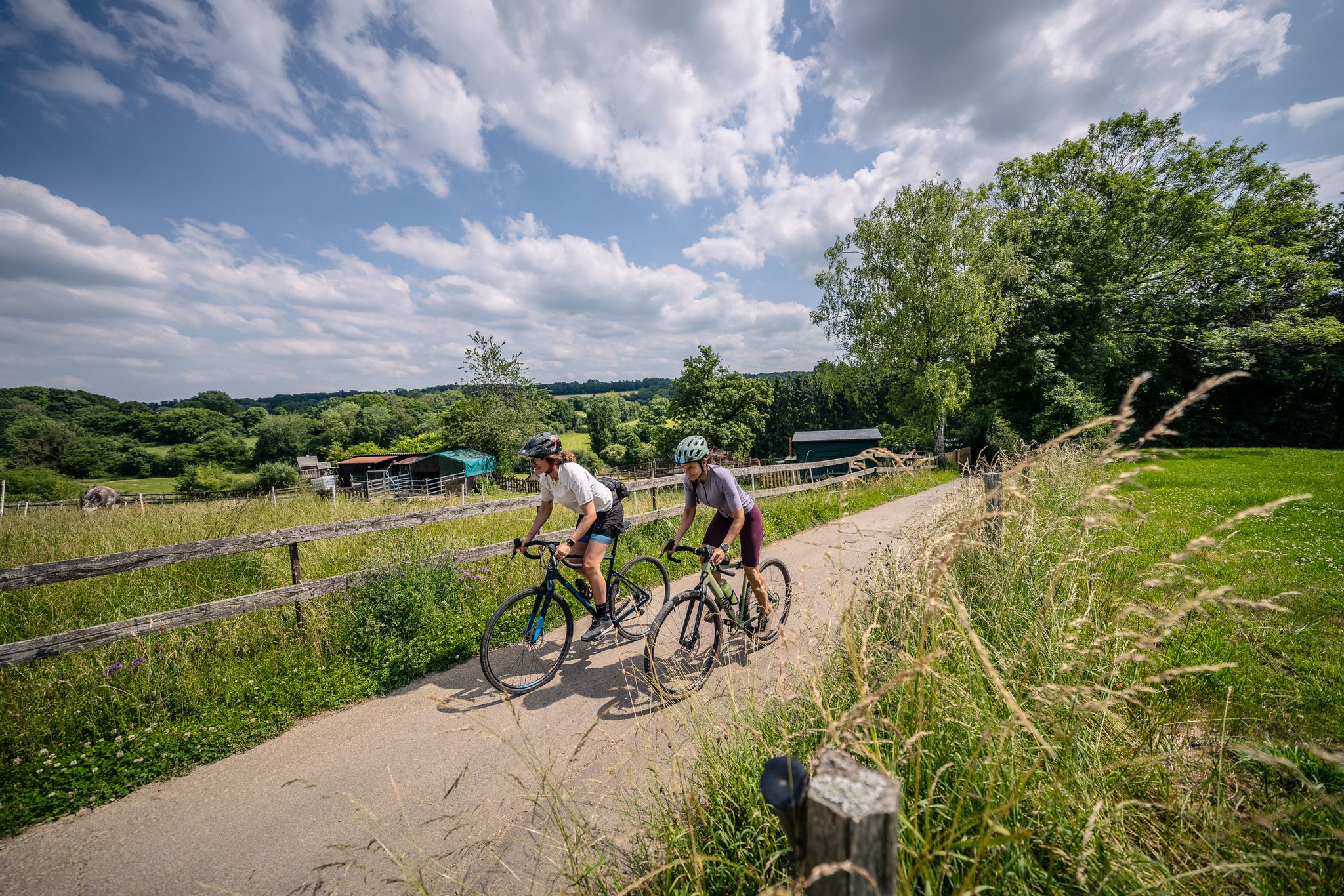
Gravel at its finest – rides around Aachen
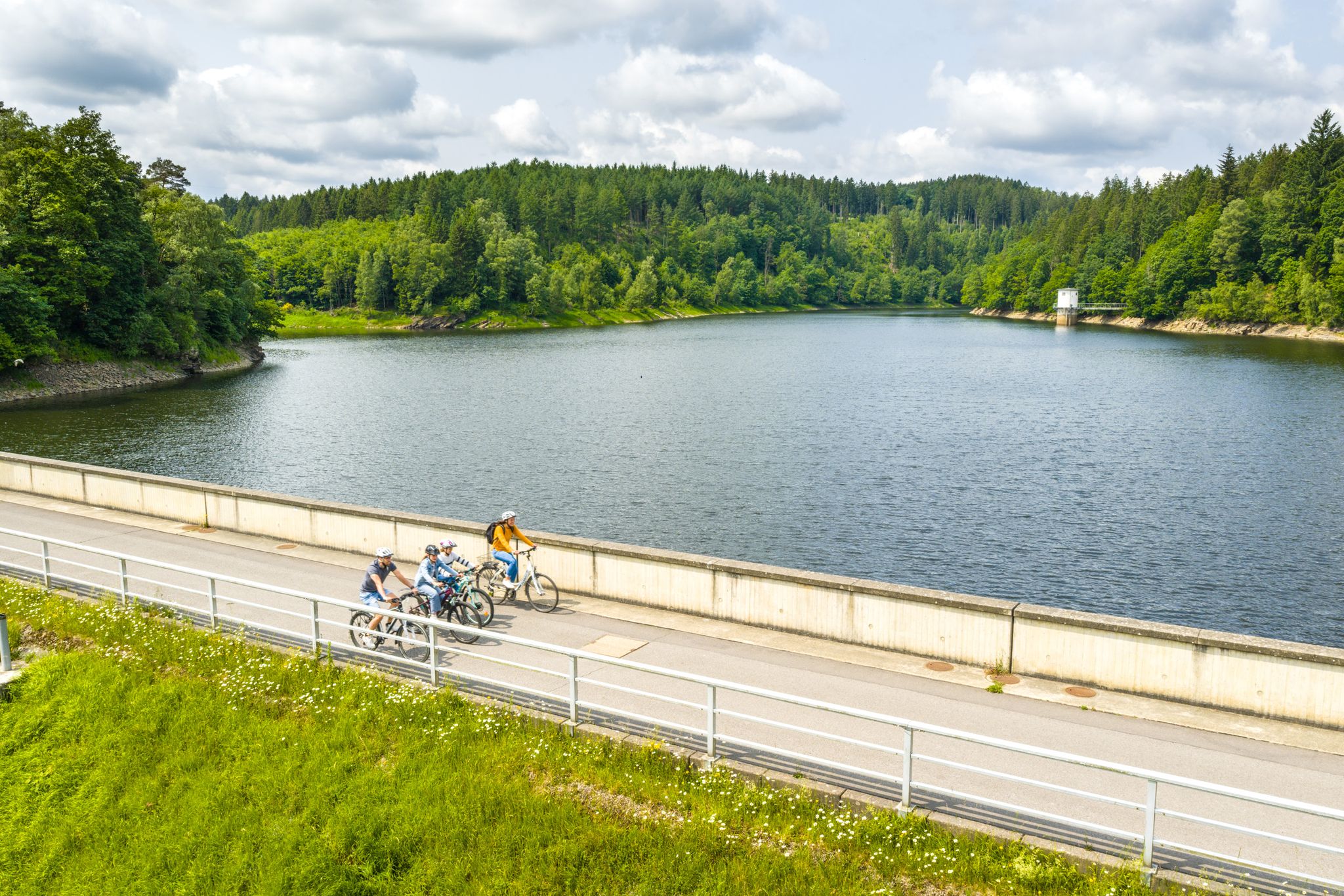
Aachen Time Loops – cycling from the past to the future
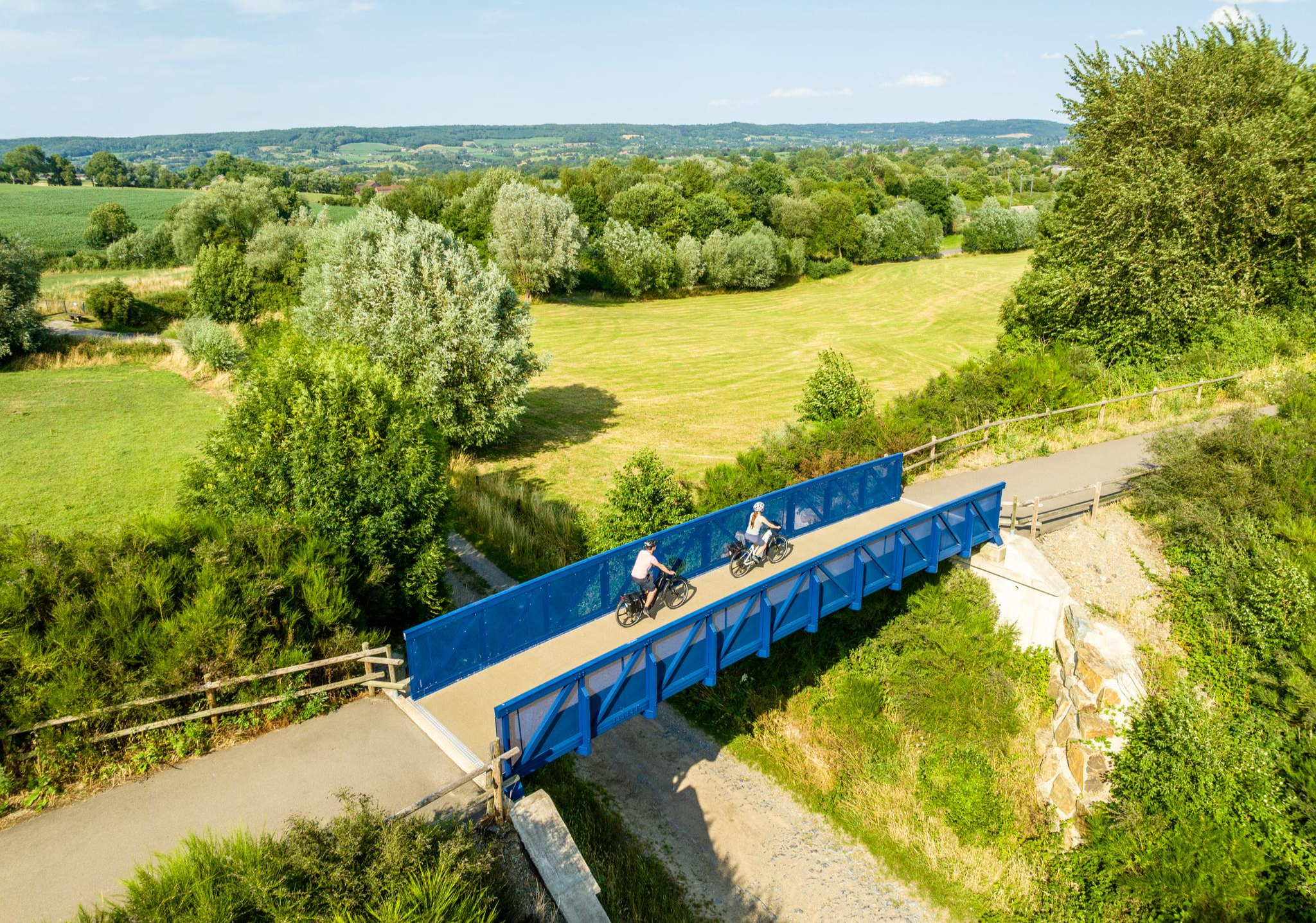
Three countries, one experience – borderless cycling in the Aachen region
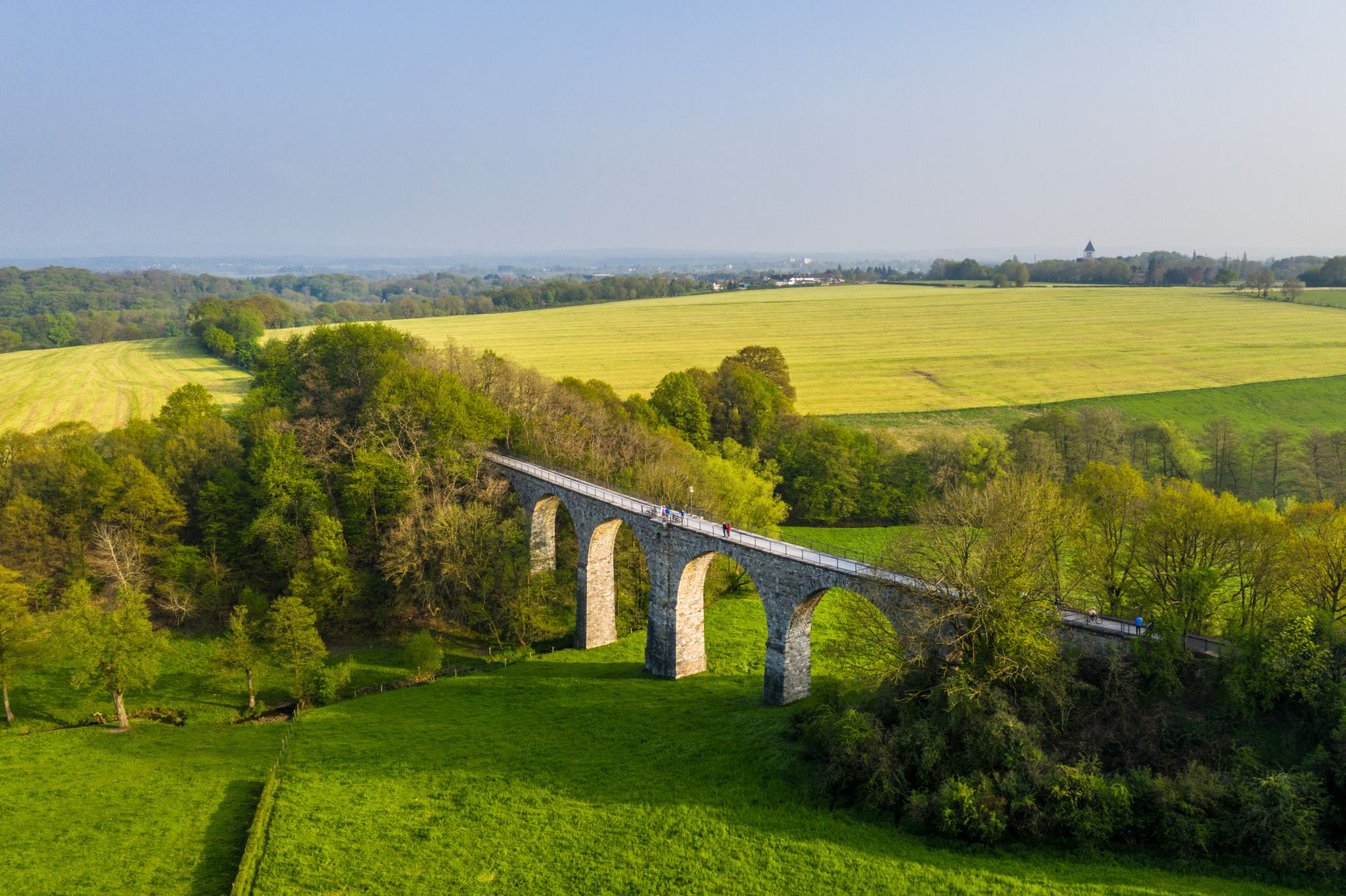
Cycling the tracks of the Vennbahn – the Vennbahnschleifen
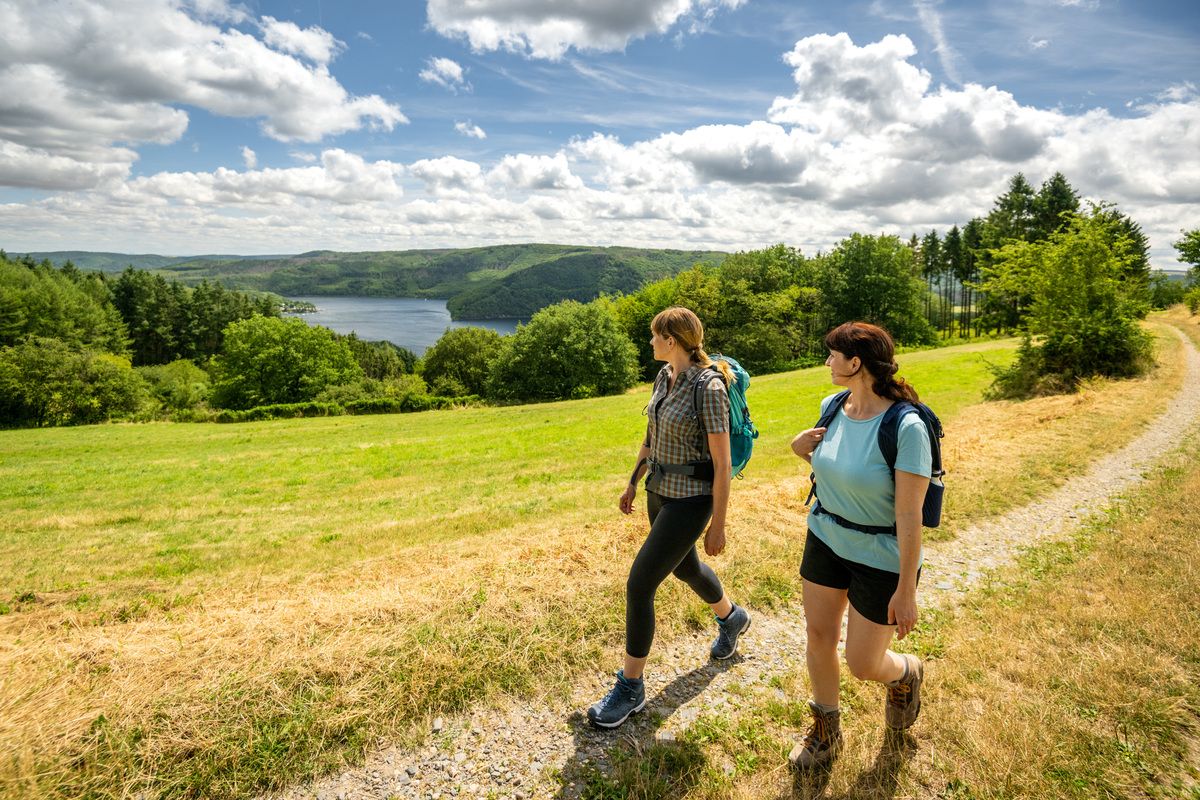
Shaped by rock and water – hikes in the Rureifel region
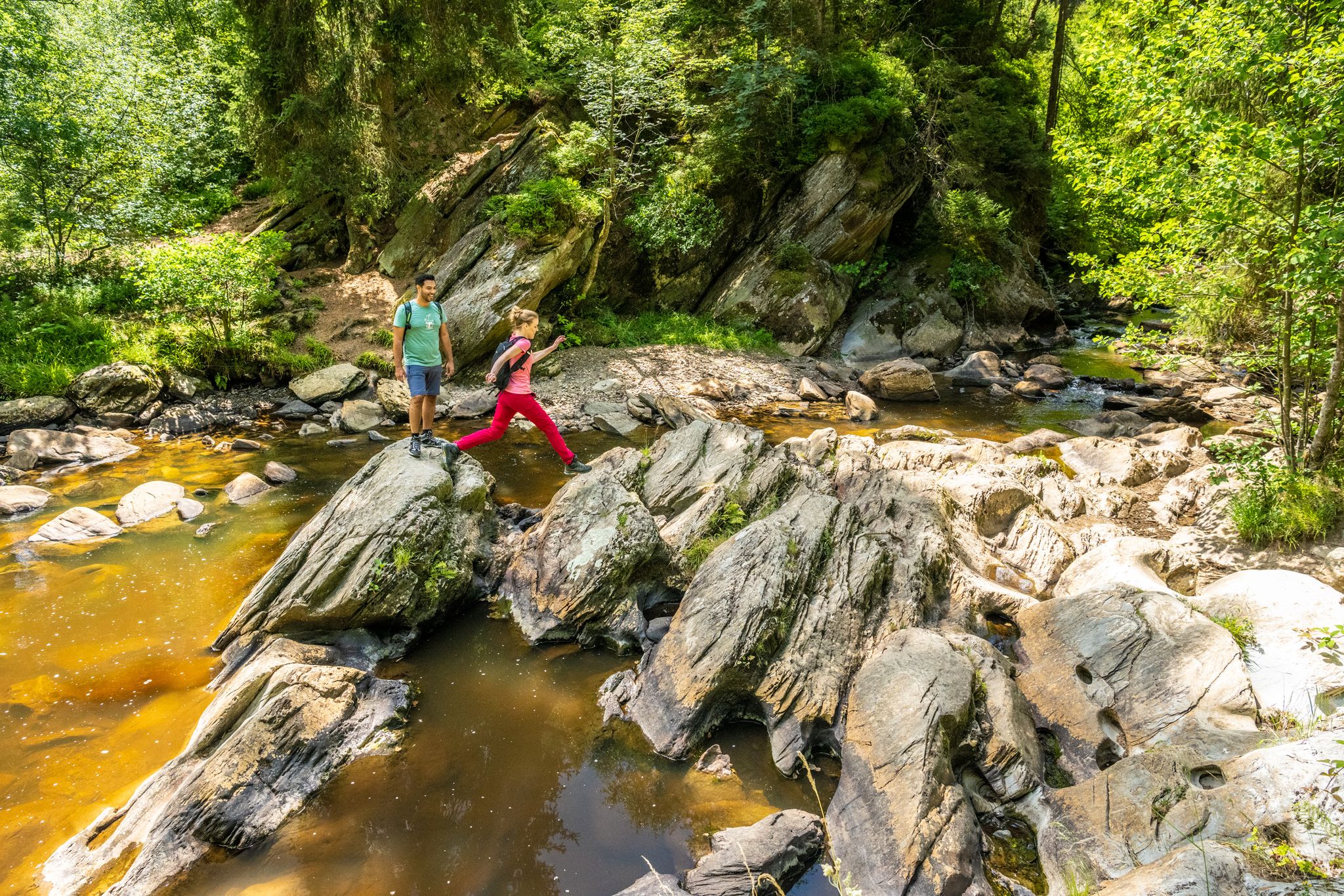
The Eifelsteig's 8 partner trails in Aachen region
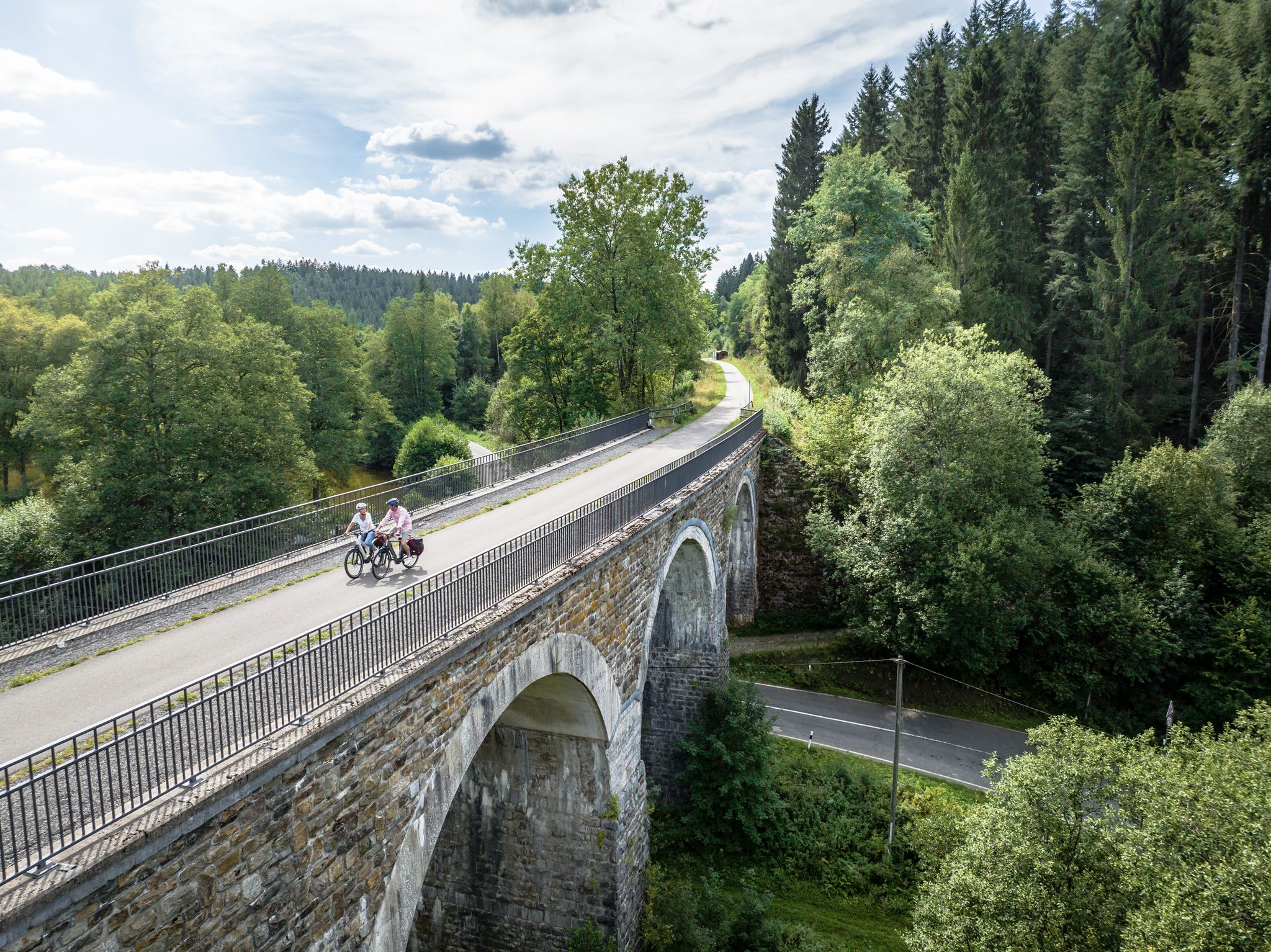
Fens, forests and water – cycling Tours in the Rur Eifel Region
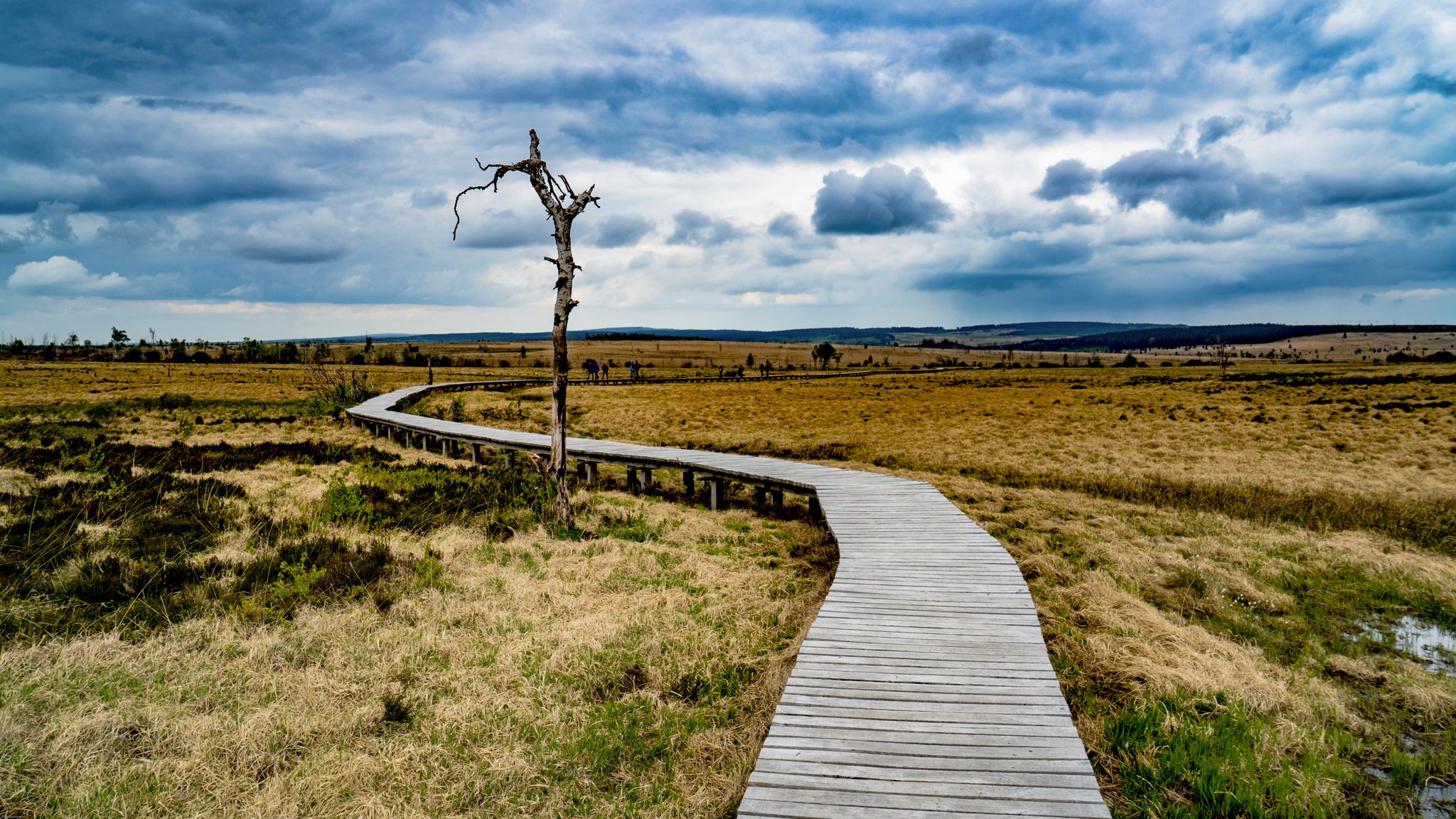
Leisure Tours on enchanted paths – hiking in East Belgium
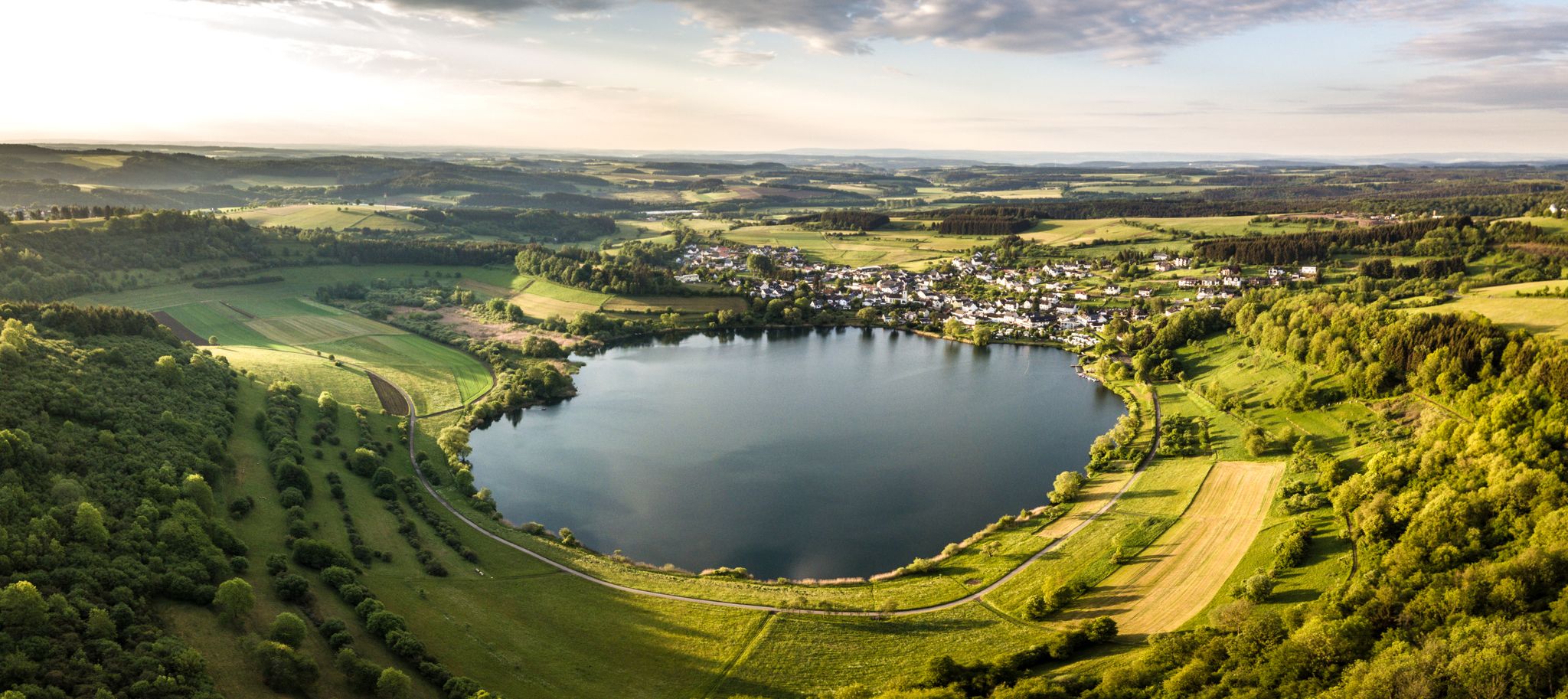
Volcanoes, water, forest – the partner trails of the Eifelsteig
Other adventures around Roetgen


Tips from the Community

Former slate quarry, now used by bats as a winter roost.
0
0

Rugged rock faces and a small cave rise up along the slope, revealing the landscape's raw, untouched character. The exposed rocks tell a story that goes back far beyond human history: formed by geological processes, worn away by water and weather, and slowly exposed by erosion. The cave itself feels like a natural shelter, cool and sheltered, evoking images of a time when such places served as refuge, storage, or simple shelter.
1
0

The Lourdes Grotto was built in 1903 on the initiative of Father Hesseler, the parish priest of Rohren. It is an expression of the deep piety and trust in God of the people. Even today, the grotto is a destination for pilgrims who implore the Virgin Mary for help in times of need.
2
0

In my opinion, it's more practical. If you park at the foot of the Schlangenberg, you'll have the Schlangenberg behind you at the beginning of the hike and can walk past it on the way back. Theoretically, you could walk past the Schlangenberg both times, but that's not recommended.
0
0

The Olberg Grotto was built by Pastor Hesseler in 1904. The plans were drawn up by Father Rademanns of Steyl. Wagoners from Widdau and Rohren brought approximately 80 loads of rubble and approximately 30 loads of sand from the Rur. The grotto was built by the local community using manual labor, thus saving the elderly and infirm from Widdau the strenuous walk to the church in Rohren. Source: Display board.
4
0


This grotto contains an interesting little shrine: the Widdau Mount of Olives Grotto. According to the New Testament accounts of the Passion of Jesus, the Mount of Olives in Jerusalem was the scene of two events: Jesus' prayer to God the Father, during which the overtired disciples fell asleep; and Jesus' arrest.
1
0
Best used when going down from the Schlangenberg
1
0
Frequently Asked Questions
What kind of 'caves' can I expect to find around Roetgen?
The 'caves' around Roetgen are primarily man-made grottoes with religious significance or historical bunkers. You won't find traditional geological caves with extensive stalactites and stalagmites here. Instead, expect unique historical sites and artificially constructed grottoes that offer a blend of history and local culture.
Are there any natural caves in the Roetgen area?
While most sites are man-made, there is a small natural cave known as Bat Cave. It is blocked with a grate to protect its inhabitants and ensure they are not disturbed. Other natural features include rock walls and formations along slopes, such as the Rock Walls and Cave on the Slope.
Which historical sites are considered 'caves' in the region?
A notable historical site is the Westwall Bunker Ruins and Cave (Münsterbachtal). This is a blown-up bunker from the Westwall, offering a unique opportunity to carefully explore remnants of a historical fortification.
Are there any religious grottoes to visit near Roetgen?
Yes, two prominent religious grottoes are the Lourdes Grotto Rohren, built in 1903 with artificial formations and 'stalactites' made from sand and cement, and the Kroley Marian Grotto, a lovingly maintained place of worship slightly off the main road.
Is the Bat Cave accessible to visitors?
The Bat Cave is a small natural cave that is blocked with a grate. This is done to protect the bats and ensure they are not disturbed, so direct entry into the cave is not possible.
Are the 'caves' around Roetgen suitable for families?
Many of the sites, particularly the grottoes and the Westwall Bunker Ruins and Cave (Münsterbachtal), are considered family-friendly. When exploring the bunker, it's advised to be careful with children due to sharp steel ends on the ceiling. The grottoes offer a peaceful and interesting stop for all ages.
What outdoor activities can I combine with a visit to these sites?
The area around Roetgen is excellent for various outdoor activities. You can find numerous hiking routes, including trails like the Struffelt Route, or explore road cycling and gravel biking routes that pass by or near these unique sites.
Are there hiking trails that lead to these grottoes or bunkers?
Yes, several hiking trails in the region incorporate these sites. For example, the Lourdes Grotto Rohren is a popular stop for hikers near Höfe or Rohren. The Westwall Bunker Ruins and Cave (Münsterbachtal) is also easily accessible along hiking paths.
What is the best time of year to visit the 'caves' around Roetgen?
The sites around Roetgen can be visited year-round. Spring and autumn offer pleasant temperatures for hiking and exploring the outdoor locations. In winter, the grottoes and bunkers provide a different, often quieter, experience, though some paths might be muddy or icy.
Is there parking available near these sites?
Parking availability varies by location. Many of these sites are integrated into hiking and cycling networks, so you can often find parking at trailheads or in nearby villages like Rohren or Roetgen itself. It's advisable to check specific access points for each highlight.
What do visitors enjoy most about the Lourdes Grotto Rohren?
Visitors appreciate the Lourdes Grotto Rohren for its peaceful atmosphere and unique artificial construction. Many find it a very nice place to enjoy tranquility and a worthwhile stop during a hike, noting the interesting 'stalactites' created from sand and cement.
Can I find refreshments or accommodation near these sites?
The town of Roetgen and surrounding villages offer various amenities, including cafes, pubs, and accommodation options. These can serve as convenient bases for exploring the grottoes and historical sites in the region.
Most popular routes around Roetgen
Most popular attractions around Roetgen

Get inspired with the komoot mobile app


Explore more
Extend your search for the best caves by checking out these guides of the top ones around Roetgen:
