Attractions and Places To See around Alto do Palurdo - Top 6
Best attractions and places to see around Alto do Palurdo include historical sites and settlements. This region features 6 hidden gems, offering insights into its past, including fortifications and ancient villages. The landscape is marked by historical structures and natural features, providing a varied experience for visitors.
Best attractions and places to see around Alto do Palurdo
- The most popular attractions is Almeida Castle, a castle that is one of Portugal's best-preserved fortifications. This star fort, known for its…
Last updated: July 6, 2026
Almeida Castle
Highlight • Castle
Translated by Google •
Tip by

Historic Village of Almeida
Highlight • Historical Site
Translated by Google •
Tip by

Sign up now to discover places like this
Get recommendations on the best single tracks, peaks, & plenty of other exciting outdoor places.
Sign up for free
Leomil
Highlight • Settlement
Translated by Google •
Tip by
Old Bridge Over the Côa River
Highlight • Bridge
Translated by Google •
Tip by
Malpartida
Highlight • Settlement
Translated by Google •
Tip by
Sign up for free to discover even more attractions around Alto do Palurdo.
Sign up for free
Already have an account?
Start today with a free account
Your next adventure awaits.
Login or Signup
Popular around Alto do Palurdo
Tips from the Community

Malpartida stands serenely on the border plain, preserving in its main church, with its romantic bell tower, the most visible trace of its memory. But the past here goes far beyond the stones: from the cave tombs of the Nave de Mouros to the ancient watchtower of the Restoration, from the echoes of the Castilian sack of 1762 to the fierce battle against the French in 1808. Even generals left their mark; Ney established his headquarters here, and Brenier boldly escaped the siege of Almeida. Malpartida is, therefore, a land where every stone tells of battles, losses, and exploits.
2
0
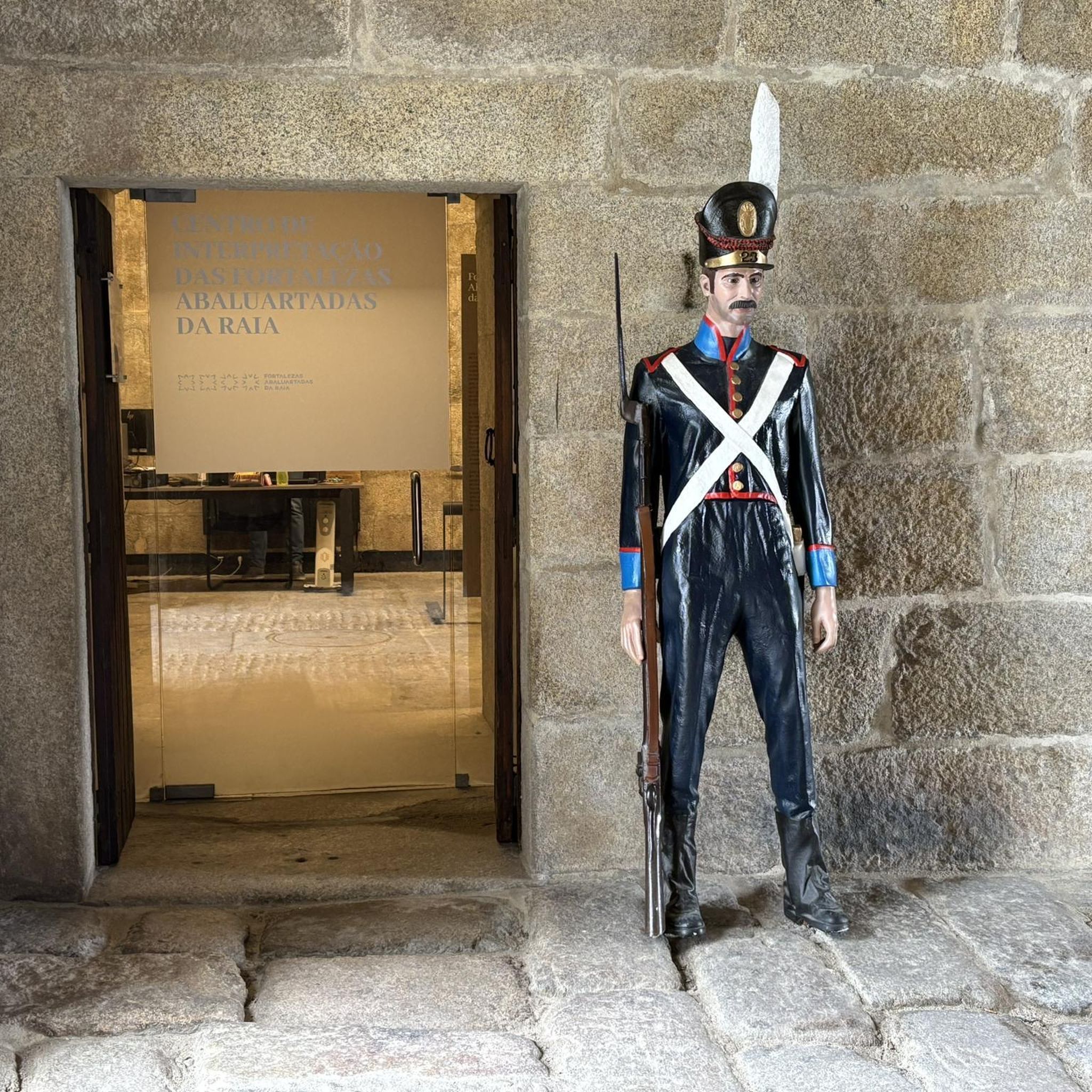
Almeida stands on the plateau like a table set for history: "Al-Mêda" was the name given to it by the Arabs. Previously, it had been a Lusitanian, Roman, and then Christian fort, conquered in 1190 and definitively Portuguese in 1297. Around the medieval castle grew the town, still marked by the Puerta do Sol. After the Restoration, the town transformed into a veritable war machine: the six-pointed star-shaped fortress, with bastions, ravelins, and underground galleries that served as both shelter and prison. It was the scene of decisive battles, devastated by the explosion of 1810 and contested in the liberal wars, always rising from the ruins.
3
0
For centuries, crossing the Côa Valley was only possible via two bridges: the São Roque Bridge and this one, the Ponte Grande, the gateway to Almeida. Built in the 17th century and renovated in the 19th century, the Ponte Grande was forever linked to the Battle of the Côa in 1810, when the Portuguese-British forces resisted the third Napoleonic invasion. Today, the bridge remains a silent guardian of that memory.
3
0
Leomil was born in the 9th century, when the king awarded the warrior Leodmiro for his fights against the Moors. From the 13th century onward, it became the only Portuguese commandery of the Order of Roncesvalles, in Navarre, which administered it for six centuries. From chickens and wheat paid in rent to vast estates spread across the country, Leomil prospered under this unique rule. Today, few inhabitants remain, and agriculture continues to mark the rhythm of this village where markers bearing the initials "RV" (Roncesvalles) still survive, a living memory of the ancient order.
2
0

The Almeida Fort, originally founded as a castle in the 12th century, is one of the best-preserved fortifications in Portugal. It played an important role throughout its history, particularly during the Napoleonic Wars. It was heavily damaged during the Siege of Almeida in 1810 but was later rebuilt. The star fort is known for its bastions and deep moats, which were once intended to provide protection against invaders.
3
1

The bridge over the Rio Côa dates from the 17th century. and was in the 19th century. renewed.
2
2

If you walk around the wall you have a nice view and you get an impression of the defenses.
1
0
Frequently Asked Questions
What kind of attractions can I find around Alto do Palurdo?
The Alto do Palurdo region is rich in historical sites, castles, and ancient settlements. You can explore well-preserved fortifications like Almeida Castle, historical villages such as the Historic Village of Almeida, and significant historical bridges like the Old Bridge Over the Côa River.
Are there any family-friendly attractions in the Alto do Palurdo area?
Yes, the region offers attractions suitable for families. The Historic Village of Almeida and the settlement of Malpartida are both categorized as family-friendly, offering engaging historical exploration for all ages.
What historical sites are particularly significant in Alto do Palurdo?
The region is steeped in history. Key sites include Almeida Castle, a star fort crucial during the Napoleonic Wars, and the Historic Village of Almeida, a former Lusitanian, Roman, and Christian fort. The Old Bridge Over the Côa River also holds historical importance, linked to the Battle of the Côa in 1810.
Can I find any scenic viewpoints around Alto do Palurdo?
Yes, Almeida Castle is not only a historical fortification but also offers scenic views of the surrounding landscape, making it a great spot for photography and enjoying the vistas.
What outdoor activities can I do near these historical attractions?
The area around Alto do Palurdo is excellent for road cycling. You can find various routes, including moderate to difficult loops like the 'Almeida Castle – Castelo Rodrigo Village loop from Almeida' or the 'Castelo Rodrigo Village loop from Pinhel'. For more details on these and other cycling routes, visit the Road Cycling Routes around Alto do Palurdo guide.
Are there any challenging cycling routes in the Alto do Palurdo area?
Yes, for experienced cyclists, there are challenging road cycling routes available. Examples include the 'Castelo Rodrigo Village – Almeida Castle loop from Lamegal' and the 'Steep terrain in the Côa Valley – Castelo Rodrigo Village loop from Pinhel', both rated as difficult. You can explore these and other options in the Road Cycling Routes around Alto do Palurdo guide.
What is Leomil and why is it historically significant?
Leomil is an ancient settlement founded in the 9th century. It gained unique historical significance from the 13th century onwards as the only Portuguese commandery of the Order of Roncesvalles, which administered it for six centuries. Markers bearing the initials 'RV' (Roncesvalles) can still be found there today.
What is special about Malpartida?
Malpartida is a serene settlement on the border plain with a rich military history. It preserves memories from cave tombs of the Nave de Mouros to an ancient watchtower, and was a site of battles against Castilians in 1762 and the French in 1808. Its main church with a romantic bell tower is a notable feature.
What do visitors particularly appreciate about the attractions in Alto do Palurdo?
Visitors appreciate the historical depth and cultural heritage showcased by the region's attractions. The well-preserved fortifications, ancient villages, and significant historical structures offer a varied and insightful experience into the past of Alto do Palurdo.
Are there any less crowded historical sites to visit in the region?
While Almeida Castle and the Historic Village of Almeida are popular, exploring smaller settlements like Leomil or Malpartida can offer a more tranquil experience while still providing deep historical insights into the region.
What is the best way to explore the historical sites around Alto do Palurdo?
Exploring by road cycling is a popular option, allowing you to visit multiple historical sites and settlements at your own pace. There are various routes that connect these attractions, suitable for different fitness levels. Alternatively, driving allows for easy access to the main historical points of interest.
Most popular routes around Alto do Palurdo

Get inspired with the komoot mobile app


Explore more
Still not found the Highlight you’re looking for? See guides of the top attractions in other regions:
