The best gravel rides around Braux-Sainte-Cohière
9
riders
5
rides
Gravel biking around Braux-Sainte-Cohière offers routes through the varied landscapes of the Marne department in France's Grand Est region. The area is characterized by rolling hills, extensive vineyards, and peaceful forests, providing diverse terrain for gravel cyclists. Networks of unpaved and chalky tracks wind through agricultural plains and past historical sites. This region, part of the broader Champagne area, features moderate elevation changes suitable for different skill levels.
Best gravel bike trails around Braux-Sainte-Cohière
- The most popular gravel bike trail…
Last updated: May 17, 2026
69.4km
04:26
580m
580m
Hard gravel ride. Very good fitness required. Mostly paved surfaces. Suitable for all skill levels.
3
riders
51.6km
03:32
680m
680m
Hard gravel ride. Very good fitness required. Mostly paved surfaces. Suitable for all skill levels.

Sign up for free
3
riders
48.5km
02:59
470m
470m
Hard gravel ride. Very good fitness required. Mostly paved surfaces. Suitable for all skill levels.
2
riders
49.8km
03:04
520m
520m
Hard gravel ride. Very good fitness required. Mostly paved surfaces. Suitable for all skill levels.
1
riders
23.9km
01:30
220m
220m
Moderate gravel ride. Good fitness required. Mostly paved surfaces. Suitable for all skill levels.
Our route recommendations are based on thousands of hikes, rides, and runs completed by other people on komoot.
Start today with a free account
Your next adventure awaits.
Login or Signup
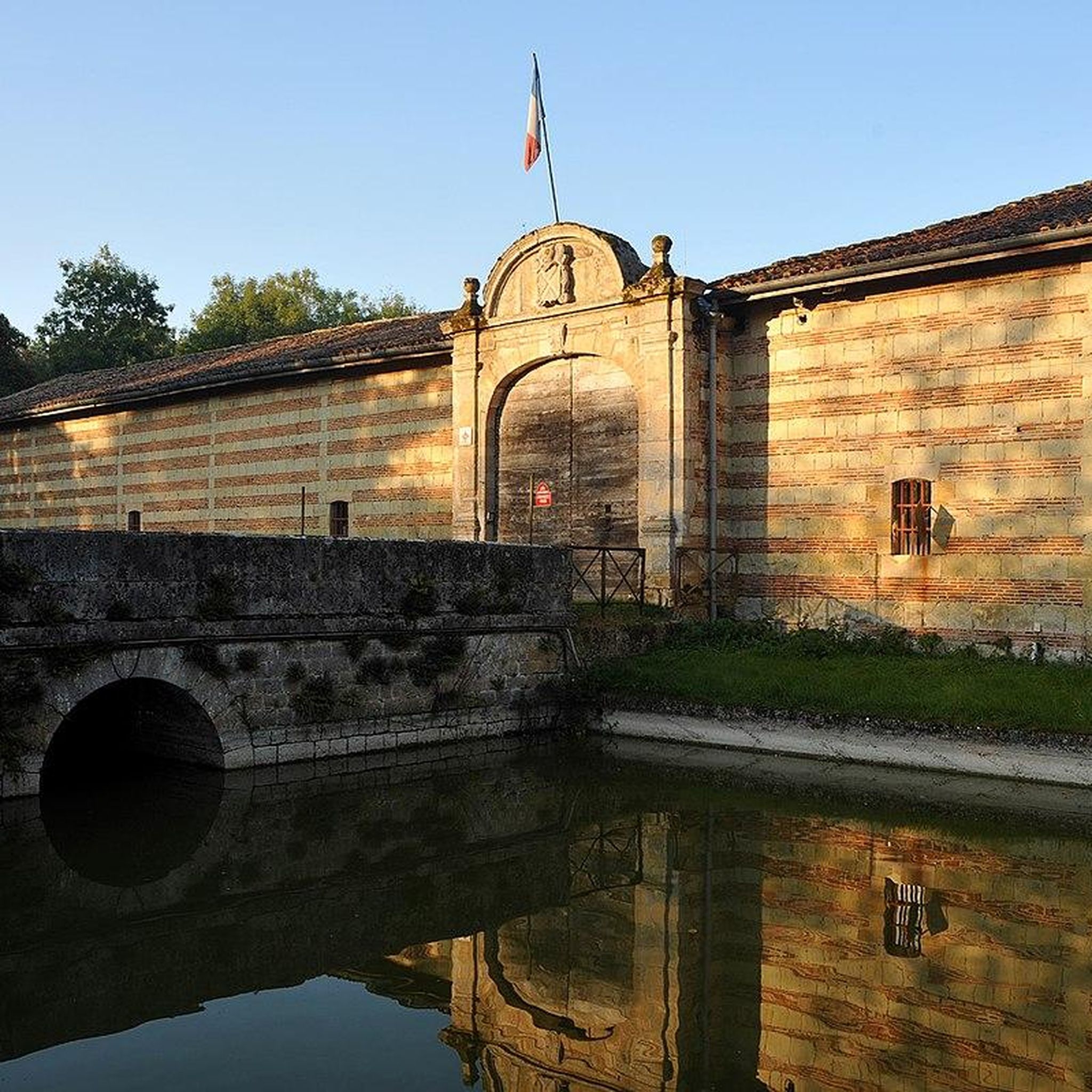

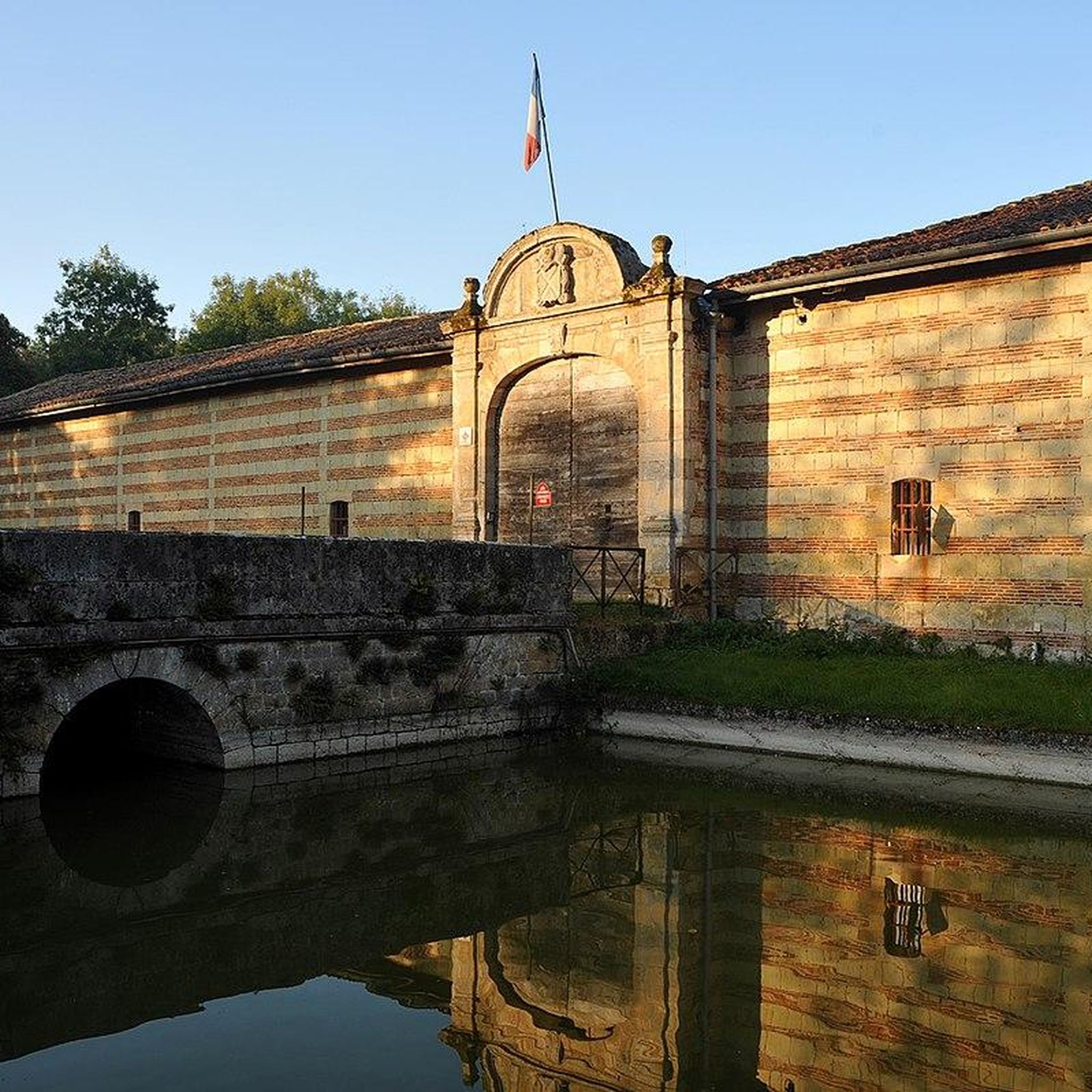

Tips from the Community

This ossuary, which has the status of a national necropolis, houses the remains of approximately 10,000 soldiers who fell during the Battle of Argonne. The imposing monument found there was created by the sculptor Raoul Eugène Lamourdedieu.
0
0
The Saint-Roch chapel appeared in the 17th century, well before the La Harazée national necropolis next to which it is located. The latter contains the remains of 1,672 soldiers who fell during the Battle of Argonne.
0
0

The Nécropole Nationale de la Forestière in Lachalade is a military cemetery that keeps alive the memory of the soldiers who died in the First World War. This serene memorial was created in 1915 and later expanded to collect the remains of soldiers who fought in the Argonne region between 1914 and 1918. Today, 2,005 soldiers rest there, and the cemetery is famous for its blue, pink and white hydrangeas, planted by the Comtesse de Martimprey in tribute to her missing husband. The site has been classified as a World Heritage Site since September 2023, and nearby is a monument to the Italian volunteers who fought in the Argonne, including the grandsons of Giuseppe Garibaldi
7
0
Ravin du Génie: Located in the woods of Lachalade, less than 1.2 km from the front line, this ravine was an important logistical camp for the French engineers during WWI. Soldiers found rest there, and equipment was stored for mine warfare in the Argonne. Today it is an open-air museum with the remains of barracks, warehouses and trenches – a tangible reminder of daily life behind the front. Free access with information panels.
7
0
This concrete bunker was built in 1915 to protect the strategic crossroads Croix de Pierre. It is named after Lieutenant Robert de Courson de la Villeneuve, who was killed in the Argonne in 1914. The shelter is a silent witness to the fierce fighting in this wooded front area during WWI. The bunker is located near the road and is freely accessible.
8
0


As a memorial to the many war dead, such places of remembrance are still very important today. "Now, Lord, you let your servant depart in peace, as you have said..." it says in the so-called "Hymn of Simeon" (Luke's Gospel, Chapter 2, Verse 29). However, the large number of those buried here did not depart in peace, but became senseless victims of war and tyranny. The most important and everlasting function of such monuments (in German-speaking countries mostly referred to as soldiers' cemeteries or war graves) is therefore to remind each generation anew of the need to permanently preserve peace.
0
0

The Sainte-Ménéhould national cemetery brings together the remains of French soldiers who, despite the care provided in the city's numerous hospitals, died as a result of their injuries during the two world wars. Nearly 5,700 bodies are buried there.
1
1
Frequently Asked Questions
How many gravel bike trails are available around Braux-Sainte-Cohière?
There are 5 gravel bike routes documented around Braux-Sainte-Cohière, offering a range of experiences for riders. Most of these routes are considered difficult, with one moderate option.
What kind of terrain can I expect on gravel bike trails around Braux-Sainte-Cohière?
The terrain around Braux-Sainte-Cohière, situated in the Champagne region, features a mix of landscapes. You can expect to ride on white gravel roads winding through vineyards, rolling hills, and peaceful forest sections. The area offers varied surfaces typical of rural French countryside.
Are there any easy gravel bike routes suitable for beginners or families?
While most routes in the immediate vicinity are rated as difficult, there is one moderate option available: the Gravel loop from Sainte-Menehould. This route covers 23.9 km with 220 meters of elevation gain, making it a more accessible choice for those looking for a less strenuous ride.
What are some notable landmarks or attractions I can see while gravel biking?
The region around Braux-Sainte-Cohière is rich in history and natural beauty. Along your rides, you might encounter sites such as the Valmy Mill, the historic Sainte Menehould - Our Lady of the Castle, or the Sainte Menehould military cemetery. The area also features charming city centers with historic architecture, like the City center with historic cinema.
Are there any circular gravel bike routes in the area?
Yes, several routes are designed as loops. For example, the Courson Shelter – Sainte-Menehould loop from Sainte-Menehould and the Sainte-Menehould loop from Sainte-Menehould are both circular routes, allowing you to start and finish in the same location without retracing your path.
What is the best time of year for gravel biking around Braux-Sainte-Cohière?
The Champagne region, including Braux-Sainte-Cohière, is generally pleasant for cycling from spring through autumn. Spring offers blooming vineyards, while autumn provides stunning colors and harvest activity. Summers are also good, though it's wise to plan rides for cooler parts of the day. Winter can be challenging due to colder temperatures and potentially muddy or icy conditions on unpaved tracks.
Where can I park my car when starting a gravel bike tour?
While specific parking areas for each route are not detailed, many routes in the area, particularly those starting from Sainte-Menehould, will likely have public parking available in or near the town center. It's advisable to check local parking options in Sainte-Menehould or other starting points before your ride.
Can I reach the gravel bike trails using public transport?
Information on direct public transport links to specific trailheads in Braux-Sainte-Cohière is limited. However, Sainte-Menehould, a common starting point for several routes, is a larger town and may have regional bus services. It's recommended to research local bus schedules if you plan to use public transport to access the trails.
Are there places to stop for food or drinks along the routes?
The routes often pass through or near charming villages and towns, such as Sainte-Menehould, where you can find cafes, bakeries, and restaurants. It's a good idea to plan your stops in advance, especially on longer routes, as amenities might be sparse in more remote vineyard or forest sections.
What are the typical elevation changes like on these gravel routes?
The gravel routes around Braux-Sainte-Cohière feature rolling hills, providing moderate to significant elevation changes. For instance, the Battle d'Argonne 14-18 route has over 580 meters of elevation gain over nearly 70 km, while the Courson Shelter – Sainte-Menehould loop includes over 680 meters of ascent. Be prepared for climbs and descents that add to the challenge and scenic views.
What makes Braux-Sainte-Cohière a good spot for gravel biking?
Braux-Sainte-Cohière's location within the Champagne region offers an excellent backdrop for gravel biking. The area is characterized by extensive vineyards with accessible gravel tracks, picturesque rolling hills, and tranquil forests. This diverse landscape, combined with historical sites, provides a rewarding and scenic experience for gravel cyclists looking to explore the French countryside.
Most popular routes around Braux-Sainte-Cohière
Most popular attractions around Braux-Sainte-Cohière

Get inspired with the komoot mobile app


Explore more
Browse the best Gravel rides in other regions.
