Top 11 Caves around powiat częstochowski
Caves around powiat częstochowski are located within the Kraków-Częstochowa Upland, a region characterized by Upper Jurassic limestone formations and extensive karstic phenomena. This area offers a diverse range of underground landscapes, from easily explorable historical sites to ecologically significant formations. The caves provide insight into the geological and historical past of the region, with some featuring paleontological discoveries and traces of human presence. Many are accessible for exploration, showcasing varied corridor structures and natural formations.
Best caves around powiat częstochowski
…Last updated: October 15, 2026
Ostrężnicka Cave
Highlight • Cave
The cave has five entrances and is easy to explore. The total length of the cave is
98 meters.
Translated by Google •
Tip by

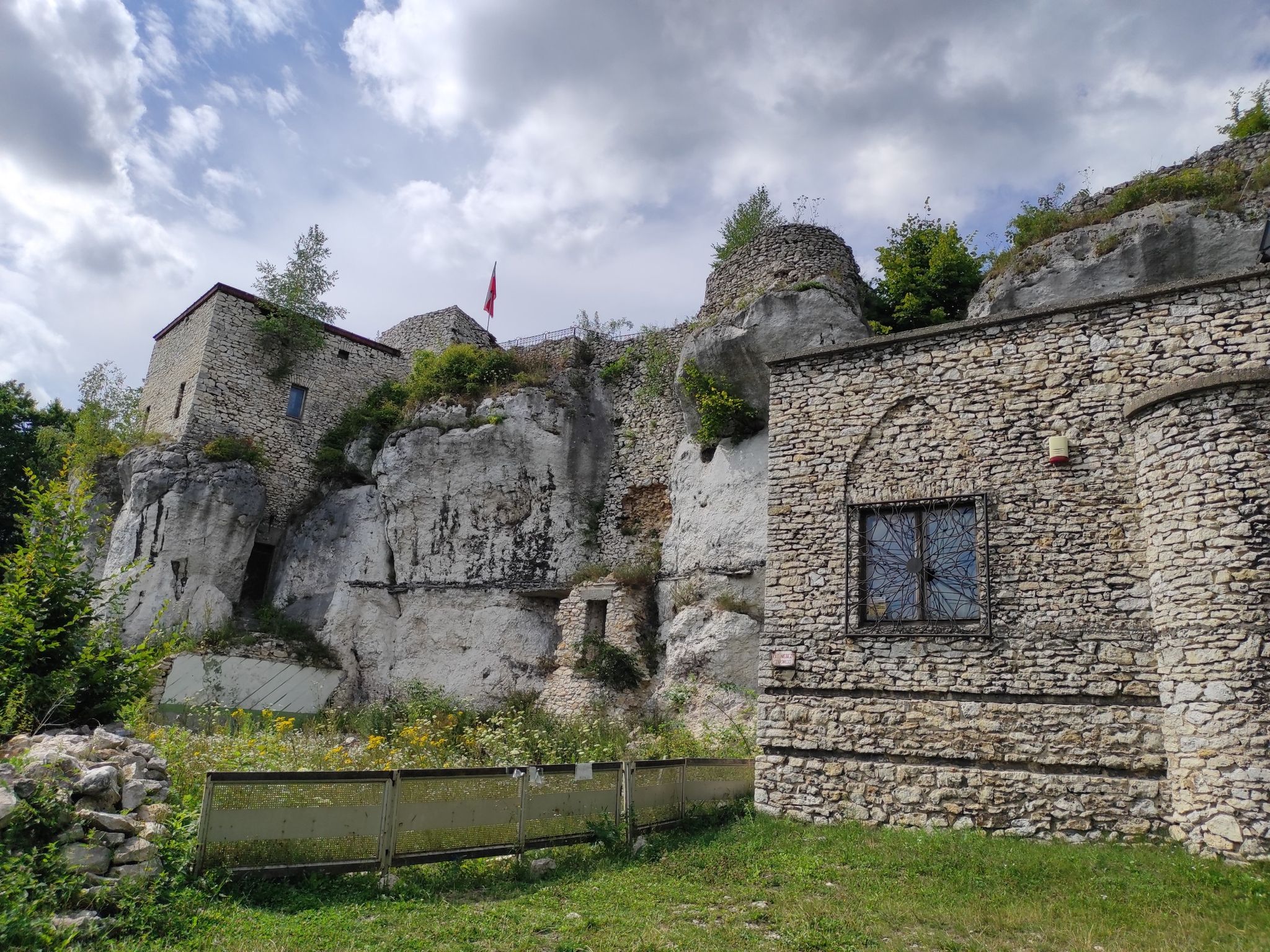
Ostrężnik Castle Ruins
Highlight • Castle
Showing Translation
Tip by

Sign up now to discover places like this
Get recommendations on the best single tracks, peaks, & plenty of other exciting outdoor places.
Cave under Sokola Góra (Zimna / Pochyła Cave)
Highlight • Cave
The entrance is below the Studnisko cave. The entire length of the cave about 70 meters and the deep 24 meters with easy climbing without a rope.
Translated by Google •
Tip by
Bear Grotto
Highlight • Cave
Translated by Google •
Tip by

Koralowa Cave
Highlight • Cave
Translated by Google •
Tip by
Urwista Cave
Highlight • Cave
The cave is completely surrounded by a bar fence to prevent falls. However, you can see a huge hole …
Translated by Google •
Tip by

Olsztyńska Cave
Highlight • Cave
Translated by Google •
Tip by
The Well in the Amphitheater
Highlight • Gorge
Translated by Google •
Tip by
Zielona Góra Cave
Highlight • Cave
A few old and thick columns decorate the cave contents.
The cave entrance is in a reserve
Zielona Góra about 6 km south-east of Częstochowa
Translated by Google •
Tip by
Góra Trzech Jaskin Caves
Highlight • Cave
Translated by Google •
Tip by
Sign up for free to discover even more caves around powiat częstochowski.
Already have an account?
Start today with a free account
Your next adventure awaits.
Popular around powiat częstochowski
Trail of the Eagle's Nests — Magnificent Castles of Kazimierz Wielki and beautiful Grottos and Rocks
Picturesque Jura with a hint of adrenaline - Jurassic Fortresses Trail
Hiking around powiat częstochowski
Cycling around powiat częstochowski
Running Trails around powiat częstochowski
MTB Trails around powiat częstochowski
Road Cycling Routes around powiat częstochowski

Gravel biking around powiat częstochowski


Tips from the Community

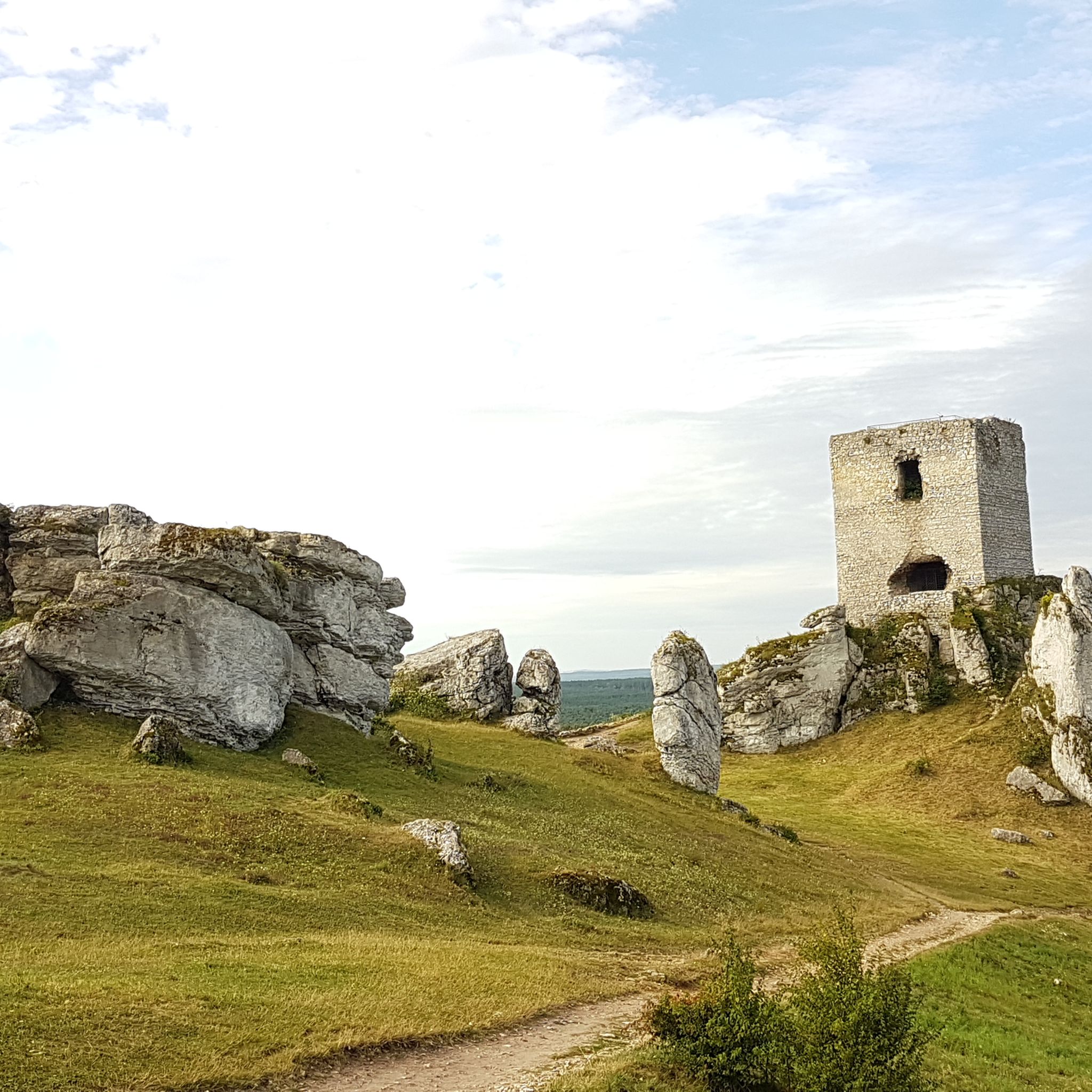
The Ostrężnik Castle was completely destroyed, and more precise information about it is missing. The castle is located in the forest on a hill and borders a rock, with which it was connected by passages. The mysterious and rather gloomy ruin of the fortress, probably dating from the 14th century, is one of the least known defensive structures of the Kraków-Częstochowa Upland. The outlines of the walls are preserved in very poor condition. The layout of the castle, divided into upper, lower, and outer bailey, is also barely recognizable today.
3
0

wonderful place, I highly recommend it
0
0

The cave is not accessible to visitors.
0
0

This is the cave in Ostreznik (Jaskinia Ostrężnicka): The cave has six entrances and is 98 meters long.
1
0

Bear's Grotto is a cave located in the Park Reserve, near Złoty Potok in the Kraków-Częstochowa Upland. It is about 70 meters long and consists of a large chamber with three corridors leading off. The cave was created as a result of karst processes, i.e. the dissolution of limestone by water. In the past, it served as a shelter for primeval people, and during archaeological research, bones of a mammoth, woolly rhinoceros and a cave bear were discovered there. The cave is open to tourists; it is worth taking a flashlight with you to be able to explore its interior more thoroughly. There are hiking trails nearby, including the red Trail of the Eagles' Nests and a nature trail, which make it easier to reach this interesting place.
1
0
The Olsztyn Cave is one of the largest caves in the Kraków-Częstochowa Upland, located in the Sokole Góry nature reserve. Together with the All Saints Cave, it forms a system with a total length of approximately 240 meters and a denivelation of 24 meters. The cave was already known in the 19th century and was once famous for its rich dripstones. Unfortunately, intensive calcite exploitation at the end of the 19th and beginning of the 20th century led to significant destruction of its formations. Currently, the cave is accessible to experienced speleologists; visiting it requires appropriate equipment and skills.
2
0
The Coral Cave is one of the most interesting caves located in the Sokole Góry nature reserve, located near Olsztyn in the Kraków-Częstochowa Upland. Located on the southern slope of Pustelnica Mountain, it was accidentally discovered in the years 1918-1939 by spar seekers. Its length is about 375 meters, and the height difference reaches 35.5 meters. The name of the cave comes from the unique dripstones resembling corals, which form on the roots of trees penetrating the interior of the cave. Due to the difficult conditions and the need to protect dripstones, the cave is not open to free exploration; exploration requires specialist equipment and speleological experience.
3
0

there are several entrances, from the south and east
1
0
Frequently Asked Questions
Which caves in Powiat Częstochowski are easiest to explore for general visitors?
For general visitors, Ostrężnicka Cave is easily explorable, featuring a horizontal layout and historical associations. Bear's Grotto (Bear Grotto) in Złoty Potok is also publicly accessible and easy to explore due to its horizontal development. Both are popular choices for those seeking a straightforward cave experience.
Are there any caves in the region known for significant historical or archaeological findings?
Yes, Bear Grotto in Złoty Potok is a significant paleontological and archaeological site. Discoveries there include numerous ice age animal remains, such as mammoths, woolly rhinoceroses, and cave bears, along with traces of Stone Age hunters. Ostrężnicka Cave also contains valuable sediments with animal bones and evidence of prehistoric human presence.
Can I visit caves with impressive dripstone formations in Powiat Częstochowski?
Jaskinia Głęboka, located in the Góra Zborów reserve, is known for its rich dripstone formations, including stalactites and stalagmites, creating a unique atmosphere. It is currently operated by the Center for Natural and Cultural Heritage of the Jura and can only be visited with a guide.
What should I know about visiting the Olsztyn Cave System?
The Olsztyńska Cave system, near the town of Olsztyn, offers diverse corridor forms and is accessible via a nature trail in the 'Sokole Góry' reserve. While the main part is relatively easy, the 'All Saints' section requires more advanced exploration, including caving techniques for a 9-meter vertical shaft. It's recommended to bring at least two light sources and wear sturdy footwear. You can learn more about its history on Wikipedia.
Are there any caves in the area that are protected or have restricted access?
Yes, Jaskinia Wierna, while technically just outside Powiat Częstochowski, is a significant cave in the Jura region with restricted access. Its entrance is secured to protect delicate formations and hibernating bat populations. Controlled entries are organized only a few times a year, primarily for speleologists, not casual tourism.
What outdoor activities can I do near the caves in Powiat Częstochowski?
The region offers various outdoor activities. You can find numerous routes for gravel biking, road cycling, and easy hikes. For example, there are gravel biking routes like the 'Ruins of Olsztyn Castle – Bobolice Castle loop' and road cycling routes such as 'Jaskinia Kamiennego Gradu loop'. Easy hiking trails include the 'Nature trail on the Falcon Mountain reserve' and the 'Bear Grotto – Parkowe Nature Reserve loop'. You can explore more options in the Gravel biking around powiat częstochowski, Road Cycling Routes around powiat częstochowski, and Easy hikes around powiat częstochowski guides.
Do I need special equipment or a guide to visit the caves?
For easily explorable caves like Ostrężnicka Cave and Bear Grotto, a flashlight is highly recommended. For Jaskinia Głęboka, a guided tour is mandatory. More challenging caves like parts of the Olsztyn Cave System may require sturdy footwear and multiple light sources. Some caves, like Jaskinia Wierna, are only accessible to speleologists with specialized equipment and permits.
Are there any caves suitable for families with children?
Caves that are easily explorable and do not require specialized equipment or caving techniques are generally suitable for families. Ostrężnicka Cave and Bear Grotto are good options, offering a glimpse into the underground world without significant difficulty. Always bring a flashlight and ensure children are supervised.
What kind of wildlife can be found in the caves of Powiat Częstochowski?
Many caves in the region serve as important habitats for bats, which use them for daily shelter and winter hibernation. For instance, Jaskinia Głęboka is a known bat habitat. Additionally, paleontological sites like Bear Grotto have revealed remains of ice age animals, including mammoths and cave bears, indicating their historical presence.
Are there any caves that are particularly challenging for experienced cavers?
Yes, the 'All Saints' section of the Olsztyńska Cave system requires caving techniques due to a 9-meter vertical shaft. Other challenging caves mentioned in the area include Cave under Sokola Góra (Zimna / Pochyła Cave), Koralowa Cave, Urwista Cave, and Studnisko Cave, which are often reserved for speleologists or those with advanced skills.
What is the best time of year to visit the caves in Powiat Częstochowski?
The caves can generally be visited throughout the warmer months, from spring to autumn, when outdoor conditions are more favorable for hiking to the cave entrances. Some caves, particularly those that serve as bat hibernation sites, might have restricted access during winter to protect the wildlife. Always check specific cave access rules before planning a winter visit.
What geological features characterize the caves in this region?
The caves in Powiat Częstochowski are primarily formed in Upper Jurassic limestone, a result of extensive karstic phenomena. This geological makeup leads to diverse underground landscapes, including systems of corridors, chambers, and, in some cases, impressive dripstone formations like stalactites and stalagmites. The region's history of limestone quarrying and calcite exploitation has also shaped the current state of some cave systems.
Most popular routes around powiat częstochowski
Most popular attractions around powiat częstochowski

Get inspired with the komoot mobile app


Didn’t find what you were looking for?
Discover more caves around powiat częstochowski region by region:
Explore more
Extend your search for the best caves by checking out these guides of the top ones around powiat częstochowski:
