The best road cycling routes in Refugio De Vida Silvestre Corredor Fronterizo
10
riders
4
rides
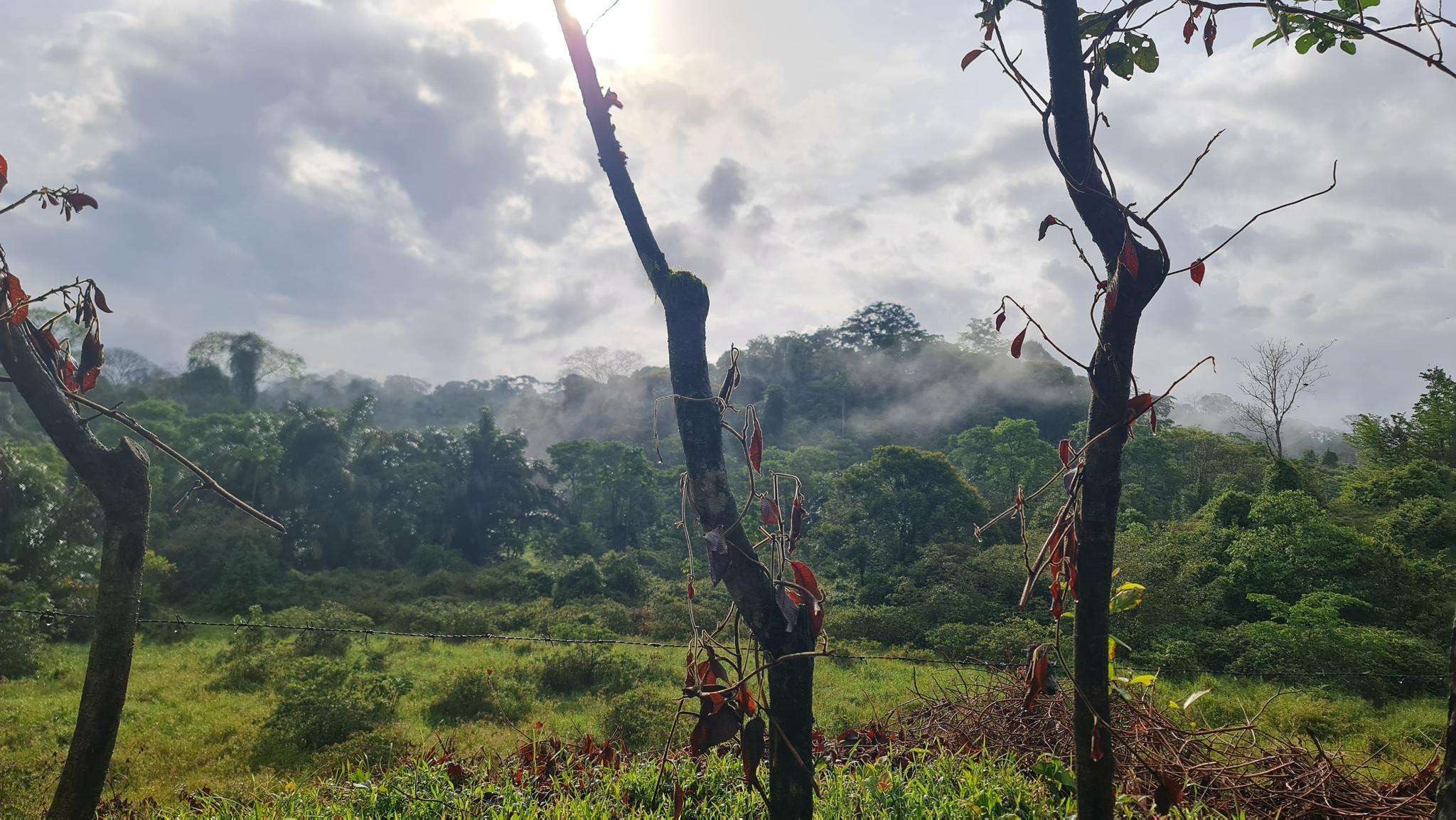
Road cycling routes in Refugio De Vida Silvestre Corredor Fronterizo traverse a protected area along the Costa Rica-Nicaragua border, characterized by diverse ecosystems. The terrain varies from lowland plains to areas influenced by vast river systems, offering a range of gradients. This region encompasses beaches, dry forests, wetlands, moist forests, and coastal lagoons, providing varied backdrops for cycling. The corridor's primary role as a wildlife refuge suggests a tranquil environment for those seeking immersion in nature.
Best road cycling routes…
Last updated: July 15, 2026
4
riders
45.8km
02:16
510m
510m
Moderate road ride. Good fitness required. Mostly well-paved surfaces and easy to ride.
2
riders
131km
06:12
1,580m
1,580m
Hard road ride. Very good fitness required. Mostly well-paved surfaces and easy to ride.

Sign up for free
3
riders
62.0km
04:06
640m
640m
Moderate road ride. Good fitness required. Some segments of this route may be unpaved and difficult to ride.
Our route recommendations are based on thousands of hikes, rides, and runs completed by other people on komoot.
Start today with a free account
Your next adventure awaits.
Login or Signup
Popular around Refugio De Vida Silvestre Corredor Fronterizo
Frequently Asked Questions
What is the general difficulty level for road cycling in Refugio De Vida Silvestre Corredor Fronterizo?
The region offers a mix of moderate and difficult routes. While there are no easy routes listed, you'll find options like the Vista Playa Soley loop from La Cruz, which is considered moderate. For a significant challenge, the Laguna Guayabal – Laguna Coyol loop from Barrio El Mirador is a difficult route with substantial elevation gain.
Are there any family-friendly road cycling options in Refugio De Vida Silvestre Corredor Fronterizo?
Given its designation as a wildlife refuge and the varied terrain, the area's road cycling routes are generally more suited for experienced cyclists. The listed routes are moderate to difficult, with significant distances and elevation changes, which may not be ideal for families with young children or those seeking very easy rides.
What kind of landscapes can I expect to see while road cycling in this region?
Road cycling in Refugio De Vida Silvestre Corredor Fronterizo offers diverse scenery, ranging from lowland plains to areas influenced by vast river systems. You can expect to pass through dry forests, wetlands, moist forests, and coastal lagoons, providing varied backdrops. Routes like the Vista Playa Soley loop from La Cruz offer views towards the coast, while others like the Embalse PH Bijagua loop from Upala lead through rural areas and past significant water bodies.
What is the best time of year for road cycling in Refugio De Vida Silvestre Corredor Fronterizo?
Costa Rica has distinct wet and dry seasons. The dry season, typically from December to April, generally offers more predictable weather with less rain, making for more comfortable cycling conditions. The wet season, from May to November, can bring heavy rainfall, which might affect road conditions and visibility, especially in a natural refuge area.
Are there any circular road cycling routes available?
Yes, several routes in the region are designed as loops. For instance, the popular Vista Playa Soley loop from La Cruz, the challenging Laguna Guayabal – Laguna Coyol loop from Barrio El Mirador, and the Embalse PH Bijagua loop from Upala all offer circular paths, allowing you to start and end at the same point.
What are the road conditions like for cycling in Refugio De Vida Silvestre Corredor Fronterizo?
As a wildlife refuge and biological corridor, the area may feature a mix of road types. While specific infrastructure for cycling might be limited, the region's tranquil environment suggests less heavy traffic. Cyclists should be prepared for varying surfaces and conditions, especially during the wet season, and be self-sufficient due to the natural and undeveloped nature of the area.
Can I bring my dog on road cycling routes in this refuge?
Refugio de Vida Silvestre Corredor Fronterizo is a protected wildlife refuge. While specific regulations for pets on cycling routes are not detailed, it's generally advisable to check with local authorities or park management regarding pet policies in such sensitive ecological areas. The primary goal of the refuge is conservation, and pets might disturb wildlife.
Are there any specific permits required for road cycling in the refuge?
As a designated wildlife refuge, access and activities might be regulated to protect its biodiversity. While the guide does not specify cycling permits, it is highly recommended to inquire with local park authorities or the Costa Rican Ministry of Environment and Energy (MINAE) before your visit to understand any necessary permits or regulations for cycling within the protected area.
What kind of wildlife might I encounter while cycling?
The refuge is a crucial biological corridor, linking various conservation areas and boasting rich biodiversity. While cycling, you might encounter a variety of tree and shrub species, including endemic ones. The presence of diverse ecosystems, from dry forests to wetlands, suggests a potential for spotting various bird species and other wildlife, though direct encounters depend on the specific route and time of day.
Are there any facilities like cafes or accommodation near the cycling routes?
The Refugio de Vida Silvestre Corredor Fronterizo is primarily a wildlife refuge and biological corridor, and as such, it lacks specific public facilities or tourist infrastructure. Cyclists should plan to be self-sufficient, carrying their own water and snacks. Accommodation and cafes would likely be found in nearby towns such as La Cruz or Upala, which serve as starting points for some routes.
How many road cycling routes are available in Refugio De Vida Silvestre Corredor Fronterizo?
There are currently 4 road cycling routes detailed in this guide for Refugio De Vida Silvestre Corredor Fronterizo, ranging from moderate to difficult in intensity.
What do other road cyclists enjoy most about road cycling in Refugio De Vida Silvestre Corredor Fronterizo?
While specific reviews are not available, the region's appeal lies in its tranquil environment and immersion in nature, away from heavy traffic. Cyclists are drawn to the diverse landscapes, from coastal stretches to areas influenced by vast river systems, offering stunning views and varied riding experiences through a crucial biological corridor.
Most popular routes in Refugio De Vida Silvestre Corredor Fronterizo

Get inspired with the komoot mobile app


