Top 6 Caves around São Bento
Best caves around São Bento are found in a region known for its diverse geological formations and natural landscapes, particularly in Portugal. This area features a variety of natural cavities, from historical necropolises to extensive cave systems. The terrain often includes limestone regions, where water erosion has created numerous underground passages and sinkholes. These formations offer opportunities for exploring unique natural monuments and challenging outdoor activities.
Best caves around São Bento
- The most popular caves is Buraco Roto Cave-Necropolis,…
Last updated: June 30, 2026
Buraco Roto Cave-Necropolis
Highlight • Cave
Translated by Google •
Tip by

Pia da Ovelha Cave
Highlight • Cave
Translated by Google •
Tip by

Sign up now to discover places like this
Get recommendations on the best single tracks, peaks, & plenty of other exciting outdoor places.
Sign up for free
Cova da Velha
Highlight • Cave
Translated by Google •
Tip by
Grutas de Mira de Aire
Highlight • Cave
The first gallery of this system of caves was discovered by locals in 1947. Of …
Tip by

Algar da Cerejeira
Highlight • Cave
Translated by Google •
Tip by

Sign up for free to discover even more caves around São Bento.
Sign up for free
Already have an account?
Start today with a free account
Your next adventure awaits.
Login or Signup
Tips from the Community

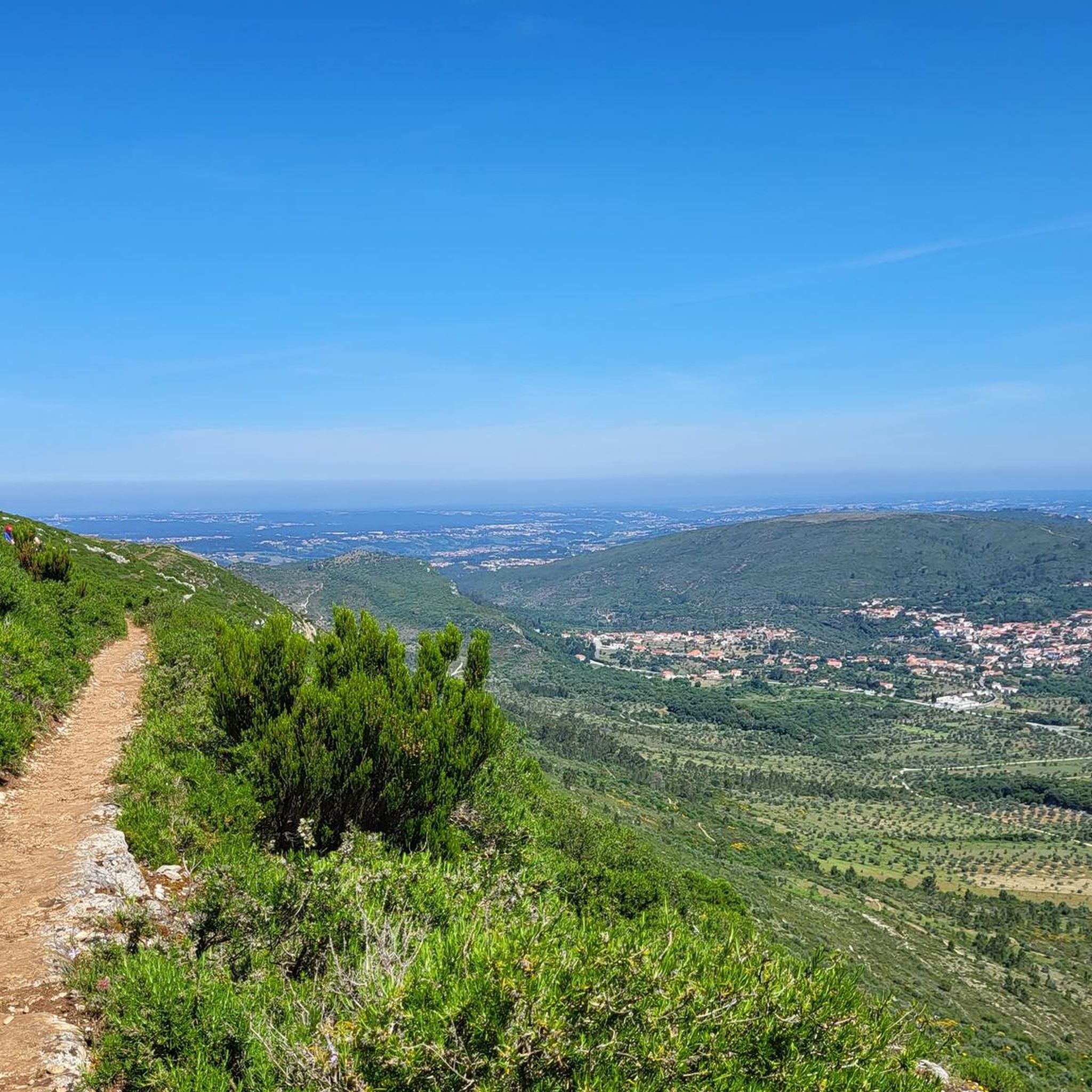
Although the tour is quite short, it thrilled us. On warm days (it was 32 degrees for us) the tour was sweaty. Currently, the authorities have closed the path, a short section of 15 meters has slipped. However, the spot can be easily and safely bypassed.
1
0

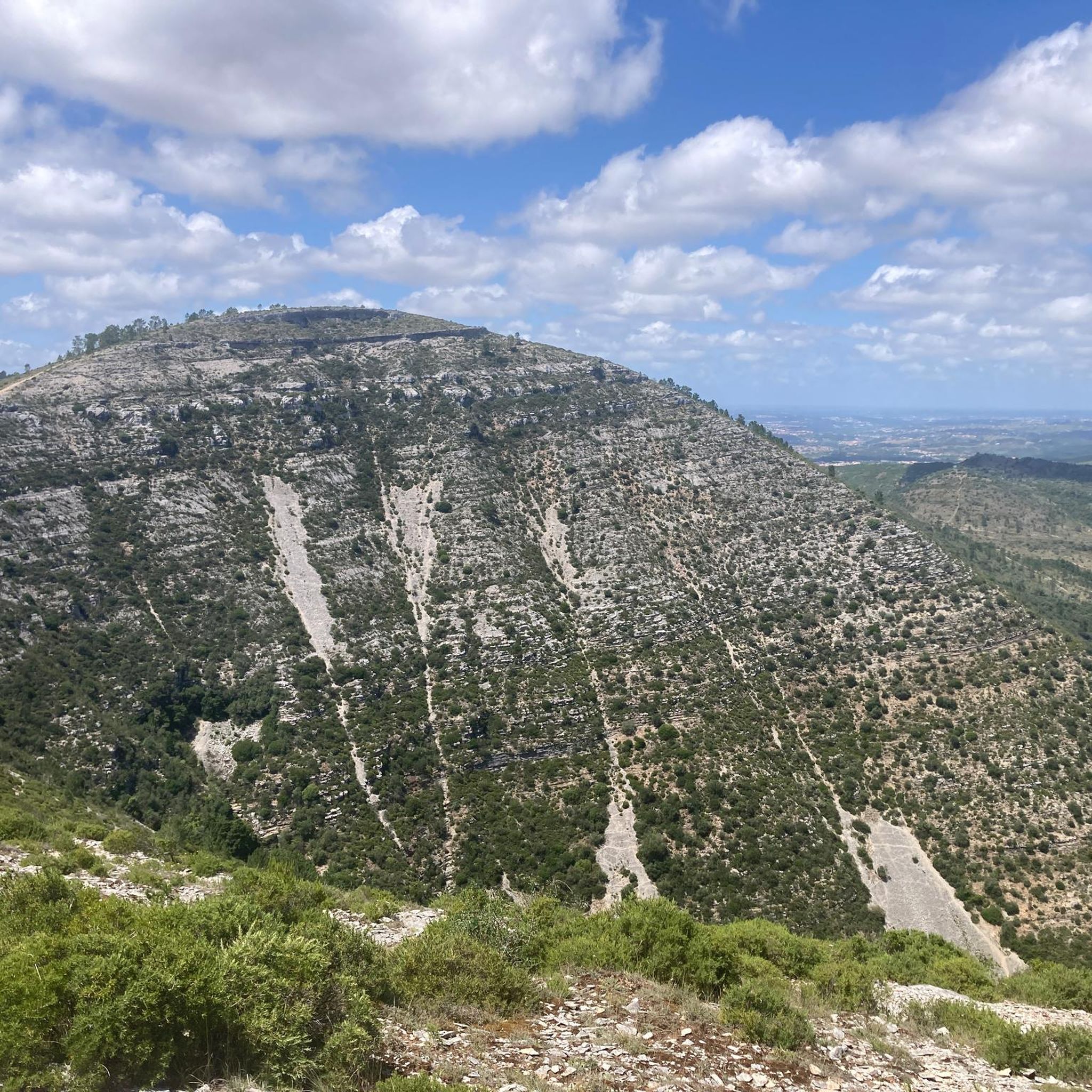
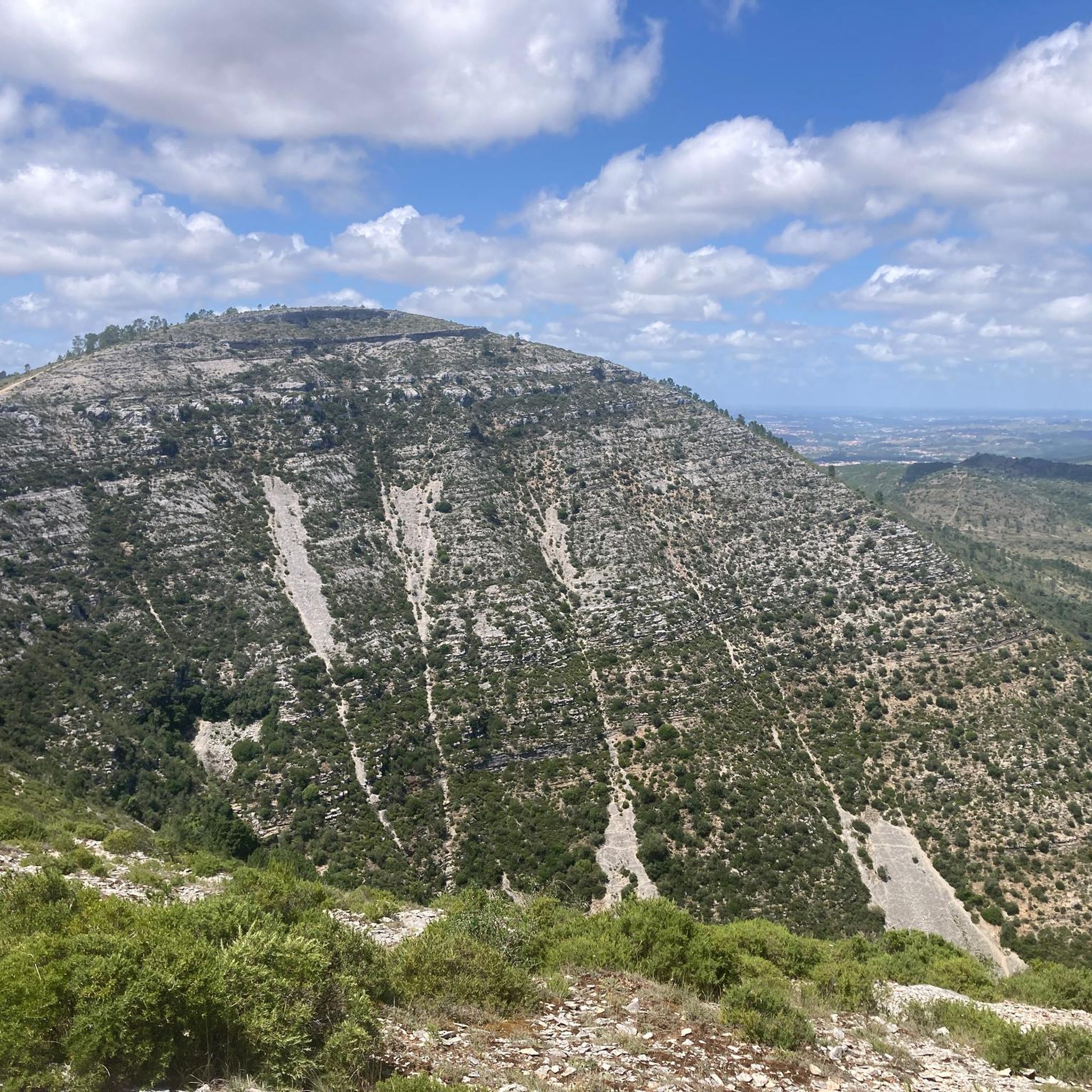
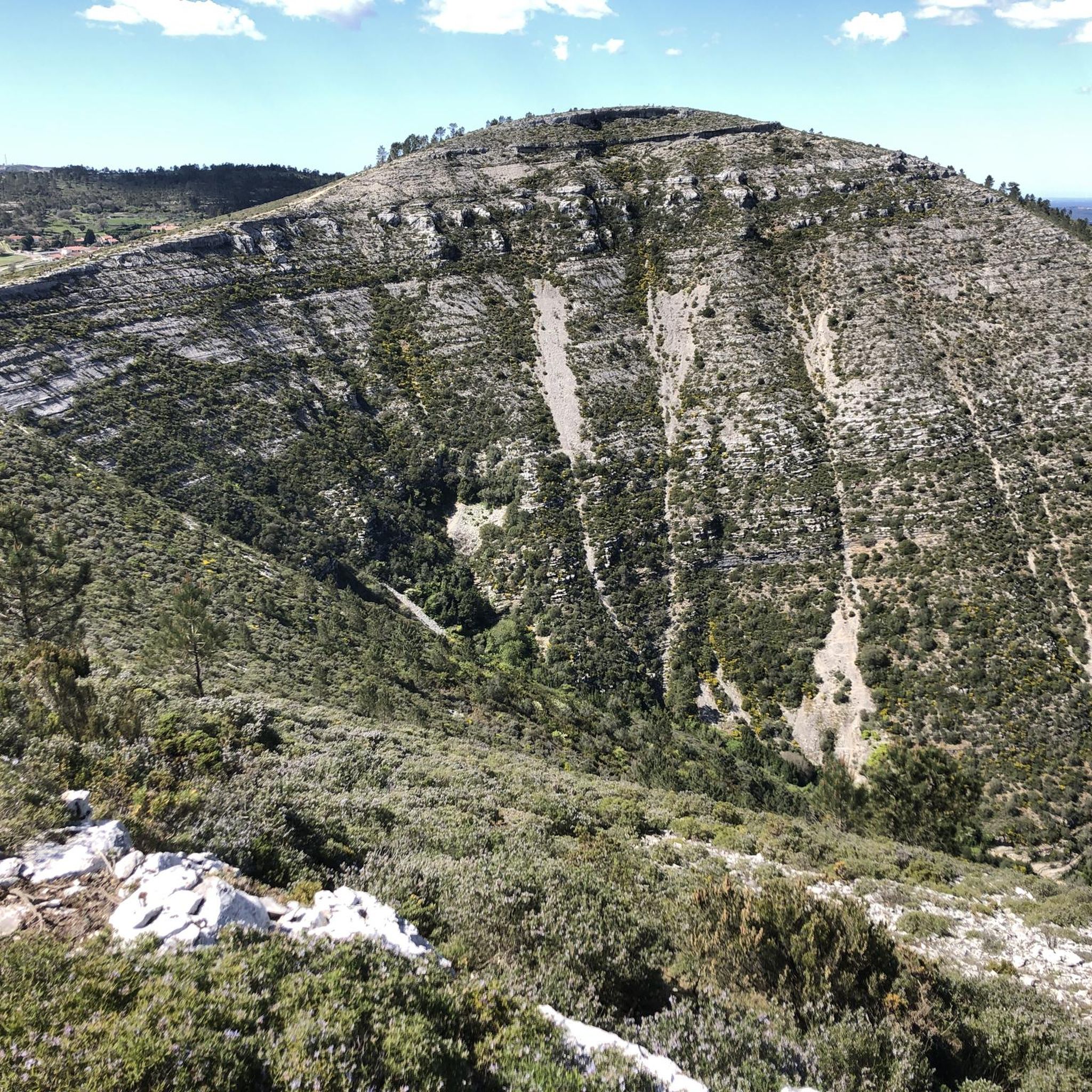
Algar da Cerejeira is a remarkable geological karst formation, that is, a natural cavity or vertical sinkhole. These algars are typically formed in limestone regions due to the erosive action of water, which dissolves the rock and creates underground pits or caves. Algar da Cerejeira is therefore an example of this process, offering a fascinating glimpse into the depths of the earth.
0
0

The Fórnea stream originates here, in the Cova da Velha cave, where a natural spring flows almost all year round. However, due to the limestone soil, the water easily infiltrates, traveling through underground galleries instead of flowing freely on the surface. As a result, the stunning Fórnea waterfall only reveals its full grandeur after days of heavy rain.
2
1
The Sheep's Sink is an imposing natural cavity, named after the sink carved under a stalactite that, in the rainy months, pours out abundant water. In the past, this natural refuge served as a drinking trough for cattle.
1
1
The Buraco Roto is a necropolis of singular beauty, hidden in a lush forest of oak, laurel and cork oak trees. In the rainy months, it becomes a natural spectacle, spilling large quantities of water and forming an impressive waterfall.
4
0

While this was my second visit, I've enjoyed it as much as the first one! The first gallery of this system of caves was discovered by locals in 1947. Of course people were curious and had to investigate further. What is known today is that the cave reaches 11 Kilometers in length which makes it the biggest and most important in Portugal. The formation of the cave goes back 150 million years to the middle Jurassic age when dinosaurs inhabited this region. They found traces of species who inhabited these caves, some of it on display. A part of the cave-system was opened to the public in 1974 with many improvements in safety for the visitors in later years. At one point colored lights found their way in with some spectacular and dramatic effects. My photos inside the cave are in the wrong order, not sure how to interchange them or what I've done wrong when uploading, sorry!
1
0

Pia da Ovelha, point of interest inserted in the PR2 BTL trail
2
0

Information about existing walls and routes: https://climbingaway.fr/en/climbing-areas/reguengo-do-fetal
0
0
Frequently Asked Questions
What types of caves can I explore around São Bento?
The São Bento region, primarily in Portugal, offers a diverse range of caves. You can find historical sites like the Buraco Roto Cave-Necropolis, which is a necropolis hidden in a lush forest, or extensive natural cave systems such as Grutas de Mira de Aire, the biggest in Portugal. There are also challenging geological formations like Pia da Ovelha Cave and Algar da Cerejeira, which is a vertical sinkhole.
Are there any family-friendly caves in the São Bento area?
Yes, Grutas de Mira de Aire is a highly recommended family-friendly natural monument. This extensive cave system, reaching 11 kilometers in length, has been open to the public since 1974 and features impressive formations dating back 150 million years, often enhanced with colored lights for a spectacular experience.
Which caves are suitable for more adventurous or experienced explorers?
For those seeking a challenge, Pia da Ovelha Cave is an intermediate to challenging natural monument featuring a sink carved under a stalactite. The Buraco Roto Cave-Necropolis is also considered challenging, especially during rainy months when it forms an impressive waterfall. Additionally, Algar da Cerejeira presents a challenging exploration opportunity as a remarkable vertical sinkhole.
What historical or cultural significance do the caves around São Bento hold?
The Buraco Roto Cave-Necropolis is a significant historical site, serving as a necropolis hidden within a lush forest. While the São Bento region in Portugal focuses on natural formations, it's worth noting that other locations named São Bento, such as Subiaco in Italy, are home to caves with profound religious importance, like the Sacro Speco where Saint Benedict lived.
What natural features can I expect to see in the caves?
The caves around São Bento showcase diverse natural features. For instance, Pia da Ovelha Cave is known for its sink carved under a stalactite that historically served as a drinking trough. Cova da Velha features a natural spring and is the origin of the Fórnea stream, with a stunning waterfall appearing after heavy rains. Algar da Cerejeira is a prime example of a geological karst formation, a vertical sinkhole formed by water erosion in limestone.
When is the best time to visit the caves to see waterfalls?
For caves that feature waterfalls, such as the Buraco Roto Cave-Necropolis and Cova da Velha, the rainy months are ideal. During this period, the increased water flow transforms these sites into spectacular natural displays, with impressive waterfalls forming.
Are there hiking trails near the caves around São Bento?
Yes, the region offers numerous hiking opportunities. For example, Pia da Ovelha Cave is inserted in the PR2 BTL trail. You can find various hiking routes, including easy to moderate options like the Fórnea Waterfall loops or the View of Alvados loop. Explore more trails in the Hiking around São Bento guide or the Easy hikes around São Bento guide.
What other outdoor activities can I do near the caves?
Beyond cave exploration and hiking, the São Bento area provides options for running. You can find various running trails, from shorter loops to more challenging long-distance routes. Check out the Running Trails around São Bento guide for detailed routes like the Fórnea Viewpoint loop or the Cabeça Gorda Viewpoint ascent.
What do visitors enjoy most about the caves in São Bento?
Visitors appreciate the unique blend of natural beauty and historical significance. Many are captivated by the impressive geological formations, such as the sink carved under a stalactite in Pia da Ovelha Cave, or the sheer scale and ancient history of Grutas de Mira de Aire. The transformation of sites like Buraco Roto Cave-Necropolis into a natural spectacle with waterfalls during rainy months is also a highlight for many.
Are there any caves that are particularly good for photography?
The Grutas de Mira de Aire are often highlighted for their photographic potential, especially with the colored lights that enhance the dramatic effects of the cave formations. The Buraco Roto Cave-Necropolis, with its lush forest setting and impressive waterfall during wet periods, also offers unique photo opportunities.
What should I wear when visiting the caves?
Given that many caves, like Pia da Ovelha Cave and Buraco Roto Cave-Necropolis, involve trails and can be challenging, it's advisable to wear comfortable, sturdy footwear suitable for uneven terrain. Layers of clothing are also recommended as cave temperatures can be cooler than outside, and some areas might be damp.
Most popular attractions around São Bento

Get inspired with the komoot mobile app


Explore more
Extend your search for the best caves by checking out these guides of the top ones around São Bento:
