Top 4 Caves around Batalha
Best caves around Batalha are found in a region primarily known for its magnificent monastery. The area offers a captivating subterranean experience, characterized by impressive geological formations and natural springs. These caves provide a unique insight into the Earth's interior and the region's limestone geology. The landscape around Batalha features a mix of lush forests and natural cavities.
Best caves around Batalha
- The most popular caves is Moeda Caves, a cave system that delves 45 meters deep and extends…
Last updated: June 30, 2026
Buraco Roto Cave-Necropolis
Highlight • Cave
Translated by Google •
Tip by

Pia da Ovelha Cave
Highlight • Cave
Translated by Google •
Tip by

Sign up now to discover places like this
Get recommendations on the best single tracks, peaks, & plenty of other exciting outdoor places.
Sign up for free
Cova da Velha
Highlight • Cave
Translated by Google •
Tip by
Moeda Caves
Highlight • Cave
Translated by Google •
Tip by

Start today with a free account
Your next adventure awaits.
Login or Signup
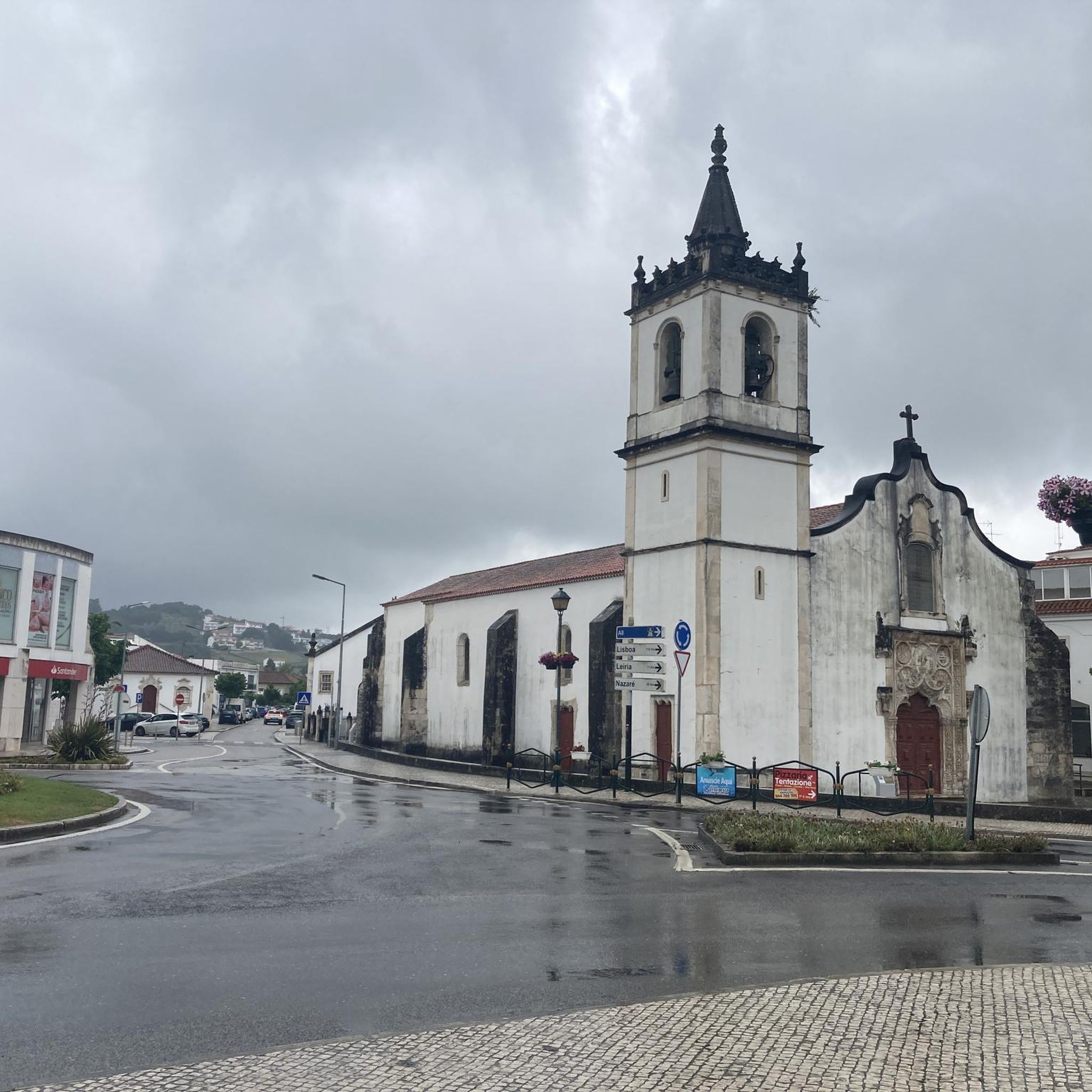
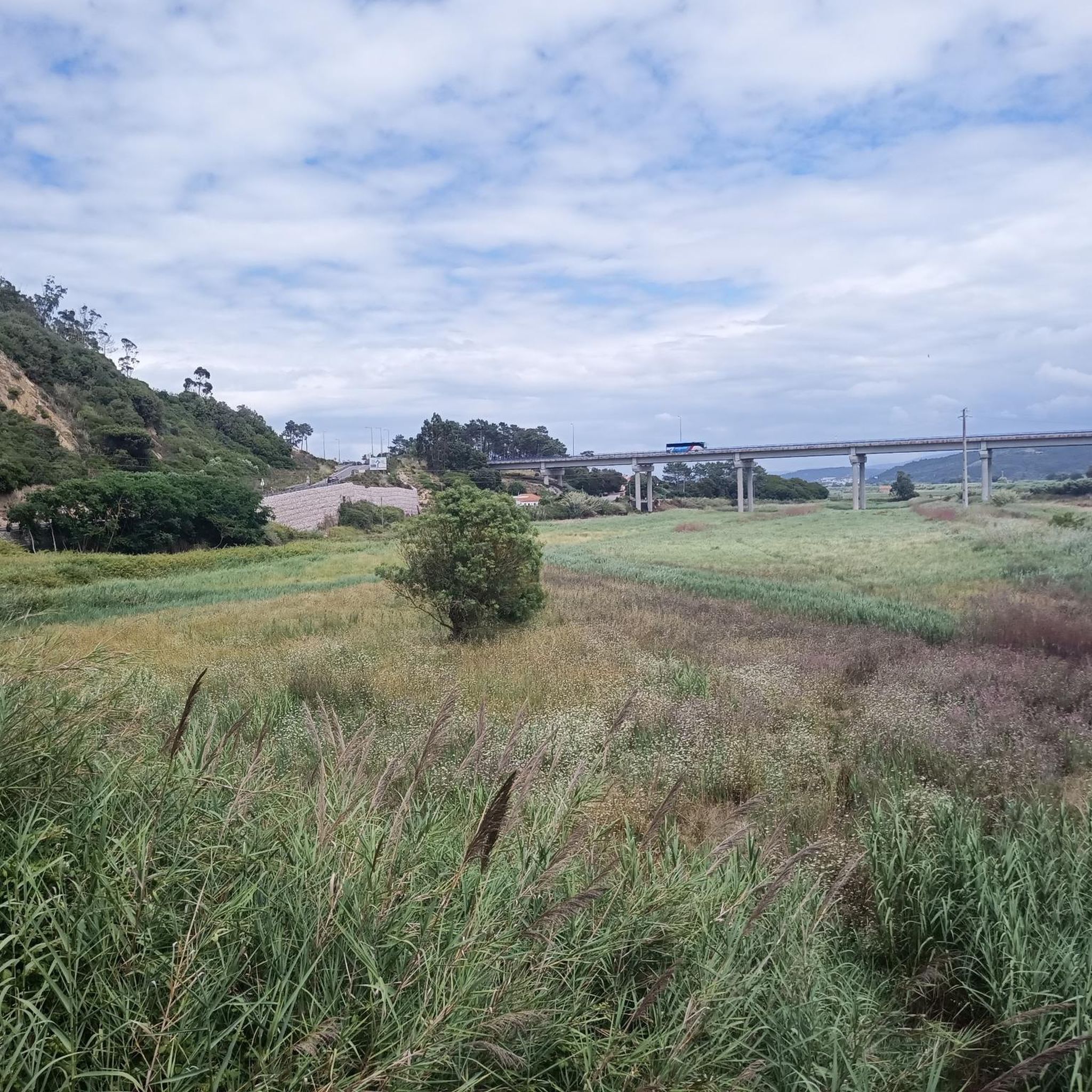
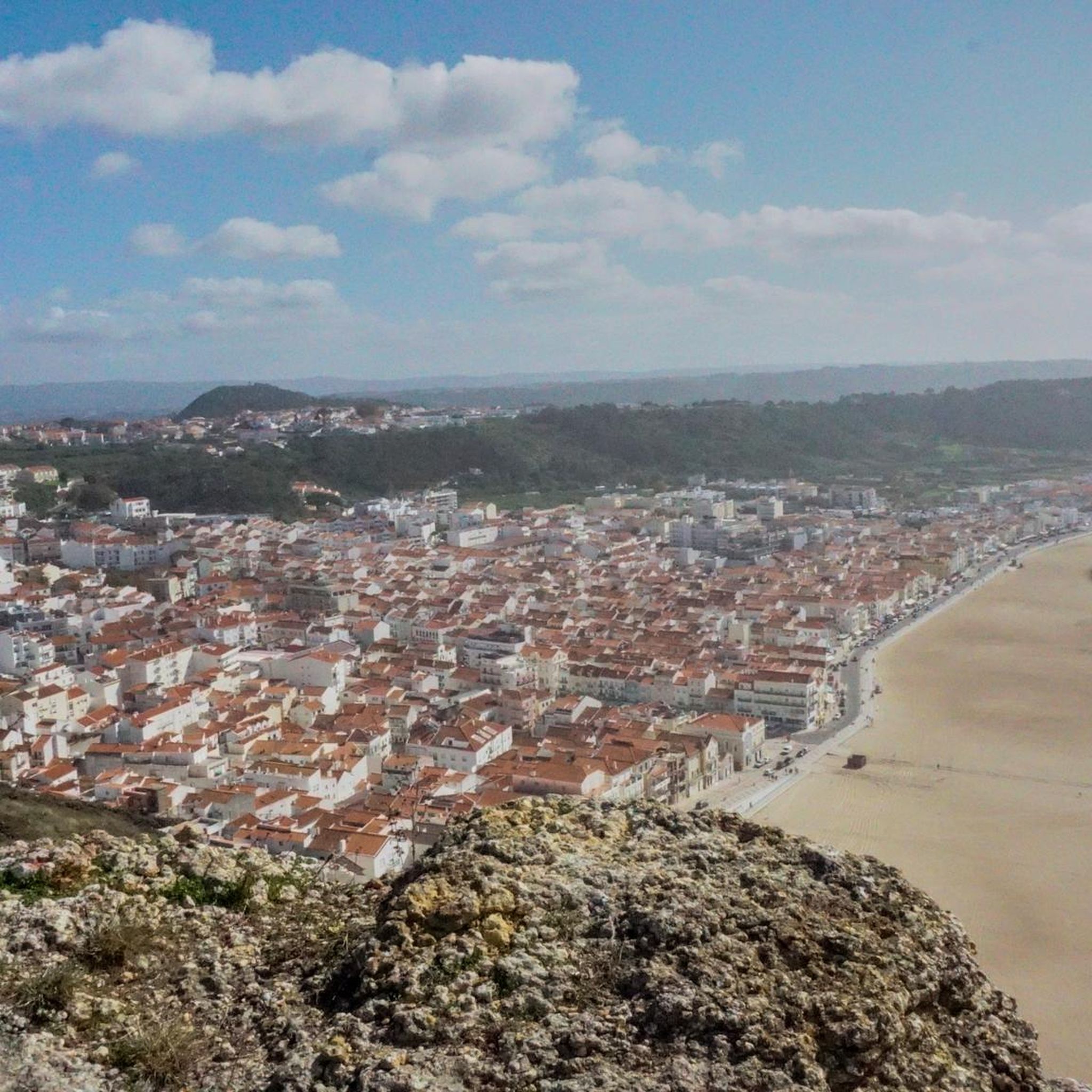


Tips from the Community

Although the tour is quite short, it thrilled us. On warm days (it was 32 degrees for us) the tour was sweaty. Currently, the authorities have closed the path, a short section of 15 meters has slipped. However, the spot can be easily and safely bypassed.
1
0

Beyond the natural structure of the cave, you can also visit the Scientific-Environmental Interpretation Centre (CICA gm). Here, visitors can discover how a cave is formed and how it interacts with local biodiversity, understand the importance of limestone in our region and how it influences people's way of life. You can also admire a magnificent and unique exhibition of minerals and fossils from Portugal and many other countries. In our shop you will find a huge variety of minerals and fossils from various countries.
0
0

The Fórnea stream originates here, in the Cova da Velha cave, where a natural spring flows almost all year round. However, due to the limestone soil, the water easily infiltrates, traveling through underground galleries instead of flowing freely on the surface. As a result, the stunning Fórnea waterfall only reveals its full grandeur after days of heavy rain.
2
1
The Sheep's Sink is an imposing natural cavity, named after the sink carved under a stalactite that, in the rainy months, pours out abundant water. In the past, this natural refuge served as a drinking trough for cattle.
1
1
The Buraco Roto is a necropolis of singular beauty, hidden in a lush forest of oak, laurel and cork oak trees. In the rainy months, it becomes a natural spectacle, spilling large quantities of water and forming an impressive waterfall.
4
0

Pia da Ovelha, point of interest inserted in the PR2 BTL trail
2
0

Information about existing walls and routes: https://climbingaway.fr/en/climbing-areas/reguengo-do-fetal
0
0
Frequently Asked Questions
What are the most notable caves around Batalha?
The most prominent cave system in the region is the Moeda Caves, known for its stunning formations and an Environmental Interpretation Centre. Other significant natural cavities include Buraco Roto Cave-Necropolis, which features a necropolis and a seasonal waterfall, and Pia da Ovelha Cave, a large natural cavity historically used by shepherds.
Are there family-friendly caves to visit near Batalha?
Yes, the Moeda Caves are generally considered family-friendly. They offer guided tours and an Environmental Interpretation Centre, making it an educational and engaging experience for all ages. The constant 18°C temperature inside makes it comfortable year-round.
What kind of geological formations can I expect to see in the caves?
The caves around Batalha, particularly the Moeda Caves, are renowned for their breathtaking natural geological formations. You will see numerous stalactites, stalagmites, and other calcareous structures. Named galleries like 'Lake of Happiness' and 'Nativity Scene Room' highlight the unique shapes, and a 'Curtain of Water' formation adds to the visual spectacle.
What is the best time to visit the caves around Batalha?
The caves maintain a constant temperature of around 18°C throughout the year, making them a comfortable visit regardless of the season. However, some caves like Buraco Roto Cave-Necropolis and Cova da Velha feature seasonal waterfalls that are most impressive after days of heavy rain, typically during the wetter months.
How long does a typical visit to the caves take?
A visit to the Moeda Caves, including the guided tour and the Environmental Interpretation Centre, typically takes about 1 to 1.5 hours. Other natural cavities like Buraco Roto Cave-Necropolis might involve a shorter exploration, often combined with a hike.
Are there hiking trails near the caves?
Yes, there are several hiking opportunities near the caves. For instance, Pia da Ovelha Cave is part of the PR2 BTL trail. You can find various hiking routes in the area, including those that pass by Buraco Roto Cave-Necropolis. Explore more options on the Hiking around Batalha guide.
What outdoor activities can I do near the caves?
Beyond exploring the caves, the Batalha region offers various outdoor activities. You can find numerous hiking trails, including family-friendly options, and cycling routes. For detailed routes, check out the Hiking around Batalha, Family-friendly hikes around Batalha, and Cycling around Batalha guides.
What is the legend behind the name 'Moeda Caves'?
The Moeda Caves, or 'Coin Caves,' derive their name from a local legend. It is said that a wealthy man, ambushed by criminals, fell into a sinkhole with his bag of coins, which scattered throughout the cavern. Visitors sometimes throw coins into the cave lakes, hoping their wishes will come true.
Are there any historical or cultural aspects to the caves?
Yes, some caves have historical significance. The Buraco Roto Cave-Necropolis is a necropolis, indicating its use as a burial site in ancient times. Pia da Ovelha Cave served as a natural refuge and drinking trough for cattle in the past, reflecting its historical utility to local shepherds.
What facilities are available at the Moeda Caves?
The Moeda Caves offer an Environmental Interpretation Centre (CICA gm) where visitors can learn about geology, local biodiversity, and limestone's influence on the region. It also features an exhibition of minerals and fossils and a shop. For current opening hours and further details, you can visit visitfatima.pt.
What should I wear when visiting the caves?
Given the constant cool temperature inside the caves (around 18°C), it's advisable to wear a light jacket or sweater, even on warm days. Comfortable walking shoes with good grip are also recommended, as paths inside can be damp or uneven.
Most popular attractions around Batalha

Get inspired with the komoot mobile app


Explore more
Extend your search for the best caves by checking out these guides of the top ones around Batalha:
