Attractions and Places To See around Sernancelhe - Top 11
Best attractions and places to see around Sernancelhe, Portugal, include a blend of historical, cultural, and natural sites. This region is characterized by its landscape, which features chestnut trees and significant religious landmarks. Visitors can explore ancient structures, scenic viewpoints, and natural refuges along rivers. The area offers diverse experiences, from historical sites to outdoor trails.
Best attractions and places to see around Sernancelhe
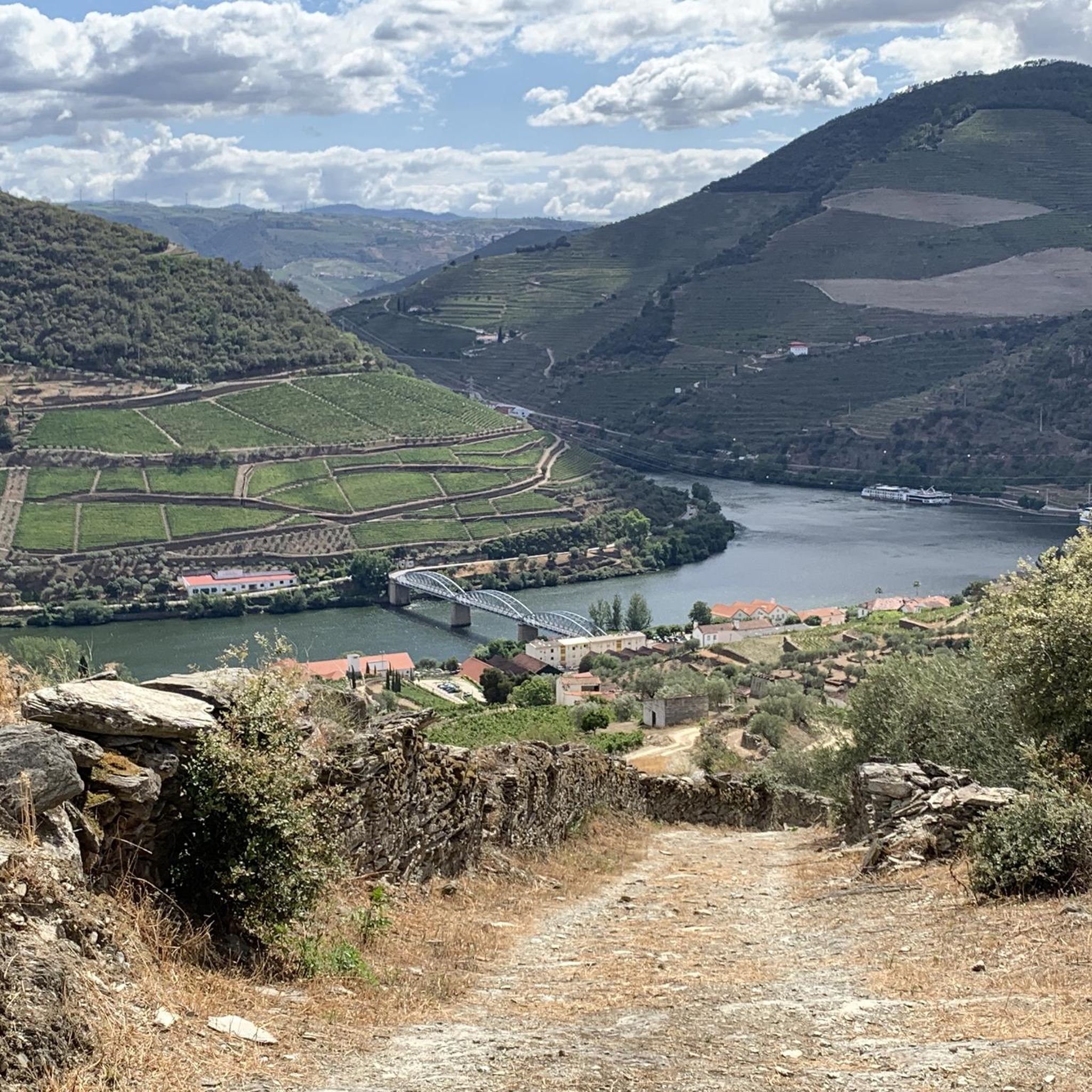
- The most popular attractions is Pedestrian Bridge of Ribeira de Ferreirim, a bridge that connects…
Last updated: July 2, 2026
Pedestrian Bridge of Ribeira de Ferreirim
Highlight • Bridge
Translated by Google •
Tip by

Sanctuary of Nossa Senhora da Lapa
Highlight • Religious Site
Translated by Google •
Tip by

Sign up now to discover places like this
Get recommendations on the best single tracks, peaks, & plenty of other exciting outdoor places.
Sign up for free
Castle Walls of Trancoso
Highlight • Castle
Translated by Google •
Tip by
Historic Village of Trancoso
Highlight • Historical Site
Translated by Google •
Tip by

Start of the Passadiços do Távora
Highlight • Trail
Translated by Google •
Tip by
Sign up for free to discover even more attractions around Sernancelhe.
Sign up for free
Already have an account?
Start today with a free account
Your next adventure awaits.
Login or Signup
Tips from the Community

Sad UPDATE: Unfortunately, the area around Vila da Ponte was hit by a severe forest fire on August 15, 2025. The bridge and footbridge are destroyed—nothing is as it was. We wish the residents strength (and sources of funding) to rebuild!
0
0
The river Távora, dammed to form the lake, is the ideal starting point. Vila da Ponte is the ideal starting point. Swimming is possible at various spots.
1
0

Its ancient castle contrasts with the fears and fears experienced by the people of yesteryear. It was a border town, the scene of many important battles and struggles for the formation and independence of the kingdom. It received important privileges. D. Afonso Henriques granted it a charter and D. Afonso III the charter of Feira. D. Dinis ordered the construction of the walls that still protect a village where Christians and Jews lived together. The ring of walls that still surround the old medieval town, as well as the vast civil and religious architectural heritage, give the Historic Centre a unique image.
3
0
The Castle of Trancoso is erected atop a hill in the North-Easternmost extreme of the city of Trancoso, within the district of Guarda, Portugal. It is a castle build in between the 10th and 13th centuries, featuring towers and the characteristic walls inclined to the tower of Moorish connotations. From the primitive castle appears the walled fortress with five towers and an homage one, the walls featuring several gates as well. Among these, the Porta do Rei stands out the most for being flanked by two towers.
2
0
The Castle of Trancoso is erected atop a hill in the North-Easternmost extreme of the city of Trancoso, within the district of Guarda, Portugal. It is a castle build in between the 10th and 13th centuries, featuring towers and the characteristic walls inclined to the tower of Moorish connotations. From the primitive castle appears the walled fortress with five towers and an homage one, the walls featuring several gates as well. Among these, the Porta do Rei stands out the most for being flanked by two towers.
2
0

The Távora walkways have been given a new lease of life with the bridge that now spans the Ferreirim river, connecting the villages of Freixinho and Ferreirim for the first time. With it, new possibilities emerge, creating circular routes that make longer walks a possibility.
3
0
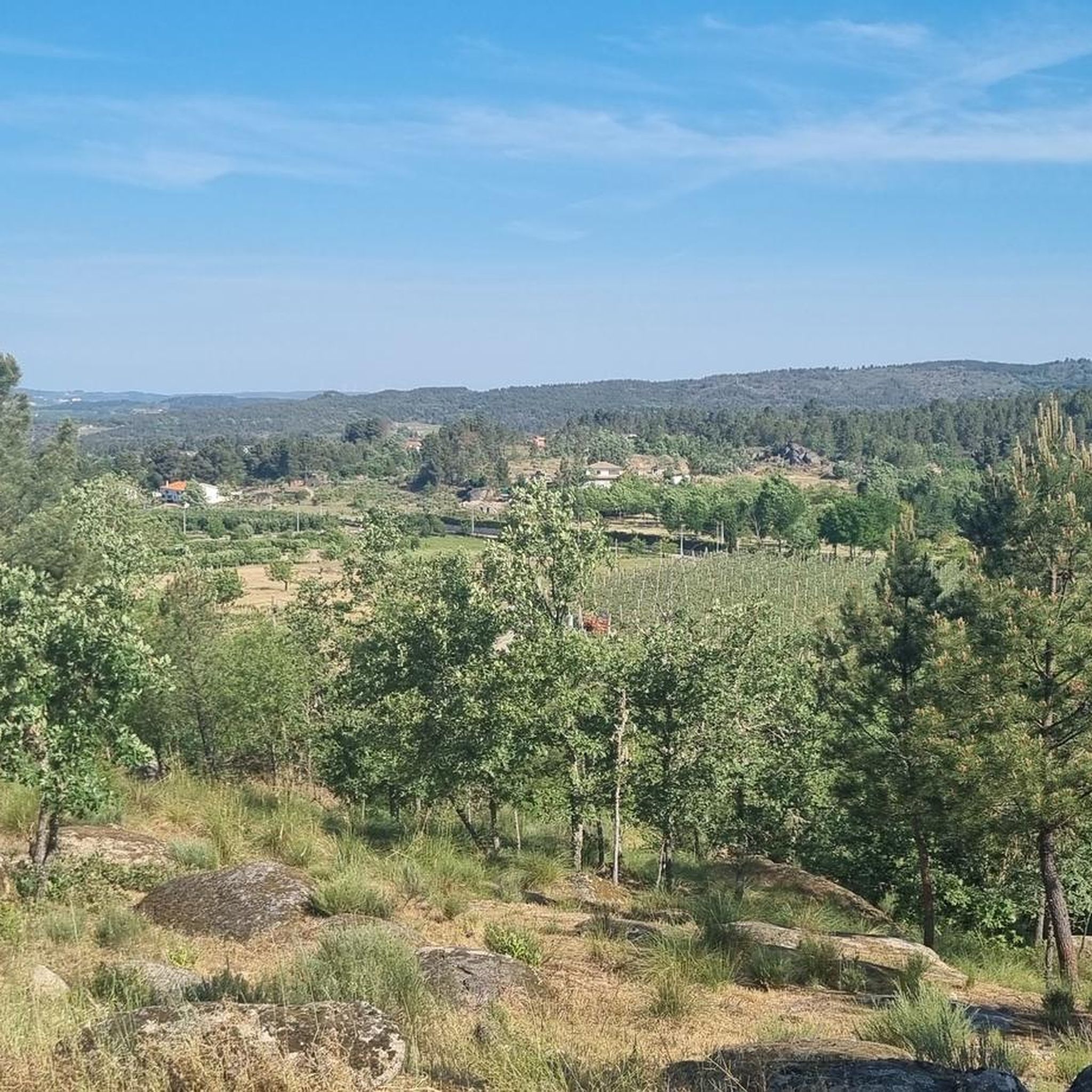
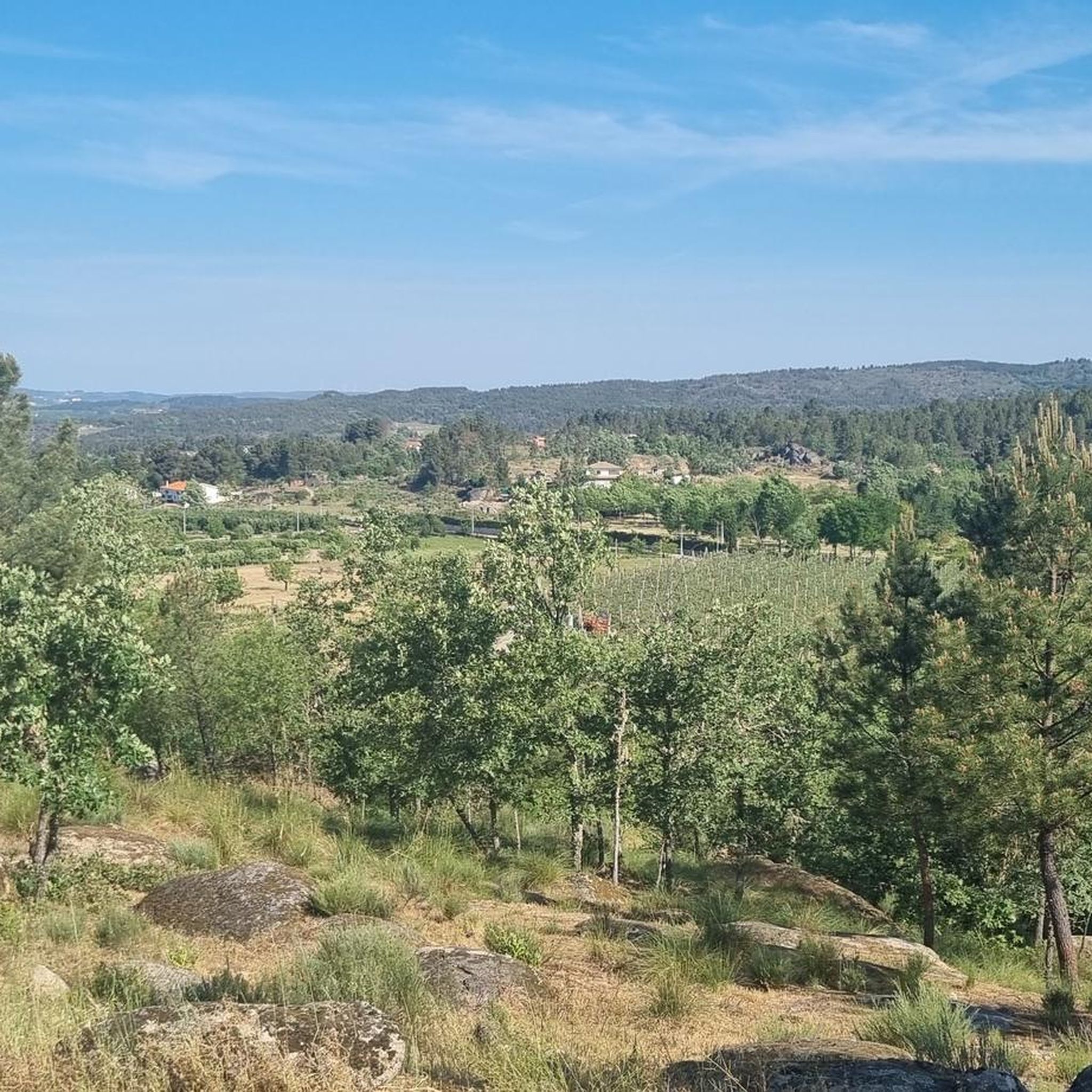
The Távora walkways create a fascinating route along the banks of the Távora River and the Vilar Reservoir, a body of water that has transformed this landscape into a true natural refuge. In summer, the perfect plan is to get up early, walk the trails before the heat sets in and, at the end, cool off with a dip in one of the river beaches, a simple pleasure that feels so good on hot days.
1
0

Trancoso is one of the 12 historic villages in Portugal with a castle, city wall, Jewish quarter and a small, picturesque old town. In this place was the marriage of Dom Dinis and Saint Elizabeth of Portugal (Isabel de Aragon, also called Rainha Santa Isabel).
4
0
Frequently Asked Questions
What are the main natural attractions and outdoor activities available in Sernancelhe?
Sernancelhe offers several natural highlights. You can explore the Start of the Passadiços do Távora, which are walkways along the Távora River and Vilar Reservoir, perfect for walking and enjoying river beaches. The recently added Pedestrian Bridge of Ribeira de Ferreirim enhances these walkways, creating new possibilities for circular routes. The Serra da Lapa also provides green spaces for relaxation, mountain biking, or walking.
What historical and cultural sites should I visit in Sernancelhe?
Sernancelhe is rich in history. A significant religious site is the Sanctuary of Nossa Senhora da Lapa, a major pilgrimage destination with origins dating back to a 1493 apparition. Other notable sites include the 12th-century Mother Church of Sernancelhe (Igreja Matriz de Sernancelhe), the ruins of Sernancelhe Castle with its Porta do Sol, and the historic Pillory of Sernancelhe from 1554. You can also visit the Espaço da Castanha e do Castanheiro museum to learn about the region's chestnut culture.
Are there family-friendly attractions or activities in Sernancelhe?
Yes, Sernancelhe has several family-friendly options. The Passadiços do Távora and the Pedestrian Bridge of Ribeira de Ferreirim are great for walks with children, offering opportunities to enjoy nature and river beaches. The Sanctuary of Nossa Senhora da Lapa is also considered family-friendly, offering a cultural experience in a scenic setting. Praia Fluvial da Albufeira do Vilar is another excellent spot for family leisure and recreation.
Where can I find the best viewpoints in the Sernancelhe area?
Sernancelhe offers several scenic viewpoints, known as Miradouros, to admire its landscapes. These include Miradouro Nossa Senhora das Necessidades, Miradouro de Nossa Senhora da Saúde, Miradouro de Nossa Senhora ao Pé da Cruz, and Miradouro de Santo Estevão. The ruins of Sernancelhe Castle also provide a magnificent viewpoint, particularly from the Porta do Sol.
What is the significance of the Sanctuary of Nossa Senhora da Lapa?
The Sanctuary of Nossa Senhora da Lapa is a highly significant religious site and a major pilgrimage destination in Portugal. Its origins trace back to a 1493 apparition, and it holds a notable history involving a shepherd girl and a Madonna statue hidden under a rock. It was once one of the two most important pilgrimage sites on the Iberian Peninsula, alongside Santiago de Compostela.
What kind of hiking trails are available near Sernancelhe?
You can find a variety of hiking trails around Sernancelhe, ranging from easy to moderate. For example, there's an easy 'Aracnídeo Bird Observatory loop from Sernancelhe' and a moderate 'Dolmen Burial Mound loop from Casfreires'. The Passadiços do Távora also offer fascinating walking routes along the river. For more hiking options, you can explore the Hiking around Sernancelhe guide.
When is the best time of year to visit Sernancelhe for outdoor activities?
The best time to visit Sernancelhe for outdoor activities like walking and hiking is generally during spring (April-May) and autumn (September-October) when the weather is milder and more pleasant. Summer (June-August) can be hot, but it's ideal for enjoying river beaches and cooling off after early morning walks on the Passadiços do Távora.
What is the 'Land of the Chestnut' and how does it relate to Sernancelhe?
Sernancelhe is proudly known as the 'Land of the Chestnut' due to its landscape being shaped by chestnut trees and the deep-rooted tradition surrounding this fruit. This cultural identity is celebrated at the Espaço da Castanha e do Castanheiro (Chestnut and Chestnut Tree Space), a museum dedicated to the history and importance of chestnuts in the region. Local gastronomy also heavily features chestnuts, especially in traditional dishes and sweets.
Are there opportunities for cycling or running in Sernancelhe?
Yes, Sernancelhe offers opportunities for both cycling and running. The Passadiços do Távora and the new Pedestrian Bridge of Ribeira de Ferreirim create excellent routes for walking and cycling. For more structured routes, you can find various options like 'Running loop from Vila da Ponte' or 'Roadbike loop from Quintela'. Discover more routes in the Running Trails around Sernancelhe and Road Cycling Routes around Sernancelhe guides.
What are some of the lesser-known historical gems in Sernancelhe?
Beyond the major landmarks, Sernancelhe holds several intriguing historical sites. These include the Solar de A-de-Barros, a 17th-century manor house, and the Solar dos Araújo Coutinho, the birthplace of the Marquês de Pombal. The Pátio do Carregal was the childhood home of esteemed writer Aquilino Ribeiro. You can also visit the Convento Nossa Senhora da Assunção, the last Cistercian monastery established in Portugal, and the Casa da Ordem de Malta, reflecting the Order's historical presence in the municipality.
What do visitors enjoy most about the attractions in Sernancelhe?
Visitors particularly enjoy the blend of natural beauty and historical depth. The Passadiços do Távora are appreciated for creating a 'natural refuge' and offering opportunities to cool off at river beaches. The Sanctuary of Nossa Senhora da Lapa is valued for its historical significance and serene mountain setting. The new Pedestrian Bridge of Ribeira de Ferreirim is also popular for enhancing walking and cycling possibilities.
Most popular attractions around Sernancelhe

Get inspired with the komoot mobile app


Explore more
Still not found the Highlight you’re looking for? See guides of the top attractions in other regions:
