Top 20 Lakes around Łęknica
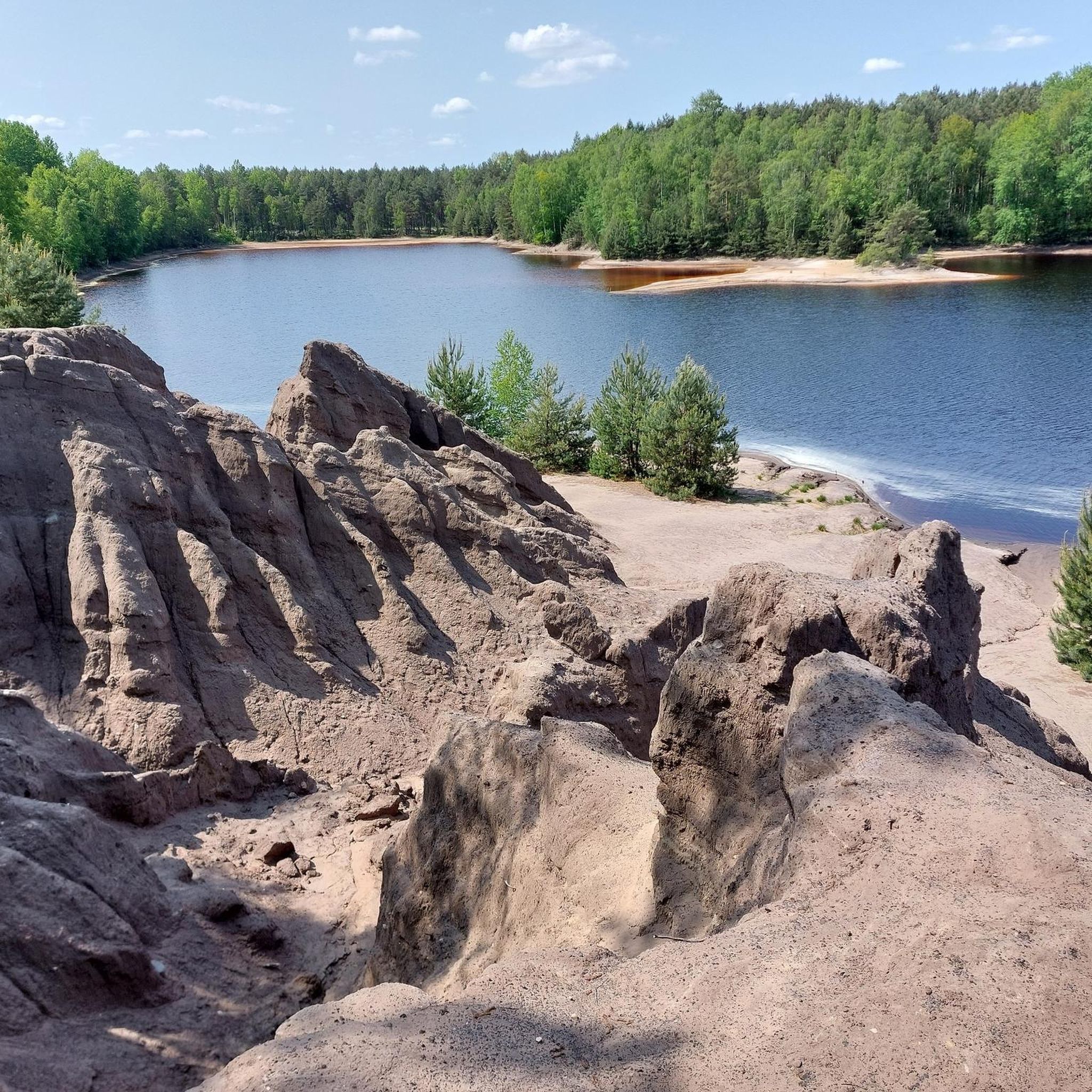
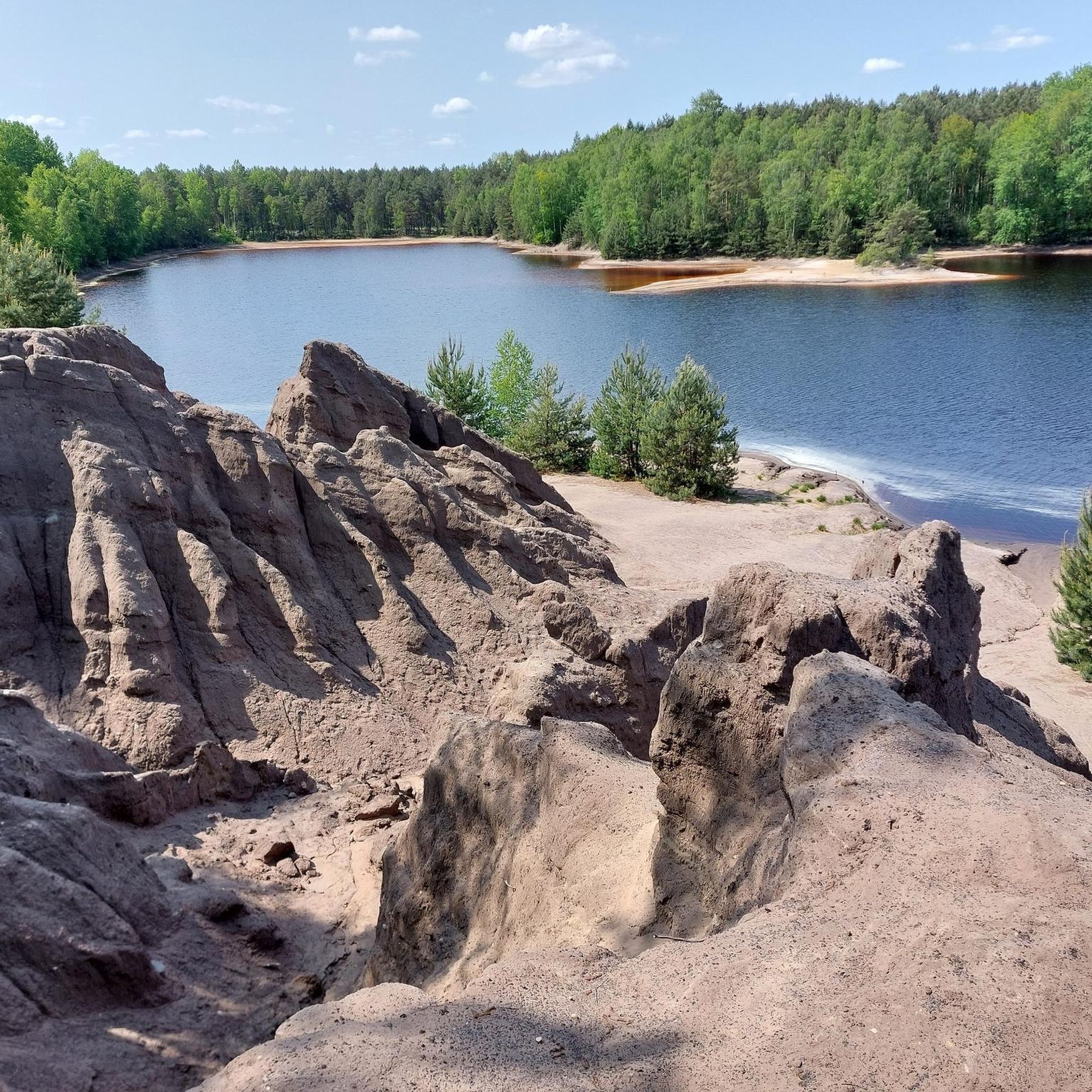
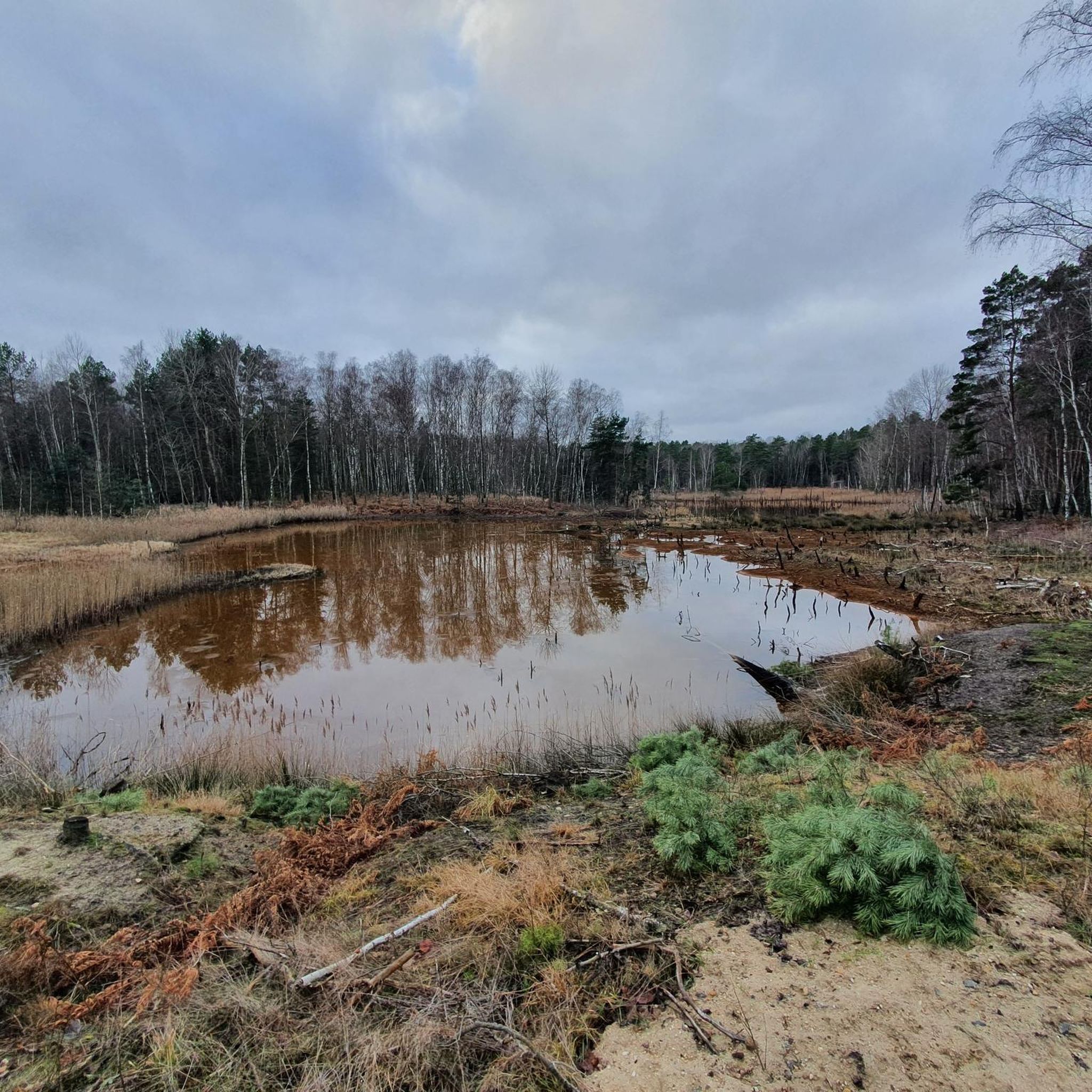
Best lakes around Łęknica are primarily found within the UNESCO Global Geopark Łuk Mużakowa (Muskau Arch), a transboundary area known for its unique geological features. This region, part of which lies in Łęknica, is characterized by over 100 anthropogenic lakes. These water bodies are a result of past mining activities and are distinguished by their vibrant and diverse colors, ranging from blue and green to brown and reddish tones. The Geopark offers insights into geological processes and the impact of…
Last updated: August 25, 2026
New Muskau Castle
Highlight • Castle
Translated by Google •
Tip by

Rakotz Bridge (Devil's Bridge)
Highlight • Bridge
Translated by Google •
Tip by

Sign up now to discover places like this
Get recommendations on the best single tracks, peaks, & plenty of other exciting outdoor places.
Sign up for free
Muskau Park (Prince Pückler Park, Bad Muskau)
Highlight • Natural Monument
Translated by Google •
Tip by

Gieser Lake
Highlight • Lake
Translated by Google •
Tip by

Afryka Lake Observation Tower (Babina Mine), Łuk Mużakowa Landscape Park
Highlight • Viewpoint
Translated by Google •
Tip by

Sign up for free to discover even more lakes around Łęknica.
Sign up for free
Already have an account?
Start today with a free account
Your next adventure awaits.
Login or Signup
Tips from the Community

Anyone cycling through Bad Muskau and wondering whether landscape can be art should simply dismount. Because Muskau Park isn't a green space; it's a poem in trees, paths, and sightlines. Designed by the eccentric Prince Pückler, who wanted to impress with gardens more than with wars, it is now rightfully a UNESCO World Heritage Site. And you notice this with every pedal stroke. One-third of the park lies in Germany, two-thirds in Poland – a European masterpiece of garden design that knows no boundaries except those of good taste. There are no "signs with arrows" here, but rather sightlines that guide you. You cycle past ancient oaks, over gentle bridges, through light avenues. And then, suddenly, it appears: the New Palace. So red, so magnificent, so playfully baroque that you'd think a piece of cotton candy had become a listed building. Behind the palace, the building is reflected in the water like an embarrassed self-portrait, framed by flowers, bushes, and the stories of those who once strolled here – and now picnic. Those seeking open spaces will find it. Those seeking peace and quiet will too. And those who simply want to cycle have rarely had a more beautiful ride. The Prince Pückler Park is not a place you "visit" – you encounter it. And sometimes, when the light is right and the palace glows, you also encounter yourself a little bit anew.
0
0

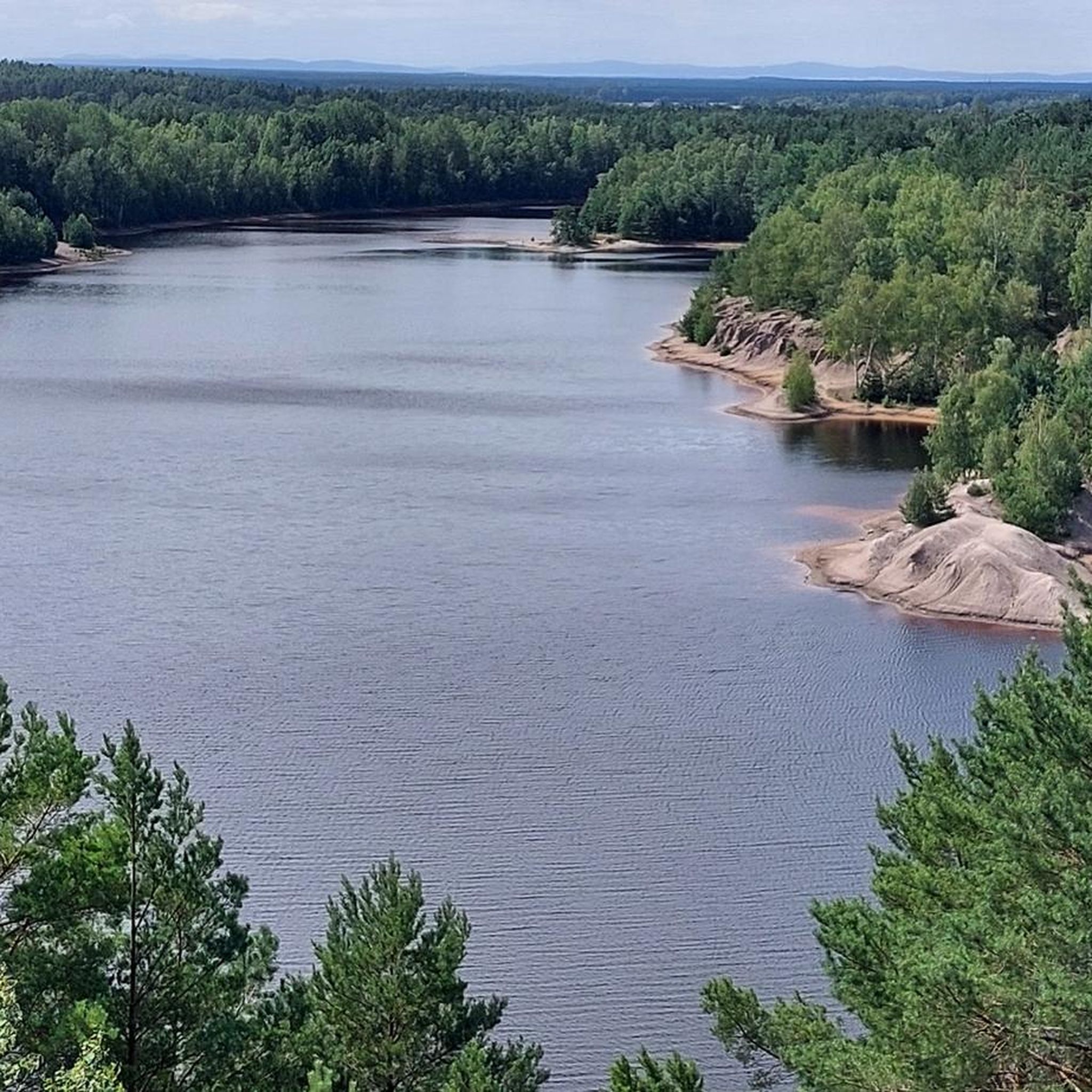
Observation tower on Lake Africa with a completely stunning view of not only the lake but also the entire area - green and blue (especially in summer) - a total blast!
1
0

For anyone who likes to be in nature, whether by bike or on foot, this is exactly the right area and the view from the tower is simply great. The tower seems to be open all year round and doesn't cost a cent.
6
0

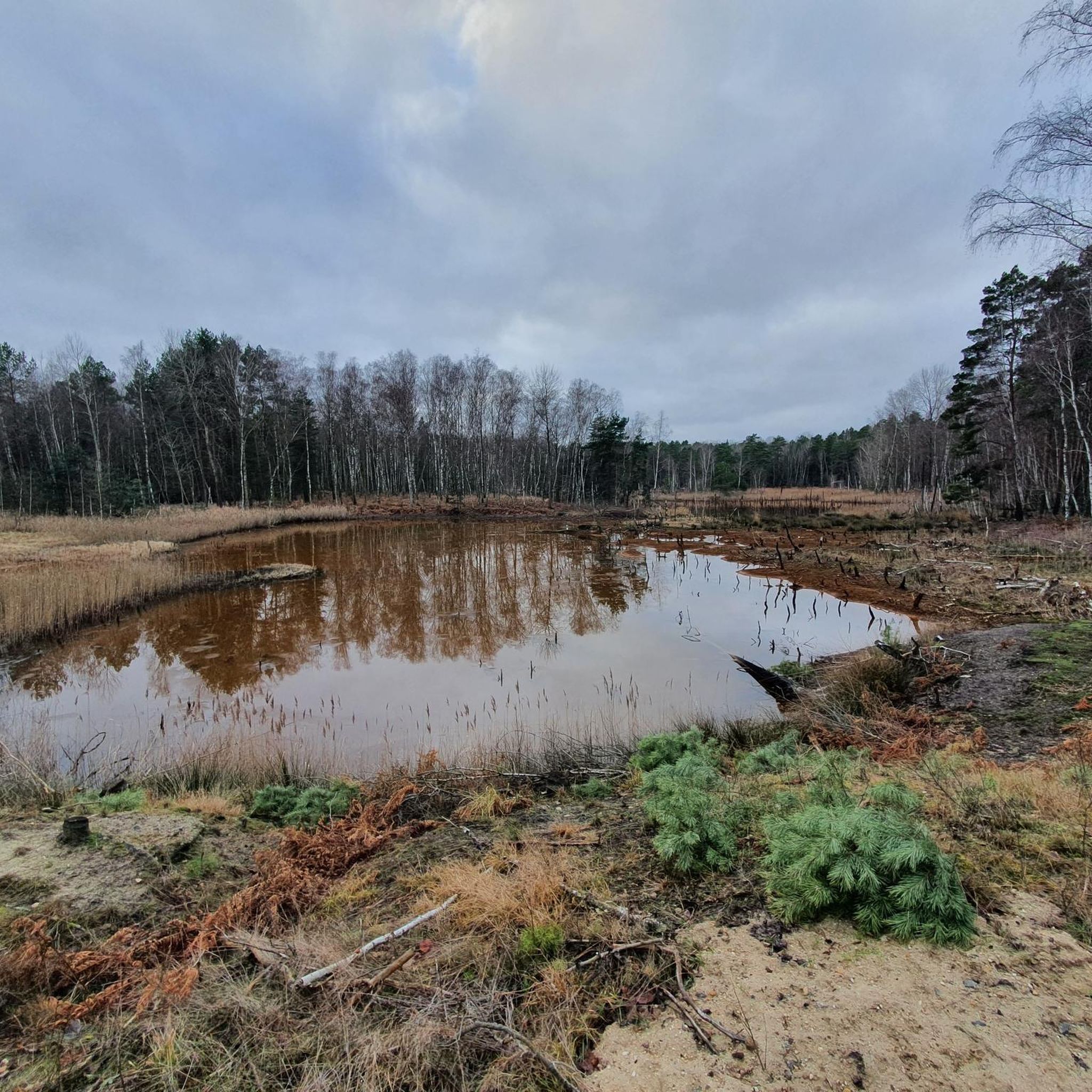
These lakes are post-mining landscape. So not a naturally created landscape, but only created by human activity. The mining of the lignite seams left depressions that filled with water over time after the open-cast mines were abandoned and now form a small lake district in the Moscow fold.
0
1

Not a UNESCO World Heritage Site for nothing! One third of the park on the German side, two thirds of the park on the Polish side. The extensive landscape park has a great stock of trees and impresses with generous visual axes. The New Castle of Prince Pückler has been wonderfully restored and shines from afar.
3
0


The 29m high observation tower made of larch wood has been one of the highlights on the Babina circular trail since 2014. From two platforms at 14m and 24m, the upper one can be reached via 120 steps, you have a great view over the landscape and the largest lake in the former mining area - the residual mining water "Afrika" or "Afryka" (Scale C). The 190m long and 27m deep lake is so called because it has the shape of the continent when viewed from above. There are several parking options near the lookout tower.
9
1

Nice big park on both sides of the border. In the Polish part, the signage could be better. Due to the size, a bicycle makes sense, at least if you want to visit both sides.
4
0
Frequently Asked Questions
What makes the lakes around Łęknica unique?
The lakes around Łęknica are primarily unique post-mining lakes located within the UNESCO Global Geopark Łuk Mużakowa (Muskau Arch). They are distinguished by their vibrant and diverse colors, ranging from blue, navy, green, and turquoise to brown and reddish tones. These hues are a result of the mineral composition of the former mining pits, creating a spectacular visual landscape.
What natural features can I explore in the Łuk Mużakowa Geopark?
The Geopark offers a range of natural features, most notably the colorful post-mining lakes. You can observe the distinct shape of "Afryka" Lake from the Afryka Lake Observation Tower, which provides a 360-degree view. The Geościeżka "Dawna kopalnia Babina" (Former Babina Mine Geotrail) also guides visitors through many interesting geological formations and lakes.
Are there hiking trails around the lakes in Łęknica?
Yes, there are several hiking opportunities. The Geościeżka "Dawna kopalnia Babina" is a popular educational trail. For more options, you can explore various routes, including easy hikes and general hiking trails, many of which offer views of the colorful lakes and the unique Geopark landscape.
Can I swim in the lakes around Łęknica?
While visually stunning, the post-mining lakes in the Łuk Mużakowa Geopark often have highly acidic or alkaline water due to their mineral composition. This makes them generally unsuitable and unsafe for swimming. Their primary appeal lies in their striking appearance and ecological significance.
What is the best time to visit the lakes around Łęknica?
The best time to visit is on sunny days, as the light intensifies the vibrant colors of the lakes, offering a truly spectacular view. Spring and autumn also provide pleasant temperatures for exploring the trails and parks.
Are there any historical or cultural sites near the lakes?
Absolutely. The Muskauer Park (Park Mużakowski), a UNESCO World Heritage Site, is partly located in Łęknica. This expansive English-style landscape park features artificial watercourses, small lakes, and picturesque pathways. You can also visit the New Muskau Castle within the park, and the iconic Rakotz Bridge (Devil's Bridge) is also nearby.
Is the Muskauer Park accessible for families?
Yes, the Muskauer Park is very family-friendly. Its expansive grounds and well-maintained pathways are suitable for walking, cycling, and even carriage rides. It offers a harmonious blend of nature and elaborate garden architecture for all ages to enjoy.
How can I explore the Muskauer Park, which spans two countries?
The Muskauer Park is unique as it is divided by the Lusatian Neisse River, forming the border between Poland and Germany. You can explore both sides, which are connected by pedestrian and cycling bridges like the Double Bridge and the English Bridge, allowing for a seamless transboundary experience on foot or by bicycle.
What do visitors enjoy most about the lakes around Łęknica?
Visitors are captivated by the unique natural spectacle of the colorful post-mining lakes and the geological significance of the Muskau Arch Geopark. The opportunity to explore the UNESCO World Heritage Muskauer Park and its historical elements, along with the scenic hiking and cycling routes, are also highly appreciated.
What is the geological significance of the lakes in Łęknica?
The lakes are a direct result of past lignite, clay, and glass sand mining activities. Their distinct colors are determined by the mineral composition of the former mining pits. The entire Geopark is a testament to the unique geological structure of the Muskau Arch, a well-preserved moraine formed by glaciers approximately 340,000 years ago.
Are there any easy trails for beginners or families around the lakes?
Yes, many trails within the Geopark and Muskauer Park are suitable for beginners and families. For instance, several easy hikes are available, including loops around the distinctive "Afryka" Lake, offering accessible ways to experience the unique landscape.
Most popular routes around Łęknica
Most popular attractions around Łęknica

Get inspired with the komoot mobile app


Explore more
Still not found your perfect lake around Łęknica? Check out the guides of these regions to see even more beautiful places.
