Attractions and Places To See around Dhuisy - Top 19
Best attractions and places to see around Dhuisy include a mix of natural features and cultural sites within this tranquil rural commune. Dhuisy, located in the Seine-et-Marne department, offers visitors a peaceful ambiance and characteristic regional landscapes. The area is known for its natural biodiversity, including a significant Natura 2000 site, and presents opportunities to explore local history and serene village life. Dhuisy hiking trails provide access to the surrounding wooded and verdant landscapes.
Best attractions and places to see…
Last updated: July 4, 2026
Saint-Authaire Church
Highlight • Other
Translated by Google •
Tip by

Houssoy Castle
Highlight • Other
Translated by Google •
Tip by

Sign up now to discover places like this
Get recommendations on the best single tracks, peaks, & plenty of other exciting outdoor places.
Sign up for free
The crypts of Jouarre
Highlight • Historical Site
Dating from the 7th century AD, the crypt is one of the oldest in Europe. It …
Translated by Google •
Tip by
Mémorial Britannique
Highlight • Other
Translated by Google •
Tip by
Sainte-Aulde viewpoint
Highlight • Viewpoint
Translated by Google •
Tip by
Sign up for free to discover even more attractions around Dhuisy.
Sign up for free
Already have an account?
Start today with a free account
Your next adventure awaits.
Login or Signup

Tips from the Community

Colomban of Luxeuil, also known as Saint Colomban, was an Irish monk who evangelized the rural populations of Gaul, Germany, Helvetia and Italy in the Middle Ages. In the life of Saint Colomban, written around 640, the monk Jonas of Bobbio indicates that Colomban and his companions were welcomed by the family of Authaire, an aristocrat at the court of Austrasia. The domus where this servant of Théodebert (or Thibert), king of Austrasia and friend of Colomban, resided, is said to be located in the commune of Ussy-sur-Marne. In the church, a 19th-century stained glass window reminds us of this meeting. The church is listed as a Historic Monument for its nave dating from the 11th and 12th centuries, as well as for the stained glass windows of its chapel of the Virgin dating from the 16th century.
0
0
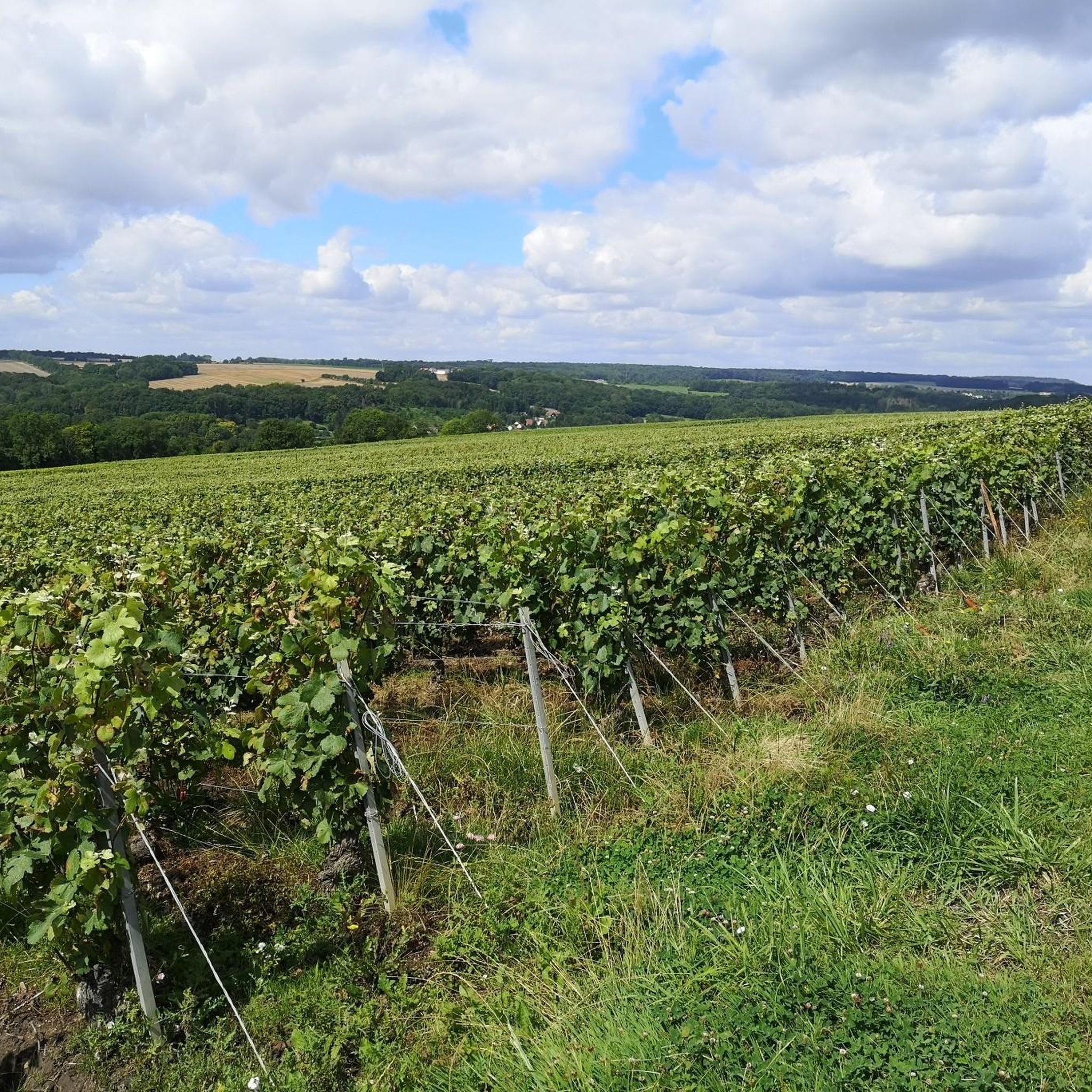
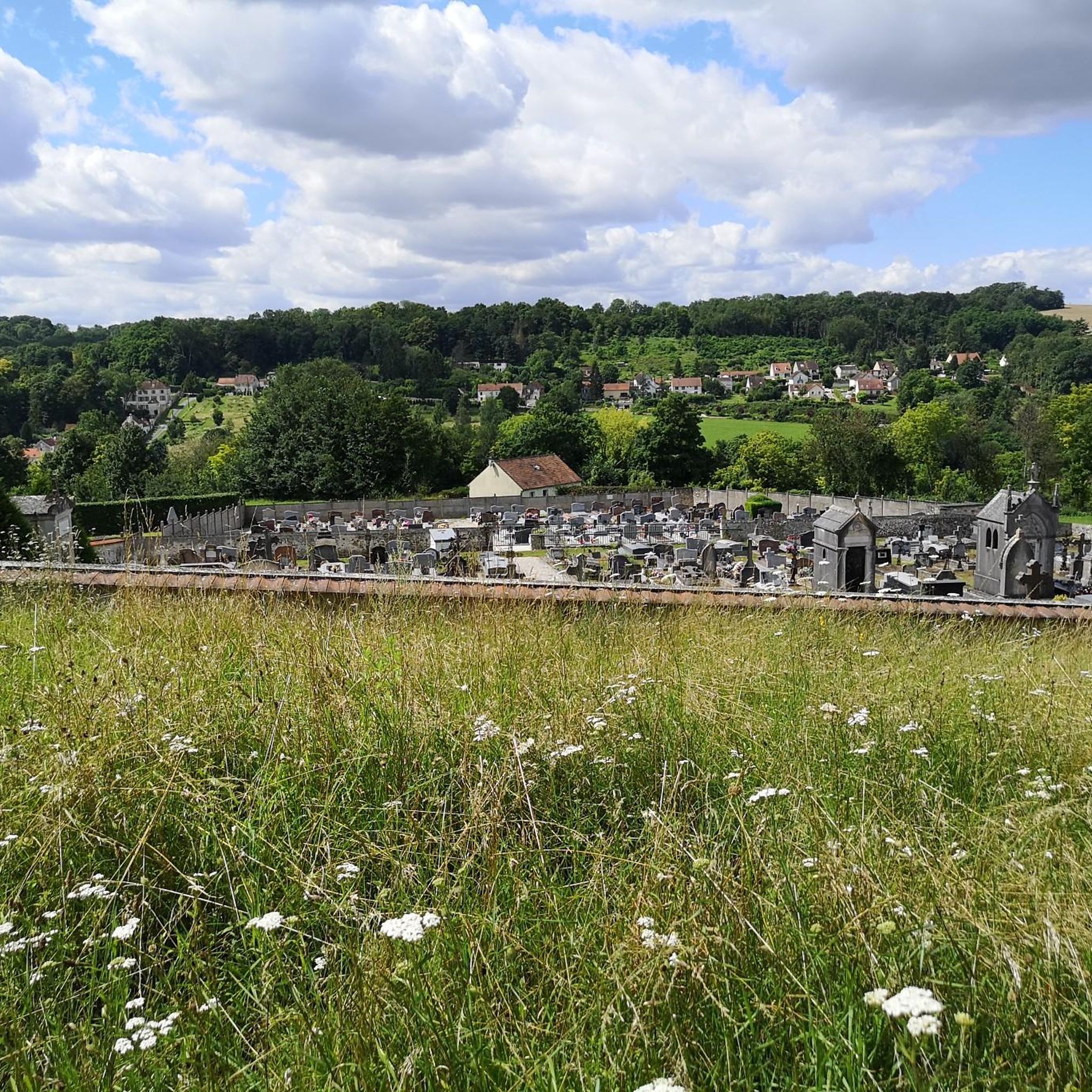
The Sainte-Aulde viewpoint, located a few steps from the Noisetiers primary school and the church, reveals an exceptional panorama of the valley below and the old sand pits of Méry-sur-Marne, thus offering a unique moment of contemplation.
0
0
Initiated in the Romanesque period, from which it has preserved its porch and capitals, the church of Sainte-Aulde bears witness to the various styles that have succeeded one another in the rural world, having been reworked in the Gothic period and then in the classical period. The stained glass windows from the end of the 19th century were made in particular by Gustave Bourgeois, a worker on the stained glass window of Saint Colomban in Ussy. St Fiacre, patron saint of gardeners/market gardeners, of whom there is a 15th century statue in the church, is honored there every first Sunday in September.
0
0
On September 5, 1914, nearly a million French soldiers and their British allies, defeated fighters from the deadly border battles, exhausted by an exhausting retreat, resolutely turned around and resumed the offensive! This would be the first Battle of the Marne, a victory at the cost of 7 days of fierce fighting on a front line of more than 200 kilometers, breaking the German rush, protecting Paris and saving France from invasion. La Ferté-sous-Jouarre was one of the theaters of this fighting. On Sunday, November 4, 1928, the inauguration of the Memorial took place, in the presence of Marshal Foch. This imposing monument bears, engraved in stone, 3,888 names of officers and soldiers who fell during this battle in September 1914. These men belonged to the British Expeditionary Force.
0
0
A journey through time in the Jouarre crypt, a unique Merovingian jewel in Europe! Dating from the 7th century AD, the crypt is one of the oldest in Europe. It was built during the second half of the 7th century, during the Merovingian era, at the request of Bishop Agilbert under the reign of Clotaire III. The Crypt contains the tombs of the founding family of the Abbey of Notre Dame de Jouarre, founded around 635. The Merovingian sculpture in the crypt rests on two rows of three Gallo-Roman columns, topped by magnificent Merovingian capitals in white marble. So come to Jouarre to discover the history of a crypt reflecting the prosperous era of the village! Full price: €4. Free for children under 6. Opening hours: Wednesday, Friday and Saturday from 9:30 a.m. to 12:30 p.m. and from 2 p.m. to 5:30 p.m. Closed on Monday, Tuesday, Thursday and Sunday.
0
0

Former stronghold of the Counts of Valois, the fortified castle was built around 1390 by Jean de Sépoix, advisor to King Charles V, on the site of an old fortified house. Currently only the square keep remains. The house was burned down during the Fronde.
0
0
Frequently Asked Questions
What historical sites can I visit around Dhuisy?
Dhuisy and its surroundings offer several significant historical sites. You can explore the remains of Houssoy Castle, a former stronghold of the Counts of Valois, where only the square keep from around 1390 still stands. Another notable site is Saint-Authaire Church, a Historic Monument with a nave dating from the 11th and 12th centuries and 16th-century stained glass. Further afield, discover The crypts of Jouarre, a unique 7th-century Merovingian jewel containing tombs of the Abbey's founding family. Additionally, the Mémorial Britannique commemorates the Battle of the Marne from September 1914.
Are there any natural features or viewpoints to enjoy the landscape?
Yes, Dhuisy is known for its natural beauty. A significant natural highlight is the Natura 2000 site "Bois des Réserves, des Usages et de Montgé," recognized for its exceptional biodiversity, including a large population of the Yellow-bellied Toad. For panoramic views, visit the Sainte-Aulde viewpoint, which offers an exceptional panorama of the valley below and the old sand pits of Méry-sur-Marne.
What kind of hiking trails are available near Dhuisy?
Dhuisy features various hiking trails that allow you to explore the surrounding wooded and verdant landscapes. You can find routes of different lengths and difficulties, such as the challenging "Le Bois Bréau loop from Luzancy" (21.9 km) or the moderate "Hiking loop from Nanteuil - Saâcy" (12.9 km). For more options, explore the dedicated guide to Hiking around Dhuisy.
Are there family-friendly attractions in the Dhuisy area?
Yes, there are family-friendly options. The crypts of Jouarre are listed as family-friendly, offering a fascinating journey through Merovingian history. The Sainte-Aulde viewpoint also provides a pleasant spot for families to enjoy scenic views together.
What outdoor activities can I do around Dhuisy besides hiking?
Beyond hiking, Dhuisy offers opportunities for other outdoor activities. You can find numerous routes for running, such as the "Running loop from Bézu-le-Guéry" (7.7 km), or explore road cycling routes like the "Essômes – Charly-sur-Marne loop from Veuilly-la-Poterie" (47.5 km). Discover more options in the guides for Running Trails around Dhuisy and Road Cycling Routes around Dhuisy.
What is the significance of the Natura 2000 site near Dhuisy?
The Natura 2000 site "Bois des Réserves, des Usages et de Montgé" is a crucial natural highlight in the region. It is particularly important for its exceptional biodiversity, notably hosting one of the largest populations of the Yellow-bellied Toad (Bombina variegata) in the Île-de-France region, making it vital for amphibian conservation.
Can you tell me more about the Saint-Authaire Church?
The Saint-Authaire Church is a historic monument in the area. Its nave dates back to the 11th and 12th centuries, showcasing early medieval architecture. The church also features beautiful 16th-century stained glass windows in its chapel of the Virgin. It has a historical connection to Saint Colomban, an Irish monk who evangelized rural populations in the Middle Ages.
What is the 'Histoire d'eau à Dhuisy'?
The 'Histoire d'eau à Dhuisy' (history of water in Dhuisy) refers to a specific aspect of the commune's past, likely pertaining to local water sources, rivers, or historical water management practices. It's an interesting facet for those delving into the village's local history and heritage.
What do visitors appreciate most about the attractions around Dhuisy?
Visitors appreciate the blend of historic sites, scenic viewpoints, and opportunities for nature exploration. The area offers a peaceful ambiance and characteristic regional landscapes, making it ideal for those seeking authentic French countryside experiences, nature walks, and local heritage appreciation. Highlights like Sainte-Aulde viewpoint are particularly enjoyed for their exceptional panoramas.
What is the Houssoy Castle and what remains of it?
Houssoy Castle was a fortified castle built around 1390 by Jean de Sépoix, an advisor to King Charles V, on the site of an older fortified house. It served as a stronghold for the Counts of Valois. Today, only the square keep remains, as the house was burned down during the Fronde.
What is the Mémorial Britannique and its historical context?
The Mémorial Britannique commemorates the first Battle of the Marne, which took place in September 1914. This imposing monument, inaugurated in 1928, bears the names of 3,888 officers and soldiers from the British Expeditionary Force who fell during this critical battle, which broke the German advance and saved Paris from invasion.

Get inspired with the komoot mobile app


Explore more
Still not found the Highlight you’re looking for? See guides of the top attractions in other regions:
