
The best running trails in Floresta
27
runners
7
runs
Jogging routes in Floresta traverse a distinctive natural area characterized by towering limestone columns and monoliths, sculpted over millennia by erosion. The region features a naturally carved rift valley with varied terrain, including sections of orange-colored sand and dry forest ecosystems. Elevations range from 1,450 to 1,900 meters above sea level, providing diverse paths for runners. Well-defined trails offer opportunities for ecological walks and running, with flatter sections suitable for a unique jogging experience.
Best jogging routes in Floresta
- The…
Last updated: July 7, 2026
8
runners
9.41km
01:05
290m
290m
Moderate run. Good fitness required. Mostly paved surfaces. Suitable for all skill levels.
4
runners
9.02km
01:07
190m
190m
Moderate run. Good fitness required. Mostly paved surfaces. Suitable for all skill levels.

Sign up for free
4
runners
15.9km
01:44
150m
150m
Hard run. Very good fitness required. Mostly paved surfaces. Suitable for all skill levels.
3
runners
12.2km
01:31
450m
450m
Hard run. Very good fitness required. Mostly paved surfaces. Suitable for all skill levels.
5.0
(1)
2
runners
5.56km
00:35
50m
50m
Moderate run. Good fitness required. Mostly paved surfaces. Suitable for all skill levels.
Get access to more routes and recommendations from other explorers.
Sign up for free
Already have an account?
Our route recommendations are based on thousands of hikes, rides, and runs completed by other people on komoot.
Start today with a free account
Your next adventure awaits.
Login or Signup
Popular around Floresta
Frequently Asked Questions
What kind of terrain can I expect on running routes in Floresta?
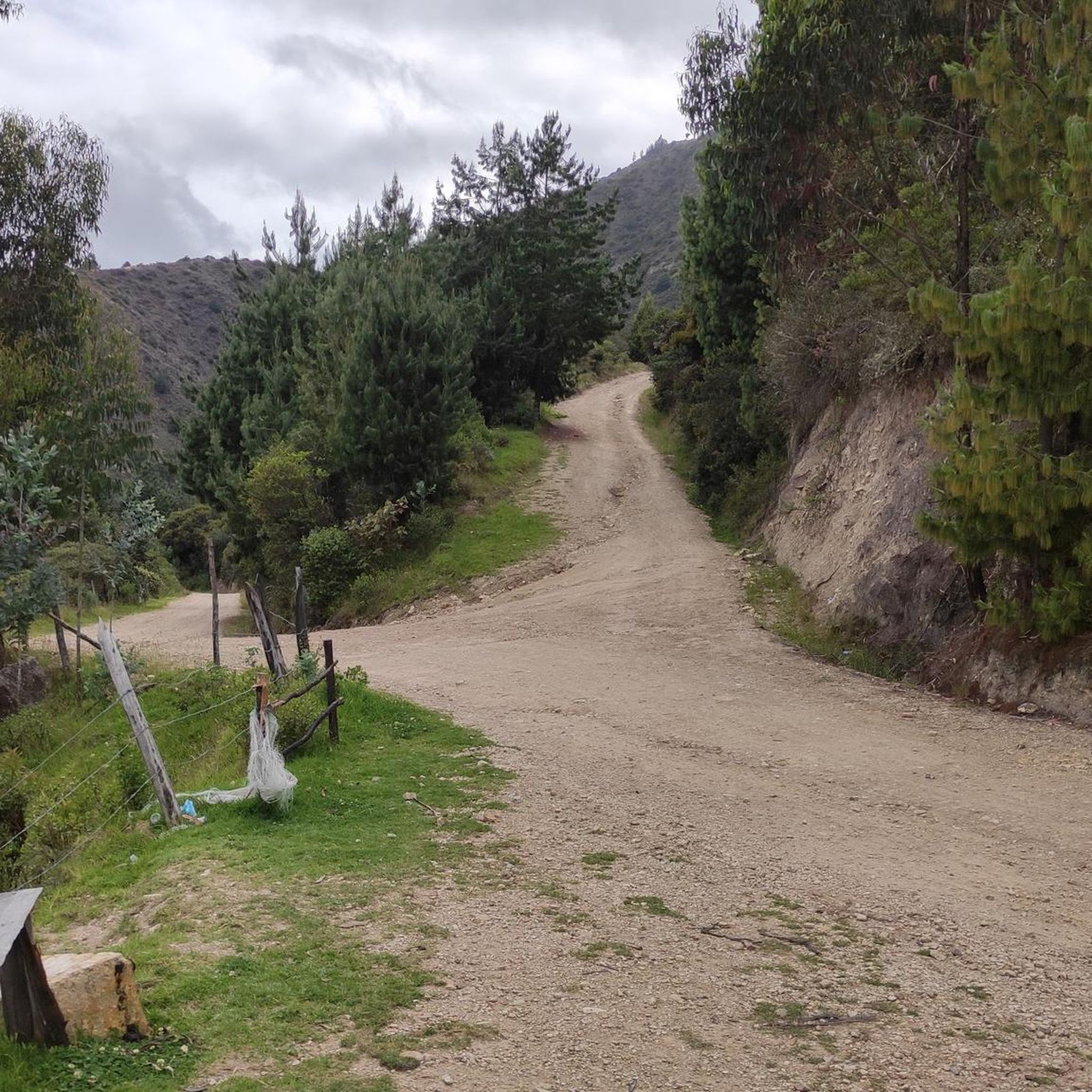
Running routes in Floresta traverse a truly unique landscape. You'll encounter towering limestone columns and monoliths, often referred to as *estoraques*, which have been sculpted by erosion into a natural rift valley. The terrain includes sections of orange-colored sand, dry forest ecosystems, and varied elevations ranging from 1,450 to 1,900 meters above sea level. Some paths are flatter and suitable for a steady run, while others can be narrow, slippery, or feature steep drop-offs, offering a more challenging experience.
Are there running routes suitable for beginners or those looking for an easier run?
While Floresta's trails offer a range of challenges, there are no routes explicitly categorized as 'easy' in the current selection. However, several moderate routes could be suitable for beginners or those seeking a less strenuous run. For example, the Alto del Cogollo loop from Duitama is a moderate 9.4 km (5.8 miles) trail, and the Running loop from Santa Rosa de Viterbo is a moderate 9.0 km (5.6 miles) path. These offer a good balance of distance and manageable elevation.
What are the best routes for experienced runners seeking a challenge?
For experienced runners looking for a more demanding workout, Floresta offers several difficult routes. The Running loop from Duitama, at 15.7 km (9.8 miles), provides varied terrain and a significant challenge. Another difficult option is the Running loop from Duitama, which is 12.2 km long and features substantial elevation changes, perfect for pushing your limits.
How long are the running routes in Floresta?
The running routes in Floresta vary in length to suit different preferences. You can find shorter moderate loops, such as the Molino Tundama loop from Duitama at 5.56 km (3.45 miles), which takes about 35 minutes. Longer options include the 15.7 km (9.8 miles) Running loop from Duitama, typically completed in about 1 hour 44 minutes.
Are there any circular running routes available?
Yes, many of the running routes in Floresta are designed as loops, offering a convenient circular experience. Examples include the Alto del Cogollo loop from Duitama, the Running loop from Santa Rosa de Viterbo, and the Molino Tundama loop from Duitama. These circular paths allow you to start and finish at the same point, making logistics easier.
What is the best time of year to go running in Floresta?
The climate in Floresta is generally warm and dry. The dry season, typically from January to March, is often considered the best time for outdoor activities like running, as you'll likely encounter less rain and more stable weather conditions. However, it's always advisable to be prepared for heat by wearing light clothing, sunscreen, a hat, and carrying plenty of water, regardless of the season.
What kind of scenic views can I expect on the running trails?
Floresta's running trails offer truly spectacular and 'otherworldly' scenic views. You'll be immersed in a landscape dominated by unique limestone columns and monoliths, deeply carved canyons, and the striking contrast of orange-colored sand against green dry forest vegetation. Many trails climb to higher elevations, providing incredible panoramic vistas of these geological wonders. The serene atmosphere, often broken only by the sounds of nature, adds to the beauty.
What wildlife might I see while running in Floresta?
The Floresta region, particularly the Estoraques de Floresta, is rich in biodiversity. While running, keen-eyed visitors might spot various unique flora and fauna. The area is home to diverse bird species, including hawks and hummingbirds, as well as deer and a wide array of butterflies. The dry and sub-Andean forest ecosystems support this vibrant wildlife.
Are there any interesting landmarks or attractions near the running routes?
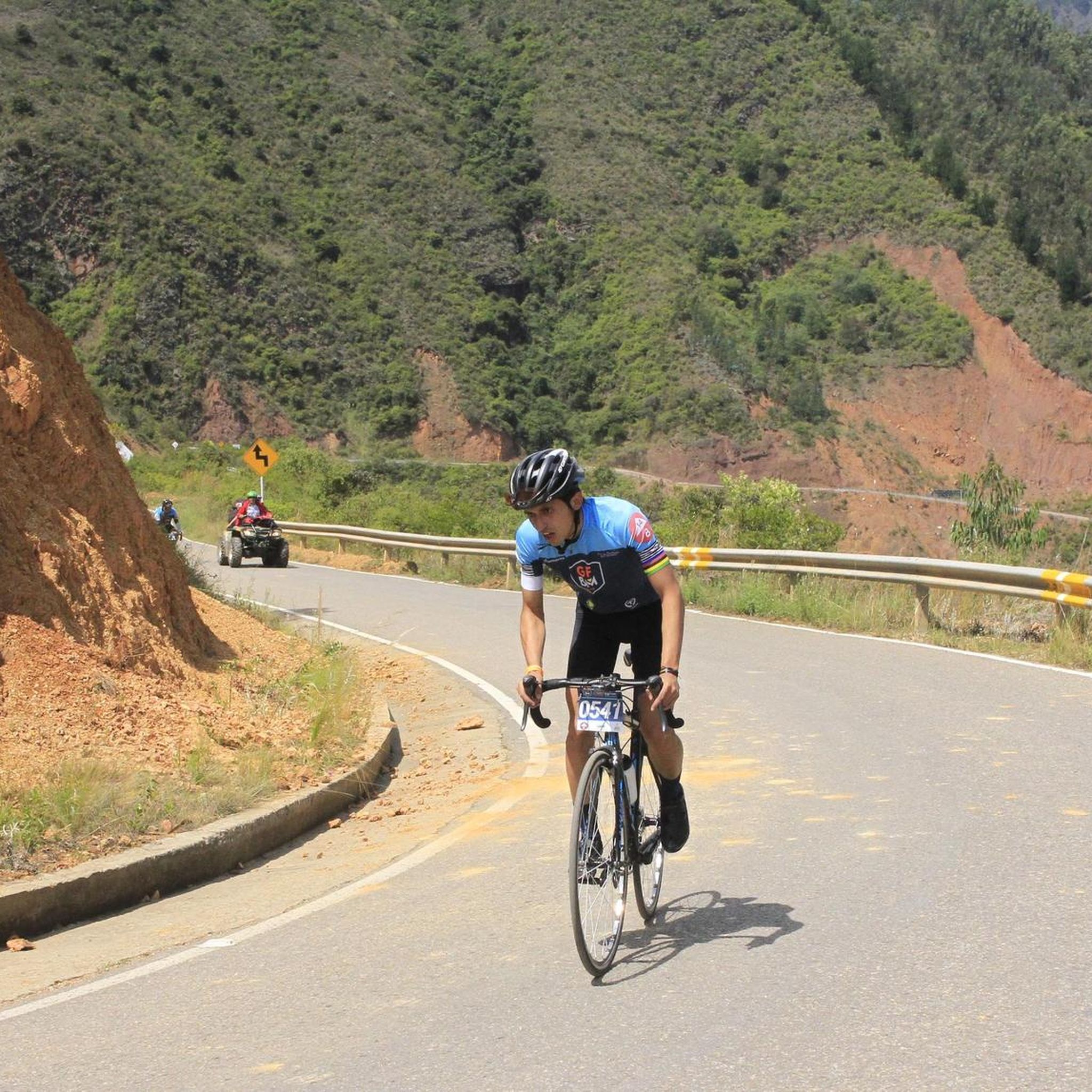
Yes, the region around Floresta offers several interesting landmarks. While running, you might be near sites such as the Church of the Virgin of the O of Morcá or the Shrine of the Virgin of the Cyclist. For those interested in natural formations, the Puerta de Cuche and Alto de Tobasía are notable mountain passes, and the Gámeza Canyon Climb offers another point of interest.
What do other runners enjoy most about jogging in Floresta?
Runners who have explored Floresta often praise the region's unique and 'otherworldly' geological formations. The experience of running amidst towering limestone columns and deeply carved canyons is frequently highlighted. The well-defined trails and the opportunity to immerse oneself in the dry forest ecosystem, with its diverse flora and fauna, also contribute to a highly rated experience. Many appreciate the panoramic views from higher elevations and the serene atmosphere.
Is public transport available to access the jogging trails in Floresta?
The region's main natural attraction, Estoraques de Floresta, is located near the charming colonial town of La Playa de Belén. While specific public transport routes directly to trailheads are not detailed, accessing the general area via public transport to nearby towns like La Playa de Belén or Duitama (from where several routes start) would be the most common approach. From these towns, local transport or taxis might be needed to reach specific starting points.
What should I wear and bring for a run in Floresta?
Given the generally warm and dry climate, especially during the dry season (Jan-Mar), it's recommended to wear light, breathable clothing. Sun protection is crucial, so a hat, sunglasses, and sunscreen are highly advisable. Due to varied terrain, including potentially narrow, slippery, or steep sections, appropriate slip-resistant footwear is essential. Always carry plenty of water to stay hydrated, as the heat can be significant.
Most popular attractions in Floresta

Get inspired with the komoot mobile app


Explore more
Browse the best Running Trails & Routes in other regions.
