Top 20 Lakes around Bonheiden
Lakes around Bonheiden primarily consist of ponds, wetlands, and canals, offering diverse natural areas for recreation. The region, situated in the Dijle valley, features ecologically significant water bodies that contribute to local biodiversity. These areas provide opportunities for walking, cycling, and birdwatching. Recent efforts have expanded wet natural areas, enhancing water buffering and recreational paths.
Best lakes around Bonheiden
- The most popular lakes is Vrijbroekpark Gardens, an other natural area that serves as a 65-hectare green space on the…
Last updated: October 5, 2026
Mispeldonk Nature Reserve
Highlight • Natural
Translated by Google •
Tip by

Rotselaar Lake (Ter Heide)
Highlight • Lake
Translated by Google •
Tip by

Sign up now to discover places like this
Get recommendations on the best single tracks, peaks, & plenty of other exciting outdoor places.
The Putten van Lacourt
Highlight • Lake
Translated by Google •
Tip by

The Lake of Rotselaar
Highlight • Lake
Translated by Google •
Tip by
Eglegem Pond
Highlight • Lake
Translated by Google •
Tip by

Sign up for free to discover even more lakes around Bonheiden.
Already have an account?
Start today with a free account
Your next adventure awaits.

Tips from the Community

The Eglegem Pond covers over 43 hectares and was created in the late 1960s as a sand extraction pit for the construction of the E19 motorway. During the winter, large flocks of waterfowl settle here, including shelduck, tufted duck, pochard, gadwall, grebe, coot, and black-headed gull. Eco-friendly bank and roadside management is being implemented around the Eglegem Pond.
6
0


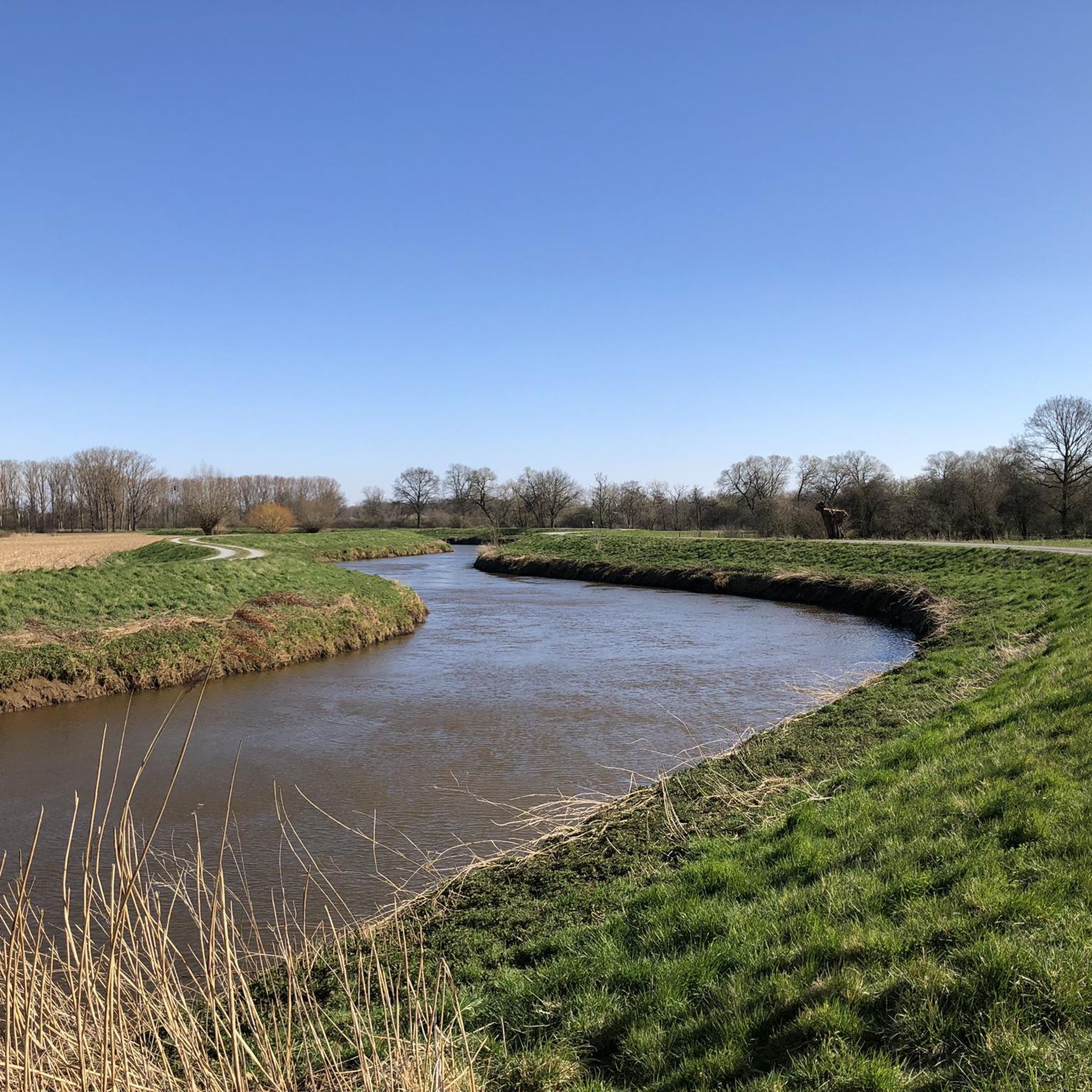
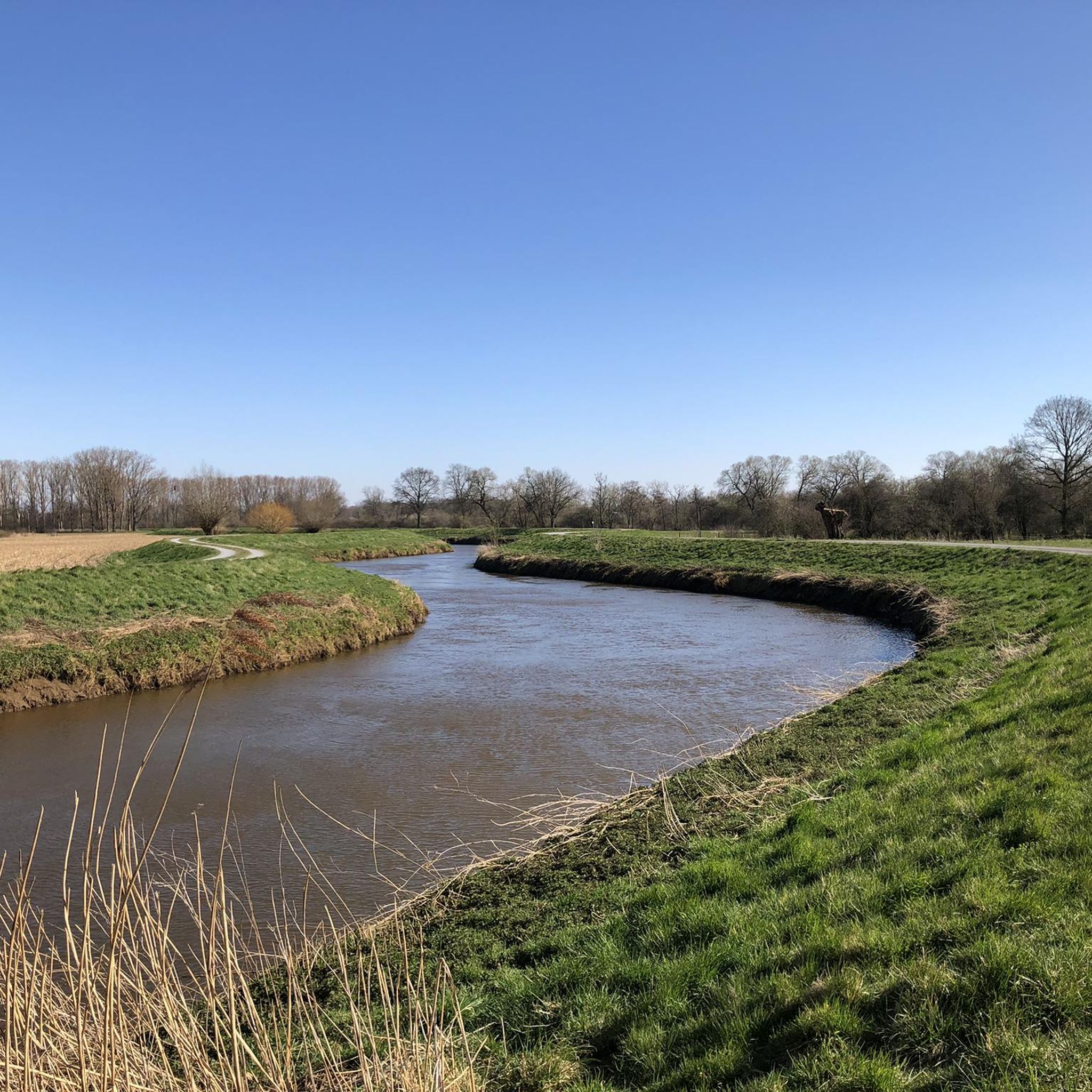
Mispeldonk Nature Reserve is a beautiful and valuable nature reserve in Bonheiden, located in the province of Antwerp. The area is known for its unique ecosystems, rich biodiversity and the natural beauty of the landscape. Here are some key points about Mispeldonk: Location and Size Mispeldonk is located between Bonheiden and the nearby municipality of Rijmenam, along the banks of the Dijle. The area is part of the larger Dijle landscape, which is known for its wet meadows, meandering waterways and rich flora and fauna. Mispeldonk covers approximately 50 hectares and consists of a mix of marshlands, meadows, forests and ponds. Ecological Importance Mispeldonk is a protected nature reserve because of its special ecological value. The area has a typical structure of a flood plain of the Dijle, which makes it an important habitat for many plant and animal species: • Flora: Various rare and protected plant species grow in the area, such as marsh marigolds, cuckoo flowers and water violets. The wet grasslands and marshes provide unique vegetation that is less common elsewhere in the region. • Fauna: Mispeldonk is an important habitat for birds such as the bluethroat, water rail and reed warbler. Amphibians such as the crested newt and the green frog can also be found there. Furthermore, the area is rich in insects, including butterflies and dragonflies, that thrive in the moist environment. Water management The nature reserve plays an important role in local water management. It is located in a flood-prone area along the Dijle and functions as a natural buffer against flooding. In the event of high water levels, the area can collect water and thus help prevent flooding in nearby villages. The nature reserve contributes to the preservation of water quality by filtering and purifying the water through natural processes. Recreation and Experience Mispeldonk is a popular place for nature lovers and hikers. The area is accessible via various hiking trails that lead through the meadows and forests. There are signposted routes that give walkers the chance to explore the diversity of the landscape and enjoy the peace and quiet of nature. Birdwatchers enjoy visiting the area because of the variety of bird species that can be seen, especially during the breeding season and the migratory bird periods. Management and Protection The nature reserve is managed by Natuurpunt, a Belgian organisation that is committed to nature conservation. Natuurpunt carries out management work to protect biodiversity and maintain the landscape. This includes mowing grasslands, removing invasive plant species and maintaining the walking paths. There is collaboration with local farmers for nature-friendly agriculture, whereby meadows are extensively grazed or mowed, so that they remain suitable for meadow birds and rare plants.
6
1

The Ter Heide domain, better known as 'De Plas van Rotselaar', was created in 1975 after sand extraction for the construction of the E314. The domain of approximately 23 hectares is divided into different zones, each with its own access road and specific recreational options: swimming, surfing, paddle boarding and fishing. Each zone has its own parking lot. More at https://www.toerismevlaamsbrabant.be/producten/Visits/bezienswaardeheden/domein-ter-heide--plas-van-rotselaar/
10
0
The Ter Heide domain, better known as 'De Plas van Rotselaar', was created in 1975 after sand extraction for the construction of the E314. The domain of approximately 23 hectares is divided into different zones, each with its own access road and specific recreational options: swimming, surfing, paddle boarding and fishing. Each zone has its own parking lot. More at https://www.toerismevlaamsbrabant.be/producten/Visits/bezienswaardeheden/domein-ter-heide--plas-van-rotselaar/
8
0

Beautiful walking area in nature
3
0

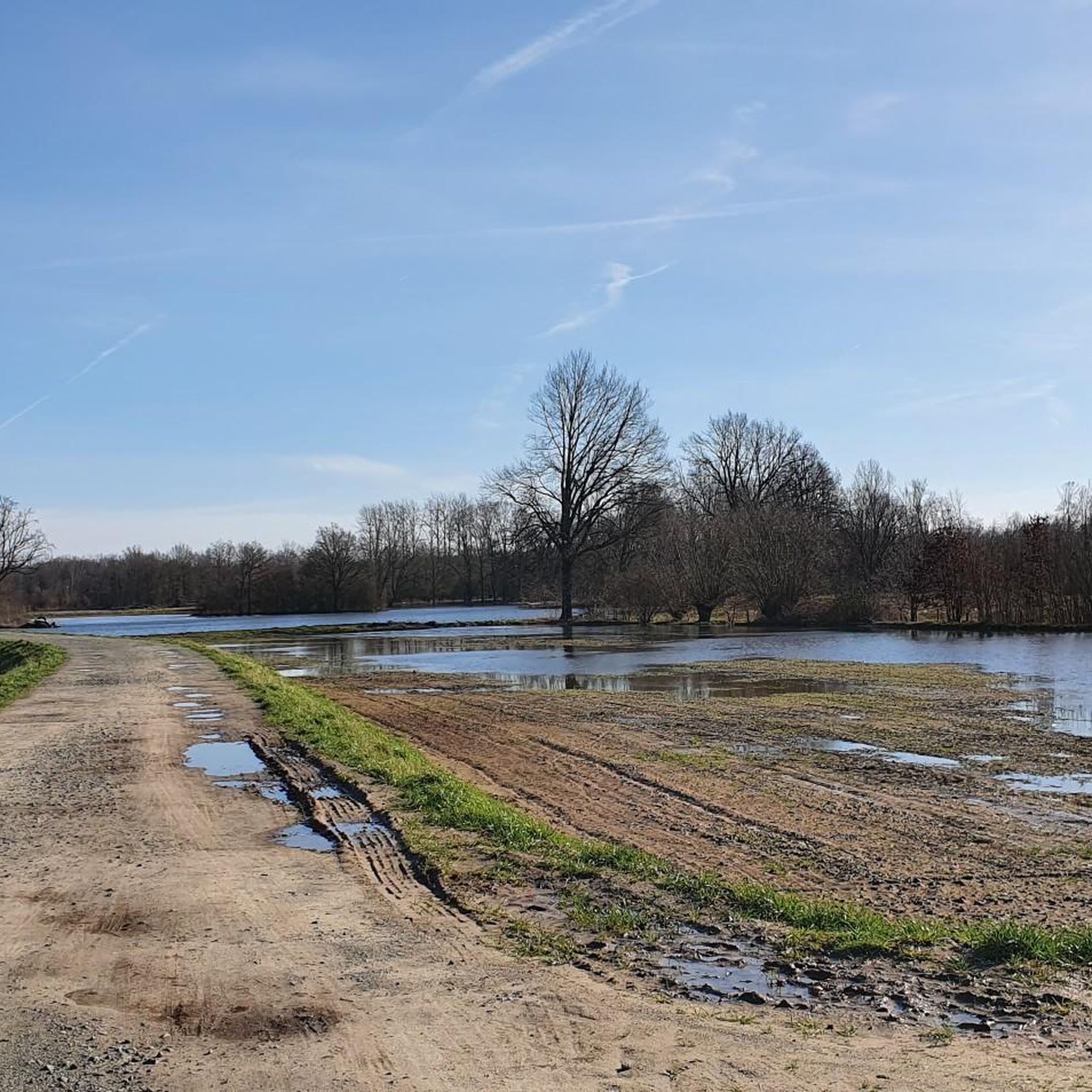
Watch out for rainy weather. The paths can be under water.
8
0
Frequently Asked Questions
What types of water bodies can I find around Bonheiden?
Around Bonheiden, you'll primarily find a diverse range of water bodies including ponds, wetlands, and canals, rather than large natural lakes. These areas are ecologically significant and offer opportunities for recreation, birdwatching, and enjoying nature.
Which natural areas with water are highly recommended near Bonheiden?
Highly recommended natural areas include Mispeldonk Nature Reserve, known for its varied landscapes and biodiversity, and Vrijbroekpark Gardens, a 65-hectare green space with a lake on the edge of Mechelen. Another popular spot is Rotselaar Lake (Ter Heide), a recreational domain open year-round.
Are there good places for birdwatching near Bonheiden's water areas?
Yes, several areas are excellent for birdwatching. The 'reservaatvijver' in Mechels Broek is a significant resting and feeding ground for numerous water birds, including blue throats, reed warblers, and garganeys. Mispeldonk Nature Reserve is also known for kingfisher sightings and a variety of other bird species.
What outdoor activities can I do near the lakes and water bodies in Bonheiden?
You can enjoy a variety of outdoor activities. Cycling is popular along the Nete Canal, which offers a beautiful, traffic-free route. Hiking is also a great option, with trails available in areas like Mispeldonk Nature Reserve. For more ideas, explore the cycling routes around Bonheiden or hiking trails around Bonheiden.
Are there family-friendly water areas around Bonheiden?
Yes, Vrijbroekpark Gardens is very family-friendly, offering a playground and ample green space for children. Rotselaar Lake (Ter Heide) is also considered family-friendly, combining various activities with a natural setting.
Can I bring my dog to the natural areas with water near Bonheiden?
In many natural areas, dogs are welcome but typically must be kept on a leash. For example, at Eglegem Pond, dogs must be on a leash. Always check local signage for specific rules in each reserve.
What are the best times to visit the water areas around Bonheiden?
Spring and autumn are excellent for birdwatching, as many species use these areas for resting and feeding during migration. In winter, large groups of ducks can be observed. The natural areas are generally pleasant for walking and cycling throughout the warmer months.
Are there any unique natural features to look out for in these water-rich areas?
Yes, Cassenbroek, partly in Bonheiden, features rare 'quaking bogs' (trilveen), described as a 'waterbed in the open nature,' which are extremely rare in Flanders. Mechels Broek is known for its pollard willows and the two large ponds created from sand extraction pits.
Where can I find easy walking trails near water in Bonheiden?
Many of the natural reserves offer easy walking paths. For instance, Vrijbroekpark Gardens provides refreshing walks. The Nete Canal also offers flat, traffic-free routes ideal for leisurely strolls or cycling. You can find various easy routes in the hiking guide for Bonheiden.
Is wild swimming permitted in the lakes around Bonheiden?
Wild swimming is generally not permitted in most natural ponds and reserves for safety and ecological reasons. For example, at Eglegem Pond, motorized water sports and swimming are not allowed. Recreational domains like Rotselaar Lake (Ter Heide) may offer designated swimming areas, but always check local regulations.
Are there cafes or restaurants near the natural water areas?
Yes, Vrijbroekpark Gardens has a brasserie on-site. For other areas, you might find cafes or restaurants in nearby towns or villages, especially around Mechelen, which borders some of these natural reserves.
How accessible are these water areas by public transport?
Accessibility by public transport varies by location. Mechels Broek and Vrijbroekpark Gardens are on the edge of Mechelen, which has good public transport connections. For more remote reserves like Cassenbroek or Mispeldonk Nature Reserve, public transport might require a combination of bus and walking, or a car.
Most popular routes around Bonheiden
Most popular attractions around Bonheiden

Get inspired with the komoot mobile app


Explore more
Still not found your perfect lake around Bonheiden? Check out the guides of these regions to see even more beautiful places.
