The best gravel rides in Circasia
5.0
(1)
36
riders
5
rides
Gravel biking in Circasia features challenging routes through a landscape characterized by significant elevation changes and varied terrain. The region's gravel bike trails often traverse rural areas, offering extensive climbs and descents. These routes connect villages and viewpoints, providing a demanding experience for riders. The area's topography is well-suited for difficult gravel biking.
Best gravel bike trails in Circasia
- The most popular gravel bike trail is Filandia – Arabia Village Entrance loop from Filandia, a 54.5 miles (87.7 km)…
Last updated: July 9, 2026
20
riders
87.7km
06:09
1,600m
1,600m
Hard gravel ride. Very good fitness required. Mostly paved surfaces. Suitable for all skill levels.
7
riders
28.6km
02:19
640m
650m
Hard gravel ride. Very good fitness required. Mostly paved surfaces. Suitable for all skill levels.

Sign up for free
4
riders
41.8km
03:27
780m
780m
Hard gravel ride. Very good fitness required. Mostly paved surfaces. Suitable for all skill levels.
2
riders
21.9km
02:32
910m
910m
Hard gravel ride. Very good fitness required. Mostly paved surfaces. Suitable for all skill levels.
5.0
(1)
3
riders
29.5km
02:27
790m
790m
Hard gravel ride. Very good fitness required. Mostly paved surfaces. Suitable for all skill levels.
Our route recommendations are based on thousands of hikes, rides, and runs completed by other people on komoot.
Start today with a free account
Your next adventure awaits.
Login or Signup

Tips from the Community

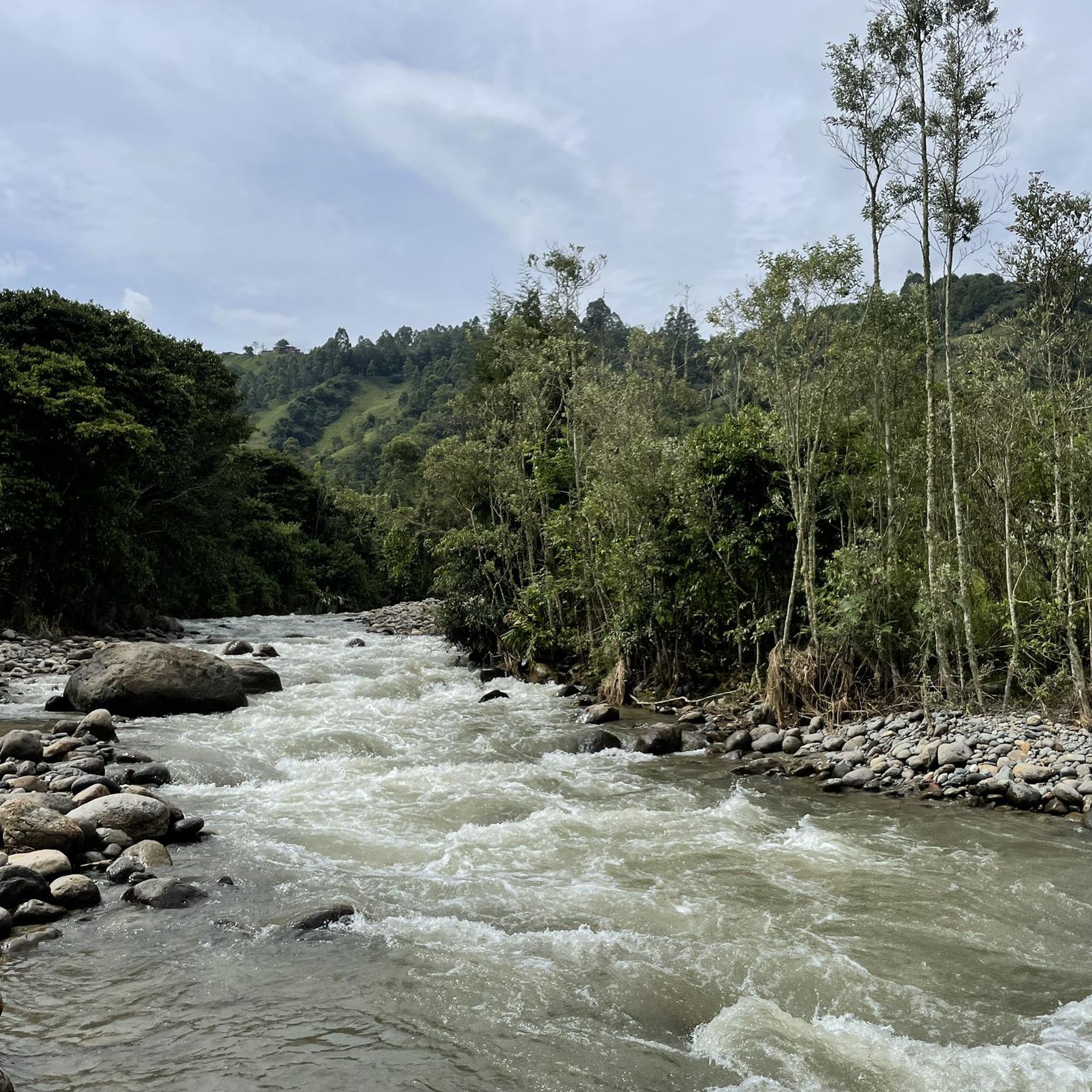
The "Path to the River" refers to a trail leading down from the farm to the Río Quindío. The Finca is located about 4 km (approx. 1 hour on foot or 20 minutes by car/Willy-Jeep) southwest of Salento. A crystal-clear river flows about 300 meters below the farm. A marked path leads through the coffee plantations and a bamboo forest directly to the water. Alternative return route: Hikers often use a flat path along the river, which leads to the village of Boquía in about 35 minutes. From there, you can conveniently take a bus back to Salento to avoid the steep uphill return to the farm. In addition to river access, the farm offers guided tours.
0
0
The Calle Real (Carrera 6) is the pulsating heart of Salento and is considered one of the most photogenic streets in Colombia. The street is famous for its well-preserved colonial architecture. The two-story houses with their brightly painted balconies, doors, and window frames are the hallmark of the village. On the ground floors, you will find countless small shops selling traditional handicrafts, jewelry made from coffee beans, hand-woven ponchos (Ruanas), and of course, locally roasted specialty coffee.
0
0
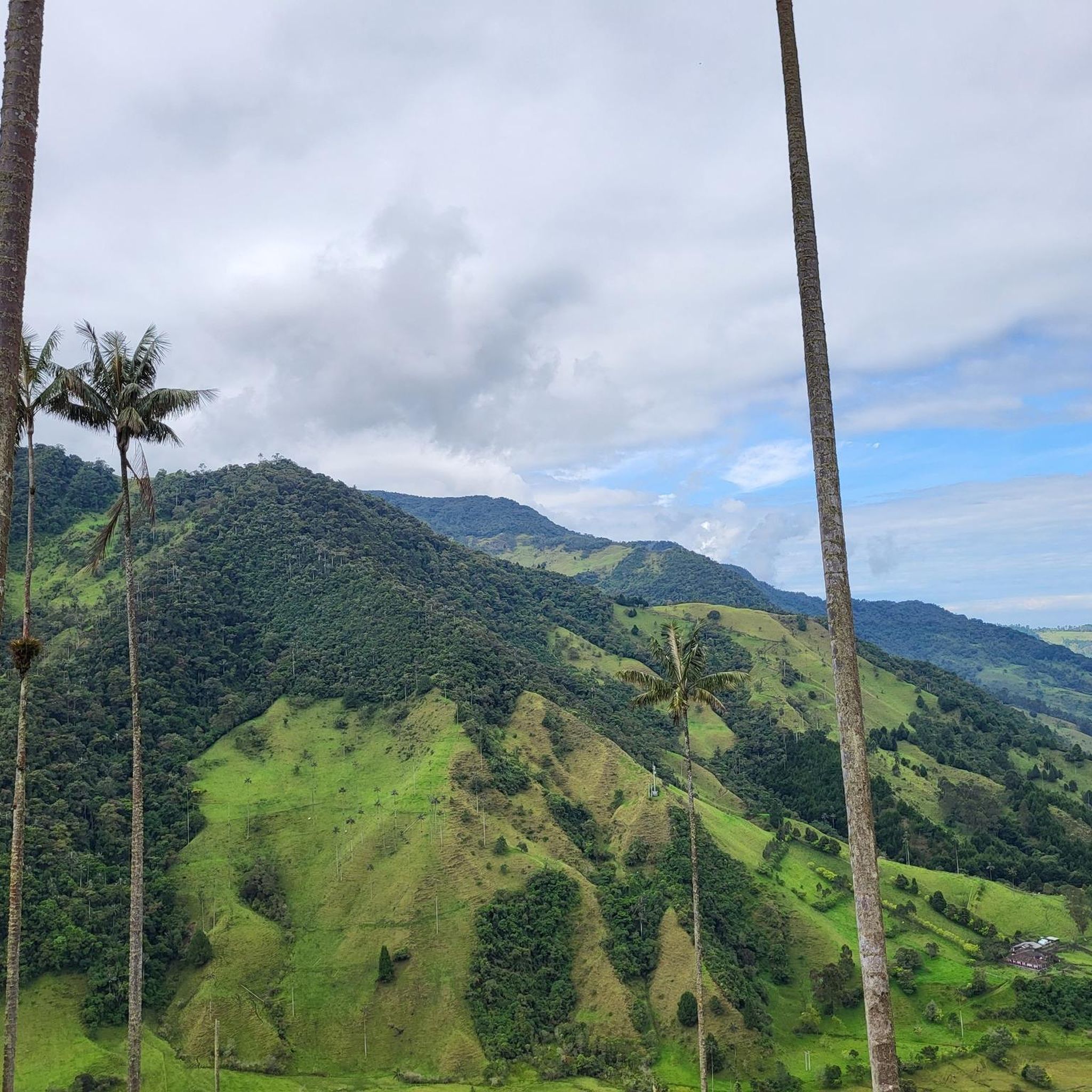
A colorful municipality in the Colombian coffee region (Eje Cafetero), known for its colonial architecture and natural wonders. Famous for the wax palms (national tree of Colombia) up to 60 meters high. Culture: Colorful house facades in the Calle Real and numerous traditional coffee farms (Fincas) offering tours.
1
0
A colorful municipality in Colombia's Coffee Region (Eje Cafetero), known for its colonial architecture and natural wonders. Famous for the wax palms up to 60 meters high (Colombia's national tree). Culture: Colorful house facades in the Calle Real and numerous traditional coffee farms (Fincas) offering tours.
0
0
Plaza de Bolívar is the pulsating heart of Salento. This central square is known for its vibrant atmosphere, surrounded by colorful colonial buildings housing numerous restaurants, cafes, and artisan shops. Directly on the square stands the striking yellowish church of Nuestra Señora del Carmen. In the middle of the park, a statue of the liberator Simón Bolívar is enthroned. The square is the main hub for the famous Willys jeeps that transport hikers to the nearby Cocora Valley. Here you can try the local specialty trout with Patacón (fried plantains). On weekends, the square often transforms into a market with local crafts and street food.
0
0

Calle Real has many shops. It's quite lively and perfect for a leisurely stroll. One of the best places to discover Salento.
0
0
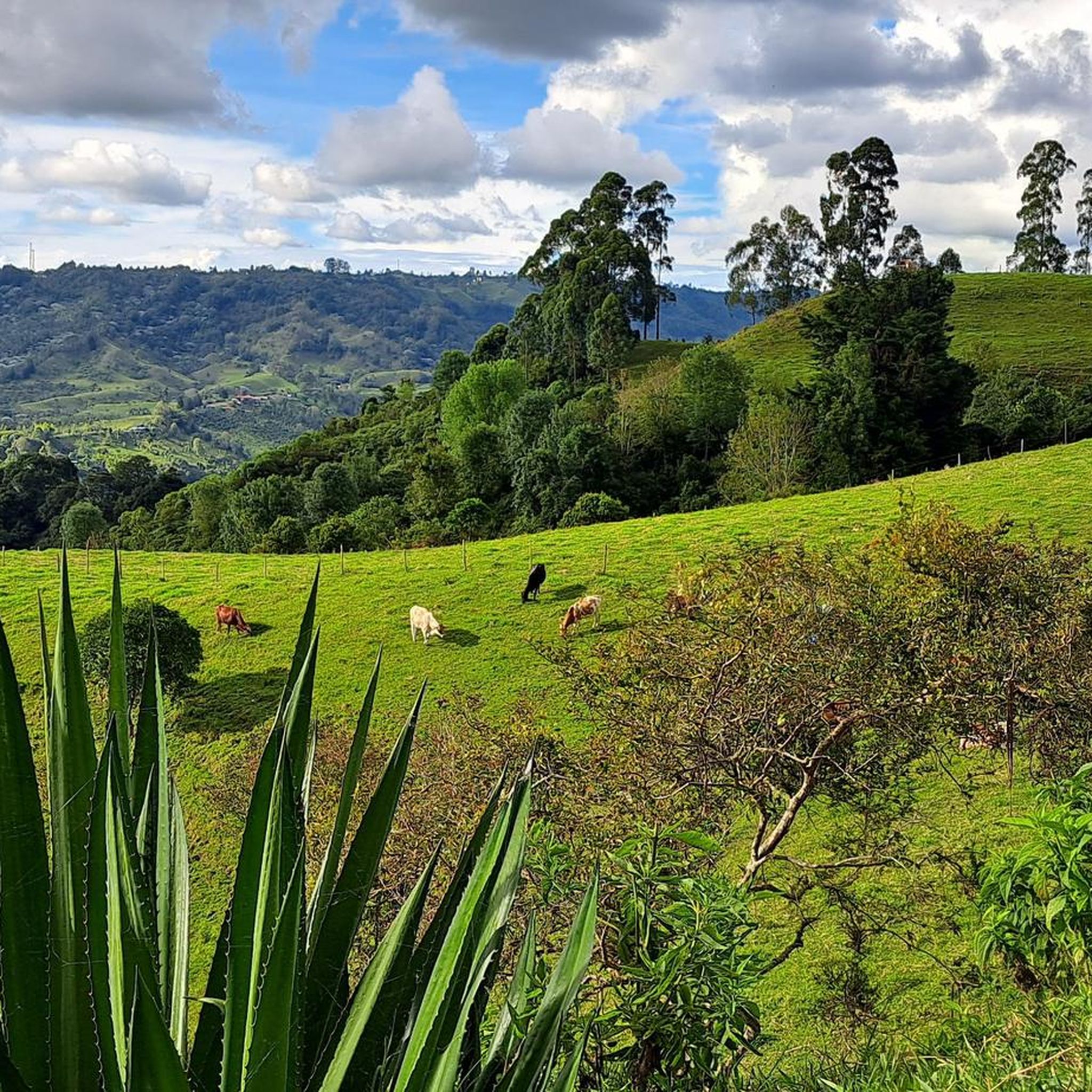
Among colorful houses, gentle hills, and viewpoints that appear unexpectedly, Salento is a charming town. The best way to experience it is to enjoy its surroundings at a leisurely pace.
1
0

Frequently Asked Questions
What is the general difficulty level of gravel bike trails in Circasia?
Gravel biking in Circasia is characterized by challenging routes with significant elevation changes and varied terrain. The trails often feature extensive climbs and descents, making them primarily suited for experienced riders seeking a demanding experience. All five routes currently listed are rated as difficult.
Are there any beginner-friendly or easy gravel bike trails in Circasia?
Currently, all gravel bike routes listed for Circasia are rated as difficult, featuring substantial elevation gain and varied terrain. There are no easy or moderate routes specifically designated for beginners in this guide.
What are the typical lengths of gravel bike routes in Circasia?
The gravel bike routes in Circasia vary in length, generally ranging from approximately 17.8 miles (28.6 km) to 54.5 miles (87.7 km). For example, the Filandia – Mirador Altobonito loop from Filandia is 17.8 miles, while the Filandia – Arabia Village Entrance loop from Filandia is 54.5 miles.
Are there any circular gravel bike routes available in Circasia?
Yes, all the gravel bike routes highlighted in Circasia are designed as loops. This allows riders to start and finish at the same point, such as the Filandia – Intertwined Trees loop from Filandia or the Plaza de Bolívar, Salento – Salento loop from Salento.
What kind of scenic views or natural attractions can I expect along the gravel trails?
Circasia's gravel trails offer diverse scenery, including rural landscapes, forested areas, and panoramic viewpoints. You can find highlights like the Illuminated Hill Viewpoint, Filandia, and natural features such as the Santa Rita Waterfall and Natural pools. Some routes also pass through areas with unique features like the Intertwined Trees.
Are there any cultural or historical points of interest near the gravel biking routes?
Yes, the region offers cultural points of interest. For instance, you might encounter coffee farms, such as the El Ocaso Coffee Farm, which provides insight into the local coffee culture. The routes often connect villages, offering a glimpse into local life.
What do other gravel bikers say about the trails in Circasia?
The gravel biking routes in Circasia are highly rated by the komoot community, with an average score of 5.0 stars. Riders often praise the challenging climbs, the beauty of the rural roads, and the scenic viewpoints encountered along the way.
Are there specific areas for mountain biking or bike parks in Circasia?
While the gravel routes are challenging, Circasia also has dedicated areas for mountain biking. You can explore highlights like the La Frontera – Julia, Piamonte, Halcón MTB Route, Boquía Crossing, and Alegrias Canyon, which are popular among local riders.
What is the best time of year to go gravel biking in Circasia?
Given the region's tropical climate, Circasia generally experiences consistent temperatures year-round. However, it's advisable to check local weather forecasts for rainfall patterns, as wet conditions can make the already challenging gravel trails more difficult. The dry season typically offers more favorable riding conditions.
Are there any family-friendly gravel biking options in Circasia?
Due to the challenging nature of the terrain, with significant elevation changes and difficult grades, the gravel bike trails in Circasia are not typically recommended as family-friendly options for younger children or inexperienced riders. The routes are primarily suited for experienced cyclists.
Can I find places to eat or drink near the gravel bike trails in Circasia?
Many routes connect villages and pass through rural areas, increasing the likelihood of finding local eateries or cafes. Filandia and Salento, which serve as starting points for several routes, offer various amenities where you can refuel before or after your ride.
What kind of wildlife might I encounter on the gravel trails in Circasia?
The rural and forested areas traversed by Circasia's gravel trails are home to diverse wildlife. While specific sightings cannot be guaranteed, riders might encounter various bird species, small mammals, and insects characteristic of the region's ecosystems. Maintaining a respectful distance and observing quietly is recommended.
Most popular attractions in Circasia

Get inspired with the komoot mobile app


Explore more
Browse the best Gravel rides in other regions.
