Attractions and Places To See around Kamakou - Top 10
Best attractions and places to see around Kamakou are found on Molokai's highest peak, a significant natural treasure known for its lush rainforest and native ecosystems. This region, considered a "realm of the gods" by ancient Hawaiians, is a critical source of fresh water and home to numerous endemic species. Kamakou features diverse natural landmarks and culturally significant sites, offering a unique glimpse into Hawaii's ecological and historical heritage.
Best attractions and places to see around Kamakou
- The most popular…
Last updated: October 19, 2026
Waikolu Lookout & Pēpē'ōpae Bog Trailhead
Highlight • Viewpoint
Tip by

Pēpēʻōpae Bog Trail
Highlight (Segment) • Trail
Tip by

Sign up now to discover places like this
Get recommendations on the best single tracks, peaks, & plenty of other exciting outdoor places.
One Ali'i Beach Park
Highlight • Beach
Tip by
Kamehameha V Highway
Highlight (Segment) • Cycleway
Tip by
Kalaupapa National Historical Park
Highlight • Historical Site
Tip by

Hālawa Beach Park (Kama'alaea and Kawili Beaches)
Highlight • Beach
Tip by
Wailau Trail
Highlight (Segment) • Trail
Tip by

Phallic Rock
Highlight • Natural Monument
Tip by
Start today with a free account
Your next adventure awaits.

Other adventures around Kamakou

Tips from the Community

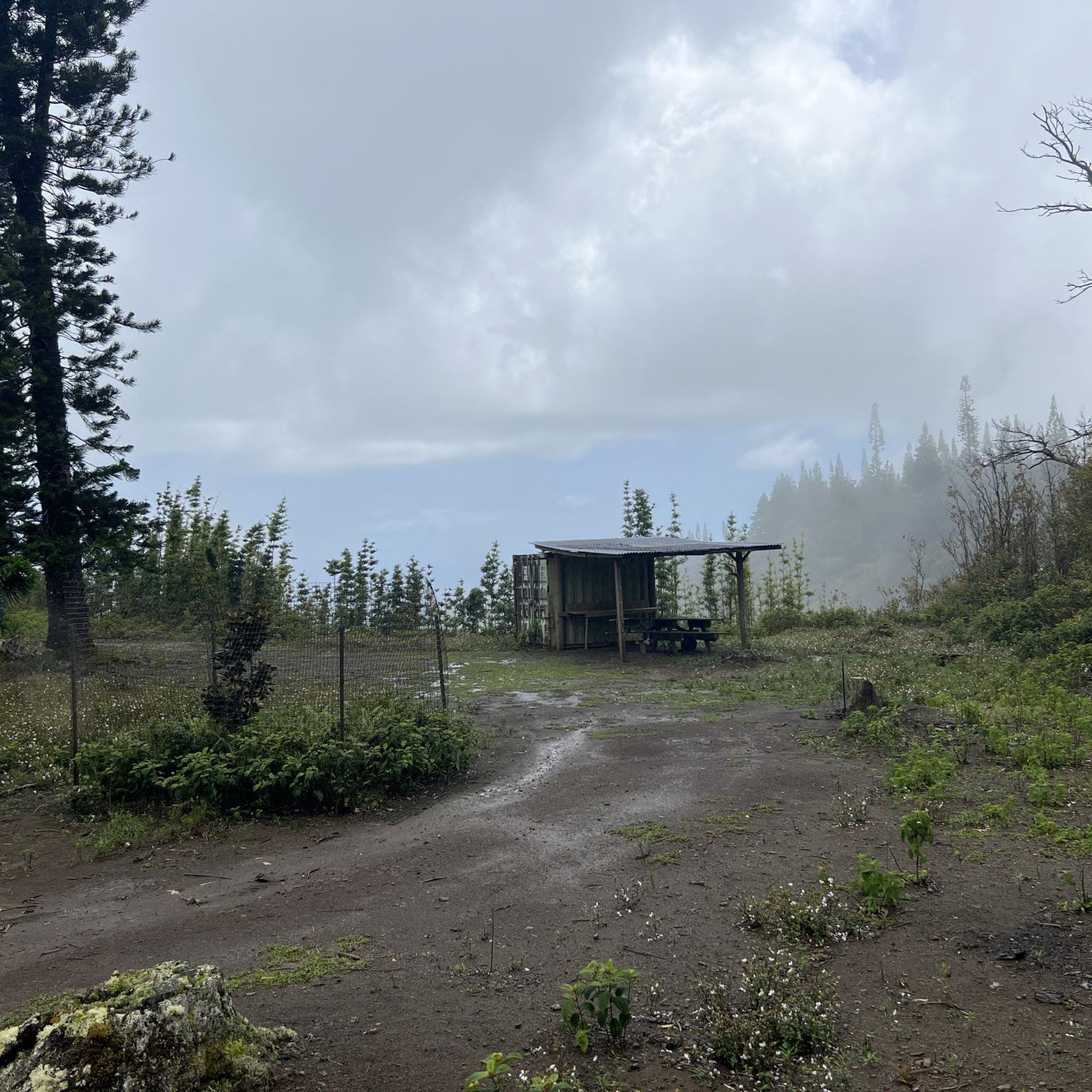
Reaching this trailhead for the Pēpē'ōpae Bog Trail requires a 4WD vehicle with good ground clearance and some serious driving skills — you're basically tackling an old bulldozer track — but it's worth the effort as long as the skies in the mountains are clear. You'll reach the trailhead via the Maunahui-Makakupaʻia Access Road. The Homelani Cemetery is on this road, too, but you'll keep driving past it for almost 12 miles before reaching the trailhead in Molokai Forest Reserve. Be aware that many GPS navigation apps will steer you down wrong turns, so pay attention to the landmarks.
0
0

As you run along this road, you'll be surrounded by the beauty of Molokaʻi's East End, where you can spot natural wonders on both sides. On your left, you'll see Kamakou, Molokaʻi's highest mountain, while on your right, you can witness Hawaiʻi's longest continuous fringing reef that spans over 28 miles. This peaceful highway is perfect for an extended run, offering stunning views the entire way.
0
0
Ali'i Beach Park has two sections, I and II, next to each other on Kamehameha Highway. The beach is narrow and not great for swimming due to shallow and rocky water; however, it has a nice open space, making it a lovely location for fishermen and picnickers to enjoy the park. The park is named after Ali'i Fishpond, with two monuments commemorating the 75th and 100th anniversaries of Japanese immigration to Hawaii.
0
0
The Pepe'opae Bog Trail is a stunning boardwalk leading you through unique natural Hawaiian flora, offering a metal grid strip to ensure better footing and protect the native plants. As you embark on this trail, be prepared for steep, narrow pathways that demand good tread on your running shoes. The effort is worth it, as this is one of the most beautiful trails on Maui. Along the way, you will be surrounded by a dense forest for the most part, with some sections that open up to breathtaking views.
0
0

When Hansen's disease was introduced to the Hawaiian Islands, King Kamehameha V banished all afflicted to the isolated Kalaupapa. Today, 4 people with leprosy still live here. The colony is now included within Kalaupapa National Historical Park. Hawai'i State law requires all individuals to secure a permit prior to entering Kalaupapa National Historical Park. For the general public, that is typically done in a guided tour, when permitted. This town is vvery isolated with no shipping, dining, or hospitals.
0
0

The Wailau Trail is a scenic and rugged hiking trail, that provides an adventurous journey through the island's remote wilderness. It offers breathtaking views of the ocean in the distance, lush valleys and dense forest.
0
0
Shaped like a phallus, this ancient lava formation holds spiritual and historical significance in Hawaiian culture. There are multiple of those geological formations on the islands of Hawaiʻi, but this one is preserved the best. It is said, that when a woman brings offerings to the rock and stays for the night, she will return home pregnant.
0
0
Hālawa Beach Park is located in beautiful Halawa Bay on Molokai's east shore. The park has two beaches, Kama'alaea Beach and Kawili Beach. These black sand beaches are separated by a rocky point. Kawili Beach is a little rocky and more exposed, whereas Kama'alaea has a curving beach with more white sand.
0
0
Frequently Asked Questions
What unique natural features can I explore in Kamakou?
Kamakou is renowned for its pristine natural environment. You can explore the Pēpēʻōpae Bog Trail, which leads through a unique miniature primeval forest on a boardwalk. The preserve also features the highest mountain on Molokai, Kamakou Peak, and the lush Waikolu Valley, visible from the Waikolu Lookout. The region is a critical source of fresh water and home to numerous endemic plant and bird species.
Are there any significant cultural or historical sites near Kamakou?
Yes, Kamakou holds deep cultural significance for Hawaiians, with ancient chants and stories referencing its native forest. A notable historical site is the Sandalwood Pit, located along the road to Kamakou Preserve, where sandalwood was historically harvested. Additionally, Kalaupapa National Historical Park is also nearby, offering a profound historical experience.
What hiking trails are available in and around Kamakou?
The most popular hiking attraction is the Pēpēʻōpae Bog Trail, a 3-mile round-trip boardwalk through the cloud forest. Other trails include the challenging Wailau Trail. For more hiking options, you can explore various routes in the area, such as Moaʻula Falls or the Pēpēʻōpae Bog Trail to Pelekunu Valley Overlook, by visiting the Hiking around Kamakou guide.
How do I access the Kamakou Preserve and its trails?
Accessing Kamakou Preserve, including the trailhead for the Pēpēʻōpae Bog Trail, typically requires a four-wheel-drive vehicle. The road is rough, unmaintained, and can be steep and slippery. Many visitors opt for guided tours for easier access and navigation. The Waikolu Lookout & Pēpē'ōpae Bog Trailhead is a key access point.
Are there family-friendly attractions or activities in Kamakou?
While some trails require a certain level of fitness, areas like Hālawa Beach Park and One Ali'i Beach Park are considered family-friendly, offering beaches for relaxation and picnicking. The boardwalk on the Pēpēʻōpae Bog Trail can also be an engaging experience for families, though the access road requires careful planning.
What kind of wildlife can I expect to see in Kamakou?
Kamakou Preserve is a sanctuary for native Hawaiian wildlife. It protects rare birds like the olomaʻo (Molokai thrush) and kākāwahie (Molokai creeper), as well as the Hawaiian owl (pueo) and various native land snails. The preserve is also home to over 250 species of native plants, many found nowhere else on Earth.
Where can I find scenic viewpoints in Kamakou?
The Waikolu Lookout & Pēpē'ōpae Bog Trailhead offers stunning views of the lush Waikolu Valley. Within the preserve, the Pelekunu Overlook provides breathtaking vistas of a deep valley flanked by some of the highest sea cliffs in the world, with the ocean visible on clear days.
What are the best beaches near Kamakou?
Near Kamakou, you can visit Hālawa Beach Park, which features two distinct black sand beaches, Kama'alaea and Kawili, separated by a rocky point. Another option is One Ali'i Beach Park, known for its open space, ideal for fishermen and picnickers.
What other outdoor activities can I do besides hiking?
Beyond hiking, the Kamakou area offers opportunities for cycling and running. You can explore routes like the Kamehameha V Highway Coastal Route for cycling or the Phallic Rock & Kalaupapa Lookout run. For detailed routes and guides, check out the Cycling around Kamakou and Running Trails around Kamakou guides.
What is the best time of year to visit Kamakou?
The Nature Conservancy offers monthly guided tours of the Kamakou Preserve from April to October, suggesting this period might be ideal for visiting, especially if you wish to join a guided experience. Generally, Hawaii's climate is pleasant year-round, but checking local weather conditions before your visit is always recommended.
What is the Kamehameha V Highway known for?
The Kamehameha V Highway offers stunning views of Molokaʻi's East End. As you travel along it, you can see Kamakou, Molokaʻi's highest mountain, on one side and Hawaiʻi's longest continuous fringing reef on the other. It's a peaceful route perfect for extended runs or scenic drives.
Are there any unique natural monuments in the area?
Yes, apart from the Pēpēʻōpae Bog, you can also find Phallic Rock, a natural monument with cultural significance, located near the preserve.
Most popular routes around Kamakou

Get inspired with the komoot mobile app


Explore more
Still not found the Highlight you’re looking for? See guides of the top attractions in other regions:
