Attractions and Places To See around Litija - Top 7
Best attractions and places to see around Litija are found within the Litija Basin, a region in Slovenia situated along the Sava River, east of Ljubljana. This area is characterized by rolling hills, lush forests, and the distinctive meanders of the Sava. Litija offers a blend of historical landmarks, natural features, and cultural sites. The landscape provides opportunities for outdoor activities and exploration of its geological and historical heritage.
Best attractions and places to see around Litija
- The most popular…
Last updated: October 18, 2026
Veliko Trebeljevo
Highlight • Settlement
Tip by

Valvazor Castle Bogenšperk
Highlight • Castle
Translated by Google •
Tip by

Sign up now to discover places like this
Get recommendations on the best single tracks, peaks, & plenty of other exciting outdoor places.
Bridge over the Sava
Highlight • Bridge
Translated by Google •
Tip by

Church of the Assumption of Mary, Zaplaz
Highlight • Religious Site
Translated by Google •
Tip by

Planina gravel road
Highlight (Segment) • Cycleway
Tip by

Zaplaz Forest Educational Trail
Highlight • Trail
Trail sign: the trademark is the "god's tree" or common thistle
Special features: pilgrimage …
Translated by Google •
Tip by

Bogenšperk Castle Café Terrace
Highlight • Cafe
The castle houses a museum, a gallery, and a castle tavern.
Tip by

Start today with a free account
Your next adventure awaits.
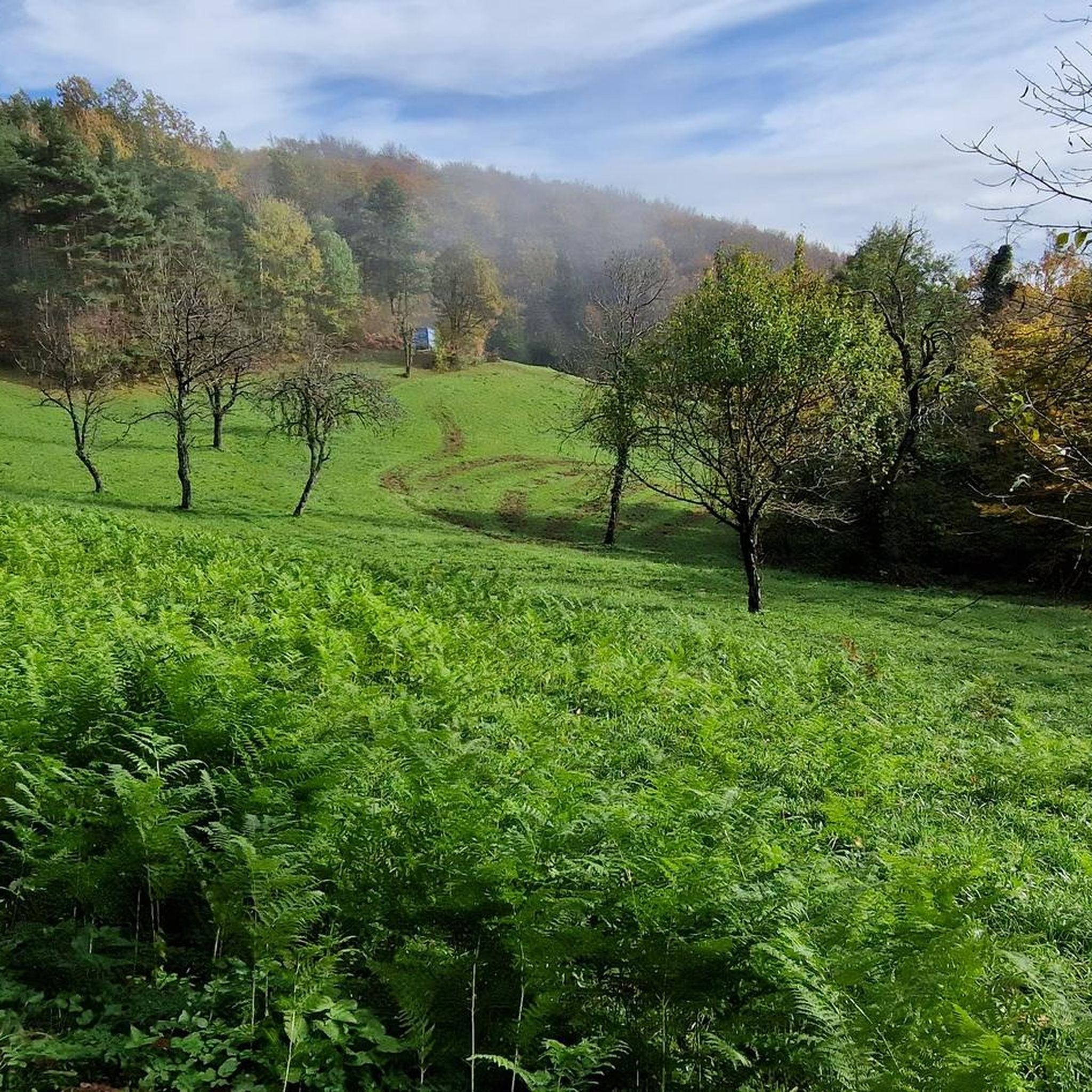
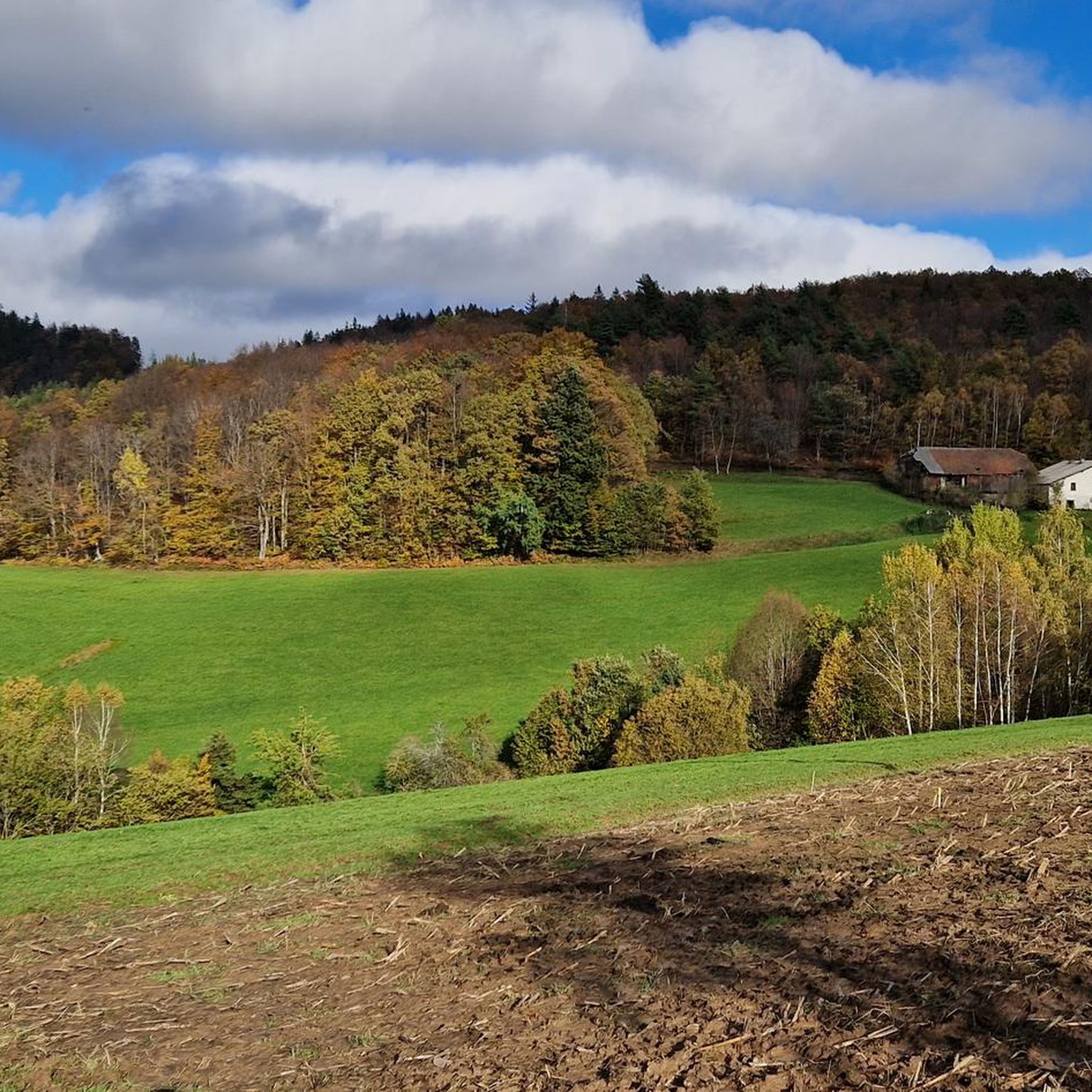

Other adventures around Litija

Tips from the Community

Bogenšperk Castle is a fully restored property and, due to its history, is considered one of Slovenia's most important cultural and historical monuments. It is open to the public and houses a museum. More information: https://bogensperk.si/.
0
0

A beautiful castle on a high hill surrounded by forests. It offers sweeping views over the high snow-capped mountains to Carinthia and Styria. The castle houses a museum, a gallery, and a castle tavern.
0
0


The Church of the Assumption of the Virgin Mary in Čatež is a famous pilgrimage church located on the 543 m high Zaplaz hill. It is a branch church of the Čatež - Zaplaz Parish and a diocesan pilgrimage center of the Diocese of Novo Mesto. It is also known as the final resting place of the Slovenian martyr, Blessed Lojze Grozdet, whose relics are located in the altar in the right side chapel.
0
0

Veliko Trebeljevo is a settlement in the Municipality of Ljubljana. The settlement is located on a ridge between the valleys of the Reka and Besnica streams. The first records of the place date back to 1145. In the middle of the settlement stands the church of St. Cross, which was erected by Stiški monks, because at that time the village belonged to Stiški monastery. The settlement is great starting point for different excursions into the nature, especially to the well-known excursion point Obolno (776 m). It is very popular amog cyclist. The climb from Lj. direction has an average of 7% - 9%.
0
0

huge church with a great view
0
0
Length: the longer route is 3 km, the shorter route is 1 km, both are circular Trail sign: the trademark is the "god's tree" or common thistle Special features: pilgrimage church, Maria's well with "healing water", Castle Hosta, viewpoint The beginning of the route: near the pilgrimage church in Zaplaz, a large entrance sign Access: turn off from the Velika Loka-Moravče local road to Zaplaz Difficulty of the route: walking in an undemanding predominantly forest environment, lighter field shoes are recommended. A shorter version is more suitable for school groups
0
0

As a descent this section is fast and super fun. The surface is generally pretty smooth so would make a good climb without the gradient being too harsh.
0
0
Frequently Asked Questions
What historical landmarks can I explore in Litija?
Litija is rich in history. You can visit Valvazor Castle Bogenšperk, a fully restored cultural monument housing a museum. Other notable historical sites include the Parish Church of St. Nicholas in Litija, the late 14th-century Church of St. Paul in Podpeč, and the mighty neo-Gothic Church of St. Martin in Šmartno pri Litiji.
Are there any natural attractions or features to see around Litija?
Yes, Litija offers beautiful natural landscapes. The Sava River, which flows through the area, features distinctive meanders and its geological history can be explored through the permanent collection of Sava River Pebbles at the Litija City Museum. The region is also characterized by rolling hills and lush forests, with notable spots like Veliki Vrh and Sitarjevec offering panoramic views. You can also visit Green Paradise Park for a landscaped environment.
What cultural experiences are available in Litija?
Litija provides several unique cultural insights. The Litija City Museum details the town's history as a mining, railway, and river hub, including a unique collection on Sava River transport. You can also explore the Sitarjevec Mine, one of Slovenia's oldest, known for its mineral wealth and fast-growing stalactites. Additionally, the Charcoal Land at Dole pri Litija preserves the ancient tradition of charcoal burning.
Where can I find unique or lesser-known attractions in the Litija area?
For unique experiences, consider visiting the Geometric Centre of Slovenia (GEOSS) in Spodnja Slivna, which marks the heart of the country. Nearby, the GEOSS Adventure Park offers treetop climbing. The prehistoric village of Vače features an enlarged replica of the famous Vače Situla, an Iron Age artifact. You might also enjoy the Museum of Legendary Keyboards – Polymelos, showcasing the evolution of keyboard instruments.
Are there family-friendly activities or attractions in Litija?
Families can enjoy several attractions. The Bridge over the Sava is a beautiful wooden bridge that's easy to visit. The Zaplaz Forest Educational Trail is suitable for families, and the Bogenšperk Castle Café Terrace offers a pleasant stop. The GEOSS Adventure Park provides active fun with treetop climbing routes for various ages, and the Smrčkov brlog homestead offers experiences with horses and other animals.
What kind of outdoor activities, like hiking or cycling, can I do near Litija?
Litija is an excellent starting point for outdoor excursions. You can find numerous possibilities for hiking and recreation, including trails along the Sava River like the Pustal Trail and Kresnice Gorge Trail. For specific routes, explore options like the St. Neža Chapel – Kum Mountain Hut loop or the Kucelj Summit loop. Cyclists can enjoy routes like the Planina gravel road, which offers a fast and fun descent. You can find more details on routes in the Hiking around Litija and Gravel biking around Litija guides.
Where can I find the best viewpoints around Litija?
For scenic views, the region around Litija offers several spots. Valvazor Castle Bogenšperk provides sweeping views over the surrounding area. The Church of the Assumption of Mary, Zaplaz, and the Planina gravel road also offer great vantage points. The hills surrounding Litija, such as Veliki Vrh and Sitarjevec, are known for their panoramic vistas.
Are there any religious sites or churches worth visiting in Litija?
Yes, Litija has several significant religious buildings. The Parish Church of St. Nicholas in the town center, built in 1884, features a special mosaic. Other notable churches include the Church of St. Paul in Podpeč, the impressive Church of St. Martin in Šmartno pri Litiji with its two 60-meter-high bell towers, and the pilgrimage route with three churches on Primskova Gora. You can also visit the Church of the Assumption of Mary, Zaplaz, and the Church of the Holy Cross (Veliko Trebeljevo).
What do visitors enjoy most about the attractions around Litija?
Visitors appreciate the blend of historical significance and natural beauty. The fully restored Valvazor Castle Bogenšperk is highly regarded for its history and museum. The Bridge over the Sava is noted as a beautiful wooden structure. Many also enjoy the opportunities for outdoor activities, with Veliko Trebeljevo being a popular starting point for nature excursions and cycling.
Can I find any waterfalls or water-related hikes near Litija?
While Litija is known for the Sava River, there are also opportunities for waterfall hikes in the broader region. You can explore routes like the Višnjica Waterfall loop or the Košca Waterfall loop. These trails offer a chance to experience the natural beauty of the area's water features. More details can be found in the Waterfall hikes around Litija guide.
Is there a good time of year to visit Litija to enjoy its attractions?
The region around Litija is generally pleasant to visit from spring through autumn, when the weather is ideal for exploring historical sites, enjoying the natural landscapes, and engaging in outdoor activities like hiking and cycling. The lush green forests and rolling hills are particularly vibrant during these seasons. While specific winter activities are not highlighted, the historical and cultural sites remain accessible year-round.
Most popular routes around Litija

Get inspired with the komoot mobile app


Explore more
Still not found the Highlight you’re looking for? See guides of the top attractions in other regions:
