The 5 Most Amazing Peaks around San Sebastiano Al Vesuvio
Mountain peaks around San Sebastiano Al Vesuvio are defined by the iconic Mount Vesuvius, an active stratovolcano and a dominant geological feature of the Campania region. The area is encompassed by the Vesuvius National Park, which offers diverse landscapes and a rich biodiversity. San Sebastiano Al Vesuvio is located at the foot of Vesuvius, providing direct access to the volcano's natural environment and historical significance. The region offers opportunities to explore volcanic formations and panoramic viewpoints.
Best mountain peaks around…
Last updated: July 2, 2026
Crater of Mount Vesuvius
Highlight • Volcano
Translated by Google •
Tip by

Cognoli Summit and Valle dell'Inferno
Highlight • Summit
Translated by Google •
Tip by

Sign up now to discover places like this
Get recommendations on the best single tracks, peaks, & plenty of other exciting outdoor places.
Sign up for free
Monte Somma Summit
Highlight • Summit
Translated by Google •
Tip by

Punta Nasone, Monte Somma – Trail no. 3, Parco Nazionale del Vesuvio
Highlight (Segment) • Summit
Translated by Google •
Tip by

Start today with a free account
Your next adventure awaits.
Login or Signup
Popular around San Sebastiano Al Vesuvio

Tips from the Community

From here we understand how small the affairs of the world are compared to the immensity of nature.
0
0
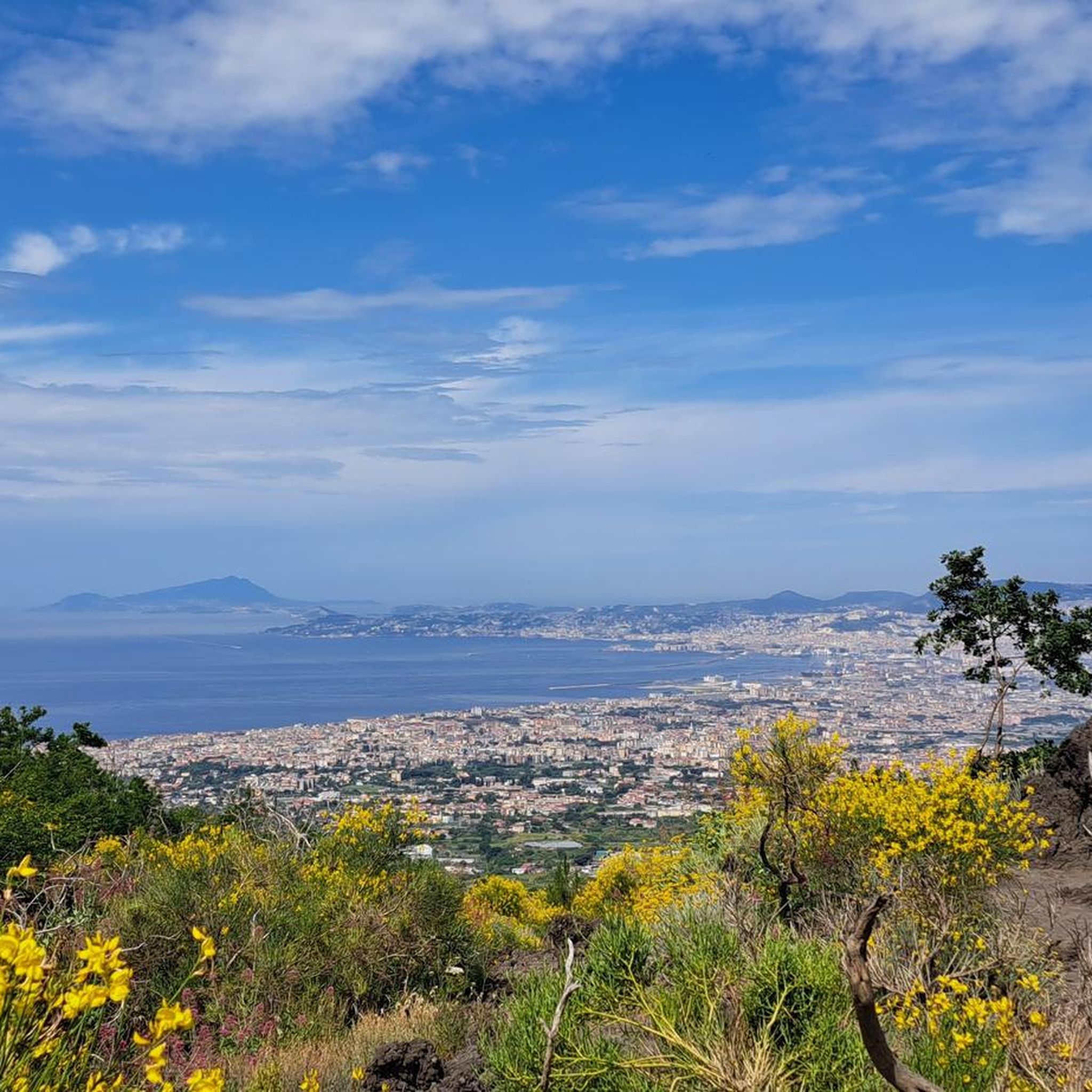
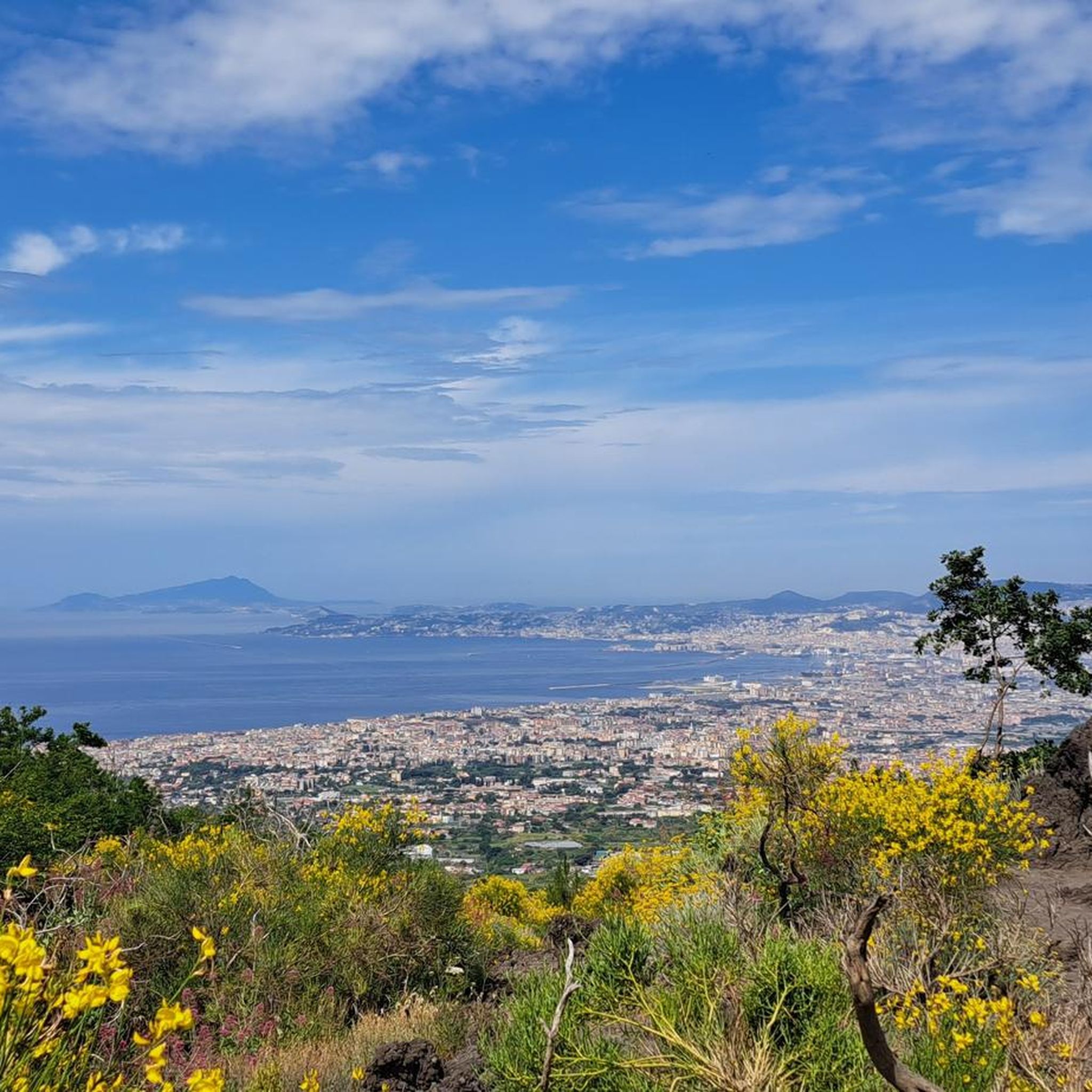
Spectacular view of Vesuvius, the Islands, the Benevento Mountains. The effort is highly recommended.
1
0

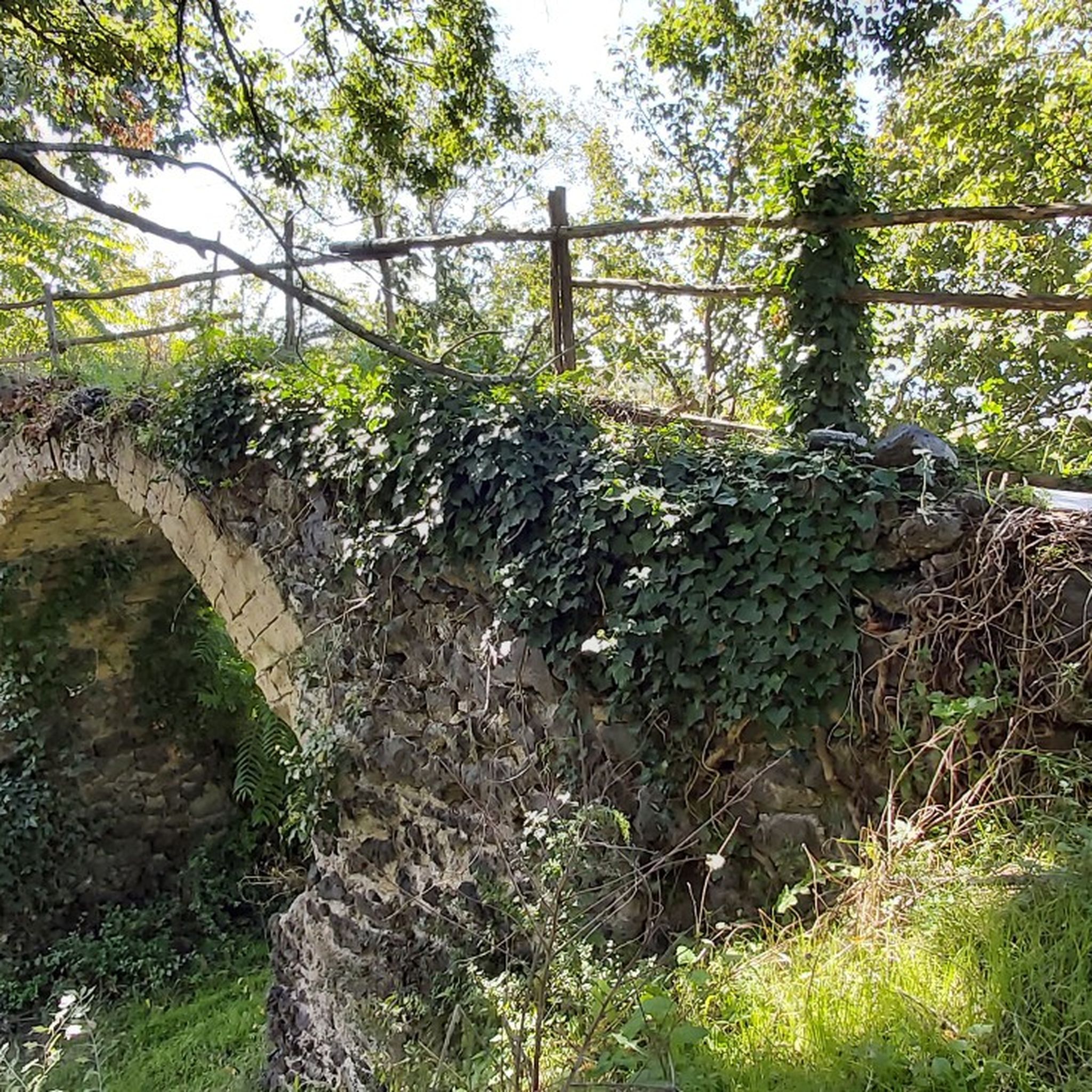
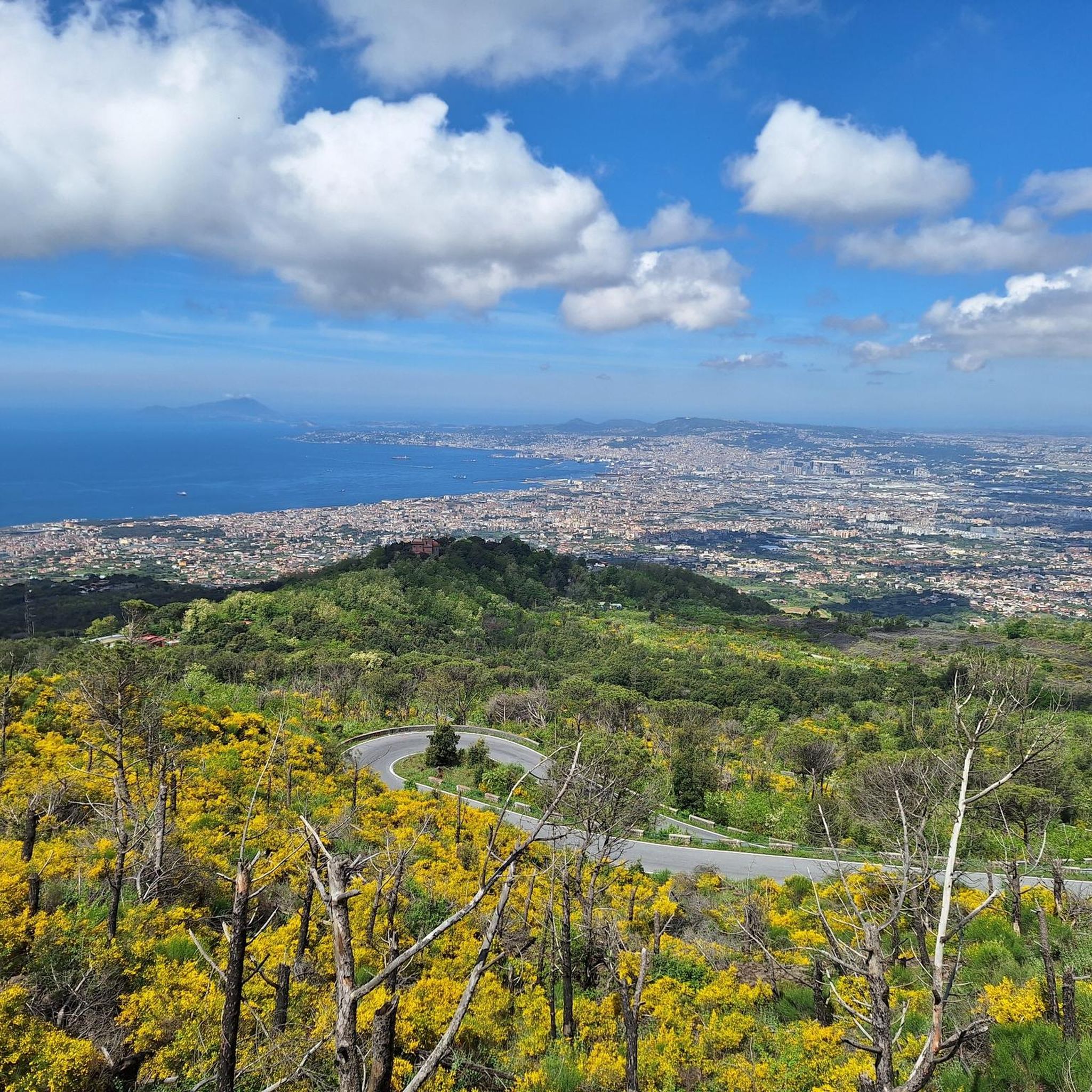
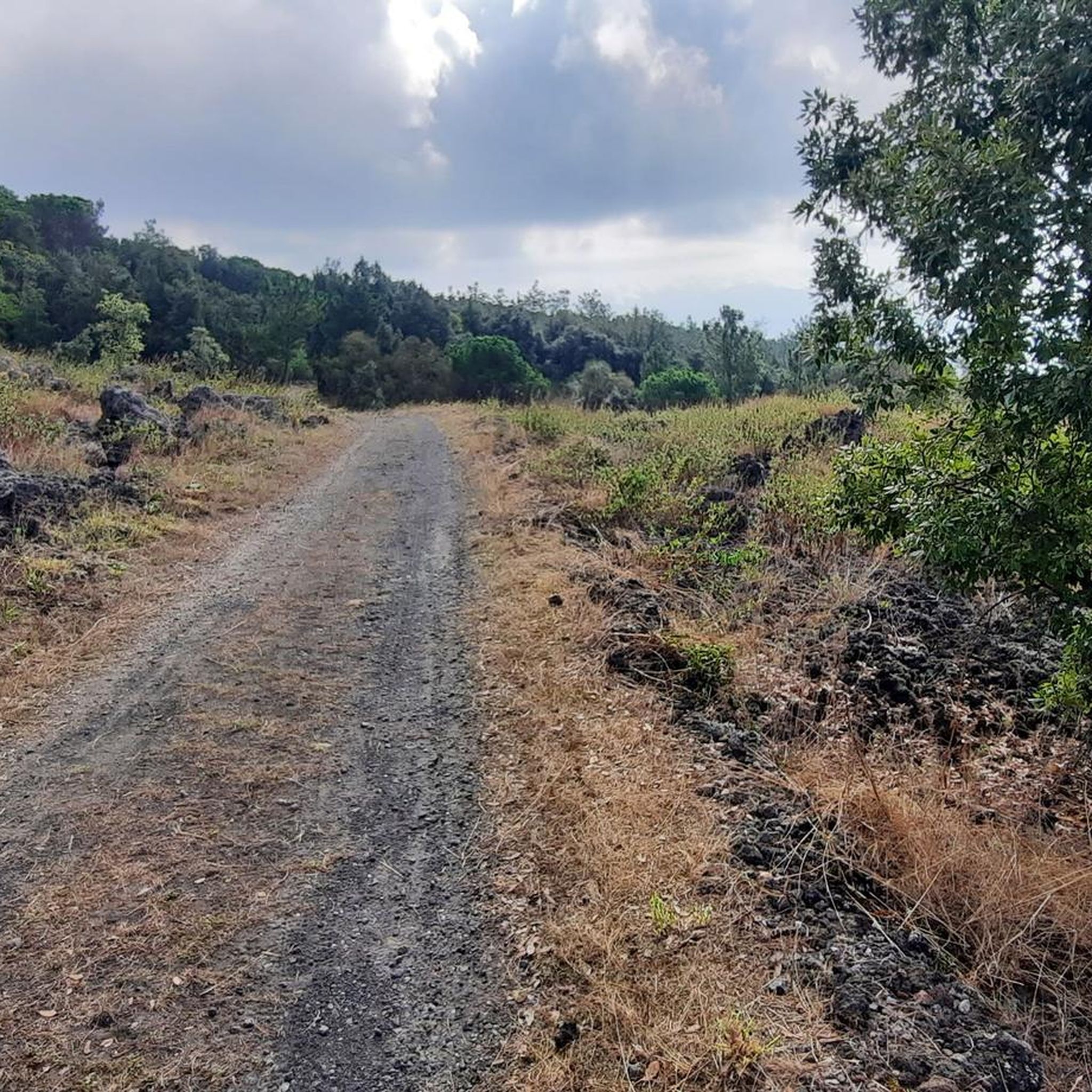
The very panoramic itinerary allows you to enjoy the most suggestive and wild scenery of Somma-Vesuvius, crossing forest environments, scrubland up to bare lava rock. The starting point is located along the road that from the Medici Palace of Ottaviano continues towards the volcanic complex. A barrier prohibiting vehicular traffic marks the beginning of the route, the first stretch of the path, common with path no. 1, winds along asphalted hairpin bends, and then turns into a dirt path. The plant landscape consists initially of a thick pine forest of stone pine and then in a mesophilous forest, with essences such as chestnut, Neapolitan alder, Neapolitan maple, holm oak, black locust. Among the nesting birds, the minute lesser spotted woodpecker, rare and localized in Campania, has only recently colonized the Vesuvius Park. After more than 1 km of walking on a steep climb you reach Largo Angelo Prisco dedicated to the young financier murdered by poachers in 1995 which represents the closest destination. From the Largo, path no. 1 branches off to the left, while the itinerary continues on the right on a slight climb, entering, between twists and turns, into a shady chestnut grove where the numerous species of mushrooms present give off an intense and pleasant fragrance.
0
0

Route to Monte Somma from Santa Maria to Castello
0
0

The volcano symbol of the city of Naples, is still active, its last eruption dates back to 79 years ago.
0
0

Path from Castello di Somma to Punta Nasone, entire from the parking lot to the Belvedere. The path connects to the n.3 of the Vesuvius National Park! Have a good trip 😎💪🏻
0
0

It starts uphill for about 1km in curves (from Ottaviano) after which the terrain is flat, very suggestive with leaves and in specific periods chestnuts and mushrooms along the path. Then you arrive at a parking area and then go up even more (keeping to the left) above you find yourself in a large open space with only two wooden benches in the center and a sacred statuette surrounded by two pairs of trees. If you take the path on the left and walk for 200/300 meters you can enjoy a spectacular view but do not go further because it is dangerous. Also from this large open space, if you take the straight path you will arrive at the top of the Cognoli enjoying a magnificent view as well, seeing all the villages of the Vesuvian hinterland. To return to the starting point from the top there are two paths, either do what you have already traveled or on the left take another faster path (but not recommended because it is steeper and more difficult).
1
0

Trekking in one of the wildest areas of Vesuvius.
1
0
Frequently Asked Questions
What are the main mountain peaks to explore around San Sebastiano Al Vesuvio?
The most prominent peak is Crater of Mount Vesuvius, an active stratovolcano offering panoramic views of the Bay of Naples. Other significant areas include Monte Somma Summit, known for its wild natural areas, and Cognoli Summit and Valle dell'Inferno, which provides a scenic itinerary through diverse forest environments.
What makes Mount Vesuvius a significant peak to visit?
Mount Vesuvius is globally renowned for its historical significance, particularly its 79 AD eruption that buried Pompeii and Herculaneum. It's the only active volcano on mainland Europe, offering a unique geological experience. Climbing to the crater rim provides spectacular 360-degree panoramic views of the Bay of Naples, the Sorrento Peninsula, and surrounding towns.
Are there less crowded or alternative volcanic features to explore besides Mount Vesuvius?
Yes, within the Vesuvius National Park, you can explore the Conetti Vulcanici del Carcavone. These are ancient eruptive mouths of the Somma volcano, offering a fascinating glimpse into the region's older volcanic activity. It's a less-known site, providing a tranquil escape with beautiful natural surroundings and easy trekking opportunities.
What kind of views can I expect from the mountain peaks in this region?
From the Crater of Mount Vesuvius, you can enjoy spectacular 360-degree panoramic views of the Bay of Naples, the surrounding towns, the Sorrento Peninsula, and even the island of Capri. Cognoli Summit and Valle dell'Inferno also offers magnificent views of the Vesuvian hinterland, while Punta Nasone, Monte Somma provides a spectacular view of Vesuvius itself, the islands, and the Benevento Mountains.
Are there family-friendly hiking options around San Sebastiano Al Vesuvio's peaks?
While some trails to the main summits can be challenging, the Vesuvius National Park offers numerous hiking trails suitable for various fitness levels. The area around the Conetti Vulcanici del Carcavone, for instance, provides an easy trekking experience suitable for all, allowing families to explore the natural beauty and rich vegetation.
What is the best time of year to hike the peaks around San Sebastiano Al Vesuvio?
Spring and autumn are generally the best times to visit, offering pleasant temperatures for hiking. Summers can be very hot, especially on exposed volcanic slopes, while winters can bring colder weather and occasional snow at higher elevations, though the park remains accessible.
What are the geological features I can observe within the Vesuvius National Park?
The Vesuvius National Park is rich in geological features. You can observe the prominent conical shape of Mount Vesuvius, its distinct crater with volcanic rock and fumaroles, and ancient lava fields. The park also encompasses the older Mount Somma, which forms an outer broken cone, and features like the Conetti Vulcanici del Carcavone, which are ancient eruptive mouths revealing complex stratigraphy of volcanic scoria, tuff, and lava flows.
Are there challenging trails for experienced hikers in the Vesuvius National Park?
Yes, the Vesuvius National Park offers challenging trails for experienced hikers. For example, the routes to Monte Somma Summit and Punta Nasone, Monte Somma are categorized as challenging, providing opportunities for trekking in wilder, less frequented parts of the volcanic complex with significant elevation gains.
What outdoor activities can I do near the mountain peaks of San Sebastiano Al Vesuvio?
Beyond hiking the peaks, the area around San Sebastiano Al Vesuvio offers various outdoor activities. You can find challenging gravel biking routes, such as the "Singletrack to Strada Matrone – Stone Mask Sculpture loop," or explore running trails like the "Mount Vesuvius loop." For road cyclists, there are routes like the "Napoli, Il Vesuvio e la Costiera Amalfitana – loop tour." You can find more details on these activities in the Gravel biking, Running Trails, and Road Cycling Routes guides for the region.
Are there specific permits required to hike to the Vesuvius crater?
Yes, access to the Crater of Mount Vesuvius requires a ticket. It's advisable to purchase tickets in advance, and visitors often need to buy them at a designated ticket house before reaching the main access area.
Where can I find parking for hiking trails leading to Vesuvius?
Visitors can drive quite far up Mount Vesuvius by car. There are parking areas available, though it's important to note that the final ascent to the crater rim is on foot. For trails like the one to Cognoli Summit and Valle dell'Inferno, there's a parking area after an initial uphill section from Ottaviano.
What do visitors particularly enjoy about the mountain peaks in this area?
Visitors are consistently impressed by the unique experience of exploring an active volcano and the profound connection to ancient history. The spectacular panoramic views of the Bay of Naples from the crater rim are a major highlight. Many also appreciate the wild natural areas of Monte Somma and the diverse trekking opportunities within the Vesuvius National Park.
Can I find circular walking routes around the peaks near San Sebastiano Al Vesuvio?
While many trails are out-and-back, some routes offer variations. For instance, from the top of the Cognoli, there are options to return via a different, faster path, though it might be steeper. Exploring the Vesuvius National Park's network of trails can reveal opportunities for creating circular walks, especially on the lower slopes and around features like the Conetti Vulcanici del Carcavone.
Most popular routes around San Sebastiano Al Vesuvio
Most popular attractions around San Sebastiano Al Vesuvio

Get inspired with the komoot mobile app


Explore more
See even more amazing summits around San Sebastiano Al Vesuvio with these guides:
