The best walks and hikes in Texcoco
4.4
(38)
111
hikers
6
hikes
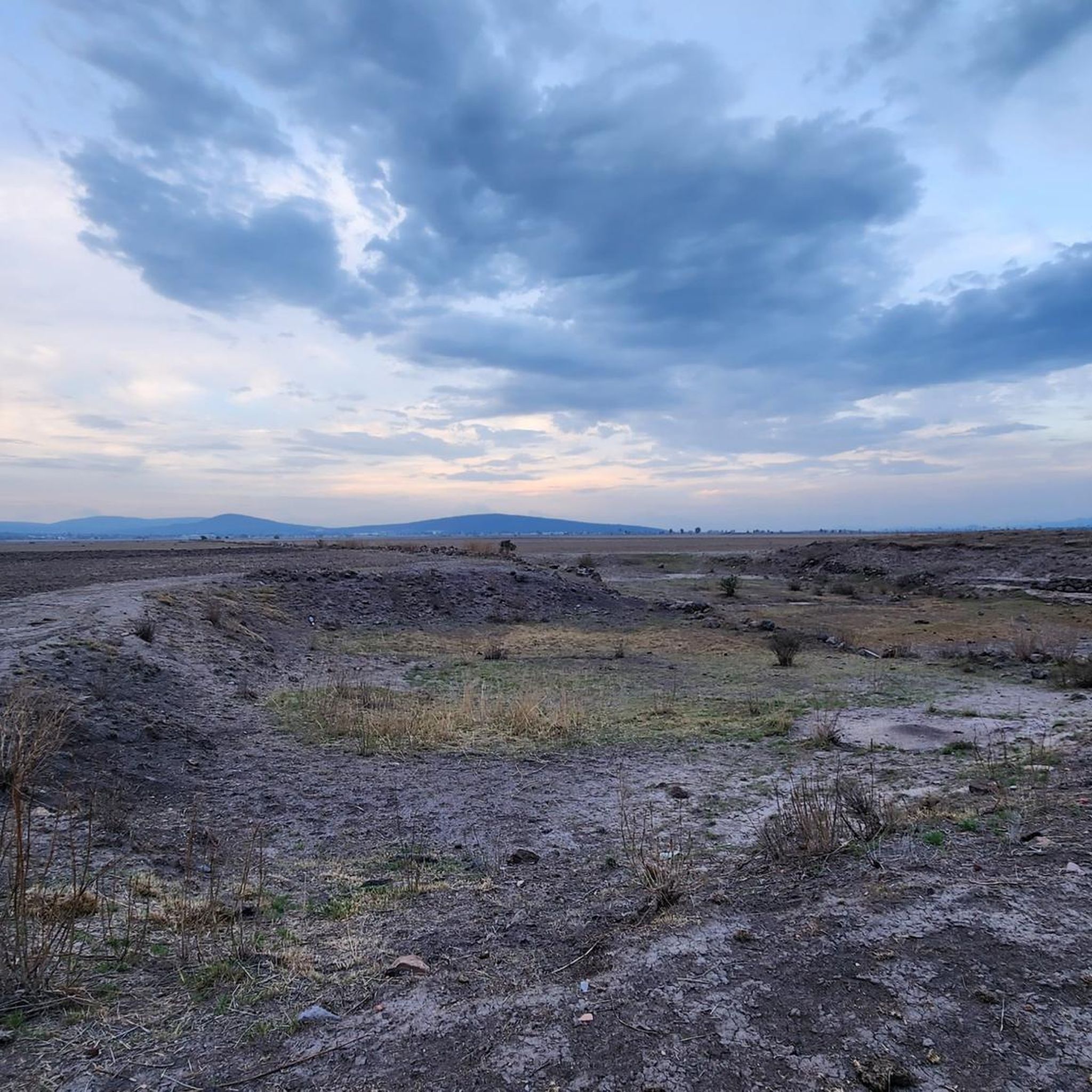
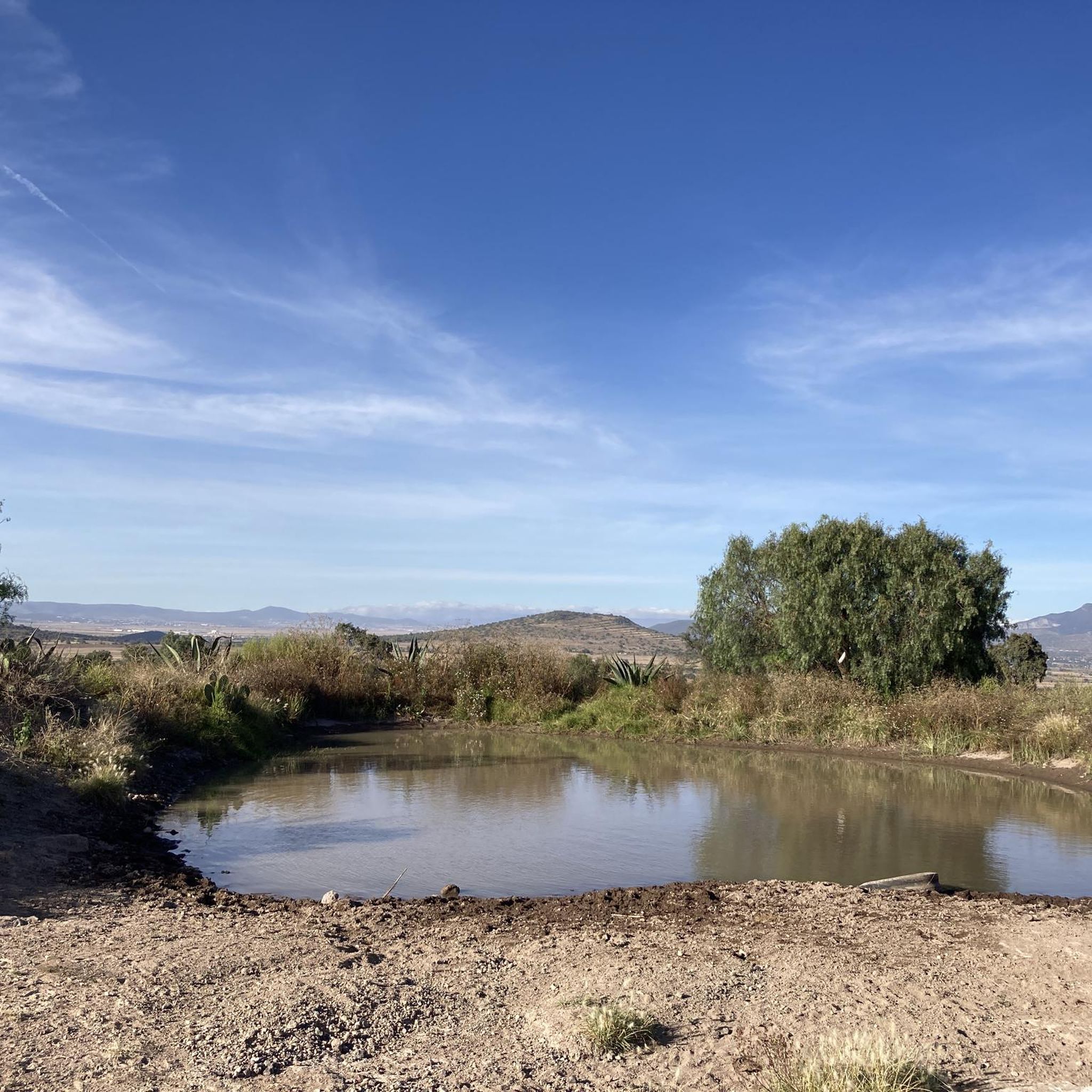
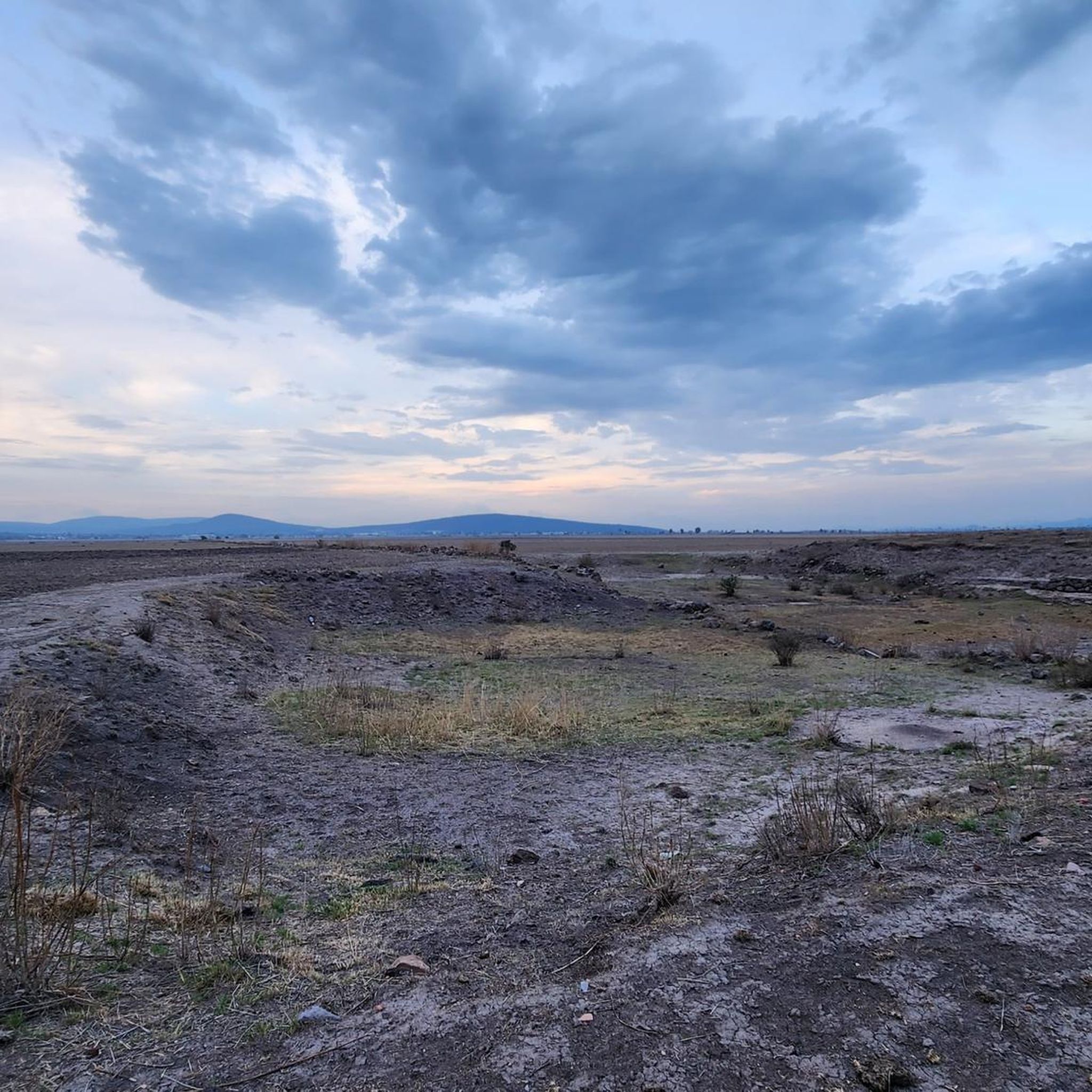
Hiking in Texcoco offers diverse terrain, from the expansive wetlands of the Lake Texcoco Ecological Park to the surrounding mountainous regions. The area is characterized by open landscapes, recovered ponds, and significant ecological restoration efforts, providing habitats for numerous bird species. Beyond the park, the region includes hills and higher peaks, with Tláloc being the most prominent at 4,120 meters. This blend of wetland and elevated terrain provides varied hiking experiences.
Best hiking trails in Texcoco
- The most popular hiking…
Last updated: June 18, 2026
3.3
(16)
17
hikers
5.28km
01:20
10m
10m
Easy hike. Great for any fitness level. Easily-accessible paths. Suitable for all skill levels.
Easy hike. Great for any fitness level. Easily-accessible paths. Suitable for all skill levels.

Sign up for free
5.0
(8)
35
hikers
21.3km
07:17
1,120m
1,130m
Hard hike. Very good fitness required. Easily-accessible paths. Suitable for all skill levels.
4.0
(4)
22
hikers
25.0km
08:44
1,440m
1,440m
Hard hike. Very good fitness required. Easily-accessible paths. Suitable for all skill levels.
5.0
(4)
21
hikers
11.4km
03:53
630m
630m
Moderate hike. Good fitness required. Easily-accessible paths. Suitable for all skill levels.
5.0
(6)
16
hikers
14.0km
04:58
820m
820m
Moderate hike. Good fitness required. Easily-accessible paths. Suitable for all skill levels.
Our route recommendations are based on thousands of hikes, rides, and runs completed by other people on komoot.
Start today with a free account
Your next adventure awaits.
Login or Signup
Tips from the Community

The Hermanos Rodríguez racetrack is a historic monument to motorsports that still stands in Mexico City. It is located in the Magdalena Mixhuca Sports Complex and is surrounded by a wide variety of facilities. It is popular with the city's cyclists.
0
0

The San Juan de Aragón Forest in Mexico City is one of the city's main green spaces, boasting expansive green areas, a lake, an open-air theater, and sports facilities. Inaugurated in 1964, it combines natural spaces with cultural and recreational activities, and is home to over 100 species of birds, as well as squirrels and butterflies. Its 5-kilometer circuit is ideal for running or walking among eucalyptus and casuarina trees, and it offers amenities and security, making it a perfect place to spend the day enjoying nature within the city.
0
0


Convenient place to camp before climbing to the top of Mount Tlaloc. There is a stone wall that protects you from the cold. Several people camp here, it is quieter than camping in Canoas Altas.
0
0
Steep slope. Difficult sections. To get there, just follow the channel.
0
0

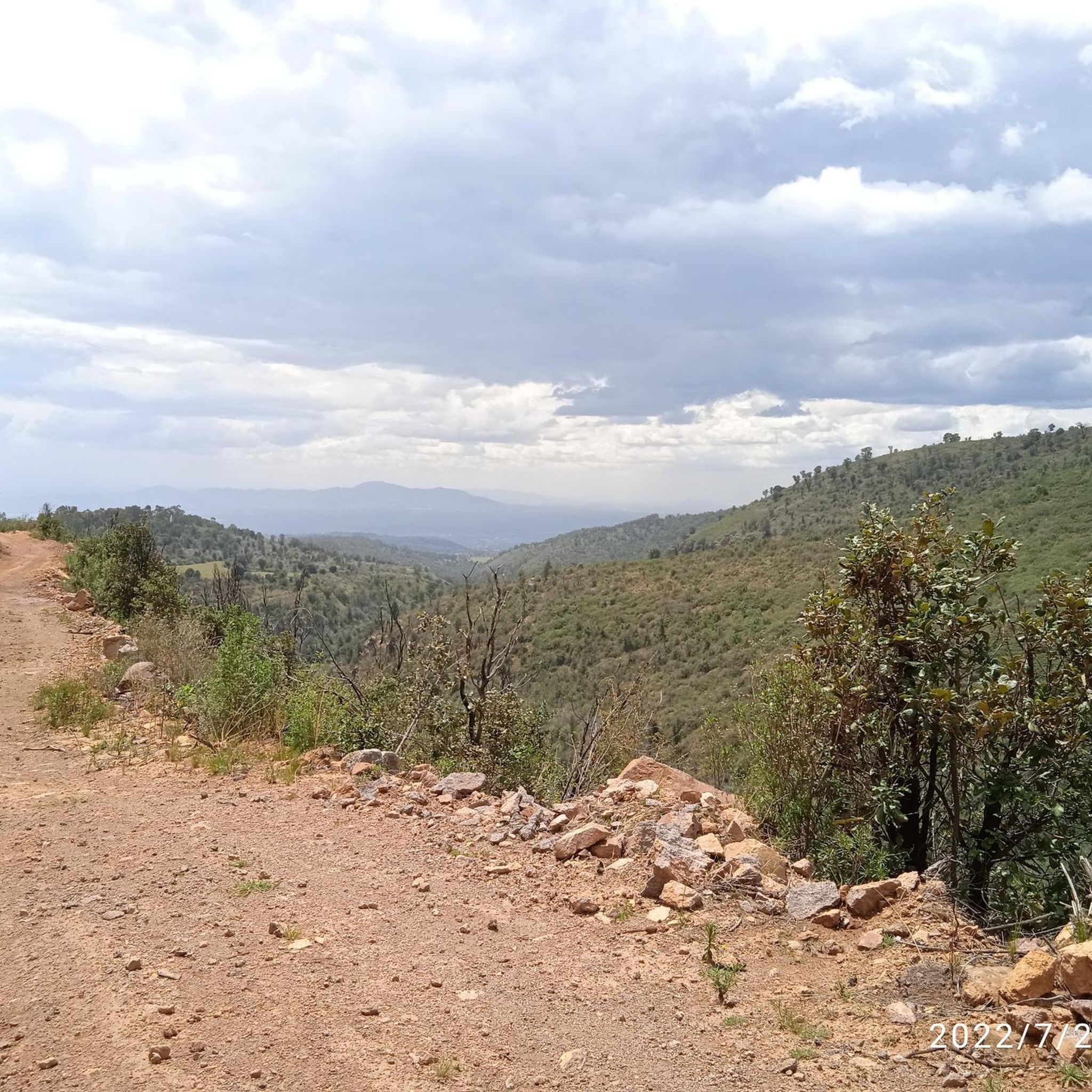
Route Information: Cerro Tlaloc, 4,157m. This was a nice surprise day for us, a group of four experienced guides and walkers setting out from Rio Frio, the small town at the base of this mountain. Basically we travelled to Rio Frio from Mexico City and started off at 9.30am. It's easy to find somewhere to park in the town and then just head roughly north west and find the trail that heads away from the glorious view of the 'Cabeza' (head) of nearby Ista. The trail is a wide one and you can't miss it really as it lays on the outskirts of the town. If you have any difficulties just ask. The trail is in reality a rough road and is suitable for a four wheel vehicle and it meanders up through a lovely pine forest, which restricts your view but it is still pleasant. Just stick to the trail and after four k's you start to come out on a plateau. You are still on the big trail and it generally heads to the right. If you come to a junction just follow the yellow arrows. You have views from the plateau and to the left, about 2ks away is the summit of Telopan (4,060m). You will move away from this for another four k's until you come to a single track trail. Follow this until you come to the rock banded summit area of Tlaloc. Now you go to the left of the rock bands, it's a bit of a bushman cross country trip but we managed to follow the trail up around to the left and had bit of a neat scramble until you come out above the bands. Another k and you come to the broad summit where you have the old Aztec pyramid. It is time to head down now and this is a bit of bush trek too but the views are quite nice. You have great views of Ista's 'Cabeza' again and it is all very pleasant. Now I would return the same way as you came if you lack hiking competency and use a GPS if you can. We returned a different way heading down the rock band and ended up on a good off piste trip...all rather fun. After a jaunt back down the trail we ended back in Rio Frio. All in all this was a very good hiking day. Nice views, good trail, pine forest hike, easy scrambling and moderate route finding problems. No maps available to us but we got a gps track downloaded from wiki log. Take a gps if you can even if it's only to back track.
5
0
Mount or Cerro Tlaloc (Spanish: Monte Tláloc, sometimes wrongly listed as Cerro el Mirador; Nahuatl: Tlālōcatepētl) is a mountain and archaeological site in central Mexico. It is located in the State of Mexico, in the municipalities of Ixtapaluca and Texcoco, close to the state border with Puebla. Formerly an active volcano, it has an official altitude of 4,120 metres (13,517 ft) above sea level, thus being the 9th tallest mountain of Mexico. The mountain was considered by the Nahuan peoples, foremost among them the Aztecs, to be specially sacred to the raingod Tlaloc. In fact, the mountain was believed to be one of his primary earthly dwelling places, called Tlalocan. Attribution of this and other mountains to the sacred presence of rain deities predates the Aztec era by centuries, even millennia. At the summit there are still remains of a shrine where high ceremonies would have been carried out. The rites of Tlaloc were otherwise performed at his temples, most famously that occupying one half of the Templo Mayor at the heart of the temple precinct of nearby Mexico-Tenochtitlan. The inherent analogy of temple pyramids to sacred mountains allows for the very likely possibility that the central temple of the Aztec capital, as such, was at least partly a symbolic representation of the actual Mount Tlaloc, and that the summit shrine of the temple was itself an analogue to that atop the mountain. The shrine atop is one of the highest-elevation shrines in the world. Together with Mount Telapón (4,060 metres (13,320 ft)) and some other, lower peaks, Mount Tlaloc forms the "Sierra de Río Frío", the northernmost tip of the Sierra Nevada. The mountain is easily accessible from Federal Highway 150 at the town of Río Frío de Juárez. The long, but easy and non-technical hike provides an elevation gain of over 1200 m.[2] More strenuous routes depart from San Pablo Ixayoc and from other towns outside Texcoco.
4
0
Frequently Asked Questions
How many hiking trails are available in Texcoco?
Texcoco offers a diverse range of hiking experiences with over 6 routes documented on komoot. These trails cater to various skill levels, from easy walks through green spaces to more challenging mountain ascents.
What kind of terrain can I expect on Texcoco's hiking trails?
The terrain in Texcoco is quite varied. You'll find open, exposed landscapes and wetlands within the Lake Texcoco Ecological Park, featuring paths alongside water bodies and through green spaces. Beyond the park, the region includes mountainous terrain with significant elevation changes, leading to peaks like Tláloc.
Are there any family-friendly hiking options in Texcoco?
Yes, Texcoco has options suitable for families. An easy and flat path through green spaces is the Vuelta por el Bosque de San Juan de Aragón en México, which is 3.3 miles (5.3 km) long and takes about 1 hour and 20 minutes to complete.
What are the best times of year to go hiking in Texcoco?
While specific seasonal advice isn't provided, the open and exposed nature of many trails, especially in the Lake Texcoco Ecological Park, suggests that cooler, drier months might be more comfortable. Always check local weather conditions before heading out.
Are there any challenging hikes for experienced trekkers in Texcoco?
For experienced hikers seeking a challenge, Texcoco offers routes with significant elevation gain. The Cayiman – Monte Tlaloc loop from Río Frío de Juárez is a difficult 12.9 miles (20.7 km) trail that leads through high-altitude landscapes, often taking over 7 hours to complete. Another demanding option is the Monte Tlaloc – Trancas Campsite loop, which covers 25 km with substantial ascent.
What kind of wildlife can I expect to see while hiking in Texcoco?
The Lake Texcoco Ecological Park is a significant area for wildlife, recognized as a Ramsar Wetland and an Important Bird and Biodiversity Area (IBA). You can expect to see a wide variety of bird species, especially migratory birds, and potentially other animal species, including amphibians and reptiles, particularly in wetland areas like the Ciénega de San Juan.
Are there any circular hiking routes in Texcoco?
Yes, Texcoco features several circular routes. Examples include the Cayiman – Monte Tlaloc loop from Río Frío de Juárez and the Trancas Campsite loop from Centro Ecoturístico Canoas Altas, offering varied distances and difficulties.
Do I need a permit to hike in Texcoco, especially in the Lake Texcoco Ecological Park or on mountain trails?
The provided information does not indicate that permits are generally required for hiking in Texcoco or the Lake Texcoco Ecological Park. However, it's always advisable to check for any specific regulations or entry requirements for particular areas or protected zones before your visit.
What are some notable landmarks or viewpoints I can discover on Texcoco's trails?
The Lake Texcoco Ecological Park itself is a major landmark, recognized by UNESCO as Mexico's first Ecohydrology Demonstration Site. Within the park, you can find viewpoints overlooking the extensive wetlands and recovered ponds. For higher vantage points, trails in the mountainous regions can lead to summits like Tláloc, offering panoramic views of the surrounding landscape.
What do other hikers say about their experience in Texcoco?
The hiking routes in Texcoco are highly rated by the komoot community, with an average score of 4.4 stars from over 30 reviews. Hikers often praise the diverse terrain, from the unique wetlands to the challenging mountain paths, and the opportunities to explore significant natural beauty.
Are there places to eat or drink near the hiking areas in Texcoco?
While specific cafes or restaurants directly on the trails are not detailed, Texcoco is a populated area, and you can expect to find dining options in the town and surrounding communities. For areas like the Lake Texcoco Ecological Park, it's recommended to bring your own provisions, though some facilities may be under development.
Most popular routes in Texcoco

Get inspired with the komoot mobile app


Explore more
Browse the best Hikes in other regions.
